English



At Mad Barn, our mission is to advance the field of equine nutrition and support horse owners through research, technology, education, and feeding solutions. A core part of that mission is driving science mobilization: turning the latest research findings into practical, accessible knowledge for every horse owner.
We recently joined Elisa Walfish, MSc from the Data Driven Equestrian on the EquiScience Podcast to discuss research-backed approaches to horse care, nutrition, and overall health.
The EquiScience Podcast explores the science behind modern equine management with leading researchers discussing the latest studies on horse health, behavior, and biomechanics. Whether you’re a rider, scientist, or horse lover, each episode offers evidence-based insights that help you make better-informed decisions for your horse.
We’d like to extend our gratitude to Elisa for inviting Mad Barn to share our knowledge with her audience and for creating such an engaging platform for all equestrian to explore equine science. Check out both of our feature episodes and more at the Data Driven Equestrian or wherever you get your podcasts.
Top 15 Listener Questions from the EquiScience Podcast
In the first episode of our two-part series on the EquiScience Podcast, Mad Barn team members — Dr. Priska Darani, Ph.D., PAS and Mad Barn’s Director of Research, Scott Cieslar, M.Sc. and Mad Barn CEO, and Dr. Fran Rowe, DVM, PAS and Mad Barn Veterinary Nutritionist — discussed practical strategies and insights to help owners make informed decisions for the horses in their care.
Mad Barn’s experts are always excited to sit down and talk equine nutrition, medicine, and management. It’s especially important to us that we cut to the heart of matters that are most important to horse owners and caretakers. Here are some of the most popular questions EquiScience Podcast listeners had for us.
1) What is Insulin Resistance & Can it be Reversed?
Insulin resistance (IR) in horses occurs when the body’s cells become less responsive to the hormone insulin, often triggered by excess sugars in the diet and a lack of exercise. [1][2][3]
Genetics play a significant role as well, particularly in breeds prone to equine metabolic syndrome (EMS), which includes IR as a feature. [4][5][6][7] Insulin resistance is also associated with obesity.

“A baseline insulin {test} is a single snapshot in time that can be affected by how recently that horse may have eaten, so the next step is a fasting insulin {test to} .... eliminate that variable of just a physiologic insulin spike after a meal.”
— Dr. Fran Rowe DVM, PASMad Barn Veterinary Nutritionist
Managing IR requires lifestyle changes to improve regulation of insulin and blood sugar levels. Lifestyle changes include proper nutrition such as a low-sugar, low-starch diet to minimize blood glucose spikes.
Regular exercise is beneficial as it improves insulin sensitivity, lowers blood glucose by stimulating glucose use by muscles, and reduces insulin levels. [8][9] Maintaining an ideal body condition is also important because excess fat affects how the horse’s body responds to insulin. [10]
If you suspect metabolic issues, consult your veterinarian for a diagnosis and treatment plan. Monitor your horse for conditions associated with IR, such as laminitis and Pituitary Pars Intermedia Dysfunction (PPID or Cushing’s). Early intervention and consistent management are key to reversing IR and improving metabolic health.
For help formulating a diet plan for your insulin-resistant horse, consult a professional equine nutritionist to determine the best support strategies for your horse.
2) How to Feed a Hard Keeper?
Hard keepers are horses that have difficulty maintaining weight despite adequate feed intake. These horses often have higher metabolic rates, increased energy demands, or difficulty digesting and absorbing nutrients efficiently.
It’s common for owners and caretakers to use high-protein complete feeds to support the needs of hard keepers. While this may effectively promote weight gain, it often results in oversupply of protein. Exercising horses require roughly 1 gram of protein per pound of body weight, and most diets meet this need without supplementation. [11][12]
Excess protein can impair fluid balance and increase energy expenditure for digestion and metabolism. [13][14] Hard keepers can typically meet their energy needs with forage and fat supplements to boost calories without relying on large servings of grain or concentrates.

“You want to be careful not to over-provide protein to performance horses as it can cause metabolic issues. Knowing the protein content of your hay helps better meet their needs.”
— Dr. Priska Darani, PhD, PASDirector of Research, Mad Barn
Maintaining a hard keeper requires balancing their vitamin, mineral, and protein intake while providing a higher calorie diet. All dietary choices should be tailored to the horse’s individual weight, body condition, and workload to ensure optimal health and performance.
What's your top priority with your horse's health?

Enter your email to receive your store credit
3) Is a High-Protein Feed Better for Performance Horses?
A horse’s protein intake should align with its activity level, but more protein does not necessarily mean better performance. While protein is critical for muscle maintenance and recovery, not all horses need to consume high-protein feeds to meet their requirements.
Energy requirements for competition horses are about 60% higher than for non-exercising horses, but protein needs are only 20%-30% higher. [11] Additionally, meeting these energy demands through high-quality forages naturally increases protein intake, reducing the need for high-protein concentrates.
Horses are able to digest a significant portion of protein in their diets, but the exact percentage varies based on forage maturity and type. Younger, less mature forages are typically higher in protein and energy, making them suitable for performance horses with increased nutritional requirements. [15]
“You still want to focus on making sure {your horse's} energy requirement is met by adding more immature forages or alfalfa to boost the energy, and then along with that, the protein will also be boosted.”
— Dr. Priska Darani, PhD, PASDirector of Research, Mad Barn
Higher protein percentages are not inherently better and should be carefully managed for competing horses. Amino acid supplements are often more effective for supporting muscle function than high-protein feeds and avoid the negative effects of excess protein.
4) How Does a Qualified Equine Nutritionist Balance a Horse’s Diet?
Qualified equine nutritionists are experts at evaluating the specific needs of an individual horse based on their lifestyle, health status, and management restrictions. They can also make recommendations for barns with multiple horses to help coordinate management challenges with individual dietary requirements.
Mad Barn’s general approach to formulating a balanced diet for any horse involves: [11][16][17][18][19]
- Assess Body Condition: Use the Henneke body condition score (BCS) to determine if dietary adjustments are needed. The ideal score on the 9-point Henneke scale ranges from 4 to 6, depending on the horse’s physiological status and activity level.
- Evaluate Workload: Adjust caloric intake based on exercise level. The National Research Council’s Nutrient Requirements of Horses categorizes workload into five levels: maintenance (no exercise), light, moderate, heavy, and very heavy exercise.
- Assess Physiological Status: Some horses, such as pregnant mares or growing foals, have increased nutritional needs.
- Feed a Forage-Based Diet: Free-choice access to hay and/or pasture can meet energy and protein requirements while promoting gut health.
- Add Calories as Needed: If additional energy is required, incorporate calorie-dense feeds such as fat supplements or beet pulp. Avoid high-sugar or high-starch feeds.
- Support Digestive Health: Probiotics and yeast supplements can enhance the breakdown of feed, nutrient absorption, and promote healthy gut function.
- Ensure Proper Hydration: Provide access to fresh water and free-choice salt to encourage water intake, support appetite regulation, digestion, and nutrient absorption.
- Meet Vitamin and Mineral Needs: Vitamins and minerals play a key role in physiological processes. You can prevent deficiencies by feeding a concentrated vitamin and mineral supplement such as Mad Barn’s Omneity.
Once the core diet is balanced, a nutritionist will assess any special care needs or performance goals for the horse. They can then recommend functional ingredients and targeted supplements to support these needs, whether for joint health, respiratory function, mood regulation, immune support, or other specific concerns.
By combining these strategies, you can maintain your horse’s condition and performance goals while meeting their nutrient requirements efficiently. If you want to learn more about our diet evaluation process, submit your horse’s diet or schedule a free consult with one of our equine nutritionists today.
5) Should I Add Fat or Other Calories to My Horse’s Diet?
Adding fat to your horse’s diet is an efficient way to increase calorie intake while providing cool energy. Fat can also be used in place of high-starch feeds to add calories without risking impairment of gut health or laminitis.
Fat supplements are primarily made up of triglycerides, which are energy-dense molecules that horses digest and metabolize efficiently. Compared to carbohydrates, fats provide more than twice the calories per gram, making them an effective way to support weight gain, performance, and endurance. [11]
Various fat sources offer unique benefits depending on their fatty acid profiles and digestibility.
High-Calorie Fat Sources:
These ingredients can be integrated into your horse’s feed for a convenient calorie boost:
- Dried distiller’s grains
- Rice bran
- Ground flax
Oils for Additional Energy:
Oils are a concentrated and easily digestible calorie source that can be mixed into feed:
- Mad Barn’s w-3 Oil
- Canola oil
- Flax oil
- Camelina oil
- Soybean oil
- Fish oil
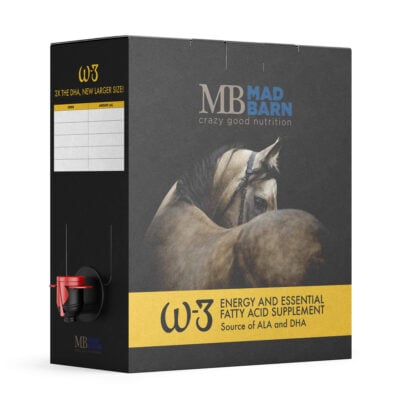
Fat sources differ in fatty acid composition, influencing coat health, inflammation, and overall well-being. For example, w-3 Oil and fish oil are rich in long-chain omega-3 fatty acids, which have anti-inflammatory properties. [20][21]
Choosing the right source depends on your horse’s specific needs, such as weight gain, energy for performance, or overall health improvement. Consult with an equine nutritionist to find the best fat supplement for your horse.
6) Can Horses Have Free Access to Alfalfa Hay All Day?
Alfalfa hay is a legume forage that contains higher protein and calcium levels than grass hays, making it a nutrient-dense option for many horses. [11] However, when fed in excess, its high protein and calcium content can exceed a horse’s nutritional needs, potentially leading to health concerns such as respiratory irritation or an increased risk of enterolith formation. [22]
Despite these considerations, alfalfa is an excellent choice for horses with increased protein and energy demands, including performance horses and lactating mares.
If alfalfa is the primary or only forage option, the following strategies can make it more suitable for horses with an average protein requirement:
- Feeding more mature alfalfa hay lowers its protein concentration.
- Mixing alfalfa with lower-protein forages like grass hay cubes, pellets, or non-forage fiber sources such as beet pulp can help balance overall nutrient intake.

“It really comes down to what the horse is doing... and when you think about the ecological needs of the horse and its need to eat for long periods, grass tends to fit that better than legumes as a whole, but legumes do have to play an important role in the equine diet.”
— Scott Cieslar, MScCEO & Founder, Mad Barn
The suitability of giving a horse free-choice alfalfa depends on its age, activity level, and overall nutritional needs. For most horses, offering alfalfa in controlled amounts alongside other forages or fiber sources is a more balanced approach.
Always tailor your horse’s diet to their unique needs and consult an equine nutritionist when in doubt.
7) How Can I Assess if a Supplement is Safe & Effective?
Supplement regulations vary by country. Mad Barn being a Canadian manufacturer, its products are held to higher standards than those of American supplement brands.
In Canada, most nutritional supplements for horses are regulated as Veterinary Health Products (VHPs) under Health Canada. This means manufacturers must:
- Use approved ingredients from Health Canada’s List of Permitted Substances
- Ensure product safety and quality through strict manufacturing requirements
- Make only approved structure/function claims backed by scientific evidence
In contrast, in the United States, nutritional supplements for horses are not as tightly regulated, and:
- Do not require pre-market approval from the FDA
- Are not required to provide research supporting efficacy or safety
- Can make broad claims with limited regulatory oversight
Horse owners should carefully evaluate supplements by checking whether products have the appropriate registrations and approvals for their jurisdiction. Choose products from companies like Mad Barn, which follow Good Manufacturing Practices (GMP) guidelines, operate equine-only facilities, and conduct third-party testing.
Closely review ingredient labels and assess whether claims are supported by scientific research. Prioritize supplements with ingredients that are backed by published studies showing evidence of efficacy in horses.
Before purchasing, research the manufacturer’s reputation, customer reviews, and whether equine nutritionists or veterinarians are actively involved in their operations. If unsure, consult an equine nutritionist or veterinarian to ensure the supplement is appropriate for your horse’s needs.
Understanding Supplement Terms
When evaluating supplement claims, it’s important to understand what terms like “natural,” “organic,” and “synthetic” actually mean. “Natural” may sound ideal, but even naturally derived supplements often undergo significant processing to extract and refine their active components.
For example, horse owners generally know that natural vitamin E is considered superior to synthetic vitamin E, but this isn’t because one is considered “more natural” than the other.
Natural vitamin E, also known as d-alpha-tocopherol, is more bioavailable than synthetic vitamin E (dl-alpha-tocopherol). This means the horse’s body absorbs and utilizes natural vitamin E more efficiently compared to the synthetic form.
However, even though “natural vitamin E” is derived from plant oils, the extraction and purification process classifies it as “synthetic” from a manufacturing standpoint.
Similarly, vitamin D, often labeled as natural, is sourced from sheep lanolin and undergoes heavy processing to stabilize it for supplementation.
There is also frequent confusion about the use of organic minerals in equine supplements. “Organic” and “inorganic” minerals refer to their chemical structure rather than farming practices.
Organic minerals are bound to carbon-containing molecules, which generally improves their absorption and bioavailability. Inorganic minerals, such as oxides or sulfates, do not contain carbon and may be less readily utilized by the horse’s body.
“If you're feeding something that has organic sources, you're likely going to see more improvement in the things you want to see improvement in — hoof growth or performance — because the minerals are being absorbed better into the horse.”
— Dr. Priska Darani, PhD, PASDirector of Research, Mad Barn
8) Should I Always Feed Vitamin E When Feeding Oils?
When feeding oils such as sunflower oil to your horse’s diet, it is generally recommended to supplement with vitamin E to ensure adequate intake.
While sunflower oil naturally contains some vitamin E (alpha-tocopherol), the processing of sunflower seeds can reduce its vitamin E content by up to 38%. [23] As a result, the amount of vitamin E present in sunflower oil is typically insufficient to meet a horse’s daily requirement.
This means the typical serving of sunflower oil alone cannot fill a horse’s daily vitamin E needs; a 500 kg (1,100 lb) horse at maintenance requires 500 IU of vitamin E per day.

9) What is Spirulina & Should I Feed it to my Horse?
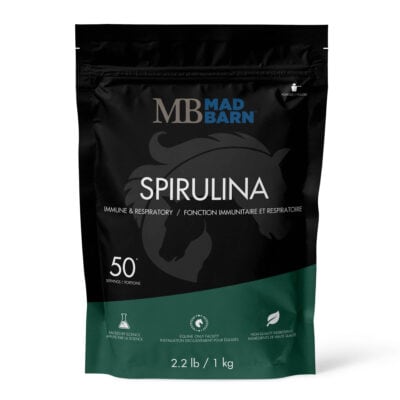
Spirulina is a nutrient-rich freshwater algae commonly used to support immune and respiratory health in horses. Spirulina (Arthrospira platensis) is a type of cyanobacteria known for its antioxidant properties.
Spirulina provides a wide range of essential nutrients, including all essential amino acids, vitamins A, C, and E, and key minerals. Research suggests that feeding spirulina alongside jiaogulan may help reduce coughing and headshaking in horses with respiratory issues. [24] This suggests that spirulina supports respiratory function and helps maintain a healthy immune system. [25]
Spirulina may also benefit horses with equine metabolic syndrome (EMS). Studies indicate that it can support weight loss, reduce cresty neck, and maintain healthy insulin sensitivity. [26]
Horses prone to skin conditions such as sweet itch or hives may also benefit from spirulina.
Due to its nutrient density, spirulina supports the nutritional needs of performance horses, lactating mares, and growing horses, making it a versatile supplement.
10) What is the Best Diet for a Young Horse in Daily, Low-intensity Training?
A young horse in daily training should have a diet based on high-quality forage, such as immature grass hay or a grass-legume mix. Provide at least 1.5%–2% of body weight in forage dry matter daily to support energy, protein needs, gut health, and natural feeding behaviors.
High-quality pasture is another energy-dense and cost-effective feed option for young, active horses.
“Higher quality forage can meet those needs without relying on grain.”
— Scott Cieslar, MScCEO & Founder, Mad Barn
If additional energy is needed, supplementing with fat or fiber sources can help meet requirements without over-reliance on grain. Beet pulp is a valuable fiber supplement, while adding a small amount of high-quality oil can provide a concentrated fat source.
Marine-derived oils containing omega-3 fatty acids DHA and EPA offer additional benefits beyond energy, supporting joint, respiratory, and overall health. [27][28][29]
Grain, such as oats, should only be included if necessary and carefully portioned. Ensuring a proper balance of electrolytes, particularly sodium, potassium, and magnesium, is essential for hydration and recovery.
Consult an equine nutritionist to develop a diet plan tailored to your horse’s specific needs, maximizing both performance and overall health.
11) What is the Optimal Diet for the Average Ridden Horse?
A well-balanced diet for an average ridden horse should match its workload, training, and exercise, providing adequate energy without excess or deficiency to support overall health and performance.
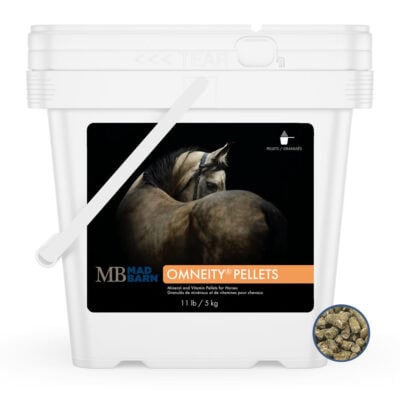
Horses in light work, such as occasional riding, can typically meet their energy needs with grass or mixed hay (10% crude protein) alone. To ensure a balanced diet, a 500 kg (1,100 lb) mature horse in light work may require:
- 11.5 kg (25 lb) mixed hay daily
- 30 g (2 tablespoons) salt
- 200 g (2 scoops) Omneity® Pellets to meet vitamin and mineral requirements
This diet provides 100% of the required digestible energy while delivering 145% of protein needs, supporting overall health without excessive starch and sugars.
The total hydrolyzable carbohydrate (HC) content is estimated at 8.8%, helping to reduce the risk of metabolic disturbances associated with high-sugar and starch diets.
Horses in moderate work, such as regular riding or training, have slightly higher energy requirements. The following is an example of a balanced diet for horses in moderate work:
- 12 kg (26.5 lb) mixed hay
- 0.5 kg (1 lb) alfalfa cubes (dry weight)
- 120 mL (4 oz) w-3 Oil for extra calories
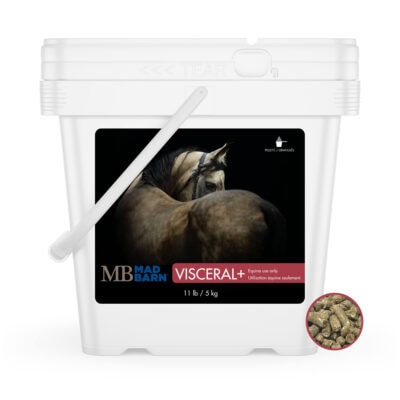
- 80 g (1 scoop) Visceral+ to support gut health
- 30 g (2 tablespoons) salt
- 120 g (4 scoops) Omneity® Premix Premix.
This diet provides 100% of the required energy with balanced protein and appropriate fat levels, supporting performance and overall health.
Part Two of Mad Barn on the EquiScience Podcast
During our second episode, Priska and Scott were joined by Mad Barn’s Veterinary Educator, Dr. Madison Ricard, DVM, PhD, DACVP, PAS, and our Scientific Editor, Chloé FH McIntosh.
12) What is the Best Way to Manage Equine Asthma?
Although there is ongoing research into genetic links, equine asthma is strongly associated with environmental and management factors. [30] Horses living in dusty environments or those with otherwise low air quality are at higher risk. However, with appropriate management, many horses can maintain a healthy lifestyle. [31]
Managing equine asthma involves a combination of environmental adjustments, dietary changes, and medical treatments tailored to the horse’s needs. The condition is primarily triggered by environmental factors like dust and mold spores, but it can also be part of an allergic response to airborne allergens or those found in hay or bedding. [32]
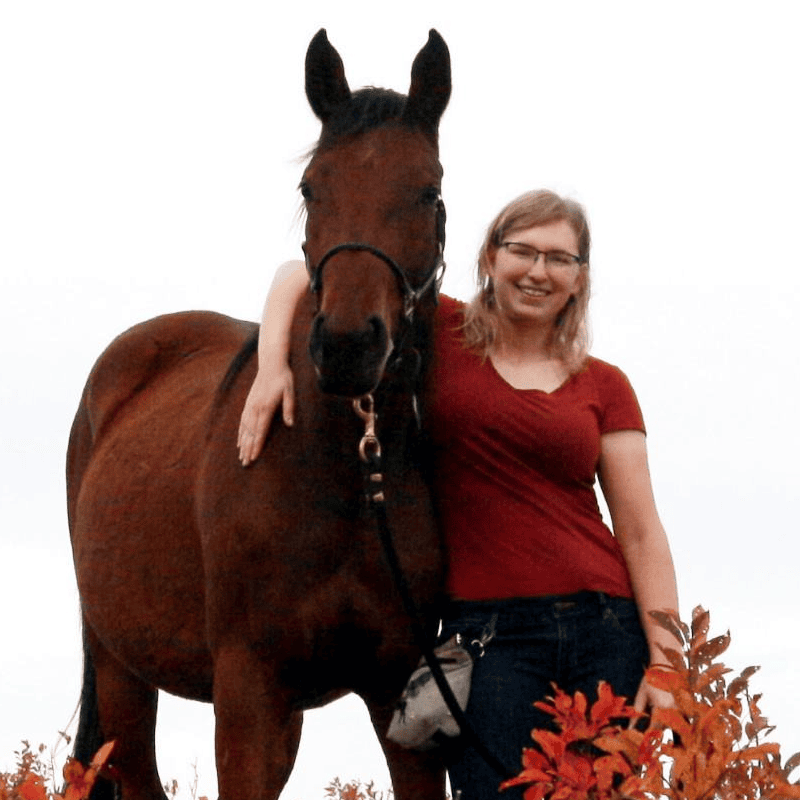
“With those {asthmatic} horses, one of the first things you want to do is kick them outside as much as possible so they're away from any dusts or particles that could be stirred up in a stall environment or a barn.”
— Dr. Madison Ricard, DVM, PhD, DACVP, PASMad Barn Veterinary Educator
Key management strategies include: [33]
- Maximizing time outdoors
- Minimizing dust exposure in stalls
- Ensuring bedding is free of dust
- Avoiding straw bedding
- Optimizing barn ventilation
- Providing hay in hay nets
Feeding practices also play a role; hay can be soaked or steamed to reduce dust and mold. [31]
Supplements like omega-3 oils and spirulina help maintain immune function and support a healthy inflammatory response. [24][33] While medications are used in acute or severe cases to aid in recovery from asthmatic episodes, proper environmental management helps reduce exposure to respiratory irritants and support overall respiratory health, minimizing the need for pharmaceutical intervention.
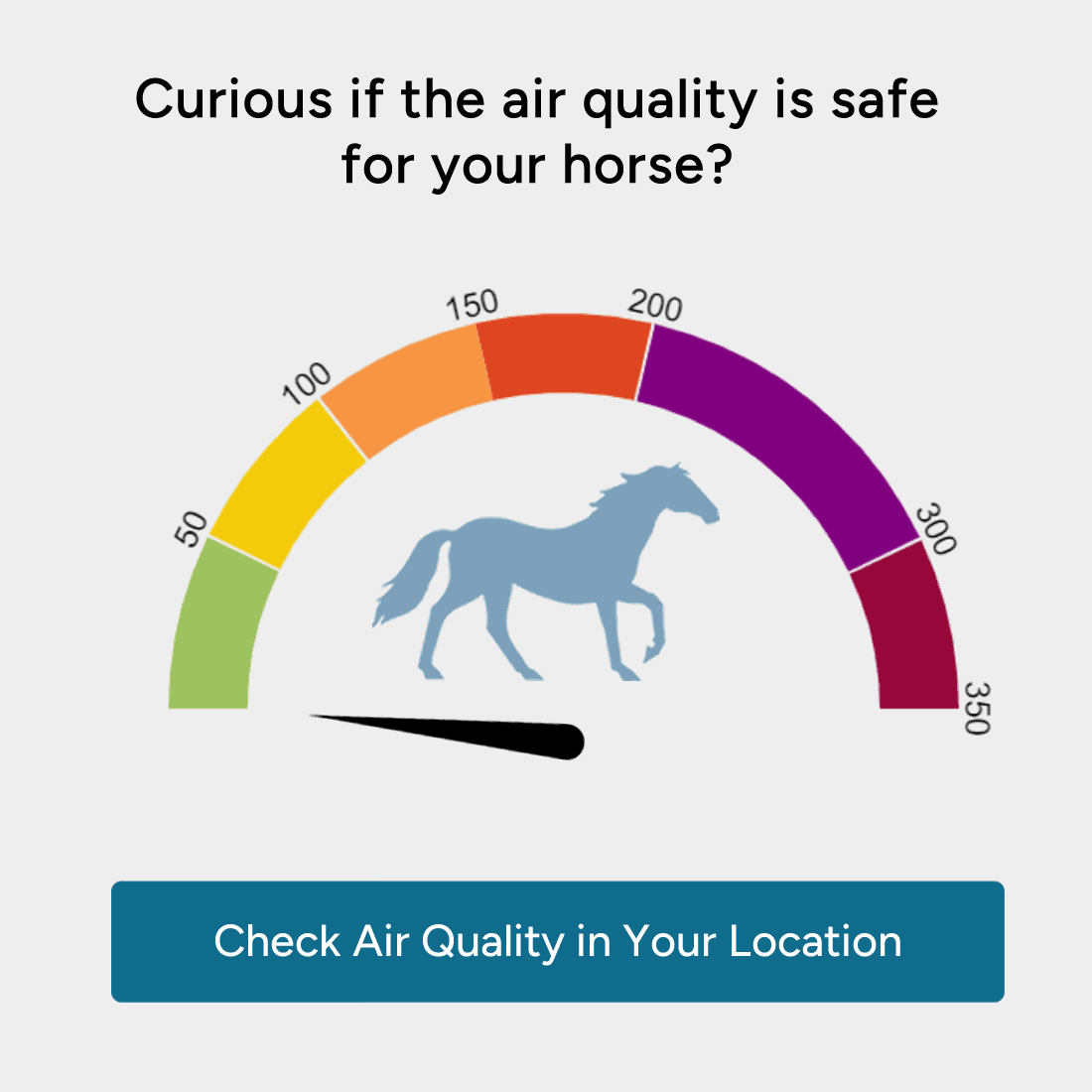
In addition, using tools like Mad Barn’s Equine Air Quality Index guide can help you assess the air quality in your location before you exercise with your horse.
13) How Can I Prevent Ulcers in My Horse?
Gastric ulcers are lesions that develop in the lining of a horse’s stomach due to prolonged exposure to stomach acid. Horses produce gastric acid continuously, even when they are not eating, making them particularly vulnerable to ulcer formation when their stomach remains empty for extended periods.
Preventing ulcers starts with addressing the physiological and environmental factors that contribute to their development. One major risk factor is exercise, which increases abdominal pressure and can cause acidic stomach contents to move into the upper (squamous) region of the stomach, an area with minimal protective mechanisms. [34]
To reduce ulcer risk, horses should have continuous access to forage, as a full stomach provides a natural barrier against gastric acid. [35][36] If 24/7 forage access is not possible, horses should never go more than four hours without eating, even when weight management is a concern.
Alfalfa hay can support gastric health due to its natural calcium content and acid-buffering properties. However, for most horses, alfalfa should make up only 10%–20% of total forage intake. [37] Additionally, reducing grain and high-starch feeds is important, as these contribute to an acidic environment in the stomach and increase ulcer risk. [35][36]
Minimizing stress is also a key strategy in ulcer prevention. Elevated cortisol levels, triggered by chronic stress, can weaken the stomach’s protective mechanisms and increase ulcer susceptibility. [38]
Reducing stress through consistent routines, and appropriate turnout can help support digestive health. Providing constant access to water, managing social environments to minimize disruptions, and avoiding prolonged, inappropriate use of NSAIDs can further reduce ulcer risk. [39]
14) What is the Most Effective Way to Ensure Adequate Salt Intake?
Salt is essential for horses as a primary source of sodium, which supports electrolyte balance, hydration, nerve function, and muscle contraction. Many horses are naturally good at regulating their salt intake when allowed free-choice salt, but some will not consume enough to meet needs. [40]
To ensure adequate intake, offer loose, free-choice salt or a salt block. Loose salt is easier for horses to consume than a block, making it the preferred option for many. Installing a weather-protected loose salt feeder that is unlikely to be pushed over is a simple solution. You should also add salt to your horse’s daily ration.
For a 500 kg (1,100 lb) horse at maintenance in temperate weather add at least 30 grams (2 tablespoons) of salt to their daily feed. However, horses in work or hot climates need more due to increased sodium losses in sweat. [11]
Avoid over-salting your horse’s feed or supplements, as it may deter them from eating.
15) What Can Owners Do to Find Reputable Horse Information Independently?
Horse owners can take the following steps to find reputable information from trustworthy sources: [41]
- Verify Sources: Ensure the information is properly referenced and backed by credible research. Even when sources are cited, critically assess the claims — beware of over-generalizations or exaggerated conclusions drawn from limited or isolated studies.
- Look for Consensus: Avoid relying on a single source. Comparing information from multiple reputable sources helps filter out bias and provides a more balanced understanding.
- Consult Trusted Experts: Build a support network of veterinarians, nutritionists, and qualified equine health practitioners who can provide science-backed guidance tailored to your horse’s needs. This helps cut through anecdotal claims and marketing tactics.
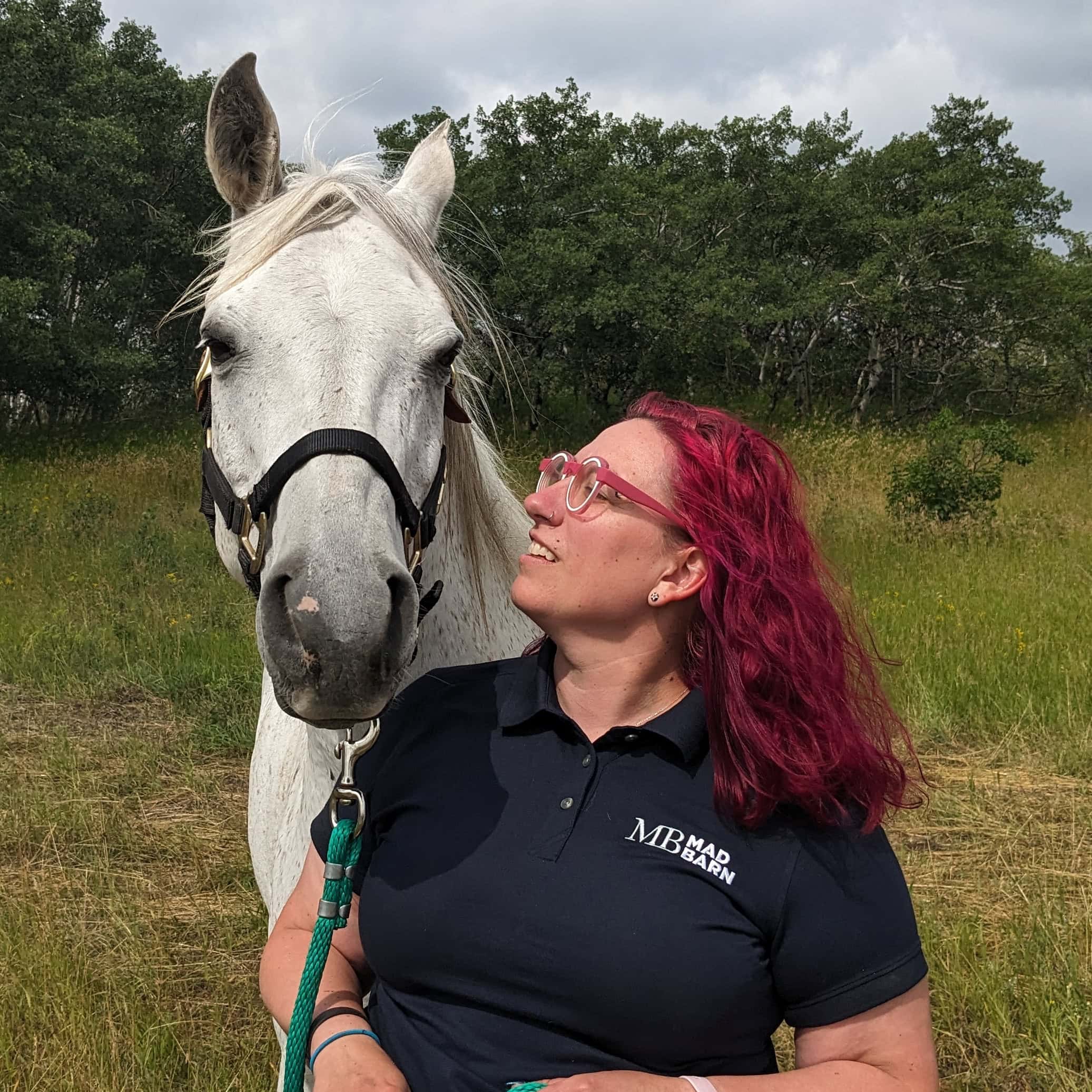
“Learn to look at a broader input of sources for information.... Even the most robust, objective, scientific presentation of facts has bias in it. It’s unavoidable. So I really encourage people to look at both sides of things before they come to conclusions.”
— Chloé FH McIntoshScientific Editor, Mad Barn
Empowering Horse Owners With Science & Nutrition
At Mad Barn, we are dedicated to empowering horse owners with science-backed solutions to optimize equine health and nutrition. It was a privilege to share our expertise with Elisa Walfish and her listeners on The EquiScience Podcast.
We hope these episodes provided you with valuable insights and practical takeaways to support your horse’s well-being. Whether you’re refining your feeding program, tackling seasonal challenges, or striving for peak performance, small, research-driven adjustments can have a significant impact.
We encourage you to explore our featured episodes and dive deeper into the world of equine science with The Data Driven Equestrian. Staying informed and applying evidence-based strategies will help you make the best decisions for your horse’s care, performance, and long-term health.
References
- Bamford. N. J. et al., Effect of Increased Adiposity on Insulin Sensitivity and Adipokine Concentrations in Different Equine Breeds Adapted to Cereal-Rich or Fat-Rich Meals. The veterinary journal. Elsevier. 2016.
- Moore. J. L. et al., Effects of Diet versus Exercise on Morphometric Measurements, Blood Hormone Concentrations, and Oral Sugar Test Response in Obese Horses. Journal of Equine Veterinary Science. Elsevier. 2019.
- Yazıcı. D. and Sezer. H., Insulin Resistance, Obesity and Lipotoxicity. Obesity and Lipotoxicity. Springer International Publishing, Cham. 2017.
- Weckman. M. J. et al., Genome-Wide Association Study Suggests Genetic Candidate Loci of Insulin Dysregulation in Finnhorses. The Veterinary Journal. Elsevier. 2024.
- Stefaniuk-Szmukier. M. et al., Equine Metabolic Syndrome: A Complex Disease Influenced by Multifactorial Genetic Factors. Genes. MDPI. 2023. View Summary
- Breuhaus. B. A., Glucose and Insulin Responses to an Intravenous Glucose Load in Thoroughbred and Paso Fino Horses. Journal of equine veterinary science. Elsevier. 2019. View Summary
- Durham. A. E. et al., ECEIM Consensus Statement on Equine Metabolic Syndrome. Journal of Veterinary Internal Medicine. 2019. View Summary
- Morgan. R. A. et al., Treatment of Equine Metabolic Syndrome: A Clinical Case Series. Equine Veterinary Journal. 2016. View Summary
- Bonelli. F. et al., How Swimming Affects Plasma Insulin and Glucose Concentration in Thoroughbreds: A Pilot Study. The Veterinary Journal. Elsevier. 2017.
- Vick. M. M. et al., Relationships among Inflammatory Cytokines, Obesity, and Insulin Sensitivity in the Horse. Journal of animal science. Oxford University Press. 2007. View Summary
- National Research Council, Nutrient Requirements of Horses: Sixth Revised Edition. The National Academies Press, Washington, DC. View Summary
- Latham. C. M. et al., 72 A Survey of North American Horse Diets: What Are We Missing?. Journal of Equine Veterinary Science. Elsevier. 2023.
- Saastamoinen. M. et al., Protein Source and Intake Effects on Diet Digestibility and N Excretion in Horses—a Risk of Environmental N Load of Horses. Animals. MDPI. 2021.
- Moon. J. and Koh. G., Clinical Evidence and Mechanisms of High-Protein Diet-Induced Weight Loss. Journal of obesity & metabolic syndrome. Korean Society for the Study of Obesity. 2020.
- Darlington. J. M. and Hershberger. T. V., Effect of Forage Maturity on Digestibility, Intake and Nutritive Value of Alfalfa, Timothy and Orchardgrass by Equine. Journal of animal science. Oxford University Press. 1968.
- Henneke. D. R. et al., Relationship between Condition Score, Physical Measurements and Body Fat Percentage in Mares. Equine Vet J. 1983.
- Rezende. A. S. C. de et al., Yeast as a Feed Additive for Training Horses. Ciência e Agrotecnologia. SciELO Brasil. 2012.
- Schoster. A. et al., Probiotic Use in Horses – What Is the Evidence for Their Clinical Efficacy?. Journal of Veterinary Internal Medicine. 2014. View Summary
- Freeman. D. E., Effect of Feed Intake on Water Consumption in Horses: Relevance to Maintenance Fluid Therapy. Frontiers in veterinary science. Frontiers Media SA. 2021.
- Manhart. D. R. et al., Markers of Inflammation in Arthritic Horses Fed Omega-3 Fatty Acids. The Professional Animal Scientist. 2009. doi: 10.15232/S1080-7446(15)30702-6.
- Hess. T. and Ross-Jones. T., Omega-3 Fatty Acid Supplementation in Horses. Revista Brasileira de Zootecnia. SciELO Brasil. 2014.
- Rodiek. A., Hay for Horses: Alfalfa or Grass. Proceedings of the 31st California Alfalfa & Forage Symposium, Davis, CA, USA. 2001.
- Garcés. R. et al., Current Advances in Sunflower Oil and Its Applications. Lipid Technology. 2009.
- Kellon. E., Use of the Herb Gynostemma Pentaphyllum and the Blue-Green Algae Spirulina Platensis in Horses. 2006.
- Nemoto-Kawamura. C. et al., Phycocyanin Enhances Secretary IgA Antibody Response and Suppresses Allergic IgE Antibody Response in Mice Immunized with Antigen-Entrapped Biodegradable Microparticles. Journal of Nutritional Science and Vitaminology. 2004.
- Nawrocka. D. et al., Spirulina Platensis Improves Mitochondrial Function Impaired by Elevated Oxidative Stress in Adipose-Derived Mesenchymal Stromal Cells (ASCs) and Intestinal Epithelial Cells (IECs), and Enhances Insulin Sensitivity in Equine Metabolic Syndrome (EMS) Horses. Marine Drugs. 2017. View Summary
- Brennan. K. M. et al., The Effect of Dietary Microalgae on American Association of Equine Practitioners Lameness Scores and Whole Blood Cytokine Gene Expression Following a Lipopolysaccharide Challenge in Mature Horses. Journal of Animal Science. Oxford University Press. 2017.
- Nogradi. N. et al., Omega‐3 Fatty Acid Supplementation Provides an Additional Benefit to a Low‐Dust Diet in the Management of Horses with Chronic Lower Airway Inflammatory Disease. Journal of Veterinary Internal Medicine. 2015. View Summary
- Elzinga. S. E. et al., Effects of Docosahexaenoic Acid–Rich Microalgae Supplementation on Metabolic and Inflammatory Parameters in Horses With Equine Metabolic Syndrome. Journal of Equine Veterinary Science. 2019. View Summary
- Couetil. L. et al., Equine Asthma: Current Understanding and Future Directions. Frontiers in veterinary science. Frontiers Media SA. 2020.
- Diez de Castro. E. and Fernandez-Molina. J. M., Environmental Management of Equine Asthma. Animals. MDPI. 2024. View Summary
- Ivester. K. M. et al., Environmental Exposures and Airway Inflammation in Young Thoroughbred Horses. Journal of Veterinary Internal Medicine. 2014. View Summary
- Nogradi. N. et al., Omega‐3 Fatty Acid Supplementation Provides an Additional Benefit to a Low‐Dust Diet in the Management of Horses with Chronic Lower Airway Inflammatory Disease. Journal of Veterinary Internal Medicine. 2015. View Summary
- Lorenzo-Figueras. M. and Merritt. A. M., Effects of Exercise on Gastric Volume and pH in the Proximal Portion of the Stomach of Horses. American Journal of Veterinary Research. Am Vet Med Assoc. 2002. View Summary
- Galinelli. N. et al., High Intake of Sugars and Starch, Low Number of Meals and Low Roughage Intake Are Associated with Equine Gastric Ulcer Syndrome in a Belgian Cohort. Journal of Animal Physiology and Animal Nutrition. 2021. View Summary
- Luthersson. N. et al., Risk Factors Associated with Equine Gastric Ulceration Syndrome (EGUS) in 201 Horses in Denmark. Equine Veterinary Journal. 2009. View Summary
- Nadeau. J. A. et al., Evaluation of Diet as a Cause of Gastric Ulcers in Horses. American journal of veterinary research. Am Vet Med Assoc. 2000. View Summary
- Scheidegger. M. D. et al., Increased Adrenocortical Response to Adrenocorticotropic Hormone (ACTH) in Sport Horses with Equine Glandular Gastric Disease (EGGD). The Veterinary Journal. Elsevier. 2017.
- Hepburn. R., Gastric Ulceration in Horses. In Practice. 2011.
- Jansson. A. and Dahlborn. K., Effects of Feeding Frequency and Voluntary Salt Intake on Fluid and Electrolyte Regulation in Athletic Horses. Journal of Applied Physiology. 1999. View Summary
- Pratt-Phillips. S. E. and Liburt. N. R., The Role of an Equine Nutritionist in Equine Health, Performance and Wellbeing: Ideas Stemming from an Equine Science Society Symposium Workshop. Journal of Equine Veterinary Science. Elsevier. 2024.