English


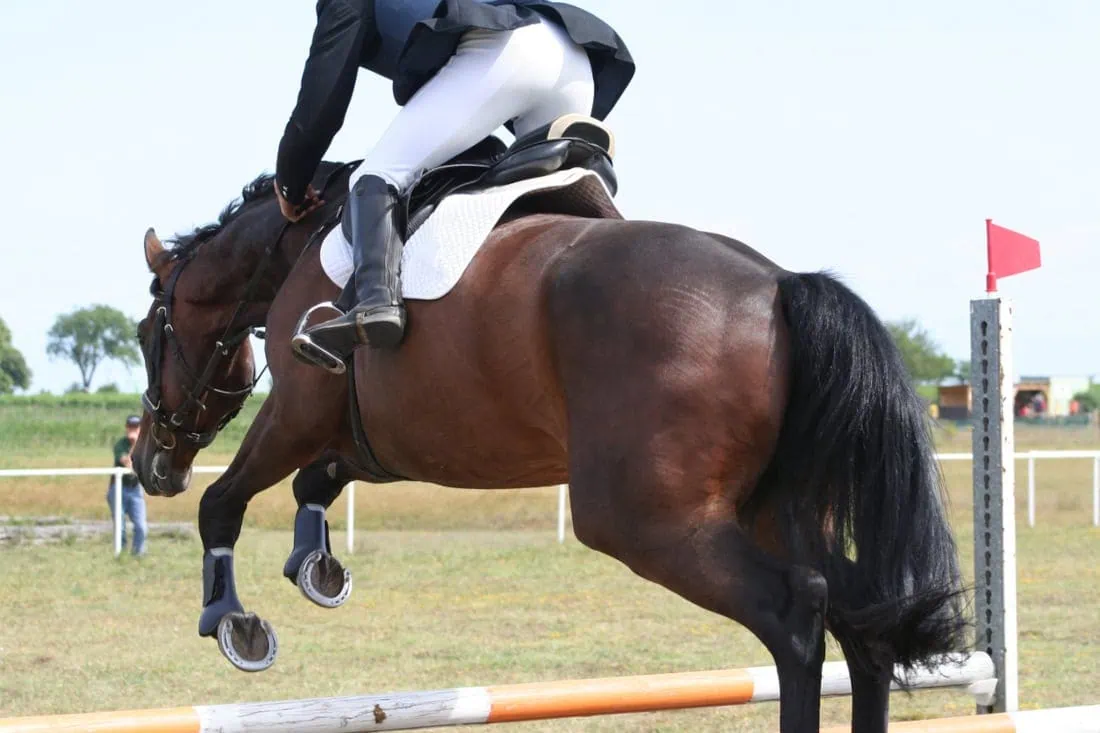
Osselets in horses is a type of arthritis affecting the fetlock joint, commonly seen in young, active horses involved in high-performance activities like racing and jumping. This condition develops as a result of repetitive, high-impact stress on the fetlock joint, leading to inflammation and eventual bony outgrowth. [1]
Affected horses typically have swelling and heat around the fetlock joint, accompanied by pain or sensitivity to touch. Early signs include stiffness, especially after rest. In advanced cases, osselets can cause lameness and restricted joint movement, leading to changes in the horse’s gait.
For horse owners and trainers, recognizing the signs of fetlock arthritis is key to early detection and treatment. Timely intervention can significantly improve the prognosis and help preserve long-term joint health.
Effective management of fetlock arthritis may involve joint injections, pain medications, nutritional support and adjustments to the horse’s training regimen. Keep reading to learn more about osselets to support your horse’s performance at home and in the show ring.
Osselets in Horses
Osselets in horses is a degenerative joint disease that affects the fetlock joint (metacarpophalangeal or metatarsophalangeal joint), primarily involving inflammation and bony growth on the front of the fetlock.
This condition results from stress-induced inflammation of the articular cartilage and subchondral bone within the joint capsule. It primarily affects exercising horses participating in high-impact activities, such as racing or jumping.
Over time, chronic inflammation leads to the formation of bony exostoses (bony outgrowths) along the front and sides of the fetlock joint. As the condition progresses, fibrosis and calcification can restrict joint movement, leading to pain, lameness, and an altered gait.
Diagnosis typically involves clinical examination, palpation of the fetlock joint for heat and swelling, and diagnostic imaging such as radiographs to assess the extent of bony changes.
Treatment focuses on anti-inflammatory medication, rest, and modified training to manage symptoms and slow progression, along with long-term changes to reduce high-impact stress on the joint.
Fetlock Anatomy
The fetlock joint, known for its flexibility and strength, is a high-motion joint located in both the forelimbs and hindlimbs of horses. In the forelimb, it is referred to as the metacarpophalangeal joint (MCPJ), and in the hindlimb, it is called the metatarsophalangeal joint (MTPJ). [1][2]
The fetlock joint has an extensive range of motion, allowing up to 120 degrees of flexion and extension, which is essential for shock absorption and forward propulsion. However, this wide range of motion also makes the fetlock prone to stress and injury. [3]
In fact, the fetlock joint is the most commonly injured joint in horses due to the intense stress it endures during high-impact activities, making it particularly susceptible to degenerative conditions and traumatic injuries. [4][5][6][7]
Key Structures
The fetlock joint is composed of several key components that provide stability and functionality, enabling smooth movement and resilience under the stresses of athletic activity: [8]
- Metacarpal/Metatarsal bone: Also known as the cannon bone, this bone articulates with the proximal phalanx (P1) to form the joint.
- Sesamoid bones: Two small sesamoid bones are located at the back of the joint. They provide surfaces for tendon movement and enhance joint stability.
- Articular cartilage: The joint is lined with articular cartilage, which allows for smooth movement.
- Synovial capsule: The joint is enclosed within a synovial capsule filled with synovial fluid, providing lubrication.
In addition to the bones and cartilage, several supporting structures maintain the stability and function of the fetlock joint: [9]
- Collateral ligaments: These ligaments provide lateral stability to the fetlock joint, helping resist inappropriate movement and reduce injury risk during athletic activities.
- Suspensory ligament: Positioned at the back of the fetlock, this ligament prevents overextension.
- Flexor tendons: These tendons connect to flexor muscles, allowing the horse to flex the fetlock joint and absorb shock while supporting its weight during movement.
Repetitive stress or inflammation in any of these components can contribute to degenerative conditions like osselets, where bony growth develops in response to chronic joint strain.
Causes
Osselets result from repetitive strain and stress on the fetlock joint, a high-motion area that is especially vulnerable in athletic horses. This condition develops as key joint structures gradually deteriorate due to continuous use and the impact of high-performance activities. [1][5][7]
As the condition progresses, bony growths (osteophytes) may form around the fetlock joint, leading to discomfort and restricted movement. Cartilage loss can cause the joint space to narrow, and damage to surrounding tissues such as ligaments and tendons may occur. Without treatment, these changes can result in chronic lameness and permanent joint issues. [10]
Conformation, or the horse’s body structure, also plays a significant role in the development of fetlock arthritis. Horses with poor conformation, such as abnormal limb alignment, are more prone to uneven weight distribution, increasing stress on the fetlock joint during movement. [1]
Improper shoeing can further exacerbate this issue by altering the horse’s gait and weight distribution, leading to unnatural joint flexion and additional strain on the fetlock, tendons, and other joints in the leg. [11][12]
In addition, young horses that are overtrained before their bones and joints are fully developed face a higher risk of osselets, as their growing bodies are not equipped to handle the demands of intense physical activity. [1][13]
What's your top priority with your horse's health?

Enter your email to receive your store credit
Risk Factors
Understanding the risk factors for osselets is essential for horse owners and trainers to implement preventive measures. Key risk factors for osselets include: [1]
- Age and activity level: Osselets commonly develop in young horses due to their high activity levels. Horses that begin training and competition early, particularly in strenuous disciplines like racing, are at greater risk of developing this condition.
- Work surface: Hard or uneven ground can exacerbate stress on the fetlock joint. Horses consistently exercised on variable or challenging surfaces are more likely to experience microtrauma to the joint, increasing the likelihood of inflammation and degeneration.
- Previous injuries: Horses with a history of joint injuries are at a higher risk of developing osselets. Previous trauma can weaken joint structures, making them more susceptible to the ongoing stress that leads to arthritis.
Over time, inflammation resulting from repetitive stress leads to degradation of the articular cartilage, increased synovial fluid production, and thickening of joint tissues. If left untreated, osselets can result in permanent joint changes, chronic pain, and reduced mobility, significantly impacting the horse’s performance and quality of life. [1]
Symptoms
Recognizing the symptoms of osselets is crucial for timely diagnosis and treatment. Common signs to watch for in horses include: [1][5][14]
- Swelling: Noticeable swelling around the fetlock joint, which may be due to inflammation or fluid accumulation.
- Heat: The affected joint may feel warm to the touch, indicating increased blood flow or inflammation.
- Lameness: Horses may exhibit lameness, particularly when weight-bearing on the affected limb. Lameness can vary in severity depending on the degree of joint involvement.
- Stiffness: Horses may show stiffness in the affected leg, especially after resting or when beginning to move.
- Decreased range of motion: The horse may have reduced ability to flex or extend the fetlock joint, leading to difficulty performing certain movements.
- Pain on palpation: The horse may react with discomfort or pain when pressure is applied to the fetlock joint during a physical examination.
- Changes in gait: There may be observable changes in the horse’s gait, such as a shortened stride or altered movement patterns to avoid discomfort.
Osselets typically present with a gradual onset of clinical signs rather than sudden or acute symptoms. [1] This slow progression can make it more challenging to detect the condition in its early stages. If your horse is showing signs of arthritis in any joint, consult with a veterinarian to get a diagnosis and individual treatment plan.
Diagnosis
The diagnostic process typically begins with a thorough physical examination, focusing on the fetlock joint for signs of swelling, heat, and tenderness. The veterinarian also assesses the horse’s range of motion, checking for stiffness or restrictions that might indicate joint issues. [1]
A lameness evaluation follows, where the horse’s stance and gait are observed both at rest and in motion, with attention to stride length, rhythm, and any favoring of a limb. [1]
Further investigation usually includes nerve or joint blocks and diagnostic imaging.
Joint Block
A joint block is a diagnostic procedure used to locate the source of pain in horses. During this procedure, a veterinarian injects a local anesthetic directly into the fetlock joint, temporarily numbing the area. [1][15]
If the horse shows improvement in soundness or a reduction in lameness following the injection, it indicates the source of pain is at or below the location of the injection. This response helps differentiate fetlock arthritis from other potential causes of lameness, allowing for a more accurate diagnosis and targeted treatment plan. [16]
Diagnostic Imaging
X-rays are a key diagnostic tool for identifying osselets in horses. Radiographs provide detailed images of the internal structures of the fetlock joint, allowing veterinarians to detect changes consistent with arthritis. [1]
These changes may include narrowing of the joint space, which indicates cartilage loss, bone spurs (osteophytes), or increased bone density around the joint. X-rays can also reveal early signs of joint degeneration, such as irregular bone surfaces or the formation of new bone in response to chronic inflammation. [1]
Treatment
In all cases of arthritis, veterinary intervention is required to prevent further joint damage, alleviate pain, and preserve the horse’s mobility and performance. Left untreated, the condition can worsen, leading to permanent joint changes, chronic lameness, and a diminished quality of life.
In the early stages, restricting the horse’s movement may be recommended. Stall rest reduces strain on the fetlock joint, allowing inflammation to subside and giving the joint time to heal. Cold therapy can be applied to the affected area to alleviate swelling and reduce pain, particularly useful for managing acute inflammation. [1][17]
Pharmacological Management
Managing fetlock arthritis primarily involves breaking the cycle of inflammation within the joint to relieve pain and prevent further damage. Non-steroidal anti-inflammatory drugs (NSAIDs) are typically the first line of treatment, effectively reducing both pain and inflammation, which enhances the horse’s comfort and decreases swelling in the joint. [1][18][19]
Joint injections are also essential for managing fetlock arthritis. Corticosteroid injections provide rapid relief by directly addressing inflammation within the joint.
Polysulfated glycosaminoglycan (PSGAG) injections, such as Adequan i.m. help protect cartilage by inhibiting enzymes that cause joint breakdown. PSGAGs also boost joint fluid production, improving lubrication and cushioning, which helps reduce pain and inflammation. [14][20]
PSGAGs can be administered either directly into the joint or intramuscularly and are often used alongside NSAIDs for more comprehensive symptom control. [14][20]
Intravenous hyaluronan (hyaluronic acid) may also be used in the treatment of fetlock arthritis. Administered intravenously, this medication enhances joint lubrication, improves fluid viscosity, and reduces inflammation, supporting long-term joint health and improved mobility. [20][21]
Arthroscopic Surgery
Arthroscopic surgery is a minimally invasive procedure used to treat osselets in horses, particularly in more advanced cases where conservative treatments are not sufficient. [1][22]
During this procedure, a small camera (arthroscope) and surgical instruments are inserted into the joint through tiny incisions. This allows the veterinarian to directly visualize the interior of the fetlock joint and assess the damage.
The surgeon can remove damaged cartilage, bone fragments, or other debris that may be contributing to joint inflammation and pain. In some cases, arthroscopy may also be used to smooth rough joint surfaces or repair specific areas of damage.

Prognosis
The prognosis for osselets improves with early detection and treatment. Timely interventions, such as rest and anti-inflammatory therapies, can help many horses return to work with manageable symptoms.
However, in advanced cases with significant joint damage, horses may experience chronic lameness, reduced mobility, and limited performance potential, requiring long-term management.
Prevention
Preventing osselets requires reducing repetitive strain and impact on the horse’s fetlock joint while supporting overall joint health.
Implementing a well-structured training program is the best prevention. Gradually increase the intensity and duration of workouts to allow the horse’s body to adapt. Incorporate regular rest periods to prevent overuse injuries and give the joints time to recover. [23]
Ensure your horse is maintained at an appropriate body condition. Carrying excess weight places additional stress on joints in the limbs. This increased load can accelerate wear and tear on cartilage, leading to conditions like arthritis and other degenerative joint diseases.
Proper shoeing and hoof care also help maintain optimal limb alignment and weight distribution. Regular trimming and using appropriate shoes can prevent gait abnormalities that may place excessive stress on the fetlock joint.
Nutrition for Joint Health
Proper nutrition is crucial for supporting joint health and preventing joint-related conditions in horses. [24][25][26] Ensure your horse receives a balanced, forage-based diet with adequate vitamins, minerals and amino acids to maintain healthy connective tissues and joint function.
In addition to feeding a balanced diet, certain nutritional supplements can support joint comfort and mobility in horses.
- MSM is a natural sulfur-containing compound that supports the normal regulation of inflammation and oxidative stress in horses. MSM supports collagen production, which is essential for maintaining the integrity of cartilage, tendons, and ligaments.
- Omega-3 fatty acids, particularly EPA and DHA, are known to support joint health by promoting a normal inflammatory response in horses. Feeding fat supplements also helps to maintain optimal joint lubrication.
Mad Barn’s w-3 Oil is an essential fatty acid supplement for horses, enriched with omega-3 DHA and natural vitamin E. Feeding w-3 Oil helps to support joint health and exercise performance in horses, making it a valuable addition for horses with demanding training schedules.

Frequently Asked Questions
Here are some frequently asked questions about osselets in horses:
Osselets is a form of arthritis affecting the fetlock joint, commonly seen in young, high-performance horses involved in activities like racing and jumping. It is associated with repetitive stress on the joint. [1]
Early signs include swelling, heat around the fetlock joint, and stiffness, especially after rest. In more advanced cases, horses may experience lameness and restricted joint movement. [1][5][14]
Osselets develop due to repetitive, high-impact stress on the fetlock joint, which leads to inflammation, cartilage deterioration, and eventually bone growth around the joint. [1][5][7]
Summary
Osselets are a form of osteoarthritis affecting the fetlock joint (metacarpophalangeal or metatarsophalangeal joint) in horses.
- This condition is commonly seen in young, high-performance horses involved in repetitive, high-impact activities like racing and jumping.
- Key clinical signs of osselets include swelling, heat, stiffness, lameness, and decreased range of motion in the fetlock joint.
- Diagnosis involves a clinical exam, joint blocks, and X-rays to assess joint damage, such as cartilage loss and bone growth.
- Treatment includes rest, cold therapy, NSAIDs, and joint injections; in severe cases, arthroscopic surgery may be required to remove damaged tissue.
- The prognosis for horses with fetlock arthritis varies; early treatment improves recovery, whereas advanced cases may result in chronic lameness and permanent changes to the joint.
References
- Baxter G.M., Adams and Stashak’s Lameness in Horses, 7th Edition. Wiley. 2020.
- Butcher M.T. and Ashley-Ross, M., Fetlock joint kinematics differ with age in Thoroughbred racehorses. Journal of Biomechanics. 2002.
- Bertone, A. L. et al., 20 - Distal Limb: Fetlock and Pastern. Equine Sports Medicine and Surgery (Third Edition). 2024.
- Vanderperren K. and Saunders J.H., Diagnostic Imaging of the Equine Fetlock Region Using Radiography and Ultrasonography. Part 1: Soft Tissues. The Veterinary Journal. 2009.
- Baccarin R.Y.A. et al., Osteoarthritis: A Common Disease That Should Be Avoided in the Athletic Horse’s Life. Anim Front. 2022. View Summary
- Herinckx H. and Munroe G., MCP / MTP joint: disease - overview in Horses (Equis). Vetlexicon.
- Seghrouchni M. et al., Osteoarticular Radiographic Findings of the Distal Forelimbs in Tbourida Horses. Heliyon. 2019. View Summary
- Malone, E.,Large animal surgery - supplemental notes.. University of Minnesota Libraries.
- Denoix J.-M., Functional Anatomy of Tendons and Ligaments in the Distal Limbs (Manus and Pes). Veterinary Clinics of North America: Equine Practice. 1994.
- Haussler K.K. et al., Characterization of Bony Changes Localized to the Cervical Articular Processes in a Mixed Population of Horses. PLoS One. 2019. View Summary
- Proske D.K. et al., Effects of Barefoot Trimming and Shoeing on the Joints of the Lower Forelimb and Hoof Morphology of Mature Horses. The Professional Animal Scientist. 2017.
- Mostafa M.B. and Elemmawy Y.M., Relationships between Morphometric Measurements and Musculoskeletal Disorders in Jumping Thoroughbred Horses. J Equine Sci. 2020. View Summary
- Clarke E.J. et al., An Evaluation of Current Preventative Measures Used in Equine Practice to Maintain Distal Forelimb Functionality: A Mini Review. Frontiers in Veterinary Science. 2021. View Summary
- McIlwraith C.W. et al., The Horse as a Model of Naturally Occurring Osteoarthritis. Bone Joint Res. 2012. View Summary
- Bradbury L. et al., Anesthesia: intra-articular in Horses (Equis). Vetlexicon.
- Schumacher J. et al., Diagnostic Analgesia of the Equine Digit. Equine Veterinary Education. 2013.
- Munroe G. and Hesse K., Cold therapy in Horses (Equis). Vetlexicon.
- Brokken M.T. et al., Joint Disorders in Horses. Merck Veterinary Manual. 2019.
- Ferris D.J. et al., Current Joint Therapy Usage in Equine Practice: A Survey of Veterinarians 2009. Equine Veterinary Journal. 2011. View Summary
- Frisbie D.D. et al., Evaluation of Polysulfated Glycosaminoglycan or Sodium Hyaluronan Administered Intra-Articularly for Treatment of Horses with Experimentally Induced Osteoarthritis. AVMA. 2009.
- Ce K. et al., Effects of Intravenous Administration of Sodium Hyaluronate on Carpal Joints in Exercising Horses after Arthroscopic Surgery and Osteochondral Fragmentation. American journal of veterinary research. 1997. View Summary
- Adams S.B., Arthroscopy in Equine Lameness. Merck Veterinary Manual. 2015.
- Baxter G. Adams' Lameness in Horses. 4th ed. Wiley Blackwell. 2011.
- Marañón, G. et al. The effect of methylsulphonylmethane supplementation on biomarkers of oxidative stress in sport horses following jumping exercise. Acta Vet Scand. 2008.
- Butawan, M. et al. Methylsulfonylmethane: Applications and safety of a novel dietary supplement. Nutrients. 2017.
- Brennan, KM. et al. The effect of dietary microalgae on American Association of Equine Practitioners lameness scores and whole blood cytokine gene expression following a lipopolysaccharide challenge in mature horses. J Anim Sci. 2017.