Analyze Diet

Double Bridle in Dressage: How It Works, When to Use It & How to Fit

A double bridle is a piece of English tack that uses a bridoon and a Weymouth bit at the same time. Each individual bit is connected to its own rein, allowing for refined and independent aids. It is most commonly introduced at the upper levels of dressage, where greater collection, balance, and subtle communication are required. While the double bridle can enhance precision, it does not replace correct training, elastic contact, or rider skill. Proper fit, thoughtful bit selection, and a confirmed foundation in the snaffle are essential before making the transition.

Double Bridle in Dressage: How It Works, When to Use It & How to Fit2026-08-22T13:55:00-04:00

Dressage Freestyle: Guide to Competition Format, Scoring & Rules

A musical dressage freestyle is a test in which riders choreograph required movements to music instead of following a fixed pattern. Blending technical precision with artistic interpretation, it allows horse and rider to showcase harmony, creativity, and degree of difficulty within the rules of their level.

Dressage Freestyle: Guide to Competition Format, Scoring & Rules2026-08-22T13:54:33-04:00

Quinidine Sulfate for Horses: Uses, Side Effects & Status in Competition

Quinidine is an antiarrhythmic medication used in horses for the treatment of atrial fibrillation (AF), the most common type of cardiac arrhythmia that warrants medical intervention. Atrial fibrillation occurs when the upper chambers of the heart (the atria) beat in a rapid, uncoordinated manner, leading to an irregular heart rhythm. Classified as a Class IA antiarrhythmic drug, quinidine works primarily by blocking sodium channels in cardiac muscle cells. By slowing electrical conduction through the atria and prolonging the refractory period of cardiac tissue, quinidine can interrupt the abnormal electrical circuits responsible for atrial fibrillation. Despite its effectiveness, quinidine must be used with caution. It has a relatively narrow therapeutic index, meaning the margin between effective and toxic doses can be small. Potential side effects include gastrointestinal upset, colic, nasal edema, hypotension, and the development of other arrhythmias. Because of these risks, treatment is typically performed under close veterinary supervision, often in a hospital setting with continuous electrocardiographic monitoring.

Quinidine Sulfate for Horses: Uses, Side Effects & Status in Competition2026-08-22T13:53:47-04:00

Dressage Pyramid of Training: Steps, Order & How to Use the Training Scale

The Dressage Pyramid of Training is a widely used framework that clearly and concisely outlines fundamental training concepts for developing a dressage horse. This training scale is typically depicted as a pyramid to illustrate that each step toward higher levels relies on a solid foundation of core fundamentals. These steps are also interconnected. The best riders return to the basics in every ride, even at the top of the sport. While primarily used in dressage, these principles can help equestrians in every discipline develop a clearer roadmap for refining their training and improving their horses' rideability. Keep reading for a full breakdown of each layer of the Dressage Pyramid of Training, so you can use this system to diagnose problems, set goals, and make your rides more effective.

Dressage Pyramid of Training: Steps, Order & How to Use the Training Scale2026-08-22T13:52:35-04:00

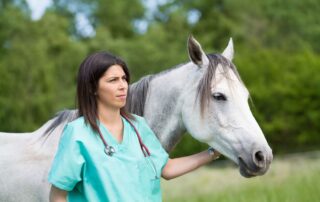
Diagnosing Equine Bacterial Infection: A Veterinarian’s Guide to Bacterial Identification & Sensitivity

Bacterial infections are a common cause of illness in horses and can affect nearly every body system, from the skin and respiratory tract to the gastrointestinal tract, urinary system, and joints. These infections may develop after wounds or surgical procedures, as a complication of another illness, or simply from exposure to contagious bacteria in the environment. A key component of diagnosing bacterial infections is bacterial culture and sensitivity testing. By growing bacteria from a sample collected from the horse—such as pus, nasal discharge, urine, or joint fluid—veterinarians can determine exactly which organism is responsible. Sensitivity testing then identifies which antibiotics are most effective against that organism. This targeted approach is crucial in an era where antimicrobial resistance is a growing concern, ensuring that horses receive the most appropriate therapy while preserving the effectiveness of vital drugs.

Diagnosing Equine Bacterial Infection: A Veterinarian’s Guide to Bacterial Identification & Sensitivity2026-08-22T13:52:02-04:00

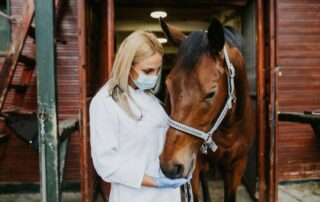
Rhinopneumonitis in Horses: “Rhino Flu” Transmission, Risk Factors & Treatment

Rhinopneumonitis in horses, commonly called "rhino," is a contagious respiratory disease caused by equine herpesviruses (EHV-1 and EHV-4). These viruses are widespread in horse populations worldwide, and most horses are exposed at some point in their lives. While many cases are mild and resemble a common cold, outbreaks can spread quickly in barns, shows, and training facilities. Fever is often the earliest sign, followed by nasal discharge, coughing, lethargy, and reduced appetite. Because infected horses can shed the virus before showing obvious symptoms, rhinopneumonitis can move through groups of horses rapidly if biosecurity measures are not in place. Most horses recover fully with rest and supportive care. However, certain strains are monitored more closely due to their potential to cause neurological disease or reproductive complications in pregnant mares. Understanding how rhinopneumonitis spreads, what symptoms to watch for, and how vaccination and biosecurity reduce risk can help protect individual horses and limit barn-wide disruption.

Rhinopneumonitis in Horses: “Rhino Flu” Transmission, Risk Factors & Treatment2026-08-22T13:51:22-04:00

What Is a Twitch for Horses? Uses, How It Works & Welfare Considerations

Twitching is an equine restraint technique that is sometimes used during veterinary and husbandry procedures. Most often applied to the upper lip, a twitch is designed to limit movement and improve safety when a horse reacts to brief discomfort or stress. While it has been used for centuries, many horse owners question whether twitching is truly necessary and whether it affects horse welfare. Research suggests that lip twitching may temporarily alter heart rate and behavioral responses, possibly through endorphin release. However, responses vary between horses, and the apparent calming effect does not always indicate true relaxation. As understanding of equine behavior and welfare continues to evolve, twitching is increasingly evaluated alongside alternatives such as sedation, training, and environmental management.

What Is a Twitch for Horses? Uses, How It Works & Welfare Considerations2026-08-22T13:50:27-04:00

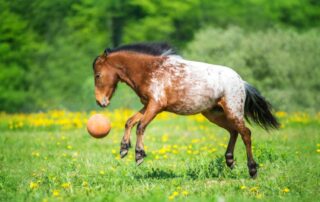
Best Toys for Horses to Support Enrichment & Reduce Boredom

Horses are intelligent, curious animals that benefit from both mental stimulation and physical activity. In natural settings, daily routines revolve around grazing, movement, and social interaction, which help satisfy these needs. Domestic horses often experience limited turnout or confinement, which can contribute to boredom, stress, and the development of unwanted behaviors such as cribbing, weaving, or excessive chewing. Toys and enrichment items provide opportunities for play and exploration that can support natural behaviors and reduce idle time. Levels of engagement with toys vary, with some holding horses’ interests longer than others. Outcomes often relate to how well an item matches a horse’s preferences, how they are introduced, and how enrichment fits alongside the horse’s forage and turnout access. This article explains how toys fit into equine enrichment, outlines common types of toys available, and discusses how horses tend to interact with them over time. Practical guidance focuses on choosing durable options, rotating items to maintain interest, and understanding which features are more likely to keep horses engaged.

Best Toys for Horses to Support Enrichment & Reduce Boredom2026-08-22T13:50:10-04:00

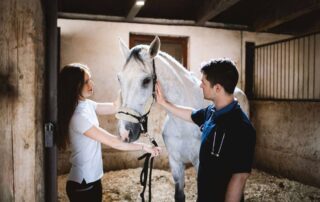
How to Train Your Horse to Stand for Farrier & Veterinary Care

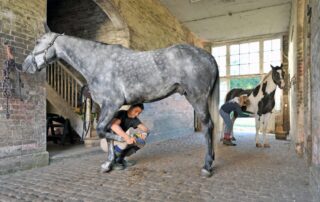
Routine care like veterinary exams, farrier work, dentistry, and grooming are essential parts of keeping a horse healthy, but they can quickly become stressful or even dangerous if a horse won't stand calmly. Fidgeting, pulling away, pawing, or outright resistance not only make these procedures harder to perform, they also increase the risk of injury for the horse, the handler, and the professional providing the service. The good news is standing quietly can be taught and reinforced through consistent, low-pressure training. By breaking the skill down into manageable steps, rewarding calm behavior, and gradually introducing the types of handling horses experience during veterinary and farrier visits, owners can set their horses up for success.

How to Train Your Horse to Stand for Farrier & Veterinary Care2026-08-22T13:49:31-04:00

Classical Dressage: History, Principles & Training Methods

Classical dressage is a traditional method of training horses rooted in the principles of old masters and historical riding schools. At advanced levels, classical dressage resembles equestrian art, but its foundation lies in systematic gymnastic development designed to help the horse carry a rider with balance, strength, and longevity. Often used to describe riding that prioritizes strong fundamentals over competitive success, classical dressage emphasizes progressive training that allows the horse to develop self-carriage, responsiveness, and harmony. While classical methods originated centuries ago, many of their core principles are supported by modern research in equine biomechanics and welfare.

Classical Dressage: History, Principles & Training Methods2026-08-22T13:48:29-04:00

Halter Training for Horses: A 4-Step Guide to Safe, Effective Handling

Halter training is one of the most important skills a horse learns, yet it is often rushed or oversimplified. A horse that understands the halter is safer to handle, easier to care for, and far less likely to panic during routine situations like veterinary visits, farrier work, or trailering. At its core, halter training is not about control or dominance. It is about teaching the horse how to respond calmly to pressure. Many handling problems seen later in a horse’s life, such as pulling back when tied, dragging handlers, crowding, or becoming head-shy, can often be traced back to gaps in early halter training. Taking the time to train your horse correctly builds trust, clarity, and confidence on both sides of the lead rope. The halter training process works for foals, adult horses, and even horses with little or no previous handling, as long as patience and consistency are maintained.

Halter Training for Horses: A 4-Step Guide to Safe, Effective Handling2026-08-22T13:48:47-04:00

Bermudagrass Hay for Horses: Nutrition Profile & Feeding Guide

Bermudagrass is a widely used equine forage used in the southern United States, valued for its adaptability, productivity, and cost-effectiveness. As a warm-season perennial, Bermudagrass thrives in hot weather and provides consistent forage during summer months when cool-season grasses decline. Selective breeding has produced improved Bermudagrass cultivars, with even greater productivity and nutritive value. Its resilience, high yield, and availability as both hay and pasture make it a dependable choice for many horse owners. Though popular, Bermudagrass is not without challenges. Its nutritional quality varies with maturity, harvest, and storage conditions, and there may be links between Coastal Bermudagrass and increased risk of impaction colic. For horse owners, understanding the growth habits, management requirements, and nutritional content of Bermudagrass is key to making the most of its benefits while mitigating any risks.

Bermudagrass Hay for Horses: Nutrition Profile & Feeding Guide2026-08-24T12:54:30-04:00

Perennial Peanut Hay for Horses: Nutrition Profile & Feeding Guide

Rhizoma Perennial Peanut is a warm-season legume commonly fed to horses as hay. It offers a clean, nutrient-dense option generally considered palatable to horses. Regions across the southeastern United States, including Florida, Georgia, and Alabama, use it widely because it grows reliably in warm, sunny conditions. Perennial Peanut hay supplies a balanced level of protein and digestible energy, supporting diets in many situations. It’s elevated protein and energy levels can supplement lower-quality forage or contribute to diets for horses with increased nutritional needs. Selecting clean, mold-free bales and offering appropriate amounts helps horse owners make use of its digestibility, palatability, and nutritional value to support individual feeding programs. Keep reading to learn more about perennial peanut hay and how to best use it to supplement your horse's feeding program.

Perennial Peanut Hay for Horses: Nutrition Profile & Feeding Guide2026-08-22T13:46:14-04:00

Respiratory Endoscopy for Horses: A Veterinarian’s Guide to Upper Airway Imaging

The equine respiratory system plays a critical role in athletic performance and overall health, and even subtle abnormalities can significantly impact a horse’s comfort, stamina, and ability to perform. Because many respiratory problems are located deep within the nasal passages, throat, or trachea, they are not visible on a routine physical exam. Respiratory endoscopy, also known as upper airway endoscopy, provides veterinarians with a powerful diagnostic tool to directly visualize these structures and assess how well they function. Respiratory endoscopy is most often recommended for horses with abnormal breathing noises, unexplained exercise intolerance, coughing, nasal discharge, or poor performance. In some cases, problems only become apparent when the horse is working, and a specialized form of the procedure—dynamic or overground endoscopy—can be performed during exercise to capture abnormalities that are missed at rest. The procedure is generally safe and well tolerated, with most horses requiring little to no sedation. It is quick, provides immediate results, and carries minimal risk, making it one of the most useful diagnostic tools in equine medicine. By offering a direct view into the horse’s airway, respiratory endoscopy allows veterinarians to make accurate diagnoses, develop targeted treatment plans, and ultimately help horses breathe easier and perform to their full potential.

Respiratory Endoscopy for Horses: A Veterinarian’s Guide to Upper Airway Imaging2026-08-22T13:45:50-04:00

Diagnosing Internal Parasites in Horses: A Veterinarian’s Guide to Fecal Testing

Effective parasite control is a cornerstone of equine health management. While routine deworming once served as the mainstay of parasite prevention, increasing evidence of anthelmintic resistance has shifted the focus toward diagnostic testing and targeted treatment. Diagnostic tests provide valuable insight into which parasites are present in a horse or herd and the extent of infection, allowing veterinarians to design evidence-based control programs that preserve drug efficacy and protect equine well-being. The most common diagnostic approach involves examining fecal samples for parasite eggs, larvae, or oocysts using fecal egg counts (FECs). These tests identify individuals shedding the highest numbers of eggs and help monitor the effectiveness of deworming treatments over time.

Diagnosing Internal Parasites in Horses: A Veterinarian’s Guide to Fecal Testing2026-08-22T13:45:27-04:00

English Riding Disciplines List: Types of Horseback Riding Competitions

English riding is one of the most recognizable and widely practiced forms of horsemanship. Rooted in classical traditions, it has evolved into a diverse family of disciplines that emphasize balance, precision, and effective communication between horse and rider. From the elegance of dressage to the excitement of show jumping, English disciplines challenge both horses and riders in unique ways. Some prioritize athleticism and speed, while others highlight refinement, style, or endurance.

English Riding Disciplines List: Types of Horseback Riding Competitions2026-08-22T13:45:00-04:00

Florida Cracker Horse Breed Guide: Characteristics, Health & Nutrition

The Florida Cracker Horse is a rare and historically significant horse breed known for its deep roots in American heritage. Developed from Spanish horses brought to Florida in the 16th century, this breed played a vital role in the cattle industry and helped shape the identity of the Southeastern United States. Small in stature but big in endurance, Florida Crackers are naturally athletic, heat-tolerant, and well-suited for life in rugged environments. Today, the Florida Cracker is recognized as an endangered breed, with conservation efforts focused on preserving its unique traits.

Florida Cracker Horse Breed Guide: Characteristics, Health & Nutrition2026-08-22T13:40:46-04:00

Nasogastric Intubation for Horses: A Veterinarian’s Guide to Diagnostic & Therapeutic Intubation

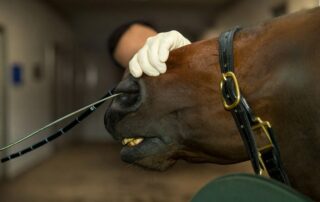
Nasogastric intubation is one of the most fundamental and frequently performed procedures in equine practice. It serves both diagnostic and therapeutic purposes and is a critical component of evaluating horses with gastrointestinal disease, particularly those presenting with signs of colic. Although it might look uncomfortable, when performed correctly by a trained professional, it is safe and often provides crucial information about what is happening inside a horse's digestive system. Because horses are unable to vomit, the ability to safely decompress the stomach and assess gastric contents is lifesaving in certain situations. Beyond its emergency applications, nasogastric intubation is also used for medication administration, nutritional support, and gastric lavage.

Nasogastric Intubation for Horses: A Veterinarian’s Guide to Diagnostic & Therapeutic Intubation2026-08-24T12:53:47-04:00

Catastrophic Limb Injuries in Horses: Types, Causes & Prognosis

Catastrophic limb injuries are among the most serious emergencies a horse can face. They involve severe damage to bones, joints, or supporting soft tissues, leaving the horse unable to bear weight safely. Unlike minor strains, sprains, or small fractures, these injuries destroy the mechanical integrity of the limb, making movement painful or impossible. While often associated with high-performance sports, catastrophic injuries can occur in horses of all disciplines, including pleasure riding horses, trail horses, or pasture companions. Most horses cannot recover in a way that allows a comfortable, pain-free life, making euthanasia the most humane option. Understanding how and why these injuries occur is critical for owners, trainers, and veterinarians to make informed decisions, focus on prevention, and prioritize horse welfare.

Catastrophic Limb Injuries in Horses: Types, Causes & Prognosis2026-08-21T17:23:42-04:00

How to Improve Riding Posture: Correct Horseback Seat, Leg & Rein Alignment

Whether you are enjoying a quiet trail ride or training for competition, your posture in the saddle plays a critical role in how you and your horse move together. Good posture enables riding cues to be delivered with clarity, subtlety, and independence. A poorly aligned rider, by contrast, may struggle with inconsistent cues, tension, or imbalance that disrupts the horse’s movement and responsiveness. A rider who sits with balance and alignment supports their horse’s back, distributes weight evenly, and moves in rhythm with their horse’s gaits. This not only improves comfort and performance but also prevents long-term strain or injury to the horse. Correct riding is not about forcing the body into a rigid mold. It is about developing a functional, responsive position that adapts to a horse’s motion and support fluid communication. In this article, we explore the elements of a correct riding position, common faults and their effects, strategies for improvement, and targeted exercises to help riders of all levels achieve more balance, effectiveness, and connection.

How to Improve Riding Posture: Correct Horseback Seat, Leg & Rein Alignment2026-08-21T17:20:31-04:00

Palomino Horse Guide: Characteristics, Genetics, Health & Nutrition

The Palomino horse is one of the most recognizable and widely admired coat colors in the equine world. With a striking golden body and light mane and tail, this equine color has long symbolized beauty, nobility, and prestige. However, unlike breeds such as the Friesian or Appaloosa, Palomino does not refer to a specific breed. Instead, it is a color type that appears across numerous equine bloodlines, from stock horses to saddle types and sport horses. Although not a breed in the genetic sense, the Palomino has inspired dedicated breeders, international registries, and enthusiastic followers. This guide explores the history, genetics, distinguishing features, health considerations, and management of Palomino horses, while also clarifying common misconceptions about their identity and inheritance. Whether found in a Quarter Horse, an Arabian cross, or a Morgan-type, the Palomino coat remains a golden thread through equine history and culture. This guide also covers the Palomino's care needs, potential health considerations, and registry options. Whether you are a prospective buyer, breeder, or simply a horse lover drawn to golden coats, understanding what makes a Palomino unique is essential to appreciating these luminous horses beyond their color alone.

Palomino Horse Guide: Characteristics, Genetics, Health & Nutrition2026-08-21T17:20:14-04:00

Upper Airway Obstructions in Horses: Signs, Causes & Management

Upper airway obstruction can have an immediate impact on a horse's ability to breathe, perform, and stay comfortable, especially during exercise. Because horses rely entirely on their nasal passages for airflow, even small changes in the structures of the throat or larynx can reduce oxygen intake and lead to abnormal respiratory noise, fatigue, or respiratory distress. Upper airway disorders may develop suddenly following infection or trauma, or they may progress gradually and only become apparent when a horse is asked to work harder. Recognizing early warning signs can help owners seek timely veterinary evaluation and make informed decisions about the next steps for diagnosis and care.

Upper Airway Obstructions in Horses: Signs, Causes & Management2026-08-21T17:14:44-04:00

Working Student Programs in the Equine Industry: What to Expect Before You Commit

Working student programs immerse aspiring equestrians in the day-to-day reality of barn life, offering hands-on experience in exchange for labor. Most positions provide room, board, or lessons rather than a formal salary, and many are designed to support the rider’s growth while also meeting the barn’s staffing needs. For individuals seeking a career with horses—whether as professional riders, trainers, grooms, or managers—these roles serve as a steppingstone into the industry. Working students gain access to experienced mentors, observe the inner workings of a training program, and may have the opportunity to ride a variety of horses. However, the experience is not without its challenges. Many programs demand long hours, physical stamina, and a high degree of responsibility. Some lack structure or fail to deliver on their promises of training and education. Whether the goal is to compete internationally, run a lesson barn, or simply deepen equestrian knowledge, choosing the right working student position is essential. Understanding the responsibilities, risks, and potential rewards allows riders to evaluate placements with clear eyes and realistic expectations. This article explores what working student programs entail, who they suit best, and what to look for when selecting a reputable and rewarding opportunity.

Working Student Programs in the Equine Industry: What to Expect Before You Commit2026-08-25T21:40:11-04:00

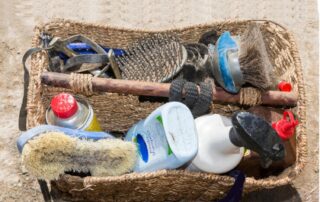
Horse Grooming Kit Essentials: Basic Tools for Daily Care

Grooming is a cornerstone to horse care. It helps maintain skin and coat health, prevents infections, assists in early detection of injuries, and supports overall wellbeing. Good grooming begins with the right tools. Whether you are building your first grooming kit or upgrading a well-used set, knowing what to include, and why, can make a big difference to your horse’s comfort and health. This guide provides a complete checklist of essential grooming tools, explains their use, and offers practical advice on tool quality, hygiene, and optional extras for different horse needs or disciplines.

Horse Grooming Kit Essentials: Basic Tools for Daily Care2026-08-21T17:10:05-04:00

2026: Year of the Horse in the Chinese Zodiac — Meaning, Symbolism & Traits

The Year of the Horse holds a distinct place in the Lunar Zodiac. Associated with vitality, movement, and independence, Horse years are traditionally seen as times of action and forward momentum. During Lunar New Year celebrations, the Horse symbolizes progress, confidence, and the energy required to move ahead. What sets the Horse apart is how its symbolism is grounded in lived experience. Long before the zodiac took shape, horses were central to transport, agriculture, warfare, and trade in Chinese society. These realities shaped how the horse was understood culturally, giving rise to the traits still linked to the Year of the Horse today: decisiveness, independence, and purposeful movement.

2026: Year of the Horse in the Chinese Zodiac — Meaning, Symbolism & Traits2026-08-21T17:08:43-04:00

Hunter Paces Equestrian Sport: History, Competition & Training

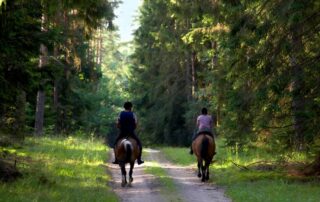
Hunter paces, commonly referred to as “paces,” is an equestrian sport that integrates aspects of endurance riding, eventing, and the strategic skills of traditional fox hunting. This discipline offers a unique way to test your horse’s fitness and partnership outside the arena. Held on marked trails across fields and woods, these events blend the thrill of a hunt-style ride with the strategy of a timed competition, often with optional natural obstacles along the way. Riders compete in small teams, aiming to match an optimum time set by the organizer for their chosen pace, whether that’s a relaxed hilltopper ride or a forward first-flight gallop. With varied footing, changing terrain, and a mix of gaits, hunter paces reward smart pacing, solid conditioning, and good trail etiquette, making them a popular, low-pressure option for riders who want a fun challenge and practical cross-training for disciplines like eventing and jumping. Whether you're new to hunter paces or looking to refine your skills, this guide provides a comprehensive overview of the sport.

Hunter Paces Equestrian Sport: History, Competition & Training2026-08-21T17:04:30-04:00

How to Become a Professional Horse Groom: Education, Skills & Job Requirements

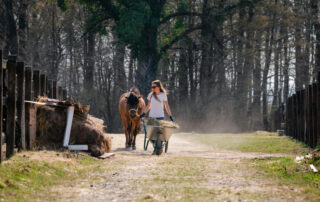
Professional grooms support horse health, performance, and daily well-being across equestrian disciplines.  Grooms prepare horses for training, manage routine care, and coordinate farrier visits. In competition settings, grooms handle presentation, transport, and stable management so horses remain settled and prepared to work. Grooms' roles range across high-level sport programs and busy lesson barns, with attention centered on consistency and detail. Groom work involves long hours and physical tasks, along with ongoing monitoring of condition, behavior, and recovery. Regular involvement helps small changes stand out, supports rehabilitation efforts, and maintains continuity of care across training and show schedules. Reliable grooms develop close familiarity with each horse through regular handling and observation.

How to Become a Professional Horse Groom: Education, Skills & Job Requirements2026-08-21T17:03:33-04:00

Azteca Horse Breed Guide: Characteristics, Health & Nutrition

The Azteca horse is a striking blend of grace, power, and versatility. Known as the National Horse of Mexico or national horse of Mexico, it combines the proud Iberian heritage of the Andalusian with the rugged utility of the Quarter Horse and, in some cases, the historic resilience of the Mexican Criollo. This modern breed was not shaped by accident or slow evolution, it was meticulously crafted in the 1970s through a deliberate breeding initiative that sought to develop a horse suited for both working ranch life and traditional charro competitions. The result is a noble and elegant equine athlete, equally capable of performing complex dressage movements, roping cattle, or navigating mountain trails. Though a relatively young breed by international standards, the Azteca has already earned a place of cultural, sporting, and genetic significance in the equestrian world. The horse represents more than a crossbreed—it embodies a revival of Mexico’s equestrian spirit, rooted in centuries of horsemanship and ranching tradition. With registries now active in Mexico, the United States, and Canada, and growing interest in Europe, the Azteca continues to win admirers for its beauty, temperament, and unmatched versatility.

Azteca Horse Breed Guide: Characteristics, Health & Nutrition2026-08-21T17:02:20-04:00

American Cream Draft Breed: Characteristics, Health & Nutrition

The American Cream Draft Horse is a distinct draft breed known for their striking champagne coat, gentle temperament, and deep roots in American agricultural history. As one of only a few draft horse breeds developed in the United States, the American Cream Draft holds a unique place among heavy horse breeds, combining eye-catching appearance with a steady, reliable work ethic. Despite its dwindling numbers and classification as a critically endangered breed, this draft horse continues to find a place in modern farming, driving, and recreational riding settings thanks to its manageable size and cooperative nature.

American Cream Draft Breed: Characteristics, Health & Nutrition2026-08-21T11:09:48-04:00

What Do Wild Horses Eat? Differences Between Feral & Domestic Diets

Wild or feral horses spend most of their day grazing on a variety of grasses, shrubs, and other natural forage, carefully selecting plants to meet their nutritional needs. In contrast, domestic horses are often provided with concentrated feeds, hay, and supplements that may not fully replicate the diversity and balance found in a natural diet. Understanding the differences between wild and domestic horse diets is essential for owners, trainers, and caretakers aiming to optimize health, digestion, and performance. Exploring how feral horses meet their nutritional needs, the challenges domestic horses face with modern feeding practices, and strategies to align domestic feeding with natural principles can help support gut health, longevity, and overall welfare.

What Do Wild Horses Eat? Differences Between Feral & Domestic Diets2026-08-21T11:05:22-04:00