Analyze Diet

Pica in Horses: How to Stop Horses from Eating Non-Food Items

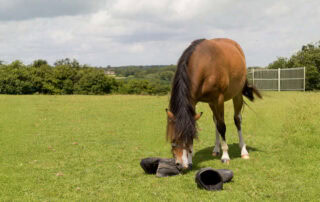
Pica in horses is a condition characterized by repeated ingestion of non-food items such as dirt, sand, wood, bedding, or manure. Unlike normal foraging behavior, pica involves actively seeking out and swallowing materials that do not provide nutritional value, which can signal underlying issues related to diet, management, or health. This behavior may develop in response to nutritional imbalances, inadequate forage intake, digestive discomfort, boredom, or environmental stress. Because multiple factors can contribute to pica, identifying the root cause often requires a comprehensive evaluation of the horse's feeding program, living conditions, and overall well being. While occasional ingestion of non-food material may not cause immediate harm, persistent pica can increase the risk of digestive problems such as sand accumulation, impaction, parasite exposure, and colic.


Pica in Horses: How to Stop Horses from Eating Non-Food Items2026-08-22T14:28:00-04:00

Congenital Myotonia in Horses: Symptoms, Risk Factors & Prognosis

Congenital myotonia in horses is a rare, inherited neuromuscular disorder that affects how muscles relax after contraction. Instead of returning quickly to a resting state, affected muscles remain contracted for longer than normal, resulting in temporary stiffness that is often most noticeable after periods of rest. This condition has also been described in other species, including humans and "fainting goats," where delayed muscle relaxation leads to brief episodes of rigidity. In horses, stiffness typically improves with movement, but it can still affect comfort, coordination, and overall performance.

Congenital Myotonia in Horses: Symptoms, Risk Factors & Prognosis2026-08-22T14:25:54-04:00

Peacock Stirrups for Horses: How They Work, Safety Concerns & Modern Alternatives

Peacock stirrups are a long-standing safety option in horse riding, commonly used in lesson programs and for beginner riders. They’re designed to release the rider’s foot during a fall and help reduce the risk of the rider being dragged. However, many barns, trainers, and competition organizations are moving away from peacock stirrups in favor of newer designs. This change reflects evolving safety standards, which favor stirrups that release more reliably in a wider range of falls. To understand why peacock stirrups are being reconsidered, it is important to know how different stirrup designs function. Different options may offer more reliable protection, with some designs reducing both the risk of getting caught in a stirrup and the likelihood of a fall in the first place. Read on to learn more about different types of stirrups and which type is best for you and your horse.

Peacock Stirrups for Horses: How They Work, Safety Concerns & Modern Alternatives2026-08-22T14:25:16-04:00

How to Choose the Right Horse Trainer: Goals, Methods & Considerations

Choosing the right horse trainer is one of the most important decisions a horse owner can make. A skilled trainer not only teaches new skills but also shapes behavior, builds confidence, and helps keep both horse and rider safe. With so many training philosophies and methods available, finding the right approach for your horse and your goals can feel overwhelming. Some trainers focus on traditional techniques, others on natural horsemanship, and some specialize in competitive disciplines like dressage, jumping, or eventing. The key to finding the best fit for you and your horse is searching for a trainer whose philosophy aligns with your horse's needs, your experience, and your goals. Understanding different training methods and how your horse responds to them can help you make an informed decision, set realistic expectations, and build a positive, productive partnership between horse, trainer, and rider.

How to Choose the Right Horse Trainer: Goals, Methods & Considerations2026-08-22T14:25:02-04:00

Eriskay Pony Breed Profile: Characteristics, Health & Nutrition

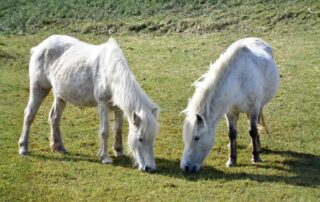
The Eriskay Pony is a rare native pony breed from the Outer Hebrides of Scotland. Shaped by generations of life in a rugged island environment, these ponies are admired for their strength, soundness, and kind disposition. Historically, they were essential working animals on crofts, carrying peat for fuel, seaweed for fertilizer, and supplies across difficult terrain. Today, they are valued as riding ponies, driving ponies, family ponies, and living links to Scotland's equine heritage.

Eriskay Pony Breed Profile: Characteristics, Health & Nutrition2026-08-22T14:23:51-04:00

Equine Coprophagia: How to Stop Abnormal Manure Eating in Horses

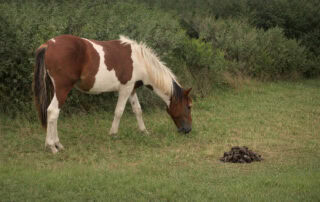
Coprophagia in horses, or manure eating, is a behavior most commonly seen in foals but can also occur in adult horses under certain conditions. While it is considered a normal and beneficial behavior in young horses as their digestive system develops, persistent manure consumption in adults is less typical and may signal underlying issues related to diet, management, or gut health. In foals, coprophagia helps establish a healthy hindgut microbiome by introducing beneficial microbes from the mare’s manure. In contrast, adult horses that consume manure may be responding to factors such as limited forage access, imbalanced nutrition, boredom, or environmental conditions. Because these drivers can vary, it is important to evaluate the whole feeding and management program rather than assuming a single cause. Understanding why horses eat manure, when the behavior is normal, and when it may indicate a problem can help guide appropriate management strategies. This article explores the causes of coprophagia in horses, its potential risks, and practical steps to support digestive health and reduce unwanted behavior.

Equine Coprophagia: How to Stop Abnormal Manure Eating in Horses2026-08-22T14:21:19-04:00

Why Horses Bite & How to Stop It: Guide to Equine Behavior & Body Language

Horses may bite for many different reasons, and even a playful nip can result in bruises, broken skin, or unsafe handling situations. For owners, riders, and barn staff, addressing biting behavior is essential for maintaining safety and building clear communication. By recognizing what motivates equine biting and creating an environment that supports calm, appropriate interaction, you can reduce this behavior and help your horse feel more confident and secure. Consistent handling, clear expectations, and thoughtful management strengthen the horse–human relationship and encourage respectful behavior that lasts.

Why Horses Bite & How to Stop It: Guide to Equine Behavior & Body Language2026-08-22T14:20:43-04:00

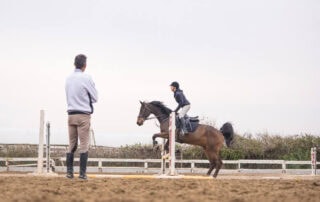
Top 6 Causes of Horse Refusals & Runouts in Show Jumping – [Training Guide]

Refusals and runouts in show jumping horses are one of the most frustrating training challenges riders face. Whether a horse suddenly stops in front of a fence or drifts sideways to avoid it, these behaviors can impact performance, confidence, and safety for both horse and rider. Understanding why these issues occur is the first step toward fixing them effectively. Many horses refuse or run out because they are unsure, unbalanced, or receiving unclear signals from the rider. In other cases, they may have had a negative experience, been asked to jump beyond their skill level, or be dealing with pain that makes jumping uncomfortable. Therefore, a thoughtful, systematic approach is essential when addressing these issues.

Top 6 Causes of Horse Refusals & Runouts in Show Jumping – [Training Guide]2026-08-22T14:19:53-04:00

Autoimmune Disease in Horses: Types, Risk Factors & Management

Autoimmune disease in horses occurs when the immune system mistakenly attacks the body's own tissues instead of protecting against infection. Rather than targeting bacteria, viruses, or parasites, the immune response becomes misdirected, leading to inflammation and tissue damage. Although autoimmune diseases are relatively uncommon in horses, they are often chronic and may significantly affect long-term health. Conditions such as equine recurrent uveitis, pemphigus foliaceus, and rare immune-mediated blood disorders illustrate how immune dysfunction can impact the eyes, skin, or circulatory system. Because autoimmune diseases can affect multiple organ systems and often resemble infections or other inflammatory conditions, diagnosis can be complex. Many cases require careful evaluation, laboratory testing, and exclusion of other causes before an autoimmune origin is confirmed.

Autoimmune Disease in Horses: Types, Risk Factors & Management2026-08-22T14:19:07-04:00

What is the Best Vitamin & Mineral Supplement for Your Horse?

Adequate vitamin and mineral intake is essential to maintaining your horse’s health and well-being. But with so many different supplement options on the market, how do you know which one to choose? The best vitamin and mineral supplement for your horse is the one that optimally balances their diet by supplying the nutrients most commonly missing from forage and grain rations, including vitamin E, selenium, zinc, and copper.

What is the Best Vitamin & Mineral Supplement for Your Horse?2026-08-22T14:17:53-04:00

Rat (Rodenticide) Poisoning in Horses: Symptoms, Diagnosis & Treatment

Rat poisoning in horses occurs when horses accidentally ingest rodenticides, which are pesticides used to kill rats and other rodents. Exposure can happen through contaminated feed, water, pasture, or bedding, especially in barns, tack rooms, and feed storage areas where rat poison is used. Different types of rat poison affect the body in different ways. Some rodenticides interfere with normal blood clotting and can cause internal bleeding, while others attack the nervous system or disrupt cellular metabolism, leading to rapid and severe toxicity.

Rat (Rodenticide) Poisoning in Horses: Symptoms, Diagnosis & Treatment2026-08-22T14:13:17-04:00

Thiamine (Vitamin B1) for Horses – Sources, Requirements, Deficiency & Overload

Thiamine, also known as vitamin B1, is a crucial water-soluble nutrient for horses. It helps convert carbohydrates into energy, supporting muscles, nerves, and other tissues. Since horses store only small amounts, they depend on regular intake to maintain their health and function. In addition to energy production, thiamine supports nervous system health, antioxidant defenses, and DNA synthesis. It aids in cellular metabolism, helping maintain balance across the horse’s body. Thiamine requirements vary based on activity level, with exercising horses needing more than those at maintenance. Thiamine is essential for converting sugars and starches into usable energy, ensuring steady fuel for muscle and nerve functions. Horses rely on their diet, as they excrete excess thiamine. Its importance extends to metabolic processes, DNA formation, and protecting cells from oxidative damage. For optimal health, understanding thiamine’s role in horses’ bodies is essential. Providing a balanced diet with appropriate thiamine sources helps meet their nutritional needs, ensuring energy production, performance, and overall well-being.

Thiamine (Vitamin B1) for Horses – Sources, Requirements, Deficiency & Overload2026-08-22T14:12:16-04:00

Jacquie Brooks: A Force of Natural Impulsion in Canadian Dressage

The two-time Olympic athlete and Pan American Games Team Silver Medalist has been named to six national teams, developed over 25 horses to the national Grand Prix level and is still competing as one of Canada's most successful international riders. Despite her elite equestrianism, Jacquie sees herself as an all-arounder, "I'm not the world's best dressage rider... I'm not the world's best anything," she laughs with characteristic humility. But her riding resume tells a different story – one of remarkable skill, determination, and love for the intricate art of dressage. Her passion for equestrian sport, and dressage in particular, is a boon to her students, her teammates, and the wider horse community. Beyond her own aspirations as a rider, Jacquie is passionate about advancing the sport of dressage in Canada. Her influence and impact – in and out of the ring – is even more impressive given Brooks did not start riding seriously until adulthood.

Jacquie Brooks: A Force of Natural Impulsion in Canadian Dressage2026-08-22T14:11:38-04:00

Cisapride for Horses: Uses, Side Effects & Status in Competition

Cisapride is a prokinetic medication used in horses to stimulate movement in the gastrointestinal tract, helping restore normal gut motility when digestion slows or stops. It is most commonly used in cases of postoperative ileus, severe gastrointestinal hypomotility, or other conditions where the intestines fail to move feed material effectively. Unlike pain medications or laxatives that target specific symptoms, cisapride works by stimulating serotonin receptors that regulate smooth muscle contractions in the digestive tract. By improving coordinated intestinal movement, the drug helps horses pass ingesta through the stomach and intestines more efficiently. Because gastrointestinal motility disorders can quickly become serious in horses, cisapride is typically used under veterinary supervision as part of a broader treatment plan that may include fluid therapy, pain management, and correction of underlying causes of digestive dysfunction.

Cisapride for Horses: Uses, Side Effects & Status in Competition2026-08-22T14:10:40-04:00

Belmont Stakes Horse Race: History, Distance, Winners & Triple Crown Champions

The Belmont Stakes stands as one of the most historic and demanding races in Thoroughbred racing. Established in 1867, it’s the oldest and final race in the American Triple Crown series. Known as the “Test of the Champion,” the Belmont Stakes requires three-year-old Thoroughbreds to compete over a one-and-a-half mile distance, which is rarely run in modern American racing. For more than 150 years, legendary Thoroughbred champions have cemented their legacies on the sweeping turns of Belmont Park. The race not only determines Triple Crown champions but also highlights the stamina, conditioning, and management required for elite equine performance. This guide explores the history of the Belmont Stakes, its evolving traditions, legendary winners, and the modern training and nutrition strategies that help prepare horses for racing’s ultimate stamina test.

Belmont Stakes Horse Race: History, Distance, Winners & Triple Crown Champions2026-08-22T14:10:07-04:00

How to Get a Horse to Take Medicine: Safe Ways to Give Oral Medication

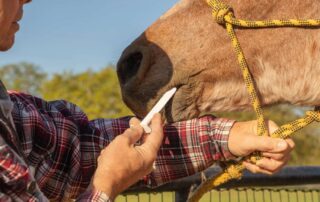
Administering oral medication is a routine part of horse care, but it isn't always straightforward. Many treatments for conditions such as gastric ulcers, infections, respiratory disease, or parasite control are delivered as liquids, tablets, or powders. While the instructions for these products often appear simple, horses tend to resist unfamiliar tastes, altered feed textures, or handling around the head, turning a simple task into a frustrating challenge.

How to Get a Horse to Take Medicine: Safe Ways to Give Oral Medication2026-08-22T14:09:42-04:00

Bretton Chad & Charlie Jones: North American Show Jumping Sweethearts

At the highest levels of show jumping, careers are often shaped by timing, talent, and chance encounters. For Bretton Chad and Charlie Jones, that defining moment came during an international competition—an unexpected meeting that would change the course of their lives. When the two found themselves competing in the same class, both were already established riders at the highest levels, navigating pivotal points in their professional journeys. Chad, a Canadian Young Rider team veteran with CSI5* experience, and Jones, a British show jumper raised in a family of elite horsemen and the nephew of Olympic champion Nick Skelton, quickly recognized a shared mindset and complementary strengths. What began as friendly competition banter quickly evolved into something deeper. Their connection soon grew into a partnership focused on elite performance, individualized horse development, and the success of their clients.

Bretton Chad & Charlie Jones: North American Show Jumping Sweethearts2026-08-22T14:06:49-04:00

How to Set Up a Safe Show Jump Course at Home: Arena Layout & Equipment

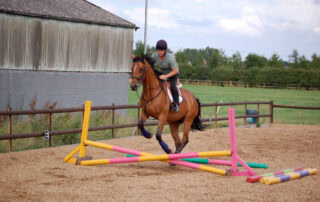
Setting up show jumps at home allows riders to practice jumping skills, build confidence, and improve communication with their horse outside of formal lessons or competitions. However, jump training carries inherent risks, making safety a critical consideration when building and arranging fences. A well-planned setup helps reduce the chance of refusals, awkward jumping efforts, falls, or equipment-related injuries. In show jumping, horses must approach fences in balance, judge the height and width of the obstacle, and land safely while maintaining rhythm for the next stride. Poor footing, unstable equipment, incorrect distances, or visually confusing fences can make these tasks more difficult for the horse and increase the likelihood of accidents.

How to Set Up a Safe Show Jump Course at Home: Arena Layout & Equipment2026-08-22T14:04:58-04:00

Nightshade Poisoning in Horses: Plant Identification, Symptoms & Treatment

Nightshade poisoning occurs when horses ingest plants from the genus Solanum, a group that includes several species that produce toxic compounds. Plants such as black nightshade (Solanum nigrum), bittersweet nightshade (Solanum dulcamara), and horse nettle (Solanum carolinense) contain naturally occurring toxins that can affect the gastrointestinal tract, nervous system, and cardiovascular system. Many nightshade species grow as weeds in agricultural environments, including pasture edges, disturbed soils, roadsides, and hay fields. Although horses often avoid these plants under normal grazing conditions, exposure can occur when toxic species contaminate hay, grow in overgrazed pastures, or become accessible through agricultural waste such as potato plants or cull potatoes. Nightshade poisoning is relatively uncommon in horses, but ingestion of certain species can lead to digestive irritation, neurological abnormalities, and other systemic effects. Understanding which plants belong to the nightshade group, how toxicity occurs, and how to prevent exposure helps owners and caretakers recognize potential risks and respond quickly if poisoning is suspected.

Nightshade Poisoning in Horses: Plant Identification, Symptoms & Treatment2026-08-22T14:04:30-04:00

Bathing Horses in Cold Weather: Safe Winter Grooming Tips

Winter horse care comes with its own set of challenges, and bathing horses in cold weather can be one of the trickiest. Mud, sweat, and manure stains still happen during winter, but washing a horse when temperatures drop requires extra caution and planning. Horses are well-adapted to cold environments, but a soaked hair coat can interfere with the natural insulation that helps them stay warm. Even mild winter temperatures can become risky when a horse is wet and exposed to wind, drafts, or prolonged drying times. Fortunately, most winter grooming does not require a full bath. With the right approach, you can manage hygiene, protect the coat's natural insulation, and keep your horse clean and comfortable throughout the colder months.

Bathing Horses in Cold Weather: Safe Winter Grooming Tips2026-08-22T14:03:49-04:00

Robaxin® (Methocarbamol) for Horses: Uses, Side Effects & Status in Competition

Methocarbamol is a centrally acting muscle relaxant commonly used in horses to treat skeletal muscle spasms. These spasms can occur during conditions that cause muscle inflammation or injury and are often associated with disorders such as exertional rhabdomyolysis, commonly known as "tying-up." Methocarbamol works primarily by lowering activity in the central nervous system (CNS). Rather than acting directly on muscle tissue, the drug reduces abnormal nerve signals in the brain and spinal cord that trigger persistent muscle contractions. By interrupting this cycle of pain and muscle spasm, methocarbamol helps affected muscles relax while generally preserving muscle strength and voluntary movement.

Robaxin® (Methocarbamol) for Horses: Uses, Side Effects & Status in Competition2026-08-22T14:03:23-04:00

Dantrolene for Horses: Uses, Side Effects & Status in Competition

Dantrolene is a skeletal muscle relaxant used in horses to manage conditions involving excessive skeletal muscle contraction or muscle damage, most notably exertional rhabdomyolysis (tying-up). Exertional rhabdomyolysis occurs when muscle cells become damaged during or after exercise, leading to pain, stiffness, and impaired movement. Unlike centrally acting muscle relaxants, dantrolene works directly on skeletal muscle fibers. It reduces muscle contractility by inhibiting calcium release within muscle cells, thereby limiting the excessive muscle contraction that contributes to muscle injury. This mechanism allows dantrolene to relax skeletal muscle with minimal effects on the lungs or heart.

Dantrolene for Horses: Uses, Side Effects & Status in Competition2026-08-22T14:02:46-04:00

Clenbuterol Hydrochloride for Horses: Uses, Side Effects & Status in Competition

Clenbuterol is a bronchodilator used in horses for the management of lower airway disease, including equine asthma and other conditions associated with bronchoconstriction. These disorders occur when the small airways narrow due to inflammation, excess mucus, and smooth muscle contraction, leading to coughing, nasal discharge, and exercise intolerance. Classified as a beta-2-adrenergic agonist, clenbuterol works by stimulating beta-2 receptors in bronchial smooth muscle. This activation causes relaxation of the airway muscles, resulting in dilation of the bronchi (lower airways) and improved airflow. In addition to its bronchodilatory effects, clenbuterol may enhance mucociliary clearance, helping remove mucus from the respiratory tract.

Clenbuterol Hydrochloride for Horses: Uses, Side Effects & Status in Competition2026-08-22T14:02:13-04:00

Anatomical Bridles for Horses: Uses, Supporting Evidence & Fitting Guide

Anatomical bridles for horses have become increasingly common in modern tack rooms. Often described as ergonomic bridles, these designs typically feature contoured crownpieces, cutaway nosebands, additional padding, and other modifications intended to reduce pressure on sensitive areas of the horse’s head. Manufacturers often claim these features improve comfort and performance. While some research suggests certain designs can redistribute pressure at specific anatomical locations, the relationship between bridle design, fit, and horse welfare is more complex. A well-designed bridle cannot compensate for poor fit or excessive tightness. Understanding where pressure occurs, how anatomical bridles are intended to work, and what the current research shows can help riders make more informed choices.

Anatomical Bridles for Horses: Uses, Supporting Evidence & Fitting Guide2026-08-22T14:00:07-04:00

Standing Sedation vs. General Anesthesia in Horses: Uses, Risks & Key Differences

Standing sedation and general anesthesia are two primary methods veterinarians use to immobilize horses for medical and surgical procedures. From routine dental care to complex colic surgery, selecting the appropriate anesthetic approach is a critical part of equine medicine due to the horse's size, anatomy, and natural flight response. Although both standing sedation and general anesthesia are widely used and effective, they serve different purposes and carry distinct risks and benefits. Some owners assume that deeper anesthesia is always safer or more humane, while others are concerned about the risks of putting a horse "fully under". There is no universal rule to determine which form of chemical restraint is best for your horse in a given situation. The safest and most appropriate option depends on the procedure being performed, the individual horse's temperament and health status, and the experience and facilities of the veterinary team.

Standing Sedation vs. General Anesthesia in Horses: Uses, Risks & Key Differences2026-08-22T13:59:30-04:00

Complete Guide to Horse Saddles: Types, Fit & How to Choose

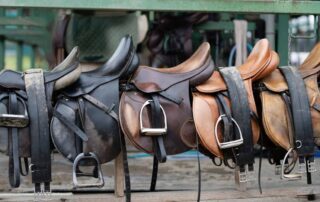
Horse saddles are structured pieces of tack designed to support the rider and distribute weight evenly across a horse’s back during riding. Used in disciplines ranging from dressage and show jumping to ranch work and trail riding, saddles improve stability, communication, and overall safety for both horse and rider. More than just a seat, a saddle helps the rider maintain balance and alignment while reducing concentrated pressure on the spine and surrounding muscles. Because of this, proper saddle selection and fit play a direct role in comfort, performance, and long-term soundness.

Complete Guide to Horse Saddles: Types, Fit & How to Choose2026-08-22T13:57:53-04:00

Choosing the Right Jumping Saddle: Considerations for Horse & Rider

Choosing the right jumping saddle involves more than selecting a popular brand or matching your discipline's style. The ideal saddle must suit both horse and rider, supporting performance over fences while maintaining comfort and long-term soundness. Jumping saddles are designed with a forward flap, flatter seat, and specific panel configurations to accommodate a shorter stirrup length and the dynamic biomechanics of riding over fences. However, differences in tree shape, panel design, flap cut, and seat structure can significantly influence how a saddle feels and performs. Understanding these elements helps riders make informed decisions rather than relying solely on appearance or trend.

Choosing the Right Jumping Saddle: Considerations for Horse & Rider2026-08-22T13:56:51-04:00

Field Study: Omneity® for Improved Hoof Growth & Coat Color in Mature Friesians

Hoof growth and hoof quality are common concerns in mature horses, particularly in breeds such as Friesians that are prone to thin soles, slow hoof growth, and brittle hoof walls. [1] Nutritional imbalances are a well-recognized contributor to poor hoof strength and reduced horn production. Deficiencies in key nutrients, including zinc, copper, biotin, and essential amino acids, can impair keratin formation, enzyme function, and keratinocyte activity within the hoof capsule. Because keratin is also the primary structural protein in hair, these same nutrient gaps may contribute to coat dullness, fading black coat color, and reduced hair quality. Coat pigmentation in Friesian horses is influenced by genetics, ultraviolet exposure, and dietary mineral intake. Adequate zinc and copper are required for normal melanin synthesis, which supports rich black coat color and overall skin and hair health.

Field Study: Omneity® for Improved Hoof Growth & Coat Color in Mature Friesians2026-08-22T13:56:32-04:00

Nasopharyngeal Sampling for Horses: A Veterinarian’s Guide to Nasal Swabs & Lavage

Nasopharyngeal sampling is a commonly performed diagnostic procedure in equine practice, used to identify infectious agents affecting the upper respiratory tract. It involves inserting a deep nasal swab into the nasopharynx to collect samples for testing for viral or bacterial pathogens. In horses presenting with fever, nasal discharge, coughing, lymph node enlargement, or poor performance, collecting a sample from the nasopharynx can provide critical information to guide treatment decisions, biosecurity protocols, and herd management strategies.

Nasopharyngeal Sampling for Horses: A Veterinarian’s Guide to Nasal Swabs & Lavage2026-08-22T13:55:47-04:00