Analyze Diet

American Indian Horse Breed Guide: Health, Characteristics & Nutrition

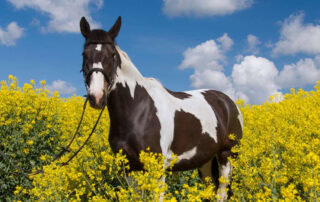
The American Indian Horse is a rare North American heritage type known for their hardiness, versatility, and deep cultural significance. These horses represent a living link to the Colonial Spanish horses brought to the Americas by Spanish explorers, shaped over centuries by the landscapes and peoples of North America. Modern American Indian Horses carry the legacy of five hundred years of selection under some of the most demanding conditions on the continent. They are defined by practical traits like stamina, intelligence, and adaptability rather than a particular look or breed standard. Their registration spans five classes, reflecting the diversity of bloodlines and types that fall within the American Indian Horse type.

American Indian Horse Breed Guide: Health, Characteristics & Nutrition2026-08-04T16:27:42-04:00

Horse Grooming Brushes: Which Brush Is Best for Your Horse?

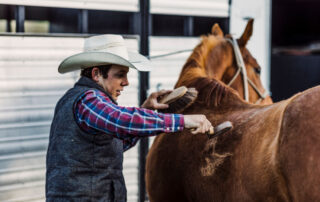
A wide range of grooming brushes are available for horses, but choosing the right one is not always straightforward. While most grooming kits include several standard tools, selecting the best brush for your horse depends on factors such as coat type, skin sensitivity, workload, and environment. Using the wrong brush can reduce effectiveness, cause discomfort, or lead to unnecessary coat damage.

Horse Grooming Brushes: Which Brush Is Best for Your Horse?2026-08-04T16:19:58-04:00

Arena Footing for Horses: Types, Materials, and How to Choose the Best Surface

Arena footing is one of the most important factors influencing how horses move, perform, and stay sound. Riders may focus on training, tack, or conditioning, but the surface beneath the horse plays a constant role in every stride, affecting traction, stability, and impact on the limbs. Choosing the right arena footing is not as simple as selecting a single material. Performance depends on how the footing interacts with the base, how it responds to moisture, and how well it is maintained over time. Small differences in footing composition or depth can significantly change how a horse feels under saddle and how forces are absorbed during movement. Because of this, arena footing should be viewed as a system rather than a single layer. Material choice, construction, climate, and maintenance all work together to determine whether a surface remains consistent and safe under regular use.

Arena Footing for Horses: Types, Materials, and How to Choose the Best Surface2026-08-04T16:19:13-04:00

Apple Horse Treat Recipe: Homemade Low-NSC Cookies for Metabolic Horses

Apples are almost universally associated with horses; in barns everywhere, apple slices and treats remain the go-to reward after a good ride. Apples are also widely used as ingredients in commercial feeds and baked horse treats, where they enhance palatability and provide natural sweetness. While apples are safe for most horses, not all apple-based treats are nutritionally equivalent. A whole apple differs from dried apple chunks or commercial treats that may include added grains or molasses.

Apple Horse Treat Recipe: Homemade Low-NSC Cookies for Metabolic Horses2026-08-04T16:18:43-04:00

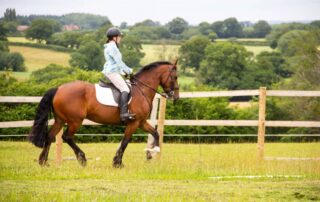
Riding Your Horse On The Bit: Biomechanics, Training Tips & Common Mistakes

“On the bit” is one of the most commonly used and misunderstood phrases in equestrian sports. It’s often used to describe a horse’s head or neck position, but true on-the-bit work involves far more than creating a certain outline. When a horse is correctly on the bit, the entire body works in coordination. Energy begins in the hindquarters, travels through a supple back, and reaches the rider’s hand through light, elastic contact. Rather than being placed into a frame, the horse develops balance, engagement, and self-carriage from back to front. Because the term is so frequently oversimplified, many riders focus on the horse’s head position without addressing the underlying mechanics that make correct contact possible. When done correctly, however, riding on the bit improves far more than appearance. It supports better balance, clearer communication between horse and rider, more efficient movement, and long-term soundness. It also helps the horse develop the strength needed to carry a rider well, especially through the topline, core, and hindquarters. Understanding what “on the bit” truly means and how to achieve it correctly can directly influence how a horse moves, feels, and stays sound over time.

Riding Your Horse On The Bit: Biomechanics, Training Tips & Common Mistakes2026-08-22T14:33:23-04:00

Stride Adjustability in Horses: Exercises to Improve Jumping Performance

Stride adjustability in horses is a foundational skill for successful show jumping, allowing riders to meet distances accurately, maintain rhythm, and adapt to the technical demands of modern courses. Whether you are competing in hunters, jumpers, or equitation, the ability to lengthen and shorten your horse's stride without losing balance is key to riding smooth, consistent rounds. Many horses struggle with adjustability because they are missing essential foundations in balance, strength, or responsiveness to the rider's aids. Riders may find themselves chasing distances, adding or leaving out strides unintentionally, or losing rhythm on approach to a fence. Over time, these patterns can reduce confidence and increase the risk of rails, awkward jumps, or refusals.

Stride Adjustability in Horses: Exercises to Improve Jumping Performance2026-08-03T21:44:34-04:00

Why Horses Bolt Feed & How to Stop It: Behavior Guide

If your horse finishes their feed in a matter of minutes, they may be bolting (or scoffing) their food, a term used to describe when horses eat too quickly without properly chewing their food. While this may seem like a harmless habit, bolting feed can increase the risk of choke, reduce digestive efficiency, and may indicate underlying issues with feeding management or diet. Horses are naturally inclined to graze throughout the day, consuming small amounts of forage continuously. When feeding practices don’t reflect this pattern, a horse may be more likely to eat quickly. In most cases, this behavior isn’t about impatience or “bad manners,” but a response to hunger, competition, or unmet needs. Bolting feed is both common and manageable. With the right adjustments to feeding practices and diet, most horses can learn to eat more slowly and safely.

Why Horses Bolt Feed & How to Stop It: Behavior Guide2026-08-03T21:43:31-04:00

Why “Milkshaking” Is Banned in Horse Racing: Protecting Fair Play & Welfare

Milkshaking in horses, is a controversial practice often associated with performance enhancement. It involves the administration of certain substances to a horse to manipulate blood chemistry, particularly to boost stamina and delay fatigue. While some view milkshaking as a shortcut to success in competitive racing, it carries significant health risks for horses and is strictly prohibited under most equine sport regulations. In this article, we will explain what milkshaking in horses involves, the dangers it poses, how it is detected, and why strict penalties are enforced to protect equine welfare and maintain fair competition. Whether you're a horse owner, trainer, or enthusiast, understanding the implications of milkshaking is crucial for responsible horse care and ethical participation in equestrian sports.

Why “Milkshaking” Is Banned in Horse Racing: Protecting Fair Play & Welfare2026-08-03T21:42:19-04:00

Claudia Iannuccilli: Unlocking Better Performance Through Better Care

Canadian eventer Claudia Iannuccilli has built a successful riding and coaching career—but she didn't follow the traditional playbook. She develops off-track Thoroughbreds and competes them barefoot at the FEI level, approaching horse management with a philosophy centered on long-term soundness, thoughtful nutrition, and understanding the horse as a whole.

Claudia Iannuccilli: Unlocking Better Performance Through Better Care2026-08-03T21:41:21-04:00

Stock Horse Guide: Characteristics, Health & Nutrition

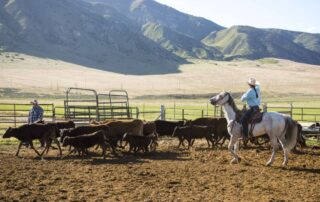
Stock horses are compact, muscular breeds known for their work efficiency. Wherever cattle and sheep were raised on a commercial scale, stockmen needed horses that could cover long distances, maintain focus under pressure, and execute precise maneuvers around unpredictable animals. Over time, these working conditions produced recognizable horses shaped by utility, durability, and steadiness. Unlike breeds refined for racing, draft power, or exhibition movement, stock horses were bred for efficiency in agricultural labor. This horse type is defined by their quick acceleration, hard stops, balanced turns, and clear responses. Reliable stock horses are attentive without being reactive, and energetic without sacrificing control. Modern stock horses play a central role in both cattle operations and western performance disciplines.

Stock Horse Guide: Characteristics, Health & Nutrition2026-08-03T21:39:07-04:00

Donkey Breed Guide: Characteristics, Health & Nutrition

Historically donkeys are one of the world’s most favored working animals, revered for their strength, intelligence, and gentle nature. With roots stretching back over 6,000 years, these resilient equids have helped shape human civilization, from transporting goods across arid landscapes to powering agriculture in rural communities. Despite their critical role in many cultures, donkeys are often misunderstood or overlooked in modern equestrian and agricultural settings. One of the most fascinating aspects of donkeys is the wide variety of breeds found across different regions. While not as sharply categorized as horse breeds, donkeys have developed into distinct types based on their environment, utility, and the needs of local communities. From the tall, sturdy American Mammoth Jackstock to the diminutive and friendly Miniature Mediterranean Donkey, each breed brings unique traits and temperament. This guide provides a comprehensive look at some of the world’s best-known and most beloved donkey breeds. We examine their physical characteristics, historical significance, common uses, and care requirements, while also highlighting conservation concerns for rare or endangered breeds. Whether you are exploring donkey ownership, interested in breed diversity, or simply appreciate these intelligent animals, this guide will help deepen your understanding and appreciation of the domestic donkey.

Donkey Breed Guide: Characteristics, Health & Nutrition2026-08-03T21:34:25-04:00

Case Study: Improving Topline, Weight & Energy Levels in Two Mares

In April of 2025, a diet evaluation was requested for a 21-year-old Clydesdale/Thoroughbred mare named Lulu and a 15-year-old Clydesdale/Paint mare named Stella. Stella weighed approximately 1,570 lbs (712 kg) and Lulu weighed approximately 1,410 lbs (639 kg). Both mares were located in North Carolina, USA. Initial reported concerns included low energy levels, poor topline condition, weight management, and prevention of metabolic health issues. Their owner’s primary goal was to support their weight and metabolic health by transitioning from feeding a commercial ration balancer to a supplement with fewer filler ingredients.

Case Study: Improving Topline, Weight & Energy Levels in Two Mares2026-08-03T21:31:53-04:00

What is the Best Hoof Supplement for Your Horse?

Strong, healthy hooves are essential for your horse's soundness, comfort, and performance, but choosing the right hoof supplement is not always straightforward. With so many products on the market, it can be difficult to know which option will actually improve hoof quality. The best hoof supplement for your horse is not simply the one with the most ingredients or the highest dose of a single nutrient. It is the one that corrects underlying imbalances in the diet that affect how the hoof is formed over time, particularly gaps in trace minerals, amino acids, and key vitamins. Mad Barn's Omneity® and AminoTrace+ provide a more effective way to support hoof health by correcting the nutritional imbalances that affect how the hoof is formed over time.

What is the Best Hoof Supplement for Your Horse?2026-08-03T21:29:43-04:00

Kazakh Horse Breed Guide: Characteristics, Health & Nutrition

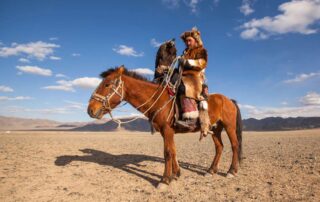
The Kazakh horse is the traditional native horse of Kazakhstan and closely related regional types used in pastoral systems across Central Asia. For generations, these horses supported travel, herding, and daily work in nomadic and semi-nomadic communities where stamina, thrift, and soundness mattered more than specialized athletic skills. The breed's modern landscape includes both traditional native types and separate productive breeds that were developed from Kazakh foundation stock. This helps explain why "Kazakh horse" can describe a broad native population as well as specific commercial breeding directions within the country.

Kazakh Horse Breed Guide: Characteristics, Health & Nutrition2026-08-03T21:27:42-04:00

Tooth Root Abscesses in Horses: Signs, Causes & Treatment

Tooth root abscesses, or apical infections, are a painful and relatively common dental condition in horses that often develop gradually before more obvious signs appear. Because equine teeth are long and closely connected to surrounding structures like the sinuses, infection at the tooth root can lead to a range of clinical signs, including difficulty eating, facial swelling, and one-sided nasal discharge. Early signs are often subtle and easy to overlook. Many horses continue eating despite discomfort, which can delay detection until the condition has progressed or secondary complications, such as sinus infections, develop.

Tooth Root Abscesses in Horses: Signs, Causes & Treatment2026-08-03T21:19:10-04:00

Aspiration Pneumonia in Horses: Causes, Risk Factors & Prevention

Aspiration pneumonia is a potentially serious lung condition that occurs when feed, water, saliva, or medication is inhaled into a horse's airways instead of being swallowed into the esophagus. Rather than developing on its own, it most often arises as a complication of another issue, such as choke, swallowing dysfunction, or sedation. When foreign material enters the lungs, it can introduce bacteria and trigger inflammation, interfering with normal breathing and oxygen exchange. In some cases, clinical signs can appear quickly, making early recognition especially important. While aspiration pneumonia can be severe, many horses respond well to treatment when the condition is identified early and managed appropriately. Monitoring horses closely after events like choke or illness can help ensure prompt veterinary intervention and support a better outcome.

Aspiration Pneumonia in Horses: Causes, Risk Factors & Prevention2026-08-03T21:17:40-04:00

Congenital Stationary Night Blindness in Horses: Causes, Risk Factors & Management

Congenital stationary night blindness (CSNB) is an inherited vision disorder that affects a horse's ability to see in low-light conditions. Horses with this condition typically have normal vision during the day but may struggle to navigate safely at dusk, in dim barns, or at night. CSNB is most commonly seen in Appaloosas and other breeds with leopard spotting patterns, due to a genetic mutation linked to coat color. While the condition cannot be cured, it is non-progressive, meaning it does not worsen over time. With appropriate management, affected horses can live comfortable, functional lives

Congenital Stationary Night Blindness in Horses: Causes, Risk Factors & Management2026-08-03T21:15:56-04:00

Gotland Pony Breed Guide: Health, Characteristics & Nutrition

The Gotland horse, also known as the Gotland pony or Gotlandsruss, is a hardy native Swedish pony known for its ancient roots, athletic movement, and practical versatility. As the only pony breed native to Sweden, the Gotland has an important place in Scandinavian equine history. Although small in stature, this breed is strong, efficient, and suitable for a variety of uses, from pony harness racing to conservation grazing. Modern owners value these ponies for their kind temperament and hardiness. But like many pony breeds, they need careful feeding and weight management to stay healthy.

Gotland Pony Breed Guide: Health, Characteristics & Nutrition2026-08-05T11:52:22-04:00

Benadryl® (Diphenhydramine) for Horses: Uses, Side Effects & Status in Competition

Diphenhydramine is an antihistamine commonly used in horses to manage allergic reactions, including hives, insect bite hypersensitivity, and other inflammatory skin conditions. While it is widely recognized under brand names like Benadryl®, its use in equine care is typically off-label and should be approached with a clear understanding of its effects, limitations, and appropriate dosing. For horse owners, knowing when diphenhydramine is helpful—and when it is not—is key to making informed decisions about managing allergic symptoms. Although it can provide relief in certain situations, it does not address the underlying cause of hypersensitivity and may cause side effects such as sedation. This article explains how diphenhydramine works in horses, when it may be used, appropriate dosing considerations, potential risks, and alternative management strategies for allergic conditions.

Benadryl® (Diphenhydramine) for Horses: Uses, Side Effects & Status in Competition2026-08-03T21:06:14-04:00

Ketamine for Horses: Uses, Side Effects & Status in Competition

Ketamine is a widely used medication in equine veterinary medicine, best known for its role as a fast-acting anesthetic. It is commonly administered during surgical procedures, diagnostic imaging, and emergency interventions, where it helps induce and maintain anesthesia while preserving cardiovascular function. Beyond its use in general anesthesia, ketamine is also being explored for additional applications in horses, including pain management and the treatment of certain neurological or behavioral conditions. Its unique effects on the central nervous system make it a valuable tool in both routine and specialized veterinary care. Understanding how ketamine works, when it is used, and what to expect during treatment can help horse owners better interpret veterinary decisions and support safe, effective care for their horses.

Ketamine for Horses: Uses, Side Effects & Status in Competition2026-08-03T21:03:32-04:00

The Preakness Stakes Horse Race: History, Winners & Role in the Triple Crown

The Preakness Stakes is the middle jewel of the Triple Crown and one of the most historic and influential races in American Thoroughbred racing. For over a century, the Preakness has shaped Triple Crown campaigns and tested the limits of equine athleticism. The Preakness Stakes has long helped distinguish racing legends from talented contenders. Run just two weeks after the Kentucky Derby, it demands exceptional recovery, speed, stamina, and mental composure under intense pressure. The race can preserve a Triple Crown bid or end one abruptly, making the Preakness Stakes both a historic spectacle and a measuring stick for elite equine performance. Explore the history of the Preakness Stakes, its most legendary winners, and the evolving training, nutrition, and management strategies that influence success in the race and Triple Crown.

The Preakness Stakes Horse Race: History, Winners & Role in the Triple Crown2026-08-03T21:01:43-04:00

The Kentucky Derby: History, Purse & Legendary Winners

The Kentucky Derby is one of the most iconic and demanding events in American Thoroughbred racing. Held each year at Churchill Downs, the race has stood at the center of the sport for over a century, combining elite athletic performance with a rich tradition that few sporting events can match. As the opening leg of the Triple Crown, the Derby tests Thoroughbreds under some of the most challenging race conditions they will face in their career. With a rigorous qualification process and a race distance that demands both speed and stamina, the Kentucky Derby represents a defining benchmark in a young racehorse’s career. Explore the history of the Kentucky Derby, how horses earn their place in the starting gate, and the modern training, nutrition, and management strategies that help shape success at the highest level of the sport.

The Kentucky Derby: History, Purse & Legendary Winners2026-08-22T14:33:02-04:00

Ear Bonnets for Horses: Benefits, Uses & How They Work

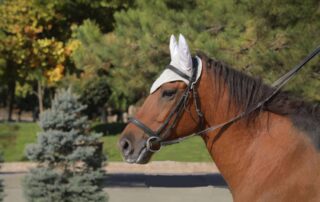
Ear bonnets for horses, also known as ear nets, are a common sight in show rings, schooling arenas, and everyday hacks. While they add a polished finishing touch to turnout, their purpose extends well beyond appearance. Worn under the bridle, a horse bonnet covers the ears and rests smoothly across the forehead. This simple design can help reduce irritation from flies, soften environmental stimulation, and provide light protection from wind or debris. For horses who are sensitive to insects, noise, or busy surroundings, this added comfort may translate into improved focus and a more relaxed ride.

Ear Bonnets for Horses: Benefits, Uses & How They Work2026-08-22T14:32:21-04:00

Equisul-SDT® (Trimethoprim Sulfadiazene) for Horses: Uses, Side Effects & Status in Competition

Trimethoprim sulfadiazine, brand name Equisul-SDT®, is a combination antibiotic widely used in equine medicine for the treatment of bacterial infections. This medication combines two antimicrobial drugs that work together to stop bacteria from growing and multiplying, making it effective against a broad range of pathogens that affect horses. Veterinarians commonly prescribe trimethoprim sulfadiazine to treat infections involving the respiratory tract, skin and wounds, urinary tract, and other bacterial diseases. The drug is typically administered orally as tablets or powder mixed with feed, which allows for convenient treatment outside of a hospital setting.

Equisul-SDT® (Trimethoprim Sulfadiazene) for Horses: Uses, Side Effects & Status in Competition2026-08-22T14:31:59-04:00

DTO Smectite Clay for Horses: Uses, Side Effects & Status in Competition

Bio-Sponge®, or di-tri-octahedral smectite (DTO smectite) is a naturally occurring clay mineral used in equine medicine to support gastrointestinal health. Smectite's properties allow it to bind water, toxins, bacteria, and other potentially harmful substances within the gastrointestinal tract. In equine practice, DTO smectite is most commonly used as a supportive therapy for diarrhea, enterocolitis, and nonspecific gastrointestinal upset. Smectite helps reduce irritation and fluid loss while stabilizing the gut environment. Its adsorptive action may also limit the absorption of bacterial toxins and inflammatory mediators, supporting recovery in horses experiencing acute digestive challenges.

DTO Smectite Clay for Horses: Uses, Side Effects & Status in Competition2026-08-22T14:31:22-04:00

Zyrtec® (Cetirizine) for Horses: Uses, Side Effects & Status in Competition

Cetirizine, marketed in human medicine under the trade names Zyrtec® and Reactine®, is an antihistamine commonly used in human and small animal medicine. While there is interest in equine applications of antihistamine use, the effects of cetirizine in horses are less well-defined. With growing demand for managing equine allergic conditions such as hives, insect hypersensitivity, and environmental allergies, cetirizine is increasingly being explored as a potential option in equine care. Allergic reactions in horses can present as skin irritation, itching, swelling, or respiratory signs, often affecting comfort, performance, and overall well being. While corticosteroids remain a mainstay of treatment, they are not always suitable for long-term use, leading to interest in alternative therapies with fewer systemic effects.

Zyrtec® (Cetirizine) for Horses: Uses, Side Effects & Status in Competition2026-08-22T14:30:44-04:00

Buscopan® (Butylscopolamine) for Horses: Uses, Side Effects & Status in Competition

Butylscopolamine, also Buscopan®, is a medication commonly used in horses to provide rapid relief from abdominal pain associated with spasmodic colic. As an antispasmodic agent, it works by relaxing smooth muscle in the gastrointestinal tract, helping reduce intestinal contractions that contribute to discomfort and cramping. Because colic remains one of the most frequent and potentially serious health concerns in horses, medications like butylscopolamine play an important role in initial veterinary management. Its fast onset makes it particularly useful in clinical settings, where veterinarians need to quickly assess and stabilize a horse while determining the underlying cause of pain. Although butylscopolamine can improve comfort and reduce spasms, it does not treat the root cause of colic. Understanding how this drug works, when it is used, and its limitations can help horse owners better interpret veterinary treatment decisions and recognize why further diagnostics and monitoring are often required.

Buscopan® (Butylscopolamine) for Horses: Uses, Side Effects & Status in Competition2026-08-22T14:30:05-04:00

Can Horses Get Fleas? Risk Factors, Treatment & Prevention

Fleas in horses are uncommon, but they can still cause skin irritation, itching, and discomfort when infestations occur. While horses are not a preferred host for fleas, they may become temporary hosts after exposure to infested animals such as dogs, cats, or wildlife, or from contaminated environments like barns and bedding. Because fleas are relatively rare in horses, cases of itching and skin irritation are more often caused by other external parasites, including lice, mites, and ticks. This can make fleas easy to overlook or misidentify, especially when clinical signs such as hair loss, scabbing, or rubbing overlap with other common skin conditions. Understanding how fleas affect horses, how to recognize the signs of infestation, and what environmental factors contribute to their presence can help guide appropriate management. Early identification and targeted control measures are important to reduce discomfort, prevent secondary skin issues, and limit reinfestation.

Can Horses Get Fleas? Risk Factors, Treatment & Prevention2026-08-22T14:29:37-04:00

The Triple Crown Horse Races: History, Challenges & Winners

The Triple Crown represents the ultimate test of equine athleticism in Thoroughbred racing. Comprised of the Kentucky Derby, Preakness Stakes, and Belmont Stakes, it is one of the sport’s most prestigious and demanding achievements. To win all three races within just five weeks, a three-year-old horse must perform across increasing distances with minimal recovery time. Only 13 horses in history have achieved the feat, highlighting its rarity and the exceptional physical and mental capacity required. Beyond its prestige, the Triple Crown serves as a defining standard for racehorse performance, training, and breeding. The champion horses who claimed wins for all three races defined their eras and influenced how the racing industry approaches conditioning and recovery in the equine athletes of modern day.

The Triple Crown Horse Races: History, Challenges & Winners2026-08-22T14:29:10-04:00

The Four Quadrants of Horse Training: Understanding R+, R-, P+ & P-

Training is a central aspect of the horse-handler relationship, ensuring clear communication and quicker, more reliable responses. An understanding of how horses process information allows handlers to build stronger connections and achieve consistent results across various training activities. Horses learn through continuous exposure to different stimuli in their environment, shaping how they react and adapt over time. By understanding the types of learning that influence a horse’s behavior, handlers can tailor their training methods for optimal success. These learning processes are not about a horse’s intelligence, but rather how they form and adjust responses to specific experiences. Equine learning can be divided into two main categories: non-associative learning, which focuses on adjusting a horse’s response to a single stimulus, and associative learning, where horses form connections between cues, actions, and outcomes. Both types are fundamental for effective training and help horses develop predictable, consistent behaviors.

The Four Quadrants of Horse Training: Understanding R+, R-, P+ & P-2026-08-22T14:28:24-04:00