Analyze Diet

Abdominal Ultrasound for Horses: A Veterinarian’s Guide to Gastrointestinal Imaging

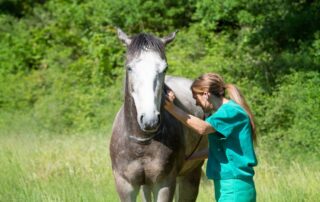
Abdominal ultrasound is a valuable, non-invasive diagnostic tool that allows veterinarians to visualize the organs and soft tissues within a horse’s abdomen. Using high-frequency sound waves, the technique produces real-time images that can reveal both normal anatomy and subtle abnormalities. In horses, abdominal ultrasound is commonly used to investigate the causes of colic. It can help identify displaced or distended intestines, fluid accumulation, abscesses, tumors, or changes in the liver, spleen, kidneys, bladder, or reproductive organs. By assessing how these structures move and interact, ultrasound can also provide insight into gastrointestinal motility and blood flow.
Abdominal Ultrasound for Horses: A Veterinarian’s Guide to Gastrointestinal Imaging2026-08-21T10:58:29-04:00

Most Common Allergies in Horses: Signs, Types & Management

Allergies are a common yet often misunderstood source of skin and respiratory problems in horses. Many owners recognize issues such as colic or lameness, while allergic reactions receive less attention despite causing significant disruption when symptoms become chronic, recurring, or difficult to pinpoint. Allergic conditions can range from mild irritation to more severe responses that interfere with comfort, performance, and overall health. In horses, allergic reactions most often appear as skin conditions, including itching, hives, or hair loss, as well as respiratory signs such as coughing or nasal discharge. Some cases involve broader inflammatory responses that affect multiple body systems. Common triggers include environmental factors like dust and mold, insect bites, specific feed ingredients, and topical products such as shampoos or fly sprays. Genetic predisposition plays a role for some horses, while others develop sensitivity later in life following repeated exposure to an allergen. Individual variation makes equine allergies challenging to manage. Responses differ widely between horses, and improvement with one approach does not guarantee success with another. Identifying effective management strategies often involves careful observation and gradual adjustment rather than a single solution. This article outlines common types of allergies in horses, early signs owners may notice, and practical steps used during veterinary evaluation and management. A clear understanding of how allergic reactions develop, paired with realistic expectations around diagnosis and long-term care, supports better outcomes and improved quality of life for affected horses.

Most Common Allergies in Horses: Signs, Types & Management2026-09-15T15:31:08-04:00

Adopting a Wild Horse: Legal Requirements, Training & Long-Term Care

Adopting a wild horse requires forethought, long-term commitment, and respect for horses' nautral instincts. For experienced equestrians looking for a unique partnership, adopting a wild horse offers the chance to participate in the preservation of an iconic species and engage in a deeply rewarding journey. Wild or feral horses grow up without routine human handling. Social structures, movement patterns, and survival behaviors develop in open-range conditions rather than domestic pasture settings. Transitioning into confinement, regular handling, and structured training represents major changes that many horses struggle to adjust to.

Adopting a Wild Horse: Legal Requirements, Training & Long-Term Care2026-08-21T10:56:01-04:00

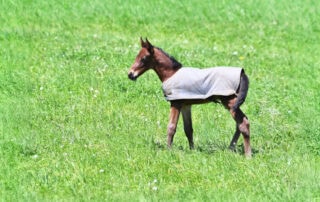
Foal Blankets and Sheets: Guide to Sizing, Materials & Types

Foals are more vulnerable to cold than adult horses, especially in their first few weeks of life. Their limited fat reserves and higher surface-area-to-body-weight ratio mean they can lose heat quickly, particularly in wet, windy, or sudden cold weather. A well-chosen blanket can help protect foals, but it’s not always necessary and the wrong blanket or poor fit can cause rubbing, overheating, or restricted movement. Choosing the right foal blanket can feel overwhelming. Foals grow fast, weather conditions vary, and each foal has unique needs based on health, activity level, and environment. This guide will help you navigate those decisions, covering foal sizing, materials, seasonal considerations, and proper care, so your young horse stays safe, comfortable, and warm throughout the year.

Foal Blankets and Sheets: Guide to Sizing, Materials & Types2026-08-21T10:53:06-04:00

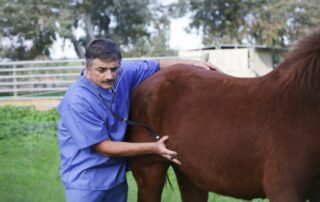
Rectal Examinations for Horses: A Veterinarian’s Guide to Diagnosing Lower Abdominal Issues

Rectal examination remains one of the most valuable and informative diagnostic tools available to equine practitioners when evaluating gastrointestinal conditions. In cases of colic, it is often the single most informative procedure for identifying the underlying cause, determining the severity of disease, and guiding immediate treatment decisions. During a rectal examination, the veterinarian systematically evaluates the accessible organs within the caudal abdomen and pelvis, including the large and small colon, cecum, and bladder. Palpation allows detection of abnormalities that may indicate specific conditions such as large colon volvulus, cecal impaction, or small intestinal obstruction. Although routine for experienced clinicians, rectal examination must be performed with care to ensure safety for both horse and examiner. Proper restraint, adequate lubrication, and the use of sedation or smooth muscle relaxants are essential to reduce straining and minimize the risk of rectal tears, a serious potential complication. Rectal findings contribute to a comprehensive assessment of gastrointestinal function when combined with other diagnostic approaches, such as abdominal auscultation, nasogastric intubation, ultrasonography, and laboratory testing. For veterinarians managing horses with colic or other digestive disturbances, mastery of this procedure and the ability to interpret subtle variations in normal anatomy are critical components of effective case management.

Rectal Examinations for Horses: A Veterinarian’s Guide to Diagnosing Lower Abdominal Issues2026-08-21T10:51:40-04:00

Arthroscopy for Horses: A Veterinarian’s Guide to Advanced Joint Imaging & Repair

Joint disease and injury are common causes of lameness and poor performance in horses, particularly in athletic or young growing animals. Conditions such as osteochondritis dissecans (OCD), synovitis, and traumatic fractures of joint surfaces can significantly affect a horse’s comfort, movement, and long-term soundness. Arthroscopy has become the gold standard for addressing these issues because it allows the surgeon to assess the joint directly, rather than relying solely on imaging techniques such as radiographs or ultrasound. Compared to traditional open surgery, arthroscopy offers many advantages. The smaller incisions reduce soft tissue trauma, postoperative pain, and infection risk, while also resulting in faster healing and minimal scarring.

Arthroscopy for Horses: A Veterinarian’s Guide to Advanced Joint Imaging & Repair2026-08-21T10:34:59-04:00

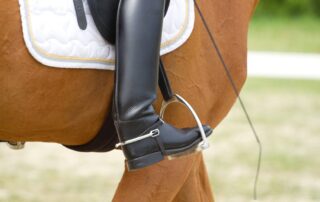
Spurs for Horses: Uses, Maintenance & Welfare Considerations

Spurs are one of the oldest and most recognizable tools in horsemanship, designed to help riders communicate precise cues to their horses. While often associated with riding and competition, their proper use requires skill, sensitivity, and a thorough understanding of equine behavior. When used correctly, spurs can enhance subtle communication between horse and rider, improving performance and responsiveness. However, misuse can cause pain, injury, or behavioral problems, making education and careful handling essential. Understanding the types, uses, risks, and best practices of spurs is key to ensuring effective and welfare-conscious riding.

Spurs for Horses: Uses, Maintenance & Welfare Considerations2026-08-21T10:34:18-04:00

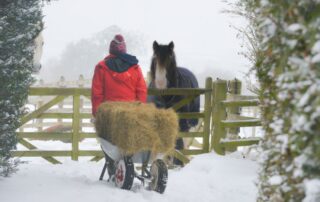
Winter Turnout for Horses: Safety Guidelines for Horse Owners

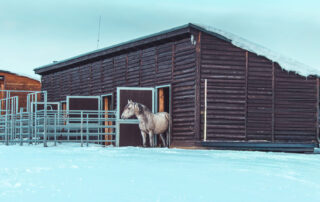
Turnout is one of the most important parts of your horse's daily routine. Despite this, many facilities struggle to provide horses with adequate turnout during the winter, when conditions may be icy, muddy, or frozen. This can lead to increased time spent in the stall despite caretakers' best efforts. Winter turnout planning is about more than simply adding a blanket—it involves assessing shelter, footing, herd dynamics, access to forage and unfrozen water, and day-to-day monitoring. Thoughtful preparation can make the difference between a season of content, fuzzy-coated horses and one filled with preventable injuries or illness.

Winter Turnout for Horses: Safety Guidelines for Horse Owners2026-08-21T10:31:38-04:00

Calf Roping in Rodeo: Rules of Tie-Down vs. Breakaway Roping – [Discipline Guide]

Calf roping is a fast-paced rodeo discipline that tests teamwork, athleticism, and precision between horse and rider. Modern calf roping originated from everyday ranch tasks, where cowboys needed to immobilize young cattle for branding or medical care. Over time, this transformed into a sport, maintaining much of the same technique while adapting it for a competitive environment. Today, it’s a staple of professional rodeos across North America. Calf roping is divided into two main categories: tie-down roping, where the rider dismounts and manually restrains the calf, and breakaway roping, where the rope detaches upon catching the calf, highlighting skill without the requirement for physical restraint. This guide explores the discipline, its evolution, governing bodies, event structure, horse requirements, welfare considerations, and essential training approaches. Whether you are a rider looking to enter the arena or a spectator seeking a deeper understanding of this heritage-rich sport, this article offers a detailed, evidence-informed introduction to calf roping and its contemporary practice.

Calf Roping in Rodeo: Rules of Tie-Down vs. Breakaway Roping – [Discipline Guide]2026-08-21T10:29:00-04:00

Threadworms (Strongyloides Westeri) in Horses: Symptoms, Risk Factors & Treatment

Threadworms (Strongyloides westeri) are an equine intestinal parasite that primarily affects newborn foals, making them one of the earliest parasitic concerns in young horses. Transmission often occurs through the mare's milk, allowing larvae to establish in the foal's intestines within the first days of life. The parasite has a unique life cycle that can occur either within the horse or the environment, and mares can serve as a long-term source of infection for their offspring. While many infections are mild and resolve as foals mature, heavy infestations can lead to clinical symptoms requiring veterinary assessment. Understanding how S. westeri spreads, develops, and can be prevented is essential for protecting foal health and maintaining effective breeding-season management.

Threadworms (Strongyloides Westeri) in Horses: Symptoms, Risk Factors & Treatment2026-08-21T10:15:03-04:00

Why Do Horses Buck? Causes, Prevention, and How to Stop Bucking

Bucking is an equine behavior that can be both thrilling and frightening for riders. It can be a playful leap in the pasture or a dangerous kick under saddle. Some horses buck to release energy or excitement, while others do it because of pain, fear, or confusion. Horses are prey animals, and bucking is a natural way to protect themselves or react to discomfort. However, when this behavior becomes a habit, it can put both horse and rider at risk. Explore the main reasons horses buck and find practical tips for preventing, managing, and addressing the behavior safely. Understanding why your horse bucks is the first step toward keeping rides safe and enjoyable.

Why Do Horses Buck? Causes, Prevention, and How to Stop Bucking2026-08-21T10:25:47-04:00

Bahiagrass Hay for Horses: Nutrition Profile & Feeding Guide

Bahiagrass is a warm-season perennial grass commonly used for horse pastures. First identified in the 1800s and introduced to Florida in 1913, it has since spread throughout the southern U.S. The grass thrives in sandy, low-fertility soils and is well-suited to heavy grazing and varying environmental conditions. Several cultivars, such as Tifton-9, TifQuik, and Pensacola, are widely recommended for equine use. Bahiagrass is a low-maintenance forage option that provides a reliable fiber source with low sugar content, making it especially beneficial for horses prone to insulin resistance or laminitis. Though hardy, its nutritional value varies based on its fertilization, grazing pressure, and harvest timing. Proper management, including appropriate harvesting and grazing rotation, is crucial to optimizing both its yield and forage quality. By understanding the grass's growing conditions, horse owners can effectively use Bahiagrass as part of a balanced feeding program to support digestive health, maintain optimal body condition, and meet the nutritional needs of horses with different energy requirements.

Bahiagrass Hay for Horses: Nutrition Profile & Feeding Guide2026-08-21T10:27:45-04:00

Winter Care for Boarded Horses: Safety, Turnout, & Feeding

Boarded horses rely on barn staff, shared facilities, and set management routines to stay safe and healthy. Cold temperatures, icy footing, limited turnout, and changes in forage and water availability can all influence a horse's comfort, health, and behavior during the winter months. As the season sets in, thoughtful planning and proactive communication with your boarding barn are essential to keeping your horse safe, warm, and thriving. Read on to learn how to support your boarded horse through the winter, including important topics to discuss with your facility manager regarding winter care.

Winter Care for Boarded Horses: Safety, Turnout, & Feeding2026-08-21T10:23:54-04:00

Guide to Halters for Horses: Types, Materials & Uses

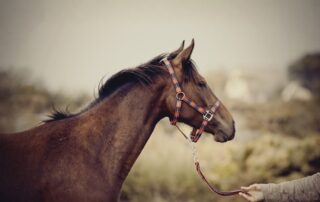
Halters are an essential piece of horse tack used to safely lead, train, and manage horses from the ground. Made of interconnected straps that sit around the horse’s poll, cheeks, and nose, this equipment allows handlers to guide a horse’s movement during grooming, tying, loading, and other routine tasks. They’re used across all equine traditions, from casual riding to formal competitions, and come in a variety of styles matched to different disciplines. Halters are made from various materials that differ in durability, flexibility, and appearance. They’re designed to fit securely around a horse’s head, and proper size, fit, and placement are essential for comfort and effectiveness. A well-adjusted halter prevents rubbing, avoids pressure points, and reduces the chance of shifting or snagging during use. With consistent care and maintenance, halters become a reliable piece of daily equine management. This guide explains common halter types, their structure, safe handling practices, and best practices for selecting and maintaining the right halter for your horse.

Guide to Halters for Horses: Types, Materials & Uses2026-08-21T10:22:06-04:00

Raised Bumps on a Horse’s Skin: Hives & Wheals Explained

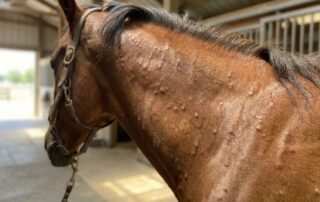
Raised, red, or itchy swellings on a horse's skin are commonly described as hives, wheals, or urticaria. While the terminology may differ between veterinarians, owners, or practitioners, they all refer to the same physiological reaction. "Hives" is the common term used for this condition, while "wheal" is the medical term for the individual raised lesion and most often used by veterinarians. "Urticaria" is the term used for formal medical diagnosis. At its core, this condition is not a disease but a visible sign that the immune system has reacted to something the horse encountered. Triggers vary widely and may include feeds or supplements, medications and vaccines, insect bites, environmental allergens, or direct contact with irritating substances. Knowing what hives and wheals are and how to recognize them can help you identify and manage this condition in your horse. Learn about conditions that can mimic hives, common underlying causes, and the treatments veterinarians use to help keep affected horses comfortable.

Raised Bumps on a Horse’s Skin: Hives & Wheals Explained2026-08-21T10:19:21-04:00

Managing Horse Show Nerves: Tips to Stay Calm & Perform Like a Champion

Most riders struggle with nerves before stepping into the ring at some point in their careers. For some, show-day anxiety can become a significant obstacle. Whether you're heading to your first show or competing at a high level, horse show anxiety can interfere with your focus, communication with your horse, and enjoyment of the sport. Performance anxiety can take unpredictable forms. Some riders feel confident riding at home, then suddenly second-guess every decision once they get in front of the judges. Others have building pressure as they move up through the levels of their discipline. The good news is show nerves are common and manageable. By understanding what performance anxiety is, why it seems more intense at competitions, and how it affects your body and mind, you can start to work with your stress response instead of fighting against it.

Managing Horse Show Nerves: Tips to Stay Calm & Perform Like a Champion2026-08-21T10:14:00-04:00

Top 10 Warning Signs of Gut Problems in Horses

The equine digestive system is a remarkably complex and sensitive network of organs, adapted to process a steady supply of forage around the clock. When its delicate balance is disrupted, the horse's ability to process and absorb nutrients is affected. For this reason, gut issues are one of the most common and potentially dangerous problems horses experience. However, early warning signs of gastrointestinal disease are often subtle enough to slip by unnoticed. Careful attention to changes in appetite, manure, behavior, performance, and even coat condition can offer valuable insight into what's happening internally.

Top 10 Warning Signs of Gut Problems in Horses2026-08-21T10:12:27-04:00

Basic Fence Repair for Horse Farms: Tools, Safety Tips & Simple Fixes

A safe, secure fence is one of the most important parts of keeping your horse safe. Fencing contains your horse, reduces the risk of injury, and helps keep wildlife or unwanted animals out of pastures. Because fences face constant pressure from weather, routine use, and the natural curiosity of horses, they inevitably wear down. Small issues like a loose board, sagging wire, or cracked insulator can quickly turn into serious safety hazards if ignored. Being able to inspect, maintain, and handle basic repairs not only protects your horses but also saves you time and money in the long run. Whether your fence is wood, wire, electric, or a combination, understanding common problems and simple fixes is essential for keeping your property safe and functional.

Basic Fence Repair for Horse Farms: Tools, Safety Tips & Simple Fixes2026-08-21T10:11:32-04:00

Gut Issues in Horses: Complete Guide to Conditions, Risk Factors & Prevention

The equine gastrointestinal system is one of the most complex parts of a horse’s body. Designed for nearly constant grazing, a horse’s digestive tract depends on a steady flow of forage, water, and beneficial microbes to function properly. When this balance is disrupted, even slightly, gastrointestinal disturbances can develop quickly and sometimes become life-threatening. Understanding how the equine digestive system works and recognizing the early warning signs of gastrointestinal upset are critical for every horse owner, trainer, and caretaker. Changes in appetite, behavior, manure consistency, body condition, and performance often provide the first clues that something is wrong. Prompt recognition and intervention can significantly improve outcomes and, in many cases, prevent a minor disturbance from escalating into a medical emergency.

Gut Issues in Horses: Complete Guide to Conditions, Risk Factors & Prevention2026-08-21T10:09:18-04:00

Racking Horse Breed Guide: Characteristics, Health & Nutrition

The Racking Horse is an American gaited horse breed known for their smooth four-beat rack. Developed in the southern United States, this breed combines a calm temperament with elegance and stamina, making them a popular choice for trail riding, showing, and pleasure riding. With roots tracing back to the Tennessee Walking Horse, the Racking Horse has earned recognition for its versatility, surefootedness, and easy ride. With good care and management, these horses can enjoy long, healthy lives.

Racking Horse Breed Guide: Characteristics, Health & Nutrition2026-08-21T10:07:30-04:00

Camargue Horse Breed Guide: Characteristics, Health & Nutrition

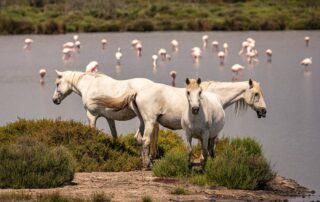
The Camargue Horse is an iconic French horse breed native to the marshy wetlands of southern France. These small, rugged horses have roamed the Camargue region for centuries, surviving in semi-feral conditions and developing unique adaptations that make them exceptionally resilient. As the traditional mount of the gardians, the mounted herders of the Camargue, the breed remains closely linked to the region's heritage. Today, Camargue Horses are also valued in local equestrian tourism, conservation grazing projects, and recreational riding.

Camargue Horse Breed Guide: Characteristics, Health & Nutrition2026-08-21T10:03:40-04:00

How to Cool Down a Horse After Riding: Best Practices to Optimize Recovery

Cooling down a horse after exercise is a vital part of responsible equine care, ensuring their body transitions safely back to its normal state. This process allows the horse’s temperature, heart rate, and respiration to stabilize after exertion, supporting overall health and performance. Skipping or rushing the cool-down phase can have serious consequences for horses. Without proper recovery time, excess body heat and metabolic waste build up, increasing the risk of overheating, dehydration, and muscle stiffness. In severe cases, inadequate cooling can lead to exertional heat illness (EHI), and lead to weakness, lethargy, or even collapse. A structured cool-down helps prevent these issues by gradually lowering body temperature and restoring circulation. Low-intensity movement like walking promotes blood flow, delivering oxygen and nutrients to muscles while clearing lactic acid and other byproducts that cause fatigue and soreness. Meanwhile, hosing with cool water, and ensuring good airflow all assist in dissipating heat. This article explores the science behind cooling down, practical methods tailored to different exercise levels, and why post-exercise recovery is essential for maintaining equine welfare and long-term performance.

How to Cool Down a Horse After Riding: Best Practices to Optimize Recovery2026-08-21T10:00:39-04:00

Top 6 Tips for Training Horses in Winter: Maintaining Off-Season Fitness

While cold temperatures and shortened daylight hours can make a regular riding schedule difficult in the winter, thoughtful planning can help you maintain and even improve your horse’s fitness during colder seasons. The key is understanding how the season affects your horse and adapting your routine to keep them comfortable and ready to work. Learn how to adjust your conditioning program with tools like interval training and long slow distance work, and how to ride safely in winter footing. With essential winter training tips, you can employ proper recovery techniques and prevent injury to keep your horse performing at their best throughout the year.

Top 6 Tips for Training Horses in Winter: Maintaining Off-Season Fitness2026-08-21T09:57:19-04:00

Guide to Trail Riding With Your Horse: How to Ensure a Safe, Rewarding Hack

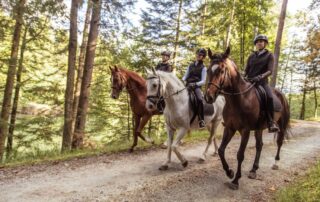
Leaving the arena and navigating varied terrain with your horse engages their bodies and minds in ways that flatwork alone cannot. Time on the trail can strengthen their muscles, improve cardiovascular fitness, and deepen the partnership between horse and rider. Trail riding also introduces unique demands that require thoughtful preparation. New environments, long hauls, overnight rides, and natural terrain can all influence your horse’s behavior and physical well-being. Capable trail riders account for how differing terrain and environmental conditions affect their horse. Learn about common challenges you may encounter on the trail, how to condition and prepare your horse at home, and the many physical and mental benefits that trail riding can provide.

Guide to Trail Riding With Your Horse: How to Ensure a Safe, Rewarding Hack2026-08-21T09:55:01-04:00

7 Ways Riders Impact Their Horse’s Comfort, Behavior, and Performance Under Saddle

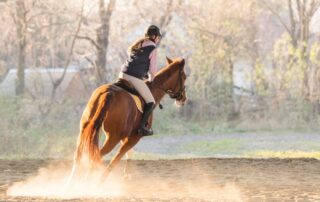
As riders, we are constantly working to improve our skills for both ourselves and our horses. We know that our actions in the saddle can be the difference between a 12-fault round and a flawless double clear. We want to ride with a light seat, steady hand and clear cues that tell our horses exactly what we'd like them to do. But communication and partnership in the saddle is influenced by so many things beyond just rider skill.

7 Ways Riders Impact Their Horse’s Comfort, Behavior, and Performance Under Saddle2026-08-21T09:51:18-04:00

“Spinal Tap” Testing for Horses: A Veterinarian’s Guide to Cerebrospinal Fluid Analysis

Neurologic disease in horses often presents a diagnostic challenge, as clinical signs can be vague or difficult to narrow down to one disease. A valuable tool available to veterinarians handling neurologic cases is cerebrospinal fluid (CSF) analysis. By providing a direct assessment of the biochemical and cytologic environment of the CNS, CSF analysis offers insight into disease processes that cannot be obtained through routine bloodwork or imaging alone.

“Spinal Tap” Testing for Horses: A Veterinarian’s Guide to Cerebrospinal Fluid Analysis2026-08-21T09:46:50-04:00

Diagnosing Fungal Infection in Horses: A Veterinarian’s Guide to Specialized Laboratory Testing

Fungal diseases in horses represent a diverse group of conditions that can affect the skin, respiratory tract, eyes, and internal organs. While less common than bacterial or viral infections, fungal infections are often more insidious and challenging to diagnose. Because clinical signs can be subtle or mimic other diseases, an accurate diagnosis requires a combination of clinical awareness and appropriate diagnostic testing. Diagnosis of fungal disease typically combines microscopic examination, culture, and molecular testing. Direct microscopic examination of affected tissues can reveal fungal elements, while fungal culture allows for species identification and antifungal susceptibility testing. Molecular techniques, including polymerase chain reaction (PCR), provide rapid and sensitive confirmation, especially for organisms that are slow-growing or difficult to culture.

Diagnosing Fungal Infection in Horses: A Veterinarian’s Guide to Specialized Laboratory Testing2026-08-21T09:44:13-04:00

Abdominocentesis (Belly Tap) for Horses: A Veterinarian’s Guide to Abdominal Fluid Sampling Tests

Abdominal disease is a common and sometimes life-threatening problem in horses, with colic being one of the most frequent emergencies encountered in equine practice. One valuable tool in the diagnostic process for colic cases is abdominocentesis, also known as a belly tap. Abdominocentesis is a minimally invasive procedure that allows collection of fluid from the abdominal cavity, known as peritoneal fluid. By analyzing this fluid, veterinarians can gain crucial insight into the health of the intestines and other abdominal organs. Changes in the color, clarity, or microscopic composition of this fluid can provide important clues about whether the gastrointestinal tract is compromised, if infection is present, or if bleeding or inflammation is occurring inside the abdomen.

Abdominocentesis (Belly Tap) for Horses: A Veterinarian’s Guide to Abdominal Fluid Sampling Tests2026-08-21T09:42:53-04:00