Analyze Diet

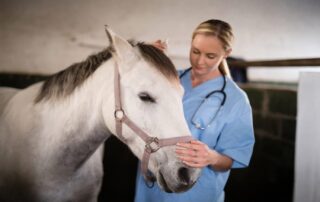
Echocardiography in Horses: A Veterinarian’s Guide to Equine Heart Imaging

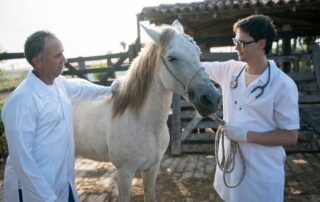
The equine heart is a remarkable organ, designed to support athletic performance, endurance, and overall health. However, like any system, it can be affected by disease or structural abnormalities that compromise its function. Detecting heart problems in horses can be challenging because many conditions develop silently, with subtle or no outward signs until performance is reduced or clinical symptoms appear. This is where echocardiography plays a crucial role in equine veterinary medicine. An echocardiogram, often called an “echo,” allows veterinarians to visualize the heart in real time, assessing both its structure and function. Unlike other diagnostic tools, such as auscultation or electrocardiography (ECG), echocardiography provides direct images of the heart's chambers, valves, and blood flow patterns.
Echocardiography in Horses: A Veterinarian’s Guide to Equine Heart Imaging2026-08-11T20:55:17-04:00

Can Horses Sleep Standing Up and with Their Eyes Open? Guide to Equine Sleep Patterns

Sleep is a fundamental part of equine life, yet it remains one of the least understood aspects of horse behavior. Every horse depends on rest to restore the body and mind, and equine sleep is quite different from what we recognize in ourselves and other domestic animals. Horses are polyphasic sleepers, meaning they divide their rest into many short intervals. They often remain standing while asleep, and spend only brief periods lying flat. These unusual habits reflect a complex balance between physiology, safety, and social structure. Read on to learn more about our current understanding of equine sleep, including details about the horse's sleep cycle, recumbency, and risks of sleep deprivation. By understanding the differences between normal rest and more serious signs of illness, handlers can ensure medical issues are identified promptly.

Can Horses Sleep Standing Up and with Their Eyes Open? Guide to Equine Sleep Patterns2026-08-03T13:12:31-04:00

Ophthalmic (Eye) Examinations for Horses: A Veterinarian’s Guide to Equine Ocular Diagnostics

An ophthalmic examination involves more than simply looking at the surface of the eye. A complete assessment evaluates the cornea, lens, anterior and posterior chambers, tear production, ocular pressure, and reflexes. Special diagnostic tools, such as fluorescein dye, Schirmer tear tests, tonometry, and ophthalmoscopy, help veterinarians pinpoint subtle abnormalities that may not be obvious on initial inspection. For horse owners, understanding the importance of routine eye checks and recognizing early warning signs of ocular disease can lead to better long-term outcomes. Prompt veterinary attention for any suspected eye problem is crucial, as equine eye conditions are best treated early.

Ophthalmic (Eye) Examinations for Horses: A Veterinarian’s Guide to Equine Ocular Diagnostics2026-08-03T13:05:46-04:00

Managing Cold-Backed Horses: Causes, Symptoms & Training Tips

Cold-backed behavior in horses is a common yet often misunderstood issue that can significantly affect a horse’s comfort, performance, and overall well-being. Whether the horse reacts to being saddled, shows stiffness during warm-up, or seems resistant under saddle, identifying and addressing the root cause is crucial for horses exhibiting cold-backed behavior. In this article, we’ll explore what it means when a horse is cold-backed, potential physical and psychological causes, and how proper care, nutrition, and training can help manage and even improve this condition. With the right approach, many cold-backed horses can regain their comfort when working.

Managing Cold-Backed Horses: Causes, Symptoms & Training Tips2026-08-03T13:01:59-04:00

Saddle Seat Horse Riding: History, Competition & Rules

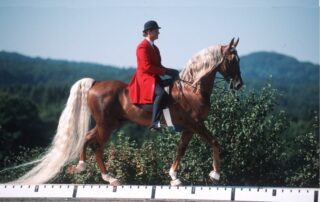
Saddle seat is an elegant English riding discipline designed to showcase the brilliance, animation, and style of high-stepping horse breeds. This discipline originated in the United States and has become closely tied to breeds such as the American Saddlebred, Morgan, and Arabian. Riders use specialized tack and attire to highlight their horse's natural movement, creating a visually striking performance. Today, saddle seat competitions are held across North America and internationally. Classes range from equitation, where the rider's form and effectiveness are judged, to performance divisions that highlight the horse's quality of movement and presence.

Saddle Seat Horse Riding: History, Competition & Rules2026-08-02T23:33:13-04:00

How to Steer Your Horse Under Saddle – [5-Step Guide]

Steering may sound straightforward- simply turning left or right- but in horseback riding it relies on the precise coordination of seat, rein, and leg aids working together with a horse’s movement. Learning to steer properly is not only about making turns; it’s about developing clear communication, improving balance, and ensuring safety and confidence for both horse and rider. Whether you are a beginner on a lunge line or an advanced rider refining dressage patterns, steering is a foundational skill that improves through consistent practice. As riders advance, they learn to apply more refined and effective cues, guiding their horse with precision and ease. This article explains the training principles and biomechanics behind steering horses. It offers step-by-step guidance to help riders understand their aids, avoid common mistakes, and use targeted exercises to improve control and responsiveness in their mount.

How to Steer Your Horse Under Saddle – [5-Step Guide]2026-08-02T23:29:34-04:00

What is the Flehmen Response in Horses? Understanding Equine Lip Curling

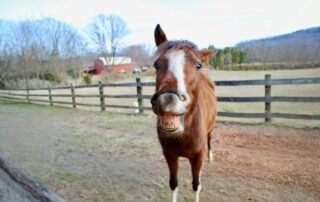
Horses are expressive animals, and one of their most distinctive facial behaviors is the dramatic lifting of the upper lip, often accompanied by a pause and a faraway look. This behavior, known as the flehmen response—sometimes called lip curling or the “horse laugh”—is more than just a curious or comical display. It reflects a highly specialized sensory mechanism that horses use to detect and interpret chemical signals in their environment. Through this behavior, horses engage an additional sensory organ—the vomeronasal organ—that helps them analyze pheromones and other scent-based information. The flehmen response allows them to gather details about other horses’ reproductive status, emotional state, and even the presence of unfamiliar animals or new objects in their surroundings. In social settings, it plays a role in communication and bonding, while in breeding contexts, it’s a key indicator of interest and readiness.

What is the Flehmen Response in Horses? Understanding Equine Lip Curling2026-08-02T23:27:18-04:00

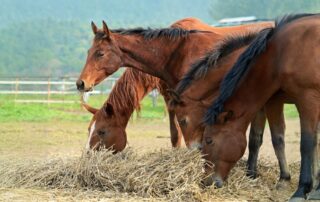
Is Moldy Hay Dangerous for Horses? How to Identify Mold & Manage Exposure

Hay is the cornerstone of most equine diets, providing the fiber necessary for gut motility and a healthy microbiome, along with essential nutrients to support body condition, energy levels, and overall well-being. However, when hay becomes moldy, its value as feed quickly disappears—and the risks to equine health increase dramatically. Mold can turn this dietary staple into a serious hazard, particularly for horses with respiratory conditions, metabolic disorders, or weakened immune systems. Complicating matters, mold contamination is not always visible; its microscopic structure means harmful spores can be present even in hay that looks and smells fine. Recognizing the signs of mold, understanding its health risks, and knowing how to prevent and manage exposure are critical for anyone involved in horse care. From selecting high-quality hay to storing it properly, good management practices can mean the difference between safe feeding and a preventable health crisis.

Is Moldy Hay Dangerous for Horses? How to Identify Mold & Manage Exposure2026-08-21T09:39:05-04:00

Dislocated Eye Lens (Luxated Lens) in Horses: Risk Factors, Treatment & Prognosis

Lens luxation is an uncommon but serious eye condition in horses. It occurs when the lens — the clear, flexible structure inside the eye that helps focus light — slips out of its normal position. This displacement can cause pain, cloudiness, and in some cases, permanent vision loss. Although lens luxation is rare in horses compared to other animals, it most often develops as a complication of other eye problems such as equine recurrent uveitis (also called “moon blindness”), cataracts, glaucoma, or trauma. Because equine eye conditions can worsen quickly, recognizing the early signs and seeking prompt veterinary care is essential to keeping your horse comfortable and protecting its vision.

Dislocated Eye Lens (Luxated Lens) in Horses: Risk Factors, Treatment & Prognosis2026-08-02T23:19:50-04:00

Riding Green Horses: Preparation, Precautions & Best Practices

Riding a green horse can be both a challenge and a valuable learning experience for skilled equestrians. Green horses are horses that are still learning the fundamentals of communication, balance, and trust, which means every interaction shapes their development. Regardless of age, a green horse requires thoughtful handling, a strong foundation in groundwork, and a rider committed to clear communication and consistency. Whether you're working with a green-broke horse or a completely unstarted youngster, this guide can help you evaluate your readiness, understand essential safety measures, and build a successful training partnership with your horse grounded in best training practices.

Riding Green Horses: Preparation, Precautions & Best Practices2026-08-02T23:19:23-04:00

Beginner’s Guide to Starting Horseback Riding Lessons

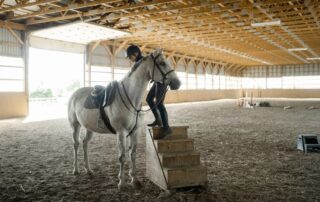
Starting horseback riding lessons is an exciting step for anyone eager to connect with horses and learn a new skill. Riding offers many benefits, including physical exercise, improved balance and coordination, and a deeper understanding of horse behavior. For beginners, the first lesson can bring a mix of curiosity, anticipation, and nervousness—especially if it's your first time around large animals. Being prepared and knowing what to expect can help reduce anxiety, build confidence, and make the experience enjoyable. Safety is always the top priority, for both rider and horse. This guide will walk you through what typically happens in your first lesson and offer tips on how to prepare, so your introduction to horseback riding is smooth, safe, and fun.

Beginner’s Guide to Starting Horseback Riding Lessons2026-08-02T23:18:00-04:00

Best Stall Gates for Horse Barns: Safe & Durable Options for Equine Facilities – [Guide]

Stall gates are a core feature of modern horse barns that support healthier stall conditions and give horses a more engaging environment. Well-designed gates help maintain cleaner air conditions by keeping stalls open to natural ventilation, and allowing horses to monitor activity and interact with nearby stablemates in their barn, which supports relaxation and reduces stress linked to confinement. Today’s stall gate options differ in airflow, visibility, and security features, which allows owners to choose a design suited to each horse and the layout of the barn. Materials such as steel, aluminum, and wood provide different advantages depending on durability requirements and maintenance expectations. Selecting the right gate enhances daily care, improves safety, and supports the long-term comfort of a horse.

Best Stall Gates for Horse Barns: Safe & Durable Options for Equine Facilities – [Guide]2026-08-21T09:52:32-04:00

Guide to Stirrups for Horses: History, Types & Roles in Horseback Riding

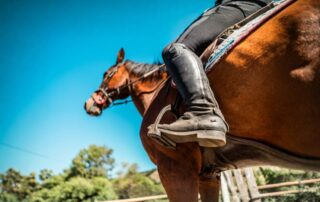
Stirrups are an important yet often underappreciated part of horse tack. These simple loops or frames attached to the saddle provide riders with stability, balance, and control while mounted. By anchoring the rider's legs, stirrups form a functional link between horse and rider, allowing for more precise cues, improved posture, and greater security at all gaits. Stirrups have shaped both riding technique and saddle design throughout history. Their invention transformed not only everyday riding but also military tactics and equestrian sport. From early rope toe loops in Asia to today’s advanced safety and shock-absorbing designs, stirrups continue to evolve alongside our understanding of rider biomechanics and horse comfort. Stirrups represent a key connection where rider safety, performance, and horse welfare come together. Understanding their history, function, and design can help you choose the most suitable style for your discipline and your horse’s needs.

Guide to Stirrups for Horses: History, Types & Roles in Horseback Riding2026-08-02T23:16:50-04:00

Guide to Western Riding Disciplines: Types of Horseback Riding Competitions

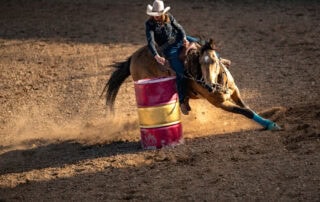
Western riding is a diverse category of equestrian sports with roots in ranch work and cattle handling. Horses were essential partners for working on the range in the American West. Managing livestock required athleticism, stamina, and reliability. These skills eventually led to competitions and recreational activities that celebrated the abilities of the Western horse. Today, Western riding is one of the most popular styles of horsemanship in North America. Despite their popularity, all Western disciplines still maintain deep connections to the traditions of the American West.

Guide to Western Riding Disciplines: Types of Horseback Riding Competitions2026-08-02T23:14:50-04:00

Guide to English Saddles for Horses: Types, History & Construction

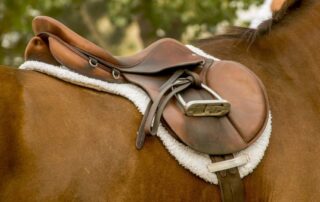
English saddles are used across many equestrian disciplines, including dressage, show jumping, eventing, and hunting, with a lightweight design that allows close contact between rider and horse. Unlike the Western saddle, which is built for comfort over long hours of work, the English saddle emphasizes a balanced and secure seat that enables clear communication with the horse through subtle aids. Developed in Europe, the English saddle has been refined over centuries to suit the needs of different riding styles. Its structure highlights rider posture, balance, and flexibility, making it a versatile option for both competitive and recreational riders. This guide covers the history, construction, types, and fitting considerations for English saddles to help you choose the best option for your equestrian needs.

Guide to English Saddles for Horses: Types, History & Construction2026-08-02T23:11:46-04:00

Managing Spooky Horses: Training Tips to Promote Calm Behavior

Understanding how horses perceive their surroundings allows owners and riders to apply effective training methods, calm and consistent handling, and sound management strategies. This guide covers the main causes of spooking, techniques to build confidence, and practical steps for managing spooky horses in everyday life.

Managing Spooky Horses: Training Tips to Promote Calm Behavior2026-08-02T23:09:26-04:00

Food Aggression in Horses: Signs, Causes & Management Strategies

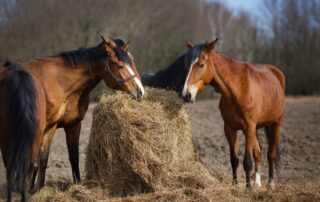
Food is one of the strongest motivators for horses, influencing their daily routines, interactions, and relationships with both humans and other horses. In some herds, mealtimes can lead to unwanted or even dangerous behavior that creates tension or conflict. Food aggression refers to defensive or threatening actions a horse shows around feed, such as ear pinning, lunging, kicking, or guarding hay piles to keep others away. Although it might seem like a minor behavioral quirk, food-related aggression increases the risk of injury to both handlers and other horses. Beyond immediate safety concerns, food aggression can also indicate underlying management concerns such as stress, competition for resources, or medical conditions that affect appetite and behavior. By understanding why horses develop food aggression and how to manage it effectively, owners can create a safer and calmer feeding environment. Addressing the problem early not only reduces risk but also supports better welfare and harmony within the herd.

Food Aggression in Horses: Signs, Causes & Management Strategies2026-08-02T23:04:20-04:00

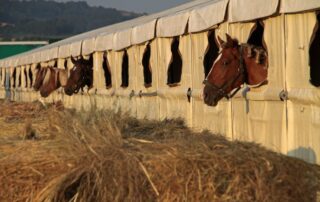
Portable Horse Stalls: Guide to Types, Uses & Maintenance

Portable horse stalls, also called modular or temporary stalls, are an increasingly popular option for horse owners, trainers, and event organizers who need flexible, mobile housing. Unlike permanent barns, these stalls can be assembled, disassembled, and relocated with relative ease, making them a practical solution in a wide variety of settings. From horse shows and clinics to sales, renovations, and even emergency response, portable stalls provide a safe and efficient way to manage horses when permanent construction is not feasible. This article examines the different types of portable stalls, their advantages and disadvantages, and how they compare with traditional barns. You’ll learn how portable systems are used at events and farms, what features to look for when choosing a stall, and key maintenance and safety practices. We’ll also explore when permanent barns remain the better choice, giving you a clear comparison to help decide which option best meets your needs.

Portable Horse Stalls: Guide to Types, Uses & Maintenance2026-08-02T22:25:21-04:00

Bell Boots for Horses: Complete Guide to Types, Uses & Fitting

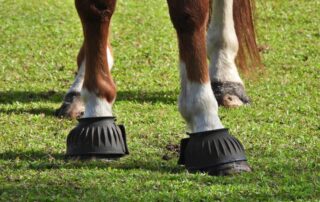
Bell boots, also known as over-reach boots, are protective gear for horses, designed to shield the hooves and pasterns from injuries. They can also protect horseshoes, and may improve confidence during movement for certain horses and disciplines. These boots are most often used to prevent overreaching and interference injuries, which occur when a horse accidentally strikes its own legs during motion. Such impacts can cause painful bruising, pulled shoes, or soft tissue injuries that may affect long-term soundness.

Bell Boots for Horses: Complete Guide to Types, Uses & Fitting2026-08-02T22:23:42-04:00

Eye Prolapse (Proptosis) in Horses: Risk Factors, Treatment & Prognosis

The horse's eye is large, delicate, and vital for navigating its environment. Its prominent position and limited natural protection make it especially vulnerable to injury. Eye prolapse, also called proptosis, is uncommon but serious, occurring when the eyeball is displaced. This can stretch or damage the optic nerve and put the horse's vision at risk. Even partial prolapse can put vision at risk, while complete displacement may lead to permanent blindness if not treated quickly. Understanding the eye's anatomy, how vision works, and the risks associated with prolapse is crucial for horse owners and veterinarians.

Eye Prolapse (Proptosis) in Horses: Risk Factors, Treatment & Prognosis2026-08-02T22:21:09-04:00

Buying a Horse Trailer: How to Choose the Best Trailer for Your Hauling Needs [Guide]

Selecting the best trailer for your needs involves evaluating how different designs impact safety, ventilation, ride comfort, loading ease, and long-term durability. Horses are sensitive travelers, and factors such as airflow, suspension, flooring, and interior space can make the difference between a calm, cooperative horse and one that becomes stressed or difficult to load. Your own needs such as tack storage, living quarters, or the ability to haul multiple horses over long distances also play a role in determining what type and size of trailer is optimal for you.

Buying a Horse Trailer: How to Choose the Best Trailer for Your Hauling Needs [Guide]2026-08-02T22:13:20-04:00

Swollen Sheath in Horses: Risk Factors, Treatment & Prevention

Swollen sheath in horses is a common condition that owners may notice when the area around the penis appears enlarged or puffy. In many cases, sheath swelling is mild and temporary, often linked to inactivity, seasonal changes, or fluid retention (edema). Persistent or painful swelling can signal an underlying issue such as infection, insect bites, allergic reactions, tumors, or systemic health concerns. Horses kept in stalls with limited turnout may also develop swelling due to reduced circulation and lack of movement.

Swollen Sheath in Horses: Risk Factors, Treatment & Prevention2026-08-02T22:11:47-04:00

Open vs. Closed Studbooks in Horse Breed Registries: Understanding & Navigating Rules for Breeders

Centuries of selective breeding shaped the modern horse breeds we know and love. Today, the unique history and characteristics of each breed are maintained by organizations that establish rules defining which horses are eligible for official registration with the breed's studbook. Some registries maintain closed studbooks, restricting registration to horses with verified ancestry within the breed. Others operate open studbooks, allowing selective introduction of outside bloodlines. The distinction between open and closed studbooks plays a critical role in horse breeding. By understanding how these systems function, owners can gain valuable insight into the impact their horse's pedigree has on their performance and health.

Open vs. Closed Studbooks in Horse Breed Registries: Understanding & Navigating Rules for Breeders2026-08-02T22:08:25-04:00

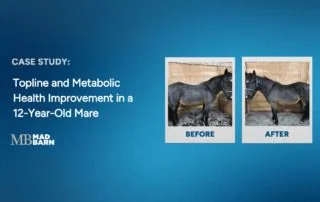
Case Study: Topline and Metabolic Health Improvement in a 12-Year-Old Mare

In December of 2024, a diet evaluation was requested for a 12-year-old Morgan mare named Kelta. She weighed approximately 800 lbs (363 kg) and was located in Alaska, USA. Initial reported concerns included topline loss, metabolic health, and weight issues. Her owner’s primary goal was to support her topline health, as she had experienced a significant decline in muscle mass in recent months.

Case Study: Topline and Metabolic Health Improvement in a 12-Year-Old Mare2026-08-02T22:05:26-04:00

Guide to Horse Shampoos: Best Types of Products, Ingredients & Safety Tips

The appearance of a horse's coat and mane is one of the most visible indicators of overall health. A sleek, glossy coat reflects proper nutrition, attentive care, and balanced grooming routines. Conversely, dull or brittle hair can signal nutritional deficiencies, underlying health problems, or inappropriate grooming products. Among the many tools available to equestrians, shampoo plays a central role in maintaining skin integrity, coat shine, and mane manageability. Yet, with shelves crowded with brightly labeled bottles promising everything from "ultra gloss" to "therapeutic relief," choosing the right shampoo for horses is not always straightforward. Equine shampoos must account for the unique physiology of the horse's skin, including differences in pH, oil production, and sensitivity. Selecting the wrong formulation can cause dryness, irritation, or worsen existing skin conditions.

Guide to Horse Shampoos: Best Types of Products, Ingredients & Safety Tips2026-08-02T22:01:04-04:00

Diagnosing Viral Infection in Horses: A Veterinarian’s Guide to Specialized Laboratory Tests

Viral infections are among the most common health challenges faced by horses, ranging from mild, self-limiting illnesses to severe, life-threatening diseases that spread rapidly through equine populations. Because many different viruses can affect horses, recognizing and correctly diagnosing these infections is essential for both individual horse care and broader herd health management. Diagnosing viral infections in horses is not always straightforward. Many clinical signs, such as fever, lethargy, or weight loss, are nonspecific and may overlap with bacterial diseases or even non-infectious conditions. For this reason, veterinarians rely on a combination of clinical examination, history, and laboratory testing to arrive at a diagnosis.

Diagnosing Viral Infection in Horses: A Veterinarian’s Guide to Specialized Laboratory Tests2026-08-02T22:00:05-04:00

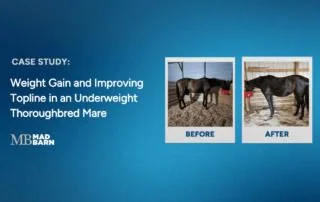
Case Study: Weight Gain and Improving Topline in an Underweight Thoroughbred Mare

In July of 2022, a diet evaluation was requested for a 16-year old, slightly underweight Thoroughbred mare named Epona. She weighed approximately 1000 lbs (454 kg) and was located in Arkansas, USA. Initial reported concerns included weight issues and topline health. The owner’s primary concern was to support weight gain and return Epona to a normal body condition.

Case Study: Weight Gain and Improving Topline in an Underweight Thoroughbred Mare2026-08-02T20:35:33-04:00

Cloudy Eye (Corneal Edema) in Horses: Causes, Risk Factors & Management

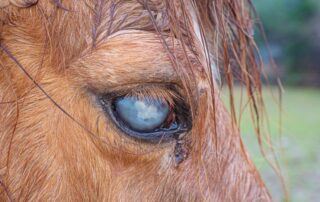
A horse’s eyes are highly specialized organs that play an essential role in survival, communication, and performance. The equine eye is large and laterally placed, offering a wide field of vision that allows horses to detect threats in their environment. For this visual system to function, the cornea, the clear, dome-shaped outer layer, must remain transparent. Any disruption in corneal clarity can compromise vision, leading to disorientation, anxiety, or impaired performance. Corneal edema, often described by horse owners as cloudy eye, is one of the most recognizable signs of ocular disease. It occurs when excess fluid accumulates within the cornea, giving it a bluish-gray or milky appearance. While the opacity itself is concerning, corneal edema is not a disease but a clinical sign. It indicates that the cornea’s delicate fluid balance has been disrupted, usually because of trauma, infection, inflammation, or increased intraocular pressure. This condition is considered an emergency. Horses with cloudy eyes should be examined by a veterinarian without delay, as the underlying causes, ranging from corneal ulcers to equine recurrent uveitis, can progress rapidly and result in permanent vision loss.

Cloudy Eye (Corneal Edema) in Horses: Causes, Risk Factors & Management2026-08-02T20:27:41-04:00

Electrocardiogram (ECG) for Horses: A Veterinarian’s Guide to Equine Heartbeat Irregularities

Electrocardiography (ECG) is one of the most important tools veterinarians use to evaluate equine heart health. While stethoscopes remain invaluable for identifying murmurs and abnormal rhythms during a physical exam, an ECG provides a more precise and objective way to assess the heart's electrical activity. By recording and graphing the electrical impulses that control each heartbeat, an ECG allows veterinarians to detect rhythm disturbances, known as arrhythmias, that may not always be apparent on auscultation (i.e. using a stethoscope) alone. Heart rhythm abnormalities are a common finding in horses and range from benign variations with little clinical impact to serious conditions that compromise performance or even endanger the horse's life. An ECG helps determine whether an irregularity is harmless, requires monitoring, or needs treatment.

Electrocardiogram (ECG) for Horses: A Veterinarian’s Guide to Equine Heartbeat Irregularities2026-08-21T09:38:43-04:00

Neurologic Exams for Horses: A Veterinarian’s Guide to Nervous System Health

The nervous system plays a vital role in every aspect of a horse's health and performance, from balance and coordination to sensory perception and behavior. When this system is interrupted, the signs can be subtle or dramatic, and distinguishing neurologic disease from other causes of poor performance or lameness can be challenging. A neurologic examination is a systematic process that veterinarians use to evaluate the function of the brain, spinal cord, and peripheral nerves in horses. By carefully observing the horse at rest and in motion, and by performing specific tests of reflexes, coordination, and responses, veterinarians can identify abnormalities and localize problems within the nervous system.

Neurologic Exams for Horses: A Veterinarian’s Guide to Nervous System Health2026-08-02T20:21:48-04:00