Analyze Diet

Urinalysis for Horses: A Veterinarian’s Guide to Urine Testing

Urinalysis is a simple yet powerful diagnostic tool that can provide valuable insights into a horse’s overall health. By examining the appearance and composition of urine, veterinarians can assess kidney function, hydration status, and the presence of certain toxins. Although often overlooked compared to bloodwork or imaging, urinalysis plays an important role in equine medicine as part of a complete diagnostic workup. A standard urinalysis evaluates several components: physical properties such as color, clarity, and odor; chemical properties including pH, protein, glucose, and the presence of blood; and microscopic examination of cells, crystals, and other sediment. These findings, when combined with clinical signs and other diagnostic tests, can help veterinarians detect conditions such as urinary tract infections, bladder stones, kidney disease, and systemic illnesses like metabolic disorders. For horse owners, knowing when a urinalysis might be useful and what it can reveal is an important part of proactive health care. Whether your horse is showing obvious urinary symptoms or experiencing vague changes such as weight loss or poor performance, a urine test can provide answers that guide treatment and management. In this article, we’ll explore the basics of urinalysis in horses, how samples are collected, what results mean, and when this test is most beneficial.

Urinalysis for Horses: A Veterinarian’s Guide to Urine Testing2026-08-02T20:20:02-04:00

Peruvian Paso Horse Breed Guide: Characteristics, Health & Nutrition

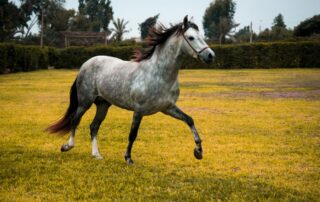
The Peruvian Paso is an elegant breed celebrated for its exceptionally smooth gait, refined appearance, and rich cultural heritage. With their distinctive paso llano gait, the Peruvian Paso offers a riding experience that is both effortless and visually striking. Known for their brío, or controlled spirit, these horses combine power, willingness, and grace in a compact, athletic frame. But like many gaited breeds, they may be predisposed to certain genetic and musculoskeletal conditions, making preventive management an essential part of their care. Keep reading to learn more about the history, characteristics, health problems, and nutritional needs of Peruvian Paso horses.

Peruvian Paso Horse Breed Guide: Characteristics, Health & Nutrition2026-08-02T20:19:51-04:00

Necropsy in Equine Medicine: A Veterinarian’s Guide to Post-Mortem Findings

Necropsy, also known as an autopsy or post-mortem examination, is a vital diagnostic tool in equine veterinary medicine. When a horse dies unexpectedly or under unclear circumstances, performing a necropsy can provide critical insights into the cause of death. Necropsy is particularly valuable in cases involving infectious disease, toxic exposure, or herd health concerns, where understanding the source of the problem can protect other animals from harm. A necropsy can also offer closure by answering lingering questions, and in some situations, it may have significant legal or insurance implications.

Necropsy in Equine Medicine: A Veterinarian’s Guide to Post-Mortem Findings2026-08-02T20:14:14-04:00

Radiography for Horses: A Veterinarian’s Guide to X-Rays

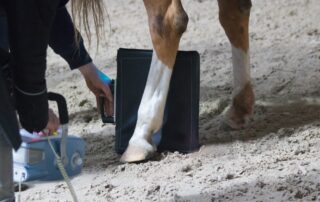
Radiographs, commonly known as X-rays, are one of the most valuable diagnostic tools in equine veterinary medicine. They allow veterinarians to examine the internal structures of the horse—primarily bones and joints—without the need for surgery or invasive procedures. Whether evaluating a persistent lameness, investigating swelling or pain, or conducting a prepurchase exam, radiographs provide critical information that can guide treatment decisions and help monitor healing over time. Proper patient preparation and positioning are essential to obtaining clear and accurate images. A calm, cooperative horse, a clean imaging site, and a skilled veterinary team all contribute to the success of the procedure. In some cases, sedation may be necessary to ensure the horse remains still during imaging.

Radiography for Horses: A Veterinarian’s Guide to X-Rays2026-08-02T20:00:05-04:00

Gastroscopy in Equine Medicine: A Veterinarian’s Guide to Scoping Horses for Ulcers

Gastroscopy is a valuable diagnostic tool that allows veterinarians to directly visualize the inside of a horse's upper digestive tract. This minimally invasive procedure uses a specialized flexible camera, called a gastroscope, to identify abnormalities that cannot be detected through physical examination or routine laboratory tests. Most commonly, gastroscopy is performed to diagnose Equine Gastric Ulcer Syndrome (EGUS), a prevalent condition in performance horses, pleasure horses, and even foals. It can also reveal other gastric issues such as inflammation, impactions, parasites, tumors, or delayed emptying.

Gastroscopy in Equine Medicine: A Veterinarian’s Guide to Scoping Horses for Ulcers2026-08-02T19:57:57-04:00

Safety Tips for Horse Handlers: Understanding Equine Behavior to Optimize Operations

Horse handling is one of the most routine and hazardous activities that takes place in any barn environment. Whether you're leading a quiet gelding to turnout or managing a fresh young horse on a cold morning, every interaction carries some degree of risk. While horse-related human injuries are often linked to riding, many incidents happen on the ground during everyday handling. Safe handling involves more than just experience. It requires awareness, consistency, and a proactive approach. Accident prevention relies on everyone - from owners, trainers, and equine care professionals to employees and visitors - embracing a culture of safety. It's important for anyone handling horses directly to have a firm understanding of equine behavior, use handling equipment properly, and communicate clearly with other people involved. In a busy barn, even small oversights can lead to serious consequences for people and horses. Whether you're a barn manager, a seasoned handler, or new to the industry, adopting sound handling practices can reduce risk, build confidence, and foster a safer working environment for everyone involved.

Safety Tips for Horse Handlers: Understanding Equine Behavior to Optimize Operations2026-08-02T19:48:51-04:00

13 Best Pre-Ride Stretches for Equestrians to Build Strength & Flexibility for Horseback Riding

Stretching before a ride is a critical yet often overlooked component of equestrian fitness. Horseback riding requires a unique combination of strength, flexibility, and balance to maintain control, communicate effectively with the horse, and respond to motion during various gaits. Pre-ride stretching not only prepares the body for the physical demands of riding but also reduces the risk of injury, enhances muscle coordination, and improves overall riding performance. Riders often experience muscle stiffness related to the static postures held during riding and the asymmetrical nature of many equestrian activities. Stretching helps counteract these effects by increasing joint mobility and muscle elasticity. It also enhances proprioception, or body awareness, which is essential for giving precise aids and maintaining balance.

13 Best Pre-Ride Stretches for Equestrians to Build Strength & Flexibility for Horseback Riding2026-08-02T19:48:33-04:00

Autologous Protein Solution (Pro-Stride®) Therapy for Horses: Procedures, Uses & Effects

Autologous Protein Solution (APS) is a biologic therapy that has emerged as an innovative treatment for managing joint and soft tissue injuries in horses. This biologic therapy uses the horse's own blood to create a concentrated solution of anti-inflammatory proteins and growth factors, which are injected back into injured tissues to promote healing and reduce inflammation. APS offers several advantages over traditional drug therapies, including a lower risk of side effects due to its autologous nature. The treatment is quick and minimally invasive, typically completed in just 20 minutes, making it convenient for both veterinary practitioners and horse owners. Widely used in equine medicine, APS is particularly effective for conditions like osteoarthritis, tendon injuries, and cartilage damage, supporting faster recovery and improved overall function.

Autologous Protein Solution (Pro-Stride®) Therapy for Horses: Procedures, Uses & Effects2026-09-15T15:39:23-04:00

Bromegrass Hay for Horses: Nutrition Profile & Feeding Guide

Bromegrasses, including Smooth and Meadow Bromegrass, are cool-season perennials widely used for equine forage in North America. Valued for their drought tolerance, adaptability to soil types, and consistent nutritional profile, these grasses are a reliable option for many equine diets. Bromegrass can be fed in multiple forms—pasture, dry hay, chopped forage, and pellets. This versatility offers flexibility for different feeding programs. They typically offer high protein and low non-structural carbohydrate (NSC) levels, making them suitable for performance horses and those with metabolic sensitivities. A forage-first diet centered on Bromegrass can support digestive health and overall wellness in horses. However, its protein, fiber, and non-structural carbohydrate (NSC) levels vary depending on harvest timing, climate, and drying methods. To ensure consistent nutrition and food safety, proper harvest and storage practices are essential. Vitamin, mineral, or calorie supplementation may be needed to fully meet a horse’s dietary requirements.

Bromegrass Hay for Horses: Nutrition Profile & Feeding Guide2026-08-02T19:34:55-04:00

Workout Recovery in Horses: Post-Exercise Strategies to Optimize Performance

Sports recovery is an important aspect of equine management, focusing on the horse’s well-being following periods of exercise. During physical exertion, a horse’s muscles, tissues, and cellular structures undergo stress. When well-managed, this leads to adaptations that strengthen and condition horses for improved performance. However, without adequate recovery time and proper post-exercise care, this stress can accumulate, increasing the risk of injury, illness, and prolonged performance decline. Recovery strategies are important not only for restoring a horse's physiological balance but also for minimizing the risk of issues such as dehydration, overheating, muscle fatigue, and inflammation. Addressing specific responses to exercise—such as thermoregulation, rehydration, and muscle recovery—requires careful attention to a horse's individual needs and the intensity of their activity.

Workout Recovery in Horses: Post-Exercise Strategies to Optimize Performance2026-08-02T19:32:00-04:00

Team Roping on Horseback: History, Competition & Rules – [Discipline Guide]

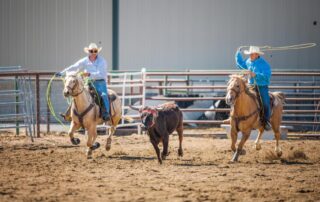
Team roping is a dynamic rodeo event that combines speed, precision, and teamwork. Unlike individual rodeo disciplines, team roping involves two riders – the header and the heeler – working in sync to rope a steer. It is one of the few equestrian sports where success depends on the seamless coordination of two horses, two riders, and one steer. Rooted in traditional ranch work, team roping has developed into a recognized rodeo discipline with a loyal following across North America and beyond. The event is featured in both professional rodeos and amateur circuits, attracting people who value fast-paced competition and clear displays of horsemanship. Riders of all ages and experience levels take part, from junior competitors to seasoned professionals, and in many divisions men and women compete equally. Team roping is governed by a defined set of rules designed to standardize competition and uphold animal welfare. Both horse and rider undergo specialized training, as the sport rewards calmness under pressure as much as physical ability. This guide examines team roping in detail — from its history and governing organizations to event formats, essential equipment, and training practices. Whether you are a competitor, an equestrian enthusiast, or new to rodeo sports, this article offers a clear overview of what makes team roping a respected event on the rodeo circuit.

Team Roping on Horseback: History, Competition & Rules – [Discipline Guide]2026-08-21T09:40:55-04:00

Sacroiliac Joint Dysfunction in Horses: Types, Risk Factors & Management

The sacroiliac joint (SIJ) is one of the largest and most important joints in the horse’s body, yet it is also one of the least understood. Situated deep within the pelvis, the SIJ forms the critical connection between the sacrum of the spine and the ilium of the pelvis. This joint acts as a shock absorber and a force transmitter, channeling the powerful thrust of the hind limbs forward into the vertebral column. Because of its location, the SIJ is essential for propulsion, collection, and overall athletic performance.

Sacroiliac Joint Dysfunction in Horses: Types, Risk Factors & Management2026-08-02T19:22:27-04:00

Planning Your Horse’s Competition Schedule: Tips for Show Season

Developing a well-structured horse competition schedule is crucial for maximizing your horse’s performance and ensuring their optimal health. A carefully planned schedule ensures a balanced approach to training, allows sufficient time for recovery, and facilitates the thoughtful selection of competitions. Structuring a competition schedule around your horse’s needs ultimately enhances their performance while minimizing the risk of injury and sets you up for a rewarding and sustainable show season. Learn what to consider while planning out your show season and how to avoid common mistakes when organizing your horse’s competition schedule.

Planning Your Horse’s Competition Schedule: Tips for Show Season2026-08-02T18:54:22-04:00

Swiss Warmblood Breed Guide: Characteristics, Health & Nutrition

The Swiss Warmblood is a modern sport horse breed developed in Switzerland for high performance in Olympic disciplines. With athletic ability, good conformation, and a strong work ethic, these horses are ideally suited for show jumping and dressage. The breed is subject to rigorous selection and inspection protocols to ensure quality, soundness, and competitive success. This breed guide explores the history, breed characteristics, temperament, conformation, health concerns, and feeding considerations for the Swiss Warmblood. Whether you are a rider, breeder, or horse owner, this comprehensive overview can help you understand how to care for and manage a Swiss Warmblood to support long-term well-being and peak performance.

Swiss Warmblood Breed Guide: Characteristics, Health & Nutrition2026-08-02T18:50:07-04:00

Brabant Horse Breed Guide: Characteristics, Health & Nutrition

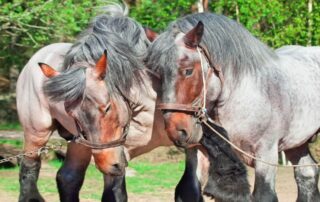
The Brabant horse, also known as the Belgian Heavy Draft, is a powerful draft breed from Belgium. Renowned for their strength, calm temperament, and distinctive muscular build, Brabants have played a vital role in agriculture and transportation for centuries. And unlike their American Belgian counterparts, modern Brabants still resemble their famous ancestors. Today, this rare breed is valued not only for its historical significance but also for its versatility as a recreational horse. Though their numbers declined with the rise of mechanization, recent conservation efforts have sparked renewed interest in preserving this heritage breed.

Brabant Horse Breed Guide: Characteristics, Health & Nutrition2026-08-02T18:48:54-04:00

Auxois Horse Breed Guide: Characteristics, Health & Nutrition

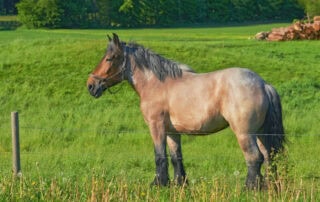
The Auxois horse is a rare draft breed native to the Burgundy region of France. Developed for strength, stamina, and a calm temperament, the Auxois has long served as a reliable partner in agriculture, forestry, and transportation. Today, the breed is still valued for its gentle nature and muscular build. As one of the heaviest French draft breeds, the Auxois is known for its broad frame, deep chest, and efficient movement. Despite their size, Auxois horses are remarkably docile and easy to handle. Like many cold-blooded draft horses, the Auxois has unique care requirements, particularly related to weight management and joint support.

Auxois Horse Breed Guide: Characteristics, Health & Nutrition2026-08-02T18:46:51-04:00

Belgian Warmblood Breed Guide: Characteristics, Health & Nutrition

The Belgian Warmblood is a sport horse breed with an impressive record of success in international competition. Bred primarily for show jumping, the Belgian Warmblood also excels in dressage and eventing, making these horses a popular choice among competitive riders. A carefully managed breeding program has enabled this small studbook to produce horses that possess the athleticism and temperament necessary to excel at the highest levels of sport. But like all sport horses, Belgian Warmbloods need careful management to perform at their best. Keep reading to learn more about the history, characteristics, health problems, and nutritional needs of Belgian Warmbloods.

Belgian Warmblood Breed Guide: Characteristics, Health & Nutrition2026-08-02T18:40:21-04:00

New Forest Pony Breed Guide: Characteristics, Health & Nutrition

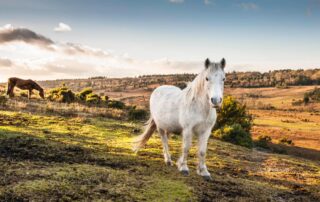
The New Forest Pony is one of several native pony breeds from the British Isles. These ponies get their name from the New Forest of Southern England, where the breed originated. While herds of ponies still graze on the pastures of the forest land, most New Forest Ponies now enjoy domestic lives as beloved riding ponies. Good care and management are essential for helping ponies transition from the forest to modern stable life. Like other native British pony breeds, New Forest Ponies also require careful nutrition to stay healthy and perform at their best. Keep reading to learn more about the history, characteristics, health problems, and nutritional needs of New Forest Ponies.

New Forest Pony Breed Guide: Characteristics, Health & Nutrition2026-08-02T18:32:44-04:00

Complete Guide to English Saddle Pads: Sizing, Materials & Role in Horse Tack

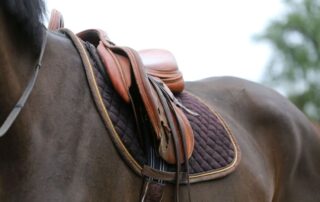
Saddle pads are a fundamental part of English riding equipment, providing a necessary layer of protection and comfort between the horse and the saddle. Designed to cushion the horse's back, absorb sweat, and protect the saddle from dirt and wear, these pads play a useful role in maintaining the well-being of the horse during exercise. While they may seem like a simple accessory, proper use and fit of a saddle pad can significantly influence riding performance, saddle longevity, and overall equine comfort. English saddle pads come in various styles, materials, and thicknesses, each suited to specific riding disciplines and horse conformations. Choosing the right pad and using it correctly helps ensure the saddle fits properly, prevents rubbing or soreness, and promotes a more enjoyable riding experience for horse and rider alike.

Complete Guide to English Saddle Pads: Sizing, Materials & Role in Horse Tack2026-08-02T18:29:43-04:00

Guide to Girths for Horses: Materials, Fitting & Types

The girth, or cinch, is a fundamental component of equine tack, responsible for securing the saddle to the horse and ensuring rider stability and safety. Choosing the right design, material, and placement depends on your discipline and the horse's conformation. Both Western and English riding disciplines use different styles of girths, each with unique methods of attachment and adjustment. A properly fitted and well-maintained girth contributes to the horse's comfort, enhances performance, and reduces the risk of injury and behavioral issues. Additionally, thoughtful use and routine care help prevent common problems such as sores, excessive tightness, and the spread of infections.

Guide to Girths for Horses: Materials, Fitting & Types2026-08-02T18:25:58-04:00

Training to Increase VO2 Max in Horses: A Science-Backed Performance Guide

Oxygen is essential for sustaining life and fueling performance, especially in athletic horses. The ability to take in oxygen from the environment, deliver it through the bloodstream, and use it within the muscles is critical for energy production, movement, and performance. During exercise—particularly at high intensities—this oxygen delivery system must work at its highest capacity to meet the increased demands of the body. The equine respiratory system plays a central role in this process. Through a series of upper and lower airways, air is drawn into the lungs, where oxygen is exchanged for carbon dioxide at the microscopic level in structures called alveoli. From there, oxygen enters the bloodstream and travels to tissues throughout the body, including the working muscles. This transfer of gases—known as oxygen exchange—is a continuous and dynamic process that supports aerobic metabolism and enables sustained physical activity.

Training to Increase VO2 Max in Horses: A Science-Backed Performance Guide2026-08-02T18:25:22-04:00

Gum Color Changes in Horses: What Red, Yellow, White and Blue Gums Mean

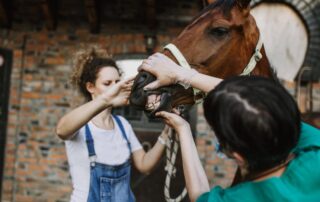
Mucous membranes play a critical role in assessing equine health. The most familiar mucous membranes are the gums, but these thin, moist tissues line various body cavities, including the eyes and genitals. In clinical settings and daily management, evaluating mucous membrane color provides a speedy, non-invasive method for identifying potential health concerns. While subtle changes may go unnoticed, pronounced discolorations, ranging from pale white to deep red, yellow, blue, or muddy brown, can indicate serious and even life-threatening conditions. Horse owners, trainers, and stable managers can learn to monitor mucous membranes as part of a routine wellness check. With proper understanding and attention to detail, changes in gum color and capillary refill time (CRT) can provide early signs that your horse needs urgent veterinary intervention.

Gum Color Changes in Horses: What Red, Yellow, White and Blue Gums Mean2026-08-02T18:17:40-04:00

Seasonal Respiratory Allergies in Horses: Understanding Equine Pasture Asthma (EPA)

Most horse owners know that poor air quality in dusty barns can cause coughing, nasal discharge, or laboured breathing in sensitive horses. But what happens when a horse seems worse outdoors—even on fresh green pasture? Just like people, horses can suffer from seasonal respiratory allergies. In certain horses, airborne allergens such as pollen, mould spores, and fungal particles—especially prevalent in warm, humid pasture environments—can trigger an allergic immune response that causes airway inflammation and breathing difficulty. This condition, now commonly referred to as Equine Pasture Asthma (EPA), is a non-infectious, inflammatory seasonal form of equine asthma that typically flares up from late spring through early fall. Though widespread, EPA often goes unrecognized or is mistaken for other respiratory conditions. Understanding the seasonal nature of this disease is key to proper diagnosis, treatment, and long-term management.

Seasonal Respiratory Allergies in Horses: Understanding Equine Pasture Asthma (EPA)2026-08-06T17:29:34-04:00

Is My Horse Too Cold? Hypothermia Signs, Risks & Cold Weather Care Tips

While horses are naturally well-adapted to colder climates, not all individuals cope equally well, and domestic management often interferes with their ability to maintain their internal body temperature. Clipping, restricted forage, inadequate shelter, chronic conditions, and other health factors all influence how a horse responds to cold. Recognizing when a horse is cold is not always straightforward. Some signs, like shivering, are obvious. Others, such as weight loss, stiffness, or irritability, may be subtle and easily misinterpreted. In some cases, excess cold exposure is chronic and low-grade, gradually depleting body condition over weeks or months. Keep reading to learn everything you need to know about detecting cold stress in horses, including how horses thermoregulate and practical solutions for winter management. Learn about individual risk factors and how to adapt your care program to protect your herd through the coldest months of the year.

Is My Horse Too Cold? Hypothermia Signs, Risks & Cold Weather Care Tips2026-08-02T18:16:05-04:00

Returning to the Horse Barn After Vacation: Tips for Taking Time Off from Riding

Returning to the barn after time away—whether for a vacation, work trip, or personal break—can be both exciting and challenging. Horses thrive on routine, and even short absences can affect their fitness, behavior, and connection with their rider. For riders, stepping back into the barn environment often means adjusting to changes in schedules, staff, or herd dynamics, while also rebuilding physical feel and confidence in the saddle. A thoughtful re-entry plan focused on observation, gradual conditioning, and clear communication helps restore harmony, prevent injury, and set you and your horse up for a smooth transition back into regular training.

Returning to the Horse Barn After Vacation: Tips for Taking Time Off from Riding2026-08-02T18:06:20-04:00

Top 5 Tips for Galloping a Horse Safely: How to Train & Ride the Gallop

The gallop is the fastest, most powerful, and dynamic gait of the horse. For equestrians, it's also the most thrilling and often intimidating gait to ride. Knowing the mechanics behind this high-speed gait is essential for equestrians to safely ride the gallop. The speed and exertion of a gallop is physically demanding for both horse and rider and carries a higher risk of injury if not approached thoughtfully. Understanding the biomechanics of the gallop, knowing the proper riding position, and employing safety measures can aid riders in maintaining a controlled, comfortable gallop while still prioritizing the horse's health and comfort.

Top 5 Tips for Galloping a Horse Safely: How to Train & Ride the Gallop2026-08-02T17:50:16-04:00

Timothy Hay for Horses: Nutrition Profile & Feeding Guide

Timothy hay offers moderate energy and protein content, making it suitable for a wide range of horses. Depending on Timothy’s growing and harvesting conditions, it can be produced at varying nutritional levels to suit different horse’s needs- from growing and breeding animals to easy keepers. Horses can consume Timothy grass in many forms, including fresh pasture, baled hay, haylage, and processed formats such as cubes and pellets. The type and amount of Timothy hay you should feed your horse depends on factors like their age, workload, body condition, and overall nutritional requirements. Read on to learn more about Timothy grass and how best to incorporate it into your horse’s diet.

Timothy Hay for Horses: Nutrition Profile & Feeding Guide2026-08-02T17:44:50-04:00

What Shapes Your Horse’s Personality? The Role of Nature & Nurture

Understanding equine personality is essential for building strong relationships with horses and ensuring effective training, care, and welfare. Horses possess unique temperaments and behaviors that influence their interactions with the world. Recognizing the genetic and environmental influences of these traits allows for a more tailored and empathetic approach to equine management, improving both well-being and performance. Understanding how nature and nurture interact allows handlers to better anticipate behaviors and tailor management practices accordingly, leading to improved communication, stronger bonds, and better safety during handling and riding. Likewise, misunderstanding or overlooking a horse's personality can create miscommunication and stress, potentially leading to dangerous situations. Moreover, knowledge of personality traits helps in selecting the right horse for specific tasks or riders. For example, a sensitive and high-strung horse might not be suitable for a novice rider, while a calm, patient horse could provide the perfect introduction to riding. Trainers who recognize and respect individual differences can design more effective, humane training programs

What Shapes Your Horse’s Personality? The Role of Nature & Nurture2026-08-25T21:38:42-04:00

Worker Safety in Horse Barns: Reducing Employee Risks from Air Quality, Lifting & Other Farm Hazards

Keeping a horse barn safe goes beyond caring for the animals—it’s about protecting the people who work there. Every day, barn staff face hazards ranging from poor air quality and heavy lifting to unpredictable animal behavior, slippery surfaces, and machinery accidents. These risks can cause anything from minor injuries to long-term health problems, especially if they go unnoticed or unaddressed. Common issues like dust, ammonia buildup, mold, and cluttered aisles are preventable with proactive management. By improving ventilation, choosing low-dust materials, enforcing safe lifting techniques, and fostering a strong safety culture, barn owners and managers can reduce risks, safeguard worker health, and maintain smooth operations. Understanding these hazards is the first step toward building a safer, healthier environment for both staff and horses.

Worker Safety in Horse Barns: Reducing Employee Risks from Air Quality, Lifting & Other Farm Hazards2026-08-02T17:30:41-04:00

Record-Keeping for Horse Farms: Systems to Keep Your Operation Running Smoothly

Running a horse farm—whether it's a small private stable or a large-scale boarding, training, or breeding facility—requires strong organization behind the scenes. One of the most valuable tools in managing horses and daily operations is effective record-keeping. Accurate records help track health care, training, expenses, and more. They make it easier to catch issues early, coordinate with veterinarians and farriers, and meet regulatory requirements. Good documentation also protects your business and supports smarter decision-making. As equine welfare and biosecurity standards continue to rise, keeping detailed, up-to-date records is more than just a best practice—it's a responsibility. Whether you use paper logs or farm management software, consistency, accuracy, and easy access are key.

Record-Keeping for Horse Farms: Systems to Keep Your Operation Running Smoothly2026-08-02T17:30:07-04:00