Analyze Diet

Complete Guide to Bathing a Horse: How to Keep Your Horse’s Coat Clean & Competition-Ready

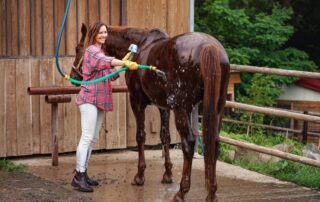
Natural horse behaviors like rolling in mud, dust, and manure help protect their skin, but often leaves their coat dirty. Bathing a horse is essential for removing sweat, dirt, bacteria, and buildup that grooming alone can’t handle. Proper baths support skin health, hygiene, and overall comfort, and can cool horses after exercise or soothe irritated skin during shedding. Some horses, such as those with sensitive skin or heavy workloads, may require more frequent washing. Using the right products and techniques is crucial because over-washing or improper bathing can damage a horse's skin by removing their natural oils. Whether cleaning a pasture horse or prepping a show mount, these instructions ensure a safe, thorough, and horse-friendly bath.
Complete Guide to Bathing a Horse: How to Keep Your Horse’s Coat Clean & Competition-Ready2026-08-02T17:26:18-04:00

Polytrack® and Other Synthetic Footing for Horse Racetracks: Types and Safety Considerations

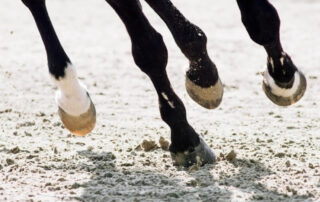
Horse racing demands speed, precision, and safety—for both horses and riders. Inadequate racetrack surfaces are considered a risk factor for musculoskeletal and catastrophic injuries in horses at high speeds, making track design a crucial factor in preventing harm. To meet these needs, many tracks have adopted synthetic surfaces like Polytrack and Tapeta, designed to provide consistent performance and safety across all weather conditions. Unlike traditional dirt or turf, synthetic tracks offer superior drainage, better shock absorption, and more reliable footing year-round, potentially reducing the risk of injuries and ensuring a safer racing environment. However, the effects of track surface characteristics on biomechanics, especially during high-speed training, are not well documented. Research into how different track surfaces affect the acceleration, impact forces, and overall movement of a horse is still developing, but it is crucial for understanding how to improve both performance and safety.

Polytrack® and Other Synthetic Footing for Horse Racetracks: Types and Safety Considerations2026-08-02T17:20:17-04:00

Why Do Horses Have Leg Chestnuts and Should They be Removed?

Horse chestnuts, sometimes called castors or night eyes, are small, rough patches of skin commonly found on a horse's legs. While easily overlooked, these structures have sparked curiosity for centuries due to their mysterious origin and unusual appearance. Leg chestnuts serve no known function today, but they are thought to be evolutionary remnants from historical equids. Alongside them, ergots—similar but smaller calloused growths near the fetlocks—share a related yet distinct history. Horse leg chestnuts are harmless and vary widely in size and shape between breeds and individual horses. Keeping them clean and gently exfoliating any loose skin can help prevent cracking or irritation, supporting overall skin health.

Why Do Horses Have Leg Chestnuts and Should They be Removed?2026-08-02T17:18:05-04:00

Why Do Horses Have Ergots and Should They be Trimmed?

Ergots are small, hardened skin growths found on the lower legs of horses. They are easily overlooked due to their position beneath the fetlock where they are usually concealed by surrounding hair. Though commonly mistaken as minor or insignificant, ergots are living tissue that continues to grow throughout a horse's life. As such, they may occasionally require attention to maintain the horse's comfort and appearance. While they are a normal and expected feature of the horse's anatomy, improper handling during maintenance such as aggressive pulling or cutting can lead to discomfort or injury. Understanding the nature of ergots, their typical location, and appropriate methods for softening and trimming them is important for ensuring proper care. In most cases, maintenance is simple and painless when done correctly. However, in situations where overgrowth is excessive or trimming is uncertain, professional assistance is recommended.

Why Do Horses Have Ergots and Should They be Trimmed?2026-08-02T17:16:41-04:00

Hill Work for Horses: Guide to Benefits, Exercises, & Program Design

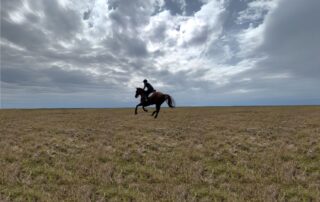
Hill work is a powerful training and conditioning tool that offers numerous benefits for horses across all disciplines. Whether performed in-hand, under saddle, or with the support of equipment like treadmills, working on inclines engages the horse’s musculoskeletal system in a way that flat work cannot. This natural form of resistance training promotes strength, balance, and coordination while minimizing stress on the joints. Beyond its physical benefits, hill work also strengthens communication between horse and rider. Navigating slopes teaches riders how to support their horse’s balance, use core stability to maintain correct equitation, and encourage proper biomechanics, such as lifting through the withers and engaging the hindquarters. These foundational skills translate into improved movement and responsiveness in the arena, on the trail, and in competition. Learn how to incorporate inclines into your horse's exercise routine to enhance muscle strength, cardiovascular fitness, coordination, and mental engagement.

Hill Work for Horses: Guide to Benefits, Exercises, & Program Design2026-08-02T17:15:53-04:00

Ryegrass Hay for Horses: Nutrition Profile & Feeding Guide

Ryegrass is a widely used forage for horses, most commonly provided in its annual and perennial forms. These grasses are known for their high yields and strong nutritional profiles, making them suitable for many types of horses. Although ryegrass can be rich in nutrients, its overall quality is strongly influenced by how it is grown and harvested. It can be fed as pasture, hay, haylage, or silage—each with specific benefits and considerations depending on the horse's needs. Ryegrass is valued for its palatability, elevated protein content, and productive growth, but potential concerns include high levels of hydrolyzable carbohydrates (HC; sugar + starch) and the risk of endophyte contamination.

Ryegrass Hay for Horses: Nutrition Profile & Feeding Guide2026-08-02T17:15:20-04:00

Horses vs. Mules vs. Donkeys: Differences in Care, Temperament & Uses

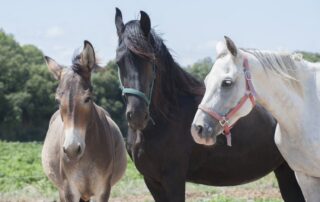
Horses, mules, and donkeys are three distinct equine species that share similarities but have unique characteristics, temperaments, and roles in human history. Whether you’re a horse owner, equestrian enthusiast, or just curious about these incredible animals, understanding their differences can help you appreciate their individuality. Just like horses, donkeys and mules have been part of human history, development, commerce, and mythology for millennia. In spite of their shared place in human history, smaller working equids have declined in popularity in many industrialized nations. Even so, it is estimated there are between 44 and 50 million of these beasts of burden alive today. From their physical traits and behavioral tendencies to their specialized uses in work and recreation, each species offers something unique. In this article, we explore the key differences between horses, mules, and donkeys, including their anatomy, care needs, and modern day uses, to help you gain deeper insight into these remarkable animals.

Horses vs. Mules vs. Donkeys: Differences in Care, Temperament & Uses2026-08-02T17:12:29-04:00

Ali Ramsay: Riding Her Own Path to the International Show Jumping Podium

Ali Ramsay is a small-town Canadian making a big impact on the international show jumping circuit. The 2022 Canadian Showjumping Champion is one of Canada's most consistent riders on the North American CSI circuit, making an impressive 118 starts in 2024. As a young rider in Victoria, British Columbia, Ali rode her way to the Nation's top youth competition for equitation riders - the Canadian Equestrian Team (CET) National Medal Final - and won. After a brief pause, Ali made a much-anticipated career move to the jumper ring, where she seized an opportunity to train with Canadian show jumping legend Jill Henselwood. Over the next six years, including four as a pro, Ali Ramsay developed into the international talent she is today. Holding her place in the FEI's top 100 world rankings, Ramsay's dedication is an inspiration to young riders across North America. Ali isn't just jumping fences – she's clearing a path for future equestrian athletes.

Ali Ramsay: Riding Her Own Path to the International Show Jumping Podium2026-08-02T16:36:19-04:00

Bloodwork for Horses: A Veterinarian’s Guide to Laboratory Tests

Blood work is one of the most valuable diagnostic tools available in equine veterinary medicine. Whether used to assess general health, diagnose illness, monitor chronic conditions, or evaluate performance issues, a simple blood test can reveal a wealth of information about a horse’s internal systems. Because horses cannot verbalize how they feel, veterinarians rely on objective data—like blood parameters—to uncover hidden problems that may not be obvious during a physical examination. There are two primary types of blood tests commonly used in horses: the complete blood count (CBC) and the serum biochemistry panel. The CBC evaluates the cells in the bloodstream, helping to detect infection, inflammation, and anemia. The biochemistry panel, on the other hand, provides insights into how organs like the liver and kidneys are functioning, as well as the horse’s electrolyte and metabolic status. In addition to these core tests, specialized bloodwork may be used to screen for specific diseases, evaluate hormone levels, or monitor treatment responses.

Bloodwork for Horses: A Veterinarian’s Guide to Laboratory Tests2026-08-11T21:36:19-04:00

Bronchoalveolar Lavage (BAL) in Equine Medicine: Procedures, Uses & After Care

One of the most informative and widely used diagnostic procedures for evaluating the lower respiratory tract in horses is bronchoalveolar lavage (BAL). This is a minimally invasive technique that allows veterinarians to sample cellular components from deep lung tissue. By introducing a small volume of sterile fluid into the lungs and recovering it for analysis, BAL provides direct insight into the inflammatory status of the lower airways. This information is particularly useful in diagnosing respiratory disorders such as equine asthma. Read on to learn more about BAL, including indications, methodology, interpretation, and its clinical significance in equine practice. Whether used as a primary diagnostic tool or a method for monitoring disease progression and treatment response, BAL remains an essential component in the comprehensive assessment of equine lower airway disease.

Bronchoalveolar Lavage (BAL) in Equine Medicine: Procedures, Uses & After Care2026-08-02T16:31:38-04:00

DIY Horse Treats: How to Make Healthy, Tasty Cookies for Your Favorite Equines

Treats play a meaningful role in strengthening the bond between caregivers and their horses, offering a way to reinforce trust and encourage positive behavior. They can also serve as an effective tool in equine training, as using treats in training allows your horse to associate certain tasks with rewards. There are certain factors to consider when choosing treats to give to your horse, such as storage, palatability, and your horse’s health. A good way to ensure your horse's snacks are fresh, wholesome, and tailored to their individual needs is to make their treats yourself from scratch. Our collection of recipes include a variety of delicious and nutritious horse treats, from refreshing peppermint cookies to low-sugar snacks for metabolic horses. These recipes cater to different dietary needs and are simple to make with just a few kitchen tools and easy-to-find ingredients. Always be sure to introduce new treats gradually and consider your horse’s unique health requirements when feeding treats.

DIY Horse Treats: How to Make Healthy, Tasty Cookies for Your Favorite Equines2026-08-02T16:05:45-04:00

New World Screwworm (C. hominivorax) Infestation in Horses: Risk Factors, Transmission & Treatment

The New World screwworm (Cochliomyia hominivorax) is a highly destructive parasitic fly that poses a significant threat to equine health and welfare. Unlike typical fly larvae that feed on dead or decaying tissue, screwworm maggots consume living flesh, resulting in deep, painful wounds that can quickly become infected and may lead to systemic illness or death if not promptly treated. Although extensive eradication programs have eliminated the screwworm from most of North and Central America, the risk of reintroduction persists—especially in horses with untreated wounds, inadequate biosecurity measures, or exposure through international movement. Awareness of the screwworm's life cycle, transmission routes, and clinical signs is crucial for early detection and rapid response. Through timely treatment and strict preventive measures, horse owners and veterinarians can safeguard equine health and help prevent the resurgence of this dangerous parasite.

New World Screwworm (C. hominivorax) Infestation in Horses: Risk Factors, Transmission & Treatment2026-08-02T16:03:31-04:00

How to Walk a Cross-Country Course: Strategies, Considerations & Tips

The cross-country phase of eventing is distinguished from other equestrian disciplines by testing horse and rider over challenging terrain and obstacles. Designed to evaluate jumping skills, mutual trust, and strategy, each course provides a unique experience at every competition. Understanding cross-country course design, penalties, and types of obstacles is key to preparing for success. In this article, discover key elements of cross-country courses, course design, common obstacles, penalties, and effective course walk and riding strategies for a successful eventing experience.

How to Walk a Cross-Country Course: Strategies, Considerations & Tips2026-08-02T16:00:20-04:00

Respiratory Dysfunction in Horses: Symptoms, Anatomy & Related Conditions

Respiratory dysfunction is a common and often overlooked issue in horses, with a variety of causes including infections, allergies, environmental irritants, and anatomical abnormalities. Horses depend on efficient lung function to meet the high oxygen demands of their large, athletic bodies. Even mild disruptions in the respiratory system can lead to noticeable declines in performance, comfort, and behavior. Problems may involve the upper airways, such as the nose and throat, the lower airways including the lungs and bronchi, or both. Early signs like nasal discharge, coughing, labored breathing, unusual respiratory sounds, or reduced stamina can indicate an issue that requires attention. Recognizing respiratory symptoms in horses and understanding the underlying causes and available treatments allows owners and caretakers to respond quickly and effectively. With proper management and early intervention, most horses can maintain healthy respiratory function and avoid complications that affect their quality of life or ability to work.

Respiratory Dysfunction in Horses: Symptoms, Anatomy & Related Conditions2026-08-11T22:25:15-04:00

Does My Horse Need to Warm Up Before Exercise? Optimizing Performance with Holistic Training

Warming up your horse before riding is essential for optimizing their performance and preventing injury. Just like human athletes, horses benefit from light exercise that prepares their bodies and minds for the demands of their specific discipline. A thoughtful warm-up routine improves circulation, enhances flexibility, and primes the horse’s muscles and joints for the demands ahead, whether the ride involves a relaxed hack, a dressage test, or a competitive show jumping course. Warming up also helps your horse tune in to their rider, respond more reliably to aids, and settle into a rhythm that fosters confidence and cooperation. For riders and trainers, warm-ups provide a valuable opportunity to assess the horse’s mood, energy level, and soundness before committing to more intense activity. Learn why warming up matters, different warm-up strategies, when and how to stretch, and how to adapt routines based on discipline and weather conditions.

Does My Horse Need to Warm Up Before Exercise? Optimizing Performance with Holistic Training2026-08-02T15:54:47-04:00

Gelderlander Horse Breed Profile: Characteristics, Health & Nutrition

The Gelderlander, or Gelder Horse, is a distinctive and elegant warmblood breed developed in the Gelderland province of the Netherlands. Known for their flashy movement, uphill conformation, and willing temperament, this versatile horse was initially bred for both light agricultural work and carriage driving. Today, modern Gelderlanders are commonly used for both harness and riding disciplines. Though the breed shares close ties with the more widely known Dutch Warmblood, Gelder horses maintain their identity within the KWPN registry as a separate breeding direction.

Gelderlander Horse Breed Profile: Characteristics, Health & Nutrition2026-08-02T15:50:05-04:00

Western Pleasure Horse Showing: History, Competition & Rules

Western pleasure stands as one of the most distinctive and enduring disciplines in Western riding, originating from the practical needs of working ranch horses and evolving into a highly refined competitive sport. Riders aim to present their horses as effortless to ride, with seamless transitions and a consistent, soft gait. Judged subjectively, Western pleasure places importance on a horse's ability to maintain a steady, comfortable pace at the walk, jog, and lope. The rider should demonstrate minimal interference, guiding the horse with light rein contact and subtle cues. The ideal Western pleasure horse is well-trained, responsive, and appears to move naturally while remaining attentive and relaxed. Understanding the key aspects of this discipline, from rules and judging criteria, to horse selection and appropriate tack, helps riders and trainers prepare for successful performances. Whether competing at local shows or national events, mastering the principles of Western pleasure requires a combination of precise training, effective horsemanship, and an understanding of competitive expectations.

Western Pleasure Horse Showing: History, Competition & Rules2026-08-02T15:48:23-04:00

German Riding Pony Breed Guide: Characteristics, Health & Nutrition

The German Riding Pony, also known as the Deutsche Reitpony, is a pony breed with conformation and movement that resembles a small warmblood horse. These ponies originated in Germany but do not descend directly from German warmbloods, despite their similarities in type. Their athleticism and elegance make them the ideal sport pony for competitive young riders and petite adults. German Riding Ponies are prone to health issues often seen in other pony breeds. Competitive lifestyles can also elevate their risk of conditions typically found in performance horses, making proper care and management essential.

German Riding Pony Breed Guide: Characteristics, Health & Nutrition2026-08-02T15:44:49-04:00

Pony of the Americas Breed Profile: Characteristics, Health & Nutrition

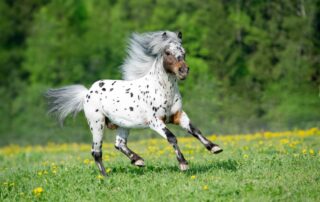
The Pony of the Americas, or POA, is a pony breed from the heartland of the United States. These ponies are known for their unique spotted coloring and versatility. While initially developed as the perfect children's mount, the POA is also popular with petite riders of all ages. All POAs must meet strict coat pattern requirements for registration. But like their Appaloosa relatives, POAs are susceptible to eye and skin conditions associated with these patterns.

Pony of the Americas Breed Profile: Characteristics, Health & Nutrition2026-08-02T15:37:45-04:00

5 Types of Coffin Bone Lameness in Horses: Preventing Equine Distal Phalanx Injuries

The coffin bone, also known as the distal phalanx or P3, sits at the very tip of the horse's limb, completely encased by the hard hoof wall. Its unique shape provides the foundation for weight-bearing and shock absorption with every stride. Although hidden from view, this bone plays a pivotal role in supporting the horse's entire body and transferring forces through the hoof capsule. When the supporting structures or blood supply around the coffin bone are disrupted, a variety of lameness issues can arise. In cases of founder - the most advanced form of laminitis-  the coffin bone rotates or sinks, producing acute pain. Chronic stress or concussion may lead to pedal osteitis—degeneration of the bone surface—while direct trauma or excessive loading can result in fractures. Early detection of coffin-bone–related lameness is key to preserving soundness. You can use hoof testers to pinpoint areas of tenderness, monitor digital pulse and heat changes at the coronary band, and work with your veterinarian to identify rotation, sinking, or bone erosion.

5 Types of Coffin Bone Lameness in Horses: Preventing Equine Distal Phalanx Injuries2026-08-02T15:30:58-04:00

First vs. Second Cutting of Hay for Horses: Which is the Best Forage for an Optimal Equine Diet?

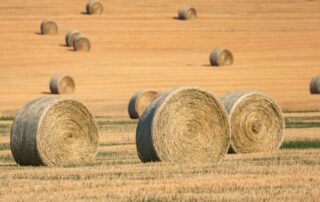
First cutting hay is traditionally harvested in the spring and tends to be coarse and high in fiber. This is because the plants have had more time to mature, resulting in a higher concentration of structural carbohydrates. First-cutting hay is often a good choice for easy keepers or horses that require lower-calorie diets, but digestibility and palatability may be reduced. On the other hand, the second cutting hay often has a finer texture with higher energy and leaf content. This makes it softer, more palatable, and better suited to horses with higher nutritional demands, such as performance horses, breeding stock or seniors. Regardless of cutting, nutritional characteristics of hay can vary depending on plant maturity, timing of harvest, and forage species. Due to this, relying solely on cutting order is not a reliable way to assess hay quality. A hay analysis is necessary to provide accurate data on digestible energy, crude protein, fiber content, and mineral levels to ensure the hay meets your horse's dietary needs.

First vs. Second Cutting of Hay for Horses: Which is the Best Forage for an Optimal Equine Diet?2026-08-02T15:26:21-04:00

Equine Inhaler Guide: Uses, Medications & Related Conditions

Equine inhalers are specialized devices used to deliver medication directly into a horse's lungs to help manage respiratory conditions. These devices are similar in design and function to inhalers used by humans, but they have been adapted to suit the unique needs of horses. A key feature of equine inhalers is the use of a spacer - a chamber that holds the medication until the horse inhales it. This allows the drug to be inhaled at the horse's own pace, without the need to coordinate the spray with a breath. Inhalation therapy offers several advantages over other methods of medication delivery. By targeting the lungs directly, it helps ensure that the medication reaches the affected areas more efficiently and quickly, often with fewer side effects than oral or injected drugs. Equine inhalers are commonly used to treat conditions such as asthma, inflammatory airway disease, and other forms of equine respiratory distress. With proper technique, they offer a practical and effective way to manage chronic respiratory issues, reduce symptoms, and improve the horse's overall quality of life.

Equine Inhaler Guide: Uses, Medications & Related Conditions2026-08-02T15:24:21-04:00

Difficulty Breathing (Dyspnea) in Horses: Signs, Risks & Related Conditions

Breathing is an automatic function that often goes unnoticed, until something goes wrong. Dyspnea, the term for difficult or labored breathing, is a serious clinical sign in horses. It is not a diagnosis itself but a symptom of underlying problems that can vary from mild respiratory irritation to life-threatening emergencies. Recognizing dyspnea early is critical for horse owners, riders, and caretakers to ensure timely veterinary intervention and improve outcomes. This article explores the causes of dyspnea, how to recognize it, how it relates to other breathing abnormalities, and what steps to take when a horse is struggling to breathe.

Difficulty Breathing (Dyspnea) in Horses: Signs, Risks & Related Conditions2026-08-02T15:18:14-04:00

Nasal Discharge in Horses: Causes, Risks & Related Conditions

It's not unusual to see a small amount of clear, watery discharge coming from your horse's nose—especially after exercise, during cold weather, or when they've been around dust or pollen. Mild discharge is part of the body's natural defense system, helping keep the nasal passages moist, trapping debris, and protecting against harmful particles in the air. Sometimes, a horse's runny nose can mean something more serious. Nasal discharge that is thick, yellow, green, or has an unpleasant odor may be a sign of infection or another health problem. Blood in the discharge or drainage from only one nostril are also red flags that shouldn't be ignored. Nasal discharge in horses may arise from infectious causes like viral or bacterial respiratory diseases or from non-infectious issues such as dental infections, trauma, or airway obstruction. Horses with nasal discharge may also have signs of fever, coughing, reduced appetite, or lethargy. Careful examination, including endoscopy and diagnostic imaging, can help pinpoint the source and guide treatment.

Nasal Discharge in Horses: Causes, Risks & Related Conditions2026-08-02T15:21:38-04:00

Managing Your Horse at a Show: Addressing Stress, Biosecurity & Stall Enrichment

Managing horses at shows requires a deep understanding of how unfamiliar environments can impact their health and performance. Horses undergo both physiological and behavioral changes in these settings, and without proper care, they may experience stress, illness, or injury. By properly managing horses at competitions, you can enhance your horse’s performance and ensure a positive experience. This article outlines practical strategies for supporting your horse at competitions, covering stress management, biosecurity, feeding and supplementation, turnout, and post-ride recovery.

Managing Your Horse at a Show: Addressing Stress, Biosecurity & Stall Enrichment2026-08-02T15:13:19-04:00

Western Dressage: History, Competition & Rules [Discipline Guide]

Western dressage is an equestrian discipline that blends the time-honored principles of classical dressage with the tack, style, and culture of Western riding. In classical dressage, the horse learns to move smoothly, stay balanced, and respond to the rider's cues. Western dressage is built on similar principles, but uses a Western saddle, bridle, and reins. As a competitive discipline, Western dressage is just over a decade old, but has grown quickly due to its natural fit with Western riding. Rather than focusing on flashy tricks or breed type, judges assess how well the horse and rider move together. They score each movement and give overall marks for equitation skills including the rider's position and how soft the horse is on the bridle.

Western Dressage: History, Competition & Rules [Discipline Guide]2026-08-02T15:06:59-04:00

Drum Horse Breed Guide: Characteristics, Health & Nutrition

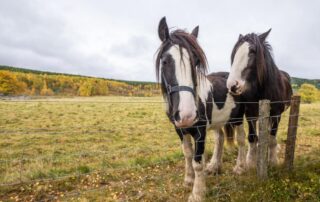
The Drum Horse is an eye-catching, heavy horse breed known for its impressive size, strength, and gentle disposition. Originally bred to carry massive ceremonial kettledrums during British royal parades, today’s Drum Horse combines the best traits of its foundation breeds, the Shire, Clydesdale, and Gypsy Horse, into a versatile modern sport and leisure horse. A relatively new breed, the Drum Horse excels in disciplines ranging from driving and parades to dressage and trail riding. With their striking feathered legs, bold pinto coloring, and calm temperament, these horses turn heads wherever they go. Though not as widely known as their foundation breeds, Drum Horses are steadily gaining popularity worldwide for their beauty, versatility, and amiable personality. Whether performing in the show ring or carrying a rider through varied terrain, the Drum Horse brings a unique blend of power and elegance to any endeavor.

Drum Horse Breed Guide: Characteristics, Health & Nutrition2026-08-02T15:03:14-04:00

Top 7 Strategies to Optimize Horse Welfare in Show Jumping: Maximizing Performance for a Long Career

Welfare in equestrian sports, particularly in show jumping, is fundamental to ensuring the long-term health, happiness, and well-being of the horses involved. Show jumping is a sport that demands speed, precision, and agility, all which place significant physical and mental expectations on the horses performing. The Five Domains Model provides a holistic framework—nutrition, physical environment, health care, behavioral interactions and mental state—to guide daily management practices. By addressing each domain, riders, trainers and owners can create a supportive environment that fosters both the body and mind, reducing stress and enhancing performance. This article explores key welfare considerations for show jumping, focusing on how to balance the demands of the sport with ethical responsibility. Read on to learn about the physical and mental aspects of horse care, the importance of regulations and safety measures, and practical steps you can take to support your horse's welfare in training and competition.

Top 7 Strategies to Optimize Horse Welfare in Show Jumping: Maximizing Performance for a Long Career2026-08-02T15:00:12-04:00

How to Cross Tie a Horse Effectively: Safety, Training & Installation Guide

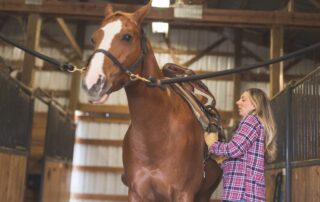
Cross ties are a key handling tool in equine management, providing a practical way to keep horses still during grooming, tacking, farriery and veterinary care. When used properly, cross ties can improve safety and efficiency while helping horses learn to stand calmly. While cross ties are fundamental to most horse operations, improper installation or inadequate training can lead to serious risks, including poll injuries and panic responses. Horses that experience fear or physical discomfort while cross-tied may become resistant, head-shy, or anxious, increasing the chance of accidents. Understanding how horses perceive restraint and how to introduce cross ties gradually is essential to ensure both safety and welfare. Read on to learn everything you need to know about how cross ties work, their advantages, potential risks, and how to use them safely and effectively with your horse.

How to Cross Tie a Horse Effectively: Safety, Training & Installation Guide2026-08-02T14:57:56-04:00

Horse Coolers: Uses, Types, & How to Choose the Best Cooler for Your Horse

Horse coolers are useful tools for maintaining a horse's comfort and health, particularly after exercise or exposure to moisture in cold weather. These specialized blankets, typically made of wool or fleece, serve to regulate body temperature and wick away excess moisture, helping prevent the horse from becoming chilled. As horses naturally have a highly effective insulating coat, coolers complement this by supporting their moisture management system, especially when the coat becomes wet. Whether used after a workout, bath, or in cold weather conditions, coolers provide a simple yet effective solution for temperature regulation. Understanding the different types of coolers, their uses, and how to select the right one can help horse owners ensure optimal care for their equine companions.

Horse Coolers: Uses, Types, & How to Choose the Best Cooler for Your Horse2026-08-02T14:55:51-04:00