Analyze Diet

Drum Horse Breed Guide: Characteristics, Health & Nutrition

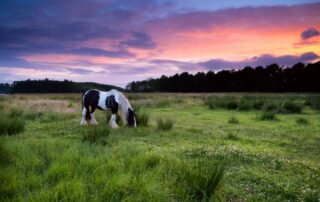
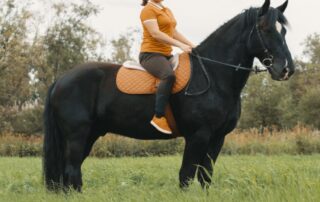
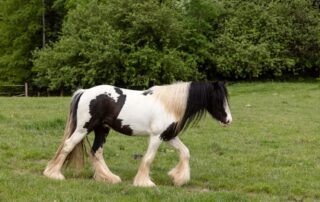
The Drum Horse is an eye-catching, heavy horse breed known for its impressive size, strength, and gentle disposition. Originally bred to carry massive ceremonial kettledrums during British royal parades, today’s Drum Horse combines the best traits of its foundation breeds, the Shire, Clydesdale, and Gypsy Horse, into a versatile modern sport and leisure horse. A relatively new breed, the Drum Horse excels in disciplines ranging from driving and parades to dressage and trail riding. With their striking feathered legs, bold pinto coloring, and calm temperament, these horses turn heads wherever they go. Though not as widely known as their foundation breeds, Drum Horses are steadily gaining popularity worldwide for their beauty, versatility, and amiable personality. Whether performing in the show ring or carrying a rider through varied terrain, the Drum Horse brings a unique blend of power and elegance to any endeavor.

Drum Horse Breed Guide: Characteristics, Health & Nutrition2026-08-02T15:03:14-04:00

Top 7 Strategies to Optimize Horse Welfare in Show Jumping: Maximizing Performance for a Long Career

Welfare in equestrian sports, particularly in show jumping, is fundamental to ensuring the long-term health, happiness, and well-being of the horses involved. Show jumping is a sport that demands speed, precision, and agility, all which place significant physical and mental expectations on the horses performing. The Five Domains Model provides a holistic framework—nutrition, physical environment, health care, behavioral interactions and mental state—to guide daily management practices. By addressing each domain, riders, trainers and owners can create a supportive environment that fosters both the body and mind, reducing stress and enhancing performance. This article explores key welfare considerations for show jumping, focusing on how to balance the demands of the sport with ethical responsibility. Read on to learn about the physical and mental aspects of horse care, the importance of regulations and safety measures, and practical steps you can take to support your horse's welfare in training and competition.

Top 7 Strategies to Optimize Horse Welfare in Show Jumping: Maximizing Performance for a Long Career2026-08-02T15:00:12-04:00

How to Cross Tie a Horse Effectively: Safety, Training & Installation Guide

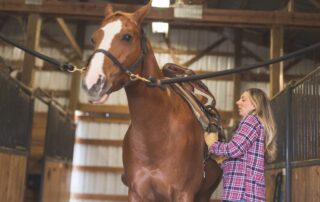
Cross ties are a key handling tool in equine management, providing a practical way to keep horses still during grooming, tacking, farriery and veterinary care. When used properly, cross ties can improve safety and efficiency while helping horses learn to stand calmly. While cross ties are fundamental to most horse operations, improper installation or inadequate training can lead to serious risks, including poll injuries and panic responses. Horses that experience fear or physical discomfort while cross-tied may become resistant, head-shy, or anxious, increasing the chance of accidents. Understanding how horses perceive restraint and how to introduce cross ties gradually is essential to ensure both safety and welfare. Read on to learn everything you need to know about how cross ties work, their advantages, potential risks, and how to use them safely and effectively with your horse.

How to Cross Tie a Horse Effectively: Safety, Training & Installation Guide2026-08-02T14:57:56-04:00

Horse Coolers: Uses, Types, & How to Choose the Best Cooler for Your Horse

Horse coolers are useful tools for maintaining a horse's comfort and health, particularly after exercise or exposure to moisture in cold weather. These specialized blankets, typically made of wool or fleece, serve to regulate body temperature and wick away excess moisture, helping prevent the horse from becoming chilled. As horses naturally have a highly effective insulating coat, coolers complement this by supporting their moisture management system, especially when the coat becomes wet. Whether used after a workout, bath, or in cold weather conditions, coolers provide a simple yet effective solution for temperature regulation. Understanding the different types of coolers, their uses, and how to select the right one can help horse owners ensure optimal care for their equine companions.

Horse Coolers: Uses, Types, & How to Choose the Best Cooler for Your Horse2026-08-02T14:55:51-04:00

Artificial Riding Aids & Equine Welfare: Ethical Considerations for Horse Training

In equestrianism, the relationship between horse and rider relies on clear communication, trust, and mutual understanding. Natural aids—such as the seat, legs, hands, and voice—serve as the rider's primary tools for guiding the horse, while artificial aids like bits, whips, spurs, draw reins, and martingales are often used to reinforce or fine-tune those signals. When used thoughtfully and skillfully, artificial aids can enhance clarity and improve safety in both training and competition. However, their use raises critical ethical questions, particularly when misuse, overuse, or lack of rider knowledge leads to compromised welfare. The central issue is not whether these tools should be used, but how they can be applied in ways that support the horse's well-being rather than undermine it. As public concern for animal welfare grows and equestrian practices come under increased scrutiny, it is essential to ensure that the use of artificial aids aligns with the principles of humane and ethical horsemanship.

Artificial Riding Aids & Equine Welfare: Ethical Considerations for Horse Training2026-08-02T14:54:30-04:00

Inflammatory Airway Disease (IAD) in Horses: Risk Factors, Triggers & Management

Inflammatory Airway Disease (IAD) is a common, performance-limiting respiratory condition that affects horses of all breeds and disciplines, particularly young to middle-aged animals in training. Part of the equine asthma spectrum, IAD is characterized by airway inflammation and increased mucus production without the overt respiratory distress seen in more severe asthma cases. Horses with IAD may exhibit subtle clinical signs, such as occasional coughing, reduced stamina, and prolonged recovery time after exercise, making early detection and diagnosis a challenge. The condition is most frequently identified in horses kept in stabled environments or those exposed to airborne irritants such as dust, mold, and ammonia. Treatment strategies focus on reducing airway inflammation and minimizing exposure to respiratory irritants. This often includes adjustments in management practices—such as improving ventilation, soaking hay, and reducing dust—as well as pharmacological therapies like corticosteroids and bronchodilators when necessary. Since IAD can significantly impact athletic performance, early recognition and intervention are essential. This article explores the causes, clinical signs, diagnostic approaches, treatment options, and preventative strategies associated with Inflammatory Airway Disease in horses.

Inflammatory Airway Disease (IAD) in Horses: Risk Factors, Triggers & Management2026-08-02T14:51:29-04:00

Controlling Dust & Odors in Horse Barns: Simple Steps to Safeguard Equine Lung Health

The quality of the air horses breathe plays a critical role in their overall health and performance. Unlike humans, horses have a highly sensitive and efficient respiratory system designed to meet the oxygen demands of intense physical exertion. However, this same sensitivity makes them particularly vulnerable to airborne contaminants. In enclosed environments like stables, arenas, and barns, dust particles and noxious gases—especially ammonia—can quickly accumulate to harmful levels if not properly managed. Respiratory diseases are among the most common health issues affecting horses today. Conditions such as Inflammatory Airway Disease (IAD) and Recurrent Airway Obstruction (RAO) are often directly linked to poor air quality. Chronic exposure to dust and odors doesn't just compromise comfort—it can lead to long-term lung damage, reduced performance, and increased veterinary costs. Identifying the primary sources of airborne irritants in equine environments is essential. By understanding and addressing these factors, you can significantly improve air quality—one of the most effective ways to protect your horse's respiratory health and overall well-being.

Controlling Dust & Odors in Horse Barns: Simple Steps to Safeguard Equine Lung Health2026-09-15T17:30:59-04:00

How to Walk a Show Jumping Course: Strategies, Considerations & Tips

When preparing for a show jumping competition, understanding the course design and planning your ride are key strategies to ensure success. Show jumping courses are thoughtfully designed to challenge both horse and rider, testing skills like athleticism, rhythm, and timing. Walking the course ahead of time is a preparation method that allows you to strategize and identify potential obstacles while taking into account your horse's strengths and weaknesses. By planning your path, visualizing each jump, and considering factors like pacing and stride lengths, you can set yourself up for a smooth, controlled round while reducing the risk of penalties. Read on to learn how to best plan your ride for a show jumping course.

How to Walk a Show Jumping Course: Strategies, Considerations & Tips2026-08-02T14:45:22-04:00

Understanding Rider Aids & Equine Learning: How Human-Horse Communication Impacts Training & Performance

Riding involves more than just passively sitting on a horse — it's a partnership that relies on clear communication and mutual understanding. Rider's aids are the tools we use to convey our intentions to the horse, guiding their movements and building trust. These aids are fundamental to all equestrian disciplines, from dressage to show jumping, trail riding, and more. Whether it's a subtle shift of weight or a precise rein cue, each aid must be applied with nuance and timing to resonate effectively with the horse. As riders learn to read and respond to the horse's feedback, they refine their cues, deepening mutual trust with their equine partner. Understanding and mastering rider aids allow us to create a harmonious connection, ensuring effective and compassionate training. By selecting the most appropriate aids for your horse's level of training and your own riding abilities, you can ensure you and your horse have a positive riding experience. Read on to learn more about the types of rider aids, their applications, and how to achieve precision and harmony in using them.

Understanding Rider Aids & Equine Learning: How Human-Horse Communication Impacts Training & Performance2026-08-02T14:43:24-04:00

FEI Banned & Controlled Substances for Horses: List of Performance-Enhancing Drugs

Keeping horses safe during these activities is the number one priority, as is ensuring fair play for all competitors. As in human sports, there are multiple performance-enhancing substances which are controlled or banned by equestrian sports organizations. To that end, the Fédération Équestre Internationale (FEI) provides information about which substances fall into controlled or banned categories for the sports under their purview. Here, Mad Barn has gathered the most recent information about the most relevant substances to help illuminate this important topic.

FEI Banned & Controlled Substances for Horses: List of Performance-Enhancing Drugs2026-06-15T17:46:10-04:00

Aggression in Horses: Causes, Types & How to Manage Dangerous Behavior

Recognizing the underlying causes of aggression is crucial to preventing dangerous situations and fostering positive human-horse interactions. Understanding the root causes of aggressive behavior and implementing effective management strategies are essential for ensuring the safety and well-being of both horses and their handlers. Read on to learn more about the different types of equine aggression, the role of management and training, and evidence-based approaches to addressing aggression in horses. It also explores how environmental factors, social dynamics, and handling techniques can influence aggressive tendencies, offering practical solutions for horse owners, trainers, and equine professionals.

Aggression in Horses: Causes, Types & How to Manage Dangerous Behavior2026-08-02T14:40:52-04:00

Equestrian Cross-Country Riding: History, Competition & Rules – [Discipline Guide]

Cross-country riding is a thrilling equestrian sport that tests both horse and rider across varying terrain and solid obstacles. It demands precision, speed, endurance, and quick decision-making for success. Rooted in fox hunting and military training traditions, cross-country riding has evolved into a cornerstone of eventing, alongside dressage and show jumping. It remains a favorite phase for many riders, with dedicated cross-country competitions gaining popularity. This article explores the history of cross-country riding, essential tack and equipment, its role in eventing, and introduces the Cross-Country Equestrian Association.

Equestrian Cross-Country Riding: History, Competition & Rules – [Discipline Guide]2026-08-02T14:40:02-04:00

Orchardgrass Hay for Horses: Nutrition Profile & Feeding Guide

Orchardgrass is a cool-season perennial grass widely grown in temperate regions and commonly used as forage for horses. It thrives in well-drained soils and moderate climates, producing dense, leafy growth that is typically quite palatable to horses. On average, orchardgrass hay provides moderate levels of energy and protein, making it a versatile option suitable for many classes of horses—from maintenance and lightly worked horses to those with increased nutritional demands. Like other hays, the nutrient content of orchardgrass varies depending on maturity at harvest. This makes it a versatile option to meet the specific needs of different horses, including easy keepers and hard-working animals with high energy requirements.

Orchardgrass Hay for Horses: Nutrition Profile & Feeding Guide2026-08-02T14:38:54-04:00

Does My Horse Have Normal Gut Noises? Healthy vs. Overactive Gut Sounds

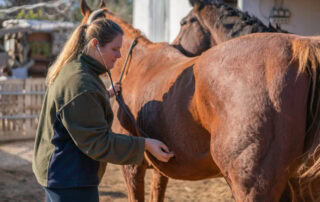
Gut sounds in horses are more than just background noise — they provide valuable clues about digestive function. These gastrointestinal sounds, known as borborygmi, reflect the activity of the digestive tract and can help caretakers detect early signs of gastrointestinal dysfunction. Consistent gut noise generally indicates a healthy digestive system, while significant changes or a complete absence of sound can signal serious concerns such as colic, ileus, or abnormal gut motility. By listening to your horse’s borborygmi, you can assess gastrointestinal motility, the movement of food, gas, and fluids through the gut, and recognize early warning signs before a problem escalates. In this guide, you’ll learn how to assess your horse’s gut sounds, interpret different types of borborygmi, and understand when changes may require veterinary attention to protect your horse’s digestive health and overall well-being.

Does My Horse Have Normal Gut Noises? Healthy vs. Overactive Gut Sounds2026-08-02T13:59:38-04:00

Can Horses Develop Keloids? How to Identify & Treat Abnormal Wound Healing

Keloids are an overgrowth of scar tissue that forms at the site of an injury in humans, extending beyond the original wound boundaries. They are dense, fibrous, and typically raised, smooth, and shiny in appearance. While horses do not develop true keloids as seen in humans, a similar condition known as proud flesh, or exuberant granulation tissue (EGT), is commonly referred to as keloids by owners. Proud flesh occurs when the normal wound healing process is disrupted, leading to an overgrowth of tissue that extends above the skin's surface and hinders proper wound closure. [2] [3] This condition is most commonly seen in the lower limbs and can be triggered by factors such as movement, tension, and delayed healing. Understanding the development, clinical signs, and treatment options for proud flesh is crucial for effectively managing wounds in horses and ensuring proper recovery. To help prevent proud flesh, it's important to provide appropriate wound care, minimize movement, and manage tension, especially in areas prone to irritation. If your horse shows signs of proud flesh, consult a veterinarian for a proper assessment and treatment plan.

Can Horses Develop Keloids? How to Identify & Treat Abnormal Wound Healing2026-08-11T22:04:18-04:00

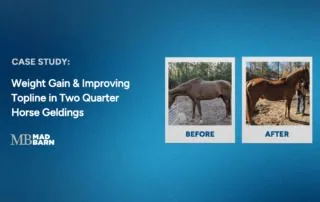
Case Study: Weight Gain and Improving Topline in Two Quarter Horse Geldings

In May of 2024, a diet evaluation was requested for two Quarter Horse geldings named Clark and Andy. They weighed approximately 1000 lbs (500 kg) and were located in Texas, USA. Reported concerns included weight and topline issues following a long move from California to Texas. Their owner’s primary goal was to maintain a good weight and improve their topline health to get them in good enough condition to be ridden.

Case Study: Weight Gain and Improving Topline in Two Quarter Horse Geldings2026-08-02T13:54:26-04:00

Social License to Operate (SLO): Horse Welfare & the Future of the Equine Industry

Social License to Operate (SLO) is the informal but important public approval that lets industries operate without major opposition. In equestrian sport, SLO reflects how the public views the sport’s ethics, transparency, and care for animal welfare. The level of public support a sport enjoys influences its ability to survive and grow. When that support drops, organizers may face new rules and regulations and decreased investment — risks that reduce participation and funding. These challenges show why equestrians benefit from understanding how social license to operate is earned, kept, and strengthened across disciplines. Read on to learn what SLO means for equestrian sport, ethical issues shaping current debate, and future strategies the industry can adopt to maintain public trust and secure long-term success.

Social License to Operate (SLO): Horse Welfare & the Future of the Equine Industry2026-08-21T09:34:50-04:00

Safe Tying & Hitching Techniques for Horses: Complete Guide to Knots, Training, & Best Practices

Securing a horse safely while grooming, tacking up, or providing veterinary care is a fundamental skill in horse management. However, improper tying and hitching methods can lead to stress, injury, or dangerous behavioral issues. When selecting a hitching system, it's important to consider the horse's natural fear response. Horses are prey animals, and their instinct to flee when frightened can lead to dangerous pull-back scenarios if they feel trapped or confined. Safe breakaway systems and quick-release knots not only minimize the risk of injury but also help prevent the development of learned helplessness. By aligning hitching techniques with the horse’s natural behavior, handlers can create a safer, more positive tying experience. Read on to learn more about the principles of safe hitching, the best knots for securing horses, and effective training techniques to ensure the hitching process is safe and comfortable for the horse.

Safe Tying & Hitching Techniques for Horses: Complete Guide to Knots, Training, & Best Practices2026-08-21T09:33:09-04:00

Hay Nets vs. Hay Bags vs. Hay Feeders for Horses: How to Choose the Best Feeding System for Your Farm

The average horse eats about 2% of its body weight in hay per day, and those in heavy work may need as much as 2.5% of their body weight daily. While it seems straightforward to simply toss bales on the ground as needed, doing so leads to waste, trampling and even respiratory issues and impaction colic when dust and dirt are ingested. Using a well‑designed hay feeder not only keeps feed clean and fresh, it also helps promote natural grazing by slowing intake. This in turn helps manage body condition and slashes hay costs. From slow‑feed nets and ground rings to round‑bale huts and automatic dispensers, the right hay feeder can transform how your horse eats — boosting digestive health, reducing waste and improving quality of life. In this guide, we walk through the most popular horse hay feeders on the market, key selection criteria and pro tips to ensure every mouthful counts.

Hay Nets vs. Hay Bags vs. Hay Feeders for Horses: How to Choose the Best Feeding System for Your Farm2026-08-21T09:32:10-04:00

Do Nasal Strips for Horses Really Work? Evidence, Uses & Application Guide

Equine nasal strips are non-invasive devices used to support respiratory function in horses during intense physical activity. Made from stiff, spring-loaded plastic with an adhesive backing, these strips are applied externally across the upper part of the horse's nose. Their main function is to keep the nasal passages open by providing mechanical support to soft tissues that may otherwise collapse in competition. Nasal strips are intended to ease breathing, reduce airflow resistance, and lower internal airway pressure. There is ongoing interest in these devices. They could potentially reduce the risk of exercise-induced pulmonary hemorrhage (EIPH)—a condition where blood enters the nasal passages during or after intense exercise. However, research into the effects of nasal strips on respiratory health and function in horses has had variable results. While the efficacy of these devices remains a matter of ongoing study, trainers continue to rely on nasal strips as a legal method to optimize equine performance and airway health. Read on to learn more about the potential benefits of equine nasal strips and how to use them so your horse is comfortable and performing at their best.

Do Nasal Strips for Horses Really Work? Evidence, Uses & Application Guide2026-08-21T09:30:21-04:00

Aural Plaques (Ear Papillomas) in Horses: Causes, Risk Factors & Treatment

Aural plaques in horses are a skin condition characterized by thick, pale, crusty patches that develop on the inner surface of the ears. These plaques may begin as small, raised bumps and can gradually merge into larger areas of raised, rough tissue. Although they are usually painless and do not affect a horse's general health, aural plaques are often persistent and can sometimes lead to increased sensitivity around the ears and head. The condition is linked to a type of papillomavirus (warts) infection, and while not fully understood, transmission is believed to involve biting insects such as black flies. In most cases, aural plaques are considered a cosmetic issue, but they can complicate handling and grooming if the horse becomes head shy. Treatment is not always necessary, though several topical and surgical options are available when intervention is warranted. Read on to learn more about aural plaques in horses, including how to recognize symptoms, understand risk factors, and implement effective prevention strategies.

Aural Plaques (Ear Papillomas) in Horses: Causes, Risk Factors & Treatment2026-08-21T09:29:21-04:00

Healthy vs. Abnormal Nostril Flaring in Horses: How to Assess Equine Respiratory Effort

Flaring nostrils in horses are a powerful visual cue that should never be overlooked. Often dismissed as a sign of excitement, exertion, or even just a quirk of a particular horse’s personality, nostril flaring can provide critical insights into a horse’s physical health, respiratory function, comfort, and emotional state. Horses are highly expressive animals, and their breathing patterns are closely tied to both their physical exertion and internal wellbeing. A horse's nostrils naturally flare during intense activity, such as exercise or moments of high excitement, to increase airflow and meet the body's elevated oxygen demands. However, nostril flaring while the horse is calm and at rest may point to underlying issues that warrant closer inspection. Persistent or exaggerated nostril flaring can be an early indicator of respiratory distress, pain, or cardiovascular problems. Understanding the difference between healthy nostril flaring and flaring that signals a potential health problem is an important skill that empowers owners and caretakers to seek prompt veterinary attention when needed.

Healthy vs. Abnormal Nostril Flaring in Horses: How to Assess Equine Respiratory Effort2026-08-21T09:28:59-04:00

Do Horses Need Sunscreen? Complete Guide to UV Protection for At-Risk Equines

Wondering if your horse really needs sunscreen? While most horses have adequate ultraviolet (UV) protection thanks to their coat and skin pigmentation, those with pink skin or extensive white markings may need an extra line of defense. Sunscreen works by either absorbing, scattering, or reflecting UV rays, preventing them from penetrating the skin and causing damage. Sunscreen formulas typically include chemical UV filters that absorb UV radiation and convert it into heat, and physical blockers that create a barrier between the skin and UV rays. Read on to learn how UVA and UVB radiation affect equine skin and discover how to assess your horse’s individual risk. Explore equine-formulated sunscreen options, application best practices, and complementary strategies—like shade management and UV-blocking gear—to keep your horse comfortable and protected under the sun all year long.

Do Horses Need Sunscreen? Complete Guide to UV Protection for At-Risk Equines2026-08-21T09:26:31-04:00

Guide to Western Saddles for Horses: History, Types & Construction

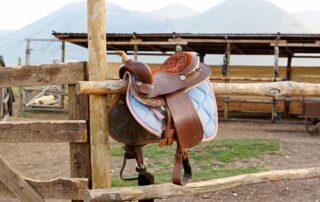
Western saddles are among the most recognizable pieces of equestrian tack, designed for functionality, comfort, and durability. Unlike their English counterparts, Western saddles were developed to support riders who spend long hours in the saddle, particularly during cattle ranching and rodeo sports. Today, the Western saddle is used in various disciplines, from competitive barrel racing to recreational trail riding. Its construction and fit are critical for both horse and rider, influencing comfort, balance, and performance. Whether selecting a saddle for work, sport, or pleasure, understanding the types and fitting considerations is essential. A well-chosen Western saddle not only enhances performance but also promotes long-term comfort for you and your horse. This guide explores the history and evolution of Western saddles, their structural components, and different styles suited to various disciplines. Read on for practical tips when selecting a Western saddle so you and your horse are ready for whatever is waiting for you out on the range.

Guide to Western Saddles for Horses: History, Types & Construction2026-08-21T09:25:51-04:00

Guide to Conditioning Horses: Exercises & Plans for Optimal Performance

Horses that are well-conditioned or physically fit are better able to perform their work. A fit horse has a reduced risk of injury and soreness and their increased strength allows them to work more effectively. Achieving peak performance in horses requires strategic conditioning that enhances endurance, strength, and overall fitness. This comprehensive guide explores the science behind equine conditioning, including cardiovascular and muscular development, terrain training, and tailored exercise routines. Learn how to assess your horse’s fitness level, implement effective conditioning techniques, and develop a custom plan to enhance your horse's performance while prioritizing their long-term health.

Guide to Conditioning Horses: Exercises & Plans for Optimal Performance2026-08-21T09:25:09-04:00

Squamous Cell Carcinoma in Horses: Risk Factors, Treatment & Prognosis

Squamous cell carcinoma (SCC) is one of the most common tumors affecting horses, originating in the squamous epithelial cells that form the outermost layer of the skin and line various internal surfaces. This condition can develop in a wide range of locations, from the skin and eyes to the genitalia and internal organs. SCC is particularly concerning because it can be aggressive, spreading to surrounding tissues and other areas of the body if left untreated.

Squamous Cell Carcinoma in Horses: Risk Factors, Treatment & Prognosis2026-08-21T09:22:44-04:00

Bareback Pads for Horses: How to Choose the Best Pad for Bareback Riding

Bareback riding pads for horses offer a comfortable and secure way to ride without a traditional saddle, combining the close contact of bareback riding with added support and grip. Designed to cushion both horse and rider, these pads help distribute weight, reduce pressure points, and improve stability during rides. Bareback riding offers a unique way to connect with a horse, enhancing balance, communication, and confidence. While riding completely bareback can be rewarding, it also presents challenges, such as potential discomfort for both horse and rider. Bareback pads provide a practical solution. These lightweight pads come in various materials and designs, catering to different riding needs. Bareback pads are a comfortable alternative for casual rides, warm-ups, or training sessions. Whether you're looking to improve your balance, enhance communication with your horse, or enjoy casual riding with less bulk, a bareback pad can be a valuable addition to your tack. Read on to learn about the benefits, features, and drawbacks of using a bareback pad, and how to choose the right one for your needs.

Bareback Pads for Horses: How to Choose the Best Pad for Bareback Riding2026-08-21T09:21:19-04:00

Hoof Degloving (Hoof Capsule Avulsion) in Horses: Treatment & Prognosis

Hoof capsule avulsion, or hoof degloving, is a traumatic injury that can severely impact a horse’s ability to move and function normally. The hoof plays a vital role in supporting the horse's weight, absorbing shock, and maintaining balance, which is fundamental to overall health and performance. [1] Accidents, infections, and laminitis are all possible root causes of this extremely painful equine condition. Any horse with acute lameness requires immediate veterinary attention. Since this injury exposes sensitive internal structures, rapid diagnosis and a carefully managed treatment plan are critical to avoid long-term damage or humane euthanasia. Although rare, hoof capsule loss can occur in horses of any breed or discipline, making awareness and early intervention key.

Hoof Degloving (Hoof Capsule Avulsion) in Horses: Treatment & Prognosis2026-08-21T09:17:47-04:00

Equine Zoonotic Diseases: Managing Disease Risks in Horse-Human Contact

Zoonotic diseases (zoonoses) are illnesses that are contagious between animals and humans. Horses can contract and transmit several different zoonotic diseases to humans, including rabies, anthrax, methicillin-resistant Staphylococcus aureus (MRSA), and ringworm. These pathogens represent three different types of microorganism — viruses, bacteria, and fungi — but all are transmitted through similar mechanisms: improper hygiene, contaminated soil or feed, direct contact, and shared equipment. While horse-to-human transmission of infections is relatively rare, the potential for adverse health outcomes makes awareness and prevention critical for every equine operation. Recognizing the signs of these diseases and implementing strict biosecurity protocols are essential to protecting horse health and human safety. Read on to learn more about zoonotic diseases in horses, their symptoms, and practical strategies for prevention and control.

Equine Zoonotic Diseases: Managing Disease Risks in Horse-Human Contact2026-08-21T09:16:37-04:00

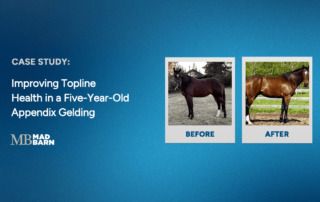
Case Study: Improving Topline Health in a Five-Year-Old Appendix Gelding

In March of 2024, a diet evaluation was requested for a 5-year-old Appendix gelding named Mikey, from Alberta, Canada. He weighed approximately 1000 lb (454 kg), and reported concerns included topline health. His owner’s primary goal was to support Mikey’s topline health and increase his energy level during riding.

Case Study: Improving Topline Health in a Five-Year-Old Appendix Gelding2026-08-20T20:34:52-04:00