Analyze Diet

Top 32 Most Interesting Equine Research Studies of 2024

Emerging equine research is the cornerstone of expanding our understanding of equine health, nutrition, management, and performance. This growing body of research provides valuable insights for veterinarians, equine professionals, and researchers seeking to apply evidence-based approaches in both clinical and practical settings. In this article, we highlight key findings from peer-reviewed studies published in 2024. Spanning topics such as nutrition, exercise physiology, welfare, and veterinary care, this roundup provides high-level insight into where the latest scientific advances are heading.

Top 32 Most Interesting Equine Research Studies of 20242026-08-25T21:38:13-04:00

Metronidazole (Flagyl®) for Horses: Pharmacology, Clinical Uses & Side Effects

Metronidazole (Flagyl®) is a commonly prescribed antibiotic in equine medicine, primarily used to treat bacterial infections in horses. It is particularly effective against clostridial infections, which can disrupt the delicate balance of gut bacteria and lead to severe gastrointestinal illness including colitis and diarrhea. Metronidazole is generally well-tolerated by the horse, but potential side effects include excessive drooling and loss of appetite with oral administration. As with all antimicrobial drugs, the risk of antibiotic resistance should be taken into consideration before administering metronidazole.

Metronidazole (Flagyl®) for Horses: Pharmacology, Clinical Uses & Side Effects2026-08-20T20:24:30-04:00

Allie Schmidt: A Resilient Role Model in Canadian Dressage [Athlete Profile]

"In the womb," is how FEI dressage trainer and athlete Allie Schmidt jokingly describes the start of her equestrian career. Allie's mother has been an avid rider throughout her adult life and passed her passion for horses on to her daughter at an early age. With strong family ties to equestrian sport, it's unsurprising that Allie developed a strong connection with the horses that surrounded her. By her mid-teens, she was already running her own training program from her family's barn in Campbellville, Ontario, and by the end of high school, she was competing at the FEI Junior level in dressage.

Allie Schmidt: A Resilient Role Model in Canadian Dressage [Athlete Profile]2026-08-20T20:23:55-04:00

Feed Storage on Horse Farms: Best Practices to Keep Grain, Supplements & Hay Fresh

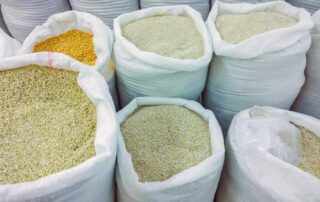
Proper feed storage is essential for effective horse care and efficient farm management. Horses rely on consistent, high-quality nutrition to maintain their health, performance, and overall well-being. Incorrect feed storage can lead to spoilage, contamination, and pest infestations, which waste valuable resources and pose significant health risks to horses. Whether managing a small backyard stable or a large commercial operation, a well-organized and secure feed storage system is crucial. By protecting hay and grain from environmental factors, preventing pests, and maintaining nutritional integrity, proper storage practices can save time, money, and reduce stress.

Feed Storage on Horse Farms: Best Practices to Keep Grain, Supplements & Hay Fresh2026-08-20T20:19:38-04:00

Guide to Reins for Horses: Types, Functions & Positions as a Riding Aid

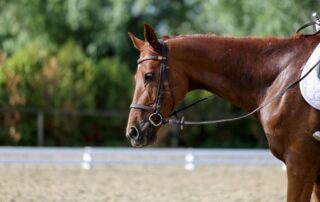
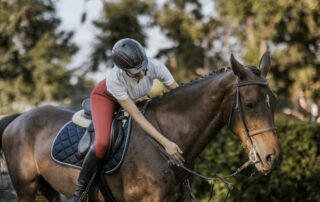
Reins are a standard and useful part of equestrian equipment, serving as the primary connection between a rider and their horse. Attached to the horse's bridle or bit, reins allow for clear communication through subtle movements of the rider’s hands, influencing the horse's direction, speed, posture, and overall responsiveness. The proper use of reins is key for ensuring a positive and effective relationship between rider and horse. Using reins too harshly can cause discomfort or confusion, negatively affecting the horse's willingness to respond. Conversely, gentle and consistent rein handling enables the rider to provide clear cues for a variety of movements, such as turning, slowing down, or maintaining proper head position. Understanding the different types of reins and rein effects is important for selecting the appropriate tools for specific riding disciplines, as well as ensuring both the comfort of the horse and the success of the rider’s communication.

Guide to Reins for Horses: Types, Functions & Positions as a Riding Aid2026-08-20T20:18:32-04:00

Irish Sport Horse Breed Guide: Characteristics, Health Risks & Management

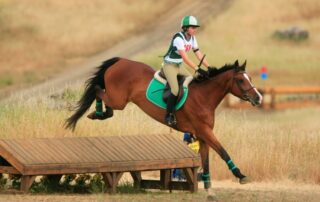
The Irish Sport Horse, or Irish Hunter, is a performance horse breed from Ireland. The breed descends from crosses between Irish Draughts and Thoroughbreds. This cross produced athletic horses with the courage and power to compete at the top levels of eventing and show jumping. Over time, selective breeding has refined the Irish Sport Horse into a world-class competitor known for its agility, endurance, and bold jumping ability. Irish Sport Horses are known for their versatility and robust constitution. Their intelligent and trainable nature makes them suitable for a wide range of equestrian disciplines. They are healthy horses that can stay sound for long competition careers with robust care and management.

Irish Sport Horse Breed Guide: Characteristics, Health Risks & Management2026-08-20T20:17:34-04:00

Supporting Limb Laminitis in Horses: Symptoms, Treatment & Prevention

Supporting Limb Laminitis (SLL) is a serious condition that develops when a horse places excessive weight on one limb due to an injury or other issue in the opposite leg. Prolonged compensatory weight bearing disrupts blood flow within the hoof, weakening the structures that anchor the coffin bone to the hoof wall. SLL leads to significant pain and inflammation in the affected hoof. In severe cases, tissue breakdown within the hoof can lead to separation between the coffin bone and hoof wall, which is often life-limiting. Early indicators—such as sudden lameness in the previously sound limb, increased digital pulse and hoof temperature, and frequent weight‑shifting—can help owners spot SLL before irreversible damage occurs. Without intervention, the condition can progress rapidly. Horses with the symptoms of SLL require immediate veterinary attention.

Supporting Limb Laminitis in Horses: Symptoms, Treatment & Prevention2026-08-20T20:15:42-04:00

American Warmblood Breed Guide: Characteristics, Health & Nutrition

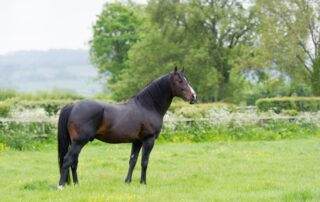
American Warmbloods are sport horses produced by American breeding programs. The term refers to any horse registered with one of the recognized American Warmblood breed organizations. American Warmbloods can descend from any breed if they meet standards for performance and conformation. Diversity within the registry allows the breed to continue to evolve alongside modern sport horse breeding goals. With so many different types and bloodlines in the registry, most horse owners can find their perfect match in an American Warmblood. Bred for versatility, American Warmbloods excel in a variety of disciplines, including dressage, show jumping, eventing, and even driving. Their athleticism, trainability, and balanced conformation make them popular choices for both amateur and professional riders.

American Warmblood Breed Guide: Characteristics, Health & Nutrition2026-08-20T20:13:05-04:00

Kabarda Horse Breed: History, Characteristics & Management

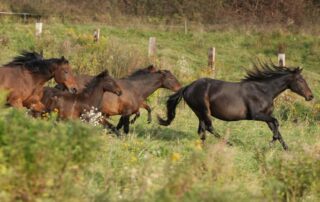
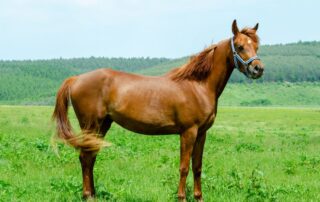
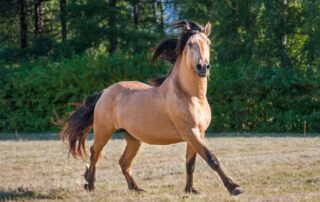
The Kabarda, or Kabardin, horse is a rare breed from the Caucasus mountains. These horses are known for their unique adaptability to mountainous landscapes. The hardiness and bravery that once allowed these horses to carry riders safely through the Caucasus now allow Kabarda horses to excel as versatile recreational mounts. The Kabardin is one of the oldest breeds in Russia, but centuries of military conflict in the region almost drove them to extinction. Today, their future depends on careful conservation and management by Kabarda owners and breeders.

Kabarda Horse Breed: History, Characteristics & Management2026-08-20T20:08:25-04:00

Top 10 Tips for Retraining an OTTB: How to Set Up a Retired Racehorse for a Successful Second Career

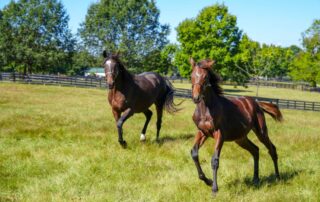
The Off-Track Thoroughbred (OTTB) may start life on the track, but the versatility of this breed means they can go on to have successful second careers. Through patience and consistency, these smart and athletic horses can learn new skills and new riding disciplines that they excel in. Buying an OTTB has several advantages over purchasing a barely broke horse of another breed for many reasons, and the bond you form with an OTTB during the training process is unique and rewarding. In this article, you’ll gain a better understanding of what life is like on the track, what to consider before you begin retraining, the first steps of the retraining process, and training strategies for the OTTB.

Top 10 Tips for Retraining an OTTB: How to Set Up a Retired Racehorse for a Successful Second Career2026-08-20T20:01:56-04:00

Overcoming Fear of Horseback Riding After Injury: Recovery & Coping Mechanisms

Equestrian sports are physically and emotionally rewarding, but as with all sports, riding horses comes with inherent risk to human participants. Falling off a horse can take a life-changing toll on a rider's physical and mental health. The fear that follows an injury is a natural response, driven by the brain’s self-preservation instincts. Left unaddressed, this fear can become a significant barrier preventing a return to saddle, affecting not only performance but also the joy of riding. Riders may experience hesitation, anxiety, or even flashbacks, which can create tension and negatively impact communication with their equine partner. It's important for recovering riders to spend time on their mental and psychological return to sport in addition to their physical rehabilitation. Riders often face a mix of emotions, including frustration, self-doubt, and a loss of trust in their abilities or their horse. These feelings are valid, but with proper support—such as mindset training, professional coaching, and gradual exposure exercises—riders can rebuild their confidence.

Overcoming Fear of Horseback Riding After Injury: Recovery & Coping Mechanisms2026-08-20T19:59:58-04:00

Fitness Exercises for Equestrians: Improving Rider Strength, Flexibility & Mobility

Horseback riding is an athletic pursuit that demands a unique combination of balance, strength, and coordination between horse and rider, regardless of discipline. Equestrian sports require harmony and responsiveness between horse and rider to achieve optimal performance. Riders must develop their physical fitness to maintain control, stability, and fluidity in the saddle, allowing them to respond to their horse's movements with precision and ease. Proper fitness not only enhances personal performance, but also plays a critical role in the horse’s comfort and well-being, reducing the risk of discomfort or injury caused by an unbalanced or tense rider. A physically fit rider is better able to sustain correct posture, absorb the horse’s movement effectively, and communicate aids more clearly. Strength and endurance are essential, particularly in core muscles, which help maintain a secure and independent seat. Flexibility and mobility also play roles in allowing the rider to move in sync with the horse’s natural motion without stiffness or restriction. In addition, fitness may enhance mental resilience, helping riders stay focused and composed under pressure.

Fitness Exercises for Equestrians: Improving Rider Strength, Flexibility & Mobility2026-08-20T19:28:32-04:00

Neck Threadworms (Onchocerca cervicalis) in Horses: Transmission, Symptoms & Prevention

Neck threadworms (Onchocerca cervicalis) are a type of parasitic worm that primarily infect horses. The adult worms live deep within the ligamentum nuchae (the connective tissue along the horse's neck), while their microscopic larvae (microfilariae) migrate into the skin, where they can cause intense irritation and discomfort. Though often overlooked, neck threadworms can lead to severe itching, skin irritation, and even eye inflammation when microfilariae accumulate in sensitive areas. Affected horses may rub their necks, shoulders, and faces, sometimes to the point of hair loss and sores.

Neck Threadworms (Onchocerca cervicalis) in Horses: Transmission, Symptoms & Prevention2026-08-20T19:27:21-04:00

How Do Horses Learn? The Science Behind Equine Training & Behavior

Horses are intelligent and perceptive animals. Through proper training, we can teach them to do all sorts of incredible things – from fun tricks to complex dressage movements, the possibilities are almost endless. The horse’s brain is very different from our own, which can sometimes make training challenging. To successfully teach our horses a new skill, we have to understand how they learn. Our horses are constantly learning from every interaction they have with us, even when we aren’t trying to train them! There is no shortage of training methods out there, but many of them go against the principles of learning theory (aka. how the horse’s brain works during learning). With so much controversy surrounding certain methods, it can be hard to know where to start. In this article, we explore the mental framework of how horses learn, and how you can apply this knowledge to your own training practices. By understanding how the horse takes in new information and makes decisions, you can create a harmonious environment that makes learning enjoyable for both you and your horse.

How Do Horses Learn? The Science Behind Equine Training & Behavior2026-08-20T19:10:02-04:00

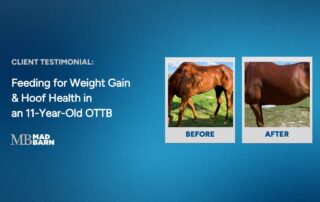
Client Testimonial: Feeding for Weight Gain & Hoof Health in an 11-year-old OTTB

In January 2024, a progress report was submitted for an eleven-year-old off the track Thoroughbred gelding named Hades. He was located in Manitoba, Canada at the time of his progress report. He weighed approximately 1,150 lbs (522 kg) and was reported to be in good condition. His owner reached out to share progress in his hoof health and body condition following dietary changes she implemented.

Client Testimonial: Feeding for Weight Gain & Hoof Health in an 11-year-old OTTB2026-08-20T19:09:24-04:00

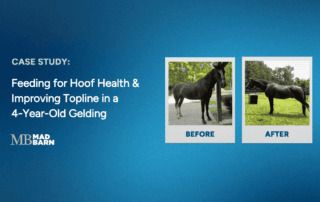
Case Study: Feeding for Topline, Hoof Quality & Respiratory Concerns in a 4-Year Old TWH

In August of 2024, a diet evaluation was requested for a 4-year old Tennessee Walking Horse gelding named Kevin. He was estimated as slightly overweight at 1,115 lb (506 kg). Reported concerns included hoof and topline quality and respiratory health. His owner’s primary goal was to support Kevin’s hoof and overall health, as he had significant hoof issues.

Case Study: Feeding for Topline, Hoof Quality & Respiratory Concerns in a 4-Year Old TWH2026-08-20T19:08:41-04:00

Liniments for Horses: Benefits, Types & How to Apply

Equine liniments are a popular DIY remedy that have been used in horse care for centuries. Many owners and caretakers find liniments a versatile option to address muscle soreness, stiffness, and minor injuries. While their overall efficacy lacks robust scientific backing, liniments remain popular among horse owners due to their convenience and affordability. Liniments have evolved significantly over time, incorporating a wide range of ingredients designed to provide targeted relief. These topical compounds work by stimulating circulation, which can help reduce muscle fatigue and support recovery after intense exercise. While liniments offer symptomatic relief, they should be used in conjunction with timely veterinary care and not as a standalone treatment for musculoskeletal issues.

Liniments for Horses: Benefits, Types & How to Apply2026-08-20T19:07:04-04:00

Meningitis in Horses: Risk Factors, Treatment & Prognosis

Meningitis in horses is a rare but serious neurological condition characterized by inflammation of the meninges—the protective membranes surrounding the brain and spinal cord. This inflammation is often the result of a bacterial or viral infection that spreads to the central nervous system, leading to significant neurological dysfunction. Horses affected by meningitis may exhibit a range of symptoms, including fever, severe depression, loss of coordination, and altered mental state. In severe cases, the condition can progress rapidly, making early recognition and intervention critical for improving outcomes. While meningitis is not commonly seen in equine populations, it is important for horse owners, caregivers, and veterinarians to be aware of potential risk factors, diagnostic methods, and management strategies. This article explores the causes, symptoms, and available treatment options for meningitis in horses, helping to provide a clearer understanding of this life-threatening condition.

Meningitis in Horses: Risk Factors, Treatment & Prognosis2026-08-20T18:48:23-04:00

Protein in the Equine Diet: Nutrient Requirements, Sources & Amino Acids

Protein is an essential nutrient for horses and a key component of the equine diet. Adequate protein is required for supplying the amino acids needed to build and maintain muscle, vital organs, bones, hooves and other tissues. A horse's protein requirement depends on their age, body weight, physiological status, and activity level. For most horses, protein needs are adequately met — or even exceeded — through regular forage intake. Leisure horses or those in light work typically don’t require additional protein in their diet. However, growing foals, lactating mares, and horses in very heavy work have significantly higher protein needs. High-quality protein sources such as fresh pasture, soybean meal, and alfalfa are suitable options to enrich their diets. Inadequate protein intake can lead to weight loss, reduced appetite, and poor coat and hoof health. Conversely, overfeeding protein may cause digestive issues, changes in water intake, and poor air quality from excessive ammonia excretion in urine.

Protein in the Equine Diet: Nutrient Requirements, Sources & Amino Acids2026-08-25T21:34:53-04:00

National Show Horse Breed Guide: Characteristics, Health & Nutrition

The National Show Horse is a relatively new breed that combines the best traits of Arabians and American Saddlebreds to create the ultimate modern-day show horse. National Show Horses excel as competitive riding and driving horses due to their striking ring presence and animated action. While saddle seat is their most popular discipline, many owners enjoy them as versatile pleasure mounts. Performance careers and Arabian ancestry can predispose National Show Horses to specific health problems. But these horses can live long, healthy lives with good care and management.

National Show Horse Breed Guide: Characteristics, Health & Nutrition2026-08-20T18:28:22-04:00

Hoof Poultices for Horses: Uses, Types & Application

Hoof poultices are valuable tools in equine health, particularly when managing conditions such as hoof abscesses, bruises, and other hoof-related ailments. Although scientific research directly supporting their efficacy is limited, decades of equestrian experience and anecdotal evidence underscore their practical benefits. This guide delves into the purpose of hoof poultices, the various types available, and detailed instructions on how to apply and remove them effectively.

Hoof Poultices for Horses: Uses, Types & Application2026-08-25T21:32:44-04:00

Ice Boots for Horses: Types, Uses & How to Apply Cold Therapy

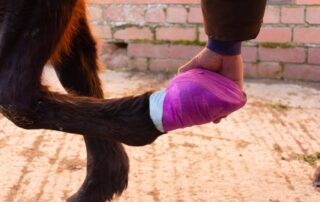
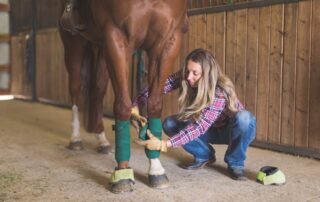
Ice boots are a useful tool for managing recovery in horses after exercise or injury. These specially-designed equine devices help cool the horse’s legs, providing therapeutic benefits that reduce pain, inflammation, and swelling. Ice boots work on principles of cryotherapy: by lowering tissue temperature, cellular activity is slowed and blood vessels are constricted in the treatment area, which reduces inflammation and allows for effective healing. Ice boots are particularly beneficial for horses at risk of laminitis, a condition that causes severe hoof pain, and those recovering from soft tissue injuries. Whether using wet boots that rely on ice and water or dry boots with cold-retaining materials like gel or beads, ice boots come in various designs to suit different needs. Some allow for greater mobility, enabling horses to move freely during treatment, while others are more restrictive but provide effective cooling for the legs. Read on to learn more about how ice boots work, different types, and how to use them effectively to keep your horse performing and comfortable.

Ice Boots for Horses: Types, Uses & How to Apply Cold Therapy2026-08-25T21:32:27-04:00

Cranial Nerves in Horses: Role in Sight, Hearing, Chewing & Balance

The cranial nerves play a vital role in a horse's neurological function, governing essential sensory and motor activities such as vision, hearing, chewing, swallowing, and facial expressions. These twelve pairs of nerves emerge directly from the brain rather than the spinal cord, making them crucial for communication between the central nervous system and structures of the head and neck. Diagnosing cranial nerve dysfunction in horses requires a detailed neurological examination, often including observation of facial symmetry, assessment of reflexes, and specialized tests such as endoscopy. Early detection is crucial, as some conditions affecting the cranial nerves—such as equine protozoal myeloencephalitis (EPM) or guttural pouch infections—can progress rapidly if left untreated.

Cranial Nerves in Horses: Role in Sight, Hearing, Chewing & Balance2026-08-20T18:21:16-04:00

Understanding the Horse’s Brain: Anatomy, Function & Related Diseases

The equine brain is a complex organ responsible for processing sensory information, controlling movement, and managing emotions. Unlike humans, whose brains are heavily developed for logical reasoning and problem-solving, horses rely more on instinct and sensory perception. Their brains are wired for survival, constantly assessing threats and reacting quickly to potential dangers. Weighing approximately 1.5 pounds (700 grams), it represents only about 0.1% of the horse’s total body weight. Key structures of the equine brain include the forebrain, midbrain, and hindbrain. The cerebrum, the largest part of the brain, is responsible for decision-making and memory. The midbrain acts as a relay station between the forebrain and the rest of the body. The hindbrain, the most primitive part of the brain, controls automatic functions such as breathing, heart rate, and digestion.

Understanding the Horse’s Brain: Anatomy, Function & Related Diseases2026-08-20T18:14:57-04:00

Top 7 Cavalletti Exercises for Horses: Improve Strength, Balance & Coordination

Cavalletti, also spelled cavaletti, exercises are a highly effective tool in horse training. Originally developed by renowned horseman Federico Caprilli and later popularized by German dressage master Reiner Klimke, cavalletti work involves training over small, evenly spaced poles on the ground. These exercises can be adapted to benefit horses across all disciplines, from dressage and show jumping to eventing and even recreational riding. Cavalletti work can help improve a horse's strength, balance, and coordination. By engaging the core muscles and encouraging a steady rhythm, cavalletti exercises help develop suppleness and self-carriage without putting excessive strain on joints and tendons. They can also improve the rider's skills, allowing them to develop a better feel for their horse's movement and improve their ability to regulate pace and rhythm.

Top 7 Cavalletti Exercises for Horses: Improve Strength, Balance & Coordination2026-08-20T18:14:07-04:00

Back Pain in Horses: Signs, Causes, Treatment & Management

Back pain is a common yet often overlooked issue in horses, affecting their performance, behavior, and overall well-being. Studies show that up to 54% of sport horses and 90% of racehorses show signs of back disease. Whether they are elite athletes, working horses, or beloved companions, equines rely on a strong, healthy back for movement, flexibility, and comfort.

Back Pain in Horses: Signs, Causes, Treatment & Management2026-08-20T18:19:27-04:00

“Roach Back” in Horses: Causes, Treatment & Prevention of Equine Kyphosis

Roach back, or equine kyphosis, is an uncommon but noteworthy spinal condition. It is characterized by an upward arching of the back, disrupting the natural concave curve between the withers and haunches. This structural anomaly stems from malformations in the vertebrae (spinal bones) and may vary in severity, ranging from purely cosmetic to cases where pain, limited mobility, and even neurological issues are present.

“Roach Back” in Horses: Causes, Treatment & Prevention of Equine Kyphosis2026-08-20T18:24:03-04:00

Septic Laminitis in Horses: Causes, Treatment & Prognosis

Sepsis-associated laminitis is a serious and potentially life-threatening condition in horses, characterized by the disruption of the connection between the hoof wall and the underlying bone due to systemic inflammation. This form of laminitis arises as a result of a severe whole-body response to infections or other triggers, leading to widespread inflammation. In horses experiencing sepsis-associated laminitis, the lamellae, the structures that bind the hoof to the bone, become inflamed and structurally compromised, resulting in pain and difficulty standing. Sepsis-associated laminitis is commonly linked to systemic inflammatory response syndrome (SIRS), which can arise from conditions such as pneumonia, colitis, or trauma. This condition requires early and aggressive treatment.

Septic Laminitis in Horses: Causes, Treatment & Prognosis2026-08-20T18:25:22-04:00

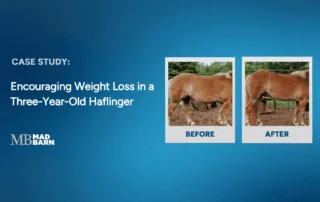
Case Study: Feeding for Weight Loss & Body Condition in a 3-Year-Old Haflinger Gelding

In July 2024, a diet evaluation was requested for a three-year-old Haflinger gelding named Sawyer. He was located in British Columbia, Canada at the time of the submission. He weighed 1,097 lb (500 kg). Sawyer was reported to be overweight despite a rationed forage intake and a low-calorie diet. His owner’s primary goal was to encourage weight loss to avoid the possible health ramifications of maintaining an ample body condition.

Case Study: Feeding for Weight Loss & Body Condition in a 3-Year-Old Haflinger Gelding2026-08-20T18:11:20-04:00

Hay Storage for Horse Farms: 7 Tips to Save Money & Keep Your Horse Safe

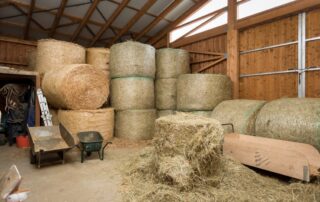
Proper hay storage is essential for maintaining the quality, safety, and nutritional value of your horse's feed. Whether you’re managing a large equine facility or a small hobby farm, knowing how to store hay correctly can prevent mold, spoilage, and costly waste. Investing in a robust hay storage plan helps safeguard horse health and contributes to overall sustainability on the farm. There are effective hay storage options for indoor and outdoor needs, and it's important to implement best practices including pest control and regular inspection of stores to minimize spoilage and waste. Inadequate ventilation, improper stacking, or failure to control moisture levels can turn quality forage into a health hazard. Taking proactive steps in hay management ensures your horses receive optimal nutrition without compromising their well-being.

Hay Storage for Horse Farms: 7 Tips to Save Money & Keep Your Horse Safe2026-08-20T18:06:28-04:00