Analyze Diet

Back Pain in Horses: Signs, Causes, Treatment & Management

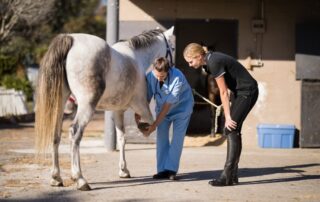
Back pain is a common yet often overlooked issue in horses, affecting their performance, behavior, and overall well-being. Studies show that up to 54% of sport horses and 90% of racehorses show signs of back disease. Whether they are elite athletes, working horses, or beloved companions, equines rely on a strong, healthy back for movement, flexibility, and comfort.
Back Pain in Horses: Signs, Causes, Treatment & Management2026-08-20T18:19:27-04:00

“Roach Back” in Horses: Causes, Treatment & Prevention of Equine Kyphosis

Roach back, or equine kyphosis, is an uncommon but noteworthy spinal condition. It is characterized by an upward arching of the back, disrupting the natural concave curve between the withers and haunches. This structural anomaly stems from malformations in the vertebrae (spinal bones) and may vary in severity, ranging from purely cosmetic to cases where pain, limited mobility, and even neurological issues are present.

“Roach Back” in Horses: Causes, Treatment & Prevention of Equine Kyphosis2026-08-20T18:24:03-04:00

Septic Laminitis in Horses: Causes, Treatment & Prognosis

Sepsis-associated laminitis is a serious and potentially life-threatening condition in horses, characterized by the disruption of the connection between the hoof wall and the underlying bone due to systemic inflammation. This form of laminitis arises as a result of a severe whole-body response to infections or other triggers, leading to widespread inflammation. In horses experiencing sepsis-associated laminitis, the lamellae, the structures that bind the hoof to the bone, become inflamed and structurally compromised, resulting in pain and difficulty standing. Sepsis-associated laminitis is commonly linked to systemic inflammatory response syndrome (SIRS), which can arise from conditions such as pneumonia, colitis, or trauma. This condition requires early and aggressive treatment.

Septic Laminitis in Horses: Causes, Treatment & Prognosis2026-08-20T18:25:22-04:00

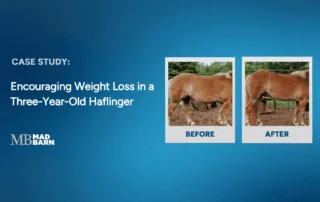
Case Study: Feeding for Weight Loss & Body Condition in a 3-Year-Old Haflinger Gelding

In July 2024, a diet evaluation was requested for a three-year-old Haflinger gelding named Sawyer. He was located in British Columbia, Canada at the time of the submission. He weighed 1,097 lb (500 kg). Sawyer was reported to be overweight despite a rationed forage intake and a low-calorie diet. His owner’s primary goal was to encourage weight loss to avoid the possible health ramifications of maintaining an ample body condition.

Case Study: Feeding for Weight Loss & Body Condition in a 3-Year-Old Haflinger Gelding2026-08-20T18:11:20-04:00

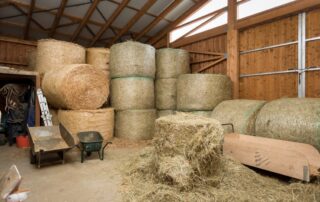
Hay Storage for Horse Farms: 7 Tips to Save Money & Keep Your Horse Safe

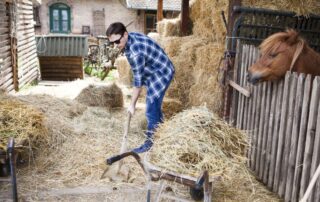
Proper hay storage is essential for maintaining the quality, safety, and nutritional value of your horse's feed. Whether you’re managing a large equine facility or a small hobby farm, knowing how to store hay correctly can prevent mold, spoilage, and costly waste. Investing in a robust hay storage plan helps safeguard horse health and contributes to overall sustainability on the farm. There are effective hay storage options for indoor and outdoor needs, and it's important to implement best practices including pest control and regular inspection of stores to minimize spoilage and waste. Inadequate ventilation, improper stacking, or failure to control moisture levels can turn quality forage into a health hazard. Taking proactive steps in hay management ensures your horses receive optimal nutrition without compromising their well-being.

Hay Storage for Horse Farms: 7 Tips to Save Money & Keep Your Horse Safe2026-08-20T18:06:28-04:00

Headshaking in Horses: Causes, Risk Factors & Treatment

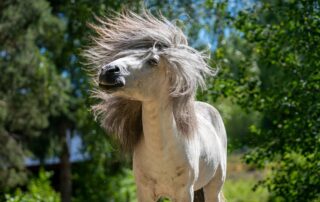
Headshaking in horses describes repeated, uncontrollable, usually vertical movements of the head and neck. This behavior can be concerning for owners and caretakers, as some forms are a source of significant distress for horses. Headshaking may appear gradually or suddenly, and it may be persistent or intermittent. Some horses only exhibit this behavior seasonally while others have episodes throughout the year. As a symptom, headshaking isn't a disease in and of itself, but can signal a variety of medical conditions. However, in many cases the cause remains unknown. In some horses, headshaking can have a noticeable impact on daily activities and overall performance. Persistent headshaking may interfere with eating, training, and social interactions, potentially reducing the horse’s quality of life. Read on to learn more about this perplexing equine behavior and how to identify the need for veterinary intervention. By understanding the possible causes and triggers of headshaking in horses, owners and caretakers can ensure their herd is happy and comfortable for years to come.

Headshaking in Horses: Causes, Risk Factors & Treatment2026-08-20T18:05:25-04:00

Purchasing an OTTB: Retraining Incentives, Competitions & Thoroughbred Makeover

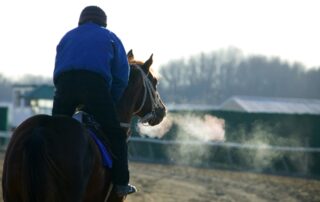
When searching for a new competition partner, riders have countless horse breeds to consider. While some focus on purebreds for breed-specific incentives, others prioritize finding a horse capable of excelling in the show ring and advancing through the levels in their chosen discipline. Yet, off-the-track Thoroughbreds (OTTBs) are often overlooked despite the growing opportunities to retrain them for successful show careers. This article highlights the many advantages of choosing an OTTB as your next competitive show horse.

Purchasing an OTTB: Retraining Incentives, Competitions & Thoroughbred Makeover2026-08-20T18:01:42-04:00

Camille Carier Bergeron: A Canadian Dressage Star on the Rise

Camille Bergeron isn't sitting back, but she is enjoying the ride. The Grand Prix dressage rider has a long list of early-career highlights, and over the past two years, an air of excitement has grown around Bergeron's development as an athlete, team player and ambassador for Canada on the global dressage stage.

Camille Carier Bergeron: A Canadian Dressage Star on the Rise2026-08-20T18:00:03-04:00

How to Reduce Hay Waste on Horse Farms: 5 Tips to Lower Costs

Hay waste is a persistent issue on many horse farms, leading to significant financial losses and increased labor demands. As a staple in equine nutrition, hay is an essential source of fiber, nutrients, and forage, which supports the horse's digestive health and overall well-being.  Minimizing hay waste not only reduces costs but also ensures more efficient use of resources, contributing to environmental sustainability and better horse welfare. This article explores the primary causes of hay waste and provides practical strategies to reduce it through proper storage, feeding techniques, and management practices.

How to Reduce Hay Waste on Horse Farms: 5 Tips to Lower Costs2026-08-20T17:55:54-04:00

Red Light Therapy for Horses: Benefits, Applications & Limitations

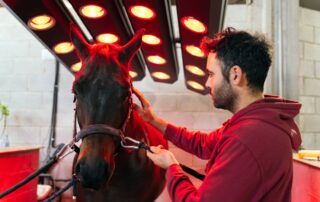
Over recent years, red light therapy has become an increasingly popular treatment option for managing pain, inflammation, and muscle recovery in horses. Horse owners, veterinarians, and equine therapists have turned to this non-invasive technology to help optimize recovery times, promote healing, and enhance the well-being of their equine partners. Red light therapy, or photobiomodulation (PBM), involves exposing cells to specific wavelengths of light, most commonly red and near-infrared (NIR) light, to encourage natural cellular functions. This exposure is purported to improve blood circulation, reduce oxidative stress, and aid in tissue repair, which makes red light therapy especially valuable for injuries and performance maintenance in horses. While red light therapy has long been a popular therapeutic option for humans, its benefits may also apply to equine care. Read on to discover how it works, what it can do for horses, and practical ways to incorporate red light therapy into your horse’s routine.

Red Light Therapy for Horses: Benefits, Applications & Limitations2026-08-25T21:30:52-04:00

“Splints” in Horses: Metacarpal Exostosis & Interosseous Desmitis Risk Factors, Causes & Treatment

Splints are a common condition in horses characterized by bony growths or swellings along the splint bones, which run parallel to the cannon bone in the horse’s lower legs. "Splints" is a broad term used in common language to describe pain in the horse's shins. The root cause of splint pain may be related to metacarpal or metatarsal exostosis, new bone production around the splint bones, or interosseous desmitis, inflammation of the ligament between the splint bone and the cannon bone, or both. This condition often develops in young, active horses undergoing intense training. While splints can cause pain, swelling, and lameness, they typically respond well to rest and conservative management. Understanding the causes, symptoms, and treatment options for splints is essential for maintaining your horse’s soundness and performance. Read on to learn everything you need to know about identifying splints so you can manage the condition effectively and support your horse’s recovery.

“Splints” in Horses: Metacarpal Exostosis & Interosseous Desmitis Risk Factors, Causes & Treatment2026-08-20T17:54:27-04:00

Hyaluronan Injections for Horses: Uses, Side Effects & Outcomes

Hyaluronan injections, commonly known as hyaluronic acid (HA) injections, have become a trusted solution for managing joint health in horses. Whether your horse is dealing with osteoarthritis, recovering from an injury, or needs extra joint support as a performance horse, HA injections can provide relief by reducing inflammation, improving joint lubrication, and relieving pain. In this guide, we explore the uses, potential side effects, and expected outcomes of hyaluronan injections, helping you make informed decisions about your horse’s care and well being.

Hyaluronan Injections for Horses: Uses, Side Effects & Outcomes2026-08-20T17:53:48-04:00

Inappropriate Lactation in Mares: Causes, Treatment & Prevention

Lactation is a vital process for broodmares, ensuring the survival and growth of foals by providing essential nutrients and immune protection. However, some mares experience abnormal or inappropriate lactation, producing milk outside the expected timeline—either too early, too late, or even when not pregnant. Disordered lactation requires veterinary assessment, as these occurrences can signal underlying health issues such as hormonal imbalances, nutritional deficiencies, placentitis, or metabolic conditions like Cushing’s disease - all of which pose a risk to the overall health and safety of dam and fetus. Understanding normal lactation cycles, potential causes of inappropriate milk production, and effective management strategies is essential for horse owners, caretakers, and other personnel involved in breeding operations. This guide explores the lactation process in mares, common lactation abnormalities, and how to prevent or treat conditions affecting milk production to support mare and foal health.

Inappropriate Lactation in Mares: Causes, Treatment & Prevention2026-08-20T17:50:50-04:00

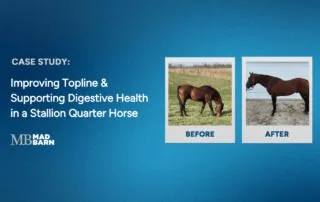
Case Study: Improving Topline & Supporting Digestive Health in a Stallion Quarter Horse

In March of 2024, a diet evaluation was requested for a 31-year-old non-breeding stallion Quarter Horse named Mouse. He weighed approximately 950 lb (430 kg) and was located in Missouri, USA. Reported concerns included topline health and ulcers. His owner’s primary goal was to support Mouse’s digestive health, encourage muscle development, and support healthy aging and longevity.

Case Study: Improving Topline & Supporting Digestive Health in a Stallion Quarter Horse2026-08-25T21:29:36-04:00

Mad Barn on the EquiScience Podcast: Answering Listener Questions on Equine Nutrition

At Mad Barn, we’re passionate about supporting horse owners through research and equine expertise, providing education and solutions for equine health and nutrition. We were thrilled to join Elisa Walfish from the Data Driven Equestrian this past December to answer questions about horse care, nutrition, and health. Our experts—Dr. Priska Darani, Ph.D., PAS and Mad Barn's Head of Research, Scott Cieslar, M.Sc. and Mad Barn CEO, and Dr. Fran Rowe, DVM, PAS and Mad Barn Veterinary Nutritionist—discussed practical strategies and insights to help horse owners make informed decisions for the horses in their care. We’d like to extend our gratitude to Elisa for inviting Mad Barn to share our knowledge with her audience and for creating such an engaging platform for everyday owners to explore equine science. Check out both of the Mad Barn feature episodes and more at the Data Driven Equestrian or wherever you get your podcasts.

Mad Barn on the EquiScience Podcast: Answering Listener Questions on Equine Nutrition2026-09-15T17:47:23-04:00

Returning Horses to Work: Ensuring a Successful Comeback from Injury or the Off-Season

When it’s time to bring a horse back to work after a period of inactivity, whether due to injury, broodmare duties, or seasonal downtime, the process requires thoughtful planning and patience. A gradual return to work (RTW) program tailored to the horse’s specific needs ensures their safety, health, and long-term performance. This article provides a comprehensive guide to bringing your horse back to work, focusing on assessment, goal-setting, exercise planning, and ongoing monitoring.

Returning Horses to Work: Ensuring a Successful Comeback from Injury or the Off-Season2026-09-15T17:53:07-04:00

Stem Cell Therapy for Horses: Applications, Benefits & Side Effects

Stem cell therapy is gaining attention in equine veterinary care as a potential option for treating injuries and managing degenerative conditions. This treatment approach is being explored for its ability to support tissue repair and aid recovery in horses with joint, tendon, and ligament issues. By utilizing the body's own regenerative capabilities, stem cell therapy aims to promote healing and improve function in affected areas. It is considered a possible alternative or complement to traditional treatments, with ongoing research evaluating its effectiveness and long-term outcomes. In this article, we will discuss how stem cell therapy works, the conditions it may address, and what horse owners can expect when considering this treatment for their horses.

Stem Cell Therapy for Horses: Applications, Benefits & Side Effects2026-08-20T17:39:24-04:00

Dorsal Displacement of the Soft Palate in Horses (DDSP): Causes, Diagnosis & Treatment of Palate Flipping

Dorsal Displacement of the Soft Palate (DDSP), commonly known as "flipping the palate," is a respiratory condition that significantly affects a horse’s performance, especially during intense exercise. It is one of the most common causes of upper airway obstruction in racehorses. DDSP occurs when the soft palate, located at the back of the horse's mouth, displaces upward during exertion, causing partial or complete airway obstruction. This can lead to difficulty breathing, noisy respiration, and a decline in athletic ability. While the condition is most commonly observed in racehorses and high-performance athletes, it can affect horses across various disciplines. Understanding the causes, symptoms, and management of DDSP is essential for maintaining a horse’s health and optimizing its performance in competition.

Dorsal Displacement of the Soft Palate in Horses (DDSP): Causes, Diagnosis & Treatment of Palate Flipping2026-08-20T17:36:40-04:00

Case Study: Feeding for Weight Loss & Laminitis Prevention in an 11-Year Old Quarter Horse Gelding

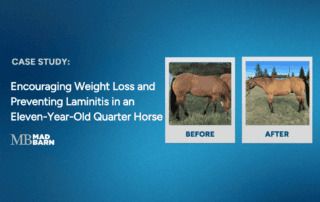
In January 2024, a diet evaluation was requested for an eleven-year-old Quarter Horse gelding named Junior. He was located in Alberta, Canada at the time of his diet evaluation submission. He weighed 1300 lbs (590 kg) and was reported to be overweight and recovering from a recent bout of laminitis. His owner’s primary goal was to encourage weight loss and prevent future laminitic episodes.

Case Study: Feeding for Weight Loss & Laminitis Prevention in an 11-Year Old Quarter Horse Gelding2026-08-25T21:28:20-04:00

Budweiser Clydesdales: History of the Most Popular Draft Horses in North America

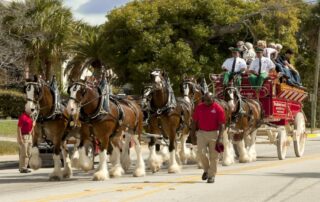
The NFL's annual Super Bowl is the biggest television and marketing event in North America every year. Among the many popular corporate icons associated with America's most famous sporting tradition is the beloved Budweiser Clydesdales hitch team. The familiar draft horses have a fascinating history whose standards and training have been upheld as a representation of American work ethic and prosperity for decades. Read on to learn more about how the Budweiser Clydesdales came to be, and their continued role in modern American equestrian culture.

Budweiser Clydesdales: History of the Most Popular Draft Horses in North America2026-08-20T16:15:28-04:00

Understanding Rollkur: Horse Welfare & Ethical Training Practices in Dressage

Rollkur, or hyperflexion, is a technique used in equestrian disciplines to create a compact, low, and rounded horse posture. It involves excessive flexion of the horse’s neck, where the horse’s head is drawn back towards its chest, potentially exceeding its natural range of motion. This position is typically achieved through pressure applied by the rider's hands and legs. Scientific evidence highlights that the extreme positioning of a horse’s head and neck in rollkur can negatively affect both physical and mental well-being. When applied forcefully and for prolonged periods, rollkur may lead to pain, stress, restricted airflow, and long-term health issues. Various factors influence the extent of rollkur's impact on the individual horse, including the rider’s skill level, the horse’s age, conformation, and physical condition, as well as the amount of force and duration of application. These nuances make it challenging to categorize hyperflexion as universally harmful under all circumstances. Further, the distinction between rollkur and other neck flexion techniques, such as Low, Deep, and Round (LDR), often complicates the debate, as both involve significant neck bending but differ in the degree of force and the underlying training philosophy.

Understanding Rollkur: Horse Welfare & Ethical Training Practices in Dressage2026-08-20T16:12:46-04:00

Tongue Ties in Horses: Welfare Implications & Ethical Training of Racehorses

Tongue ties are devices commonly used in horse racing to restrict a horse's tongue, which helps improve control and optimize upper airway function. Typically made from materials such as cloth, leather, or elastic, these devices are tied around the tongue and secured to the horse's lower jaw or bit. While tongue-ties are primarily used to prevent undesirable behaviors like moving the tongue over the bit, they have also been explored as a management tool for equine health conditions, such as dorsal displacement of the soft palate (DDSP). Despite their widespread use, the application of tongue ties raises welfare concerns. These concerns include questions about the root causes of the behaviors they aim to address and whether tongue ties offer a sustainable solution or simply mask underlying issues. While tongue ties may be effective for some horses, they may not work for others, particularly those with different anatomical features. The effectiveness of tongue ties, as well as their ethical implications in both competitive and therapeutic contexts, remains a topic of ongoing debate.

Tongue Ties in Horses: Welfare Implications & Ethical Training of Racehorses2026-08-20T16:10:48-04:00

How to Support your Horse’s Muscles: Feeding & Management

Horses are muscular animals, with a high proportion of muscle mass relative to their body weight. This impressive musculature has been shaped through centuries of selective breeding for athletic traits, including speed and strength, that enable horses to excel in racing, sport and work. For the typical horse, muscles make up approximately 40% of their total body weight. In horses bred for athletic performance, such as Thoroughbreds, muscle may comprise as much as 55% of their body weight. Breeding practices to select horses for specific equestrian disciplines have not only led to differences in muscle composition, but also to differences in muscle arrangement within the body. Horses bred for speed typically have longer muscle fibers, allowing for a greater speed of contraction. Conversely, horses bred for power, such as draft horses, have shorter but thicker muscles, providing improved pulling capacity. Whether your horse is an elite athlete or a pleasure mount, supporting muscle health is an important part of optimizing their overall performance and well-being. Continue reading to learn more about how diet, management and training impact muscle function in horses.

How to Support your Horse’s Muscles: Feeding & Management2026-08-20T16:10:00-04:00

Basic Health Check for Horse Owners: [Veterinarian-Backed How-To Guide]

Regular health checks are an essential component of maintaining your horse's well being, performance, and longevity. Comprehensive health checks allow for early detection of illness, injury, or discomfort, allowing for prompt veterinary treatment and better health outcomes in the long-term. The ability to examine your horse for signs of illness or injury is a critical skill that all horse owners should have. Many common health problems show symptoms that a keen observer could identify on a basic health check. Health checks can also assist in emergency situations by providing your veterinarian crucial information before they arrive at your farm. Performing a horse health check is simple and takes less than 5 minutes. This guide was written and approved by our internal team of qualified veterinarians and is designed to walk you through a horse health check step-by-step, giving you the information you need to perform a health check on your own horse.

Basic Health Check for Horse Owners: [Veterinarian-Backed How-To Guide]2026-08-20T16:07:17-04:00

Top 7 Gymnastic Jumping Exercises for Horses: Improve Strength, Balance & Performance

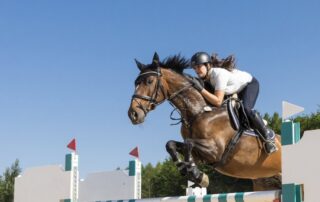
Gymnastic jumping exercises are an essential part of training for the jumping equestrian disciplines. These exercises involve a series of poles and jumps arranged in patterns that challenge both horse and rider to improve their skills. Gymnastic exercises focus on enhancing the horse’s strength, coordination, and technique without the distractions of navigating complex turns or lines. They provide an excellent foundation for horses of all skill levels, whether they are novices learning to jump or experienced athletes honing their abilities for competitive events. These exercises also benefit riders by improving timing, balance, and communication with the horse. Riders learn to stay in sync with their horse’s rhythm and provide subtle, clear aids to guide them through the exercises. In this article, we explore the benefits of gymnastic exercises, necessary equipment, and some basic gymnastic exercises you can try with your horse. By the end, you’ll have the tools and knowledge to unlock your horse’s full potential while creating a more harmonious partnership.

Top 7 Gymnastic Jumping Exercises for Horses: Improve Strength, Balance & Performance2026-08-18T22:08:56-04:00

Water Heating Systems for Horse Farms: Save Energy & Maintain Hydration All Year Long

Hydration is essential for equine health year-round, but winter brings unique challenges that can make water supply management more difficult. Frozen troughs, reduced water intake, and the increased risk of colic or dehydration are all concerns that horse owners must address during the colder months. Winter watering systems are designed to simplify this task, providing reliable solutions to provide clean, fresh water to your horses. From heated buckets to automatic waterers and insulated troughs, these systems can prevent the formation of ice and encourage consistent drinking habits. Selecting the right system depends on factors such as the size of your herd, your budget, and the specific weather conditions in your area. Read on to learn more about various winter watering options and discuss their pros and cons. Whether you’re a seasoned equestrian or new to horse care, this guide will help you make informed decisions to keep your horses healthy and hydrated all winter long.

Water Heating Systems for Horse Farms: Save Energy & Maintain Hydration All Year Long2026-08-18T22:06:40-04:00

Manganese for Horses: Requirements, Digestion & Deficiencies

Manganese is an essential trace mineral involved in multiple physiological processes within a horse’s body. It is an important component of antioxidant enzymes and plays key roles in skeletal, muscular, and nervous system health. Because of its importance, certain groups — such as lactating mares, growing horses, and some performance horses — require higher levels of manganese in their diet. While most horses obtain sufficient manganese through their diet from forages, fortified feeds, and certain supplements, actual levels can vary based on soil conditions and where feedstuffs are grown. Read on to learn how to determine your horse’s manganese requirement, select the most effective dietary sources, and avoid potential imbalances that can arise from manganese excess or deficiency.

Manganese for Horses: Requirements, Digestion & Deficiencies2026-08-18T22:01:29-04:00

Thoroughbred Bloodlines in Quarter Horse Pedigrees: Comparison, Appendix Crosses & Breeding Trends

As the dominant breed in reining and barrel racing, talented Quarter Horses are among the most valuable performance equines in the world. While ranching Quarter Horses are famous for their cow sense and rodeo skills, racing Quarter Horses have been refined for athleticism with the help of Thoroughbred bloodlines. In fact, a number of Thoroughbred stallions are a strong part of the foundation for the Quarter Horse breed. Even today, 18 of the Quarter Horse Hall of Famers have significant Thoroughbred breeding in their pedigrees, and seven of them are full Thoroughbreds. With this proven success, the popularity and influence of Thoroughbred blood on Quarter Horse lines is making a comeback in a variety of disciplines. Read on to learn how the elegance, speed and stamina of Thoroughbreds have shaped the modern Quarter Horse and how the breed is developing further alongside some of the most popular equestrian sports in the modern era.

Thoroughbred Bloodlines in Quarter Horse Pedigrees: Comparison, Appendix Crosses & Breeding Trends2026-08-18T21:56:21-04:00

Top 12 Ground Pole Exercises for Horses: Improve Fitness, Coordination & Focus

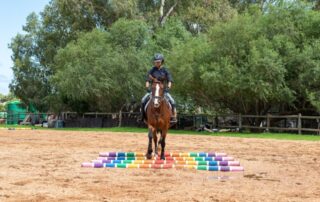
Ground pole exercises are a versatile and highly effective tool for equestrians seeking to improve their horse's fitness, coordination, and mental engagement. Moreover, they’re cost-effective and easy to set up, requiring minimal equipment and space. Whether you’re training a dressage prospect, fine-tuning a jumper, or simply enhancing your trail horse’s agility, incorporating ground poles into your routine offers countless benefits. Unlike higher-impact jumping or intense conditioning drills, ground pole work is low-impact, making it suitable for horses of all ages, fitness levels, and disciplines. In this article, we explore a variety of ground pole exercises designed to enhance your horse’s physical and mental capabilities. From young horses learning the basics to seasoned competitors maintaining peak performance, these exercises can be adapted to meet individual needs for a fun and enriching training session.

Top 12 Ground Pole Exercises for Horses: Improve Fitness, Coordination & Focus2026-08-18T22:06:10-04:00

DIY Hay Feeders for Horses: Considerations, Maximizing Hay Supply & How-to Guide

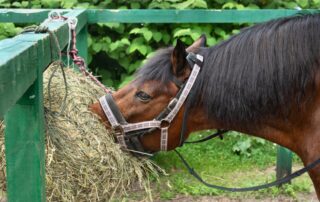
Building your own hay feeders for horses is a practical and cost-effective solution to minimize hay waste, maintain cleanliness, and ensure your herd has consistent access to forage. Whether you’re looking for simple designs or more advanced builds, DIY hay feeders allow you to customize feeding setups to suit your horse’s needs and your budget. This guide explores the benefits of DIY hay feeders, provides step-by-step instructions, and shares tips to help you create efficient feeders that promote healthy eating habits while saving time and resources.

DIY Hay Feeders for Horses: Considerations, Maximizing Hay Supply & How-to Guide2026-08-18T21:53:43-04:00