Analyze Diet

How to Properly Apply a Hoof Bandage for Your Horse: A Step-by-Step Guide

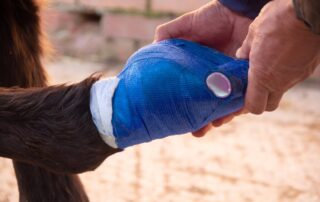
Proper hoof care is essential to maintaining a horse's overall health and performance. Whether your horse has a minor hoof injury, an abscess, or a crack that requires protection, knowing how to apply a hoof bandage is a valuable skill for any horse owner or caretaker. Hoof bandages protect wounds from dirt and bacteria, prevent further damage, and promote healing in a clean and stable environment. While the task may seem intimidating at first, with the right tools and a clear process, you can confidently care for your horse’s hoof and ensure its recovery. In this guide, we walk you through the materials you need, the steps to take, and tips to ensure the bandage stays secure and comfortable.
How to Properly Apply a Hoof Bandage for Your Horse: A Step-by-Step Guide2026-08-18T21:50:56-04:00

Equine Rehabilitation Programs: What to Expect When Your Horse is Recovering – [Guide]

Helping a horse recover from injury requires patience, careful planning, and a basic understanding of equine rehabilitation principles. From controlled exercise and proper nutrition to therapeutic techniques and mental well-being, every step in the recovery process plays a crucial role in restoring your horse’s health and performance. This guide is designed for horse owners to navigate the rehabilitation journey with confidence, ensuring the best possible outcomes for their equine partners. Whether the goal is to return the horse to competition or simply to regain comfortable daily movement, understanding how practitioners design rehabilitation programs and knowing what to expect are fundamental to optimal outcomes for horses and owners.

Equine Rehabilitation Programs: What to Expect When Your Horse is Recovering – [Guide]2026-08-18T21:49:33-04:00

Skin Allergies in Horses: Common Types, Diagnosis & Management

Skin allergies are a common yet often misunderstood condition in horses, affecting equine comfort, performance, and overall well being. From itchy rashes to persistent dermatitis, these reactions can arise due to environmental factors, insect bites, or other triggers. For horse owners, recognizing the early signs of skin allergies and understanding their causes is essential for effective management. Read on to learn more about the common types of equine skin allergies, the symptoms to watch for, and practical strategies to keep your herd healthy and itch-free. Whether you're dealing with seasonal sensitivities or chronic skin conditions, understanding more about this complex immune reaction can help owners and caretakers maintain horse skin health and comfort all year long.

Skin Allergies in Horses: Common Types, Diagnosis & Management2026-08-18T21:45:00-04:00

Colitis in Horses: Symptoms, Causes & Treatment

Colitis in horses is a serious inflammatory condition affecting the colon, leading to symptoms such as diarrhea, dehydration, and abdominal discomfort. Colitis is a general term that describes inflammation in the colon. In horses, there are a number of conditions associated with different forms of colitis, including prolonged use of NSAIDs and bowel infections. Recognizing the signs early and understanding the potential causes can help horse owners provide timely care, ensuring better outcomes for affected horses. Diagnosis of colitis can be complex and identifying specific causes is challenging. Treatment focuses on supportive care, including hydration, nutritional management, and anti-inflammatory measures. Prevention strategies, such as gradual dietary changes, stress management, and careful medication use, are useful in minimizing risk. Read on to learn more so you are prepared to take action if one of your herd appears to be struggling with abdominal issues.

Colitis in Horses: Symptoms, Causes & Treatment2026-08-18T21:44:00-04:00

Whisker Trimming in Horses: Purpose, Regulations & Equine Welfare

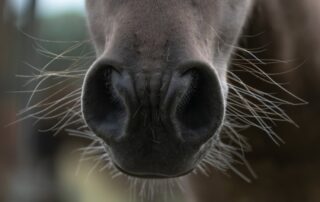
Whisker trimming involves the removal of a horse’s long, sensitive vibrissae—specialized hairs around the muzzle, eyes, and sometimes ears. These hairs are deeply rooted and connected to nerve endings, playing a crucial role in sensory perception. Traditionally performed for cosmetic purposes, especially in competitive settings where a polished appearance is prioritized, whisker trimming may compromise a horse's ability to navigate and interact safely with its surroundings. Awareness of the welfare concerns associated with whisker trimming, including reduced sensory function and an increased risk of injury, has led to its prohibition in several countries, including Germany, Switzerland, and France. The Fédération Équestre Internationale (FEI) has also recently banned whisker trimming in FEI-regulated competitions, reflecting a broader commitment to improving equine welfare. As awareness of welfare concerns grows, more governing bodies are moving towards regulations that protect the sensory well-being of horses.

Whisker Trimming in Horses: Purpose, Regulations & Equine Welfare2026-08-18T21:41:26-04:00

Caudal Heel Pain in Horses: Navicular Syndrome & Other Types of Heel Lameness

Caudal heel pain is one of the most common causes of lameness in horses. This complex condition affects the structures within the horse's heel region, including the navicular bone, its associated ligaments, and the surrounding soft tissue. Its impact on equine mobility and overall well being makes early identification and management essential for horse owners and veterinarians alike. Multiple factors contribute to the development of caudal heel pain, including conformation flaws, improper shoeing, excessive workload, or genetic predispositions. Breeds such as Quarter Horses, Thoroughbreds, and Warmbloods, which are commonly used in demanding disciplines, are particularly susceptible. This article delves into the causes of caudal heel pain in horses. Whether you’re a rider, trainer, or equine health professional, this guide provides insight to help safeguard your horse’s health and maintain performance. Understanding this condition is the first step in ensuring long-term soundness and comfort for your equine companion.

Caudal Heel Pain in Horses: Navicular Syndrome & Other Types of Heel Lameness2026-08-18T21:40:53-04:00

Infectious or Contagious Colitis in Horses: Symptoms, Diagnosis & Treatment

Contagious colitis in horses, also referred to as infectious colitis, is a serious gastrointestinal condition caused by infectious agents (pathogens) such as bacteria, viruses, or parasites. This highly transmissible disease can spread rapidly, especially in environments where horses are in close contact, leading to severe diarrhea, dehydration, and systemic complications. Despite advances in diagnosis, treatment, and management, infectious colitis remains a significant cause of illness and mortality in equine populations. This condition disrupts the colon’s critical role in digestion, absorption, and maintaining a healthy barrier against toxins, which underscores the importance of prompt veterinary intervention to safeguard equine health.  The disease can spread quickly in herd settings, making biosecurity an essential cornerstone in controlling outbreaks and improving outcomes. Understanding the causes, symptoms, and preventive measures associated with contagious colitis is vital for reducing its impact. This article explores the mechanisms, risks, and management strategies of contagious colitis, with a focus on preventing its spread and supporting affected horses through recovery.

Infectious or Contagious Colitis in Horses: Symptoms, Diagnosis & Treatment2026-08-18T21:38:15-04:00

Danish Warmblood Breed Guide: Characteristics, Health & Nutrition

The Danish Warmblood is one of the newest sport horse breeds in Europe, and consistently rank among the most successful sport horse registries in the world. Rigorous performance tests and top bloodlines from other studbooks have helped contribute to the breed's meteoric rise. Breeders in Denmark developed the Danish Warmblood to create a refined sport horse breed with longevity and durability. These horses are closely related to Swedish Warmbloods and share many of the same traits. Understanding this breed can help you provide your Danish Warmblood with the best possible care. Keep reading to learn more about the history, characteristics, health risks, and nutritional needs of Danish Warmblood horses.

Danish Warmblood Breed Guide: Characteristics, Health & Nutrition2026-08-18T21:36:00-04:00

Westphalian Horse Breed Guide: Characteristics, Health Risks & Management

The Westphalian is a warmblood horse from North Rhine-Westphalia, modern Germany's most populous state. This breed is also known as the Westfalen. Westphalians are popular sport horses and belong to the second largest warmblood studbook in Germany. Several Westphalian horses have competed at the Olympics in show jumping and dressage. The breed's success results from centuries of selective breeding and rigorous inspections. High breeding standards and an open studbook helped contribute to the Westphalian's athleticism and overall health. Like all sport horses, Westphalians need quality care to feel and perform at their best. Keep reading to learn more about the history, characteristics, health problems, and nutritional needs of the Westphalian horse breed.

Westphalian Horse Breed Guide: Characteristics, Health Risks & Management2026-08-18T21:34:28-04:00

Trigeminal Mediated Headshaking Syndrome in Horses: Causes, Diagnosis & Treatment

Headshaking is a concerning behavior in horses. This condition can be triggered by disorders or injury of the head or neck, harsh riding techniques, and a number of other causes. Headshaking is considered a normal behavior if it only occurs occasionally, but frequent headshaking is abnormal and needs further investigation. Headshaking is a repetitive, tic-like behavior. Horses usually move their head up and down, though occasionally they may toss their head from side-to side or in a rotary movement. The behavior may even become violent at times. Headshaking is commonly mistaken for a horse reacting to an insect around their face. However, horse owners often seek veterinary evaluation when their horse's behavior becomes recurrent or interferes with riding and their horse’s wellbeing. This recurring behavior, once known as idiopathic headshaking, is called trigeminal-mediated headshaking (TMHS) when it is presumed to be caused by a functional disorder of the trigeminal nerve. TMHS has received more attention in recent decades as one of the major causes of headshaking in horses. The trigeminal nerve was recognized as playing a part in headshaking more than a century ago by a veterinarian who described infraorbital neurectomy as a successful treatment. The average age of onset for TMHS in horses ranges from 8-10 years old, though it can occur anywhere from 4-17 years old. All horse breeds are prone to developing the disorder, though Thoroughbreds and geldings may be at higher risk for unknown reasons.

Trigeminal Mediated Headshaking Syndrome in Horses: Causes, Diagnosis & Treatment2026-08-18T21:31:27-04:00

Top Careers in the Equine Industry: Making a Living With Your Passion for Horses

For horse enthusiasts, a career in the equine industry offers a unique opportunity to combine passion with professional fulfillment. The equine industry is remarkably diverse, providing a wide array of career paths that cater to varying interests and skill sets. While some roles involve hands-on work with horses, others indirectly support the industry through specialized services and expertise. Educational requirements for these careers vary significantly. Certain professions, such as those in equine medicine, demand years of higher education and training. However, there are also many viable career options for individuals who wish to enter the field without pursuing a traditional college degree. This article explores some of the most promising career opportunities within the equine industry, outlines the qualifications needed for each role, and explains the associated responsibilities. Read on to discover which career path aligns best with your skills and aspirations.

Top Careers in the Equine Industry: Making a Living With Your Passion for Horses2026-08-20T15:59:50-04:00

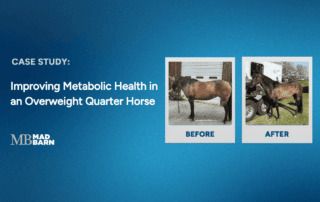
Case Study: Improving Metabolic Health in an Overweight Quarter Horse Mare

In November of 2023, a diet evaluation was requested for a 6-year-old, slightly overweight Quarter Horse mare named Izzy. She weighed approximately 930 lb (422 kg) and was located in New Hampshire, USA. Reported concerns included metabolic health, hoof quality, and weight issues. The horse owner’s primary goal was to support Izzy’s metabolic health and encourage weight loss to help control her insulin levels and prevent future episodes of laminitis.

Case Study: Improving Metabolic Health in an Overweight Quarter Horse Mare2026-08-18T21:17:19-04:00

Sean Jobin: Competing at the Height of Canadian Show Jumping – [Athlete Profile]

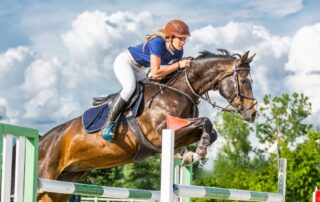
Canadian showjumper Sean Jobin enjoys data-driven success - Sean Jobin's efficiency in the saddle jumps out. His cues are subtle and effective, his sightline is up and ahead, and his navigation of obstacles is confident and smooth. On course, as in life, Sean knows where he is going and how to get there. Jobin is a 5* FEI showjumper who is gaining prominence on the national and international stage, as he and his horses are consistently finding the podium at major events across North America. In addition, Jobin relishes his role as a dedicated competitor on Team Northern Lights of the popular Major League Show Jumping circuit. Currently ranked among the top showjumpers in Canada and within the top 250 globally, Jobin has built a reputation for success. When he isn't competing, Sean serves as president at Double Clear LLC, his sales company based in Florida and Ohio.

Sean Jobin: Competing at the Height of Canadian Show Jumping – [Athlete Profile]2026-08-18T21:14:14-04:00

Food Allergies in Horses: Symptoms, Diagnosis & Management

Food allergies in horses are a complex, poorly understood, and often overlooked issue, posing significant challenges for horse owners and veterinarians alike. Unlike food intolerances, which involve non-immune mediated reactions, food allergies trigger an immune response that can result in a range of clinical symptoms. Despite increasing awareness of the role of diet in equine health, food allergies remain poorly understood, leading to misdiagnosis and ineffective management strategies. Equine food allergies can manifest in various ways, from skin irritations to gastrointestinal disturbances, complicating the diagnostic process. As horse owners seek to optimize their animals' health and performance, understanding food allergies is essential for developing appropriate dietary strategies. However, limited research on this subject leaves many questions unanswered, making it crucial for the equine community to prioritize further studies to enhance our knowledge. Read on to know more about the differences between food allergies and food intolerances, possible presentations of food allergies in horses, methods for diagnosis, and the challenges associated with dietary management.

Food Allergies in Horses: Symptoms, Diagnosis & Management2026-08-18T21:06:46-04:00

Preventing Frostbite & Hypothermia in Horses: Winter Care Tips & Warning Signs

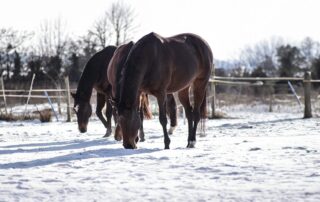
Hypothermia and frostbite are serious cold-weather conditions that can affect horses exposed to extreme low temperatures, especially when combined with wind and moisture. Although horses are naturally equipped to withstand cold weather, prolonged exposure to temperatures below their thermoneutral zone can lead to these dangerous conditions. Frostbite typically affects exposed areas such as the ears, muzzle, and tail, while hypothermia can cause a dangerous drop in core body temperature. These issues are more likely to occur when horses are unable to seek shelter, their coats become wet, or if they lack adequate nutrition or body fat. These conditions can result in severe tissue damage, weakened immune function, and even death if not properly managed. By understanding how horses respond to cold stress, owners can make informed decisions regarding management. Providing adequate forage, shelter, and appropriate blanketing, when necessary, are essential measures to help keep horses healthy, comfortable, and protected, even in extreme winter conditions.

Preventing Frostbite & Hypothermia in Horses: Winter Care Tips & Warning Signs2026-08-18T21:15:48-04:00

Polocrosse on Horseback: History, Competition & Rules – [Equestrian Sport]

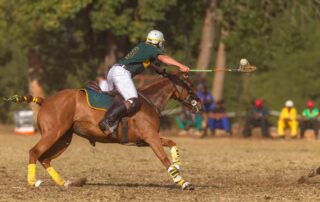
Polocrosse is a variant of traditional polo that combines elements of polo and lacrosse, adding an inventive twist that emphasizes individual skill and teamwork. Known for its family-friendly nature and emphasis on teamwork and inclusion, polocrosse has steadily grown in popularity, particularly in countries like Australia, the UK, and South Africa. In polocrosse, players on horseback use a racket with a net to navigate a soft rubber ball down a field to score goals. The game requires strategy and coordination between the players while riding at high speeds. The sport’s focus on agility and collaboration allows for diverse horse participation, with breeds such as Australian Stock Horses playing a prominent role in its history and development. As a sport that champions accessibility and excitement, polocrosse continues to grow in popularity across the world.

Polocrosse on Horseback: History, Competition & Rules – [Equestrian Sport]2026-08-18T21:05:51-04:00

Polo on Horseback: History, Competition & Rules – [Equestrian Sport]

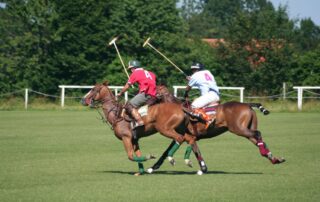
Polo is a high-intensity equestrian team sport that offers spectators and participants a captivating blend of strategy, speed, and horsemanship. Polo has roots stretching back to ancient times, and has evolved into a global sport with a formalized structure. This article delves into the compelling world of polo, highlighting the history, rules, and organizations involved with the sport.

Polo on Horseback: History, Competition & Rules – [Equestrian Sport]2026-08-18T21:02:54-04:00

Clicker Training for Horses: A Beginner’s Guide to Positive Reinforcement

Clicker training has revolutionized how we connect with animals, offering a communication tool that fosters trust, understanding, and cooperation. While widely recognized for its success with dogs, this positive reinforcement method is gaining traction in the equestrian world, proving to be a highly effective and humane approach to training horses. At its core, clicker training uses a small handheld device that emits a distinct “click” sound to mark desired behaviors. The sound is immediately followed by a reward, typically a treat, which reinforces the behavior and encourages the horse to repeat it. The clicker serves as a bridge between the action and the reward, enabling precise communication and making the learning process clear for the horse. Horses are intelligent and curious creatures, and clicker training taps into these traits by engaging them in problem-solving and choice-driven learning. Whether you're teaching a young horse foundational skills, refining advanced movements, or addressing behavioral challenges, clicker training offers a flexible and versatile framework.

Clicker Training for Horses: A Beginner’s Guide to Positive Reinforcement2026-08-18T21:00:53-04:00

Genetic Diseases in Friesian Horses: Dwarfism, Hydrocephalus, Distichiasis & Other Conditions

Originating from Friesland in the Netherlands, Friesian horses have a rich lineage that has been tracked for about 150 years through the Royal Friesian Horse Studbook. Known for their striking black coats, feathered fetlocks, and balanced physique, Friesians are valued for their stamina, quick learning, and even temperament, making them ideal for activities like dressage, showing, and driving. However, the breed’s history of selective breeding and periods of inbreeding have left it with a legacy of genetic disorders. To mitigate these issues, mandatory genetic testing was introduced in 2000, aiming to prevent the spread of hereditary conditions and increase genetic diversity. This article explores the major genetic diseases affecting Friesians—such as dwarfism, hydrocephalus, and distichiasis—the genetic principles underlying these conditions, and the role of genetic testing in fostering a healthier future for this beloved breed.

Genetic Diseases in Friesian Horses: Dwarfism, Hydrocephalus, Distichiasis & Other Conditions2026-08-18T21:00:14-04:00

Trakehner Horse Breed Guide: Characteristics, Health & Nutrition

The Trakehner is a light warmblood breed originally from East Prussia. They excel in the Olympic disciplines of show jumping, eventing, and dressage thanks to their elegance and athleticism. Several Trakehners have represented their countries and won gold medals at recent Olympic Games. Unlike many warmbloods, Trakehners have a closed studbook, meaning only crosses with select Arabians and Thoroughbreds are allowed. However, Trakehner bloodlines have significantly influenced several modern warmblood breeds. The Trakehner breed is susceptible to many of the same health problems as other warmbloods, but their closed studbook also increases their risk of certain genetic diseases. Robust nutrition and management are critical for keeping these horses healthy. Even if your Trakehner isn't winning gold medals, they deserve Olympic-quality care. Keep reading to learn more about the history, characteristics, health risks and nutritional needs of Trakehner horses.

Trakehner Horse Breed Guide: Characteristics, Health & Nutrition2026-08-18T20:58:39-04:00

Mouth Corner Lesions and Equine Welfare: Optimizing Comfort on the Bridle

Oral health is crucial to a horse's overall well-being. This article covers the various types of oral lesions that horses can develop, potential causes, and how to prevent them. By understanding the signs and causes of oral lesions, owners can take proactive measures to address these issues early on. For horse owners, recognising and managing oral lesions is essential not only for maintaining their horse's comfort and health but also for ensuring optimal performance and quality of life. This article aims to equip owners with the knowledge needed to identify and address oral health problems effectively.

Mouth Corner Lesions and Equine Welfare: Optimizing Comfort on the Bridle2026-07-14T22:35:53-04:00

Transporting your Horse Internationally: Crossing Borders & Travelling Overseas

Transporting horses internationally is a complex but essential process for competitive riders, breeders, and equestrian enthusiasts around the world. Whether you're relocating a beloved companion, participating in international competitions, or exporting horses for breeding purposes, ensuring their safety and comfort during travel is a top priority. Moving horses across borders is no simple task. It involves navigating a maze of health regulations, transport logistics, and welfare considerations that all work together to ensure horses arrive at their destination in top condition. In this guide, we explore the key steps, considerations, and expert tips to help you navigate the process of moving horses across borders, ensuring a smooth and stress-free journey for both you and your equine partner.

Transporting your Horse Internationally: Crossing Borders & Travelling Overseas2026-08-25T21:26:35-04:00

Blood Doping in Equestrian Sports: Risks, Regulations, & Challenges

Blood doping is a type of performance enhancement that artificially increases the blood’s oxygen carrying capacity. In equine sports, the purpose of blood doping is to improve a horse’s performance by raising the number of red blood cells (RBCs) in the bloodstream. Increasing RBC count boosts the blood’s ability to deliver oxygen to muscles, enhancing stamina, endurance, and recovery. As a result, the horse can perform at higher intensities for longer durations during strenuous activities.

Blood Doping in Equestrian Sports: Risks, Regulations, & Challenges2026-08-18T20:57:02-04:00

Energy Requirements for Horses: Understanding Metabolism & Calorie Sources

Understanding your horse's energy requirement is important for formulating a balanced diet that supports athletic performance, weight maintenance and overall function. Horses, like all animals, rely on energy from their diet to fuel their everyday activities. Energy is required for growth, reproduction, basic cellular functions, and general maintenance of good health. In horses, energy needs vary widely based on factors such as age, workload, metabolism, and even climate. A horse’s body condition also affects its energy needs: underweight horses require more calories to gain weight, while overweight horses need fewer calories to lose or maintain weight. Horses obtain most of their dietary energy by fermenting fiber from forage, like hay and pasture grass. They can also derive energy from hydrolyzable carbohydrates (i.e. sugar and starch), fat and protein. Each energy source has different implications for the function and performance of the horse. This article reviews how to determine energy requirements for horses, guides you in selecting the best calorie sources for your horse, and examines the effects of energy excesses or deficiencies in the equine diet.

Energy Requirements for Horses: Understanding Metabolism & Calorie Sources2026-08-18T20:52:37-04:00

Dirty Jobs on the Horse Farm: Unpleasant Tasks in Equine Management

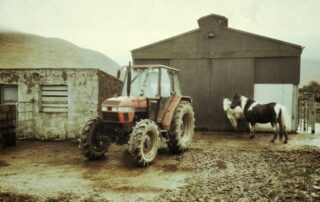
Caring for horses is as rewarding as it is demanding, but not all aspects of horse farm management are glamorous. From managing piles of manure to scrubbing slimy water troughs and untangling troublesome fence repairs, there’s no shortage of messy and monotonous tasks. Add in the meticulous care of the horses themselves—tackling hoof thrush, clipping unruly coats, and giving full-body baths—and it’s clear that horse ownership requires a hands-on approach. While these chores may not be the most enjoyable part of equine care, they are essential to maintaining a safe, healthy, and functional farm environment. This article dives into the less pleasant but necessary responsibilities of managing a horse farm, offering practical strategies to make these tasks more efficient and less overwhelming. From keeping fences sturdy to ensuring horses are clean and comfortable, discover how these behind-the-scenes efforts contribute to the well being of both your horses and your farm.

Dirty Jobs on the Horse Farm: Unpleasant Tasks in Equine Management2026-08-18T20:49:14-04:00

Colic in Horses: Treatment, Management & Prevention [Guide]

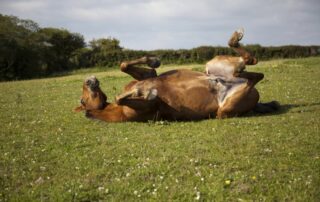
Colic in horses is one of the most common and serious health conditions affecting equines, and it can strike suddenly, regardless of age, breed, or discipline. Colic refers to abdominal pain, which can arise from a variety of causes, ranging from mild digestive upset to life-threatening conditions. For horse owners and caretakers, understanding the signs of colic, the potential causes, and the proper steps for treatment is crucial for minimizing the risks and ensuring the well-being of their horses. The symptoms of colic can vary widely but often include signs such as pawing at the ground, rolling, looking at the abdomen, and a loss of appetite. Since colic can develop quickly and worsen rapidly, prompt attention is critical. While some cases may resolve with basic care, others may require more intensive veterinary intervention or even surgery. In this article, we will explore the causes of colic, the factors that contribute to its development, and preventive measures that can help reduce the risk of colic episodes. With proper knowledge and vigilance, horse owners can improve the chances of early detection and successful treatment, ultimately protecting their horses from this potentially fatal condition.

Colic in Horses: Treatment, Management & Prevention [Guide]2026-08-18T20:46:06-04:00

Is Winter Pasture Grazing Safe for Metabolic Horses?

If you own a horse with metabolic health issues, you are likely familiar with the risks associated with lush pasture grasses. Excess sugar intake from grazing green pasture can trigger abnormal insulin responses in metabolic horses, increasing their risk of laminitis. To mitigate this risk, many horse owners keep their metabolic horses off lush pastures during the growing season, typically spring and early summer. So what about winter pasture grazing? Grasses that are brown, dormant, or even covered in snow might appear safe for your horse. But appearances can be deceiving. Winter poses unique challenges for managing metabolic horses because cool-season grasses, though not actively growing, can still store sugars. Factors like sunlight and changes in temperatures affect how these grasses metabolize and retain sugar.

Is Winter Pasture Grazing Safe for Metabolic Horses?2026-08-18T20:42:16-04:00

How to Feed a High Performance Horse for Training & Competition

High performance horses are no different than the world's top human athletes. Like professional soccer players or Olympic swimmers, elite equine athletes need to be extremely fit to consistently perform strenuous physical activity and compete at the top of their discipline internationally. Wondering how to feed a high performance horse to keep them in peak condition? While the demands of exercise differ according to discipline, all competition horses have elevated nutrition requirements due to their increased exertion and training intensity. But formulating a diet for a world-class sport horse is more complex than just fulfilling basic nutrient requirements. Your feeding program should also incorporate strategies to improve muscle health, promote exercise recovery, and decrease time to fatigue by supporting the physiological pathways involved in exercise. Proper nutrition not only supports athletic performance but also promotes overall health, wellbeing, and readiness for competition. Follow this guide to optimize the diet of your high performance horse and help them live up to their fullest athletic potential.

How to Feed a High Performance Horse for Training & Competition2026-08-25T21:22:01-04:00

Top 6 Gastrointestinal Conditions in Horses: Colic & Other Digestive Disorders

Understanding gastrointestinal catastrophes in horses is essential for every horse owner. From intussusception to strangulating lipomas, these life-threatening conditions can lead to sudden, severe colic symptoms that require immediate veterinary intervention. This guide provides an in-depth look at six critical equine gastrointestinal issues—intussusception, enteroliths, strangulating lipomas, volvulus, hernias, and entrapments. We’ll explore what each condition entails, how it affects your horse, symptoms to watch for, and available treatment options. By knowing the risks and recognizing the signs early, you can take proactive steps to ensure your horse receives the care they need to prevent these issues from becoming life-threatening. Whether you're a seasoned equestrian or a new horse owner, this comprehensive list of equine GI conditions is a valuable resource to help protect your horse’s health.

Top 6 Gastrointestinal Conditions in Horses: Colic & Other Digestive Disorders2026-07-14T22:38:06-04:00

Megan Shea: Building Horse & Rider Confidence in the Elite Dressage Arena [Athlete Profile]

Megan Shea has always been about horses. As a nine-year-old, her father took her to The Royal Winter Fair, Canada's premier indoor agricultural fair and equestrian event. She describes the feeling as she watched the horses on the show-lit ring with her dad that day: "I want to be out there so badly." And so it began. This is a comprehensive athlete profile about the life and accomplishments of professional dressage rider, Megan Shea....

Megan Shea: Building Horse & Rider Confidence in the Elite Dressage Arena [Athlete Profile]2026-08-20T15:39:24-04:00