Analyze Diet

Horse Racing: History, Organizations & Types – [Discipline Guide]

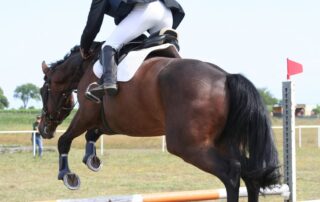
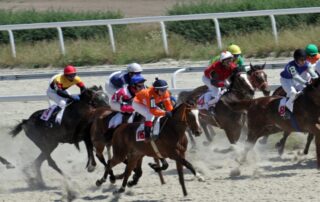
Known as the sport of kings, horse racing is one of the oldest pastimes in the world. This popular equestrian activity showcases the speed and endurance of equine athletes. Some horse breeds, such as the Thoroughbred, are bred specifically for racing, and Thoroughbred racing is the most common type of horse racing in North America today. While horse racing's association with gambling has contributed to its popularity and economic impact, the racing industry still revolves around the horses at its heart. Thankfully, you don't have to be a gambler or a king to understand and enjoy race day. Keep reading to learn more about racehorses and the history, traditions, and rules of horse racing.
Horse Racing: History, Organizations & Types – [Discipline Guide]2026-08-20T15:35:29-04:00

Do I Need to Clean My Horse’s Sheath? Complete How-To Guide

Sheath cleaning, thrush treatment, and coat clipping may not be the most glamorous tasks in an equestrian's day, but they are essential for maintaining a horse’s health and well being. Regular sheath cleaning helps prevent discomfort, infections, and blockages in male horses. Thrush management and proactive care ensures a healthy frog, the soft part of the hoof that absorbs shock and aids limb circulation. Clipping the horse’s coat is a look preferred by some owners, and can help manage body temperature and skin health. These routine chores, although messy and sometimes stressful, help keep horses comfortable and prevent more serious health issues down the line. Read on to learn more about some of the most unpleasant yet beneficial horse husbandry tasks and how to assess the level of care required to keep your equine companion happy and healthy.

Do I Need to Clean My Horse’s Sheath? Complete How-To Guide2026-08-25T21:19:54-04:00

Feeding Fat in the Horse’s Diet: Nutrition Review

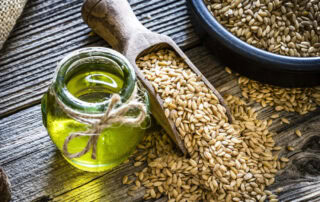
The horse's natural diet consists of fiber-rich forages, which are relatively low in fat. However, fat supplementation has become increasingly popular for various types of horses, from athletes needing extra energy to metabolic horses who benefit from low-starch diets. Adding fat to your horse's diet can help promote a shiny coat and provide "cool calories" that may reduce reactivity. In addition, fat sources with omega-3 fatty acids have anti-inflammatory effects, which can support joint and respiratory health. Horses can digest and absorb fairly large amounts of fat when it is incorporated into the diet correctly. However, it is not always clear how to select the best fat sources, determine appropriate inclusion rates, and introduce it to prevent digestive upsets. This article reviews the role of fat in the equine diet, its benefits, appropriate sources, and how to safely incorporate it into a horse's feeding program. Read on to learn everything you need to know when considering fat supplementation for your horse.

Feeding Fat in the Horse’s Diet: Nutrition Review2026-08-25T21:19:20-04:00

Horse Insurance: A Comprehensive Guide to Coverage & Costs

While some equine owners might consider insurance an unnecessary expense, others find it an essential safeguard against unexpected costs that can add up quickly. Horse insurance policies are as unique as horses themselves, allowing owners to choose coverage tailored to their needs and activities. From helping with costly vet bills to providing peace of mind in the event of theft or injury, horse insurance offers owners a practical way to plan for the unexpected. Whether you're a new horse owner or experienced equestrian, understanding your insurance options can help you make informed decisions to protect both your horse's well being and your financial security. Read on to learn how the right coverage can give you confidence and security on your equestrian journey.

Horse Insurance: A Comprehensive Guide to Coverage & Costs2026-07-25T19:36:56-04:00

Kinesiology Taping for Horses: Benefits & Uses in Equine Rehabilitation

Kinesiology taping has become a popular technique in equine rehabilitation therapy, offering potential benefits for horses dealing with muscle strain, joint issues, and recovery from injuries. Originally developed for human athletes, kinesiology tape is now used by veterinarians and equine rehabilitation practitioners to support a horse's natural movement, enhance proprioception, and provide gentle support to muscles and joints. By incorporating kinesiology taping into a wider rehabilitation program, many owners report enhanced recovery and return to performance in their horses. This article explores the fundamentals of kinesiology taping for horses, its practical applications, and its role in modern equine rehabilitation.

Kinesiology Taping for Horses: Benefits & Uses in Equine Rehabilitation2026-07-25T19:36:17-04:00

Legendary Draft Horses: The Most Famous Gentle Giants in History

Draft horses are known equally for their incredible strength and work ethic alongside their gentle nature and sweet disposition. The strength and power of draft horses means they can perform certain tasks that no other breed of horse can, which has made them fundamental to the expansion of modern civilization. These horses have played a pivotal role in human history around the world for generations. Before heavy machinery and motorized vehicles existed, it was the draft horse that helped revolutionize everything from human transportation to warfare and agriculture. Today, draft horses are beloved and appreciated for a wide variety of jobs and disciplines, including logging, pulling, driving, and even appearing in films. That’s why it comes as no surprise that while draft horses have helped change and define history, there are a few individual draft horses and breeds that have stood the test of time and become truly legendary. These horses have played a pivotal role in human history around the world for generations. Before heavy machinery and motorized vehicles existed, it was the draft horse that helped revolutionize everything from human transportation to warfare and agriculture. Today, draft horses are beloved and appreciated for a wide variety of jobs and disciplines, including logging, pulling, driving, and even appearing in films. That’s why it comes as no surprise that while draft horses have helped change and define history, there are a few individual draft horses and breeds that have stood the test of time and become truly legendary.

Legendary Draft Horses: The Most Famous Gentle Giants in History2026-07-24T16:45:52-04:00

Why is my Horse Ring Sour? Guide to Equine Performance Issues [Behavior Guide]

Ring sour refers to resistance or frustration behaviors in performance horses, often occurring during ring work in training or competition settings. Horses, like humans, can become frustrated by difficult, repetitive tasks, especially when the task lacks variety or causes confusion or discomfort. When these frustrations build up, some horses begin to exhibit behaviors such as refusing to enter the arena, tail swishing, pinned ears, bucking or rearing. These behaviors are often labelled as ring sour or poor performance. While some cases of poor performance may stem from medical conditions or physical discomfort, ring sour behavior is often rooted in mental and emotional factors. Horses with ring sour may have negative associations linked to the work being asked of them. This article explores the behavioral aspects of ring sour and poor performance in competition horses. Understanding how to recognize the warning signs and, most importantly, how to prevent and address this issue can significantly improve a horse's performance and emotional state.

Why is my Horse Ring Sour? Guide to Equine Performance Issues [Behavior Guide]2026-07-24T16:41:18-04:00

30 Most Interesting Equine Research Findings of 2023: [Study Roundup]

Every 2 years, equine professionals gather at the Equine Science Society (ESS), an international meeting, to share new research and exchange ideas. The first ESS meeting was held in 1960 and included a group of 27 equine nutritionists and physiologists who joined together to discuss their research regarding the growing field of equine science. Together, they formed the Equine Nutrition and Physiological Society (now known as the Equine Science Society).

30 Most Interesting Equine Research Findings of 2023: [Study Roundup]2026-08-24T13:13:34-04:00

Separation Anxiety in Horses: What is Buddy Sour & How to Fix It [Behavior Guide]

It’s a situation that many equestrians know well – it’s a beautiful day and you’ve decided to take your horse on a hack, just the two of you. But the peace and serenity doesn’t last long as your horse begins dancing, calling, pawing or even attempting to turn around and run home! That tension continues to build until you feel you’re sitting on top of a firecracker rather than your normally trusty steed. The problem of separation anxiety can be a challenge for even the most experienced horse owners. While we all want our horses to be comfortable and happy, sometimes we can’t avoid separating our horse from their herd-mates. To know how to help a herd-bound horse, we first have to understand what they are experiencing. This article will review why a horse might become buddy-sour, what this condition can look like, and how we can help horses overcome this anxiety in a positive manner that promotes their welfare.

Separation Anxiety in Horses: What is Buddy Sour & How to Fix It [Behavior Guide]2026-07-24T16:32:07-04:00

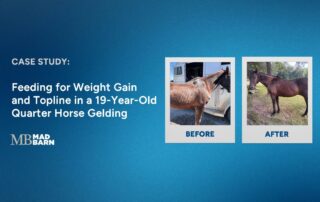
Case Study: Feeding for Weight Gain & Topline in a 19-Year-Old Quarter Horse Gelding

In March of 2024, a diet evaluation was requested for a 19-year-old, underweight running-bred Quarter Horse gelding named Mojo. He weighed approximately 1,000 lb (454 kg) and was located in Mississippi, USA. Reported concerns included weight, topline, joint, and respiratory health. The horse owner’s primary goal was to support Mojo’s digestive health and encourage weight gain.

Case Study: Feeding for Weight Gain & Topline in a 19-Year-Old Quarter Horse Gelding2026-07-24T16:31:24-04:00

Twisted Gut (Intestinal Torsion) in Horses: Causes, Risk Factors & Prevention

The equine digestive system is a series of long, flexible structures that can become twisted, leading to serious belly problems and colic. Since these structures are loosely suspended within the horse's large abdomen the digestive tract can twist or knot, disrupting the passage of food and in severe cases, cutting off blood flow. These twists, known as volvuluses or torsions, can happen in the stomach, small intestine, large colon, or cecum. Each of these conditions presents unique challenges and symptoms. Because these twists can quickly become life-threatening, understanding the anatomy, potential signs, and risk factors of each type is essential for prompt diagnosis and effective treatment. This article explains the different types of twists and provides insight into managing and preventing these conditions.

Twisted Gut (Intestinal Torsion) in Horses: Causes, Risk Factors & Prevention2026-07-24T16:29:12-04:00

Gas Colic in Horses: Causes, Symptoms & Treatment

Gas colic, also known as tympany or flatulent colic, is a prevalent gastrointestinal disorder in horses characterized by the excessive accumulation of gas in the intestines. This condition can lead to significant abdominal discomfort and distress, posing a serious health risk if left untreated. The mechanism behind gas colic involves an imbalance in the horse's ability to produce and expel gas, often resulting in painful distension of the intestines. A variety of potential causes and risk factors contribute to this imbalance. Sudden dietary changes, stress, and underlying health conditions can all exacerbate the problem, hindering the efficient release of gas. Understanding gas colic is essential for horse owners and caretakers, as prompt recognition and intervention are crucial for alleviating discomfort and preventing complications.

Gas Colic in Horses: Causes, Symptoms & Treatment2026-07-24T16:27:36-04:00

How to Become an Equine Veterinarian: Education, Skills & Job Requirements – [Guide]

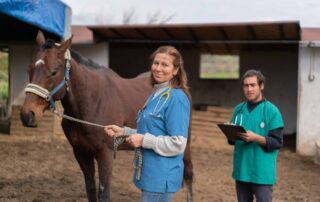
Becoming an equine veterinarian is a rewarding and fulfilling journey for those passionate about equine health, management, and science. As a vital part of the equine industry, veterinarians not only diagnose and treat illnesses, but also play a key role in public health and animal welfare. Pursuing this noble profession requires dedication, education, and a deep commitment to the well-being of animals. While all veterinarians start with a general education that covers both companion animals and livestock, some practitioners decide to work with large animals or horses exclusively once their training is complete. Specializing as a horse vet requires an in-depth knowledge of equine anatomy, physiology, and the unique challenges horses face in different environments and disciplines. This article outlines the steps to becoming an equine veterinarian, covering educational requirements, skill development, and practical experiences. Whether you're a high school student dreaming of working with animals or an equestrian considering a career in the horse industry, this guide will illuminate the way to becoming a veterinarian.

How to Become an Equine Veterinarian: Education, Skills & Job Requirements – [Guide]2026-07-24T16:25:51-04:00

Foot Lameness in Horses: Causes, Symptoms & Treatment

Foot lameness is a prevalent issue in horses, often leading to performance limitations and decreased quality of life. Understanding the anatomy of a horse's foot, recognizing the signs of lameness, and being aware of common causes are crucial for effective diagnosis and treatment. This comprehensive article delves into the anatomy of the horse's foot, exploring the possible causes of foot lameness, and discusses diagnostic techniques and treatment options.

Foot Lameness in Horses: Causes, Symptoms & Treatment2026-07-24T16:20:48-04:00

Osselets (Fetlock Arthritis) in Horses: Causes, Risk Factors & Treatment

Osselets are a form of arthritis that affects the fetlock joint, commonly seen in young, active horses engaged in high-performance activities such as racing and jumping. This condition develops as a result of repetitive, high-impact stress on the joint, leading to inflammation and eventual bone growth. Affected horses typically exhibit swelling and heat around the fetlock joint, accompanied by pain or sensitivity to touch. Early signs include stiffness, particularly after rest, while more advanced cases can result in lameness and restricted joint movement, ultimately altering the horse's gait. For horse owners, trainers, and veterinarians, understanding how osselets develop is crucial, as early detection and appropriate treatment can significantly improve the prognosis and help prevent long-term damage to the horse’s joint health. Effective management of osselets requires prompt symptom recognition and appropriate treatments, including rest, anti-inflammatory medications, and adjustments to the horse's training. Early intervention can facilitate recovery, while untreated osselets may lead to permanent joint changes that impair the horse's performance and soundness.

Osselets (Fetlock Arthritis) in Horses: Causes, Risk Factors & Treatment2026-07-24T16:18:55-04:00

Side Effects of Vaccines in Horses: Administration, Reactions & Prevention

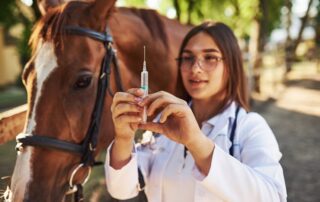
Vaccinations play a vital role in the health of our horses. They are particularly important for those that are routinely exposed to other horses at large barns, or through training and competition. In both people and animals, vaccines have been proven to prevent infectious disease and decrease severity or mortality of infectious disease. In some cases, vaccines have completely eradicated certain diseases through herd immunity. Different countries have different vaccine recommendations for horses, but in North America, core vaccines have been determined by the American Association of Equine Practitioners (AAEP). Your veterinarian can advise on giving non-core vaccines recommended for your area or for certain circumstances. Though vaccines are generally safe, it’s important to understand that they do come with some inherent risk. However, adverse effects most commonly occur due to misuse, over-vaccination, or, in rare cases, potentially fatal allergic reaction. Though uncommon, horse owners should be aware that every vaccine has the potential to cause a variety of responses that range from mild and localized to severe and systemic.

Side Effects of Vaccines in Horses: Administration, Reactions & Prevention2026-07-24T16:17:19-04:00

Horse Hoof Anatomy: Structure, Function & Common Conditions (with Diagrams)

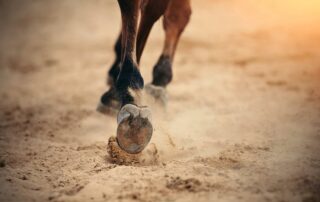
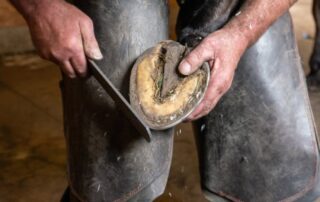
Horse's hooves are fundamental to their health, mobility, and overall performance. Whether you're a seasoned equestrian, veterinarian, or just a simple horse lover, understanding the intricate anatomy of the hoof is crucial for maintaining the wellbeing of your equine companion. By understanding the anatomy of the hoof and recognizing the signs of common hoof problems, horse owners and caretakers can aid their horses in staying sound and healthy. Regular farrier care, proper nutrition, and attention to environmental factors all play a critical role in maintaining hoof health. This article discusses the structure and function of each part of the hoof, as well as exploring common issues, and discussing best practices for hoof care.

Horse Hoof Anatomy: Structure, Function & Common Conditions (with Diagrams)2026-07-24T16:15:27-04:00

Tooth Extraction for Horses: Equine Dental Procedures, Conditions & Complications

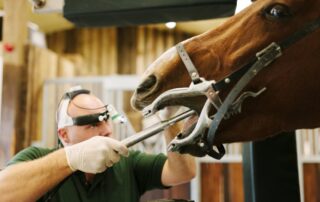
Tooth extraction is a relatively common dental procedure in horses that becomes necessary when a tooth is damaged, diseased, or otherwise problematic. Although a standard treatment, tooth extraction in horses can involve significant complications and challenges, sometimes even leading to euthanasia due to the severity of postoperative issues. Understanding the anatomy of a horse’s teeth and the potential risks associated with extraction can help owners make informed decisions. Moreover, extracted teeth require increased dental attention over time, as they can lead to imbalances in the horse’s mouth, causing further complications and the need for ongoing management.

Tooth Extraction for Horses: Equine Dental Procedures, Conditions & Complications2026-07-24T16:14:13-04:00

Lungworm in Horses & Donkeys: Symptoms, Diagnosis & Treatment

The lungworm, Dictyocaulus arnfieldi, is a parasite that affects equines all over the world. It has been found in the lungs of horses, donkeys, and zebras. However, donkeys, as well as burros and mules, are the primary host for this parasite. In fact, studies show that anywhere from 50-80% of donkeys, burros, and mules are infected with lungworm. Interestingly enough, lungworm does not usually cause overly apparent disease in donkeys, even with a high parasite load. Lungworm infection is less common in horses, but it is more serious, often causing chronic respiratory disease and severe illness. Lungworm infection in any equine is more common in cold, wet climates. It is also more likely to occur in horses that are pastured with donkeys. Rarely, infections have been found in horses that have not been exposed to donkeys or mules though. The severity of lungworm disease in horses is related to the number of larvae ingested. Since the anthelmintic ivermectin has been on the market and widely used by horse owners, the prevalence of lungworm infection in horses as well as pneumonia caused by this parasite has decreased. However, the lungworm is still a parasite that all horse owners should be aware of.

Lungworm in Horses & Donkeys: Symptoms, Diagnosis & Treatment2026-07-24T16:13:41-04:00

Gestation in Horses: Pregnancy Stages, Care Tips, & Related Medical Concerns

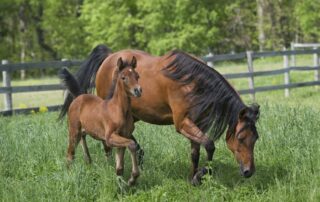
Gestation in horses is a journey that requires care, knowledge, and preparation to ensure both the mare and foal remain healthy throughout the pregnancy. The average gestation period for a horse lasts around 340 days, though some mares may carry their foals for as few as 320 days or as long as 370. While it might seem like a long wait, each trimester comes with its own unique challenges and developments that require careful monitoring and support. From early fetal development to the final stages of preparation for birth, every phase of equine pregnancy is crucial. The first trimester sets the foundation as the embryo implants and starts forming key structures. The second trimester sees rapid growth, while the third brings critical finishing touches, with the foal gaining weight and the mare’s body preparing for delivery. Understanding the various stages of pregnancy and being aware of potential risks like placental issues, premature labor, or prolonged gestation allows horse owners to provide the best care for their mares. Timely veterinary check-ups, balanced nutrition, and close observation of physical changes can make all the difference in ensuring a successful foaling. This guide covers the key aspects of gestation in mares, how to support them through each trimester, and what to watch for as the due date approaches.

Gestation in Horses: Pregnancy Stages, Care Tips, & Related Medical Concerns2026-07-24T16:11:57-04:00

Exercise Intolerance in Horses: Signs, Causes & Treatment of Poor Performance

Riders and trainers often encounter challenges that affect the performance and well being of their equine partners. Among these are exercise intolerance and poor performance, sometimes referred to as "ring sour." While ring sour can be frustrating for owners and riders, this behavior sometimes has an underlying medical cause. Pain, lethargy, and stress can all contribute to a horse's performance and willingness to exercise or train. Further, progressive conditions can cause physiological loss of function throughout the body, leading to decreased fitness and ability to perform at previous levels. Understanding the difference between medical signs that warrant veterinary attention and purely behavioral resistance to performing are fundamental to safe and effective horsemanship. Read on to learn more about common underlying causes of exercise intolerance so you can assess your equine athlete effectively.

Exercise Intolerance in Horses: Signs, Causes & Treatment of Poor Performance2026-08-20T15:31:03-04:00

Fecal Transplants for Horses: Does Equine Microbiome Therapy Improve Gut Health?

Fecal Microbiota Transplantation (FMT) is a procedure gaining recognition in equine medicine for its potential to restore gut health in horses suffering from gastrointestinal disorders like diarrhea and colitis. The process involves transferring fecal material from a healthy donor horse to a recipient horse with an imbalanced gut microbiota. This method helps reintroduce a balanced microbial community, which competes with harmful pathogens, potentially restoring digestive health. While FMT has been practiced informally for years, it has gained attention due to advancements in human medicine. Researchers are optimistic about its safety and efficacy, but more studies are needed to establish standard protocols and fully understand its long-term benefits. FMT offers a promising alternative to traditional antimicrobial therapies, which can disrupt gut health and contribute to antimicrobial resistance.

Fecal Transplants for Horses: Does Equine Microbiome Therapy Improve Gut Health?2026-07-24T15:48:43-04:00

How to Start a Horse Boarding Business: Key Tips for a First-Time Stable Owner [Guide]

Starting your own horse boarding business can be a rewarding venture, merging your passion for equines with entrepreneurship. As horse ownership continues to grow, so does the demand for quality boarding facilities that cater to the diverse needs of both horses and their owners. Launching a successful boarding operation requires careful planning, a deep understanding of animal husbandry, and a keen business acumen. From choosing the right location to designing your facility and managing day-to-day operations, each step is crucial to ensure the health and happiness of the horses in your care and the satisfaction of their owners. In this article, we explore the essential steps to start your horse boarding business, covering everything from initial concept development to setting board prices. With the right preparation and a little bit of patience, you can create a thriving boarding facility that not only supports horses but also fosters a vibrant equestrian community.

How to Start a Horse Boarding Business: Key Tips for a First-Time Stable Owner [Guide]2026-08-18T21:59:43-04:00

Heart Disease in Horses: Diagnosis, Treatment & Management

Heart disease in horses, as in humans, encompasses a broad range of conditions that affect the heart's structure, function, or electrical activity, potentially compromising the horse’s health and performance. The heart is responsible for pumping oxygen-rich blood throughout the body, making it essential for a horse’s overall vitality. Equine cardiac disease can be categorized into two primary forms: congenital and acquired. Congenital heart disease refers to defects present at birth, which can range from minor abnormalities to severe, life-threatening conditions. Acquired heart disease, on the other hand, develops later in life due to factors such as aging, infections, or trauma. Both forms can have significant impacts, from subtle performance decline to life-threatening cardiac events. While not all heart conditions are fatal, they can seriously impair a horse’s athletic abilities and, in some cases, make them unsafe to ride. Understanding the different types of heart disease and their causes is essential for effective management and treatment, helping horse owners and veterinarians safeguard equine health.

Heart Disease in Horses: Diagnosis, Treatment & Management2026-07-24T15:47:08-04:00

Legendary American Thoroughbreds: The Most Famous Racehorses in History

The Thoroughbred is a popular horse breed in the United States, known for its speed, heart, and athleticism. Some Thoroughbreds have become so famous that even decades or centuries later, they’ve still left their mark on history. Many famous Thoroughbreds in American history were racehorses, as this is what they have been bred for since the 17th century. However, the versatility of the Thoroughbred breed means they have found fame in second careers after the track, in the Olympics, and for reasons other than as racehorses. In this article, you’ll discover who the most famous Thoroughbreds are, and what made them so remarkable that they secured their place in history forever.

Legendary American Thoroughbreds: The Most Famous Racehorses in History2026-07-24T15:45:36-04:00

Microchipping Your Horse: Benefits, Costs, & Verifying Equine Identification

Horse owners strive to ensure the safety and security of our equine companions. One of the most effective tools for identifying and protecting your horse is microchipping. Whether you are new to the concept or considering it as a safeguard for your horse, this guide will break down everything you need to know, from the costs involved, to the pros and cons, and details as to how the procedure is carried out.

Microchipping Your Horse: Benefits, Costs, & Verifying Equine Identification2026-07-24T16:12:42-04:00

Antibiotic Resistance in Horses: Causes, Risks & Prevention

Antimicrobial resistance (AMR), also known as antibiotic resistance, is a growing global concern that extends beyond equine medicine into all aspects of human and animal health. The overuse and misuse of these critically important drugs can lead to the development of resistant pathogens, putting all animals and people at risk of potentially untreatable, life-threatening infections. In recent years, the rise of resistant bacteria in horses has prompted a re-evaluation of antimicrobial stewardship practices within veterinary medicine. Factors contributing to AMR in horses include unnecessary administration, inadequate dosages, and not completing a full course of antibiotics as prescribed. These findings highlight how horse owners play a key role in responsible antibiotic management. To mitigate the risk of resistance, owners and veterinarians must work together to ensure appropriate treatment protocols and management for horses and other livestock.

Antibiotic Resistance in Horses: Causes, Risks & Prevention2026-07-24T15:40:42-04:00

Respiratory Diseases in Horses: Conditions, Symptoms & Diagnosis

Equine lung health may not be something many people think about until their horse is affected by a respiratory condition. However, awareness of common respiratory problems that can affect horses, as well how to prevent these types of illness, is important for all horse owners. After lameness issues, veterinarians report that respiratory problems are the largest reason for seeing equine patients. Lung and airway disorders can have a number of different causes including viruses, bacteria, fungi, parasites, immune-mediated reactions, or inhalation of irritants or toxic substances. Equine athletes are especially prone to respiratory disease, which is the second most important cause of lost training days. That said, respiratory disease is also a common cause of illness in foals and non-athletic adult horses. In some cases, it can even prove deadly. In this article, we’ll discuss the anatomy of the horse’s respiratory tract, symptoms of respiratory disease, how respiratory disease is diagnosed, as well as a number of common respiratory conditions that affect horses.

Respiratory Diseases in Horses: Conditions, Symptoms & Diagnosis2026-09-15T18:21:15-04:00

Shelly Feet in Horses: Causes, Treatment & Prevention

Hoof health is a key consideration for any horse. As the saying goes, "no, hoof, no horse". In the rich and stylized idiom of the horseman, a horse may have good hooves, or it may have shelly feet. In this article, we will have a look at the hoof and discuss what contributes to shelly feet in a horse. While shelly feet are not exactly a health condition, there are some causes, symptoms, and strategies for caring for the hoof that can lead to better hoof health and reduce the risk of shelly feet. Shelly feet, also known as shelly hooves in horses, is a common complaint characterized by weak, brittle hoof walls that crack or chip easily. This situation can lead to significant problems such as difficulty holding shoes, frequent hoof damage, and in severe cases, even hoof abscesses, or white line disease. As all horse owners know, hoof health is fundamental to a horse's overall well-being and performance. Understanding the structure of the horse's hoof and which factors contribute to shelly feet is helpful for effective management and prevention.

Shelly Feet in Horses: Causes, Treatment & Prevention2026-07-24T15:33:43-04:00