Analyze Diet

How to Start a Horse Boarding Business: Key Tips for a First-Time Stable Owner [Guide]

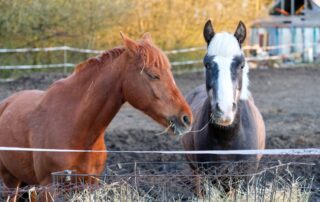
Starting your own horse boarding business can be a rewarding venture, merging your passion for equines with entrepreneurship. As horse ownership continues to grow, so does the demand for quality boarding facilities that cater to the diverse needs of both horses and their owners. Launching a successful boarding operation requires careful planning, a deep understanding of animal husbandry, and a keen business acumen. From choosing the right location to designing your facility and managing day-to-day operations, each step is crucial to ensure the health and happiness of the horses in your care and the satisfaction of their owners. In this article, we explore the essential steps to start your horse boarding business, covering everything from initial concept development to setting board prices. With the right preparation and a little bit of patience, you can create a thriving boarding facility that not only supports horses but also fosters a vibrant equestrian community.

How to Start a Horse Boarding Business: Key Tips for a First-Time Stable Owner [Guide]2026-08-18T21:59:43-04:00

Heart Disease in Horses: Diagnosis, Treatment & Management

Heart disease in horses, as in humans, encompasses a broad range of conditions that affect the heart's structure, function, or electrical activity, potentially compromising the horse’s health and performance. The heart is responsible for pumping oxygen-rich blood throughout the body, making it essential for a horse’s overall vitality. Equine cardiac disease can be categorized into two primary forms: congenital and acquired. Congenital heart disease refers to defects present at birth, which can range from minor abnormalities to severe, life-threatening conditions. Acquired heart disease, on the other hand, develops later in life due to factors such as aging, infections, or trauma. Both forms can have significant impacts, from subtle performance decline to life-threatening cardiac events. While not all heart conditions are fatal, they can seriously impair a horse’s athletic abilities and, in some cases, make them unsafe to ride. Understanding the different types of heart disease and their causes is essential for effective management and treatment, helping horse owners and veterinarians safeguard equine health.

Heart Disease in Horses: Diagnosis, Treatment & Management2026-07-24T15:47:08-04:00

Legendary American Thoroughbreds: The Most Famous Racehorses in History

The Thoroughbred is a popular horse breed in the United States, known for its speed, heart, and athleticism. Some Thoroughbreds have become so famous that even decades or centuries later, they’ve still left their mark on history. Many famous Thoroughbreds in American history were racehorses, as this is what they have been bred for since the 17th century. However, the versatility of the Thoroughbred breed means they have found fame in second careers after the track, in the Olympics, and for reasons other than as racehorses. In this article, you’ll discover who the most famous Thoroughbreds are, and what made them so remarkable that they secured their place in history forever.

Legendary American Thoroughbreds: The Most Famous Racehorses in History2026-07-24T15:45:36-04:00

Microchipping Your Horse: Benefits, Costs, & Verifying Equine Identification

Horse owners strive to ensure the safety and security of our equine companions. One of the most effective tools for identifying and protecting your horse is microchipping. Whether you are new to the concept or considering it as a safeguard for your horse, this guide will break down everything you need to know, from the costs involved, to the pros and cons, and details as to how the procedure is carried out.

Microchipping Your Horse: Benefits, Costs, & Verifying Equine Identification2026-07-24T16:12:42-04:00

Antibiotic Resistance in Horses: Causes, Risks & Prevention

Antimicrobial resistance (AMR), also known as antibiotic resistance, is a growing global concern that extends beyond equine medicine into all aspects of human and animal health. The overuse and misuse of these critically important drugs can lead to the development of resistant pathogens, putting all animals and people at risk of potentially untreatable, life-threatening infections. In recent years, the rise of resistant bacteria in horses has prompted a re-evaluation of antimicrobial stewardship practices within veterinary medicine. Factors contributing to AMR in horses include unnecessary administration, inadequate dosages, and not completing a full course of antibiotics as prescribed. These findings highlight how horse owners play a key role in responsible antibiotic management. To mitigate the risk of resistance, owners and veterinarians must work together to ensure appropriate treatment protocols and management for horses and other livestock.

Antibiotic Resistance in Horses: Causes, Risks & Prevention2026-07-24T15:40:42-04:00

Respiratory Diseases in Horses: Conditions, Symptoms & Diagnosis

Equine lung health may not be something many people think about until their horse is affected by a respiratory condition. However, awareness of common respiratory problems that can affect horses, as well how to prevent these types of illness, is important for all horse owners. After lameness issues, veterinarians report that respiratory problems are the largest reason for seeing equine patients. Lung and airway disorders can have a number of different causes including viruses, bacteria, fungi, parasites, immune-mediated reactions, or inhalation of irritants or toxic substances. Equine athletes are especially prone to respiratory disease, which is the second most important cause of lost training days. That said, respiratory disease is also a common cause of illness in foals and non-athletic adult horses. In some cases, it can even prove deadly. In this article, we’ll discuss the anatomy of the horse’s respiratory tract, symptoms of respiratory disease, how respiratory disease is diagnosed, as well as a number of common respiratory conditions that affect horses.

Respiratory Diseases in Horses: Conditions, Symptoms & Diagnosis2026-09-15T18:21:15-04:00

Shelly Feet in Horses: Causes, Treatment & Prevention

Hoof health is a key consideration for any horse. As the saying goes, "no, hoof, no horse". In the rich and stylized idiom of the horseman, a horse may have good hooves, or it may have shelly feet. In this article, we will have a look at the hoof and discuss what contributes to shelly feet in a horse. While shelly feet are not exactly a health condition, there are some causes, symptoms, and strategies for caring for the hoof that can lead to better hoof health and reduce the risk of shelly feet. Shelly feet, also known as shelly hooves in horses, is a common complaint characterized by weak, brittle hoof walls that crack or chip easily. This situation can lead to significant problems such as difficulty holding shoes, frequent hoof damage, and in severe cases, even hoof abscesses, or white line disease. As all horse owners know, hoof health is fundamental to a horse's overall well-being and performance. Understanding the structure of the horse's hoof and which factors contribute to shelly feet is helpful for effective management and prevention.

Shelly Feet in Horses: Causes, Treatment & Prevention2026-07-24T15:33:43-04:00

Ascarids in Horses: Transmission, Risk Factors & Prevention

Ascarids (Parascaris equorum) are significant parasitic threats to equine health, particularly in young horses. These large, robust roundworms can grow up to 15 inches long and are most commonly found in foals and yearlings, whose developing immune systems make them especially vulnerable. If left untreated, these resilient parasites can cause serious health issues. Infections may lead to various clinical problems, including weight loss, poor growth, colic, and respiratory complications, which can profoundly impact a horse's overall health and development. Understanding the life cycle, clinical signs, and effective management of ascarid infections is essential for horse owners and caretakers. Properly addressing ascarid infestations not only helps prevent the spread of these parasites but also ensures the healthy development and well-being of young horses.

Ascarids in Horses: Transmission, Risk Factors & Prevention2026-07-24T15:32:10-04:00

9 Most Common Sports Injuries in Western Performance Horses: Risk Factors, Treatment & Prevention

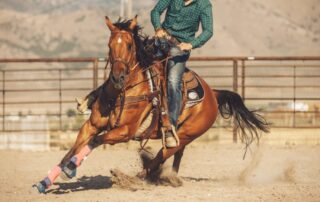
From the cow sense needed for roping and cutting, to the sheer thrill of barrel racing, to the controlled athleticism of reining, the Western performance horse is skillful and sure-footed on the ranch and in the ring. In addition, these horses demonstrate remarkable compliance and steadfast nerve against the rugged demands of spectator-fueled sport. Explosive acceleration, abrupt stops, high-speed turns, rapid spins and, for the Western pleasure horse, ultra-slow gaits, impose unique stresses on these fantastic athletes. These factors come together, giving Western performance horses their own risk profile for sports-related injuries. By understanding how these factors put Western horses at risk of injury, owners and riders can take steps to prevent the worst. Read on to learn some of the unique demands of Western riding disciplines and prevention strategies so you and your equine partner can keep the legacy of the range alive together for years to come.

9 Most Common Sports Injuries in Western Performance Horses: Risk Factors, Treatment & Prevention2026-07-24T15:30:45-04:00

Best Fencing for Horse Farms: Safe & Durable Options for Equine Facilities – [Guide]

When designing or upgrading horse pastures, choosing the right type of fencing is critical for the safety, well-being, and containment of horses. With a wide variety of fencing options available, each with distinct advantages and disadvantages, it’s important to select one that meets the needs of your horses and the environment. Factors such as durability, cost, visibility, maintenance requirements, and safety concerns all play a role in making this decision. Some fencing types are better suited for small paddocks, while others work well in large, open pastures. This guide explores the different types of horse pasture fencing available, highlighting their benefits and potential drawbacks. Whether you are building a pasture from scratch or upgrading your current setup, learning about the variety of fencing materials and designs will help you create a secure and horse-friendly environment.

Best Fencing for Horse Farms: Safe & Durable Options for Equine Facilities – [Guide]2026-07-24T15:20:08-04:00

Injury Rehabilitation for Horses: Managing Expectations & Optimizing Recovery for Your Equine Partner

Injury recovery in horses is a complex journey that often requires careful management, patience, and a tailored rehabilitation plan. Whether your horse has suffered a traumatic injury, undergone surgery, or is dealing with a chronic condition, the road to recovery is about more than just physical healing. It is also about restoring function, maintaining mental well-being, and setting realistic goals for your horse in the short and long-term. By familiarizing themselves with the key aspects of injury recovery, the different elements of rehabilitation, and how practitioners take a holistic view of recovery, owners can make informed decisions about treatment and intervention to optimize success and set realistic long-term goals for their equine partner.

Injury Rehabilitation for Horses: Managing Expectations & Optimizing Recovery for Your Equine Partner2026-08-12T16:58:31-04:00

Electric Fencing for Horse Farms: Benefits, Installation Tips, & Best Practices

Electric fencing for horses has become an essential tool in modern horse management, offering a balance between safety, practicality, and cost-effectiveness. This type of fencing system, which uses a mild electric shock to deter horses from pushing against or crossing the boundary, is widely preferred by horse owners for its versatility. Whether used in permanent paddocks, temporary grazing areas, or rotational pastures, electric fencing is easy to install and adjust according to the specific needs of the environment and herd. With proper setup and maintenance, electric fences are highly effective in containing horses by acting as a psychological barrier. In this article, we explore the key advantages, installation and design, and safety considerations for using electric fencing with horses.

Electric Fencing for Horse Farms: Benefits, Installation Tips, & Best Practices2026-08-18T22:02:21-04:00

Lethargy in Horses: Signs, Causes & Treatment

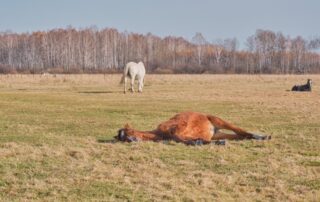
Lethargy in horses is a significant concern for equine owners and veterinarians alike, as it can often indicate a severe underlying health issue requiring medical attention. Lethargy is characterized as a decrease in typical energy levels, activity, and enthusiasm. It can present in horses as reluctance to move, lack of interest in their surroundings, or excessive time spent sleeping. It's important for horse owners and caretakers to familiarize themselves with the difference between lethargy and normal resting behavior of equines. By having a strong understanding of the signs of lethargy, caretakers can seek prompt medical intervention to optimize health outcomes. Read on to learn more about the signs of lethargy in horses, some of the possible causes, and diagnostic approaches so you are prepared if your horse seems unusually inactive and out of sorts.

Lethargy in Horses: Signs, Causes & Treatment2026-08-20T15:27:05-04:00

Blood Testing for Vitamin & Mineral Levels in Horses – Can it Detect Nutritional Deficiencies?

Assessing a horse's nutritional status is critical for maintaining health and performance. Identifying and correcting vitamin and mineral deficiencies can help prevent a range of health issues, from poor coat condition and hoof quality to more serious problems like immune dysfunction or muscle weakness. Many horse owners and veterinarians use blood vitamin and mineral analysis to detect these deficiencies and ensure their horses are receiving the necessary nutrients. However, while these tests can provide some valuable insights, they may not always present a complete picture of a horse’s overall nutritional status. Factors such as exercise, feeding time, medical conditions, and stress can temporarily alter blood nutrient levels. For certain nutrients, such as calcium, copper, zinc, and iron, blood levels don’t correlate well with dietary intake. In other cases, such as sodium, chloride, and selenium, blood tests are primarily useful for identifying extreme levels, revealing toxicity or long-term deficiencies.

Blood Testing for Vitamin & Mineral Levels in Horses – Can it Detect Nutritional Deficiencies?2026-07-24T15:05:06-04:00

Non-Steroidal Anti-Inflammatory Drugs (NSAIDs) Toxicosis in Horses: Long-Term Complications

Non-steroidal anti-inflammatory drugs (NSAIDs) are a type of medication used to reduce inflammation and treat pain in horses. In equine medicine, NSAIDs are commonly used in supportive care for a wide range of symptoms and conditions such as colic, pain, fever, laminitis, and injuries. While NSAIDs are highly effective for pain management, long-term use of high dosages and short-term overdosing can both lead to severe toxicity in horses.

Non-Steroidal Anti-Inflammatory Drugs (NSAIDs) Toxicosis in Horses: Long-Term Complications2026-07-24T15:09:07-04:00

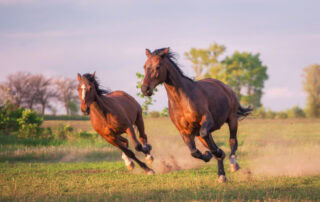
How Fast Can Horses Run? Top Breeds, Record Speeds & Performance Factors

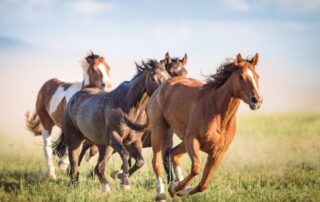
Horses are renowned for their power, grace, and speed. Whether galloping across open fields or running down a racetrack, there’s something captivating about a horse in full stride. But how fast can horses actually run? And what makes certain breeds faster than others? Different horse breeds have been honed for speed, stamina, and agility over centuries. From the adrenaline-pumping rush of Thoroughbreds on the track to the enduring stamina of Arabians, speed in horses isn’t just about raw power—it’s about genetics, training, and discipline. In this article, we explore the top speeds horses can reach, the fastest breeds in the equestrian world, and the disciplines where speed really counts. Read on to learn what makes these magnificent animals the ultimate athletes.

How Fast Can Horses Run? Top Breeds, Record Speeds & Performance Factors2026-07-24T15:00:18-04:00

Laser Therapy for Horses: Uses, Protocols & Side Effects

Laser therapy, also known as photobiomodulation, low-level laser therapy (LLLT), and cold laser therapy, is a rehabilitative therapy commonly used in physiotherapy for treating injuries. Given its purported effects and non-invasive nature, there is growing interest in this treatment modality within the equine community. By focusing light energy on targeted areas, laser therapy manages pain, reduces inflammation, and accelerates tissue repair, making it a valuable tool in a rehabilitation setting. While there is limited research on its effectiveness in horses, laser therapy is gaining popularity. Owners and caretakers should familiarize themselves with how laser therapy works when trying to assess whether their horse is a good candidate for this modality. Read on to learn more about the fundamentals of laser therapy, including its mechanisms, benefits, and practical applications in equine medicine.
Laser Therapy for Horses: Uses, Protocols & Side Effects2026-07-24T14:54:05-04:00

Mesenteric & Omental Rents in Horses: Causes, Risk Factors & Treatment

Mesenteric and omental rents are rare but potentially serious conditions that can affect horses. These rents are tears or openings in the mesentery or omentum, two structures within the abdomen. While these tears often go unnoticed, they can lead to life-threatening situations if another part of the horse’s anatomy, particularly the intestines, becomes trapped within them. This entrapment can block blood flow, causing tissue death, or obstruct digestion, leading to colic—a common symptom of these conditions. Pregnant mares and previously pregnant mares are at higher risk due to the damage caused by the foal during pregnancy and delivery. Diagnosis typically involves exploratory surgery, and treatment ranges from manually freeing the trapped structure to more complex surgical interventions depending on the severity of the entrapment.

Mesenteric & Omental Rents in Horses: Causes, Risk Factors & Treatment2026-07-24T14:52:46-04:00

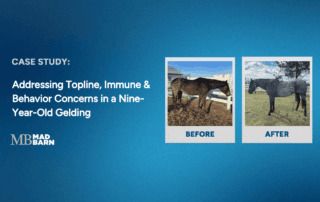
Case Study: Addressing Topline, Immune & Behavior Concerns in a Nine-Year-Old Gelding

In April of 2024, a diet evaluation was requested for a 9-year-old Quarter Horse gelding named Rage. He weighed approximately 1200 lb (544 kg) and was located in Alberta, Canada. Reported concerns included respiratory, topline, and joint health, and as well as increased reactivity. The horse owner’s primary goal was to maintain Rage’s overall health and support his immune function.

Case Study: Addressing Topline, Immune & Behavior Concerns in a Nine-Year-Old Gelding2026-07-24T14:50:45-04:00

Horse Passports: Equine Identification and Travel Requirements – [Guide]

Understanding the complexities and nuances of horse passports is essential for every equine owner. While requirements and regulations vary greatly between different jurisdictions, all forms of identification aim to address several important issues for horses and owners alike. A central role played by these documents is that of reducing the risk of infectious diseases spreading to multiple communities by requiring horse owners to exhibit documentation attesting the horse’s medical status at the time of state or country border crossing. A second realm in which passports are required is that of international competitions; the International Federation for Equestrian Sports (FEI), requires all participating horses to be properly identified prior to participation.

Horse Passports: Equine Identification and Travel Requirements – [Guide]2026-08-18T22:07:22-04:00

Fat Pads (Regional Adiposity) in Horses: Risk Factors, Causes & Treatment

Fat pads, also known as regional adiposity, have become an increasingly common problem in horses today. They can be described as areas of fatty tissue that develops in certain anatomical locations on the horse’s body. Two common places for fat pads to develop are along the top of the neck and above the tail head. In people, the distribution of adipose tissue between depots ("fat patterning") has been linked to disease risk. For example, abdominal fat in people has been linked to risk of cardiovascular and metabolic disease. According to research in horses, fat pads are closely associated with general obesity, insulin resistance, and low-grade inflammation. They are also associated with a horse’s susceptibility to laminitis, as well as a reduced survival rate in laminitis cases.

Fat Pads (Regional Adiposity) in Horses: Risk Factors, Causes & Treatment2026-07-24T14:45:51-04:00

FAQ: Ionophore and Monensin Contamination in Horse Feeds

Ionophores are compounds commonly used as additives in feeds for cattle, poultry, and other commercially raised animals. While these compounds are beneficial for certain animals, horses metabolize ionophores differently, making them susceptible to negative effects if exposed to toxic doses. Recently, concerns about ionophore contamination in equine feeds have risen after a tragic incident at an Oklahoma rodeo facility, where up to 70 horses were poisoned. This feed, sourced from a private feed mill, contained levels of the ionophore monensin that were toxic not only to horses but also to cattle, highlighting the severity of the contamination. While this incident has understandably alarmed many horse owners, it's important to note that such cases are extremely rare. In fact, this is the only reported incident of its scale, and it resulted from a significant feed mixing error. Despite this, the incident serves as a reminder of the importance of sourcing equine feeds and supplements from reputable mills with robust quality control measures.

FAQ: Ionophore and Monensin Contamination in Horse Feeds2026-07-24T14:13:47-04:00

Can My Horse Eat That Treat? Ultimate Guide to Safe & Healthy Horse Treats – [Guide]

All horses enjoy occasional tasty treats and offering them can strengthen your bond with your equine companion. Giving treats to horses is an important component of training, enrichment, showing affection, and even administering medications for many owners. However, not all human foods are safe for equine consumption. Feeding your horse an unsafe food as a treat can lead to digestive problems, colic, or even serious toxicosis (poisoning). Owners must also consider the frequency, amount, and types of treats they feed, as not all treats are suitable for all horses, and excessive feeding of any item can lead to unintended weight gain.

Can My Horse Eat That Treat? Ultimate Guide to Safe & Healthy Horse Treats – [Guide]2026-07-24T14:08:57-04:00

Jaw Swelling in Horses: Causes, Risk Factors & Treatment

Swollen jaws are a common concern in equine medicine; they can be a symptom of several underlying health issues and conditions that range from mild to potentially life-threatening. Jaw swelling in horses can be caused by a number of underlying conditions, ranging from dental diseases and traumatic injuries to infections, immune-mediated reactions, to tumors.

Jaw Swelling in Horses: Causes, Risk Factors & Treatment2026-07-18T19:37:04-04:00

Sepsis & Toxic Shock in Horses: Pathophysiology, Causes & Prognosis

Sepsis is a severe and rapidly life-threatening condition that develops in response to an infection of the horse’s bloodstream, triggering a widespread inflammatory response that affects multiple organs. Any infection has the potential to cause sepsis if left untreated. Signs of sepsis include fever, rapid heart rate, rapid breathing, and dark red gums. Veterinary intervention is necessary to prevent organ failure and death, which can occur within a matter of hours or days. Horse owners should be familiar with common equine diseases and their signs and symptoms to ensure prompt treatment before sepsis can develop. This article covers terminology surrounding sepsis, causes of the condition, diagnosis, treatment, and prevention strategies.

Sepsis & Toxic Shock in Horses: Pathophysiology, Causes & Prognosis2026-07-24T14:07:09-04:00

Internal Entrapments in Horses: Types, Risk Factors & Prognosis

Internal entrapments in horses involve the trapping of a segment of the small intestine within other structures in the abdomen. This can lead to serious complications, including blockage of food, gas, and fluids, and in severe cases, disruption of blood flow to the intestine, which can eventually cause tissue death and lead to serious harm or death to the horse. Various types of entrapments occur in different locations within the abdominal cavity, including mesenteric rent entrapment, epiploic foramen entrapment, gastrosplenic entrapment, and nephrosplenic entrapment. These conditions often present with symptoms of colic and require prompt veterinary attention. The causes are not fully understood, and risk factors and diagnostic methods vary somewhat between the specific entrapments. Early detection and surgical intervention improve the horse's prognosis and help to prevent severe complications.

Internal Entrapments in Horses: Types, Risk Factors & Prognosis2026-07-18T15:43:06-04:00

Equine Joint Anatomy & Common Conditions – [Complete Guide]

The horse’s skeletal system is made up of more than 200 bones that all connect with the help of connective tissue—tendons, ligaments, and cartilage. In each location where two or more bones meet, this is known as a joint. Joints are what allow for movement, but they can also be prone to injury and disease. Sport horses are at highest risk of joint problems. For owners, it is important to have a basic understanding of equine joint structure, as well as common joint problems that horses can experience.

Equine Joint Anatomy & Common Conditions – [Complete Guide]2026-07-24T14:05:11-04:00

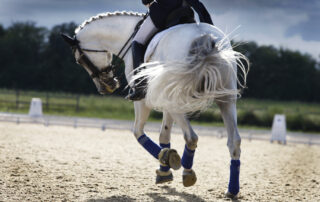
11 Most Common Injuries in English Sport Horses: Risk Factors, Treatment & Prevention

English performance riding has roots in European equestrian traditions linked to military horsemanship and hunting on horseback. These traditions relied on the horse’s agility, disposition and responsiveness – the traits at the heart of modern English equestrian sport disciplines. From the spectacle of top level show jumping, to the poise of the dressage ring, to the rough and tumble of cross-country eventing, each discipline carries its own set of risks to equine athletes.

11 Most Common Injuries in English Sport Horses: Risk Factors, Treatment & Prevention2026-09-15T18:24:20-04:00

Equine Tail Docking, Blocking & Nicking: Procedures, Regulations & Welfare Concerns

Equine tail alteration practices, including tail docking, nicking, and blocking, are highly controversial. These procedures involve modifying or removing parts of the tail, primarily for aesthetic or competitive purposes. Such practices raise significant welfare concerns due to the associated pain and potential complications. The discomfort and risks linked to tail alterations underscore the ethical issues and highlight the need for humane alternatives that safeguard the horse’s well-being. Legislation regarding tail alteration varies globally, with many regions implementing restrictions or outright bans in response to growing public concern for animal welfare. These legal measures reflect the need for ethical review of practices like tail alteration to secure ongoing social license to operate within the equine sector.

Equine Tail Docking, Blocking & Nicking: Procedures, Regulations & Welfare Concerns2026-07-18T15:17:52-04:00