Analyze Diet

Can My Horse Eat That Treat? Ultimate Guide to Safe & Healthy Horse Treats – [Guide]

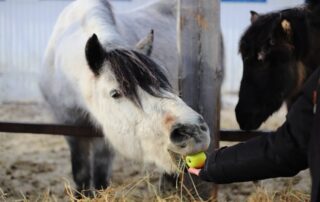
All horses enjoy occasional tasty treats and offering them can strengthen your bond with your equine companion. Giving treats to horses is an important component of training, enrichment, showing affection, and even administering medications for many owners. However, not all human foods are safe for equine consumption. Feeding your horse an unsafe food as a treat can lead to digestive problems, colic, or even serious toxicosis (poisoning). Owners must also consider the frequency, amount, and types of treats they feed, as not all treats are suitable for all horses, and excessive feeding of any item can lead to unintended weight gain.
Can My Horse Eat That Treat? Ultimate Guide to Safe & Healthy Horse Treats – [Guide]2026-07-24T14:08:57-04:00

Jaw Swelling in Horses: Causes, Risk Factors & Treatment

Swollen jaws are a common concern in equine medicine; they can be a symptom of several underlying health issues and conditions that range from mild to potentially life-threatening. Jaw swelling in horses can be caused by a number of underlying conditions, ranging from dental diseases and traumatic injuries to infections, immune-mediated reactions, to tumors.

Jaw Swelling in Horses: Causes, Risk Factors & Treatment2026-07-18T19:37:04-04:00

Sepsis & Toxic Shock in Horses: Pathophysiology, Causes & Prognosis

Sepsis is a severe and rapidly life-threatening condition that develops in response to an infection of the horse’s bloodstream, triggering a widespread inflammatory response that affects multiple organs. Any infection has the potential to cause sepsis if left untreated. Signs of sepsis include fever, rapid heart rate, rapid breathing, and dark red gums. Veterinary intervention is necessary to prevent organ failure and death, which can occur within a matter of hours or days. Horse owners should be familiar with common equine diseases and their signs and symptoms to ensure prompt treatment before sepsis can develop. This article covers terminology surrounding sepsis, causes of the condition, diagnosis, treatment, and prevention strategies.

Sepsis & Toxic Shock in Horses: Pathophysiology, Causes & Prognosis2026-07-24T14:07:09-04:00

Internal Entrapments in Horses: Types, Risk Factors & Prognosis

Internal entrapments in horses involve the trapping of a segment of the small intestine within other structures in the abdomen. This can lead to serious complications, including blockage of food, gas, and fluids, and in severe cases, disruption of blood flow to the intestine, which can eventually cause tissue death and lead to serious harm or death to the horse. Various types of entrapments occur in different locations within the abdominal cavity, including mesenteric rent entrapment, epiploic foramen entrapment, gastrosplenic entrapment, and nephrosplenic entrapment. These conditions often present with symptoms of colic and require prompt veterinary attention. The causes are not fully understood, and risk factors and diagnostic methods vary somewhat between the specific entrapments. Early detection and surgical intervention improve the horse's prognosis and help to prevent severe complications.

Internal Entrapments in Horses: Types, Risk Factors & Prognosis2026-07-18T15:43:06-04:00

Equine Joint Anatomy & Common Conditions – [Complete Guide]

The horse’s skeletal system is made up of more than 200 bones that all connect with the help of connective tissue—tendons, ligaments, and cartilage. In each location where two or more bones meet, this is known as a joint. Joints are what allow for movement, but they can also be prone to injury and disease. Sport horses are at highest risk of joint problems. For owners, it is important to have a basic understanding of equine joint structure, as well as common joint problems that horses can experience.

Equine Joint Anatomy & Common Conditions – [Complete Guide]2026-07-24T14:05:11-04:00

11 Most Common Injuries in English Sport Horses: Risk Factors, Treatment & Prevention

English performance riding has roots in European equestrian traditions linked to military horsemanship and hunting on horseback. These traditions relied on the horse’s agility, disposition and responsiveness – the traits at the heart of modern English equestrian sport disciplines. From the spectacle of top level show jumping, to the poise of the dressage ring, to the rough and tumble of cross-country eventing, each discipline carries its own set of risks to equine athletes.

11 Most Common Injuries in English Sport Horses: Risk Factors, Treatment & Prevention2026-09-15T18:24:20-04:00

Equine Tail Docking, Blocking & Nicking: Procedures, Regulations & Welfare Concerns

Equine tail alteration practices, including tail docking, nicking, and blocking, are highly controversial. These procedures involve modifying or removing parts of the tail, primarily for aesthetic or competitive purposes. Such practices raise significant welfare concerns due to the associated pain and potential complications. The discomfort and risks linked to tail alterations underscore the ethical issues and highlight the need for humane alternatives that safeguard the horse’s well-being. Legislation regarding tail alteration varies globally, with many regions implementing restrictions or outright bans in response to growing public concern for animal welfare. These legal measures reflect the need for ethical review of practices like tail alteration to secure ongoing social license to operate within the equine sector.

Equine Tail Docking, Blocking & Nicking: Procedures, Regulations & Welfare Concerns2026-07-18T15:17:52-04:00

Equine Physiotherapy: Uses, Techniques & Side Effects

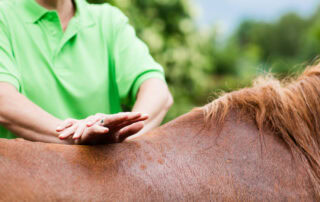
Equine physiotherapy is a specialized profession within the field of veterinary medicine that focuses on the rehabilitation, recovery, restoration of correct movement and function, and overall physical well-being of horses. Physiotherapy combines elements of body work, stretching, specific exercise protocols, and other adjunct therapies. This methodology is used to maintain performance and health in equine athletes and support their recovery from injury, surgery, and chronic conditions. With techniques ranging from cold and heat therapy to advanced methods such as laser and shockwave therapy, equine physiotherapy plays an important role in keeping sport horses safe and healthy. It's important for horse owners and caretakers to ensure they work with a qualified professional when seeking adjunct treatments such as physiotherapy. While physiotherapy is generally safe and supported by veterinary science and practitioners, improper techniques can cause more harm than benefit.

Equine Physiotherapy: Uses, Techniques & Side Effects2026-07-18T15:17:15-04:00

Displacement Colics in Horses: Anatomy, Risk Factors & Treatment

Displacement colics are a serious concern for horses, involving the abnormal positioning of the intestines within the hindgut. These conditions, including right dorsal displacement, left dorsal displacement, and large colon volvulus, can lead to blockages that disrupt the normal flow of food, gas, fluids, and blood through the digestive tract. Such blockages result in significant pain, known as colic, along with other distressing symptoms. Understanding the anatomy of the hindgut, the types of displacement colics, their causes, symptoms, and treatment options is important for managing these life-threatening conditions effectively and ensuring the horse's well-being.

Displacement Colics in Horses: Anatomy, Risk Factors & Treatment2026-07-18T15:16:09-04:00

Enteritis & Inflammatory Bowel Disease in Horses: Risk Factors, Treatment & Prevention

Enteritis is a serious condition in horses, characterized by inflammation of the intestinal tract, which can disrupt the digestive system and lead to symptoms such as diarrhea, colic, and weight loss. This condition can affect horses of all ages, though it is more commonly seen in younger horses, those who are stressed, and those who have been in contact with horses that are affected by the condition. The causes of enteritis are diverse and include both infectious and non-infectious agents including bacteria, toxins, viruses, and nutritional disruption. Proper management is important for the horse's recovery, though diagnosing the exact cause can be challenging.

Enteritis & Inflammatory Bowel Disease in Horses: Risk Factors, Treatment & Prevention2026-07-18T15:14:51-04:00

Migrating Grass Awns (Foxtails) in Horses: Symptoms, Treatment & Prevention

Migrating grass awns, commonly referred to as foxtails, pose a significant health risk to horses. These sharp, barbed seeds can become embedded in a horse's ear, mouth, nose, or skin. Once they have entered the animal's tissue, they can migrate within the animal's body, leading to inflammation, infections, and potentially life-threatening complications. This article explores the biology of grass awns, the risks they pose to horses, and the clinical signs of grass awn migration.

Migrating Grass Awns (Foxtails) in Horses: Symptoms, Treatment & Prevention2026-07-18T14:26:16-04:00

Hepatitis in Horses: Causes, Risk Factors & Prognosis

The liver is the largest organ in the horse's body, making up one percent of its total body weight. Hepatitis refers to inflammation of the liver and is a non-specific term used to describe liver disease. The liver is a vital organ, responsible for many critical functions including metabolizing toxins, medications, fats, proteins and carbohydrates. It also aids in the production of red blood cells (hematopoiesis) and stores glucose and other sugars in the form of glycogen. Some forms of liver disease are progressive and lead to liver failure. [4] The liver has the ability to regenerate; if cell loss is slow then liver failure does not necessarily occur. Whether liver disease is reversible depends on the location, duration, pattern and extent of the damage. Liver disease can also be chronic, acute, toxic, undefined or infectious.

Hepatitis in Horses: Causes, Risk Factors & Prognosis2026-07-18T15:40:27-04:00

Purpura Hemorrhagica in Horses: Causes, Treatment & Prognosis

Purpura hemorrhagica (PH) is a severe immune-mediated condition in horses characterized by widespread inflammation of blood vessels, known as vasculitis. This condition often develops as a secondary complication of infections, particularly those caused by Streptococcus equi, the bacterium responsible for strangles. Horses affected by PH typically exhibit extensive swelling (edema) in the legs, neck, head, and abdomen, along with small red or purple spots (petechiae) and larger bruises (ecchymoses) on the skin and mucous membranes.

Purpura Hemorrhagica in Horses: Causes, Treatment & Prognosis2026-07-24T14:03:03-04:00

When to Geld My Horse? Castration Procedure, Complications & Aftercare

Stallions are male horses that have not been castrated and thus have high levels of testosterone. This hormone can drive behaviors such as aggression, dominance, and a strong mating instinct. Testosterone, produced primarily in the testicles, plays a crucial role in developing and maintaining male reproductive tissues and secondary sexual characteristics. It also influences physical traits like muscle development and bone growth. Managing stallions involves controlling testosterone levels, which can be achieved through castration. This procedure helps mitigate testosterone-driven behaviors, typically making castrated horses easier to handle and train.

When to Geld My Horse? Castration Procedure, Complications & Aftercare2026-07-18T14:21:30-04:00

Hot vs. Freeze Branding in Horses: Alternatives, Regulations & Welfare Concerns

Branding is a traditional practice used to permanently mark horses for identification purposes. This method involves creating a lasting mark on a horse's skin by applying either a heated iron (hot branding) or a supercooled iron (freeze branding). While branding has long been relied upon for identifying ownership, its invasive nature has raised ethical concerns, particularly as less painful alternatives like microchipping and iris scanning have become available. These welfare implications have sparked significant debate within the equine community. Concerns about animal suffering have led to a re-evaluation of the necessity of branding, driving efforts to explore and adopt more humane identification methods. As a result, there is a growing push towards adopting practices that balance effective identification with animal welfare considerations, ensuring both the integrity of identification processes and the well-being of horses.

Hot vs. Freeze Branding in Horses: Alternatives, Regulations & Welfare Concerns2026-07-18T14:07:05-04:00

Horse Coat Colors, Dilutions & Patterns – Genetics Guide

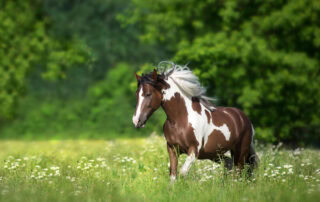
Horse coat colors are highly diverse and carry historical, cultural, and even functional significance within many horse breeds. The colors and patterns that mark these breeds result from a complex interaction of several genes that geneticists have studied for centuries. Understanding the genetic basis of coat colors helps breeders to predict the color of their foals, allowing them to make breeding decisions to select for particularly desirable colors or colors that meet their breed’s standard. Additionally, it can even help mitigate color-associated diseases such as lethal white overo. This article explores the genetic basis of coat colors, exploring how each coat color develops, the possible interactions between different colors and patterns, and health impacts related to color genes.

Horse Coat Colors, Dilutions & Patterns – Genetics Guide2026-07-18T14:14:52-04:00

8 Most Common Injuries in Endurance Horses: Risk Factors, Treatment & Prevention

Unlike the explosive speed of racehorses or the poised collection of hunter-jumpers, the endurance horse has a more specialized skillset. Endurances horses – and riders – work hard to go the distance. Riding in the range of 80 or more km a day over variable terrain and an exposed environment requires long-term physical preparation and a steady mental commitment. Like all horse sport disciplines, equestrian endurance riding comes with its unique set of risk factors and likely injuries that can affect horse performance and overall health. Read on to learn some of these risks and the common injuries that are associated with endurance horses. Understanding these issues, and how to prevent or deal with them, can help alleviate stress for horse and owner alike and help to keep our beloved endurance horses on course.

8 Most Common Injuries in Endurance Horses: Risk Factors, Treatment & Prevention2026-07-18T14:00:30-04:00

Sunflower Oil for Horses: Benefits, Drawbacks & Feeding Guide

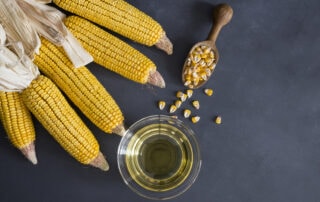
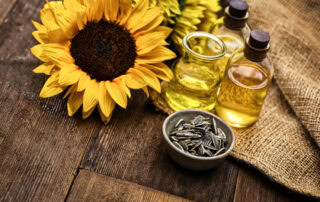
Sunflower oil is a vegetable oil extracted from seeds of the sunflower plant (Helianthus annuus). It is high in unsaturated fats, primarily omega-6 and omega-9 fatty acids. In horse diets, sunflower oil is often used to provide additional calories to aid in weight gain or maintenance. This may be the case for horses that are underweight and need to gain condition, or for those whose calorie requirements will be increasing, such as when beginning a training program or at the beginning of lactation. It also has a fairly high vitamin E content compared with other plant-based oils. Although the average dose of sunflower oil alone will not meet a horse's vitamin E requirement, it can boost a horse's overall intake. One concern that horse owners may have with sunflower oil is the relatively high amount of omega-6 fatty acids, and a lower omega-3 fatty acid content than many other plant-based oils. In addition, it is typically more costly to feed sunflower oil when compared to other oils like canola or vegetable oil.

Sunflower Oil for Horses: Benefits, Drawbacks & Feeding Guide2026-07-18T11:52:36-04:00

Why is My Horse Itchy? Pruritis Causes, Management & Related Conditions

Itching, or pruritus, is a common issue that affects all horses, with various potential causes ranging from insect bites and parasite infestations to bacterial and fungal infections, as well as allergic reactions. Horses typically exhibit signs of itchiness by biting, licking, or rubbing their skin against objects. While pruritus is often not a cause for extreme concern, it can signal life-threatening conditions such as equine pythiosis. Additionally, the act of scratching can lead to the formation of skin lesions that may become infected. Understanding the causes of pruritus and the associated risk factors is crucial for the effective management and prevention of more serious health issues in horses.

Why is My Horse Itchy? Pruritis Causes, Management & Related Conditions2026-07-18T11:02:41-04:00

Small Intestine Volvulus in Horses: Risk Factors, Causes & Treatment

Small intestine volvulus is a serious condition in horses, characterized by a twisting of the intestine around itself and the root of the mesentery. This twist can cause a blockage, restricting blood flow and leading to severe damage to the intestinal tissues. The main symptoms of small intestine volvulus are colic and a distended abdomen. Horses with these signs require prompt veterinary attention. Small intestine volvulus primarily affects the jejunum and ileum, sections of the small intestine that are particularly mobile. Horses with other conditions such as lipoma, mesenteric rents, and impactions are at greater risk, as are those that are involved in activities such as endurance racing and swimming and foals adapting to new feeding habits. Diagnosis often requires exploratory surgery due to the non-specific nature of the symptoms. While surgical intervention can save the horse, the prognosis depends heavily on the extent of the intestinal damage.

Small Intestine Volvulus in Horses: Risk Factors, Causes & Treatment2026-07-18T10:55:40-04:00

Why Do Horses Spook? Causes, Training & Management Strategies – [Behavior Guide]

Spookiness refers to a sudden and frequently exaggerated reaction to a perceived threat. Spooky behavior can manifest in several different ways, including bolting, spinning, jumping, or freezing in place. Spooking is a natural behavior that has its roots in the instinctual drive for survival. When a horse perceives a threat, the sympathetic branch of its autonomic nervous system (ANS) activates, triggering the "fight-or-flight" response. This mechanism is common to all animals; what differs is the outcome of the "scare." Horses, as prey animals, are more likely to flee or freeze rather than actively confront danger.

Why Do Horses Spook? Causes, Training & Management Strategies – [Behavior Guide]2026-07-18T10:54:53-04:00

The 3 Fs of Equine Welfare: Forage, Friends, and Freedom for a Happy Horse

Around the world, there's a growing demand for a shift in the equine industry towards prioritising the health and well-being of domestic horses, a movement that has reached a pivotal moment. Stakeholders within the industry, including horse owners, professionals, regulators and the public, are recognising the need for sustainable and ethical practices in horse care, reflecting a broader societal shift towards accountability in horse welfare. While modern horse management is usually intended to provide the best possible quality of life, there are common practices that have been called into question by health and welfare experts. Notably, increased isolation due to housing in private stables and feeding small, grain-based meals with minimal turnout are currently under scrutiny. Many of these practices are influenced by our human values and definition of comfort. By familiarising themselves with how management practices are not always aligned with the horse's evolutionary adaptations, horse owners and caretakers can make informed choices to promote overall wellbeing and welfare in their equine charges.

The 3 Fs of Equine Welfare: Forage, Friends, and Freedom for a Happy Horse2026-07-18T08:41:21-04:00

Warts in Horses (Equine Papillomatosis): Transmission, Risk Factors & Treatment

Warts in horses, also known as equine papillomatosis, are small, benign growths caused by equine papillomaviruses (EPVs). These growths primarily affect young horses under the age of three, as their developing immune systems are more susceptible to the virus. EPVs target the epithelial cells of the horse's skin, leading to lesions with a rough, cauliflower-like texture. Typically, gray or flesh-coloured, these warts commonly appear on the muzzle, lips, or around the eyes. Although EPV is highly contagious, spreading through direct contact or contaminated equipment, the condition is generally self-limiting. As the horse’s immune system matures, it usually mounts an effective response, leading to the resolution of the warts. Most horses will recover fully within a few months without the need for extensive treatment. Proper management practices, including good hygiene and isolating affected horses, can help control the spread of the virus and reduce the risk of new infections.

Warts in Horses (Equine Papillomatosis): Transmission, Risk Factors & Treatment2026-07-24T13:59:29-04:00

Australian Stock Horse Breed Guide: Characteristics, Health & Nutrition

The Australian Stock Horse, also known as the breed for every need, is renowned for its versatility, strength, and adaptability. It has a rich history dating back to the late 18th century. The Australian Stock Horse's origins can be traced to 1788, with the arrival of the British First Fleet at Port Jackson, New South Wales. The first horses to set foot on the Australian mainland faced the harsh conditions of the outback, where they adapted and evolved to meet their new environment. Throughout the 19th century, breeders enhanced these horses' physical traits. Australian horses became indispensable to the cattle and farm workers in Australian outback, prized for their endurance and ability to work in extreme conditions. World War I further cemented the importance of these horses, as thousands were sent to battle in Europe and Asia.

Australian Stock Horse Breed Guide: Characteristics, Health & Nutrition2026-07-17T22:11:09-04:00

Why is My Horse Dropping Feed or Hay? Quidding Causes, Symptoms & Treatment

Quidding is a term used to describe a horse dropping food from its mouth while eating. This can be a sign of dental problems as well as a number of other conditions. Regular dental care is of utmost importance to ensure proper mastication and to maintain overall nutrition. Understanding the causes and implications of quidding is crucial for horse owners and veterinarians alike, as it impacts the horse's ability to eat and as a consequence its overall health and well-being. Addressing quidding involves identifying underlying dental issues and implementing appropriate treatment strategies to ensure horses maintain effective mastication and optimal nutrition.

Why is My Horse Dropping Feed or Hay? Quidding Causes, Symptoms & Treatment2026-07-24T13:57:07-04:00

How to Feed a Forage-Based Diet for Horses – [Management Guide]

Forage-based diets can be implemented for many horses to support optimal weight maintenance, and digestive and metabolic function. These diets work with your horse’s gastrointestinal physiology to support their health. Pasture, hay, and processed forage can be used alone or in conjunction with each other to meet your horse’s energy, protein, and special care needs. Choosing the correct type, amount, and quality of forage to feed is an important component of a successful forage-based diet.

How to Feed a Forage-Based Diet for Horses – [Management Guide]2026-07-24T13:54:41-04:00

Are Tick Bites Dangerous for Horses? Complete Guide to Equine Tick-Borne Disease & Prevention

Ticks are small, blood-feeding arachnids with specialized mouthparts that allow them to attach to a variety of hosts, including humans, birds, reptiles, and mammals like horses. After attaching to a host, ticks use their mouthparts to feed on the host’s blood, a process that can last from several hours to days. They pose a significant health risk as they transmit pathogens like bacteria, viruses, and protozoa, which can cause serious diseases such as Lyme disease, anaplasmosis, and piroplasmosis. Early detection and effective management of tick bites are crucial for horse health. Regular tick checks help identify and remove ticks before they can transmit harmful pathogens. Additionally, using acaricides (chemicals that kill and repel ticks) along with regular grooming can significantly reduce tick infestations and the risk of disease. Routine inspections aid in early tick detection, preventing disease transmission.

Are Tick Bites Dangerous for Horses? Complete Guide to Equine Tick-Borne Disease & Prevention2026-07-24T13:51:41-04:00

Is My Horse Lying Down Too Much? Guide to Recumbency & Treating a Down Horse

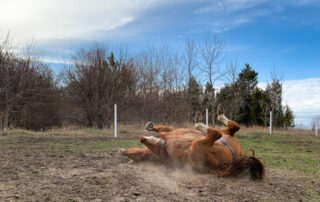
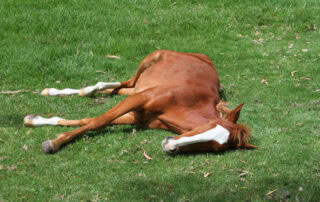
Horses, as prey animals with considerable size and weight, have evolved to minimize the need for lying down, a position that increases their vulnerability to predators and hinders quick escapes. Despite these adaptations, horses do spend a portion of the day lying down. However, remaining recumbent for extended periods of time is often a symptom of life-threatening conditions and may cause severe health complications. Prolonged recumbency may result from various conditions, including injury, neurological disorders, and toxicosis; furthermore, long periods of recumbency can cause pressure sores, muscle degeneration, decreased gastrointestinal motility, and respiratory issues. Understanding the causes, risks, and management strategies for recumbency is essential for equine health and welfare.

Is My Horse Lying Down Too Much? Guide to Recumbency & Treating a Down Horse2026-07-17T14:44:00-04:00

Constipation in Horses & Straining to Defecate (Tenesmus): Signs, Causes & Treatments

Defecation is crucial for maintaining a horse's digestive health and overall well-being. Regular bowel movements help to ensure that the digestive system is functioning properly, allowing waste to be efficiently expelled from the body. This is vital for preventing issues like colic. When the stomach and intestines aren't functioning properly or efficiently, feces can accumulate in part of the intestine, leading to constipation, or impaction. This condition makes it difficult for the horse to pass manure, often resulting in hard, dry feces or a reduced frequency of defecation. Constipation can result from inadequate water intake, poor diet, lack of exercise, or underlying health issues like colic or intestinal blockages. Affected horses may show signs such as decreased appetite, reduced fecal output, abdominal discomfort, or a distended abdomen.

Constipation in Horses & Straining to Defecate (Tenesmus): Signs, Causes & Treatments2026-07-17T13:53:57-04:00