Analyze Diet

Sedation in Horses: Medications, Uses & Risks – [Medication Guide]

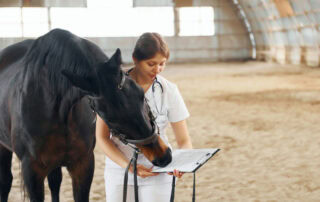
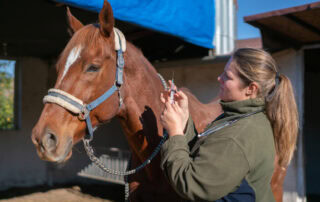
Equine sedation is a critical aspect of veterinary care, playing a vital role in ensuring the safety and well-being of both horses and handlers during various medical procedures. Horses are a large, powerful animal with a strong flight response, which can make certain veterinary tasks difficult or dangerous to perform. Sedation allows veterinarians to perform necessary tasks with minimal stress and discomfort to the animal. Veterinarians commonly use sedation during routine dental work, minor surgeries, and diagnostics. Sedation is safe for horses and has very few side effects. Equine veterinarians strongly prefer sedation over general anesthesia for procedures, as anesthesia has a high mortality rate in horses due to their large size and unpredictable nature when stressed.
Sedation in Horses: Medications, Uses & Risks – [Medication Guide]2026-07-17T13:21:23-04:00

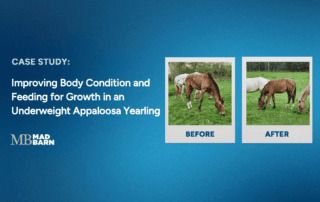
Case Study: Improving Body Condition and Feeding for Growth in an Underweight Appaloosa Yearling

In May 2024, a diet evaluation was requested for an eleven-month-old appaloosa gelding named Phix, located in Nova Scotia, Canada. At the time of the submission, he weighed approximately 550 lb (250 kg). Phix was reported to be healthy but slightly underweight. The horse owner’s primary goal was to encourage weight gain to achieve a healthy body condition score.

Case Study: Improving Body Condition and Feeding for Growth in an Underweight Appaloosa Yearling2026-07-17T13:17:04-04:00

General Anesthesia for Horses: Procedures, Uses & Risks – [Medication Guide]

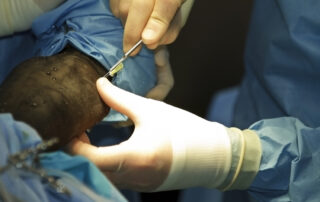
Anesthesia refers to the loss of sensation and consciousness from administration of anesthetic medications. Anesthesia is a critical aspect of veterinary medicine, as it allows for life-saving or career-saving surgeries and diagnostic procedures that would otherwise be impossible to perform on horses. Anesthesia for horses can be general or local. General anesthesia induces complete unconsciousness and affects the entire body, while local anesthesia numbs only a specific area, leaving the horse conscious. The most common uses of general anesthesia in equine medicine include castrations, colic surgeries, and musculoskeletal surgeries. Although veterinarians make every effort to prevent complications, these procedures have a high risk of mortality, with around 1 - 2% of procedures ending in euthanasia or death.

General Anesthesia for Horses: Procedures, Uses & Risks – [Medication Guide]2026-07-17T13:08:38-04:00

Assessing Equine Quality of Life (QoL): Guide to End-of-Life Decision-Making

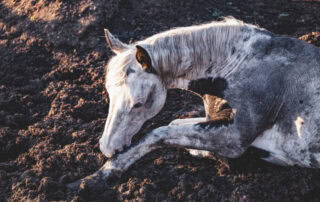
Horses are valued human companions, fulfilling roles from work, to sport, to companionship. Ensuring the wellbeing and quality of life of our horses is a priority for many horse owners, even during challenging times such as end-of-life. Quality of life assessments allow for objective evaluation of a horse's quality of life, so that end-of-life decisions can be made. These assessments include a comprehensive examination of the horse's physical, mental, and social wellbeing. Veterinarians and horse owners can use these assessments to track how a horse's wellbeing changes over time, particularly in the face of chronic, ongoing diseases with no treatment. By identifying these changes early, the caretaking team can implement treatment or management changes to improve quality of life, or make the ultimate end-of-life decision to preserve animal welfare. This article discusses quality of life, factors influencing a horse's quality of life, assessment of quality of life, and making end-of-life decisions for our beloved equine companions.

Assessing Equine Quality of Life (QoL): Guide to End-of-Life Decision-Making2026-07-17T13:06:47-04:00

Best Types of Nosebands for Horses: Fitting, Tightness and Usage

Nosebands have been part of bridles for nearly 4,000 years. [1] They can have different functions depending on their design, placement on the face, material and tightness. Many people only use nosebands because they are expected or required in certain disciplines of riding, like dressage or hunter/jumper. Others may choose to use a noseband to attach certain pieces of equipment, such as a tie-down in Western riding, or a standing martingale in English riding. When fastened loosely, the noseband may be purely cosmetic. However, when fastened tightly, nosebands can be used as a tool to increase control over the horse. This can negatively impact both the physical and mental health of the horse.

Best Types of Nosebands for Horses: Fitting, Tightness and Usage2026-07-17T13:00:50-04:00

Protein Bumps on Horses (Eosinophilic Granulomas): Causes, Treatment & Prognosis

The protein lumps and bumps that are found on the neck and back of the horse are often eosinophilic granulomas. These are small, benign nodules that can develop under a horse's skin. They may occur as single bumps or develop in their hundreds spread across large areas of the horse’s body. Eosinophilic granulomas are generally asymptomatic and do not cause discomfort or health issues for the horse. The causes are not completely understood at this time, but the condition is associated with allergic reactions, insect bites, and other hypersensitivity factors. Although the condition may resolve on its own, lumps that persist can become mineralized, making treatment more difficult and recurrence more likely. Treatments include surgical removal and the administration of corticosteroids.

Protein Bumps on Horses (Eosinophilic Granulomas): Causes, Treatment & Prognosis2026-08-25T21:17:18-04:00

Cerebellar Abiotrophy in Horses: Symptoms, Risk Factors & Prognosis

The horse's brain is responsible for managing and regulating all bodily functions and behaviours. The cerebellum, located at the back of the brain beneath the occipital lobes, plays a vital role in coordinating and fine-tuning motor movements. Equine Cerebellar Abiotrophy (CA) is an uncommon neurodegenerative disorder that mostly affects Arabian horses, although it can occur in other breeds. CA causes the death of certain brain cells, leading to issues with movement and balance. This condition is inherited when a horse gets two copies of the CA gene, one from each parent. Horses with only one copy are carriers; they don't show symptoms but can pass the gene to their offspring. Affected horses may show signs such as uncoordinated movements, head shaking, and frequent stumbling. To prevent CA, breeders use genetic testing to avoid mating two carrier horses, reducing the chance of producing affected foals. Understanding and managing CA helps ensure the health and well-being of horses.

Cerebellar Abiotrophy in Horses: Symptoms, Risk Factors & Prognosis2026-07-24T13:47:51-04:00

Inguinal (Scrotal) Hernias in Horses: Causes, Risk Factors & Treatment

Inguinal hernias, also known as scrotal hernias, are a condition where a horse's intestine slips through the inguinal canal and settles in the vaginal tunic. Inguinal rupture is where a horse’s intestine slips through a tear in the vaginal ring or vaginal tunic and settles outside of the vaginal tunic. In both cases, this condition has the potential to lead to severe complications. This condition can be present at birth or acquired, often occurring after castration. While relatively rare, inguinal hernias are a significant concern due to the risk of strangulation, where blood flow to the affected area is compromised. This can cause extreme pain and tissue death. It is also possible that this condition can lead to the need for full castration. Recognizing the symptoms, such as scrotal swelling and signs of colic, increases the likelihood of early detection and treatment. Understanding the risk factors, including breed predisposition and recent physical activities, can help in preventing and managing this condition.

Inguinal (Scrotal) Hernias in Horses: Causes, Risk Factors & Treatment2026-07-17T07:26:52-04:00

Case Study: Topline Improvement in a Retired Show Jumper

In April 2024, a diet evaluation was requested for a 22-year-old retired show jumper gelding weighing approximately 1,200 lb (544 kg) in Quebec, Canada. Reported health concerns included Pituitary Pars Intermedia Dysfunction (PPID), arthritis, and poor topline condition. The horse owner’s primary goal was to support and maintain the horse's topline development.

Case Study: Topline Improvement in a Retired Show Jumper2026-07-24T13:42:46-04:00

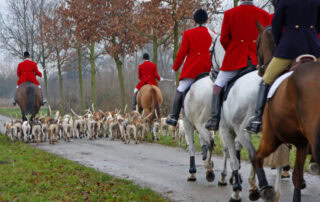
Fox Hunting on Horses: History, Procedures & Organizations – [Discipline Guide]

Fox hunting is a traditional countryside activity that has become a popular equestrian pastime. While initially developed to hunt foxes, most modern hunts are held purely for sport and rarely involve kills. The sport has a history of controversy. Some argue that fox hunting is an essential aspect of rural culture that promotes conversation, while others claim it is unnecessary. In areas where fox hunting is illegal, equestrians can still participate in hunts that follow scent trails. Fox hunting horses must be well-trained and fit to carry riders through the countryside alongside a pack of hounds, so quality horse care is essential. Keep reading to learn more about fox hunting and the role of horses in this rural sport.

Fox Hunting on Horses: History, Procedures & Organizations – [Discipline Guide]2026-07-16T13:15:18-04:00

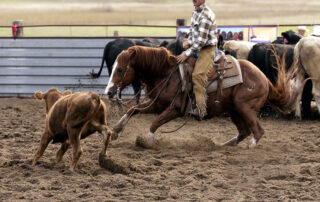
Cutting Horses: History, Equestrian Competition & Rules – [Discipline Guide]

Cutting is a Western equestrian sport that demonstrates a horse and rider's ability to work cattle. Skilled cutting horses face off with cattle in this competitive event that celebrates the cowboy heritage of the American West. What was once a valuable skill in working ranch horses now draws big crowds and prize money to cutting competitions. However, the heart of the sport remains with the cow sense of horses and the horsemanship of riders on full display in the cutting arena. While top cutting horses and riders may appear to read bovine minds, success in this sport relies on years of training and top-quality care for the equine athletes. Keep reading to learn more about cutting and the skills that make this horse sport unique.

Cutting Horses: History, Equestrian Competition & Rules – [Discipline Guide]2026-07-16T13:14:06-04:00

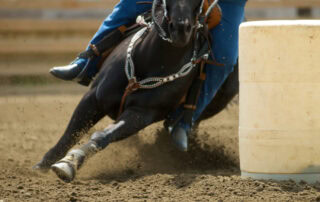
Barrel Racing Horses: History, Competition & Rules – [Discipline Guide]

Barrel racing is a female-dominated rodeo event. This deceptively simple sport challenges the horse's athleticism and the rider's horsemanship through their ability to carefully run a set pattern around barrels as fast as possible. The speed of barrel racing makes these races an exciting event for both riders and spectators, which led to the sport's rise in popularity throughout North America. Today, the most prestigious barrel racing events can offer millions of dollars in prize money for performances lasting mere seconds. There's more to barrel racing than the seconds of an exhilarating competition run. The incredible equine athletes who conquer barrel courses require years of training and around-the-clock care. Keep reading to learn more about Barrel racing and barrel horses.

Barrel Racing Horses: History, Competition & Rules – [Discipline Guide]2026-07-24T13:38:03-04:00

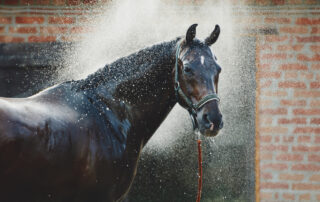
Is My Horse Sweating Too Much or Not Enough? – [Abnormal Perspiration Guide]

Horses produce 1 to 2.5 gallons of sweat per hour, amounting to up to 60 gallons daily. Sweat, produced by over 800 sweat glands per cm² of skin, contains water, electrolytes (sodium, chloride, potassium, calcium, magnesium), and proteins like latherin, aiding in sweat transport through their waterproof coats. Sweat disorders in horses include excessive sweating from conditions like exertional rhabdomyolysis and colic, and anhidrosis, where horses cannot sweat. Timely intervention and prompt treatment in sweat-related disorders are critical for maintaining horse health and performance.

Is My Horse Sweating Too Much or Not Enough? – [Abnormal Perspiration Guide]2026-07-16T09:18:47-04:00

Western Horse Tack: Guide to Saddles, Bridles, Leg Protection & More

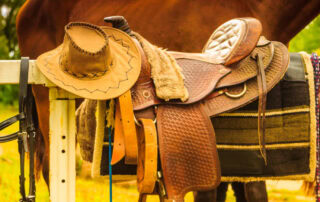
Choosing equipment for you and your horse is an important part of improving comfort, safety, and performance. Understanding the types of Western tack available can help you decide what tack is best for your riding. Western tack and equipment has its roots in the early cowboys of Mexico and the American Southwest, where they valued comfort and utility over appearance. Riders rode long hours in the saddle, crossing many miles of rugged terrain as they sorted, roped, and managed their cattle. Today's modern Western tack is very similar to traditional Western equipment, however there are more varieties available to best meet the needs of specific Western sporting events. Now there are many different styles of Western saddle, types of saddle riggings, types of bits, and other modernizations that can make the world of Western tack very complex. It is helpful for riders new to Western disciplines to familiarize themselves with the wide variety of equipment options available. This article covers different aspects of Western tack and rider equipment, including their functions and reasons for use.

Western Horse Tack: Guide to Saddles, Bridles, Leg Protection & More2026-07-27T10:52:58-04:00

Sorghum & Sudan Grass Poisoning in Horses (Cyanide Toxicity): Risk Factors, Toxicology & Prevention

Cyanide toxicosis is a potentially fatal condition in horses which is caused by the ingestion of plants containing cyanogenic glycosides. Understanding cyanide toxicosis is essential for anyone involved in horse care. Over 3,000 plants worldwide are known to produce cyanogenic glycosides in varying amounts. These plants use cyanogenic glycosides as a defense mechanism against herbivores and fungi. This defence mechanism against herbivores, including horses, consists of these compounds being converted into the highly toxic hydrogen cyanide.

Sorghum & Sudan Grass Poisoning in Horses (Cyanide Toxicity): Risk Factors, Toxicology & Prevention2026-07-16T09:12:04-04:00

Is My Horse In Pain? – Complete Guide to Equine Pain Assessment

Pain in horses, like in other animals, is an unpleasant sensory and emotional experience associated with actual or potential tissue damage. It can result from various sources, including injuries, diseases, or surgical procedures. Recognizing signs of pain in horses is crucial for providing appropriate treatment and ensuring their well-being. Early detection of pain allows for prompt intervention, preventing minor issues from escalating into serious health problems. [2] However, differentiating certain pain behaviours from normal behaviours can be challenging. Horses are naturally stoic animals, often masking discomfort to avoid appearing vulnerable. This stoicism can make it difficult for owners and caretakers to detect subtle signs of pain. Regular veterinary evaluations and the use of pain assessment tools can provide a more comprehensive understanding of a horse's condition. By staying vigilant and informed, owners can better identify pain and ensure timely intervention, ultimately supporting their horse's overall health and comfort.

Is My Horse In Pain? – Complete Guide to Equine Pain Assessment2026-07-16T09:10:20-04:00

Working Equitation: History, Competition & Rules – [Discipline Guide]

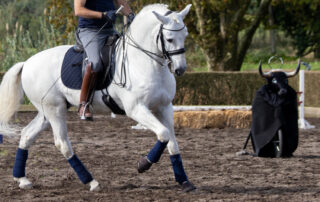
Working Equitation is a dynamic equitation discipline that aims to test the versatility and skills of the horse and the owner, as well as the level of collaboration between the two. While the sport officially came into being only in the mid-90s, its roots are very ancient, as it is based on traditional horse riding practices of counties in the Mediterranean basin. Today, the sport combines modern elements with traditional farming, herding, and riding techniques to showcase and preserve different countries' traditions. The competition is divided into four distinct sections: Dressage, ease of handling trial, speed test, and the cattle trial.

Working Equitation: History, Competition & Rules – [Discipline Guide]2026-07-24T13:36:34-04:00

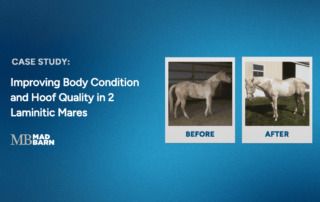
Case Study: Improving Body Condition and Hoof Quality in 2 Laminitic Mares

In March 2024, a diet evaluation was requested for two 16-year-old mares weighing approximately 1000 lb (455 kg) in Missouri, USA. Reported health concerns included weight gain, poor hoof quality, and a history of laminitis. The horse owner’s primary goal was to support the horses’ metabolic and hoof health, maintain a healthy weight, and to avoid additional laminitic episodes.

Case Study: Improving Body Condition and Hoof Quality in 2 Laminitic Mares2026-07-15T18:20:54-04:00

Intussusception in Horses: Risk Factors, Treatment & Prognosis

Intussusception in horses describes a condition where a segment of the intestine folds inward on itself, like closing a telescope. This condition primarily affects younger horses, particularly foals, but is occasionally seen in mature horses. Intussusception can lead to severe complications such as intestinal blockage and tissue damage if not promptly addressed. The exact causes of intussusception are not fully understood. Factors like intestinal lesions, infections, and changes in diet are commonly associated with the condition. The characteristic symptom of intussusception is colic. Diagnosis is challenging and often necessitates surgery for both diagnosis and treatment. Outcomes for horses with intussusception vary based on the location and extent of the condition. Surgical outcomes are generally more favorable when the condition is promptly diagnosed and treated.

Intussusception in Horses: Risk Factors, Treatment & Prognosis2026-07-15T18:17:29-04:00

Conjunctivitis (Pink Eye) in Horses: Causes, Treatment & Prevention

Conjunctivitis, also known as "pink eye", is an inflammation of the conjunctiva, the mucous membrane that covers the front of the eye and lines the inside of the eyelids. This condition is the most common acquired eye disease in animals. Various factors can trigger conjunctivitis, including bacterial or viral infections, allergies, irritants, tumors, and trauma. It can manifest as a primary condition or as a secondary issue resulting from an underlying cause.

Conjunctivitis (Pink Eye) in Horses: Causes, Treatment & Prevention2026-07-15T17:12:34-04:00

Locking Stifle (Upward Fixation of the Patella) in Horses: Causes, Treatment & Prognosis

The stifle is a complex joint in the horse's leg, comparable to the human knee. It comprises bones, ligaments, cartilage, and muscles that work together to enable movement and provide stability. This joint plays a crucial role in the overall function and support of the hind leg. A locking stifle, or upward fixation of the patella (UFP), occurs when the kneecap becomes temporarily stuck on the femur bone's medial ridge. This causes the hindlimb to become locked in an extended position, making it difficult for the horse to flex the leg. This condition can significantly affect a horse’s mobility and comfort, often appearing as sudden stiffness in the hind leg, difficulty moving, or toe dragging. A locking stifle can vary in severity, ranging from mild, awkward movements to a persistent lock that may necessitate surgery.

Locking Stifle (Upward Fixation of the Patella) in Horses: Causes, Treatment & Prognosis2026-07-15T17:11:15-04:00

Parasite Dewormer (Anthelmintic) Resistance in Horses: Causes & Prevention Strategies

Anthelmintic (parasitic dewormer) resistance is one of the most pressing concerns in the world of equine health. In this phenomenon, internal parasites affecting horses are becoming resistant to the medications veterinarians use to treat parasitic infection. Without effective deworming medications, the parasitic loads in horses can increase unchecked, potentially resulting in severe, life-threatening conditions such as colic. Horse owners, veterinarians, and researchers must work together to develop effective parasite management strategies without compromising the efficacy of dewormers. This article goes through the causes of anthelmintic resistance, how conventional deworming strategies contribute to resistance, and current best practices to combat this growing problem. By understanding the mechanisms of resistance, the equine community can better safeguard the health and longevity of their horses now and in the future.

Parasite Dewormer (Anthelmintic) Resistance in Horses: Causes & Prevention Strategies2026-07-15T17:10:28-04:00

Charlotte Dujardin Withdraws From Paris 2024 Olympics in Dressage Competition

Six-time Olympic dressage medalist Charlotte Dujardin voluntarily withdrew from the Paris 2024 Olympic Games after a video emerged of Dujardin "making an error of judgment" during a coaching session years ago. The International Federation for Equestrian Sports (FEI) initiated an investigation after receiving the video from a lawyer representing an undisclosed complainant. Dujardin requested to be provisionally suspended pending the outcome of the investigation and will not participate in any competitions until the investigation concludes. Charlotte Dujardin was a medal favourite for Paris, and her withdrawal could significantly impact the outcome of the Games. Here's everything you need to know about her withdrawal, the FEI investigation, and implications for dressage at Paris 2024.

Charlotte Dujardin Withdraws From Paris 2024 Olympics in Dressage Competition2026-07-15T16:23:32-04:00

Nitrate & Nitrite Poisoning in Horses (Brown Blood Disease): Causes, Risk Factors & Prevention

Nitrogen compounds, crucial for fertilizers, have revolutionized agriculture, ensuring food security but they pose environmental risks such as water pollution and algae blooms. Horses, while less susceptible than ruminants to nitrate poisoning due to their digestive system, can suffer severe effects as the result of nitrate toxicosis. Prognosis for horses that ingest low amounts of nitrates is considered good. Unfortunately, animals that ingest toxic amounts of nitrates carry a poor prognosis due to the rapid onset and progression of symptoms followed by early sudden death.

Nitrate & Nitrite Poisoning in Horses (Brown Blood Disease): Causes, Risk Factors & Prevention2026-07-15T16:21:32-04:00

Common Hind Limb Conformation Faults in Horses – [Guide]

The conformation of a horse directly impacts their overall performance capacity, long-term soundness, and their potential in different disciplines of equestrian sport. The conformation of the hindlimbs is particularly important, as the hind legs provide the horse’s power, speed, and strength during performance events. Horses should have symmetrical conformation of the hindquarters, with straight legs when viewed from behind. When viewed from the side, the hocks should have a slight angulation, and the croup should have a gentle slope.

Common Hind Limb Conformation Faults in Horses – [Guide]2026-08-20T15:19:29-04:00

Guide to Bits for Horses: Types, Function and Bitless Bridles

Bits are a common component of riding equipment, used by the vast majority of riders. Bits play a pivotal role in communication between the horse and rider, and the choice of bit can influence the horse's responsiveness to cues. Horse owners have been using bits since their early domestication. Early evidence of bits dates to 3000 BC, although metal bits did not arise until the Bronze Age when smelting became widespread. Today, almost all riders use bits as a standard piece of riding equipment. There are a wide variety of bits available, with many different configurations, mouthpieces, and bit styles available. Whether you're a seasoned rider or a novice equestrian enthusiast, understanding the function, types, and impact of bits is crucial for ensuring the comfort and performance of your horse.

Guide to Bits for Horses: Types, Function and Bitless Bridles2026-07-27T10:50:35-04:00

Equestrian Reining: History, Competition & Rules – [Discipline Guide]

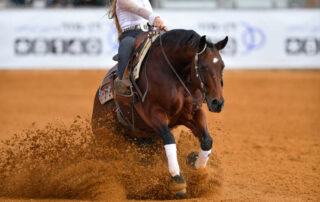
Reining is a Western discipline that showcases the skills and abilities traditionally needed by working ranch horses. Sometimes compared to the English discipline of dressage, reining competition involves riders piloting horses through precise patterns in a competition arena. The explosive stops, spins, and runs make reining a fast-paced and thrilling equestrian event. While the sport originated from humble roots on working ranches, modern reining is a popular equestrian sport that draws big crowds and bigger prize money. Keep reading to learn more about reining and the equine athletes at the heart of this exciting Western discipline.

Equestrian Reining: History, Competition & Rules – [Discipline Guide]2026-07-25T19:45:30-04:00

Staggers in Horses: Ryegrass Contamination Poisoning – Toxicology, Treatment & Prevention

Ryegrass is a popular forage choice worldwide, and is a nutritious source of protein and energy for horses and other grazing animals. Although both species of ryegrass are good sources of nutrition and are not toxic in and of themselves, they can both be infested with pathogens, leading to a form of poisoning in horses called staggers. Perennial ryegrass can become infected with the Lolitrem B toxin, while annual ryegrass staggers are caused by ingestion of corynetoxins produced by the Rathayibacter toxicus species of bacteria. Although both conditions present similar symptoms (ataxia, muscle tremors, stumbling, and dehydration), annual ryegrass staggers has a much higher mortality rate than perennial ryegrass staggers.

Staggers in Horses: Ryegrass Contamination Poisoning – Toxicology, Treatment & Prevention2026-07-25T19:43:16-04:00

Top 30 Most Common Equine Diseases: [Guide]

Horse owners have a vested interest in their horse's health, as health conditions can directly impact their horse's wellbeing, performance, and longevity. Understanding common horse diseases is crucial for anyone involved in equine care, as early recognition of the symptoms of disease can lead to better outcomes. This article covers 30 of the most common horse diseases in North America, to give horse owners and handlers an overview of their symptoms, causes, treatments, and preventative measures. Whether you own a single horse or manage an entire stable, this comprehensive guide aims to equip you with the knowledge needed to keep your equine companions healthy and thriving.

Top 30 Most Common Equine Diseases: [Guide]2026-07-25T19:41:58-04:00

Capped Hock (Calcaneal Bursitis) in Horses: Risk Factors, Treatment & Prevention

Capped hock refers to inflammation and swelling over the bony point of a horse's hock. The "cap" may be squishy or firm and is usually the result of trauma or repeated rubbing. Alongside the characteristic swelling, the horse may have difficulty moving, lack of appetite, or experience pain. Affected horses may also have other joint, bone, or soft tissue problems in the same joint. Factors such as kicking habits, inadequate bedding, and poor stall design increase the risk of developing this condition. Diagnosing capped hock involves physical examination as well as imaging techniques. Treatment focuses on reducing inflammation and pain with drugs, cold therapy, massage, and rest.

Capped Hock (Calcaneal Bursitis) in Horses: Risk Factors, Treatment & Prevention2026-07-25T19:40:07-04:00