Analyze Diet

Staggers in Horses: Ryegrass Contamination Poisoning – Toxicology, Treatment & Prevention

Ryegrass is a popular forage choice worldwide, and is a nutritious source of protein and energy for horses and other grazing animals. Although both species of ryegrass are good sources of nutrition and are not toxic in and of themselves, they can both be infested with pathogens, leading to a form of poisoning in horses called staggers. Perennial ryegrass can become infected with the Lolitrem B toxin, while annual ryegrass staggers are caused by ingestion of corynetoxins produced by the Rathayibacter toxicus species of bacteria. Although both conditions present similar symptoms (ataxia, muscle tremors, stumbling, and dehydration), annual ryegrass staggers has a much higher mortality rate than perennial ryegrass staggers.
Staggers in Horses: Ryegrass Contamination Poisoning – Toxicology, Treatment & Prevention2026-07-25T19:43:16-04:00

Top 30 Most Common Equine Diseases: [Guide]

Horse owners have a vested interest in their horse's health, as health conditions can directly impact their horse's wellbeing, performance, and longevity. Understanding common horse diseases is crucial for anyone involved in equine care, as early recognition of the symptoms of disease can lead to better outcomes. This article covers 30 of the most common horse diseases in North America, to give horse owners and handlers an overview of their symptoms, causes, treatments, and preventative measures. Whether you own a single horse or manage an entire stable, this comprehensive guide aims to equip you with the knowledge needed to keep your equine companions healthy and thriving.

Top 30 Most Common Equine Diseases: [Guide]2026-07-25T19:41:58-04:00

Capped Hock (Calcaneal Bursitis) in Horses: Risk Factors, Treatment & Prevention

Capped hock refers to inflammation and swelling over the bony point of a horse's hock. The "cap" may be squishy or firm and is usually the result of trauma or repeated rubbing. Alongside the characteristic swelling, the horse may have difficulty moving, lack of appetite, or experience pain. Affected horses may also have other joint, bone, or soft tissue problems in the same joint. Factors such as kicking habits, inadequate bedding, and poor stall design increase the risk of developing this condition. Diagnosing capped hock involves physical examination as well as imaging techniques. Treatment focuses on reducing inflammation and pain with drugs, cold therapy, massage, and rest.

Capped Hock (Calcaneal Bursitis) in Horses: Risk Factors, Treatment & Prevention2026-10-07T16:35:21-04:00

Foaming at the Mouth in Horses: Guide to Equine Hypersalivation (Ptyalism)

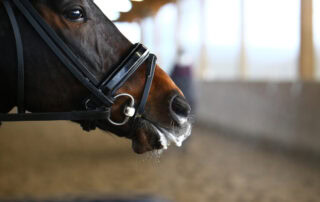
Horses produce between five and ten gallons (20 to 40 litres) of saliva each day. Unlike many other animals, horses only produce saliva during mastication (chewing). Saliva is vital for moistening and lubricating food, facilitating easier swallowing, and neutralizing stomach acid. Horse saliva contains latherin, a protein that aids in thermoregulation and potentially helps in the digestion of coarse fibers. Latherin causes the production of "happy foam," a froth-like substance formed during chewing, generally considered a sign of good health. Several conditions and situations can lead to disruptions in normal salivation. While generally not life-threatening, these changes can indicate underlying issues ranging from poisoning to discomfort with the bridle and bit.

Foaming at the Mouth in Horses: Guide to Equine Hypersalivation (Ptyalism)2026-07-25T19:39:02-04:00

English Horse Tack: Guide to Saddles, Bridles, Leg Protection & More

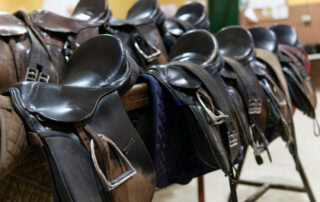
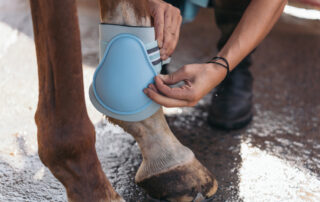
Having the right equipment for yourself and your horse is critical for comfort, safety, and performance. Although the basics of horse tack are similar between Western and English riding, English riders have specific equipment that they use to meet the needs of their disciplines. English tack has a long history rooted in foxhunting tradition. English riders seek a close connection with their horse, including gentle contact with the bit and a lightweight saddle that sits close to the horse's back. This allows the rider to feel the horse's movements and make subtle adjustments, even at high speeds or while jumping.

English Horse Tack: Guide to Saddles, Bridles, Leg Protection & More2026-07-25T19:36:01-04:00

Equine Blood Types: Biochemistry, Typing & Related Medical Conditions – [Guide]

Red blood cells express different surface molecules (factors) depending on the animal's specific genetic code. Horses have over 30 major blood factors, compared to the 8 major blood factors in humans. Blood types are important because immune system recognizes these surface molecules as "self" and does not target the red blood cells for destruction. Introduction of a foreign blood type, such as during a blood transfusion, can result in the immune system attacking the foreign red blood cells.

Equine Blood Types: Biochemistry, Typing & Related Medical Conditions – [Guide]2026-07-25T19:35:04-04:00

How Mad Barn is Helping Canada’s National Eventing Team Prepare for the 2024 Paris Olympics

It was a long shot, with the odds stacked squarely against them. After failing to qualify for the Tokyo Olympics in 2020, Canada's Eventing Team was at risk of missing out on a team spot for Paris 2024. Missing the chance to compete on the world stage was a heavy blow for the Canadian Eventing Team. But instead of giving up, the nation's best Eventers saw this moment as an opportunity for change, embracing novel science-driven training strategies, advanced nutrition protocols and improved team management. Overhauling the Canadian Eventing Team (CET) was a multi-year journey, requiring extensive commitment from the athletes, their support team and outside experts. But this persistence paid off with a gold medal Team Eventing victory at the 2023 Pan-Am Games in Santiago, Chile. This victory secured Team Canada's spot at the 2024 Summer Olympic Games in Paris, with Karl Slezak, Mike Winter, Jessica Phoenix, and Colleen Loach (Sub.) selected to compete. Mad Barn is proud to have played a part in the Eventing Team's transformation, partnering with Equestrian Canada to provide the athletes and their horses with the latest training technology, personalized nutrition support, and continuing education on the best management practices for the nation's most decorated horses.

How Mad Barn is Helping Canada’s National Eventing Team Prepare for the 2024 Paris Olympics2026-07-25T19:34:33-04:00

Stallion Behavior and Handling: From Management to Ground Manners

Keeping stallions happy, healthy, and appropriately managed requires an understanding of their unique behavior compared to mares and geldings. Stallions often exhibit instinctive behaviors shaped by evolutionary pressures and social dynamics in the wild. Contrary to their natural environment with established herds and plenty of room to roam, domesticated stallions are often housed alone with limited social interactions. In addition, breeding in domesticated environments is typically closely managed by handlers and very different from natural mating behaviors.

Stallion Behavior and Handling: From Management to Ground Manners2026-07-25T19:33:56-04:00

Fibrotic Myopathy in Horses: Causes, Treatment & Prognosis

Fibrotic myopathy is a rare condition in horses characterized by the development of fibrous (scar) tissue within the muscles, typically affecting the inner thigh muscles of one or both hindlimbs. Affected horses develop hindlimb stiffness, a distinctive hoof-slapping gait, mechanical, and reduced flexibility. This can lead to impaired mobility and performance. It primarily manifests in disciplines involving sudden stops and sharp turns, such as cutting, making Quarter horses and other stock breeds more susceptible. These disciplines require rapid changes in direction, placing significant stress on the hindlimb muscles.

Fibrotic Myopathy in Horses: Causes, Treatment & Prognosis2026-07-25T19:31:11-04:00

Sidewinder Syndrome (Crab Walking) in Horses: Causes, Risk Factors & Severity

Sidewinder Syndrome, also known as sidewinder gait or crab walking, is one of the more perplexing and challenging equine health conditions for horse owners and veterinarians alike. This syndrome is characterized by a distinct sideways drift of the horse's trunk and hind limbs while moving forward, resulting in three distinct hoof tracks instead of the usual two. Affected horses exhibit a range of symptoms from awkward movement and difficulty standing still to severe cases where the horse cannot walk forward at all, often spinning or circling in place.

Sidewinder Syndrome (Crab Walking) in Horses: Causes, Risk Factors & Severity2026-07-25T19:30:18-04:00

Seizures & Epilepsy in Horses: Types, Management & Prognosis

Seizures, while relatively rare in horses compared to dogs and humans, pose significant challenges for both horse owners and veterinarians. These neurological episodes, characterized by abnormal electrical activity in the brain, can manifest in various forms. During a seizure, a horse may experience loss of consciousness, collapse, muscle twitching, uncontrolled movements, and sometimes vocalizations or loss of bladder control, among other signs. The various types and causes of seizures in horses can complicate their diagnosis and treatment.

Seizures & Epilepsy in Horses: Types, Management & Prognosis2026-07-25T19:28:52-04:00

Post-Foaling Benchmarks: 1-2-3-4 Rule Horse Breeders Need to Know – [Guide]

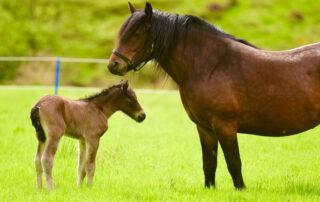
Breeders should observe all foalings as closely as possible to monitor the health and wellness of the mare and foal during this period of rapid transition. The 1-2-3-4 Rule is a helpful guideline for breeders to follow when evaluating their mare and foal after delivery. This allows them to identify issues quickly for prompt veterinary intervention and better outcomes. Failure of the mare or foal to meet these guidelines necessitates emergency veterinary intervention to prevent potentially life-threatening conditions from developing. Mares and foals that successfully meet these guidelines should be evaluated by a veterinarian 18-24 hours after foaling.

Post-Foaling Benchmarks: 1-2-3-4 Rule Horse Breeders Need to Know – [Guide]2026-07-25T19:28:22-04:00

Tyzzer’s Disease (C. piliforme) in Foals: Transmission, Risk Factors & Prognosis

Tyzzer's disease, while rare, is a highly fatal hepatic condition that can affect all foals, including those which are healthy and well-nourished. The disease is not believed to be contagious, but the presence of bacteria in a contaminated environment can lead to outbreaks of multiple cases. Affected foals tend not to show any prior symptoms and frequently die suddenly. When symptoms are observed, they include depression, reduced appetite, lethargy, dehydration, coma, high temperature, seizures, weakness, jaundice, abdominal pain, diarrhea, and sudden death. Unfortunately no treatment options are currently available and the vast majority of affected animals die within a day and a half from the onset of symptoms.

Tyzzer’s Disease (C. piliforme) in Foals: Transmission, Risk Factors & Prognosis2026-07-25T19:27:41-04:00

Wry Nose (Facial Deviation) in Horses: Anatomy, Risk Factors & Treatment

Wry nose is a congenital condition in foals where the nose appears twisted or crooked due to malformations that develop during gestation. This condition involves significant changes in the shape and direction of the upper jaw, nasal bones, incisive bones, and nasal septum. While wry nose can vary in severity, it often affects the horse's ability to eat and breathe properly. The nasal bones may deviate, obstructing the nasal canal and causing breathing difficulties. Twisted incisive bones misalign the upper incisors, complicating the horse's ability to suckle and eventually grasp and chew food and preventing the necessary grinding of the teeth. Misaligned maxillary bones and a deviated nasal septum further impact the horse's oral functions, dentition, and respiratory health.

Wry Nose (Facial Deviation) in Horses: Anatomy, Risk Factors & Treatment2026-07-25T19:24:49-04:00

Sesamoid Injuries in Horses: Types, Treatment & Prevention

Sesamoid injuries are a common and often serious equine injury. The small sesamoid bones play a large role in reducing tension on the muscles and tendons of the body. The proximal sesamoid bones (PSBs), located in the fetlock joint, play a crucial role in the movement and stability of the horse’s limb. The PSBs are susceptible to catastrophic injury in performance horses, especially in high-intensity and high-speed sports, such as racing. These injuries can range from inflammation to severe fractures, often resulting in significant lameness and, in the worst cases, career-ending or life-threatening conditions.

Sesamoid Injuries in Horses: Types, Treatment & Prevention2026-07-25T19:24:17-04:00

Equestrian Vaulting: History, Competition & Rules – [Discipline Guide]

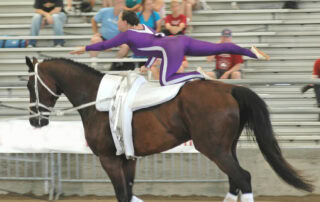
Equestrian vaulting is a sport that incorporates gymnastics performance with equestrianism. Athletes perform complex gymnastic routines on the back of a moving horse, demonstrating balance, strength, and harmony with their equine partner. Depictions of vaulting date back to ancient times and were a component of historic military training in the Greek and Roman empires. Today, vaulting is an internationally recognized equestrian sport. Spectators can see vaulting performances at large equestrian competitions, including the World Equestrian Games.

Equestrian Vaulting: History, Competition & Rules – [Discipline Guide]2026-07-25T19:23:11-04:00

Equestrian Show and Working Hunter: History, Competition & Rules – [Discipline Guide]

Hunter horses are known for their elegance, grace, and good manners. Originating from fox hunting traditions in the United Kingdom, hunters now compete in show arenas around the world on the flat and over jumps. Judges score hunters based on the ideal qualities of a fox hunting horse: having a smooth gait, a calm disposition, and an ideal jumping posture. Riders carefully guide their mounts through jumping courses or ridden performances to give the horse the best opportunity to demonstrate its skill and quality. This article delves into the unique qualities of hunter horses, the competition formats, levels of competition, necessary equipment, and judging.

Equestrian Show and Working Hunter: History, Competition & Rules – [Discipline Guide]2026-07-25T19:20:34-04:00

12 Most Common Injuries in Racehorses: Risk Factors, Treatment & Prevention

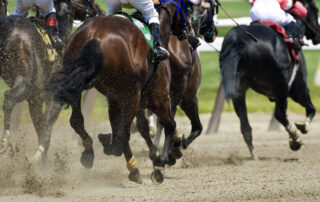
Horse racing is a thrilling sport, demonstrating the power and speed of equine athletes performing at their absolute best. From the raw speed and acceleration of Quarter Horses, to the impressive staying power of Thoroughbreds, to the jumping ability of National Hunt horses, horse racing has something to offer for every horse enthusiast. However, the extreme forces placed on the horse's body at high speeds makes them susceptible to injury and lameness. Not only do these injuries affect the horse and their welfare, they also have economic impacts on the breeders, trainers, and racetrack officials managing these impressive animals.

12 Most Common Injuries in Racehorses: Risk Factors, Treatment & Prevention2026-07-17T07:26:09-04:00

Parrot Mouth (Rostral Malocclusion) in Horses: Symptoms, Risk Factors & Treatment

Parrot mouth is a common equine dental condition typically identified at birth or shortly after. It is characterized by a pronounced overbite where the upper front teeth protrude beyond the lower row of teeth, causing the upper lip to overlap the lower one. Dental misalignment in cases of parrot mouth is due to anatomical abnormalities in one or both jaws of the affected horse's skull. The underlying causes of this condition are not fully understood at this time. While some degree of dental misalignment is normal and often harmless, severe cases of parrot mouth can impede a horse's ability to bite and chew, leading to issues such as weight loss, injury to the roof of the mouth, and digestive problems.

Parrot Mouth (Rostral Malocclusion) in Horses: Symptoms, Risk Factors & Treatment2026-07-25T19:16:58-04:00

Equestrian Combined Driving: History, Competition & Rules – [Discipline Guide]

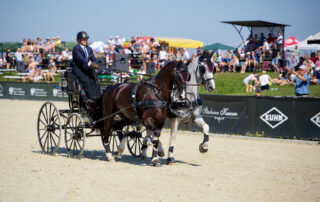
Combined driving is an equestrian sport that transforms driving, the use of horses as a form of transportation, into a competitive and intense event that challenges the limits of equine stamina, fitness, and obedience. Athletes and their horses compete in three phases: driven dressage, marathon, and cones. During the three events, horses traverse nearly 20 km in distance, while performing complex maneuvers and negotiating obstacles. Athletes can compete with up to four horses or ponies at the same time.

Equestrian Combined Driving: History, Competition & Rules – [Discipline Guide]2026-07-25T19:15:58-04:00

What Your Horse’s Urine Is Telling You: [Urinary Symptom Guide]

A properly functioning urinary system plays a vital role in maintaining the overall health and well-being of a horse. It acts as a filter, removing waste and toxins from the bloodstream and preventing harmful substances from accumulating in the body. Like all internal organs and their related structures, the urinary system in horses is at risk of developing various conditions that can disrupt its normal function. These conditions and diseases range from infections and inflammation to structural abnormalities and metabolic disturbances.

What Your Horse’s Urine Is Telling You: [Urinary Symptom Guide]2026-07-25T19:15:04-04:00

Equestrian Endurance Riding: History, Competition & Rules – [Discipline Guide]

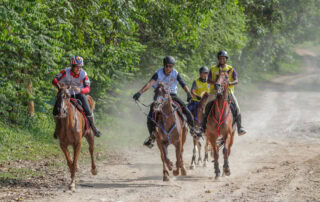
Endurance riding is a marathon for horses, with horses and riders covering distances of up to 100 miles per day. Athletes cover rugged terrain including slopes, hills, water, and different types of footing, during the competition. Endurance riding has its roots in the early domestication of the horse, where horses were used for transportation. It became a formal sport in 1913 and is currently one of the seven international equestrian disciplines recognized by the FEI.

Equestrian Endurance Riding: History, Competition & Rules – [Discipline Guide]2026-07-25T19:14:05-04:00

Wild Horses vs. Domestic Management: Behavior, Diet & Health

Horses evolved as a social prey species who were able to survive in a variety of environments due to their adaptability and ability to roam long distances in search of food and water. [1] The adaptable nature of horses allowed for their domestication and introduction into society as a work animal. However, the process of domestication introduced new challenges to the horse, including restricted movement, changes in diet, and reduced social interaction. Although many horses appear to thrive in their domestic environments, there is evidence that the horse's innate behaviors have changed very little over 6000+ years of domestication.

Wild Horses vs. Domestic Management: Behavior, Diet & Health2026-07-25T19:11:46-04:00

NSAIDs for Horses: Bute vs. Fluxinin vs. Firocoxib

Non-steroidal anti-inflammatories, or NSAIDs, for short, are a type of medication commonly administered to horses for a variety of conditions. Veterinarians most often prescribe NSAIDs for soft tissue and musculoskeletal injuries, as well as for abdominal inflammation and pain. [1] Some specific conditions that are commonly treated with NSAIDs include degenerative joint disease and colic. NSAIDs can also help to reduce fever related to illness. Despite the advent of other types of pain medications, NSAIDs remain the most widely used drugs for pain management in horses. They are popular because they are considered to be effective, relatively inexpensive, and easy to administer.

NSAIDs for Horses: Bute vs. Fluxinin vs. Firocoxib2026-07-25T19:10:36-04:00

Quittor (Collateral Hoof Cartilage Infection) in Horses: Risk Factors, Treatment & Prevention

Hoof health is one of the pillars of overall horse health and well being. There are numerous conditions that can impact the horse's hooves, including quittor. Quittor is an infection in the collateral cartilage of the hoof often resulting from a wound that allows bacteria to invade the internal structures of the foot. If left untreated it can lead to tissue death. This condition can be painful and debilitating for the horse, causing significant lameness and discomfort. Understanding the causes, symptoms, and treatment options for quittor is essential to help maintain the horse's health and performance. Early detection and prompt veterinary care can make a significant difference in the horse's recovery and long-term health. By understanding the anatomical context, risk factors, and preventive measures for quittor, horse owners and caretakers can work to ensure their equines maintain excellent hoof health and quality of life. With thorough understanding and attentive care, many of the risks associated with quittor can be effectively managed or even prevented.

Quittor (Collateral Hoof Cartilage Infection) in Horses: Risk Factors, Treatment & Prevention2026-07-25T19:09:41-04:00

Para Equestrian: History, Competition & Rules: [Discipline Guide]

Para equestrian is equestrian sport performed by para-athletes, athletes who have physical impairments that make equestrian sport challenging. Para equestrian is also the only horse event offered at the Paralympics. Para equestrian sports offered at an international level include para dressage and para driving. During both events, para equestrian athletes demonstrate precision and harmony with their horses as they perform complicated and challenging movements. Para driving also tests the horses' stamina and fitness during the Marathon event. This guide examines the history of para equestrian, how competition organizers ensure fair sport, and the rules and scoring for both para dressage and para driving.

Para Equestrian: History, Competition & Rules: [Discipline Guide]2026-07-25T19:04:32-04:00

Box Elder & Sycamore Poisoning (Atypical & Seasonal Pasture Myopathies) in Horses: Risk Factors, Symptoms & Prevention

Atypical Myopathy (AM) and Seasonal Pasture Myopathy (SPM) are highly fatal muscle disorders in horses caused by the ingestion of seeds of the box elder or sycamore trees. Seeds of these species contain a compound called hypoglycin A that converts into a toxin once ingested, leading to rapid muscle degeneration in horses. Clinical signs appear within 12-24 hours of ingesting and include lethargy, muscle weakness, tremors, stiffness, rapid heart rate, and recumbency. Treatment options are limited as no antidote is currently available. Unfortunately, even with prompt veterinary intervention most horses do not recover, with both conditions exhibiting mortality rates ranging from 75 to 90%.

Box Elder & Sycamore Poisoning (Atypical & Seasonal Pasture Myopathies) in Horses: Risk Factors, Symptoms & Prevention2026-07-25T19:01:13-04:00

Glanders (Farcy) in Horses: Transmission, Symptoms, & Prevention

Glanders is one of the oldest diseases known to affect horses. It is a highly contagious and fatal disease that affects horses, donkeys, and mules, caused by the bacterium Burkholderia mallei. It poses a significant zoonotic threat, as it can also infect humans and other animals. [1] [2] Affected horses typically develop a range of symptoms, including high fever, thick nasal discharge, skin lesions, and respiratory distress. Signs of the disease may vary depending on the type of infection and its severity but collectively indicate a serious and potentially fatal condition. While strict regulations have led to the elimination of glanders in several regions, such as North America, the global travel and importation of horses from other countries continue to pose ongoing risks for reintroducing the disease into previously unaffected areas.

Glanders (Farcy) in Horses: Transmission, Symptoms, & Prevention2026-07-25T18:59:52-04:00

Theiler’s Disease in Horses (Equine Serum Hepatitis): Causes, Treatment & Prognosis

Theiler's disease, also known as equine serum hepatitis, is a viral infection likely caused by equine parvovirus-hepatitis. Horses most commonly develop Theiler's disease after administration of an equine-origin biologic product, such as serum or blood. Theiler's disease causes rapid onset liver failure, with symptoms such as yellowing of the gums and whites of the eyes, colic, fever, and uncoordinated movement. Veterinarians may use a combination of bloodwork, ultrasound, and liver biopsy to identify the cause of liver failure. Treatment is primarily supportive, involving intravenous fluids, sedation, antibiotics, and dietary changes. The prognosis varies, with severely affected horses having a poor to grave prognosis. Less severely affected horses may recover completely.

Theiler’s Disease in Horses (Equine Serum Hepatitis): Causes, Treatment & Prognosis2026-07-25T18:58:51-04:00

Monensin Poisoning in Horses: Risk Factors, Symptoms & Prevention

Monensin is a type of antibiotic commonly found in livestock and poultry feed that is highly toxic to horses. Monensin belongs to a medication class called ionophore antibiotics. These antibiotics are frequently used in feed as parasite control and to promote growth in livestock and poultry production. The most common cause of monensin toxicosis in horses accidental ingestion of livestock feeds that contain ionophores. Horses who live and graze on farms where ionophore antibiotics are in use are at risk of accidental ingestion and poisoning.

Monensin Poisoning in Horses: Risk Factors, Symptoms & Prevention2026-07-25T18:58:19-04:00