Analyze Diet

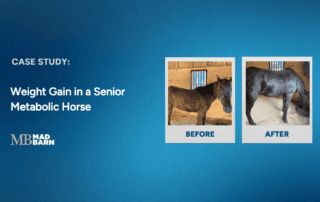
Case Study: Weight Gain in a Senior Metabolic Horse

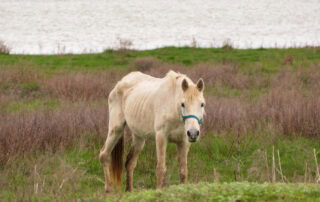
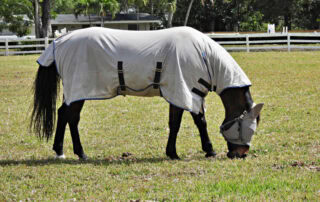
In August 2023, a diet evaluation was requested for a 46 year old Welsh/Quarter Horse gelding weighing 700 lb (320 kg) in Ontario, Canada. Reported health concerns included acute weight loss, free fecal water syndrome, dentition issues, Cushing's Disease and a history of laminitis. Over the previous month, the gelding experienced significant weight loss, prompting the owner to seek dietary consultation from Mad Barn's equine nutritionists.
Case Study: Weight Gain in a Senior Metabolic Horse2026-07-24T22:26:22-04:00

Proximal or Anterior Enteritis in Horses: Causes, Treatment & Recovery

Proximal Enteritis (also known as Anterior Enteritis) describes inflammation of the first two parts of the horse's small intestine. Proximal Enteritis (PE) is a serious concern for horse owners, as it can block passage of food and water through the digestive system. In severe cases, adjacent parts of the digestive system are also affected. The causes of proximal enteritis are not yet fully understood, although its association with certain lifestyle and management factors is under investigation. These include concentrates and pasture in the diet, exposure to bacterial agents and toxins, and fluctuations in calcium levels.

Proximal or Anterior Enteritis in Horses: Causes, Treatment & Recovery2026-07-24T22:11:27-04:00

Insect Stings and Spider Bites in Horses: A Complete Guide to Equine Pests

Horses are susceptible to a variety of external pests and parasites. Most equine pests are either insects or arachnids, some of which can cause irritation, discomfort, and even life-threatening reactions. Several species of external parasite can cause severe health problems in horses. Flies are the most common and persistent pests for horses. Blood-sucking species like horse flies and mosquitoes are even more serious as some are vectors of severe illnesses that can affect horses and humans.

Insect Stings and Spider Bites in Horses: A Complete Guide to Equine Pests2026-07-24T22:04:40-04:00

Vesicular Stomatitis in Horses: Causes, Transmission & Prevention

Vesicular stomatitis is a viral disease that more commonly affects horses living in warmer climates. The disease typically results in blister-like lesions (referred to as vesicles) forming in and around the mouths of horses and other farm animals. This condition is usually self-limiting, meaning it resolves without medical intervention.

Vesicular Stomatitis in Horses: Causes, Transmission & Prevention2026-07-24T21:37:21-04:00

Hendra Virus (Equine Morbillivirus) in Horses: Transmission, Risk Factors & Prevention

Hendra virus (HeV), also known as equine morbillivirus, is a frequently fatal viral infection that can affect both horses and people. All reported cases of human Hendra virus infection occurred after exposure to an affected horse, emphasizing the significance of this disease as a zoonosis (disease that spreads from animals to humans). Hendra virus is most common in Australia, particularly in Queensland and New South Wales. The "flying fox" bat species are the main reservoirs for Hendra virus. Horses likely acquire Hendra virus through contact with contaminated bat urine. Once infected, horses develop symptoms such as difficulty breathing, fever, uncoordinated movement, and copious nasal discharge. Affected horses often die within 48 hours of developing symptoms.

Hendra Virus (Equine Morbillivirus) in Horses: Transmission, Risk Factors & Prevention2026-07-24T21:36:12-04:00

African Horse Sickness: Causes, Risk Factors & Prevention

African horse sickness (AHS) is a viral infection transmitted by biting midges. Up to 90% of horses infected with the virus die after initial infection. [1] Due to international trade and climate change, there is a risk of AHS spreading into countries previously considered "AHS free". There are three major forms of African horse sickness: the pulmonary form, the cardiac form, and horsesickness fever. Horses can also develop a mixed form which has combined symptoms of pulmonary and cardiac disease. Common symptoms of AHS include fever, difficulty breathing, swelling of the head, and fluid leaking from the nostrils. Veterinarians can diagnose AHS on a blood test or by submitting tissues after performing a necropsy. There is no known treatment for AHS, and most horses die shortly after developing symptoms of disease.

African Horse Sickness: Causes, Risk Factors & Prevention2026-07-24T21:34:21-04:00

Corneal Ulcers in Horses: Symptoms and Treatment Guide

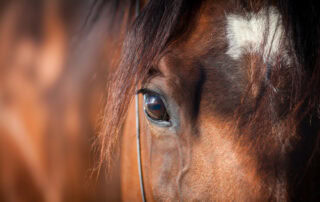
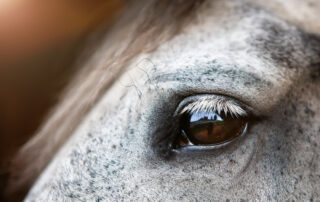
Horse eyes are prominent, making them prone to injury. This is especially true of the cornea, which is the outermost layer of the eye. An injury to this layer is known as a corneal ulcer or keratitis. Corneal ulcers can cause varying degrees of ocular damage in horses. Severity can range from superficial cuts or abrasions in the corneal epithelium (outermost layer of the cornea), all the way to full thickness corneal punctures (known as perforations), accompanied by prolapse (dislocation) of the iris.

Corneal Ulcers in Horses: Symptoms and Treatment Guide2026-07-24T21:29:53-04:00

Top 7 Weight Gain Feeds for Horses to Improve Body Condition

Promoting healthy weight gain can be a challenge for some underweight horses. Whether they are recovering from illness, not eating enough, or simply a hard keeper, some horses need extra nutritional support to counteract unwanted weight loss. The main goal of a weight gain feeding plan is to increase the calorie content of the horse's diet and create a positive energy balance. However, care must be taken to avoid overfeeding nutrients like sugar and starch, as these can lead to digestive and metabolic issues in horses. There are a number of safe feed and supplement options that equine nutritionists recommend to help a horse gain weight. The optimal choice for your horse will depend on their existing diet, and other factors such as dental health or gut issues.

Top 7 Weight Gain Feeds for Horses to Improve Body Condition2026-07-24T21:22:33-04:00

Iron in the Equine Diet – Sources, Requirements, Deficiency & Overload

Iron is a trace mineral that is required in the horse’s diet. Iron is involved in many bodily processes, including transporting oxygen in the blood and producing energy in cells. Supplementation with this mineral is usually not recommended because it is naturally abundant in feeds, forages, and even drinking water.

Iron in the Equine Diet – Sources, Requirements, Deficiency & Overload2026-07-24T21:17:59-04:00

Moon Blindness (Equine Recurrent Uveitis) in Horses: Causes, Treatment & Prognosis

Equine recurrent uveitis (ERU) is an autoimmune disease and the leading cause of blindness in horses. The disease results in the immune system repeatedly attacking the structures of the eye causing tissue damage, inflammation, and eventually blindness. The underlying cause of equine recurrent uveitis is usually unknown, but Appaloosa horses, Warmblood horses, and Icelandic horses appear to have a genetic predisposition. Horses that develop leptospirosis or other infectious diseases also have an increased risk of ERU.

Moon Blindness (Equine Recurrent Uveitis) in Horses: Causes, Treatment & Prognosis2026-07-24T19:03:45-04:00

Ear Mites & Psoroptic Mange in Horses: Transmission, Treatment & Prevention

Ear mites are tiny, wingless, external parasites that live in the ears of horses and cause psoroptic mange. They are round with eight legs and are sometimes visible to the naked eye. They do not burrow into the horse but rather feed on the skin's secretions. Mites are directly contagious between infected animals and spread easily between horses living in close contact. The ear mite can survive for a long time in the environment without a host, so transmission is equally likely through contact with infected equipment or premises.

Ear Mites & Psoroptic Mange in Horses: Transmission, Treatment & Prevention2026-07-24T21:20:52-04:00

Mange in Horses: Signs, Treatment & Prevention

Mange is a skin and coat condition in horses caused by microscopic parasites called mites. Although mange is not common in horses, specific conditions can lead to a mite infestation that can spread rapidly between horses in direct contact. Mange can affect various parts of the horse's body including the legs, base of the tail, head, neck, shoulder, girth, and back. Regardless of specific subtype involved, all cases of horse mange exhibit similar symptoms. The primary symptom of mange is significant itching (pruritis) that prompts horses to scratch incessantly.

Mange in Horses: Signs, Treatment & Prevention2026-07-24T18:55:05-04:00

17 Benefits of Exercise in Horses for Muscles, Stress Levels, Gut Health & More

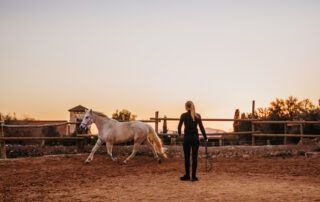
In addition to its well-known cardiovascular and muscle building benefits, regular exercise promotes digestive function and healthy weight management in horses. Fitness training also helps reduce the risk of injury and improves bone mass in working horses. Exercise also influences more than simple physical fitness and sports performance. Regular activity is essential for horses' overall well-being and happiness. The stimulation and interaction provided during exercise has numerous positive effects on the horse's mental state, including reducing stereotypies, supporting the changing mental needs of developing and senior equines, and building trust between horse and owner.

17 Benefits of Exercise in Horses for Muscles, Stress Levels, Gut Health & More2026-07-24T19:02:20-04:00

Shoe Boils (Olecranon Bursitis or Capped Elbow) in Horses: Causes, Treatment & Prevention

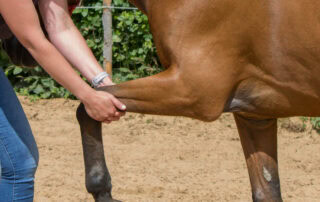
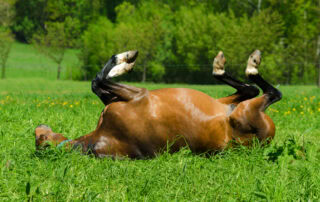
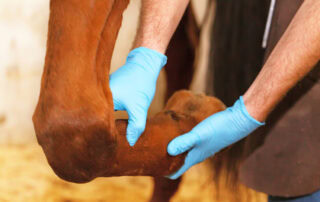
When a horse lies down for extended periods, especially with long-heeled horseshoes or on shallow bedding, prolonged pressure and "squishing" from the hoof on the elbow can occur, leading to a condition known as shoe boil. Shoe boils, otherwise known as olecranon bursitis or capped elbow, is characterized by a soft, fluid-filled swelling that emerges on or near the point of the elbow in horses.

Shoe Boils (Olecranon Bursitis or Capped Elbow) in Horses: Causes, Treatment & Prevention2026-07-24T19:06:10-04:00

Top 17 Signs of Colic in Horses – [List]

Colic, pain in the abdomen, is one of the most common equine emergencies. [1] Some types of colic are life-threatening, requiring immediate veterinary intervention. Currently, colic is one of the leading causes of death in horses. Some studies suggest colic may cause up to 28% of equine deaths. It's important for horse owners to familiarize themselves with common signs of colic so they know when their horse needs prompt medical intervention.

Top 17 Signs of Colic in Horses – [List]2026-07-24T18:52:39-04:00

The Horse’s Digestive System: Anatomy, Physiology & Feeding Strategies

The horse's digestive system is both large and sensitive. It has evolved over millennia to absorb nutrients from grazing pastures and meet the unique energy needs of a free-roaming, incredibly athletic animal. As the horse evolved on the Steppes of North America, its digestive system adapted to grazing on grasses and other long-stemmed plants for 16 hours per day.

The Horse’s Digestive System: Anatomy, Physiology & Feeding Strategies2026-07-24T18:50:52-04:00

Mosquito-Borne Illness in Horses: Risk Factors, Transmission & Prevention

As with other parasites that feed on blood, mosquitoes can transmit diseases between hosts. In horses, Eastern, Western, and Venezuelan Equine Encephalitis (EEE, WEE, and VEE, respectively) and West Nile Virus are mosquito-borne illnesses. Equine encephalitis and West Nile viruses affect the brain and are variably fatal with Eastern and Venezuelan Equine Encephalitis being especially deadly. Horses are dead end or amplifying hosts of these viruses, which means they do not pass these diseases on to other horses or to humans.

Mosquito-Borne Illness in Horses: Risk Factors, Transmission & Prevention2026-07-24T18:44:35-04:00

Feeding Fiber in the Equine Diet: Sources & Nutrition Review

Fiber is one of the most important components in the equine diet, providing up to 70% of a horse’s energy needs. Fiber in equines diets predominantly originates from forages such as hay and pasture grass. Fiber can also be obtained from highly fermentable sources such as beet pulp and soy hulls.

Feeding Fiber in the Equine Diet: Sources & Nutrition Review2026-07-24T18:33:54-04:00

Lice (Pediculosis) in Horses: Risk Factors, Transmission & Treatment

Lice are an external parasite found on the hair or fur of mammalian hosts, including horses. A lice infestation is also referred to as pediculosis. There are different species of these small, wingless insects, and horses are usually infested with either the "sucking" or "biting" type. Lice are usually transmitted by direct contact with an infected animal. Since lice can live in the environment without a host for a few weeks, they can also be transmitted indirectly by sharing space or equipment with infected horses.

Lice (Pediculosis) in Horses: Risk Factors, Transmission & Treatment2026-07-24T18:30:34-04:00

Forage Cubes and Pellets for Horses – [How and When to Feed]

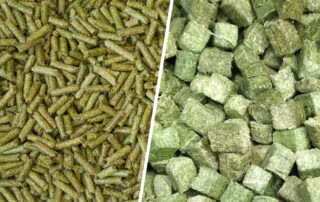
Forage should constitute the bulk of your horse's diet, but not all of it needs to be provided as long-stemmed forages like baled hay. Forage cubes and pellets are other options that may be beneficial for horses in different management situations. Typically, hay cubes and pellets will only make up a small portion of a horse's total forage intake. They are often used to provide additional energy and protein in a horse's diet or as a low-sugar and low-starch feed alternative for metabolic horses.

Forage Cubes and Pellets for Horses – [How and When to Feed]2026-07-24T18:27:11-04:00

Cataracts in Horses: Symptoms, Causes & Treatment

Cataracts are cloudy areas within the horse's lens, the structure within the eye that directs light to the retina. [1] The lens must be clear to allow light to pass through correctly, meaning that cataracts can cause blindness in the affected eye. Most cases of equine cataracts result from equine recurrent uveitis (ERU), a disorder where the immune system attacks structures within the eye. Other causes of cataracts include traumatic injuries or abnormal lens development during gestation. The only treatment available for cataracts is surgical removal of the lens. Surgery is typically reserved for horses with severe cataracts causing complete blindness in the eye. Removal can restore some vision and allows horses to return to their typical lifestyle.

Cataracts in Horses: Symptoms, Causes & Treatment2026-07-24T18:29:04-04:00

Glaucoma in Horses: Causes, Treatment & Prognosis

Glaucoma refers to increased intraocular pressure, the fluid pressure within the eyeball that gives the eye its shape. [1] Glaucoma in horses develops when there is an imbalance in fluid drainage at the front of the eye, leading to increased pressure. Causes include inflammation, traumatic injuries, and improper development of the eye. Symptoms of glaucoma in horses can be subtle. The main symptom is haziness or cloudiness to the eye, however many horses also show additional symptoms such as squinting, tearing, and redness.

Glaucoma in Horses: Causes, Treatment & Prognosis2026-07-24T18:23:54-04:00

Equine Herpesvirus-1 Myeloencephalopathy (EHM) in Horses: The Importance of Biosecurity in Equestrian Sport

Equine herpesvirus-1 myeloencephalopathy (EHM) is a potentially fatal consequence of equine herpesvirus-1 (EHV-1) infection in horses. EHV-1 spreads through contact with an infected horse or surfaces contaminated with the virus. Affected horses develop incoordination, weakness, and paralysis 6-10 days after exposure.

Equine Herpesvirus-1 Myeloencephalopathy (EHM) in Horses: The Importance of Biosecurity in Equestrian Sport2026-08-20T15:13:57-04:00

What Does Your Horse’s Manure Say About Their Health?

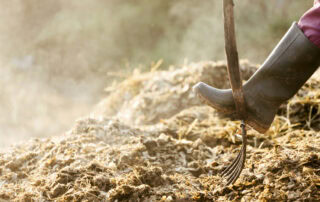
When you have horses, dealing with manure is simply a fact of life. After all, an average-sized horse poops anywhere from 4 to 13 times each day. Other than cleaning stalls and paddocks, horse owners may not pay too much attention to their horse’s manure. However, manure can provide quite a bit of information about a horse’s health, especially when it comes to their digestive health.

What Does Your Horse’s Manure Say About Their Health?2026-07-24T16:53:19-04:00

Degenerative Joint Disease in Horses: Types, Development, Prevalence & Management

Degenerative joint disease (also called arthritis) refers to degeneration and loss of the articular cartilage, cartilage within a joint space that protects the bones on either side of a joint. As the articular cartilage degenerates, the bones contact each other, resulting in grinding of the bone surfaces and causing pain. In horses, degenerative joint disease can develop in any joint; however, it is most common in weight-bearing joints in the limbs.

Degenerative Joint Disease in Horses: Types, Development, Prevalence & Management2026-07-24T18:37:13-04:00

Equestrian Dressage: History, Competition & Rules – [Discipline Guide]

Dressage is an equestrian discipline that combines technical execution and artistic expression. Most riders associate dressage with advanced horse and rider combinations performing intricate movements, but riders of all levels can participate in dressage competitions. Cross-training in dressage can also benefit riders from other equestrian sports. Dressage training aims to improve communication between horse and rider while enhancing the horse's natural movement and athleticism.

Equestrian Dressage: History, Competition & Rules – [Discipline Guide]2026-07-14T15:19:31-04:00

Equine Degenerative Myeloencephalopathy (EDM): Causes, Diagnosis & Prevention

Equine degenerative myeloencephalopathy (EDM) is a degenerative neurologic disease affecting the brain and spinal cord in horses. [1] The precise cause of EDM is unknown, but it may be related to a combination of vitamin E deficiency in the diet and genetic predisposition. Horses with EDM usually develop symptoms within the first year of life. Symptoms include uncoordinated movement, weakness, and behavioral changes. Veterinarians examining the horse must rule out other diseases that can cause similar symptoms before diagnosing EDM.

Equine Degenerative Myeloencephalopathy (EDM): Causes, Diagnosis & Prevention2026-07-24T16:54:23-04:00

Neurectomy in Horses: Uses, Procedures & Complications

Neurectomy refers to the surgical cutting and removal of a nerve to prevent pain sensation. In horses, neurectomy is considered a salvage procedure, meaning it is a last resort only performed if no other treatments were effective. Veterinarians may recommend neurectomy in horses with chronic (long-term) lameness issues, such as navicular disease or arthritis. The two most common neurectomy procedures are performed on plantar/palmar digital and lateral plantar nerves.

Neurectomy in Horses: Uses, Procedures & Complications2026-07-24T16:48:02-04:00