English
Rattlebox poisoning in horses can develop after horses consume toxic Crotalaria plants in pasture or contaminated hay and grain. Although horses typically avoid these plants while grazing, dried leaves, stems, or seeds are difficult to recognize in harvested feed and remain toxic after processing.
Rattlebox plants contain pyrrolizidine alkaloids that damage the liver. This injury is often cumulative, and clinical signs may not emerge until liver function is substantially impaired. Treatment options are limited, and the prognosis may be poor.
Suspected exposure to rattlebox warrants prompt veterinary attention, even if the horse shows no immediate signs of illness. Removing the suspected feed or restricting access to affected pasture can help prevent further ingestion while the source is investigated.
Recognizing rattlebox and monitoring for signs of liver dysfunction can help horse owners respond to possible exposure.
Rattlebox Poisoning in Horses
Rattlebox poisoning is a potentially fatal condition in horses caused by the ingestion of toxic plants belonging to the Crotalaria genus. These plants contain pyrrolizidine alkaloids, compounds that can cause progressive liver damage and eventually lead to liver failure. [1][2]
Poisoning is most commonly associated with repeated exposure over several weeks or months, although consuming large quantities of toxic plant material can cause acute illness. [1][2]
Rattlebox is a group of flowering plants in the legume family (Fabaceae), with approximately 700 species distributed primarily throughout tropical and subtropical regions. Several species are toxic to horses, including: [3][4]
- Showy rattlebox (Crotalaria spectabilis)
- Smooth rattlebox (Crotalaria pallida)
- Rattleweed (Crotalaria retusa)
Some species are native to North America, while others have been introduced for agricultural purposes, particularly as cover crops and soil improvers. [3][4]
Horses often encounter rattlebox while grazing contaminated pastures, although its pyrrolizidine alkaloid content makes the plant relatively unpalatable. Contaminated feed is a more significant source of exposure, as drying does not reliably eliminate the plant’s toxicity. [1][2]
One of the principal concerns with rattlebox poisoning is the delay between exposure and the development of clinical signs. Pyrrolizidine alkaloids can cause cumulative liver injury, meaning affected horses may appear healthy until substantial damage has occurred.
By the time symptoms such as weight loss or incoordination become apparent, liver function may already be severely compromised. Advanced liver damage is often irreversible, making early recognition of potential exposure and prevention crucial for the horse’s health. [1][5][6][7]
Common Names for Rattlebox
Rattlebox plants are also known by several common names, including:
- Rattlepod
- Rattleweed
- Shake-shake
- Devil-bean
Table 1. Rattlebox poisoning in horses at-a-glance
| Category | Key Information |
|---|---|
| Definition |
|
| Primary Cause |
|
| Onset |
|
| Symptoms |
|
| Severity |
|
| Treatment |
|
| Recovery Time |
|
| Prognosis |
|
| Prevention |
|
What's your top priority with your horse's health?

What's your top priority with your horse's health?
Identification
Rattlebox (Crotalaria spp.) is a genus of annual and perennial plants belonging to the legume family (Fabaceae). [3]
Rattlebox plants generally grow upright with branching stems, although their size and appearance vary considerably between species. Some grow as relatively small herbaceous plants, while others develop into shrubs reaching approximately 6.5 ft (2 m) in height. [3][6]
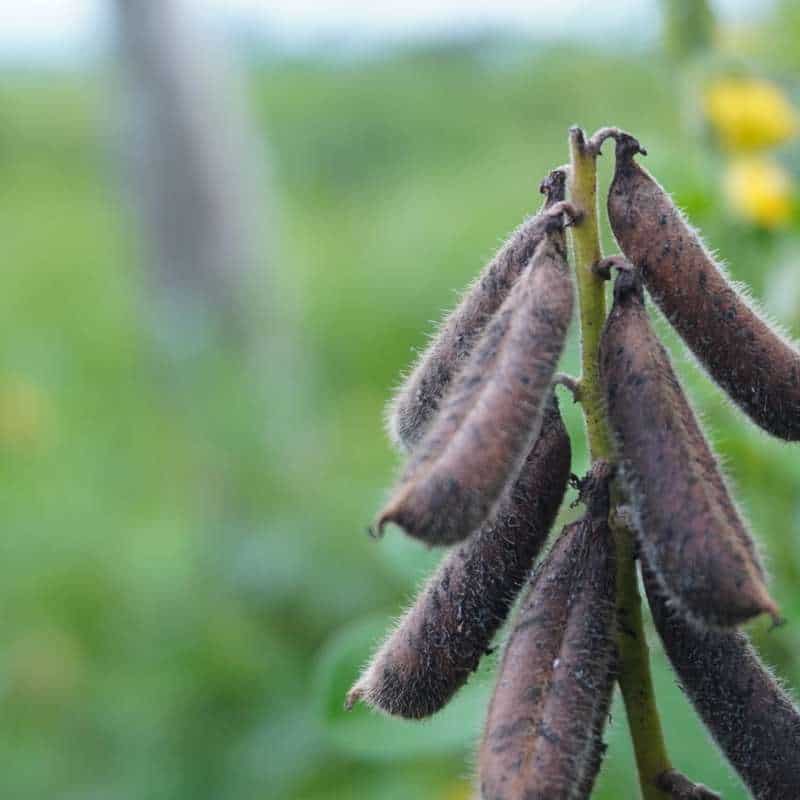 Dried seed pods
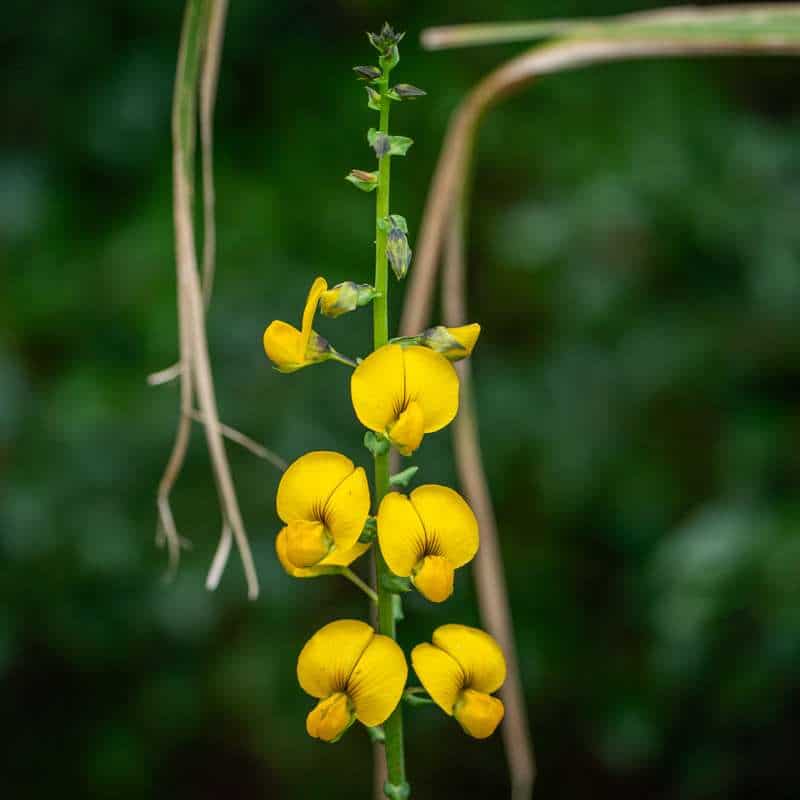 Flower
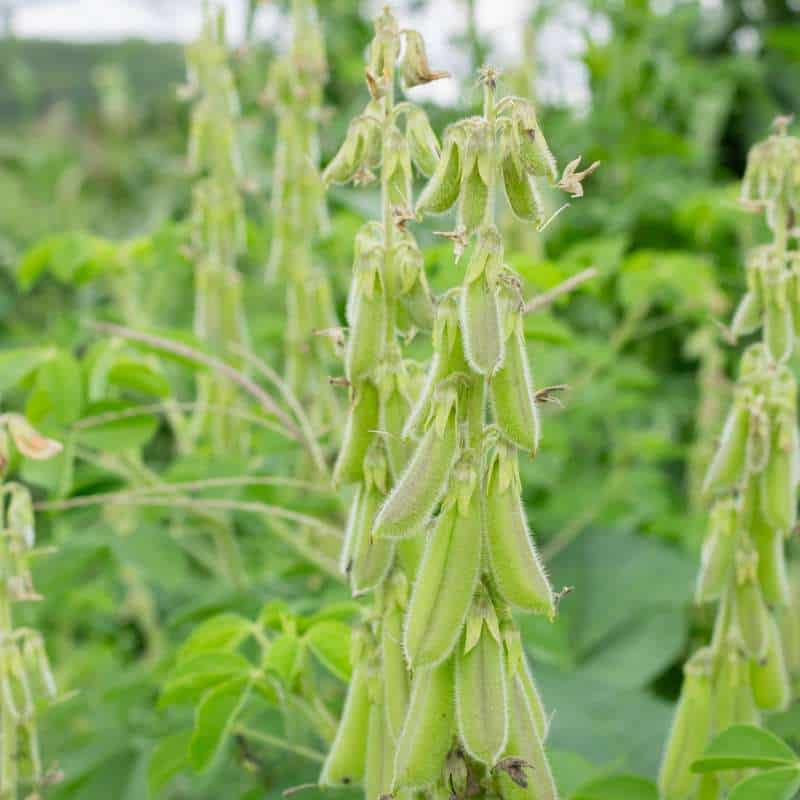 Green seed pods
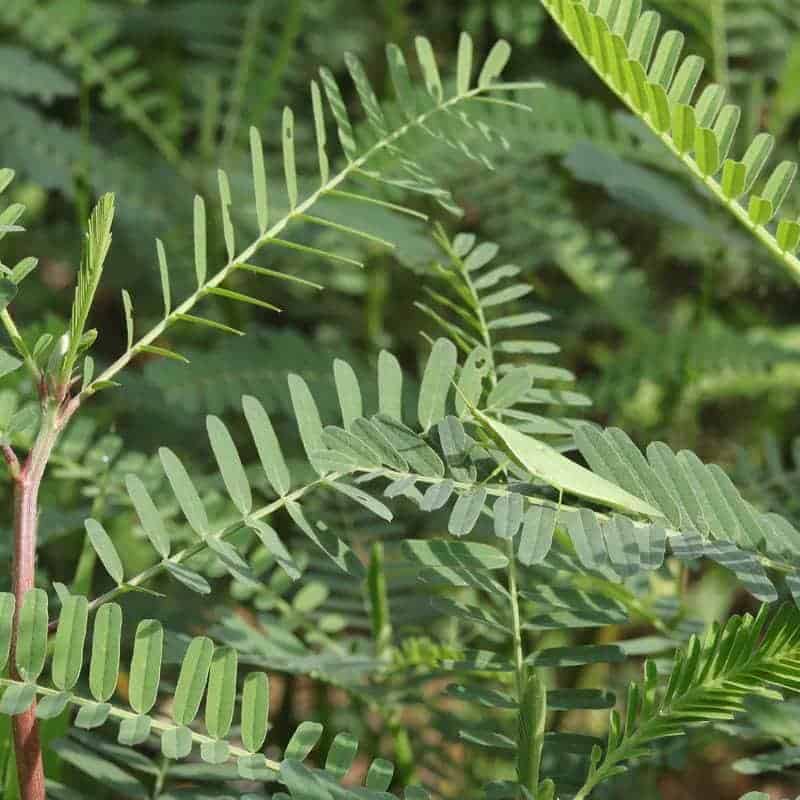 Leaves
These plants are commonly found in: [6]
- Open fields
- Pastures
- Roadsides
- Disturbed ground
- Sandy soils
- Moist environments
Common identifying characteristics of the plant include: [3][7]
- Stems: Upright or occasionally spreading stems that may be smooth, hairy, or branching, depending on the species
- Leaves: Alternately arranged leaves that may be simple or divided into three leaflets, generally oval, lance-shaped, or elongated
- Flowers: Pea-shaped flowers arranged in clusters along the upper stems or leaf axils, most commonly yellow, although some species produce white, blue, or greenish flowers
- Seed pods: Inflated, rounded to cylindrical pods that typically turn brown or black as they mature
- Seeds: Several seeds are enclosed within each pod, often becoming loose as the pod dries and producing a distinctive rattling sound when shaken
Because the appearance of Crotalaria species varies, identification should consider the plant’s overall growth habit, leaves, flowers, and seed pods rather than relying on a single characteristic. Some species are difficult to distinguish without botanical expertise, especially before flowering or seed development.
Toxicology of Rattlebox
Rattlebox poisoning is caused by pyrrolizidine alkaloids (PAs), a group of naturally occurring plant compounds that can cause severe liver damage in horses.
Several Crotalaria species contain toxic PAs, including monocrotaline, which is particularly associated with showy rattlebox (Crotalaria spectabilis). [2][3]
The concentration and composition of these alkaloids vary between species, with some containing considerably more toxic compounds than others. [2][3] Drying does not reliably destroy these compounds, and rattlebox remains dangerous when incorporated into hay or processed feed. [7]
After a horse ingests rattlebox, pyrrolizidine alkaloids are absorbed through the digestive tract and transported to the liver. During processing in the liver, certain PAs are converted into highly reactive compounds known as pyrroles. These compounds bind to proteins and DNA within liver cells, interfering with their normal function and preventing them from dividing. [1]
Instead of dividing normally, affected liver cells continue to enlarge, forming abnormally large cells called megalocytes. Over time, damaged cells die and are gradually replaced by fibrous scar tissue.
This reduces the amount of healthy liver tissue available to carry out essential functions. The resulting liver injury is often progressive and irreversible. [1][5]
Toxic Effects
Unlike toxins that cause immediate illness, pyrrolizidine alkaloids produce cumulative damage following repeated exposure to relatively small amounts. Horses may continue eating contaminated forage or grain for weeks or months before developing recognizable symptoms. In some cases, clinical signs do not appear until well after exposure has ended. [5][8]
Although the liver is the primary target, toxic pyrrole compounds can also damage other organs, such as the lungs and kidneys. Horses poisoned by certain Crotalaria species may develop fluid accumulation in the lungs, known as pulmonary edema, or hemorrhage. These effects depend on the specific alkaloids involved and do not necessarily occur with all Crotalaria species. [1][9]
There is no established toxic dose that applies to all Crotalaria species. The amount of plant material required to cause illness depends on its alkaloid content and how long the horse continues consuming it. [9]
Acute poisoning is less common but may occur when horses consume substantial quantities of highly toxic plant material over a short period. In these circumstances, extensive liver cell death can develop rapidly, potentially resulting in fatal liver failure. [2][5]
More commonly, repeated ingestion causes gradual deterioration of liver function, with clinical signs becoming apparent only after significant tissue damage has occurred. [2][5]
Symptoms of Rattlebox Poisoning in Horses
Symptoms of rattlebox poisoning typically develop gradually, often several weeks or months after the initial exposure. In some horses, clinical signs may not appear until ingestion has stopped.
This delayed onset occurs because pyrrolizidine alkaloids cause cumulative liver damage, with symptoms becoming apparent only when liver function is significantly compromised. [1][10]
Clinical signs of rattlebox poisoning in horses may include: [1][5][11]
- Loss of appetite
- Progressive weight loss and poor body condition
- Lethargy
- Jaundice
- Photosensitization
- Diarrhea, constipation, or colic
- Incoordination and abnormal gait
- Head pressing
- Aimless wandering or circling
- Excessive yawning
- Behavioral changes
- Difficulty swallowing
- Edema
- Seizures
- Collapse
- Death
When to Call the Veterinarian
Suspected rattlebox ingestion requires prompt veterinary attention, even if the horse appears healthy. Liver damage may develop before recognizable symptoms occur, and early intervention is important to prevent further exposure.
A veterinarian should be contacted immediately if a horse has consumed suspected rattlebox material or develops unexplained: [1][5][11]
- Weight loss
- Jaundice
- Photosensitization
- Neurological abnormalities
While awaiting veterinary assistance, prevent further access to the suspected plant or contaminated feed, and keep horses showing incoordination or abnormal behavior in a safe environment to reduce the risk of injury. [5][11]
Exposure Risk Factors
Horses are most at risk of rattlebox poisoning when toxic Crotalaria species are present in grazing areas or contaminate harvested feed.
Although many species are relatively unpalatable, horses may consume rattlebox when alternative forage is limited. Some species are more readily eaten, making grazing exposure an important concern even where adequate pasture is available. [1]
Factors that increase the risk of rattlebox poisoning include: [3][5][8]
- Contaminated feed: Hay, grain, or other feedstuffs containing toxic rattlebox seeds or plant material
- Overgrazed pastures: Limited forage availability that increases the likelihood of horses consuming normally avoided plants
- Prolonged exposure: Repeated ingestion of small quantities over weeks or months, leading to accumulated liver damage
- Plant distribution: Grazing in regions where toxic Crotalaria species are native, naturalized, or cultivated
- Agricultural use: Exposure to plants grown as cover crops or soil improvers, particularly where they have spread into surrounding pastures
- Age and individual susceptibility: Young horses, small horses, and animals with greater sensitivity to pyrrolizidine alkaloids may develop more severe poisoning

Diagnosis
Diagnosis of rattlebox poisoning in horses is based on: [1][5]
- Clinical signs
- Evidence of liver dysfunction
- A history of possible exposure to toxic Crotalaria species
Diagnosis can be challenging because some symptoms do not develop until weeks or months after ingestion, making it difficult to establish a connection between the horse’s illness and the original source of exposure. [1][5]
Veterinary assessment for rattlebox poisoning in horses typically includes: [1][5]
- A physical examination
- Blood tests
- Investigation of the horse’s feeding and grazing history
Samples of hay or suspected plants may also be examined to identify potential sources of pyrrolizidine alkaloids. [1][5]
Veterinarians use diagnostic tools to confirm rattlebox poisoning, including: [1][5]
- Blood tests
- Liver function tests
- Ultrasonography
- Liver biopsy
- Toxicological analysis
Treatment & Management
There is no specific antidote for rattlebox poisoning in horses.
Treatment is primarily supportive and aims to manage liver dysfunction, relieve clinical symptoms, and preserve sufficient healthy liver tissue to maintain normal function. The first priority is to prevent further exposure by removing contaminated feed. [1][5]
Supportive management for rattlebox poisoning in horses includes: [1][5]
- Fluid therapy
- Nutritional support
- Neurological management
- Photosensitization management
- Monitoring
Prognosis
The prognosis for horses with rattlebox poisoning is generally guarded to poor, particularly when the horse shows signs of advanced liver disease. Pyrrolizidine alkaloids cause progressive liver damage, and the resulting fibrosis is irreversible.
By the time symptoms become apparent, the liver may have lost much of its ability to function, limiting the effectiveness of treatment. [1][10]
In advanced cases, veterinarians may recommend euthanasia if the horse develops: [8][12]
- Progressive neurological impairment
- Severe debilitation
- Liver failure
Even horses that initially stabilize can experience further deterioration because liver damage may continue occurring after exposure has ceased. [8][12]
Prevention
Preventing rattlebox poisoning in horses is crucial because pyrrolizidine alkaloids can cause irreversible liver damage, and treatment options are limited once clinical signs develop. [1][2]
Prevention focuses on keeping horses away from toxic Crotalaria species and ensuring that their feeds are free from contamination. [3]
Horse owners can reduce the risk of rattlebox poisoning through: [3]
- Identification of rattlebox in pastures
- Restriction of contaminated areas
- Inspection of hay and grain for unfamiliar plant material or seeds
- Elimination of any suspected contaminated feed from the horse’s diet
- Adequate access to suitable forage
Because the toxic alkaloids can remain present in dried plant material, cutting or treating rattlebox does not automatically make affected pasture vegetation safe for consumption. Owners should not return horses to treated areas until hazardous plant material is completely removed. [3]
Frequently Asked Questions
Here are some frequently asked questions about rattlebox poisoning in horses:
Rattlebox is poisonous to horses because toxic Crotalaria species contain pyrrolizidine alkaloids that damage the liver. Poisoning usually results from repeated exposure over several weeks or months, although consuming a large amount of highly toxic plant material can cause acute illness. Severe cases can progress to irreversible liver damage, liver failure, and death. [1][2]
Several rattlebox species are known to be toxic to horses, including showy rattlebox (Crotalaria spectabilis), smooth rattlebox (Crotalaria pallida), and rattleweed (Crotalaria retusa). The concentration and composition of pyrrolizidine alkaloids vary between species, so some plants are more hazardous than others. Because Crotalaria species can be difficult to distinguish, any suspected rattlebox growing near horses should be treated as potentially dangerous. [2][3][4]
The dangerous parts of rattlebox include its seeds and other plant material containing toxic pyrrolizidine alkaloids. Seeds are a particular concern because they can contaminate harvested grain, hay, or other feed. Toxicity varies between species and plant materials, so no part of an unidentified Crotalaria plant should be considered safe for horses.
Dried rattlebox in hay remains toxic because drying does not reliably destroy its pyrrolizidine alkaloids. Horses may be more likely to consume the plant when it is mixed into hay or processed feed and can no longer be easily avoided. Hay containing suspected rattlebox material should be removed from the horse's diet rather than fed. [7]
The amount of rattlebox that is dangerous to a horse depends on the plant species, its alkaloid content, the amount consumed, and the duration of exposure. There is no single established toxic dose that applies to every Crotalaria species. Repeated consumption of relatively small amounts can cause cumulative liver injury, so quantities below those associated with documented poisonings should not be assumed safe. [5][8][9]
When a horse eats rattlebox, pyrrolizidine alkaloids are absorbed and carried to the liver, where some are converted into highly reactive compounds. These compounds damage liver cells, interfere with normal cell division, and promote the replacement of damaged tissue with fibrous tissue. The resulting loss of liver function is often progressive and irreversible, even after exposure has stopped. [1]
Rattlebox poisoning may take several weeks or months to appear because liver damage accumulates gradually. Some horses do not develop recognizable signs until after they are no longer consuming the contaminated feed or plant. This delay can make the original source of exposure difficult to identify and means a horse may appear healthy despite developing liver injury. [1][10]
Signs of rattlebox poisoning in horses can include loss of appetite, progressive weight loss, poor body condition, jaundice, photosensitization, edema, and digestive disturbances such as diarrhea, constipation, or colic. As liver dysfunction advances, horses may develop incoordination, head pressing, aimless wandering, circling, excessive yawning, difficulty swallowing, seizures, or collapse. Clinical signs often indicate that substantial liver damage has already occurred. [1][5][11]
Rattlebox poisoning can cause neurological signs in horses when severe liver dysfunction contributes to hepatic encephalopathy. Affected horses may become disoriented, show behavioral changes, press their heads against objects, wander aimlessly, circle, or develop an abnormal gait. Advanced cases can result in seizures, collapse, and death, requiring immediate veterinary attention. [1][5][11]
Rattlebox poisoning can affect organs other than the liver because toxic pyrrole metabolites may also damage the lungs and kidneys. Pulmonary edema, hemorrhage, and renal injury have been documented in horses exposed to certain Crotalaria species. The organs affected and the severity of injury depend partly on the specific alkaloids involved. [1][9]
If a horse eats suspected rattlebox, contact a veterinarian promptly even if the horse appears healthy. Immediately prevent further access to the plant and remove any hay, grain, or other feed that may be contaminated. A horse showing disorientation, incoordination, or abnormal behavior should be kept in a secure environment to reduce the risk of injury while veterinary assistance is arranged.
Rattlebox poisoning is diagnosed using the horse's clinical signs, evidence of liver dysfunction, and a history of possible exposure to Crotalaria plants or contaminated feed. Veterinary assessment may include bloodwork, liver function testing, ultrasonography, toxicological analysis, and examination of suspected hay, grain, or plant samples. A liver biopsy may reveal characteristic changes such as enlarged liver cells, fibrosis, and bile duct proliferation. [1][5]
There is no specific antidote for rattlebox poisoning in horses. Treatment is supportive and focuses on stopping further exposure, managing liver dysfunction, controlling clinical signs, and preserving the remaining functional liver tissue. Depending on the horse's condition, veterinary care may include fluid therapy, nutritional support, neurological management, treatment of photosensitization, and ongoing monitoring. [1][5]
A horse can sometimes stabilize after rattlebox poisoning, but the prognosis is generally guarded to poor once signs of advanced liver disease develop. Fibrosis caused by pyrrolizidine alkaloids is irreversible, and liver damage may continue to progress after exposure has ended. Severe neurological impairment, debilitation, or liver failure may eventually make euthanasia necessary. [1][8][10][12]
Rattlebox can be identified by examining its overall growth habit, leaves, flowers, and distinctive seed pods. Plants generally have upright or branching stems, alternate simple or three-part leaves, clusters of pea-shaped flowers, and inflated pods that turn brown or black as they mature. The dried seeds become loose inside the pods and make a rattling sound when shaken, but botanical assistance may be needed because Crotalaria species vary considerably in appearance. [3][7]
Rattlebox is likely to grow in open fields, pastures, roadsides, and disturbed ground in tropical and subtropical regions. Different species may favor sandy soils, moist environments, or other local conditions. Some species are native to North America, while others were introduced as cover crops or soil-improving plants and may spread into nearby grazing areas. [3][4][6]
Rattlebox poisoning can be prevented by identifying toxic plants in grazing areas, restricting access to affected locations, and providing adequate suitable forage. Hay and grain should be inspected for unfamiliar seeds or plant fragments, and any feed suspected of contamination should be removed. Cutting or treating rattlebox does not immediately make an area safe because toxic alkaloids can remain in dried material, so horses should not return until hazardous debris has been removed and applicable grazing restrictions have been met. [3]
Summary
Rattlebox poisoning occurs when horses consume toxic Crotalaria plants in contaminated pasture, hay, or grain. The resulting liver damage may remain hidden until the disease is advanced.
- Rattlebox remains toxic after drying or processing, making contaminated hay and grain a significant risk
- Pyrrolizidine alkaloids damage liver cells and can cause irreversible fibrosis and liver failure
- Signs include weight loss, jaundice, photosensitization, digestive problems, incoordination, and behavioral changes
- Diagnosis involves bloodwork, liver function tests, ultrasonography, biopsy, and toxicological analysis
- There is no specific antidote, so treatment focuses on supportive care and preventing further exposure
- Pasture inspection, adequate forage, and removal of contaminated feed help prevent poisoning
References
- Hovda. L. R. et al. Eds. Blackwell's Five-Minute Veterinary Consult Clinical Companion: Equine Toxicology. Wiley-Blackwell. 2021.
- Plumlee. K. H. Ed. Clinical Veterinary Toxicology. Mosby. 2004.
- Burrows. G. E. and Tyrl. R. J. Toxic Plants of North America. 2nd ed. Wiley-Blackwell. 2013.
- Guide to Poisonous Plants. Colorado State University. n.d.
- Wilson. D. A. Ed. Clinical Veterinary Advisor: The Horse. Saunders. 2011.
- Crotalaria (Crotolaria, Devil-bean, Rattlebox, Rattlepod, Rattleweed, Shake shake). North Carolina Extension Gardener Plant Toolbox. n.d.
- Waldridge. B. M. Ed. Nutritional Management of Equine Diseases and Special Cases. Wiley-Blackwell. 2017.
- Bildfell. R. Pyrrolizidine Alkaloidosis in Animals. MSD Veterinary Manual. 2022.
- Lacerda. M. D. S. C. et al. Crotalaria spectabilis poisoning in horses fed contaminating oats. Toxicon. 2021.
- Southwood. L. L. and Wilkins. P. A. Eds. Equine Emergency and Critical Care Medicine. CRC Press. 2014.
- Sharpe. P. H. Ed. Horse Pasture Management. Academic Press. 2018.
- Lavoie. J.-P. and Hinchcliff. K. W. Eds. Blackwell's Five-Minute Veterinary Consult: Equine. 2nd ed. Wiley-Blackwell. 2009.