English











Horse handling is one of the most routine activities in any barn, but it also carries risks and hazards that need to be managed to keep people and horses safe.
Whether you’re leading a quiet gelding to turnout or managing a fresh young horse on a cold morning, every interaction carries some degree of risk. While horse-related human injuries are often linked to riding, many incidents happen on the ground during everyday handling.
Safe handling involves more than just experience. It requires awareness, consistency, and a proactive approach. Accident prevention relies on everyone embracing a culture of safety, from owners, trainers, and equine care professionals to employees and visitors.
Anyone handling horses should understand equine behavior, know how to use handling equipment correctly, and communicate clearly with others around them. In a busy barn, even small oversights can lead to serious consequences for people and horses.
Whether you’re a barn manager, a seasoned handler, or new to the industry, adopting sound handling practices can reduce risk, build confidence, and foster a safer working environment for everyone involved.
Understanding Equine Behavior for Safer Handling
Safe horse handling begins with having a strong understanding of equine behavior. As prey animals, horses are naturally sensitive and reactive to their environment, which can make their behavior unpredictable.
Managing their emotional responses to stress and fear is essential to improving welfare and reducing injury risk. [1]
Prey Instincts
It’s easier to handle horses safely if you understand how horses perceive and respond to their surroundings. As prey animals, their physiology is adapted for constant vigilance and rapid escape, traits that strongly influence how they react to humans.
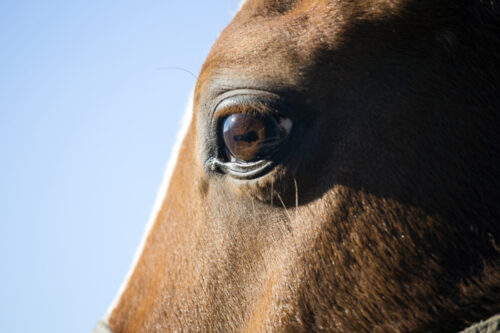
The horse’s field of vision plays a major role in the way they respond to their environment. Horse eyes are positioned on the sides of the head, providing nearly 360 degrees of panoramic vision.
This allows them to detect threats from nearly all directions, but it also creates two blind spots directly in front of their nose and behind their tail. [2][3][4]
Approaching a horse from these blind spots can startle them, so handlers should stay near the shoulder where they remain visible. [2][3][4]
Horses are also highly sensitive to movement, sound, and touch. Their strong flight instinct means they can react quickly and unpredictably to sudden or unfamiliar stimuli. Recognizing this sensitivity helps handlers remain calm and minimize startling the horse.
Equine Body Language
Knowing how to interpret a horse’s body language can help you handle them confidently. Horses communicate mood, stress, and intentions through subtle cues using facial expressions, including use of their ears, eyes, nostrils, tail, and posture.
A single behavior usually isn’t enough to judge discomfort. The first sign should prompt careful observation for repeated or clustered behaviors, while ruling out isolated incidents with other causes. [5]
Repeated signals, like tail flicking, pawing, or restlessness, are stronger indicators of discomfort or frustration. For example, occasional stomping may mean a fly is bothering the horse, but combined with shifting weight or other signs, it likely signals pain or irritation. [6][7]
Specifically, pinned-back ears, swishing tail, flared nostrils, or a tense jaw often indicate irritation, discomfort, or fear. In contrast, relaxed ears, soft eyes, and a calm stance generally show the horse is at ease and attentive. [5]
Recognizing these cues early allows handlers to respond before behaviors escalate, improving safety, building trust, and encouraging cooperation in all handling situations.
What's your top priority with your horse's health?

What's your top priority with your horse's health?
Building Trust
Building a safe relationship with a horse starts with trust, which is earned through calm, consistent handling. Research shows that positive, low-stress interactions improve a horse’s emotional well being, social behavior, and responsiveness, helping them feel secure and less reactive around humans. [1][8]
Horses are highly perceptive of human actions, often more than we realize. For example, approaching directly with steady eye contact and swinging a lead rope can cause a horse to move away, while a casual, indirect approach helps the horse feel safer, especially if the horse has limited handling experience. [4]
A handler’s body posture and attentiveness strongly influence how a horse responds. Horses are more likely to move forward when they can clearly see the handler facing them.
Approaching from behind can cause a horse to spook, as a human presence moving into their blind spot may feel threatening. [4][9]
Horses may be more likely to approach an attentive person compared to an inattentive one, and may even try to engage those who appear distracted. [4][9]
Trust depends on clear, consistent communication and expectations. Approaches that rely on eliciting a fear response, such as attempting to establish dominance, can increase a horse’s stress level, which can inhibit their ability to learn effectively.
Instead, a better approach is to build mutual trust through clear communication with predictable behavior. This approach creates an environment where the horse feels safe and confident. [1][10]
In addition, it’s useful for owners and other handlers to familiarize themselves with the basics of learning theory and how to use positive and negative reinforcement effectively. By understanding how horses learn, caretakers can tailor their handling techniques to suit equine learning abilities.
Complete Guide to Safe Horse Handling
Safe horse handling is a holistic practice that combines mindful technique, dependable equipment, skilled oversight, and readiness for unexpected situations.
This balanced approach helps prevent accidents, builds confidence in both horse and handler, and maintains a calm, controlled barn environment.
1) Basic Principles
Handling horses safely requires calmness, confidence, and close attention to both your position and the horse’s behavior.
Key considerations to keep you and your horse safe include: [4][10][11][12]
- Handler approach: Always approach calmly from the front and slightly to the side—near the shoulder—where you are clearly visible. Avoid sudden movements or loud noises.
- Handler position: When leading, walk beside the shoulder, staying in the horse’s line of sight. Avoid blind spots in front of the face and behind the tail.
- Lead rope handling: Grip the lead rope 6 – 12 in (15 – 20 cm) below the halter clip with one hand, folding slack neatly in the other. Never wrap the rope around fingers, wrists, or arms to prevent injury if the horse pulls away.
- Turning technique: Turn the horse’s head gently in the desired direction while maintaining your shoulder position. Avoid letting the horse swing into your space during turns.
- Environmental awareness: Move carefully through doorways, tight spaces, and slippery or uneven ground. Stay alert to distractions that might startle the horse.
- Spatial awareness: In busy areas like aisles, gates, or trailer zones, maintain a safe distance to prevent collisions and reduce stress. Give other horses and handlers plenty of space to pass calmly and safely.
- Equine body language: Watch for signs like pinned ears, tail swishing, or sudden stops. If the horse seems tense, pause and allow them to settle. Calm, reassuring voices can help keep focus and relaxation.
2) Equipment & Attire
Proper equipment and attire are important aspects of handler safety.
General guidelines for handler safety equipment include: [13][14]
- Use halters, lead ropes, and ties in good condition; breakaway halters and safety ties minimize injury risk
- Use breakaway or quick-release knots when tying horses
- Wear closed-toe, non-slip boots (steel-toed if possible)
- Avoid loose clothing that can snag; choose durable, fitted barn wear
- Gloves improve grip and protect hands
- Certified riding helmets (e.g., ASTM/SEI approved) and body protectors are recommended when handling young, nervous, or unpredictable horses
3) Handler Training & Supervision
Proper training and supervision are key to keeping handlers safe, especially when experience levels vary. Without proper training, workers may miss subtle warning signs of stress or aggression, increasing the chance of accidents.
Ensuring adequate handler training includes:
- Training all workers in basic safety, ensuring consistent techniques for leading, cross tying, grooming, stall entry, hitching, loading, and other routine tasks
- Using hands-on instruction and supervision to build confidence and skills
- Maintaining strict policies that workers are fit for work, including qualifications, physical and mental preparedness, and conduct
- Choosing assignments for different tasks based on experience
- Observing how tasks are completed, not just confirming that they are done
- Pairing new handlers with mentors for consistent, safe practices
- Following up on any safety incidents promptly; including root cause analysis and re-training of all handlers (not just people involved in the incident) in response plans
- Providing written protocols and conducting regular safety refreshers
- Documenting when training was completed, what information was covered, and confirmation that the employee understands the training they have received
4) Emergency Preparedness
Staying prepared for emergencies like medical incidents, fires, or severe weather reduces the risk of injury to horses and handlers. Having a clear plan ensures everyone knows their role and can respond calmly.
The most important elements of an emergency preparedness plan for horse farms include: [15][16][17]
- Documentation: Create written protocols outlining what to do in common emergency situations. This plan should include evacuation routes, emergency contacts, and the locations of first aid kits, fire extinguishers, and other essential equipment.
- Training: Regularly review the emergency plan with everyone who works or volunteers in the barn. Conduct drills to practice evacuation procedures and first aid response, ensuring everyone is familiar with their responsibilities.
- Maintenance: Keep first aid kits for both horses and humans well-stocked and easy to locate. Supplies should include bandages, wound care materials, antiseptics, gloves, and any necessary medications. Also, ensure fire extinguishers and emergency lighting are regularly inspected and functional.
- Communication Protocols: Effective communication during an emergency is vital. Designate who will make emergency calls, coordinate evacuation, and how staff will communicate throughout the crisis—including backup options if phones or radios fail.
- First Aid: Injured horses may panic, so handlers should be trained in safe restraint techniques and understand when to call for veterinary assistance instead of managing the horse alone.
- Evacuation Plan: Identify safe areas where horses can be moved during fires, floods, or other emergencies. Know the best routes for trailer loading and prepare these areas in advance to minimize stress and delays.
Emergency plans should be reviewed and updated at least annually or whenever there are significant changes to the facility, staff, or equipment.
5) Special Handling Situations
Some handling scenarios require extra care or experienced handlers due to a horse’s temperament, training, or physical condition.
Some of the most common special handling scenarios include: [10][18]
- Young or untrained horses: These horses may be more likely to react unpredictably.
- Injured or recovering horses: These horses may be more sensitive or defensive.
- Slippery or uneven footing: This type of surface increases the risk of falls.
- Tight spaces: These areas restrict movement and can raise stress levels.
- Group settings: These situations can trigger resource guarding or aggressive behavior.
- Stallions: These horses may require skilled handlers due to heightened arousal and a greater potential for aggression, especially around mares or other stallions.
Recognizing these risks allows handlers to adapt their approach, use safety equipment, or seek help when necessary.

Creating a Culture of Safety
Safe horse handling doesn’t rely on individual actions alone. It depends on a shared commitment to safety throughout the barn. A strong safety culture goes beyond checklists and protocols by creating habits, attitudes, and expectations that prioritize the well being of horses and people.
The major principles of creating a culture of safety in equine operations are:
- Safety starts at the top: Barn managers, trainers, and experienced handlers play a key role in modeling safe practices. When leaders consistently use calm, correct techniques and address unsafe behavior respectfully, it encourages others to follow suit.
- Keep protocols visible and consistent: Rules around leading, tying, equipment use, and protective gear should be clearly communicated and followed by everyone, regardless of experience level.
- Encourage open communication: Everyone in the barn should feel comfortable asking questions or voicing concerns. An open environment reduces the risk of small mistakes becoming major incidents.
- Offer regular training and reminders: Safety is an ongoing commitment. Orientation for new staff and volunteers should cover the basics, and ongoing training helps maintain high standards while adapting to changing risks. Consider scheduling seasonal refreshers, short safety talks, or demonstrations on a regular basis.
- Use real-life experiences as learning opportunities: When incidents or near-misses occur, discuss them constructively to promote learning and improvement without blame or embarrassment.
- Acknowledge and reinforce safe behavior: Positive reinforcement, such as praising someone for handling a difficult horse calmly, helps build confidence and reinforces good habits. Unsafe behavior should be corrected clearly but respectfully.
Ultimately, creating a culture of safety means building a barn where careful, respectful handling is the norm and where everyone shares the responsibility for keeping horses and humans safe.
Frequently Asked Questions
Here are some frequently asked questions about safe horse handling:
Risks of horse handling include being stepped on, kicked, bitten, or knocked over, especially if a horse spooks or becomes defensive. Inexperienced handling, unclear cues, or standing in unsafe positions (like directly behind the horse) increase the chance of accidents. Never forget even calm horses can react suddenly to unfamiliar sights, sounds, or sensations.
Gaining a horse's trust comes from calm, consistent handling. Speak softly, move slowly, and stay predictable so the horse feels safe. Use clear, consistent cues and respect their space. Avoid forcing interactions and instead let the horse come to you when it feels comfortable. Over time, they'll become more relaxed and responsive.
Approach a horse from the side near the shoulder and never directly from behind or head-on. Keep your body relaxed and avoid sudden movements. Speak quietly so the horse knows you're there. Avoid staring directly into their eyes or swinging equipment, which can feel threatening.
Signs of discomfort in horses include pinned ears, tail swishing, tension in the body, avoidance (like turning away or stepping back), or sudden movements. Some horses freeze or raise their head sharply when uneasy. Pay attention to these subtle cues as they're often early warnings before a bigger reaction.
Summary
Horses respond best to calm, consistent handling with clear, consistent communication.
- Trust builds over time; handle horses in a way that makes them feel safe and willing to cooperate
- Use clear body language and stay attentive; horses notice posture, movement, and eye contact more than most people realize
- Work from safe positions, give simple cues, and stay aware of your surroundings to help prevent accidents
- Be extra careful during high-risk situations like veterinary procedures, crowded areas, or when working with unfamiliar or anxious horses
- Maintain a clear, up-to-date emergency plan, train everyone regularly, and keep first aid kits and fire extinguishers accessible
References
- Pereira-Figueiredo. I. et al. Forced Handling Decreases Emotionality but Does Not Improve Young Horses’ Responses toward Humans and Their Adaptability to Stress. Animals. 2024.
- Rørvang. M. V. et al. Sensory Abilities of Horses and Their Importance for Equitation Science. Frontiers in Veterinary Science. 2020. View Summary
- Vision in the Equine. Iowa State University Extension and Outreach Equine Science.
- Merkies. K. and Franzin. O. Enhanced Understanding of Horse–Human Interactions to Optimize Welfare. Animals. 2021. View Summary
- Torcivia. C. and McDonnell. S. Equine Discomfort Ethogram. Animals. 2021. View Summary
- Hall. C. and Kay. R. Living the Good Life? A Systematic Review of Behavioural Signs of Affective State in the Domestic Horse ( Equus Caballus ) and Factors Relating to Quality of Life. Part I: Fulfilment of Species-Specific Needs. Animal Welfare. 2024.
- Pannewitz. L. and Loftus. L. Frustration in Horses: Investigating Expert Opinion on Behavioural Indicators and Causes Using a Delphi Consultation. Applied Animal Behaviour Science. 2023.
- Merkies. K. et al. Preliminary Results Suggest an Influence of Psychological and Physiological Stress in Humans on Horse Heart Rate and Behavior. Journal of Veterinary Behavior. 2014.
- Barrera. G. et al. Exploring Horses’ (Equus Caballus) Gaze and Asymmetric Ear Position in Relation to Human Attentional Cues. Animal Cognition. 2024. View Summary
- Romness. N. et al. Associations between Owners’ Reports of Unwanted Ridden Behaviour and In-Hand Behaviour in Horses. Animals. 2020. View Summary
- Bickel. B. Safe Horse Handling. PennState Extension. 2024.
- Loch. W. Safe Ground Handling of Horses. MU Extension. 2002.
- Personal Protective Equipment (PPE) on Farming Operations. Government of Ontario.
- Stanfill. A. G. et al. Helmet Use in Equestrian Athletes: Opportunities for Intervention. Concussion. 2020.
- Equine Emergency Preparedness. UC Davis Veterinary Medicine. 2022.
- Thompson. K. et al. A Critical Review of Horse-Related Risk: A Research Agenda for Safer Mounts, Riders and Equestrian Cultures. Animals. 2015.
- Resources for Fire and Emergency Preparedness. The Horse Portal, University of Guelph.
- de Oliveira. R. A. and Aurich. C. Aspects of Breeding Stallion Management with Specific Focus on Animal Welfare. Journal of Equine Veterinary Science. 2021. View Summary