English



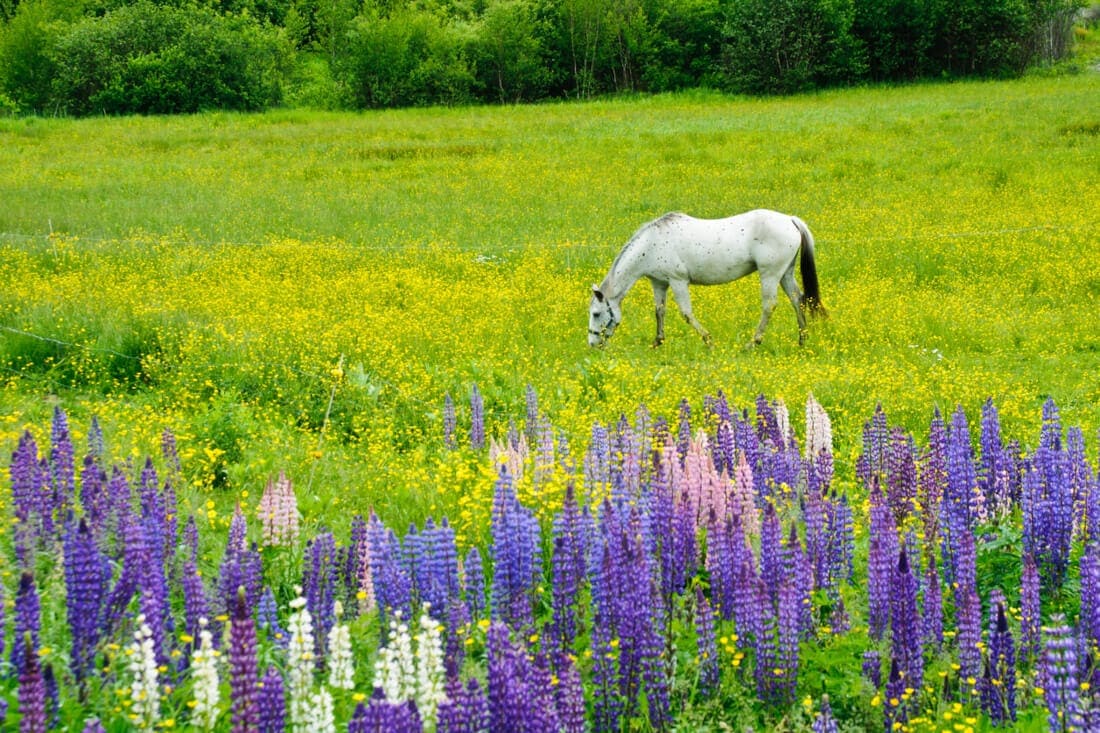
Most horse owners know how dusty barns and poor air quality can cause labored breathing in sensitive horses. But if your horse starts coughing, has nasal discharge, or seems short of breath every year when the weather warms up, you might be dealing with seasonal respiratory allergies.
During late spring through early fall, pasture growth and flowering plants increase airborne levels of pollen, while warm, humid conditions increase levels of mold spores and fungal particles in the air.
In sensitive horses, inhaling these allergens can trigger an immune-mediated inflammatory response in the lower airways, leading to breathing difficulty, excessive mucus production, and reduced performance. [1][2]
This condition, now commonly referred to as Equine Pasture Asthma (EPA), is a non-infectious, inflammatory seasonal form of equine asthma that typically flares up from late spring through early fall. [3][4][5]
Though widespread, EPA often goes unrecognized or is mistaken for other respiratory conditions. Understanding the seasonal nature of this disease is key to proper diagnosis, treatment, and long-term management. Keep reading to learn everything you need to know about seasonal allergies in horses so pollen season doesn’t get in the way of anything you have planned for your equine partner.
Respiratory Allergies in Horses
Respiratory allergies in horses result from a hypersensitive immune response to environmental triggers like dust, pollen, and mold spores. These allergens can inflame the airways and lead to signs such as: [6]
While many horse owners are familiar with heaves (also called recurrent airway obstruction, or RAO), they may not realize that similar respiratory signs can occur seasonally. RAO is often triggered by indoor hay dust and typically improves with turnout.
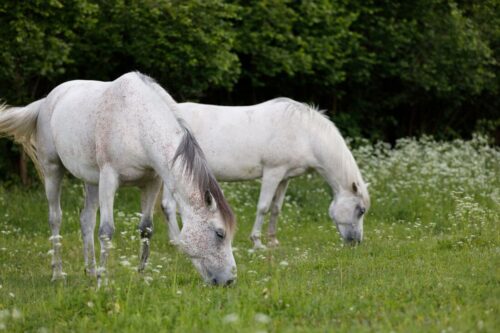
In contrast, some horses worsen on pasture, especially during the warmer, humid months. In these cases, removing the horse from the pasture environment and moving them to indoor stabling can actually relieve symptoms. [2]
This pasture-related condition has been called several names over the years, including summer pasture-associated obstructive pulmonary disease (SPAOPD) and pasture-associated heaves.
More recently, veterinarians have adopted the term Equine Pasture Asthma (EPA), as it more accurately reflects the condition’s environmental triggers and its similarity to human asthma. [7]
Equine Pasture Asthma
Equine Pasture Asthma is a seasonal form of equine asthma characterized by airway inflammation and bronchoconstriction caused by exposure to outdoor allergens. It most often affects horses over 8 years old that spend 12 or more hours daily on pasture between late spring and early fall. [2][8]
The most common EPA triggers are grass pollens and fungal spores. [7][9] Fungal classes most commonly associated with respiratory issues in horses are: [7][9]
- Botrytis: A fungal genus that produces airborne spores, often found on decaying plant matter and pasture vegetation
- Helminthosporium: A group of fungi associated with grasses that release spores capable of irritating the equine respiratory tract
- Basidiomycota: Fungi in this class produce basidiospores, which peak during humid mornings and are especially problematic in regions like the southeastern U.S
Although EPA symptoms are seasonal, the condition persists for life, with signs recurring each year unless the horse’s environment is adjusted. Severe cases may require climate-controlled housing to limit exposure to airborne irritants. [9]
It’s important to distinguish EPA from traditional heaves (RAO). While both fall under the umbrella of equine asthma syndromes, EPA is triggered by outdoor allergens, not indoor dust, and tends to flare during pasture turnout in warm, moist conditions. [2][4]
What's your top priority with your horse's health?

Enter your email to receive your store credit
Symptoms
Recognizing the signs of Equine Pasture Asthma (EPA) is essential for early diagnosis and effective management. Since respiratory symptoms overlap with many different conditions, it’s important for horse owners to understand what sets EPA apart.
EPA typically flares up in warm, humid weather and causes breathing difficulties, especially when horses are exposed to allergenic plants while grazing. During a flare-up, affected horses may breathe faster than normal and often produce excess mucus in their airways, which can make it harder for them to regulate their body temperature. [5]
Common clinical signs of EPA in horses include: [1][2][4][8][10]
- Frequent or chronic coughing
- Nasal discharge
- Labored breathing
- Wheezing
- Rhinitis (inflammation of the nasal passages)
- Exercise intolerance
In the early or mild stages, these signs can be subtle. If left unaddressed, the condition can worsen, leading to significant respiratory distress and potential permanent airway damage. Horses with EPA often exhibit an exaggerated airway response, similar to treatment-resistant asthma in humans. [1][2]
Recognizing the signs early is essential for timely diagnosis, effective treatment, and long-term respiratory health.
Causes
When a horse with allergies is exposed to the allergens they are sensitive to, the immune system mounts a defense, which results in over-production of histamine. [11] Histamine stimulates mucus production and tightening of the airways (bronchoconstriction), leading to the respiratory symptoms associated with allergies. [12]
Like other types of allergies, EPA in horses is a hypersensitive immune response to a harmless trigger. Generally speaking, allergies have no definitive cause. They are considered multifactorial with a suspected genetic link. [11]
Risk Factors
There appears to be some breed predisposition to seasonal respiratory allergies in horses, which suggests a genetic component. Breeds with higher incidences of EPA include: [10]
In horses with preexisting sensitivities or respiratory conditions such as equine asthma, chronic exposure to these airborne allergens can worsen symptoms over time and contribute to lasting respiratory damage. [8][13]
Diagnosis
Diagnosing Equine Pasture Asthma involves a combination of clinical evaluation, history taking, and diagnostic testing to rule out other causes of respiratory disease and confirm allergic airway inflammation. [8]
Because symptoms often overlap with other forms of equine asthma, an accurate diagnosis depends on identifying key features, especially the seasonal and pasture-associated pattern of symptoms.
Veterinarians begin by gathering a detailed history, focusing on: [2][9]
- Seasonality of symptoms
- Turnout duration
- Environmental conditions relative to presentation of clinical signs
- Response to environmental changes, such as symptom improvement when stabled
A key feature of EPA is rapid improvement (within hours to days) after the horse is removed from pasture and kept indoors. In severe cases, some horses may require climate-controlled stabling to see improvement. [9]
During the physical exam, the veterinarian evaluates: [1]
- Respiratory rate and effort
- Presence of coughing, nasal discharge, and wheezing
- Use of abdominal muscles to breathe (a sign of increased effort)
Bronchoalveolar Lavage (BAL)
One diagnostic tool for EPA is bronchoalveolar lavage (BAL), a procedure used to assess the health of the horse’s airways. During this procedure, a small amount of sterile fluid is flushed into the lungs, then collected for analysis. [4]
BAL is particularly useful for diagnosing mild to moderate cases of EPA, while severe cases may be diagnosed based on clinical signs alone. [1][4][14]
 Illustration: Dr. Ana Mesa, PhD
In healthy horses, BAL fluid typically contains mostly macrophages and lymphocytes, with very few neutrophils. In contrast, horses with seasonal respiratory allergies like EPA often show a high number of neutrophils, indicating allergic inflammation in the smaller airways. [14]
Tracheal Aspirates
A tracheal aspirate (or transtracheal wash) helps evaluate inflammation in the larger airways. During this procedure, a veterinarian introduces sterile fluid into the trachea (windpipe), then collects it for analysis. [4]
In horses with EPA, the sample typically contains a high percentage — usually over 90% — of non-degenerate neutrophils (healthy, intact white blood cells), which supports a diagnosis of allergic or inflammatory airway disease rather than infection. [14]

Treatment
Treating Equine Pasture Asthma (EPA) primarily involves reducing allergen exposure and managing airway inflammation. As environmental triggers like fungal spores and pollen are central to the condition, long-term success depends heavily on environmental management when seasonal symptoms occur.
Environmental Management
Environmental management is the most important aspect of treating EPA because the condition is primarily triggered by outdoor allergens.
The following steps can help reduce respiratory symptoms: [1]
- Limit pasture time, especially during hot, humid weather or early morning when spore counts are highest
- Stable the horse during high-risk times, ideally in a well-ventilated, dust-controlled barn
- Avoid turnout after rainfall and during peak pollen/fungal seasons (late spring to early fall)
In severe cases, a climate-controlled stall may be needed to reduce airborne allergens.
Medications
Veterinarians may prescribe medications to manage the symptoms of Equine Pasture Asthma (EPA) by reducing airway inflammation and improving airflow. [1]
Corticosteroids (e.g., dexamethasone or prednisolone) are commonly used to reduce inflammation in the airways. These can be administered orally, by injection, or via inhalation with an equine inhaler or nebulizer. [15]
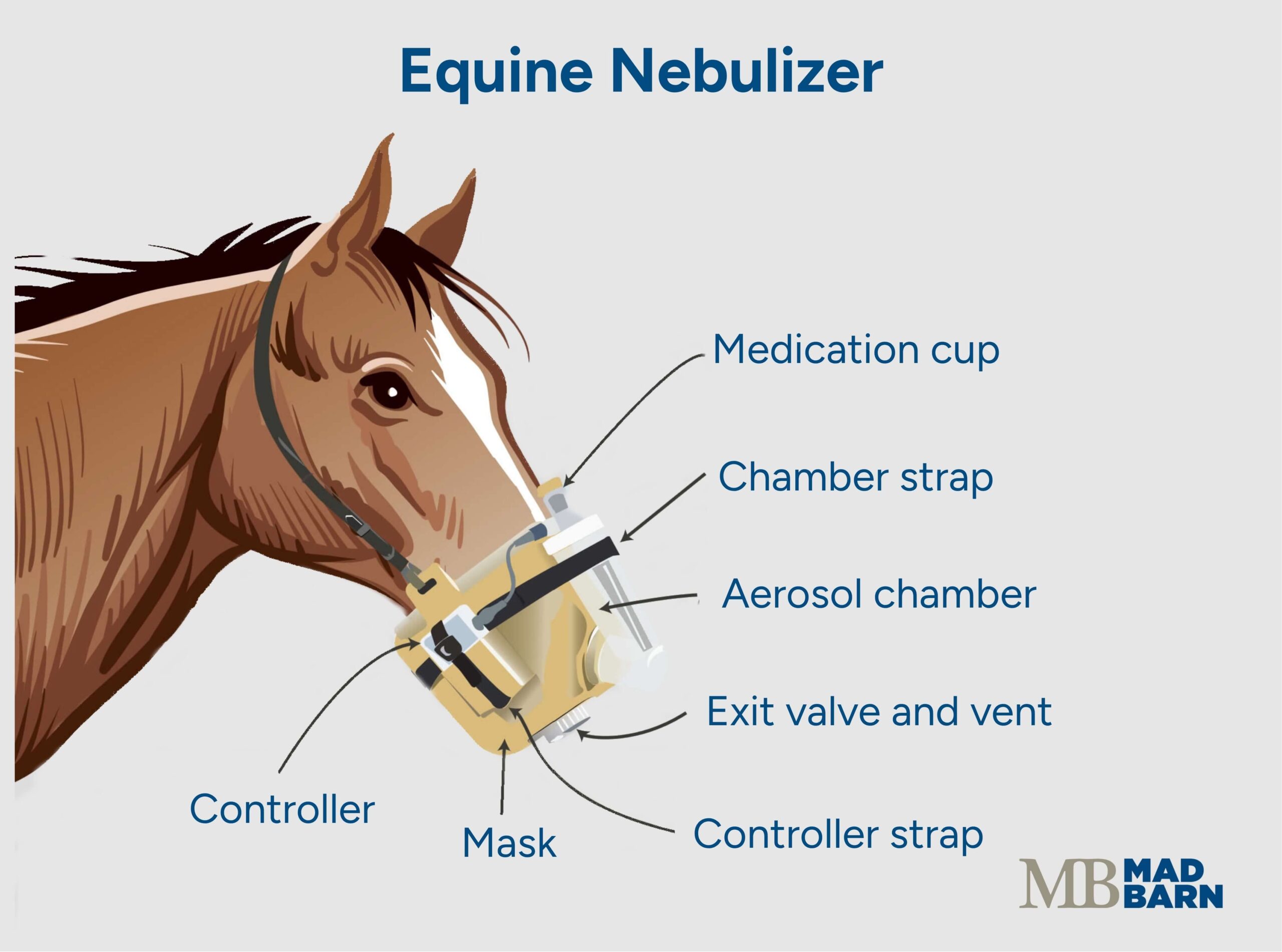 Illustration: Dr. Ana Mesa, PhD
 In addition to reducing inflammation, corticosteroids also enhance the effectiveness of bronchodilators, which help open the airways. [4]

Bronchodilators (e.g., clenbuterol or inhaled albuterol) are used to relieve bronchospasm, or the tightening of the muscles around the airways, making it easier for the horse to breathe. Bronchodilators are particularly helpful during acute episodes of respiratory allergies when the horse is struggling to breathe. [1][9]
Inhaled medications, including corticosteroids and bronchodilators, are often preferred for long-term treatment because they act directly on the lungs, which helps reduce the risk of systemic side effects and improves the overall management of EPA. [1][4]
Prognosis
The prognosis for horses with seasonal respiratory allergies depends on the severity of the condition and the effectiveness of management strategies.
In mild cases, symptoms are manageable, and most horses can continue at the same level of performance with appropriate management. However, if left untreated or poorly managed, severe cases can lead to persistent airway inflammation, long-term lung damage, and reduced performance. [15]
Early diagnosis and intervention are key to preventing worsening symptoms.
Prevention
Since respiratory allergies are a complex and multifactorial condition, there is no definitive way to prevent their occurrence. Environmental management and pharmacological support can help minimize symptoms for affected horses.
In addition to reducing exposure to specific allergens, horses with respiratory allergies can benefit from general practices to reduce airborne irritants, such as: [16][17][18]
- Choose low-dust products: Materials like wood shavings or hemp are low-dust bedding options. Likewise, feeds such as hay cubes, pellets, silage or haylage offer feed alternatives to minimize particulate intake during meals.
- Feed at ground level: Present hay on the floor or in clean, shallow feeders so horses can eat with their heads down, allowing natural drainage of the airways and reducing dust inhalation. Avoid deep bins or nets that force them to bury their noses.
- Ensure proper ventilation: Keep barns and indoor enclosures well-ventilated to disperse dust and airborne irritants. Good airflow lowers the respiratory load on your horse.
- Maintain a clean stable: Remove clutter and cobwebs where dust settles. Regular sweeping and thorough cleaning prevent buildup in hidden corners and improve overall air quality.
- Check hay quality: Do not feed moldy or excessively dusty hay, as it can aggravate respiratory issues.
- Store feed effectively: Keep hay and other feeds outside the stall area in a dry, ventilated space to prevent dust and spores from drifting into your horse’s living quarters.
- Soak hay: Soaking or steaming hay for 20–30 minutes removes fine particles, preventing them from rising into the air.
- Schedule dusty chores around turnout: While horses are outside, sweep and muck out stalls. Wait at least half an hour for dust to settle before bringing them back in.
Maintain consistent routine health checks and professional veterinary oversight, including equine vaccinations, regular deworming, and routine dental exams. These measures support overall well-being and make it easier to catch emerging issues early.
Offer a balanced, forage-first feeding program to support immune defenses and maintain optimal respiratory function. Preventing deficiencies in vitamins and minerals, especially vitamin E, selenium, and zinc, is important because these nutrients play key roles in immune function and respiratory tissue repair.
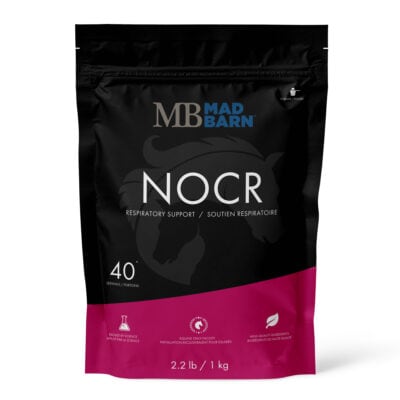
For targeted respiratory support, consider Mad Barn’s NOCR. This scientifically formulated supplement combines adaptogenic herbs and other natural compounds that help maintain normal airway function, support immune health, and promote efficient oxygen exchange.
NOCR is particularly useful for performance horses or those exposed to dusty or allergenic environments. This supplement helps maintain healthy pulmonary function and normal respiratory defenses under increased workload or environmental stress.
If you are unsure if your horse’s diet has everything they need, schedule a free consultation with one of our qualified equine nutritionists today.
Frequently Asked Questions
Here are some frequently asked questions about seasonal respiratory allergies in horses:
Seasonal respiratory allergies in horses, often called Equine Pasture Asthma (EPA), are an hypersensitivity reaction triggered by outdoor allergens like pollen and mold spores. Symptoms typically appear in late spring through early fall.
Allergies are considered a multifactorial condition, meaning they do not have a single root cause. Symptoms of EPA in horses are caused by inhalation of airborne allergens such as grass pollens and fungal spores during warm, humid months. A hypersensitive immune response leads to airway inflammation and difficulty breathing.
Treatment for EPA focuses on reducing allergen exposure through environmental management (limited pasture time, well-ventilated stabling) and medications like corticosteroids and bronchodilators, often delivered via inhalation.
There is no known prevention for avoiding the occurrence of allergies in individual horses, but symptoms can be minimized by reducing exposure to known allergens. Strategies include limiting turnout time during pollen season, soaking hay, and maintaining consistent ventilation in barns.
Summary
Horses can suffer from seasonal respiratory allergies that are triggered by airborne irritants, particularly pollen and mold spores in humid, warm environments.
- Seasonal respiratory allergies in horses have been described by various names over the years, but veterinarians now commonly refer to the condition as Equine Pasture Asthma (EPA)
- EPA is a non-infectious, seasonal form of equine asthma that flares up between late spring and early fall
- Symptoms include coughing, nasal discharge, labored breathing, and reduced performance
- Clinical signs tend to worsen with continued exposure to allergens, and often improve when the horse is stabled indoors
- Treatment focuses on reducing allergen exposure and using medications like corticosteroids and bronchodilators
- Prognosis depends on the severity of the condition. Mild cases are manageable with proper care, while severe cases may cause long-term lung damage if not treated effectively
References
- Brown. C. et al. Severe Equine Asthma in Horses (Equis). Vetlexicon.
- Costa. L. R. R. et al. Temporal Clinical Exacerbation of Summer Pasture-Associated Recurrent Airway Obstruction and Relationship with Climate and Aeroallergens in Horses. American Journal of Veterinary Research. 2006.
- Diez de Castro. E. and Fernandez-Molina. J. M. Environmental Management of Equine Asthma. Animals. 2024. View Summary
- Davis. E. Chapter 8 - Disorders of the Respiratory System. Equine Internal Medicine (Fourth Edition). W.B. Saunders. 2018.
- Mańkowska. A. and Witkowska. D. The Most Common Environmental Risk Factors for Equine Asthma—A Narrative Review. Animals. Multidisciplinary Digital Publishing Institute. 2024. View Summary
- Sheats. M. K. et al. Comparative Review of Asthma in Farmers and Horses. Current allergy and asthma reports. 2019. View Summary
- Ferrari. C. R. et al. Horses With Pasture Asthma Have Airway Remodeling That Is Characteristic of Human Asthma. Veterinary Pathology. 2018. View Summary
- Chapman. S. Environmental Pollen and Allergic Respiratory Disease. Equine Health. Mark Allen Group. 2019.
- Couetil. L. et al. Equine Asthma: Current Understanding and Future Directions. Frontiers in Veterinary Science. 2020. View Summary
- Jensen-Jarolim. E. et al. Pollen Allergies in Humans and Their Dogs, Cats and Horses: Differences and Similarities. Clinical and Translational Allergy. 2015.
- Moriello. K. Allergies in Horses. Merck Veterinary Manual. 2024.
- Barton. A. K. et al. Study on bronchoconstriction induced by histamine or serotonin in "Precision Cut Lung Slices" of the horse:. Pferdeheilkunde Equine Medicine. 2013.
- Ivester. K. M. et al. Investigating the Link between Particulate Exposure and Airway Inflammation in the Horse. Journal of Veterinary Internal Medicine. 2014.
- Costa. L. R. et al. Correlation of Clinical Score, Intrapleural Pressure, Cytologic Findings of Bronchoalveolar Fluid, and Histopathologic Lesions of Pulmonary Tissue in Horses with Summer Pasture-Associated Obstructive Pulmonary Disease. American Journal of Veterinary Research. 2000. View Summary
- Lascola. K. M. and Boone. L. Asthma in Horses. Merck Veterinary Manual. 2024.
- Smith. K. Equine Respiratory Diseases. Purdue Extension. 2013.
- Vandenput. S. et al. Airborne Dust and Aeroallergen Concentrations in Different Sources of Feed and Bedding for Horses. Veterinary Quarterly. 1997. View Summary
- Westerfeld. R. et al. Effects of Soaked Hay on Lung Function and Airway Inflammation in Horses with Severe Asthma. Journal of Veterinary Internal Medicine. 2024. View Summary