English



The Swedish Warmblood is a sport horse breed that originated at the state studs of Sweden. While less popular than some warmbloods from mainland Europe, many Swedish Warmbloods excel at the top level of equestrian sport.
This Scandinavian breed was developed as a riding horse at a time when many warmblood breeds still focused on agriculture and driving. The Swedish studbook remains open today, allowing continual improvement of the breed.
Swedish Warmblood breeders follow traditions focused on sustainability, soundness, and equine welfare. These philosophies and the rigorous selection of breeding animals help maintain the continued health and success of the breed.
This breed profile will discuss the history, characteristics, health problems, and nutritional needs of the Swedish Warmblood breed. Keep reading to learn more about feeding and caring for Swedish Warmblood horses.
Swedish Warmblood History
Horses have a long history in Scandinavia; in particular, the Swedish Warmblood breed has ancestral ties to horses from this European country. Once developed for use as war horses, the modern Swedish Warmblood is the culmination of centuries of selective breeding.
Origin
Archeological evidence suggests domestic horses inhabited Scandinavia by the Bronze Age (3300 BCE to 1200 BCE). Genetic studies evaluating the link between native Scandinavian breeds and Mongolian horses suggest early horses accompanied human migration to the region. [1]
The origins of the Swedish Warmblood trace back to selective breeding programs initiated in the Viking Age and refined during the Great Power era of 17th century Sweden.
The National Stud at Flyinge, the best-known national stud farm in Sweden, became an official Royal stud in 1661. The Swedish government imported horses from England, France, Spain, and Germany to improve the local horse population.
Inspections for breeding stallions began at the state studs in 1874. These inspections coincided with new blood infusions from Arabian, Thoroughbred, Hanoverian, and Trakehner blood in the late 19th and early 20th centuries. [2]
Historic Use
Swedish horse breeding focused heavily on producing war horses during the Middle Ages. The local horse breeds were versatile working horses for all-around use and agriculture.
A desire to improve the local breeds for cavalry use drove imports of foreign stallions into Sweden to stand at the national studs. Early breeding at the studs also produced excellent saddle horses for general riding.
The first breeders association for Swedish Warmbloods began in 1928 with encouragement from the Swedish army. The association followed the strict official rules and regulations for conformation, performance, and character developed at the early stallion inspections.
Breeding directions shifted to producing horses for sport use after the Swedish army ceased using horses in the 1970s. [2]
Breed Registry
The Swedish Warmblood Association in Sweden manages the studbook for the breed and oversees the selection of horses for breeding. The Swedish Warmblood Association of North America is the breed registry for Swedish Warmbloods in the United States and Canada.
| Breed Summary | |
|---|---|
| Breed Name | Swedish Warmblood |
| Breed Type | Warmblood |
| Origin | Sweden |
| Breed Registry | Swedish Warmblood Association; Swedish Warmblood Association of North America |
| Average Height | 16 – 17 hh |
| Common Coat Colors | Bay, chestnut, gray, black |
| Conformation | Athletic build, attractive head, well-proportioned body, correct legs, sloping shoulders, prominent withers, deep chest, good muscling |
| Common Uses | Dressage, show jumping, eventing |
| Temperament | Friendly, eager, willing, performance-oriented; can be sensitive |
| Best For | Amateur and experienced riders seeking a sport horse |
| Common Health Concerns | Warmblood Fragile Foal Syndrome (WFFS), lameness, OCD, gastric ulcers, PSSM2, poor hoof quality, orthopedic problems |
What's your top priority with your horse's health?

Enter your email to receive your store credit
Breed Characteristics
Selection procedures and inspections have helped create a uniform breed standard in the Swedish Warmblood despite significant outside influence. Desirable traits in this breed are associated with improved performance in an equestrian sport.
Conformation
Most Swedish Warmbloods stand between 16 and 17 hands tall. The breeding goal of the Swedish Warmblood is a correct, noble, and sound horse that is internationally competitive due to its rideability, gaits, and talent for a particular discipline.
The emphasis on sport success in warmblood breeds results in specialized breeding for different disciplines. One study in Swedish Warmbloods identified a high heritability of traits associated with jumping and dressage ability. [3]
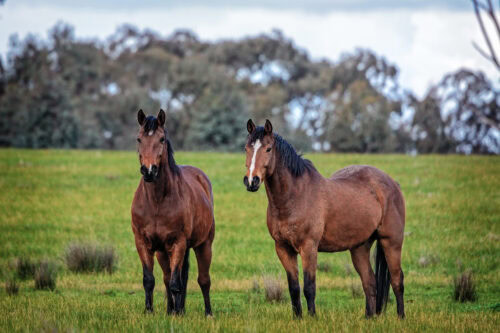
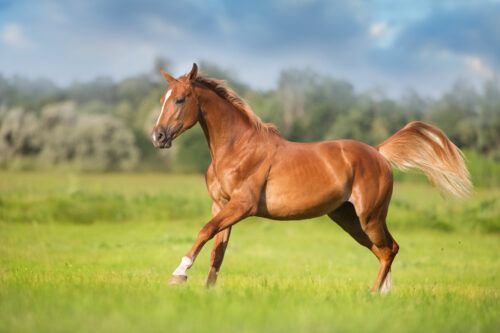
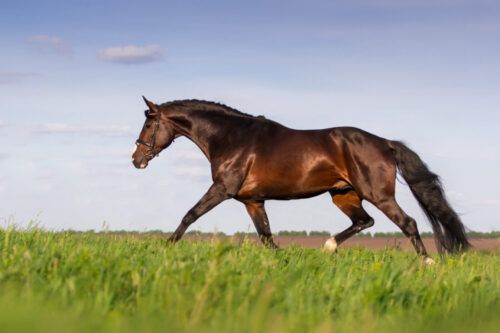
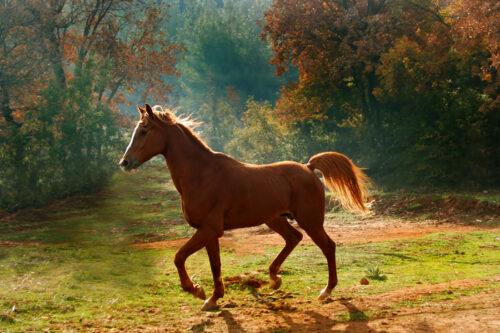
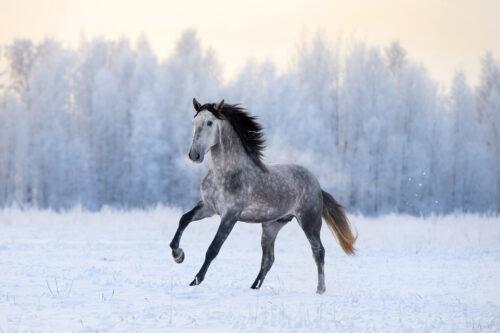
Swedish Warmbloods have athletic builds, attractive heads, well-proportioned bodies, correct legs, sloping shoulders, prominent withers, deep chests, and good muscling.
Colours
Swedish Warmbloods can be any solid coat colour. The most common colours are:
- Bay
- Chestnut
- Gray
- Black
Temperament
Sport horses need excellent rideability and good character to excel as riding horses. The ideal Swedish Warmblood has a performance-oriented temperament and strong work ethic. They are also friendly and eager to please.
Top-performance horses often have more sensitive and reactive personalities unsuitable for beginner riders. However, temperaments vary between individuals, and many Swedish Warmbloods have amateur-friendly characters.
Disciplines
Swedish Warmblood breeding focuses on producing horses to compete at the international level of dressage, show jumping, and eventing.
Several famous Swedish Warmbloods have achieved success in these disciplines:
- The Swedish Warmblood stallion Briar is a famous dressage horse who competed in the 2000 Olympic Games and won an individual bronze medal at the 2005 European Championships with his rider Jan Brink.
- Meredith Michaels-Beerbaum rode the Swedish Warmblood Fibonacci to a team Olympic bronze medal in show jumping at the 2016 Olympic Games.
- The Swedish Warmblood Wega won a silver medal in eventing at the 2012 London Olympic Games under rider Sara Algotsson-Ostholt.
Although many are successful in high performance, most Swedish Warmbloods are beloved family members and recreational horses for amateur riders competing at all levels of these disciplines.
Health Profile
Swedish breeders prioritize horse health and welfare while still maintaining exceptional performance ability. The Swedish Warmblood Association’s breeding goals are centered around producing sound, healthy horses.
But like many performance breeds, these horses are susceptible to specific health issues depending on their lifestyle and management. Warmbloods also carry a risk of certain genetic diseases.
Genetic Diseases
The demand for improved physical skills and mental characteristics has led to strong selection trends in Swedish Warmbloods. While the popularity of certain breeding lineages can increase inbreeding in sport horse populations, the Swedish Warmblood’s open stud book helps preserve genetic diversity in the breed. [4]
DNA studies have revealed strong genetic correlations between Swedish Warmbloods and other sport horse breeds, especially the Danish Warmblood. [5]
Some Swedish Warmbloods share closer links to outside bloodlines due to genomic divergence between jumper and dressage horses. These trends may result in different risks of genetic diseases in specialized lineages. [6]
Warmblood Fragile Foal Syndrome
Fragile foal syndrome is the main genetic disease observed in warmblood breeds. This autosomal recessive disorder causes fatal connective tissue defects and fragile skin in affected foals. [7]
A 2022 study found the gene responsible for WFFS in 7.4% of 511 randomly selected Swedish Warmblood Horses. The researchers identified a link between the WFFS carrier genotype and several movement traits under positive selection in dressage horses. [8]
Health Problems
Young Swedish Warmbloods undergo health examinations at selections. One study of examination findings revealed higher incidences of poor hoof quality and orthopedic problems in certain Swedish Warmblood bloodlines. [9]
Lameness
Research suggests certain conformational traits can increase the risk of lameness in Swedish Warmbloods. Stiff pasterns, toed-out or toed-in forelimbs, and extreme hock angles are associated with a higher risk of lameness. However, overall occurrence of these deviations within the breed is relatively low. [10]
Owner surveys suggest approximately 33% of horses used for dressage experience lameness problems at some point in their career. Joint issues are also one of the most common health issues found in elite three-day eventing horses. [12]
Osteochondritis Dissecans
Osteochondritis dissecans and other developmental orthopedic disorders are common in large warmblood breeds. A radiographic study of 879 Swedish Warmbloods found OCD lesions in 13% of horses. [11]
OCD lesions can contribute to ongoing lameness issues in Swedish Warmbloods. However, musculoskeletal injuries are a significant concern for all performance horses, regardless of their radiographs.
Gastric Ulcers
Stress from training and competition is associated with an increased risk of gastric ulcers in all sport horses. Other factors that contribute to gastric ulcers include a lack of forage in the diet, intermittent feeding, trailer transportation and high-grain diets.
One study identified gastric ulcers in 56.5% of non-racing performance horses following a competition event. [13]
Polysaccharide Storage Myopathy Type 2
Swedish Warmbloods may be affected by Polysaccharide Storage Myopathy type 2- PSSM2. Signs include painful back and rump muscles, reluctance to work and collect, vague gait abnormalities. [14]

Care and Management
Sport horses need attentive care and management to support their well-being and keep them performing at their best. Quality basic horse care can also help mitigate health problems commonly found in Swedish Warmbloods.
Work with your veterinarian and other equine practitioners to provide a preventative wellness program including the following:
- Veterinary Visits: Schedule regular veterinary check-ups to detect health issues promptly. Routine lameness exams can identify early signs of injuries in both recreational and competition horses.
- Vaccinations: Follow your veterinarian’s recommended vaccination schedule to protect your horse from common infectious diseases.
- Dental Care: Provide annual dental exams and teeth floating to support oral health and maintain effective chewing.
- Parasite Control: Ask your veterinarian about a strategic deworming program to keep your horse safe from internal parasites.
- Farrier Care: Consistent hoof care by a skilled farrier is key to maintaining soundness in intense training programs, especially if your horse has poor-quality feet.
- Grooming: A daily grooming routine will help keep your horse’s coat healthy and shiny.
Swedish Warmbloods with competition careers need more frequent lameness exams to identify signs of injury that owners might not catch on their own. Some sport horses may benefit from joint injections and other veterinary maintenance.
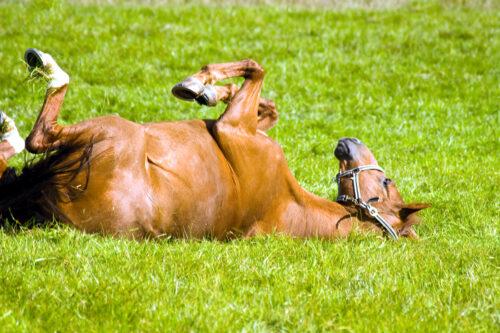
While most show horses live in stalls, prolonged confinement can adversely affect your horse’s mental and physical health. If your Swedish Warmblood lives inside, provide daily turnout for free exercise.
Swedish Warmbloods are athletic horses and do best with regular exercise as part of a consistent training program. Work with your veterinarian and trainer to develop the best exercise plan for your horse.
Nutrition Program
A balanced, forage-based feeding program is the best way to meet your Swedish Warmblood’s nutritional requirements and support their health and performance.
Some sport horses also benefit from targeted nutritional supplementation to address individual needs or performance goals.
Weight Maintenance
Swedish Warmbloods are easy keepers. These sport horses have an efficient metabolism and can quickly gain excess weight when overfed.
Some warmblood breeds are also predisposed to developing equine metabolic syndrome (EMS). This disorder is associated with obesity, insulin dysregulation, and a high risk of laminitis. [15]
Carrying excess weight is also detrimental to athletic performance. Use body condition scoring to monitor your Swedish Warmblood’s weight and determine if dietary changes are necessary.
Sample Diet
The following sample diet is intended for a mature 600 kg (1300 lb) Swedish Warmblood Horse with normal body condition at maintenance (not exercising).
| Feed | Amount per day |
|---|---|
| Mid-Quality Hay (8% crude protein) | Free-choice |
| Salt | 30 g (2 tbsps) |
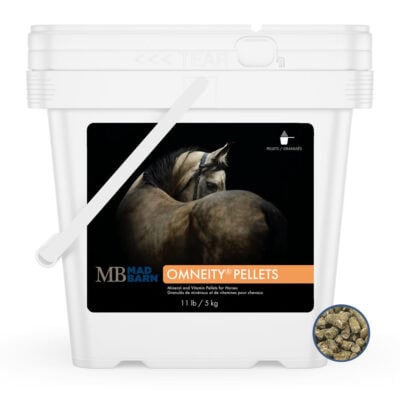
| Omneity® Pellets | 200 g (2 scoops) |
| W-3 Oil | 60 mL |
| Diet Analysis | |
| Digestible Energy (% of Req) | 126% |
| Protein (% of Req) | 121% |
| HC (ESC + starch; % Diet) | 8.8% |
Swedish Warmbloods in light work can typically fulfill their energy and protein requirements on a forage-only diet. However, performance horses in moderate to heavy work may need additional calorie sources in their diet.
Nonetheless, hay can lack several essential nutrients that are required to maintain your horse’s health. Feeding a vitamin and mineral supplement can help fortify a forage-based diet to meet your horse’s nutritional requirements.
Mad Barn’s Omneity® is a comprehensive vitamin and mineral supplement that provides optimal nutrition to sport horses, such as Swedish Warmbloods. Omneity® is formulated with high-quality organic trace minerals and key nutrients to support hoof health, joint mobility, coat quality, immune function and more.
Forage
Horses evolve to graze continuously throughout the day on low-calorie roughage. Offering your Swedish Warmblood unrestricted access to forage enables them to exhibit natural grazing behaviors and supports digestive health.
It’s important to choose the appropriate type of forage for your horse. A 1300 lb (600 kg) Swedish Warmblood should eat approximately 26 lb (12 kg) of average-quality, moderate-starch hay daily. Horses with PSSM benefit from hay with HC below 12%.
Swedish warmbloods in light work who gain weight quickly should be fed low calorie hays. Horses with heavier workloads may need higher-quality forages with greater energy and protein content.
Supplementing alfalfa hay can also support stomach health in Swedish Warmbloods due to its high calcium content. However, grass hay should be the primary forage in the diet.
If your Warmblood is overweight, using a slow feeder can help regulate their forage consumption while still allowing them access to free-choice hay. Consider using a grazing muzzle to limit their grass intake during turnout.
Feeding Recommendations
Feeding high-starch grains can increase the risk of digestive upset in Swedish Warmbloods. If your horse needs additional energy in their diet, opt for fiber-based alternatives like soybean hull pellets or beet pulp and wheat bran in a 2:1 mixture. [16] Fat supplements are another concentrated source of calories for exercising horses. [17]
Complete feeds and ration balancers often add excess calories to the diets of Swedish Warmbloods. Instead, replace grains with concentrated vitamins and mineral supplements to prevent your horse from gaining excess body condition.
A balanced feeding program is essential for horses at all life stages, but it’s particularly critical for growing horses to promote healthy skeletal development. Work with an equine nutritionist to ensure your horse’s diet is appropriate for their age, growth stage, and activity level.
All horses should have free access to fresh water and loose salt in their environment. Providing adequate water and salt is particularly important for exercising horses to replenish the water and electrolytes lost through sweat.
Our nutritionists recommend incorporating 2 – 3 ounces of plain loose salt into your horse’s daily diet to ensure they meet their sodium needs.
Nutritional Supplements
Feeding a balanced diet with no nutritional deficiencies is the priority when developing a feeding program for your Swedish Warmblood. After the diet is balanced, you can consider adding nutritional supplements to address individual needs.
- MSM is a natural joint supplement that helps maintain healthy connective tissue in exercising and senior horses. MSM also supports collagen synthesis in growing horses.
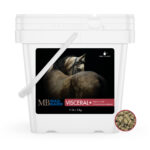
- Visceral+® is a comprehensive gut supplement with natural ingredients that helps to maintain stomach and hindgut health. Visceral+® is veterinarian-recommended for sport horses to keep them performing their best.
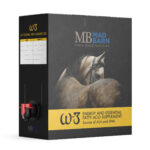
- W-3 Oil is an energy and essential fatty acid supplement that can be fed to Swedish Warmbloods that need extra calories in their diet. W-3 Oil also contains high levels of vitamin E and DHA, an omega-3 fatty acid that supports joint health and exercise performance.
- Vitamin E is an antioxidant nutrient that plays a key role in muscle function, the immune system and neurological health. Warmbloods engaged in heavy exercise need more of this vitamin in their diet.
- Acetyl-L-Carnitine is a naturally occurring derivative of carnitine, which is an antioxidant and enhances the efficiency of metabolism in muscle cells.
Want personalized suggestions on what to feed your horse? Submit your Swedish Warmblood’s diet online for a free evaluation and get help from our qualified equine nutritionists to improve your feeding program.
Frequently Asked Questions
Here are some frequently asked questions about the Swedish Warmblood horse breed:
The Swedish Warmblood is a warmblood sport horse breed developed in Sweden for riding and high-level equestrian sport. Swedish Warmbloods were shaped through centuries of selective breeding at Swedish state studs, with an emphasis on soundness, rideability, athletic movement, and talent for competition. Today, the breed is best known for success in dressage, show jumping, and eventing, while also appealing to amateurs looking for an athletic and trainable riding horse.
Swedish Warmblood horses come from Sweden. The breed developed through organized breeding programs connected to Swedish state studs, with roots that go back centuries and were later refined with imported bloodlines from other European breeds. Although the Swedish Warmblood has historical ties to cavalry and general riding horses, it was ultimately developed into a modern sport horse.
Swedish Warmblood horses are used primarily for dressage, show jumping, and eventing. The breed was developed as a riding horse rather than an agricultural or driving horse, which is why Swedish Warmbloods are strongly associated with sport performance. In addition to upper-level competition, many Swedish Warmbloods are also used for amateur competition, pleasure riding, and family horse roles.
Swedish Warmblood horses are best suited for dressage, show jumping, and eventing. Swedish Warmblood breeding programs focus heavily on producing horses with the movement, athleticism, rideability, and work ethic needed for these disciplines. Many have competed successfully at the international level, but they are also popular with riders competing at lower levels.
Swedish Warmblood horses are athletic, well-proportioned sport horses with a balanced, elegant appearance. They typically have an attractive head, sloping shoulders, prominent withers, and a deep chest that contribute to a refined yet powerful look. Swedish Warmbloods also have strong muscling and correct legs, which support soundness and athletic performance. Their well-balanced bodies are designed for movement, rideability, and discipline-specific talent.
Swedish Warmblood horses can be any solid coat color, but bay, chestnut, gray, and black are the most common. These colors are seen regularly throughout the breed, especially in sport horse bloodlines. While color is part of the breed profile, Swedish Warmblood breeding places much greater emphasis on performance traits, conformation, and rideability.
Swedish Warmblood horses typically have friendly, willing, and performance-oriented temperaments. Many Swedish Warmbloods are eager to please and responsive under saddle, which makes them appealing sport partners. However, some horses bred for top sport can be more sensitive and reactive, so temperament varies depending on the individual horse and their training background.
Most Swedish Warmblood horses stand between 16 and 17 hands high. This height range is typical for a modern warmblood sport horse and supports the breed’s athletic profile. Their size, combined with strong muscling and balanced conformation, makes them well suited for jumping, dressage, and eventing.
Swedish Warmblood horses can be good for some beginners, but not all Swedish Warmbloods are ideal for novice riders. Many have willing temperaments and can suit amateur owners, especially if they are older, well trained, and less reactive. However, more sensitive or highly athletic Swedish Warmbloods are usually better matched with confident riders who can manage a performance-focused horse.
Swedish Warmblood horses can be affected by both inherited and sport-related health problems. Warmblood Fragile Foal Syndrome (WFFS) is the main genetic disease seen in warmblood breeds and causes fatal connective tissue defects in affected foals. Swedish Warmbloods may also be prone to lameness, osteochondritis dissecans (OCD), and other orthopedic problems, with some bloodlines showing increased risk of poor hoof quality and musculoskeletal issues. As athletic sport horses, they can also develop gastric ulcers related to training, competition stress, transport, high-grain diets, and inconsistent forage intake. Some Swedish Warmbloods may also be affected by Polysaccharide Storage Myopathy type 2 (PSSM2), which can cause muscle pain and subtle gait abnormalities. Careful breeding, balanced nutrition, consistent forage intake, and proactive veterinary care are important for supporting long-term health in Swedish Warmblood horses.
Swedish Warmblood horses can be prone to certain genetic conditions, especially Warmblood Fragile Foal Syndrome. This inherited disorder affects connective tissue and is the best-known genetic concern in warmblood breeds. The Swedish Warmblood studbook remains open, which helps support genetic diversity, but responsible breeding and genetic testing are still important for reducing risk.
Yes, Swedish Warmblood horses are considered easy keepers and may maintain weight efficiently even on moderate feed intake. Many horses of this breed can gain excess weight if they are overfed, particularly when their workload is light. Because of this tendency, Swedish Warmbloods usually do best on a forage-based feeding program with calories adjusted carefully to match their exercise level. With appropriate diet management and regular work, they can maintain a healthy body condition without excessive weight gain.
Summary
The Swedish Warmblood is a Scandinavian sport horse developed through centuries of selective breeding to produce athletic, rideable horses for dressage, jumping, and eventing. An open studbook and welfare-focused breeding maintain soundness while advancing performance.
- Typically 16–17 hands with strong, balanced conformation and solid coat colours, combining athleticism with a willing temperament
- Successful in international dressage, show jumping, and eventing at both professional and amateur levels
- Prone to genetic and sport-related issues such as joint problems, lameness, gastric ulcers, and metabolic concerns
- Thrive on a forage-based diet with balanced vitamins and minerals, careful weight management, and limited starch for optimal health and performance
References
- Bjornstad, G. et al. Genetic relationship between Mongolian and Norwegian horses?. Anim Genet. 2003. View Summary
- Hellsten, T. et al. Influence of foreign stallions on the Swedish Warmblood breed and its genetic evaluation. Livest Sci. 2009.
- Bonow, S. et al. Consequences of specialized breeding in the Swedish Warmblood horse population. J Anim Breed. 2022. View Summary
- Ablondi, M. et al. Signatures of selection in the genome of Swedish warmblood horses selected for sport performance. BMC Genet. 2019. View Summary
- Hellsten, T. et al. Genetic correlations between similar traits in the Danish and Swedish Warmblood sport horse populations. Livest Sci. 2009.
- Ablondi, M. et al. Genomic Divergence in Swedish Warmblood Horses Selected for Equestrian Disciplines. Genes. 2019. View Summary
- Monthoux, C. et al. Skin malformations in a neonatal foal tested homozygous positive for Warmblood Fragile Foal Syndrome. BMC Vet Res. 2015. View Summary
- Ablondi, M. et al. Performance of Swedish Warmblood fragile foal syndrome carriers and breeding prospects. Genet Select Evol. 2022. View Summary
- Jonsson, L. et al. Genetic analysis of clinical findings at health examinations of young Swedish warmblood riding horses. Acta Vet Scand. 2013. View Summary
- Jonsson, L. et al. Conformation traits and their genetic and phenotypic associations with health status in young Swedish warmblood riding horses. Livest Sci. 2014.
- Jonsson, L. et al. Equine hospital data as a source for study of prevalence and heritability of osteochondrosis and palmar/plantar osseous fragments of Swedish Warmblood horses. Equine Vet J. 2011. View Summary
- Murray, R. et al. Identification of risk factors for lameness in dressage horses. Vet J. 2010. View Summary
- Harmann, A. et al. A preliminary investigation into the association between competition and gastric ulcer formation in non-racing performance horses. J Equine Vet Sci. 2003.
- Valberg, S.J. et al. Clinical and histopathological features of myofibrillar myopathy in Warmblood horses. Equine Vet J. 2017. View Summary
- Durham, A. et al. ECEIM consensus statement on equine metabolic syndrome. J Vet Intern Med. 2019. View Summary
- Clarke, L. et al. Feeding and Digestive Problems in Horses: Physiologic Responses to a Concentrated Meal. Vet Clin North Am Equine Pract. 1990. View Summary
- Zeyner, A. et al. Effect of feeding exercised horses on high-starch or high-fat diets for 390 days. Equine Vet J. 2010. View Summary