English






Winter brings a unique set of challenges for riders who want to keep their horses fit, comfortable, and performing well. Cold temperatures, shifting footing conditions, reduced turnout, and changes in routine can all influence how your horse’s body and mind respond to work.
Fortunately, with the right strategy, winter doesn’t have to interrupt your conditioning goals. By understanding how the season impacts your horse and adjusting your approach accordingly, you can maintain meaningful training progress even when outdoor riding is limited.
This guide explores how winter weather influences the equine body, effective ways to condition horses when daylight and footing are scarce, and the management practices that help prevent injuries, support recovery, and protect mental health.
Whether you’re preparing for competition or simply keeping your horse in steady work, learn how to adjust your horse’s training program with tools like interval training and long slow distance work. With essential winter training tips, you can employ effective recovery techniques and prevent injury to keep your horse performing at their best throughout the year.
Top 6 Tips for Training Horses in Winter
While cold temperatures and shortened daylight hours can make a regular riding schedule difficult in the winter, thoughtful planning can help you maintain and even improve your horse’s fitness during colder seasons.
The key is understanding how the season affects your horse and adapting your training routine to keep them comfortable and ready to work.
Winter changes how your horse’s body and mind tolerate everyday work. Colder temperatures, difficult footing, and altered routines can affect muscles, joints, hooves, energy needs, and hydration levels.
Understanding these seasonal challenges can help you adjust your horse’s management and training plan to keep them comfortable, healthy, and performing well all winter long.
To help you navigate these challenges more easily, here are the top six most important areas to focus on when maintaining your horse’s fitness through the winter.
1) Protect Muscles, Joints & Hooves
Cold weather can stiffen muscles and reduce circulation, increasing the risk of strains and delaying recovery. Lower temperatures also worsen joint discomfort in older or arthritic horses. Hoof health may also decline due to wet, frozen ground, leading to bruising, thrush, or abscesses. [1][2]
In severe winter conditions, horse owners often keep their animals confined, which can result in lower leg swelling (stocking up), due to reduced movement. Whenever possible, provide your horse with turnout or regular exercise to support circulation and prevent swelling. [3]
Be cautious when riding in deep, heavy, or wet snow, as these conditions can strain tendons, especially in unfit horses. Avoid icy surfaces to ensure both you and your horse stay safe on winter rides. [3]
2) Increase Forage Supply
In colder weather, horses burn more calories to stay warm, which means their forage needs increase. Throughout the year, most horses maintain their condition on 1.5–2% of their body weight in hay each day, but in winter this amount can rise to 2.5% or even as high as 3% to meet increased energy demands. [4]
Offering additional forage not only supports body condition but also helps horses generate internal heat through digestion, making it an ideal way to meet increased calorie needs.
As you adjust rations, monitor your horse’s weight, appetite, and overall attitude, increasing hay gradually when temperatures drop or workload remains steady.
Pairing a forage-first diet with an appropriate vitamin–mineral supplement helps ensure nutritional requirements are met, as hay alone may not provide adequate levels of essential nutrients during the winter months. [2]
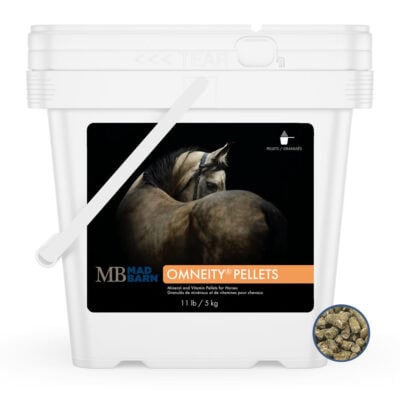
Mad Barn’s Omneity® offers a convenient way to address these gaps, delivering a complete vitamin–mineral profile to support hoof strength, metabolic health, coat quality, and overall wellness throughout the winter.
3) Maintain Hydration
Water intake naturally decreases in cold weather. Research shows horses may drink 6–14% less when temperatures fall. [5]
Even a small decline in water intake can increase the risk of impaction colic and negatively affect your horse’s ability to perform or recover from exercise. [2]
Providing heated water is an effective way to ensure your horses stay hydrated all winter long. Research shows horses drink up to 41% more water in cold weather when the water is continuously heated. [6] To encourage hydration, provide free-choice salt and water that is at least 7°C (45°F). Avoid offering icy water, which horses may prefer but consume in smaller amounts. [6]
When horses are working regularly through the winter, pay close attention to electrolyte balance, and consider optimized formulations such as Mad Barn’s Performance XL Electrolytes to replace minerals lost through sweat. Combined with a balanced winter diet, proper hydration helps maintain energy levels, digestive health, and overall performance. [2]

4) Provide Mental Enrichment
Reduced turnout, limited daylight, and changes in routine during winter can lead to boredom, stress, and anxiety in horses. This may also increase the risk of certain behaviors such as cribbing, weaving, and stall walking. [7]
Stress also contributes to a higher risk of gastric ulcers, particularly when forage intake or social interaction is limited. It’s essential to keep your horse’s mental health in mind, as it can affect your horse’s training and performance through the winter. [7]
If you have access to an indoor arena that’s crowded during the day but quiet at night, consider using it for turnout to give your horse a chance to move around and socialize. This is also a practical solution during severe weather events, like blizzards, for sheltering outdoor horses who don’t have stalls. [8]
5) Evaluate Clipping Requirements
Your horse may require clipping when training and preparing heavily for competitions in the winter.
If you work your horse into a sweat during winter training, you can give them a trace clip to ensure they cool down and dry off completely despite the cold environment. A trace clip involves trimming their hair to about 1/8 inch on the underside of the neck, belly, and sides. [2]
Horses with a full body clip, which removes all hair on a horse’s neck, legs, and body, are not suited to colder weather, even with the protection of a blanket.
Other clipping styles include the hunter clip, similar to a full clip but leaving hair on the legs and saddle area, and the Irish clip, removing hair under the neck and barrel but keeping the hindquarters covered. [2]
Clipped horses may need more energy due to activity level and heat loss. Since winter hair tends to come in slowly, ensure clipped horses have proper blanketing and shelter through the season and into spring. [2]
6) Create a Winter Training Plan
A winter training plan serves as a roadmap for keeping your horse progressing when weather and daylight disrupt your normal routine. Rather than outlining specific workouts, this plan helps you set realistic goals, anticipate limitations, and decide how to adapt when conditions change.
Begin by evaluating your horse’s current fitness level, workload history, and any seasonal changes in behavior or comfort.
Use this information to set broad weekly or monthly objectives, such as maintaining baseline conditioning, improving suppleness, or preserving stamina, without tying yourself to rigid daily expectations.
Because winter riding often depends on footing, temperature, and arena availability, build flexibility into your schedule. Identify “primary” training days and “fallback” alternatives such as groundwork, hand-walking, or light arena exercises so you aren’t left without a workable option.
Finally, revisit your plan regularly. As your horse adapts, daylight changes, or conditions shift, adjusting your goals keeps training productive while minimizing frustration. A well-structured and adaptable plan provides the continuity your horse needs, so when spring arrives, they’re prepared for a smooth transition into more intensive work.
Training in Winter
Horses competing in any discipline require conditioning to build fitness, strength, and stamina while also reducing the risk of injury.
Winter weather can make it difficult for equestrians to keep their horse in shape for spring. Cold temperatures, deep snow, and icy footing can limit safe outdoor riding, requiring more flexibility and creativity to keep your horse fit during the colder months. [8]
To maintain progress despite these limitations, it helps to shift your focus toward training environments and tools that remain reliable even when outdoor conditions are unpredictable.
Indoor Options
When outdoor conditions are harsh, consider using indoor options like lunging or groundwork to maintain your horse’s fitness. If your stable lacks an indoor arena, consider hauling your horse to a nearby arena once or twice a week.
Equine treadmills are also great winter tools, helping horses stay fit regardless of the weather. Mobile treadmill services may be available to serve multiple horses at your barn.
Lunging is not only an excellent way for your horse to release excess energy but also reinforces ground manners and helps your horse learn to stay focused amid distractions. Adding lunging to your horse’s conditioning routine in the winter prepares them for busy show environments in the warmer months. [8]
What's your top priority with your horse's health?

Enter your email to receive your store credit
Interval Training
Interval training (IT) is a conditioning method where exercise is performed in multiple bouts, each followed by short rest periods that allow partial recovery before starting the next round. This approach is highly effective for enhancing your horse’s cardiovascular fitness during the winter months. [9]
By alternating short bursts of higher-intensity work, such as trotting or cantering, with slower, more relaxed movement, you can effectively build your horse’s endurance. Research has shown weekly interval training for horses leads to improvements in maximum oxygen consumption, power output, lactate threshold, time-trial performance, and motion. [10]
Given this, interval training is an effective way to condition horses in the winter, as it can be practiced in smaller indoor arenas without compromising results. [9]
Long Slow Distance Training
Aerobic long slow distance (LSD) training is excellent for developing your horse’s cardiovascular system and is easily practiced in small indoor arenas, making it a fantastic winter conditioning method.
The early stages of LSD training focus on aerobic conditioning and aim to improve aerobic capacity while avoiding excessive strain. Exercise should elevate the heart rate to 150–160 beats per minute, with sessions lasting 20–30 minutes.
Trotting and slow gallops effectively achieve this target. Horses typically trot for the majority of the time, with brief cantering or galloping intervals interspersed with recovery periods. [11]
Longer workouts may require more frequent recovery, especially for young or less conditioned horses. [11]
Owners can begin LSD training every other day and increase the frequency of exercise depending on their horse’s progress and response. Ideally, horses are given free exercise on off days. Young horses may need split sessions to prevent fatigue.
This phase typically lasts six to eight weeks before introducing more intense work as temperatures rise. Skill training can also be integrated for horses expected to perform specific tasks. [11]
Equine Winter Wellness
Cold weather can significantly affect a horse’s muscles, joints, hooves, and overall physiology, and riding in the winter requires some essential precautions. Here are some key considerations for riders to ensure their horse is safe and avoids injury even in colder environments.
Winter Footing
It’s essential to be cautious when riding in heavy, wet snow, as its deep, dense texture can mimic the strain of working in deep sand, increasing the risk of tendon injuries. However, winter footing can also provide valuable resistance training when navigated with caution. [2]
Light snow, up to a foot deep, is ideal for trot sets and light flatwork to build fitness and strengthen your horse’s hindquarters. Even in light snow, always check the terrain first to avoid hidden hazards. [2]
In winter, some horses remain barefoot for improved traction and reduced snow buildup, especially if ridden infrequently. If shod, snow pads help prevent packed snow, and traction devices like caulks or borium improve grip on ice. [2]
Be mindful of sole bruising, which can occur when working over hard, frozen ground. This injury is especially common in horses with thin soles.
If your horse isn’t wearing pads, try to limit riding to areas with unfrozen footing or deeper snow. If the arena is frozen solid, it’s often safer to skip riding until conditions improve rather than risk injury. [2]
Warm Up & Cool Down
Before and after any conditioning or training work in the winter, it’s essential to warm up and cool down horses properly to reduce the risk of overexertion and injury.
A thoughtful warm up to prepare the muscles and ligaments for work is crucial in cold weather. Experts recommend a warm up of 10 to 20 minutes to boost blood flow to the muscles and prepare the body for exercise. Begin with a long-rein walk to loosen up, then move into trotting on large circles, gradually building the intensity. [1]
Always end winter rides with a full cool down. Gradually reduce your horse’s pace from canter to trot to walk. This gives their muscles and respiratory system time to recover and helps prevent stiffness.
Aim for at least 15 to 20 minutes of walking, adjusting the length of cool down time based on how hard your horse was working. More intense exercise calls for an extended cool down session.
A cooler can also help wick away sweat while keeping your horse warm and comfortable as they recover. [12][13]

Shoeing & Boots
If you prefer to hack in the winter rather than work in the arena, keep in mind that snow can pack into your horse’s hooves, causing discomfort and reducing traction.
For occasional rides, hoof boots can help prevent snow buildup and provide better grip. You can also apply petroleum jelly, ski wax, or similar equine-safe products to the sole to reduce snow packing.
For more consistent winter riding, consider permanent traction solutions. Options include drive-in caulks, shoes with built-in studs, or having your farrier add borium or composite spots to the shoes for added grip on icy or snowy terrain. [14]
Returning to Work After the Off-Season
Cold weather, holiday schedules, or poor footing often mean horses are ridden or turned out less frequently, leading to stiffness, reduced fitness, and an increased risk of injury.
When returning to work, ease your horse into exercise with a good warm up, and keep the activity appropriate for their current level of fitness.
Plan for shorter sessions if your horse fatigues quickly, as tired horses are more likely to take a misstep and strain muscles or tendons. [14]
Sweaty Horse Care
In cold, rainy conditions, sweat doesn’t evaporate efficiently and leaves horses damp, diminishing the insulating properties of their coats.
Never blanket a wet horse, as trapped moisture can soak the blanket and make your horse colder. Instead, hand-walk under a light sheet to cool your horse down gradually. In a pinch, place straw between the horse and blanket to keep the blanket dry and remove it once the horse is dry.
If your horse sweats heavily after winter rides, they may be overheating. Towel or scrape off excess sweat before cooling out and blanketing. To minimize sweating, use a lighter saddlepad or blanket, or consider a partial body clip in areas like the saddle region.
Horses with partial body clips need a heavier blanket when at rest to stay warm. [15]
Post-Workout Care & Recovery
After intense exercise, proper post-workout care can support faster recovery and help horses return to peak condition. Including post-workout care in your horse’s exercise routine gradually decreases their activity levels, which aids in redistributing blood flow and clearing metabolites from the muscles.
While cold hosing and ice therapy are excellent options in warmer months, other methods can aid horses in their recovery during lower temperatures.
Options include: [16][17][18][19][20]
- Carrot Stretches: Carrot stretches improve flexibility, spinal mobility, back pain, balance, and core strength. Use a treat to encourage gentle stretching before and after workouts to support your horse’s range of motion and performance.
- Massages: Massaging your horse’s lower legs can help alleviate swelling caused by stagnant lymph fluid. Massage boosts local blood flow and raises skin temperature, promoting circulation.
- Electrolytes: Electrolyte supplementation is vital during intense work, even in winter months. Always provide free access to fresh water and loose salt and electrolyte supplementation when required. Mad Barn’s Performance XL Electrolytes replaces sweat losses and includes antioxidants like vitamins E and C for recovery and muscle support.
- Standing Leg Wraps: Standing leg wraps provide gentle compression to promote fluid drainage from soft tissues into the bloodstream and lymphatic system. To prevent restricted circulation, avoid wrapping too tightly or leaving them on for an extended period.
- Clay Poultices: Clay poultices, made from bentonite clay or commercial formulas, help reduce leg swelling and support recovery for some horses. Many formulas do not require hosing off and can be brushed off when dry instead.
Frequently Asked Questions
Here are some frequently asked questions about training horses in the winter:
Cold temperatures can reduce circulation and cause muscles to stiffen, which increases the risk of strains and slows recovery after exercise. Joint discomfort, particularly in older or arthritic horses, may worsen during colder weather, while wet or frozen ground can contribute to hoof issues such as bruising, thrush, or abscesses. [1][2] Limited movement during winter confinement can also lead to lower limb swelling, known as stocking up, which highlights the importance of regular turnout or exercise whenever conditions allow. [3]
Horses require more energy in winter because cold temperatures increase metabolic demands, particularly when horses remain in work. Hydration can become challenging during colder months, as horses tend to drink less when water is cold or icy, which increases the risk of dehydration and colic. [2] Research has shown that horses drink significantly more water when it is heated, making temperature-controlled water an important management tool for supporting hydration during winter training. [6]
Winter footing requires careful assessment because deep, wet snow can strain tendons in a manner similar to deep sand, while icy surfaces increase the risk of slipping and injury. [2] Light snow can provide beneficial resistance for conditioning when hazards beneath the surface are avoided, but hard frozen ground may cause sole bruising, particularly in horses with thin soles. [2] Proper hoof management, including barefoot strategies, snow pads, or traction devices, can help improve safety and comfort during winter riding. [2]
Preventing winter injuries starts with longer warm-up periods that gradually increase blood flow and prepare muscles and ligaments for work in cold conditions. [1] A thorough cool-down is equally important, as it allows muscles and the respiratory system to recover and reduces stiffness following exercise. [12][13] Riders should also avoid overestimating a horse's fitness after periods of reduced work, as fatigue and stiffness increase the likelihood of missteps and soft tissue injuries. [14]
Summary
Winter doesn't have to be a setback in your horse's training or competition goals. By
adapting your approach
to suit colder conditions, you can support your horse's health and performance throughout the year.
- Maintain fitness with flexible routines such as lunging, groundwork, treadmills, interval training to build cardio, and long slow distance work to develop aerobic capacity in smaller or indoor spaces
- Support hydration and energy by offering warmed water, free-choice salt or electrolytes, and a forage-first diet adjusted to higher winter calorie demands while monitoring for ulcers and colic risk
- Protect comfort and recovery with longer warm-ups and cool-downs, diligent post-work care such as massage, stretches, appropriate wraps or poultices, and thoughtful blanketing or clipping matched to workload and weather
- Manage footing by avoiding ice and deep, wet snow, using snow pads, studs, or hoof boots as needed, and modifying work to prevent bruising and tendon strain on frozen or unstable surfaces
- Safeguard mental health by maximizing turnout and socialization, using indoor spaces creatively during storms, and keeping routines consistent to reduce stress behaviors and support training focus
References
- Frazier. W. Caring for Your Horse When It's Cold Outside. College of Veterinary Medicine. 2018.
- Williams. C. & Ralston. S. FS1142: Winter Care for Horses. Rutgers NJAES. 2024.
- Clanton. C. & Hathaway. M. Caring for Your Horse in the Winter. University of Minnesota Extension. 2022.
- Nutrient Requirements of Horses. NRC. 2007.
- Heleski. C. CODE OF PRACTICE FOR THE CARE AND HANDLING OF EQUINES: REVIEW OF SCIENTIFIC RESEARCH ON PRIORITY ISSUES . Equine Code of Practice Scientists' Committee. 2012.
- Kristula. M. & Mcdonnell. S. M. Drinking water temperature affects consumption of water during cold weather in ponies. Applied Animal Behaviour Science. 1994.
- Camargo. F. Stereotypic Behavior in Horses: Weaving, Stall Walking, and Cribbing. University of Kentucky. 2014.
- Salem. P. How to Keep Your Horse Fit During Winter Months. Fédération Equestre Internationale. 2024.
- Harkins. J. D. and Kamerling. S. G. A Comparative Study of Interval and Conventional Training Methods in Thoroughbred Racehorses. Journal of Equine Veterinary Science. 1990.
- Lindner. A. et al. Effect of Conditioning Horses Once, Twice, or Thrice a Week with High-Intensity Intermittent Exercise on V4. Journal of Equine Veterinary Science. 2012.
- Hiney. K. Physical Conditioning of Horses. Oklahoma State University. 2017.
- Salem. P. Tips for Winter Riding in Snow and Ice. Fédération Equestre Internationale. 2020.
- Riding Your Horse When It's Cold Outside. Purdue University College of Veterinary Medicine.
- Daum. A. Cold Weather Safety. United States Eventing Association Inc. 2010.
- Mejdell. C. M. et al. Caring for the Horse in a Cold Climate—Reviewing Principles for Thermoregulation and Horse Preferences. Applied Animal Behaviour Science. 2020.
- Young. A. Exercise Therapy. Horse Report. 2022.
- Mori. H. et al. Effect of Massage on Blood Flow and Muscle Fatigue Following Isometric Lumbar Exercise. Med Sci Monit. 2004.
- Lindinger. M. I. Oral Electrolyte and Water Supplementation in Horses. Veterinary Sciences. 2022.
- Applying Sweat Bandages To The Horse's Leg. AAEP. 2022.
- Bastos. C. M. et al. Assessment of Clayey Peloid Formulations Prior to Clinical Use in Equine Rehabilitation. International Journal of Environmental Research and Public Health. 2020.