English


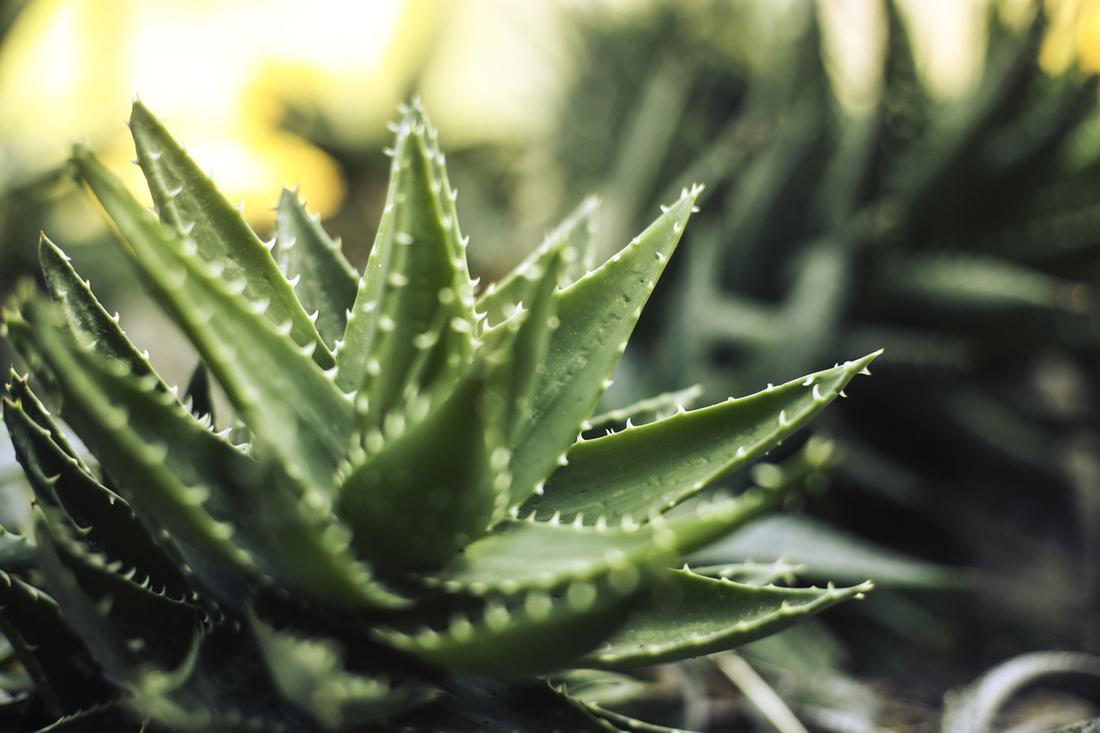
Aloe vera (Aloe barbadensis) is a medicinal plant that is frequently used to soothe skin irritations. The gel of the inner leaf is also commonly fed to horses for gastric support, particularly those prone to gastric ulcers.
Aloe vera gel contains several active ingredients with anti-inflammatory, anti-oxidant and anti-microbial effects. This plant-based remedy also stimulates mucous production and influences gastric acid production.
Although commonly fed to horses as an anti-ulcer agent, there is limited research into the effects of aloe vera on horses with gastric ulcers. High doses of aloe powder were shown to improve gastric ulcer severity but not to the same extent as the FDA-approved drug GastroGuard (omeprazole).
Omeprazole remains the gold standard pharmaceutical treatment for horses with squamous ulcers, but there is growing interest in natural and herbal alternatives.
If your horse has gastric ulcers or is at a high risk of developing ulcers, aloe vera may support gastric health. However, it’s also important to address the underlying risk factors that contributed to ulcers forming in the first place.
After dietary and management factors have been addressed, supplements can be used to support gut health and promote intestinal barrier function. Take our quiz to assess your horse’s risk of gastric ulcers and identify ways to reduce risk.
Aloe Vera Plant Properties
Aloe vera is a succulent plant that grows in tropical climates. The gel produced by this plant has long been used in traditional medicine as a topical ointment for skin burns, rashes and other skin conditions.
The leaves of this plant contain a number of active phytochemicals with medicinal benefits, including vitamins, minerals, enzymes, acetylated mannans, polymannans, anthrones, anthraquinone and lectins.
This herb is also used as an oral supplement to support gut health and alleviate gastrointestinal discomfort. Aloe vera juice was historically used for its laxative effects and as a general digestive tonic.
Aloe vera is often used by horse owners to address gastric ulcers. This herb is thought to soothe the digestive tract, reduce pain associated with ulcers and promote wound healing.
Aloe Vera Mechanisms of Action
The inner leaf gel of aloe vera has been used extensively to treat skin issues including burns and wounds.
It contains at least 75 different compounds that could explain its purported antioxidant, anti-inflammatory, wound-healing and pain-relieving benefits. These include: [3][8]
- Vitamins (A, C, E, B12)
- Minerals (zinc, copper, selenium, calcium)
- Enzymes including starch-digesting amylase
- Sugars
- Fatty acids
- Salicylic acid (a natural form of the active ingredient found in aspirin)
- Phenolic compounds
There are several components of aloe that are beneficial to digestive health. The most-researched components are the soluble polysaccharides, which are large gel-like compounds made of linked sugar molecules.
Acemannan
Acemannan is one polysaccharide in aloe vera that has been shown to support wound healing in various models. It appears to stimulate cells of the immune system to accelerate healing processes and bind to macrophages to activate the removal of pathogens from the area and protect from infection. [4]
In addition, direct contact of non-starch polysaccharides, such as acemannan, with cells lining the digestive tract can enhance calcium absorption into the cells. Calcium ions are important for activating stem cells, which are needed to replace the damaged tissue.
In some models, acemannan also induces the expression of vascular endothelial growth factor (VEGF) which is important for maintaining blood vessels that bring nutrients to the area and remove waste products. [5]
VEGF also increases prostaglandin E2 production which promotes gastric ulcer healing in animal models. [6] Low levels of prostaglandin E2 have been implicated in the formation of gastric ulcers in horses, particularly in the glandular region. [7]
Additional Benefits of Aloe Vera
Although the main reason to feed aloe vera to horses is to support gastric health, there may be other benefits as well.
Research studies in animal models, humans and cell culture have shown several effects including: [3]
- Antioxidant activity: Anthraquinones are phenolic compounds that bind free radicals to prevent them from causing damage to tissues.
- Antimicrobial activity: Aloe-emodin is an anthraquinone that inhibits proliferation of pathogenic microbes such as those of the genus Clostridium or Streptococcus
- Prebiotic activity: The polysaccharide acemannan can feed beneficial microorganisms to increase production of short-chain fatty acids that can be used as an energy source by the animal and alter microbial composition
- Antidiabetic: Polysaccharides in aloe vera have been shown to decrease blood sugar levels in animal models and improve the health of insulin-producing cells in the pancreas
- Anticancer: In cell culture and animal models, aloe extracts reduce cell proliferation and induce cell death, which helps shrink tumors
These benefits have mostly been demonstrated in animal models and cell lines using high doses of gel extract. More research is required in horses to verify these effects.
What's your top priority with your horse's health?

What's your top priority with your horse's health?
Gastric Ulcers in Horses
Ulcers are unfortunately very common in horses – especially in performance horses. Upwards of 90% of performance horses are thought to have gastric ulcers at some point in their athletic careers. [11]
Gastric ulcers are painful lesions in the stomach lining that can contribute to aggression, girthiness, and poor performance. Ulcers can also lead to other problems including poor nutrient absorption, weight loss and poor coat quality. [12]
Horses evolved to spend most of their time grazing on high-fiber forages. A steady intake of forage helps buffer stomach acid and protect the gastric lining from excessive acid exposure. In addition, the equine stomach has its own protective mechanisms, such as mucus secretion, that offer further protection.
However, in modern management practices, horses are more prone to ulcers due to intermittent feeding and/or limited access to forage. This creates periods of time when the stomach is empty and unbuffered acid comes into direct contact with the gastric wall.
Exercising your horse on an empty stomach can lead to so-called “splash ulcers” as gastric acid splashes into the upper part of the stomach.
Horses most commonly develop ulcers in the squamous non-glandular region of the stomach. This is the upper region that does not naturally have a protective mucus barrier between the stomach lining and the stomach acid.
Ulcers can also develop in the lower, glandular region of the stomach. However, ulcers are less common here as this area naturally produces mucins to form a protective barrier and bicarbonate to buffer the stomach acid.
Aloe Vera for Horses
There are several studies looking at the effects of aloe vera on gastric ulcers in humans, but only one study has investigated the effects of this plant on ulcer recovery in horses.
Horses were enrolled in this study based on clinical signs of ulcers or a previous diagnosis of ulcers. The horses were given either aloe vera gel or omeprazole (4 mg/kg) for approximately 28 days. [1]
The amount of aloe vera gel administered was based on studies in rats that used high doses and showed beneficial effects on gastric health. [13][14] For horses, this equated to 35 mg of dehydrated inner leaf powder per kg of body weight per day.
For a 500 kg (1100 lb) horse, this is equivalent to 17.6 grams of inner leaf powder per day which is much higher than manufacturer recommendations of 5 grams per day. [2]
For the horses given aloe vera, there was a 56% rate of improvement in squamous ulcers compared to 85% for the omeprazole group. The rate of healing was 17% for the aloe vera group and 75% for the omeprazole group. [1]
Although aloe vera did not perform as well as omeprazole for squamous ulcers, the 56% improvement rate is better than that reported in placebo treatments.
There was no difference in the improvement or healing of glandular ulcers between the groups.
It is important to note that this study used a higher dose of inner leaf powder than what is typically recommended by manufacturers of equine aloe products. Improvements and healing rates are expected to be lower with lower dosages. More research is needed to evaluate efficacy at commonly used feeding rates.
Feeding Aloe Vera to Horses
The benefits of aloe vera appear to be more prominent when given at high doses. This supplement can be given as powder, gel or juice.
Typically recommended feeding rates for aloe vera supplements in horses are as follows. [2]
- Aloe vera powder: 5 grams dissolved in 250 ml of water per day
- Aloe vera gel: 20 ml by syringe twice per day
- Aloe vera juice: 5 ml per hand of height or 10 ml per hand of height when ulcers are present. This is equivalent to 80 – 160 ml for a 16 hh horse

Supporting Gastric Health in Horses
Causes of gastric ulcers may be related to diet composition, feeding schedule, exercise or stress levels. If you suspect your horse has gastric ulcers there are several dietary and management adjustments that can help reduce your horse’s risk of ulcer recurrence in the future.
Maximize forage intake & availability
A common contributing factor to ulcers is low forage intake or long periods without access to forage, resulting in more time with an empty stomach.
If the stomach is empty, the cells lining the stomach come into prolonged contact with highly acidic stomach acid. This increases the likelihood of gastric ulcers forming.
Provide free-choice forage whenever possible to minimize the time that the stomach is empty.
In order to maintain your horse at a healthy body condition, choose hay that matches your horse’s energy and protein requirements.
Limit large meals & high-concentrate feeds
When horses eat large grain or sweet feed-based meals, the feed passes through the stomach much faster than forage. This means the stomach is left empty for long stretches, giving acid more opportunity to irritate the sensitive stomach lining.
Chewing also plays a big role in gut health. Horses produce much more saliva when they eat hay or grass compared to grain. Since saliva naturally buffers stomach acid, less chewing from grain meals means less protection in the stomach.
Further, many calorie-dense concentrates are high in sugars and starches. These carbohydrates lower gastric pH and increase the risk of ulcer formation.
By replacing some of these concentrates with gut-friendly alternatives, like oil or highly digestible fiber sources such as beet pulp or soybean hulls, you can still meet your horse’s energy needs while protecting their stomach and limiting starch intake.
Avoid excessive exercise
High-intensity exercise is a common risk factor for gastric ulcers. In one study, 91% of Thoroughbreds in race training had gastric ulcers and 100% of actively racing horses had ulcers. [15]
Exercise increases abdominal pressure, which pushes the highly acidic contents of the stomach from the glandular region into the squamous region. Ulcers can form as the unprotected squamous area is exposed to stomach acid.
Exercise also reduces blood flow to the stomach, which can inhibit healing and negatively affect the integrity of the tissue if exercise is prolonged.
Horses in competition may also experience long periods without access to feed or water during travel. The stress of travel and trailering also increases ulcer risk.
To lower the risk of ulcers from exercise, feed your horse hay or forage cubes prior to exercise and acclimate them to stressors such as trailering.
Additionally, staying mindful about your horse’s exercise program, avoiding consecutive days of high-intensity training, and providing time-off each week can help mitigate ulcer formation.
Reduce stress
When your horse experiences stress, the adrenal glands release more of the stress hormone cortisol, which lowers prostaglandin production. Prostaglandins help maintain a healthy stomach lining.
Horses are creatures of habit and familiarity. Any change to their daily routine, environment, or lifestyle can induce stress.
Common stressors to avoid include:
- Changes to herd dynamics
- Stall confinement
- Social isolation
- Limited forage access
- Inhibiting natural behaviours
- Transportation
Minimize use of NSAIDs
Non-steroidal anti-inflammatory drugs (NSAIDs) such as phenylbutazone are commonly used to treat pain. However, these drugs can also block prostaglandin production in the stomach and increase the risk of ulcers when used incorrectly.
Phenylbutazone (bute) has been implicated in the development of gastric and hindgut ulcers in horses. [9]
If your horse requires NSAID treatment, ask your veterinarian about using COX-2-specific forms of analgesics, which are less likely to induce gastric lesions. [10] Work closely with your vet to establish an appropriate dosing protocol to minimize the risk of gastrointestinal side effects.
Supplementation
Consult with your veterinarian and equine nutritionists to address possible diet and management factors that may be contributing to ulcer risk. Also consider adding a gut health supplement that targets gastric health.
Aloe vera is one option that may be beneficial for your horse, but its efficacy is only moderately better than a placebo. It may work better in combination with other ingredients that have been shown to improve gastric ulcers.
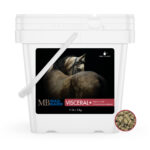
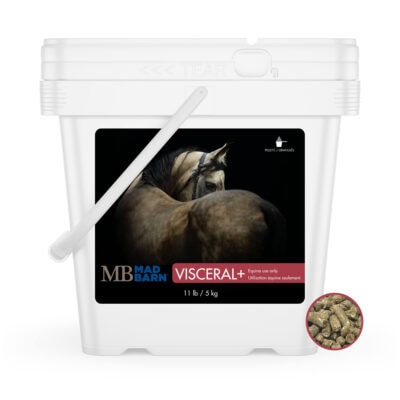
Mad Barn’s Visceral+ has been clinically tested following the discontinuation of omeprazole treatment. It is formulated to support gastric and hindgut health and immune function.
If you’re interested in feeding aloe vera or any other gut health supplement to your horse, we recommend also looking at your horse’s overall diet and management to identify ways to support gut health.
You can submit your horse’s diet for evaluation by our equine nutritionists to learn strategies to reduce ulcer risk while providing a balanced diet.
Frequently Asked Questions
Here are some frequently asked questions about aloe vera for horses:
Aloe vera may help soothe the stomach lining and support gastric healing, but research shows it is less effective than omeprazole. It can be used as a supportive measure alongside dietary and management changes.
Typical feeding rates are around 5 grams of powder or 20 mL of gel twice daily. The study showing benefits used higher doses—about 17.6 grams of inner leaf powder for a 500-kg horse.
Aloe vera is generally considered safe when used as directed. However, over-supplementation or low-quality products may cause digestive upset. Always use equine-specific formulations and consult your veterinarian.
No. While aloe vera may provide mild support for gastric comfort, omeprazole remains the gold-standard treatment for equine gastric ulcers.
Aloe vera contains over 75 bioactive compounds, including vitamins, minerals, enzymes, fatty acids, and polysaccharides like acemannan that promote healing, reduce inflammation, and support mucosal protection.
Aloe vera can be useful for horses with mild gastric irritation or at risk of ulcers due to stress, intermittent feeding, or travel. It should be combined with proper forage access, stress management, and balanced nutrition.
Summary
Aloe vera is a succulent plant valued for its soothing anti-inflammatory properties. In horses, it is most commonly fed to support gastric health, particularly in those prone to gastric ulcers.
- Aloe vera contains more than 75 compounds, including vitamins, minerals, and polysaccharides, that contribute to its anti-inflammatory and antioxidant properties
- In one equine study, aloe vera improved gastric ulcer severity in 56% of horses but was less effective than omeprazole, which achieved an 85% improvement rate
- Aloe vera may support gastrointestinal comfort and mucosal integrity but should be combined with effective management practices like maximizing forage intake and reducing stress
- Addressing underlying risk factors such as intermittent feeding, high-concentrate diets, intense exercise, and NSAID use remains essential for preventing and managing gastric ulcers
References
- Bush, J. et al. Comparison of aloe vera and omeprazole in the treatment of equine gastric ulcer syndrome. Equine Vet J. 2017. View Summary
- Aloe Vera Australia Aloe Vera Data Sheets
- Sanchez, M. et al. Pharmacological Update Properties of Aloe Vera and its Major Active Constituents. Molecules. 2020.
- Sadgrove, N.J. and Simmonds, M.S.J. Pharmacodynamics of Aloe vera and acemannan in therapeutic applications for skin, digestion, and immunomodulation. Phytother Res. 2021.
- Jettanacheawchankit, S. et al. Acemannan stimulates gingival fibroblast proliferation; expressions of keratinocyte growth factor-1, vascular endothelial growth factor, and type I collagen; and wound healing. J Pharmacol Sci. 2009.
- Hatazawa, R. et al. Cyclooxygenase-2/prostaglandin E2 accelerates the healing of gastric ulcers via EP4 receptors. Am J Physiol Gastrointest Liver Physiol. 2007.
- Banse, H.E. and Andrews, F.M. Equine glandular gastric disease: prevalence, impact and management strategies. Vet Med (Auckl). 2019. View Summary
- Rodriguez, E.R. et al. Aloe vera as a Functional Ingredient in Foods.Crit Rev Food Sci Nutr. 2010.
- Whitfield-Cargile, C.M. et al. Effects of phenylbutazone alone or in combination with a nutritional therapeutic on gastric ulcers, intestinal permeability, and fecal microbiota in horses. J Vet Intern Med. 2021. View Summary
- Whitfield-Cargile, CM. et al. Differential effects of selective and non-selective cyclooxygenase inhibitors on fecal microbiota in adult horses. PLos One. 2018. View Summary
- Videla R. and Andrews F.M. New perspectives in equine gastric ulcer syndrome. Vet Clin North Am Equine Prac. 2009. View Summary
- Pagan, J.D. Gastric Ulcers in Horses: A Widespread but Manageable Disease. Aus Equine Vet. 1998.
- Borra, S.K. et al. Anti-ulcer effect of Aloe vera in non-steroidal anti-inflammatory drug induced peptic ulcers in rats. Afr J Pharm Pharmacol. 2011.
- Werawatganon, D. et al. Aloe vera attenuated gastric injury on indomethacin-induced gastropathy in rats. World J Gastroenterol. 2014.
- Murray, M.J. et al. Factors associated with gastric lesions in thoroughbred racehorses. Equine Vet J. 1996. View Summary