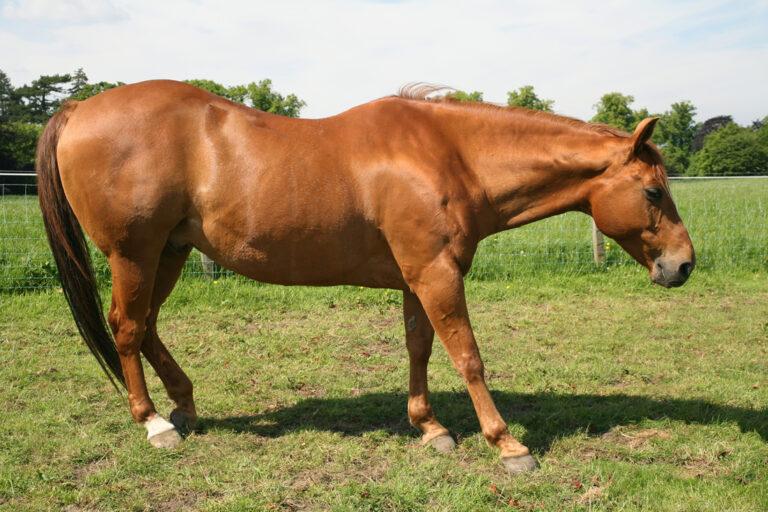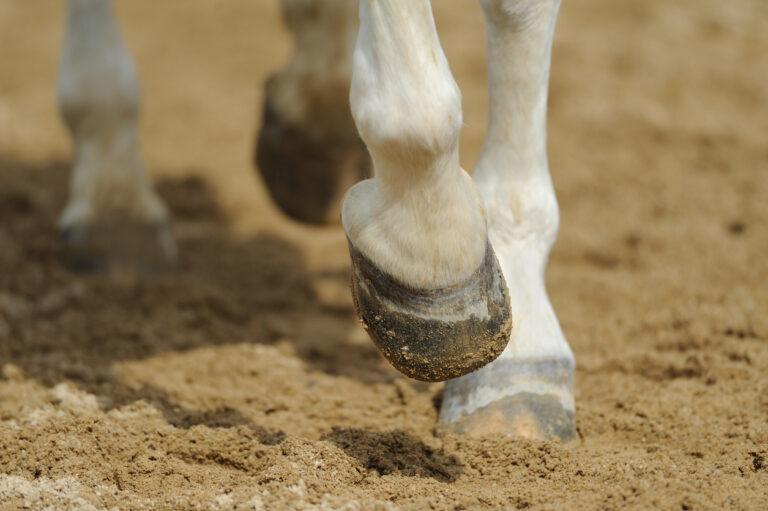
Founder is a common cause of lameness in horses. It involves damage to the laminar connection between the hoof wall and the coffin bone. This often leads to rotation and/or sinking of the coffin bone which causes severe pain and...
Conditions
Explore Mad Barn’s comprehensive list of common equine health conditions, detailing each condition’s causes, symptoms, treatment options, prevention methods, and prognosis.
A
- Abnormal Gestation
- Abortion (Stillbirth)
- Acquired Heart Murmurs
- African Horse Sickness
- Anaplasmosis in Horses (Equine Granulocytic Ehrlichiosis)
- Anemia
- Anhidrosis (Absent Sweating)
- Anthrax Poisoning
- Arrhythmias (Irregular Heart Beats)

- Arthritis
- Ascarids Parasites
- Atrial Fibrillation
- Aural (Ear) Plaques
- Autoimmune disease - Primary Immunodeficiency Disorders
B
- Back Pain
- Bartonella Infection
- Big Head Disease (Nutritional Secondary Hyperparathyroidism)
- Black Walnut Tree Poisoning
- Bleeding Disorders
- Blister Beetle Poisoning (Cantharidin Toxicity)
- Bog Spavin (Tarsocrural Joint Effusion)
- Bone Bruises
- Bone Spavin
- Botflies Parasites
- Botulism
- Bowed Tendons
- Box Elder & Sycamore Poisoning
- Brain Anatomy & Disease
- Bucked Shins (Dorsal Metacarpal Disease)
- Buttercup Poisoning
C
- Canker
- Capped Hock (Calcaneal Bursitis)
- Cataracts
- Caudal Heel Pain
- Cellulitis
- Cerebellar Abiotrophy
- Choke
- Chronic Progressive Lymphedema
- Coffin Bone Lameness
- Colic in Foals
- Colic Treatment, Management & Prevention Guide
- Colitis
- Congenital Heart Murmurs
- Congenital Hypothyroidism & Dysmaturity Syndrome
- Conjunctivitis (Pink Eye)
- Contagious Colitis
- Contagious Equine Metritis
- Corneal Ulcers
- Cranial Nerve Conditions
D
- Degenerative Joint Disease (DJD)
- Degenerative Suspensory Ligament Desmitis (DSLD)
- Dehydration
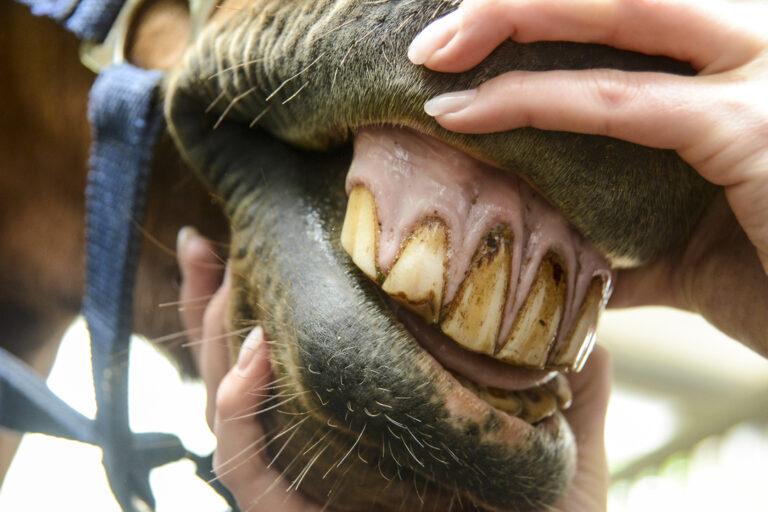
- Dental Disease
- Developmental Orthopedic Diseases
- Dew Poisoning (Alsike Clover Poisoning)
- Dislocated Eye Lens
- Displacement Colics
- Dorsal Displacement of the Soft Palate in Horses (DDSP)
- Dummy Foal Syndrome (Neonatal Maladjustment)
- Dysmastication (Abnormal Chewing)
- Dystocia (Difficulty Foaling)
E
- Ear Mites & Psoroptic Mange
- Eastern Equine Encephalitis (EEE)
- Endometritis
- Enlarged Ovaries
- Enteritis & Inflammatory Bowel Disease
- Enteroliths
- Epilepsy
- Equine Chronic Obstructive Pulmonary Disease (COPD)
- Equine Coronavirus (ECoV)
- Equine Degenerative Myeloencephalopathy (EDM)
- Equine Gastric Ulcer Syndrome (EGUS)
- Equine Grass Sickness
- Equine Herpesvirus
- Equine Herpesvirus-1 Myeloencephalopathy (EHM)
- Equine Infectious Anemia (EIA)
- Equine Metabolic Syndrome (EMS)
- Equine Motor Neuron Disease
- Equine Odontoclastic Tooth Resorption & Hypercementosis (EOTRH)
- Equine Proliferative Enteropathy (Lawsonia)
- Equine Protozoal Myeloencephalitis (EPM)
- Equine Viral Arteritis (EVA)
- Equine Wobbler Syndrome (Cervical Vertebral Stenotic Myelopathy)
- Exercise-Induced Pulmonary Hemorrhage (EIPH)
- Eye Conditions
F
G
H
- Hay Belly
- Hay Belly & Other Causes of Bloating
- Heart Disease
- Heat Stress
- Heaves
- Hendra Virus (Equine Morbillivirus)
- Hepatitis
- Hereditary Equine Regional Dermal Asthenia (HERDA)
- Hindgut Acidosis
- Hindgut Ulcers
- Hives (Urticaria)
- Hoof & Sole Bruises
- Hoof Abscess
- Hoof Anatomy & Conditions
- Hoof Cracks
- Hoof Degloving
- Hunter’s Bump
- Hyperkalemic Periodic Paralysis (HYPP)
- Hyperlipidemia & Hyperlipemia
- Hypothyroidism
I
- Immune Mediated Myositis (IMM)
- Impaction Colic
- Inappropriate Lactation
- Infectious Diarrhea in Foals
- Inflammatory Airway Disease
- Influenza Virus (Flu)
- Inguinal (Scrotal) Hernias
- Injuries: Endurance
- Injuries: English Performance
- Injuries: Racehorses
- Injuries: Western Performance
- Insect Stings & Spider Bites
- Internal Entrapments (Reasons for Colic Surgery)
- Internal Parasites
- Intussusception
- Ionophore Toxicosis
- Iron Overload
J
K
L
M
- Mange
- Mare Reproductive Loss Syndrome
- Mastitis
- Melanomas
- Meningitis
- Mesenteric & Omental Rents
- Migrating Grass Awns (Foxtails)
- Moldy Hay (Mycotoxin) Poisoning
- Monensin Poisoning
- Moon Blindness (Equine Recurrent Uveitis)
- Mosquito-Borne Equine Diseases
- Most Common Equine Allergies
- Mud Fever (Equine Pastern Dermatitis)
- Myofibrillar Myopathy (MFM)
- Myosin Heavy Chain Myopathy (MYHM)
N
O
P
- Parrot Mouth (Rostral Malocclusion)
- Pasture-Associated Laminitis
- Pedal Osteitis
- Physitis
- Pigeon Fever
- Pinworms Parasites (Oxyuris Equi)
- Piroplasmosis (Babesiosis)
- Pituitary Pars Intermedia Dysfunction (PPID, formerly Equine Cushing's)
- Placentitis
- Pneumonia
- Podotrochlear Syndrome
- Polysaccharide Storage Myopathy Type 1 (PSSM1)
- Potomac Horse Fever
- Progressive Ethmoidal Hematomas
- Protein Bumps (Eosinophilic Granulomas)
- Proud Flesh (Granulation Tissue)
- Proximal or Anterior Enteritis
- Purpura Hemorrhagica
Q
R
- Rabies
- Ragwort Poisoning (Pyrrolizidine Alkaloid Toxicity)
- Rain Scald
- Rattles in Foals
- Reproductive Emergencies in Mares
- Respiratory Diseases
- Retained Fetal Membranes (Placenta)
- Rhino in Horses
- Right Dorsal Colitis
- Ringbone
- Ringworm (Girth Itch)
- Roach Back (Kyphosis)
- Roaring (Laryngeal Hemiplegia)
- Rotavirus
- Ryegrass Staggers
S
- Sacroiliac Dysfunction
- Salmonella Infection
- Sand Colic
- Sarcoids
- Scours (Foal Heat Diarrhea)
- Scratches (Pastern Dermatitis)
- Seasonal Respiratory Allergies
- Selenium Poisoning (Alkali Disease)
- Sepsis & Toxic Shock
- Septic Laminitis
- Sesamoid Injuries
- Sesamoiditis
- Shelly Feet
- Shipping Fever
- Shivers
- Shoe Boils (Olecranon Bursitis or Capped Elbow)
- Sidebone
- Sidewinder Syndrome (Crab Walking)
- Sinusitis
- Skin Allergies
- Skin Diseases Guide
- Skin Irritations
- Slobbers (Slaframine Poisoning)
- Small Intestine Volvulus
- Smoke Inhalation Injury
- Sorghum & Sudan Grass (Cyanide) Poisoning
- Splints in Horses
- Squamous Cell Carcinoma (SCC)
- Staphylococcus & MRSA
- Stocking Up (Stagnation Edema)
- Stovepipe Leg (Lymphangitis)
- Strangles
- Strangulating Lipomas
- Stringhalt
- Strongyles Parasites
- Summer Sores (Habronema)
- Supporting Limb Laminitis
- Swayback (Equine Lordosis)
- Sweet Itch (Insect Bite Hypersensitivity)
- Swollen Sheath
- Synovial Joint Infections
T
- Tapeworms Parasites
- Tendon Injuries
- Tetanus
- Theiler's Disease (Equine Serum Hepatitis)
- Threadworms <em>(Strongyloides Westeri)</em>
- Thrush
- Thumps (Synchronous Diaphragmatic Flutter)
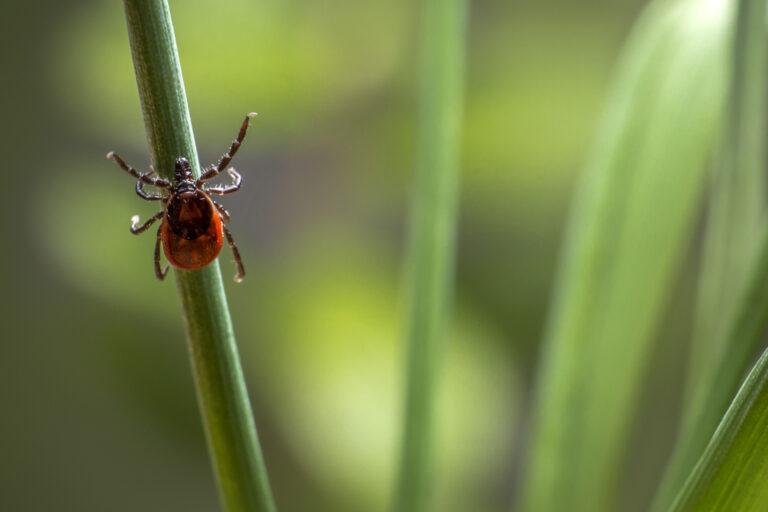
- Tick-Borne Disease [Guide]
- Top 30 Most Common Equine Diseases
- Top 6 Gastrointestinal Conditions in Horses
- Trigeminal Mediated Headshaking Syndrome
- Twisted Gut (Intestinal Torsion)
- Tying-up (Exertional Rhabdomyolysis)
- Tyzzer's Disease
U
V
W
Z
Leaky gut is a digestive issue is horses that occurs as a component of a broader gut health issue such as dysbiosis, inflammatory bowel disease, or gastric ulcers. It is said that 70% of the horse’s immune system resides in...
Podotrochlear Syndrome (also referred to as navicular syndrome or navicular disease) affects the podotrochlear apparatus (PTA) of the equine foot and typically occurs in the forelimbs. The condition can cause a variable degree of lameness. There is no single cause...
While line disease is a hoof condition that can lead to pain and lameness. This condition affects the equine hoof wall in one or more hooves at a time. White line disease originates as a separation between adjacent layers in...
Hyperkalemic periodic paralysis (HYPP) is a genetic condition in horses that affects how their muscles function and respond to signals from the nervous system. These horses have high levels of potassium in the blood and should be fed low potassium...
Equine Heaves is a condition that is characterized by inflamed airways in the lungs. This can lead to a number of associated symptoms such as chronic coughing, excess mucous, poor performance and weight loss. This condition also goes by several...
Potomac Horse Fever (PHF) is a bacterial disease that can result in severe colic, diarrhea, inflammation, depression and laminitis. In serious cases, it can be fatal to the horse. PHF is caused by infection with Neorickettsia risticii and typically affects...
Equine polysaccharide storage myopathy (PSSM or EPSM) is a genetic condition in horses that affects how muscle cells partition, generate, and store energy. This can lead to exercise intolerance, stiffness, and an abnormal gait in your horse. After diagnosis, owners...
Tying-up in horses is a colloquial term for Exertional Rhabdomyolysis, a condition involving exercise-related muscle cramping and damage. Some horses experience a single episode of tying up whereas others experience recurrent tying-up. During an episode, the affected horse becomes stiff...
Equine Lyme disease is a growing concern for horses in North America, especially during the summer months when tick bites are more common. Lyme disease is primarily caused by infection with Borrelia burgdorferi, a bacteria that is carried by ixodid,...
Equine odontoclastic tooth resorption and hypercementosis (EOTRH) is a progressive and painful dental condition that occurs in some horses. Primarily affecting senior horses, it typically involves the gradual degeneration of the incisors and canine teeth. Over time, the roots of...
Diarrhea can affect horses of all ages, breeds and sizes, resulting in dehydration, weight loss, poor nutrient absorption or electrolyte imbalance. Diarrhea is described as the increased excretion of liquid or semi-solid feces. Cases of equine diarrhea can range in...
Mycotoxins are naturally occurring toxic substances which are produced by mould and fungus in your horse’s hay. Mycotoxins can cause negative effects in horses including colic, gastrointestinal upset, weight loss, feed withdrawal, immune suppression, impaired performance or poor growth.
Internal parasites, also known colloquially as worms, are a common concern for many horse owners. Parasites are organisms that live on the horse’s skin or infiltrate the intestinal tract to gain nutrients. They can cause inflammation, immune problems, ulcers, and,...
Horses exhibiting heel pain are often diagnosed with navicular syndrome. It is a common – and frustrating – issue to deal with, but it no longer spells immediate retirement for the horse. With early diagnosis and proper treatment, a horse...
Right dorsal colitis (RDC) is a specific type of ulcerative disease in horses localized to the right, upper region of the large intestine. RDC is sometimes referred to as hindgut ulcers. Horses with RDC can show signs of weight loss,...
What can you do to prevent ulcers from developing in your horse? Equine ulcers are all too common, with studies showing that up to 90% of horses will be affected by ulcers in their lifetime. Stomach ulcers, also known as...
Hindgut acidosis is a condition in which the hindgut of the horse becomes excessively acidic. It is usually caused by too much starch in the horse’s diet, resulting in increased production of lactic acid in the lower intestinal tract. When...
Equine laminitis is a painful condition affecting the horse's hooves. Cases of laminitis range in severity from mild foot tenderness to chronic founder, potentially impeding the horse's ability to walk. Laminitis is the bane of any horse owner's existence. Horses...
Free fecal water syndrome is a condition in which horses experience both solid and liquid phases during defecation. The liquid phase can occur before, during, or after defecation of the solid phase or sometimes occur completely separate from the solid...
Equine gastric ulcers are extremely common, especially in performance horses. But ulcers can also occur in the horse's hindgut and have negative consequences for digestive health. Hindgut ulcers are also known as colonic ulcers. Veterinarians often refer to the condition...
Have you noticed changes in your horse such as weight loss, a dull coat, disinterest in feeding or crib chewing that have resulted in poor performance? Your horse might be experiencing stomach pain, most likely due to gastric ulcers. Equine...
Do you know the dangers of high iron levels in your horse's hay or water? Iron overload is a growing concern among horse owners as more is learned about the harmful effects of having too much of this mineral in...
Let's save the boring stats that every article discussing equine gastric ulcers quotes. If you keep your horse in a stall and/or do any level of training and you are still reading this article, there is an extremely [...]
Cushing’s Disease occurs when there is a tumor on the pituitary gland, an organ at the base of the brain. This tumor causes the pituitary gland to over-produce ACTH, a hormone that affects cortisol levels in the body. [...]
Insulin is a hormone produced by special cells within the pancreas in order to do many important jobs, one of which is the transportation of glucose from the bloodstream into each individual cell. When foods high in [...]