Analyze Diet
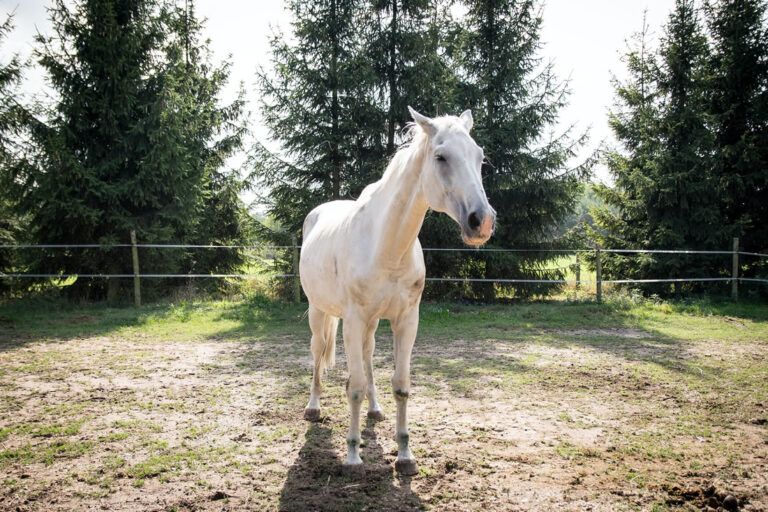
Photosensitization in Horses
Photosensitization in Horses: Causes, Signs, Treatment & Prognosis Camryn McNeill, B.B.R.M. (Honours) | July 22, 2026

Photosensitization, or light-induced dermatitis (photodermatitis), is a noncontagious condition in horses where the skin becomes extremely sensitive to sunlight. This condition often mimics a sunburn, but it is much more serious and painful. Photosensitization is most commonly caused by ingesting...
Equine Eye Health Issues
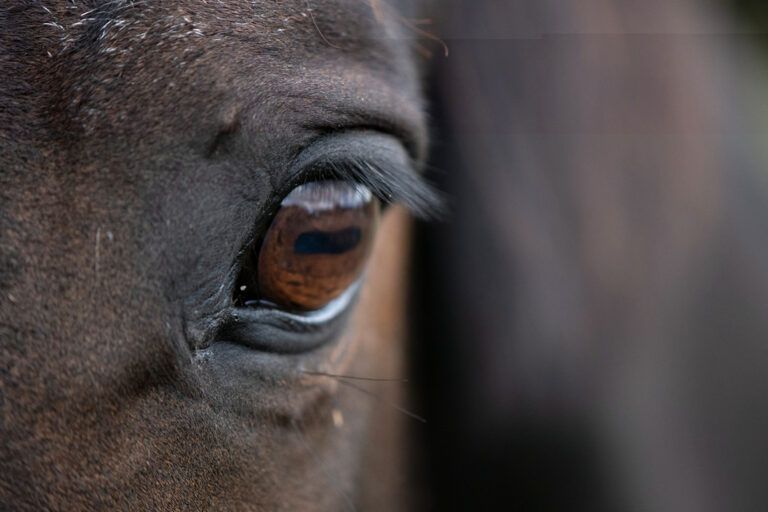
8 Common Equine Eye Conditions & Vision Problems [List] Casie Bazay, BS, NBCAAM | September 15, 2026

It’s not uncommon for horses to experience eye problems. Several conditions and diseases can affect vision and eye health in horses, including uveitis, cataracts, and conjunctivitis. Horses experiencing eye issues may have symptoms such as swelling, tearing, drainage, discoloration, cloudiness,...

MYHM in Horses
Myosin Heavy Chain Myopathy (MYHM) in Horses: Signs, Causes & Treatment Jaime Thomas, B.Sc. | July 22, 2026

Myosin Heavy Chain Myopathy (MYHM) is a muscle disease that can affect Quarter Horses and related breeds with the associated mutation in the MYH1 gene. MYH1, also called myosin heavy chain 1, is a gene that encodes a type of...

Horse Coughing
Coughing in Horses: Causes, Types, Diagnosis & Treatments Caroline Cochran, BSc. | September 15, 2026

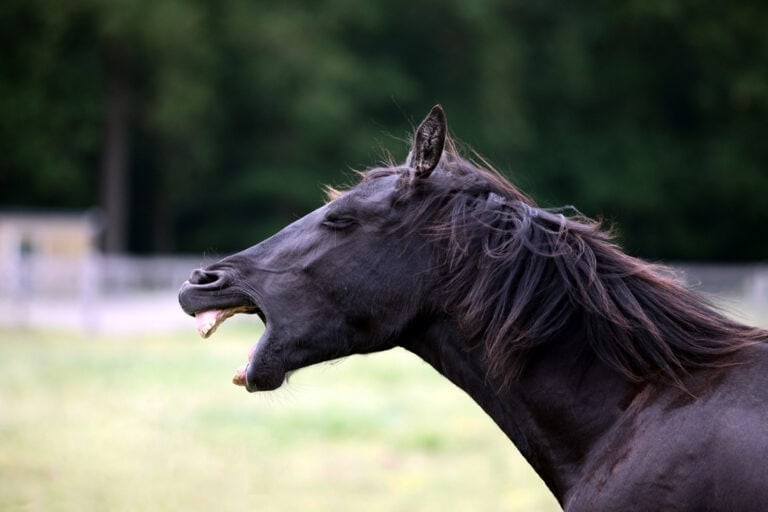
Coughing is a common clinical sign in horses that can be entirely benign or the first clue of a medical condition. Your horse’s cough is a normal reflex that keeps his airway healthy and clean. But some conditions associated with...

Lasix for Horses
Lasix (Furosemide) for Horses with Bleeders: Uses, Dosage & Side Effects Caroline Cochran, BSc. | July 22, 2026

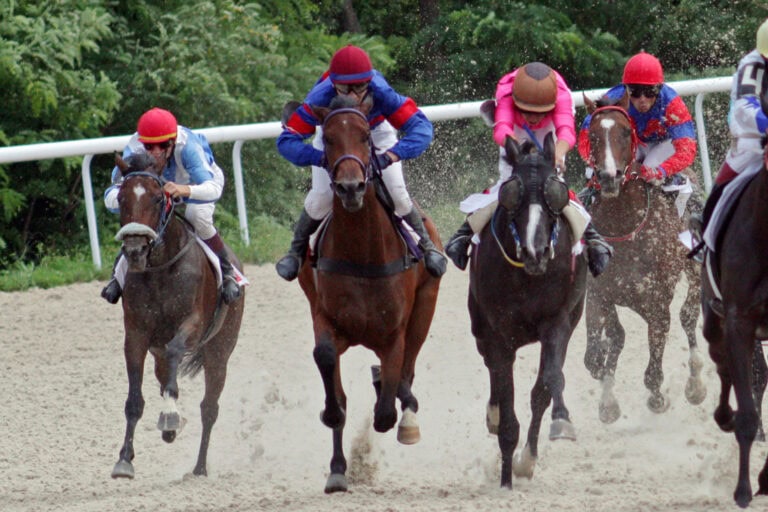
Lasix (furosemide) is a medication routinely used to prevent lung bleeding in horses with exercise-induced pulmonary hemorrhage (EIPH). This bleeding disorder is prevalent in racehorses following bouts of high-intensity exercise. Veterinarians often recommend treating with Lasix on race days to...

Retained Fetal Membranes in Mares
Retained Fetal Membranes (Placenta) in Mares: Signs, Causes & Treatment Jaime Thomas, B.Sc. | July 22, 2026

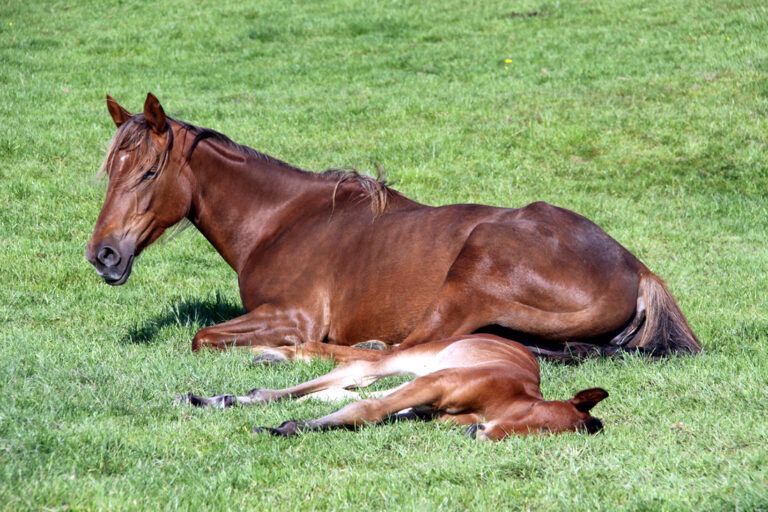
Retained fetal membranes (RFM), also referred to as retained placenta, is a condition that affects a small percentage of broodmares. RFM can lead to serious medical complications in affected mares and requires prompt treatment. Potential complications of RFM include laminitis,...

Shipping Fever in Horses
Shipping Fever in Horses: Causes, Symptoms & Treatment Camryn McNeill, B.B.R.M. (Honours) | September 15, 2026

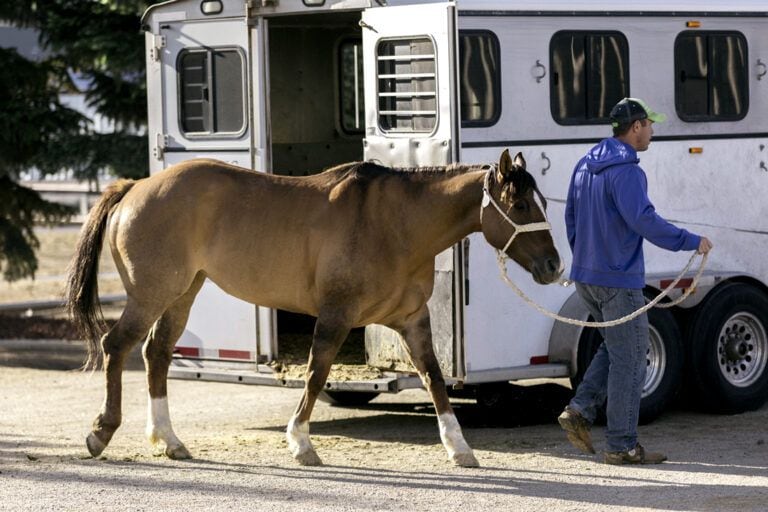
Shipping fever is a lower respiratory tract infection seen in horses transported over long distances or experiencing unusual or stressful events. Known causes of shipping fever include prolonged periods of head elevation, strenuous exercise, anesthesia or complications from a viral...

Sand Colic in Horses
Sand Colic & Impaction in Horses: Signs, Treatment & Prevention Camryn McNeill, B.B.R.M. (Honours) | August 20, 2026

Sand colic is a term for abdominal pain in horses caused by the ingestion of sand. Depending on the geographic region, five to thirty percent of all colic cases are caused by sand or sediment accumulation in the gut. Sand...

Sarcoids in Horses
Sarcoids in Horses: Types, Causes, Prevention & Treatment Casie Bazay, BS, NBCAAM | July 22, 2026

Of the many skin conditions horses can develop, sarcoids are the most common. The term "sarcoid" was first used in 1936 in South Africa as a way to distinguish this skin lesion from other tumors. Sarcoids are benign (nonmetastatic) skin...

Myofibrillar Myopathy in Horses
Myofibrillar Myopathy (MFM) in Horses: Signs, Diagnosis, Management & Prognosis Camryn McNeill, B.B.R.M. (Honours) | July 22, 2026

Myofibrillar myopathy (MFM) is a newly identified muscle disorder that causes exercise intolerance in horses. MFM is a genetic condition that results from the abnormal build-up of desmin in muscle tissue. Desmin is a protein that is important for muscle...

Slobbers in Horses
Slobbers in Horses: Slaframine Poisoning Signs, Causes & Treatment Camryn McNeill, B.B.R.M. (Honours) | July 22, 2026

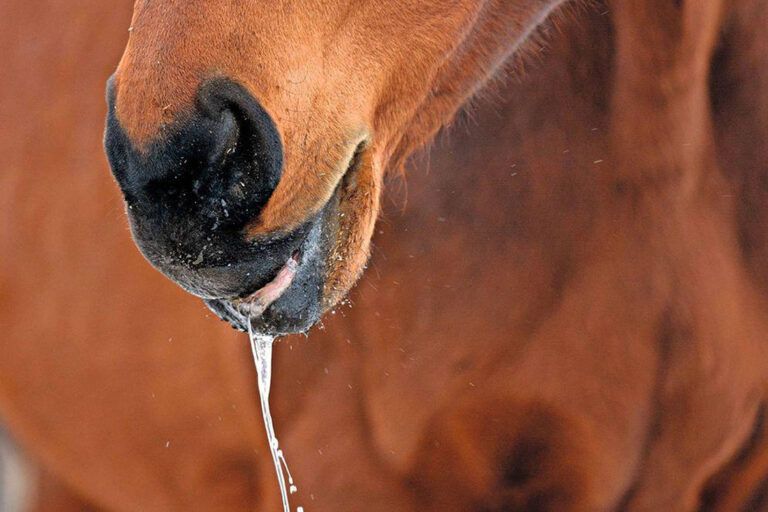
Slobbers, otherwise known as slaframine poisoning or salivary syndrome, is a condition that causes excessive salivation or drooling in horses. It is relatively rare and usually occurs in outbreaks, with multiple horses affected at once. Slaframine intoxication is caused by...

Glycogen Branching Enzyme Deficiency in Horses
Glycogen Branching Enzyme Deficiency (GBED) in Horses Camryn McNeill, B.B.R.M. (Honours) | July 22, 2026

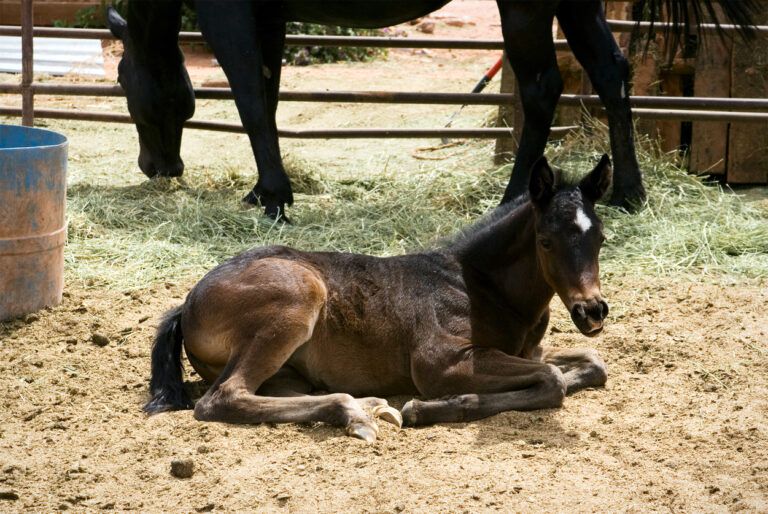
Glycogen branching enzyme deficiency (GBED) is a fatal disorder caused by a gene mutation found in the Quarter Horse and Paint Horse bloodlines. GBED causes abortion in late-term pregnancies, stillbirth or severe muscle weakness and eventually death in newborn foals....

Black Walnut Tree Poisoning in Horses
Black Walnut Tree Poisoning in Horses: Symptoms & Treatment Camryn McNeill, B.B.R.M. (Honours) | August 20, 2026

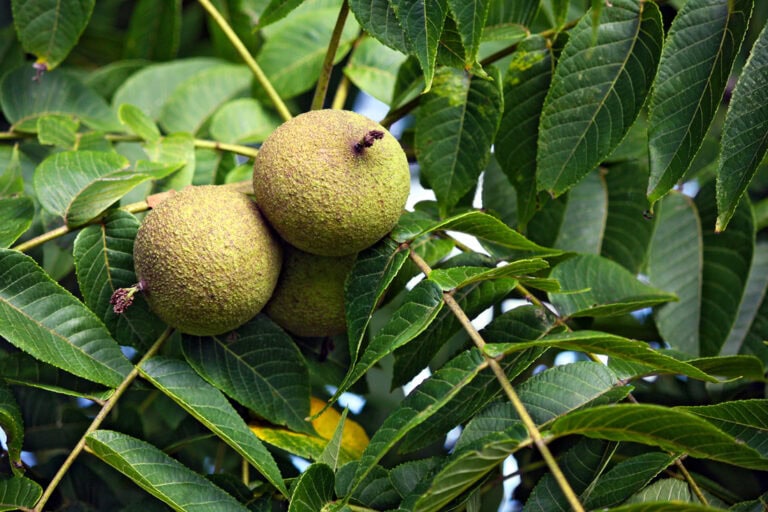
Black walnut tree poisoning occurs when horses come into contact with toxic compounds in the black walnut (Juglans nigra) tree. The roots, bark, wood, nuts, pollen and leaves of the tree contain a chemical that is poisonous to horses upon...

How to Identify Skin Diseases in Horses
16 Common Skin Diseases in Horses: Identification & Treatment Dr. Cerah Bowyer, DVM, MSc | July 22, 2026

Horses are prone to a number of different skin conditions and diseases. Some are minor and resolve on their own, while others can be much more serious. Skin conditions may affect localized areas on the horse, such as the legs...

Equine Grass Sickness
Equine Grass Sickness: Symptoms, Treatment & Prevention Camryn McNeill, B.B.R.M. (Honours) | July 22, 2026

Equine grass sickness (EGS), or equine dysautonomia, is a rare and fatal disease in horses. It almost exclusively affects grazing horses kept on pasture. EGS is characterized by the development of severe lesions on the neurons of the peripheral and...

Pain Management in Horses
Pain Management in Horses: Signs, Treatments & Therapies Casie Bazay, BS, NBCAAM | August 12, 2026

Pain is something that all horses deal with at some point in their lives. Horses can experience pain for many different reasons, including injury, illness, or a result of surgery. For example, castration is the most common surgical procedure performed...

Stringhalt in Horses
Stringhalt in Horses: Causes, Symptoms & Treatment Camryn McNeill, B.B.R.M. (Honours) | August 20, 2026

Stringhalt, or equine reflex hypertonia, is a neuromuscular condition that causes abnormal hindlimb movement in the horse. Horses with stringhalt have excessive and prolonged flexion of the pelvic limbs while in forward movement, showing signs of the condition at most...

Hay Belly in Horses
Hay Belly in Horses: Signs, Causes, and Treatments Caroline Cochran, BSc. | July 22, 2026

A large, round belly doesn't always mean your horse is overweight. Some horses have a hay belly that makes them appear pregnant, yet they may struggle to maintain enough body condition to cover their ribs. While multiple factors contribute to...

Bone Spavin in Horses
Bone Spavin in Horses: Symptoms, Treatment & Management Dr. Jane Clothier, Ph.D. | October 7, 2026

Bone spavin, also known as Degenerative Joint Disease (DJD) of the hock (tarsus), is an extremely common cause of equine lameness. It is caused by repeated concussion and rotational forces on the hock joint, as well as excessive forces on...

Equine Herpesvirus Infection
Equine Herpesvirus Infection: Symptoms, Treatment & Prevention Keisha Heeringa, BSc, MSc | July 22, 2026

Equine herpesvirus (EHV), or rhinopneumonitis, is a contagious infection that is endemic to horses worldwide. EHV may cause mild to severe symptoms that usually involve the upper respiratory tract. In rare cases, it may cause neurological symptoms, abortion or death....

Botflies in Horses: Symptoms, Prevention & Treatment Camryn McNeill, B.B.R.M. (Honours) | July 21, 2026

Botflies (Gasterophilus spp.) are parasitic flies that affect the horse's digestive tract and can cause negative health consequences. Botflies lay eggs on the horse's coat in the summer. Some of these eggs, known as horse bots, are ingested as the...

Equine COPD Causes Symptoms Treatment
Equine COPD: Signs, Causes, Diagnosis & Treatment Dr. Sarah Graves, DVM | July 20, 2026

Equine COPD - or chronic obstructive pulmonary disease - is a now-obsolete term for a common condition in horses that causes coughing and poor performance. This condition is now referred to as equine asthma and is one of the most...

Lymphangitis in Horses
Lymphangitis in Horses: Symptoms, Causes, Treatment & Recovery Kelly Hebner, BSc (Kin), MSc | July 20, 2026

Lymphangitis, also known as big leg disease or stovepipe leg, is a condition in horses involving inflammation of the lymph vessels, most often in the lower limb. Lymphangitis presents as extreme swelling with rapid onset, resulting in pain in the...

Equine Asthma
Equine Asthma: Symptoms, Diagnosis, Treatment & Management Dr. Jane Clothier, Ph.D. | July 20, 2026

Equine asthma (EA) is a relatively new collective term for chronic respiratory signs in horses that range in severity from mild to severe. These conditions were previously known as inflammatory airway disease (IAD) or recurrent airway obstruction (RAO), respectively. Equine...

Chronic Kidney Disease in Horses
Chronic Kidney Diseases in Horses: [Signs & Causes of Renal Failure] Linaya Pot, MSc, PAS | August 18, 2026

Chronic kidney disease (or chronic renal failure) in horses is a rare but serious disorder that interferes with normal kidney function. Your horse's kidneys perform many important processes in the body including managing blood pressure, excreting waste products, and regulating...

Obesity in Horses
Obesity in Horses: Health Risks, Prevalence & Management Strategies Keisha Heeringa, BSc, MSc | August 18, 2026

Obesity is a health concern in horses worldwide, with a prevalence estimated between 31 – 45% in some equine populations. Among ponies and easy keeper breeds, the prevalence is even higher with one study reporting that 72% of adult ponies...

Stocking Up in Horses
Stocking Up in Horses: Stagnation Edema Causes, Symptoms, & Treatments Casie Bazay, BS, NBCAAM | August 18, 2026

Stagnation edema, also known as stocking up, is a common cause of leg swelling in stabled horses. It occurs due to impaired circulation from periods of reduced activity. This short-lasting form of edema typically affects both hind limbs and causes...

Common Dental Issues in Horses
20+ Common Dental Issues in Horses – [Signs of Problems & Treatment] Casie Bazay, BS, NBCAAM | August 18, 2026

Horses can experience a number of different dental issues over their lifetime, impacting their ability to chew and digest their feed. Unaddressed dental issues can affect your horse's health, condition, behaviour and performance. This is why it’s important to have...

Equine Influenza Virus
Equine Influenza Virus (Flu): Symptoms, Treatment & Prevention Keisha Heeringa, BSc, MSc | August 18, 2026

Equine influenza virus, or EIV, is an extremely contagious respiratory disease or flu affecting horses, mules, and donkeys. EIV is characterized by fever, apathy, and lack of appetite, and causes respiratory symptoms such as coughing and nasal discharge. However, some...

White Muscle Disease in Horses
White Muscle Disease in Horses: Signs, Causes & Treatment – [Nutritional Myodegeneration] Jaime Thomas, B.Sc. | August 18, 2026

Nutritional myodegeneration (NMD), more commonly known as white muscle disease, is a disorder that affects various animals, including horses. In equids, the condition primarily occurs in newborn foals, although adult horses can also develop it. The condition results in degeneration...