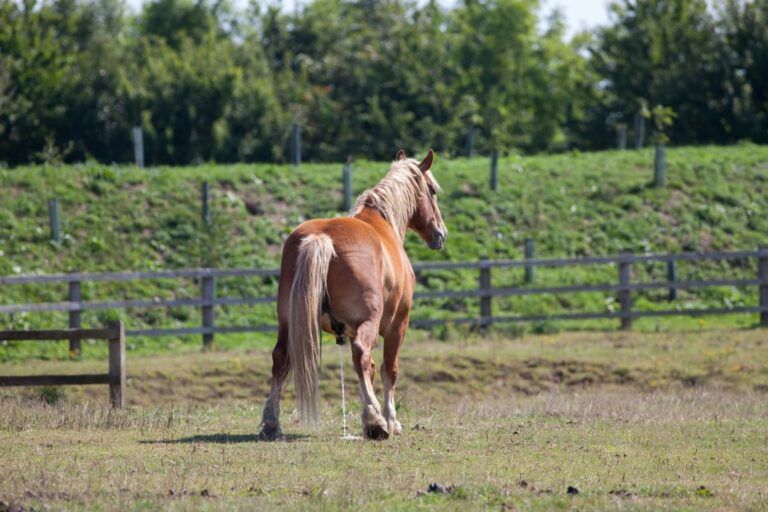
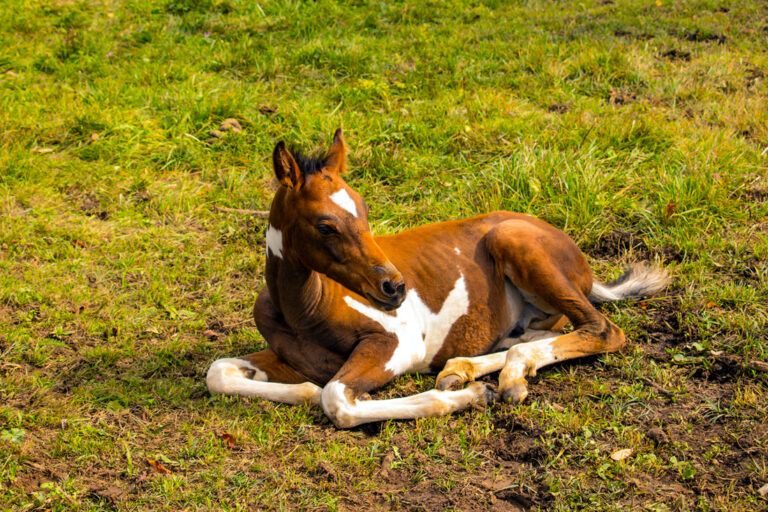
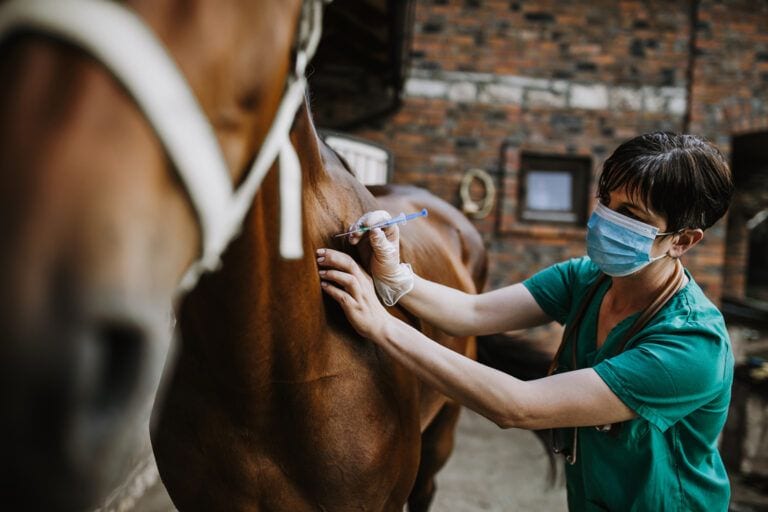
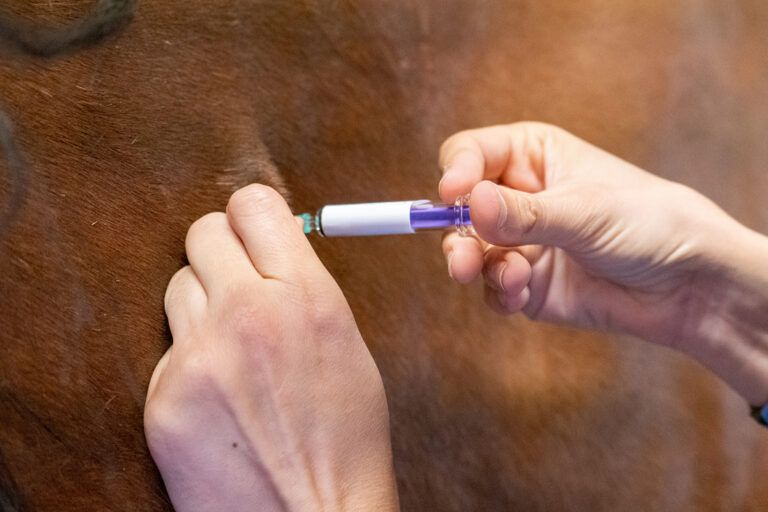
Atrial Fibrillation (AF) in horses is a cardiac rhythm disorder, characterized by rapid and irregular beating of the atria, the upper chambers of the heart. This condition can affect horses of any breed, age, or discipline, but it is more...
Conditions
Explore Mad Barn’s comprehensive list of common equine health conditions, detailing each condition’s causes, symptoms, treatment options, prevention methods, and prognosis.
A
- Abnormal Gestation
- Abortion (Stillbirth)
- Acquired Heart Murmurs
- African Horse Sickness
- Anaplasmosis in Horses (Equine Granulocytic Ehrlichiosis)
- Anemia
- Anhidrosis (Absent Sweating)
- Anthrax Poisoning
- Arrhythmias (Irregular Heart Beats)
- Arthritis
- Ascarids Parasites
- Atrial Fibrillation
- Aural (Ear) Plaques
- Autoimmune disease - Primary Immunodeficiency Disorders
B
- Back Pain
- Bartonella Infection
- Big Head Disease (Nutritional Secondary Hyperparathyroidism)
- Black Walnut Tree Poisoning
- Bleeding Disorders
- Blister Beetle Poisoning (Cantharidin Toxicity)
- Bog Spavin (Tarsocrural Joint Effusion)
- Bone Bruises
- Bone Spavin
- Botflies Parasites
- Botulism
- Bowed Tendons
- Box Elder & Sycamore Poisoning
- Brain Anatomy & Disease
- Bucked Shins (Dorsal Metacarpal Disease)
- Buttercup Poisoning
C
- Canker
- Capped Hock (Calcaneal Bursitis)
- Cataracts
- Caudal Heel Pain
- Cellulitis
- Cerebellar Abiotrophy
- Choke
- Chronic Progressive Lymphedema
- Coffin Bone Lameness
- Colic in Foals
- Colic Treatment, Management & Prevention Guide
- Colitis
- Congenital Heart Murmurs
- Congenital Hypothyroidism & Dysmaturity Syndrome
- Conjunctivitis (Pink Eye)
- Contagious Colitis
- Contagious Equine Metritis
- Corneal Ulcers
- Cranial Nerve Conditions
D
- Degenerative Joint Disease (DJD)
- Degenerative Suspensory Ligament Desmitis (DSLD)
- Dehydration
- Dental Disease
- Developmental Orthopedic Diseases
- Dew Poisoning (Alsike Clover Poisoning)
- Dislocated Eye Lens
- Displacement Colics
- Dorsal Displacement of the Soft Palate in Horses (DDSP)
- Dummy Foal Syndrome (Neonatal Maladjustment)
- Dysmastication (Abnormal Chewing)
- Dystocia (Difficulty Foaling)
E
- Ear Mites & Psoroptic Mange
- Eastern Equine Encephalitis (EEE)
- Endometritis
- Enlarged Ovaries
- Enteritis & Inflammatory Bowel Disease
- Enteroliths
- Epilepsy
- Equine Chronic Obstructive Pulmonary Disease (COPD)
- Equine Coronavirus (ECoV)
- Equine Degenerative Myeloencephalopathy (EDM)
- Equine Gastric Ulcer Syndrome (EGUS)
- Equine Grass Sickness
- Equine Herpesvirus
- Equine Herpesvirus-1 Myeloencephalopathy (EHM)
- Equine Infectious Anemia (EIA)
- Equine Metabolic Syndrome (EMS)
- Equine Motor Neuron Disease
- Equine Odontoclastic Tooth Resorption & Hypercementosis (EOTRH)
- Equine Proliferative Enteropathy (Lawsonia)
- Equine Protozoal Myeloencephalitis (EPM)
- Equine Viral Arteritis (EVA)
- Equine Wobbler Syndrome (Cervical Vertebral Stenotic Myelopathy)
- Exercise-Induced Pulmonary Hemorrhage (EIPH)
- Eye Conditions
F
G
H
- Hay Belly
- Hay Belly & Other Causes of Bloating
- Heart Disease
- Heat Stress
- Heaves
- Hendra Virus (Equine Morbillivirus)
- Hepatitis
- Hereditary Equine Regional Dermal Asthenia (HERDA)
- Hindgut Acidosis
- Hindgut Ulcers
- Hives (Urticaria)
- Hoof & Sole Bruises
- Hoof Abscess
- Hoof Anatomy & Conditions
- Hoof Cracks
- Hoof Degloving
- Hunter’s Bump
- Hyperkalemic Periodic Paralysis (HYPP)
- Hyperlipidemia & Hyperlipemia
- Hypothyroidism
I
- Immune Mediated Myositis (IMM)
- Impaction Colic
- Inappropriate Lactation
- Infectious Diarrhea in Foals
- Inflammatory Airway Disease
- Influenza Virus (Flu)
- Inguinal (Scrotal) Hernias
- Injuries: Endurance
- Injuries: English Performance
- Injuries: Racehorses
- Injuries: Western Performance
- Insect Stings & Spider Bites
- Internal Entrapments (Reasons for Colic Surgery)
- Internal Parasites
- Intussusception
- Ionophore Toxicosis
- Iron Overload
J
K
L
M
- Mange
- Mare Reproductive Loss Syndrome
- Mastitis
- Melanomas
- Meningitis
- Mesenteric & Omental Rents
- Migrating Grass Awns (Foxtails)
- Moldy Hay (Mycotoxin) Poisoning
- Monensin Poisoning
- Moon Blindness (Equine Recurrent Uveitis)
- Mosquito-Borne Equine Diseases
- Most Common Equine Allergies
- Mud Fever (Equine Pastern Dermatitis)
- Myofibrillar Myopathy (MFM)
- Myosin Heavy Chain Myopathy (MYHM)
N
O
P
- Parrot Mouth (Rostral Malocclusion)
- Pasture-Associated Laminitis
- Pedal Osteitis
- Physitis
- Pigeon Fever
- Pinworms Parasites (Oxyuris Equi)
- Piroplasmosis (Babesiosis)
- Pituitary Pars Intermedia Dysfunction (PPID, formerly Equine Cushing's)
- Placentitis
- Pneumonia
- Podotrochlear Syndrome
- Polysaccharide Storage Myopathy Type 1 (PSSM1)
- Potomac Horse Fever
- Progressive Ethmoidal Hematomas
- Protein Bumps (Eosinophilic Granulomas)
- Proud Flesh (Granulation Tissue)
- Proximal or Anterior Enteritis
- Purpura Hemorrhagica
Q
R
- Rabies
- Ragwort Poisoning (Pyrrolizidine Alkaloid Toxicity)
- Rain Scald
- Rattles in Foals
- Reproductive Emergencies in Mares
- Respiratory Diseases
- Retained Fetal Membranes (Placenta)
- Rhino in Horses
- Right Dorsal Colitis
- Ringbone
- Ringworm (Girth Itch)
- Roach Back (Kyphosis)
- Roaring (Laryngeal Hemiplegia)
- Rotavirus
- Ryegrass Staggers
S
- Sacroiliac Dysfunction
- Salmonella Infection
- Sand Colic
- Sarcoids
- Scours (Foal Heat Diarrhea)
- Scratches (Pastern Dermatitis)
- Seasonal Respiratory Allergies
- Selenium Poisoning (Alkali Disease)
- Sepsis & Toxic Shock
- Septic Laminitis
- Sesamoid Injuries
- Sesamoiditis
- Shelly Feet
- Shipping Fever
- Shivers
- Shoe Boils (Olecranon Bursitis or Capped Elbow)
- Sidebone
- Sidewinder Syndrome (Crab Walking)
- Sinusitis
- Skin Allergies
- Skin Diseases Guide
- Skin Irritations
- Slobbers (Slaframine Poisoning)
- Small Intestine Volvulus
- Smoke Inhalation Injury
- Sorghum & Sudan Grass (Cyanide) Poisoning
- Splints in Horses
- Squamous Cell Carcinoma (SCC)
- Staphylococcus & MRSA
- Stocking Up (Stagnation Edema)
- Stovepipe Leg (Lymphangitis)
- Strangles
- Strangulating Lipomas
- Stringhalt
- Strongyles Parasites
- Summer Sores (Habronema)
- Supporting Limb Laminitis
- Swayback (Equine Lordosis)
- Sweet Itch (Insect Bite Hypersensitivity)
- Swollen Sheath
- Synovial Joint Infections
T
- Tapeworms Parasites
- Tendon Injuries
- Tetanus
- Theiler's Disease (Equine Serum Hepatitis)
- Threadworms <em>(Strongyloides Westeri)</em>
- Thrush
- Thumps (Synchronous Diaphragmatic Flutter)
- Tick-Borne Disease [Guide]
- Top 30 Most Common Equine Diseases
- Top 6 Gastrointestinal Conditions in Horses
- Trigeminal Mediated Headshaking Syndrome
- Twisted Gut (Intestinal Torsion)
- Tying-up (Exertional Rhabdomyolysis)
- Tyzzer's Disease
U
V
W
Z
Mastitis in mares is a condition characterized by the inflammation of the mammary gland, usually due to a bacterial infection. Mastitis typically affects lactating mares, often in the period immediately after giving birth or after weaning.
Scratches in horses, also known as pastern dermatitis, is an inflammatory skin conditions that affects the lower limbs of horses. It is characterized by irritation and sometimes infection of the skin, usually around the hind pastern or fetlock. The condition...
Heart murmurs in horses are distinct sounds between the normal beats of the heart that can be heard with a stethoscope. They arise from the abnormal flow of blood through the heart, often due to conditions affecting the heart’s structure...
Anaplasmosis in horses, also known as Equine Granulocytic Anaplasmosis (EGA), is a tick-borne disease caused by the bacterium Anaplasma phagocytophilum. This condition typically affects horses in areas where the tick vectors are present, including various parts of the United States,...
Umbilical disorders in newborn foals can arise due to bacterial infection or improper closure of the umbilicus after birth. The three most common umbilical disorders in horses are omphalitis, patent urachus, and umbilical hernia. If not addressed promptly, these conditions...
A heart murmur is an abnormal sound heard during the heartbeat, caused by blood flowing in an unusual pattern or location within the heart. It’s not uncommon for newborn foals to have heart murmurs for several days after birth, as...
The typical gestation period for horses ranges from 340 to 342 days. During this time, foals undergo extensive development of their organ and skeletal systems, ensuring their survival outside of the mare after birth. In some cases, foals are born...
The ability to properly chew and grind food is essential for nutrient digestion and absorption. Dysmastication is a condition involving impaired chewing- also known as mastication. Horses that are unable to chew properly may experience a cascade of problems affecting...
Pigeon fever is a bacterial infection in horses caused by the bacterium Corynebacterium pseudotuberculosis. Symptoms vary from lumps on the skin with redness and oozing to systemic signs, such as lethargy, fever, weight loss, and colic. Horses contract the infection...
Warmblood Fragile Foal Syndrome (WFFS) is an inherited disease primarily affecting Warmblood horses and their related breeds. This condition is also referred to as Fragile Foal Syndrome Type 1 (FFS). WFFS is characterized by the production of defective collagen, which...
Gait abnormalities in horses can lead to compromised performance, increased risk of injury, and in some cases, may necessitate early retirement from work. These disorders often present similarly to lameness, but do not necessarily involve pain. While minor conformational faults...
Contagious equine metritis (CEM) is a bacterial infection in horses caused by Taylorella equigenitalis. CEM is highly contagious and primarily spreads through venereal transmission and contact with contaminated breeding equipment. CEM is characterized by severe inflammation of the reproductive tract...
Equine proliferative enteropathy (EPE) is an infectious disease caused by the bacterium Lawsonia intracellularis. EPE mainly affects young horses during the fall and winter months. EPE is characterized by thickening of the lining of the small intestine due to excessive...
Rattles, clinically known as Rhodococcus equi pneumonia, is a serious respiratory condition that affects growing foals. This disease is a leading cause of severe illness in young foals, and is characterized by coughing, nasal discharge, and rapid breathing. The rattle...
The time around foaling (periparturient period) is a high-risk period for mares, as their bodies undergo many changes associated with delivery of the foal. Breeders must closely monitor their mares for signs of medical emergencies before, during, and after foaling....
Colic, defined as abdominal pain in horses, is a condition that ranges from mild discomfort to severe, life-threatening situations. In foals, colic presents unique challenges and concerns, due to their physiology and development. Colic in foals can be challenging to...
Enlarged ovaries are frequently observed in mares, especially those used for breeding. This enlargement often stems from an ovarian cyst. In most instances, these cysts are benign and resolve spontaneously, typically not affecting the mare’s fertility. However, it’s crucial for...
Urolithiasis is a rare condition in horses that involves the formation of bladder stones within the horse’s urinary tract. These urinary stones or uroliths are hard collections of crystals or mineral deposits, which can lead to various health complications. The...
Infectious diarrhea in foals is a significant health concern that can lead to dehydration, weight loss, and systemic illness. Without timely intervention, it can lead to severe complications and even be life-threatening. Diarrhea in foals can be caused by a...
Lymphoma, also known as lymphosarcoma, is the most common malignant cancer in horses. Lymphoma is a cancer that forms when lymphocytes, a type of white blood cell, become malignant and grow uncontrollably. Clinical signs of lymphoma in horses vary widely,...
Rabies is a fatal viral disease that can affect horses and is present in wildlife mammals all over the world. Rabies is a zoonotic disease, which means it can be transmitted from animal to humans, and can be fatal if...
Equine viral arteritis (EVA) is a serious infectious disease that affects all equine species. EVA is particularly significant within breeding herds, as the disease causes abortion in up to 60% of affected pregnant mares. Many horses with equine viral arteritis...
Neonatal isoerythrolysis (NI) is a potentially fatal, but preventable, condition affecting newborn foals. Foals develop NI when they consume colostrum containing antibodies against their blood type, resulting in destruction of their red blood cells. This condition will only occur if...
Melanomas are a type of skin tumor most commonly observed in aging grey horses. Up to 80% of gray horses aged 15 or older develop melanomas during their lifetime. Melanomas in gray horses often appear as benign blemishes and remain...
Windpuffs develop due to the accumulation of fluid within the digital sheath, which envelops and protects both the Deep Digital Flexor Tendon (DDFT) and the Superficial Digital Flexor Tendon (SDFT). Although windpuffs are not typically associated with lameness or soreness,...
Primary immunodeficiencies are disorders where some component of the immune system does not develop properly, leaving the horse at risk of infection. Examples of primary immunodeficiencies in horses include severe combined immunodeficiency, foal immunodeficiency syndrome, and selective IgM deficiency.
Dystocia, or difficulty giving birth, is a relatively rare complication in horses occurring in less than 10% of foalings. Dystocia carries significant risks for both the mare and foal, including damage to internal organs, nerves, and blood supply for the...
Lavender Foal Syndrome (LFS), or coat colour dilution lethal (CCDL), is a rare and lethal disorder in Arabian horses and crossbreeds. Foals with LFS are born with neurological problems and a lightened coat colour. Lavender Foal Syndrome is a genetic...
Vitiligo in horses is a disorder that causes patches of skin and hair to lose their normal colour or pigmentation. This condition is not contagious, painful, or life-threatening, but it can be disconcerting to see your horse's skin or hair...