Analyze Diet

Feeding Psyllium to Horses
Psyllium for Horses: Benefits, Risks & Feeding Guide Dr. Christine Latham, Ph.D. | February 11, 2026 | Feeding Guides, Gut Health, Horse Health, Nutrition

Psyllium is a rich source of soluble fiber that can be incorporated into equine diets. Soluble fiber remains undigested by enzymes in the stomach (gastric juices), but passes into the hindgut where it may be partially digested by microbes. Psyllium...

Oxalate Toxicity in Horses
Oxalate Toxicity in Horses: Causes, Signs, Prevention & Treatment Linaya Pot, MSc, PAS | February 14, 2026 | Conditions, Horse Health, Nutrition

Oxalates are naturally occurring compounds that bind calcium in the equine diet, preventing absorption of this mineral from the horse’s gut. When horses consume plants with high levels of these […]

Yearling Horse
How to Feed a Yearling Horse: 7-Step Nutrition Guide Dr. Christine Latham, Ph.D. | March 4, 2026 | Care & Management, Feeding Guides, Foals, Horse Health, Nutrition

A balanced feeding program is key for yearling horses, as it sets the foundation for their growth and development into adulthood. Yearlings are transitioning from foals to young horses, and their nutritional needs are unique during this stage of life.

Dysmastication in Horses
Dysmastication in Horses: Treatment of Chewing Problems and Dental Disorders Jaime Thomas, B.Sc. | February 21, 2026 | Conditions, Horse Health, Nutrition

The ability to properly chew and grind food is essential for nutrient digestion and absorption. Dysmastication is a condition involving impaired chewing- also known as mastication. Horses that are unable to chew properly may experience a cascade of problems affecting...

Vitamin D for Horses
Vitamin D for Horses: Benefits, Dietary Sources & Signs of Deficiency Dr. Christine Latham, Ph.D. | March 4, 2026 | Nutrition, Vitamins

Vitamin D is a fat-soluble vitamin that is essential for horses, influencing bone health, muscle function, and the immune system. Adequate vitamin D intake is considered important for growing horses to support normal bone development. In horses, vitamin D is...

how-to-feed-a-hard-keeper-horse
Feeding your Hard Keeper Horse [8-Step Guide] Haley Scofield, M.Sc., PAS | February 14, 2026 | Care & Management, Feeding Guides, Horse Health, Nutrition

Have you ever struggled with a horse that has a difficult time maintaining their body condition? For horse owners, the term "hard keeper" is more than just a casual phrase, it's a familiar and often perplexing challenge. Hard keepers, despite...

Phytoestrogens and Mare Fertility
The Effect of Phytoestrogens on Mare Fertility & Reproductive Health Dr. Ana Mesa, Ph.D. | February 21, 2026 | Breeding, Fertility, Nutrition

The reproductive performance of broodmares holds significant importance within the equine industry. Achieving optimal pregnancy rates is critical for both the profitability of breeding operations and the holistic well-being of mares and foals. Many different factors can affect mare fertility,...

How to Feed Orphan Foal
How to Feed and Manage Orphan Foals: Guide to Milk Replacers & More Dr. Christine Latham, Ph.D. | March 4, 2026 | Breeding, Feeding Guides, Foals, Nutrition

An orphan foal is a young horse that cannot nurse their birth mother. Foals may be orphaned for a number of reasons, including the mare’s death or severe illness, rejection of the foal, or the mare’s failure to produce adequate...

Feeding Beet Pulp to Horses
Beet Pulp for Horses: Benefits, Nutrition & Feeding Guide Dr. Christine Latham, Ph.D. | February 11, 2026 | Care & Management, Feeding Guides, Nutrition

Beet pulp is a mainstay of many feeding programs for horses. This highly digestible feed is a good source of soluble fiber that supports hindgut function and helps meet energy requirements. Beet pulp is a by-product of sugar extraction from...

How to Feed an Off the Track Thoroughbred (OTTB): [7-Step Guide] Dr. Christine Latham, Ph.D. | March 16, 2026 | Breeds, Feeding Guides, Horse Health, Nutrition

Off-the-track Thoroughbreds (OTTB) can be wonderful companions and athletes, but they do come with their share of breed-specific challenges. After retiring from the racing industry, these horses often require specific care and training to adapt to new disciplines or leisure...

Feeding and Management of Stallions
How to Feed and Manage Stallions: Nutrition Guide Dr. Christine Latham, Ph.D. | March 4, 2026 | Breeding, Feeding Guides, Nutrition

Stallions have unique nutrition and behavioral needs because of their high activity level and potential to become aggressive towards herd mates and humans. Often housed alone, stallions can develop stereotypic behaviours that further complicate their management. Young colts require consistent...

Hay Versus Pasture for Horses
Hay Versus Pasture Grass for Horses: Comparing Forage Sources Dr. Christine Latham, Ph.D. | March 4, 2026 | Nutrition

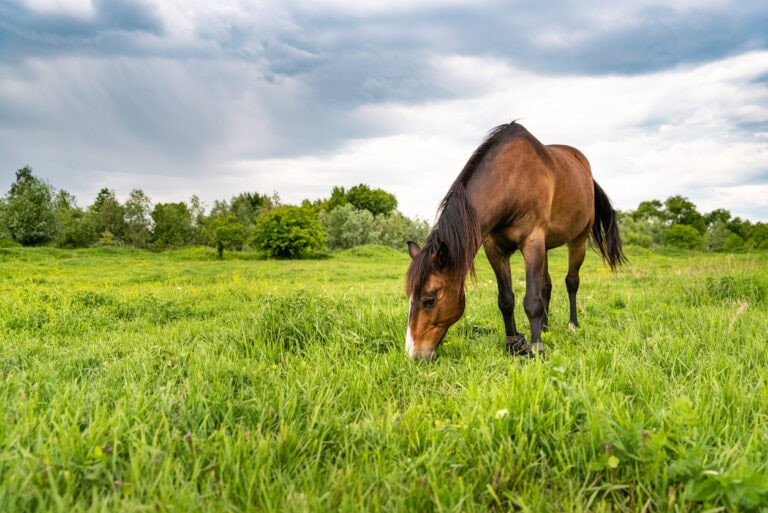
Forage is the most natural and least expensive feed for horses. Feeding a forage-based diet supports natural grazing behavior and optimal gut health in horses. As such, forage should form the basis of your horse’s diet, with supplemental feeds added...

equine-nutrient-deficiencies
Top 7 Nutrient Deficiencies in Horses – [Signs & Symptoms] Casie Bazay, BS, NBCAAM | March 9, 2026 | Nutrition

Horses need a balanced diet to maintain optimal health. Ensuring adequate intake of vitamins and minerals is important for many physiological and metabolic functions. However, a diet consisting solely of forage will not provide your horses with all of their...

Selenium and Vitamin E for Horses
Selenium and Vitamin E for Horses: Antioxidant Nutrients Casie Bazay, BS, NBCAAM | February 15, 2026 | Nutrition, Vitamins

Selenium and vitamin E are essential antioxidant nutrients for all mammals, including horses. Together with vitamin C, they help prevent the damaging effects of oxidative stress in all cells and tissues of the body. Although these nutrients are required in...

Antioxidant Supplements for Horses
Top 9 Antioxidant Supplements for Horses [Research Review] Jaime Thomas, B.Sc. | March 13, 2026 | Horse Health, Nutrition, Supplements

Antioxidants are important nutrients for horses that help to combat oxidative stress, maintain overall health, and support performance. They work by neutralizing harmful molecules known as free radicals within the body. Free radicals are highly reactive molecules with an electrical...

How to Feed a Donkey
How to Feed Your Donkey – [Nutrition Guide & Sample Diet] Dr. Priska Darani, Ph.D., PAS | March 4, 2026 | Breeds, Feeding Guides, Nutrition

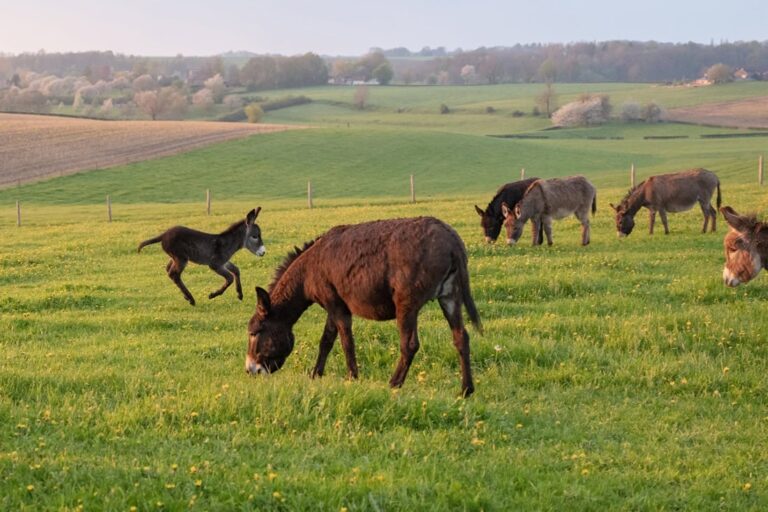
Although donkeys and horses are kept similarly, they are two distinct species that have evolved separately from one another. As such, donkeys and horses have different nutrient requirements. In developed countries, donkeys are more commonly kept as leisure mounts and...

Whey Protein for Horses
Whey Protein for Horses: Benefits & Feeding Guide Jaime Thomas, B.Sc. | March 5, 2026 | Feeding Guides, Nutrition

Whey protein is a cost-effective, high-quality protein source that is safe to feed to horses. Whey is a common ingredient in commercial horse feeds and is also available as a standalone supplement. Whey protein is considered a complete protein source...

Vitamin C for Horses: Benefits, Sources & Supplementation of Ascorbic Acid Jaime Thomas, B.Sc. | March 13, 2026 | Nutrition, Supplements, Vitamins

Also referred to as ascorbic acid, vitamin C is an important water-soluble vitamin for horses. It works together with vitamin E and selenium to provide antioxidant protection against cell damage. Vitamin C has additional roles in the equine body including...

Branched Chain Amino Acid (BCAA) Supplements for Horses: Do they Work? Linaya Pot, MSc, PAS | March 13, 2026 | Horse Health, Nutrition, Sport & Showing, Supplements

BCAAs (branched-chain amino acids) are muscle-building supplements that have become popular among equine athletes for performance, recovery and fatigue. BCAA include leucine, isoleucine, and valine, and play a crucial role in protein synthesis, muscle growth, and energy production.

How to Feed a Horse with PPID
How to Feed a Horse with PPID (Cushing’s Disease) [10-Step Guide] Jaime Thomas, B.Sc. | February 15, 2026 | Conditions, Feeding Guides, Nutrition

Feeding horses with pituitary pars intermedia dysfunction (PPID), previously referred to as Equine Cushing’s disease, can be a challenge. Horses affected by PPID are typically older and may have other health issues including equine metabolic syndrome (EMS). This condition can...

How to Feed the Growing Foal
How to Feed a Growing Foal: Nutrition from Birth to Yearling Dr. Priska Darani, Ph.D., PAS | March 5, 2026 | Breeding, Feeding Guides, Nutrition

Raising a healthy foal involves working closely with your veterinarian and equine nutritionist to make sure they are maintaining proper growth and development. Foals grow quickly in the first few months after birth, reaching ~80% of their mature height and...

How to Feed Exercising Horse
Feeding Horses in Work – Nutritional Requirements & Example Diets Dr. Priska Darani, Ph.D., PAS | February 16, 2026 | Feeding Guides, Nutrition, Performance

Performance horses have higher energy and protein requirements than horses at maintenance (not exercising). Formulating diets to meet the requirements of horses in work should take into account their level of work and performance goals, as well as help mitigate...

Forage Identification for Horses
How to Identify Forages and Estimate Their Maturity Caroline Cochran, BSc. | March 5, 2026 | Nutrition

Forage is the single highest volume component in the equine diet. The type, quality, and maturity of the forage you feed have the greatest impact on the nutritional composition of your horse's ration. The only way to precisely assess the...

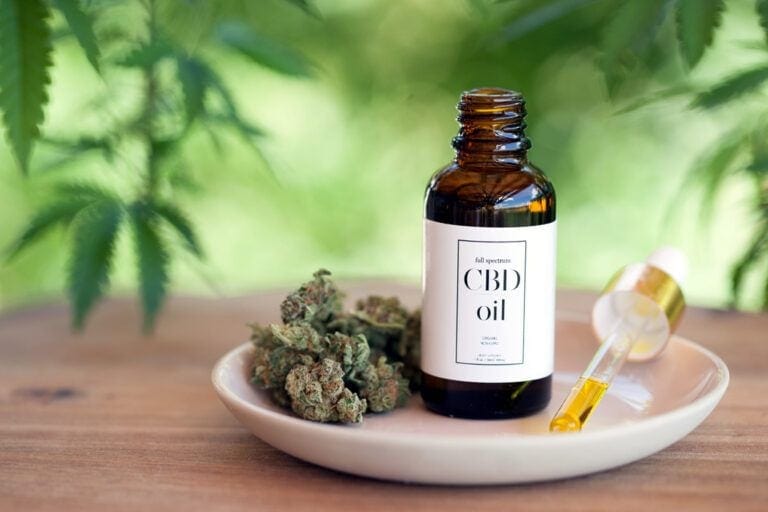
CBD Oil for Horses
CBD Oil Benefits for Horses: Supplement Research Review Jaime Thomas, B.Sc. | March 13, 2026 | Nutrition, Supplements

In recent years, cannabidiol (CBD) has gained popularity as a natural remedy for some equine medical conditions. Currently, research into the effects of CBD on horses is very limited, and many reports of its purported benefits are anecdotal. Cannabidiol is...

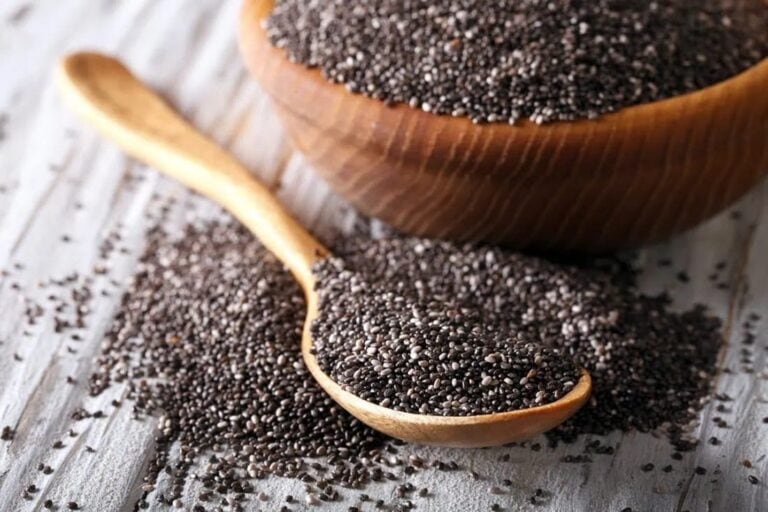
are-chia-seeds-safe-for-horses
Chia Seeds for Horses – Nutrition, Benefits & Feeding Guide Jaime Thomas, B.Sc. | March 5, 2026 | Feeding Guides, Nutrition

Chia seeds are derived from the Salvia hispanica plant and are fed to horses to support gut health and provide nutrients. A member of the mint family, chia has been cultivated for over 5,000 years in Central America. The seeds...

Transition Horse to Spring Pasture
Transitioning your Horses to Grazing Pasture in the Spring [Guide] Caroline Cochran, BSc. | March 13, 2026 | Care & Management, Feeding Guides, Nutrition

Turning horses out on pasture is one of the best ways to encourage natural grazing behaviour. Fresh forage can be a valuable part of a balanced equine diet, but grass does not have the same nutritional value throughout the year....

Alfalfa Hay and Pasture for Horses
Feeding Alfalfa to Horses: Pros & Cons of this Forage in the Diet Dr. Christine Latham, Ph.D. | March 5, 2026 | Feeding Guides, Nutrition

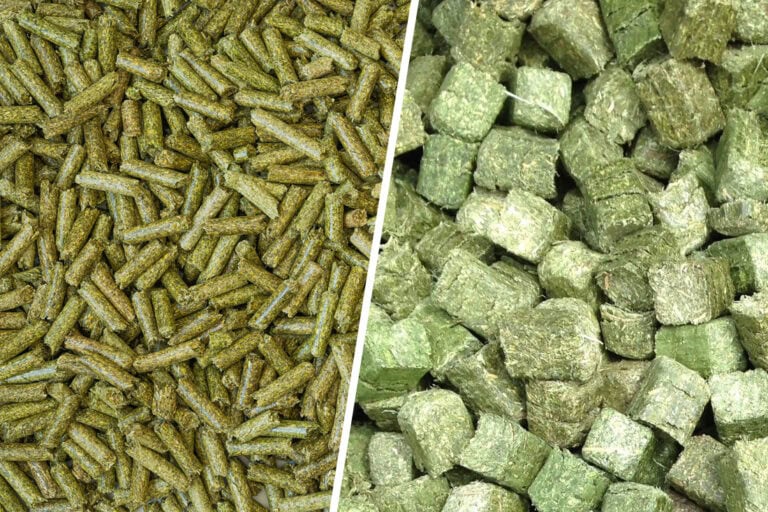
Alfalfa is a popular forage choice for horses and an ingredient in many equine feeds. This legume forage can be processed and preserved in many different ways to make it easier to incorporate into the diet. Alfalfa is nutrient-dense and...

How to Feed a Metabolic Horse
How to Feed a Horse with Equine Metabolic Syndrome Dr. Alex Rankovic, B.Sc., M.Sc., Ph.D. | February 22, 2026 | Feeding Guides, Nutrition

For horse owners and barn managers, Equine Metabolic Syndrome (EMS) is a challenging condition to manage. How do you know which hays and feeds are safe and how should pasture turnout be regulated? Horses and ponies diagnosed with EMS cannot...

Equine Nutrition Feed & Supplement Database
By-product Feeds for Horses: [Ingredients Guide] Caroline Cochran, BSc. | March 5, 2026 | Nutrition

By-product ingredients are a fixture in equine diets, either as components of a complete feed or as concentrates added into the diet on their own. Although the term “by-product” may carry a negative connotation, these feeds are often high-quality, cost-effective...

Carbohydrates in the Horse's Diet
Carbohydrates in the Equine Diet: Nutrition Review Dr. Priska Darani, Ph.D., PAS | February 22, 2026 | Feeding Guides, Nutrition

Carbohydrates are the main energy source in an equine diet. These macronutrients are naturally abundant in forages, grains and grain by-products. Carbohydrates can be categorized based on their function in the plant and how they are digested by the horse.