English



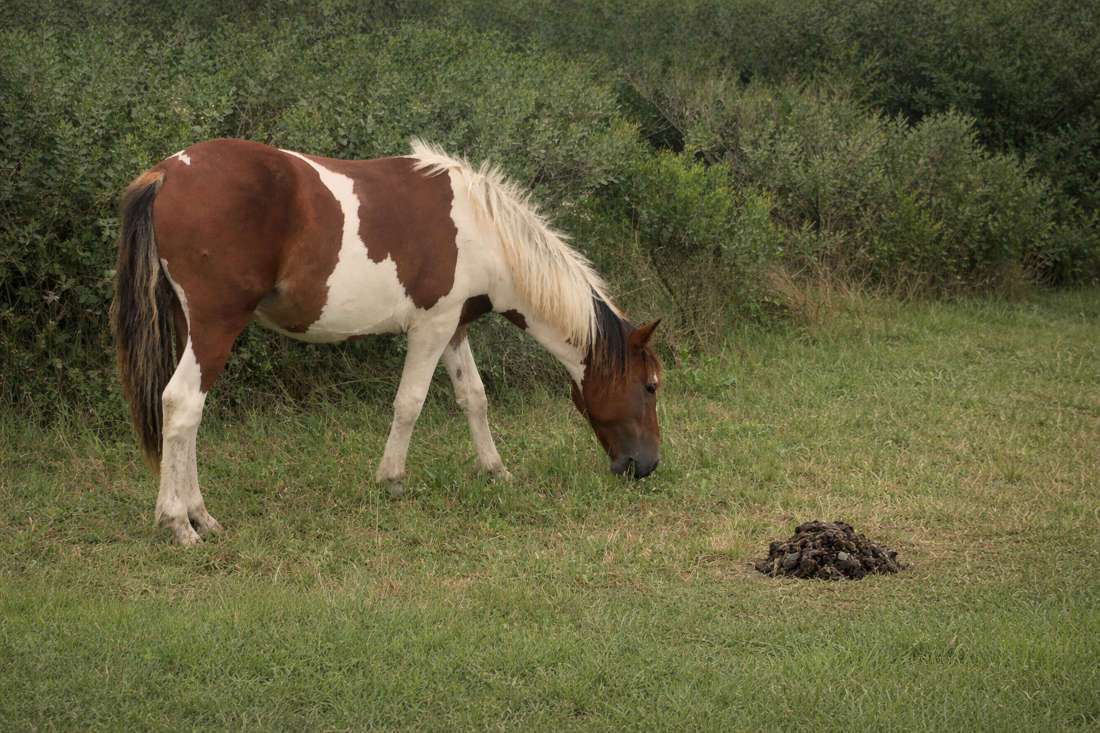
Coprophagia in horses, or manure eating, is a behavior most commonly seen in foals, though it can also occur in adult horses. In young horses, manure eating is a normal and beneficial behavior that supports digestive system development by helping establish a healthy hindgut microbiome through exposure to beneficial microbes in the mare’s manure.
In adult horses, however, persistent manure consumption is less typical and may signal underlying issues related to diet, management, or gut health.
Horses that consume manure may be responding to factors such as limited forage access, imbalanced nutrition, boredom, or environmental conditions. Because these factors can vary between horses and facilities, it is important to evaluate the whole feeding and management program rather than assume a single cause.
Understanding why horses eat manure, when the behavior is normal, and when it may indicate a problem can help guide appropriate management strategies. Keep reading to learn more about the causes of coprophagia in horses, its potential risks, and practical steps to support digestive health and reduce unwanted behavior.
What is Coprophagia in Horses?
Coprophagia is the term for eating feces. In horses, this behavior usually involves consuming their own manure or the manure of another horse nearby. In some environments, horses may also eat the feces of other livestock.
In foals, coprophagia is a normal part of development. Eating small amounts of the mare’s manure helps introduce microbes that support maturation of the hindgut and normal digestive function.
n adult horses, however, manure eating is less typical and is more often viewed as a sign that something in the horse’s diet, environment, or management may need attention.
Although manure eating may look abnormal, the behavior is not entirely random. Horses spend much of the day foraging, and manure may contain recognizable plant material that can attract investigation or consumption. Adult horses are more likely to eat manure when normal feeding or behavioral needs are not being fully met, such as with limited forage access, boredom, or nutritional imbalance.
What's your top priority with your horse's health?

Enter your email to receive your store credit
Is Coprophagia in Horses Normal?
Whether coprophagia is considered normal depends largely on the horse’s age.
Manure eating is significantly more common in foals and is a normal part of early development. In most cases, foals consume small amounts of their dam’s fresh manure during the first weeks of life. Maternal scent cues may help guide this behavior. [1][2][3][4][5]
Coprophagia may provide beneficial compounds and nutrients that support the foal’s early digestive development. Manure contains B vitamins and beneficial microbes that help establish the foal’s intestinal flora. Certain bile acids present in feces, such as deoxycholic acid, may also play a role in supporting gut health during this early stage of life. [6][7]
Coprophagic behavior usually begins within the first week after birth and is most common during the first few months of life. The behavior typically decreases as the foal matures and forage intake increases, often disappearing by around five months of age. [2][4][5][8][9]
In most healthy foals, coprophagia:
- Begins within the first days to weeks after birth
- Involves small amounts of fresh manure
- Declines naturally as the digestive system develops
When the foal is bright, growing appropriately, and producing normal manure, the behavior is usually self-limiting and does not require intervention.
Closer monitoring may be appropriate if manure eating appears excessive, the foal develops diarrhea, growth is poor, or the mare has a heavy parasite burden. In these cases, consultation with a veterinarian can help rule out digestive or health concerns.
Causes of Abnormal Coprophagia in Adult Horses
In adult horses, regular manure consumption is less typical. While occasional ingestion may not cause harm, frequent or persistent manure eating can be a sign that something is wrong. In some cases, the behavior is linked to diet or forage availability, but it may also reflect an underlying health issue affecting digestion, nutrient status, or overall well-being. [5]
The main factors to consider when evaluating ongoing coprophagia in adult horses include:
- Nutritional imbalances or unmet dietary needs
- Limited forage intake
- Digestive or gastrointestinal dysfunction
- Parasite burden
- Stress, boredom, or inadequate enrichment
Nutritional Gaps
Abnormal manure eating in adult horses may be associated with nutritional deficiencies or other unmet dietary needs. A horse may be consuming enough calories but still fall short in protein, essential amino acids, vitamins, or trace minerals. Diets based mainly on low-quality hay or unfortified feeds are more likely to leave these gaps. [1][4][10]
Because horse manure can still contain partially digested plant material, some horses with inadequate diets may be more likely to consume it.
Although manure is not a suitable source of nutrition, this behavior may reflect an attempt to compensate for unmet needs. Correcting the diet to fully meet the horse’s nutrient requirements is an important first step in addressing persistent coprophagia.
If you are unsure whether your horse’s diet is supplying all required nutrients, book a free consultation with one of our nutritionists for a personalized assessment.
Forage Access
Horses evolved to graze for much of the day. When forage is restricted or feeding intervals are too long, this natural drive to forage is disrupted. In some horses, limited access to hay or pasture may contribute to boredom, frustration, and abnormal behaviors, including manure eating. [11]
Long overnight gaps without hay, restricted forage intake, or concentrate-heavy feeding programs can all reduce eating time and leave horses without adequate opportunity to express normal foraging behavior. Increasing forage availability and extending time spent eating may help reduce manure-eating behavior. [10][12]
Digestive Disruption
Horses rely on microbial fermentation in the hindgut to break down cellulose and other fiber components into usable energy. When this process is disrupted, digestion may become less efficient.
Abrupt diet changes, inconsistent forage intake, or high-starch feeding can alter the hindgut microbial population and contribute to dysbiosis. As a result, manure may contain more undigested material, which may increase a horse’s interest in consuming it. [11][13]
Maintaining consistent feeding practices and providing adequate fiber intake are important for supporting hindgut health and normal digestive function.
Parasite Load
Parasites may be linked to manure eating in adult horses in several ways. A significant parasite burden can impair digestive health and reduce nutrient utilization, which may increase the likelihood of abnormal feeding behaviors. [1][14][15]
At the same time, horses that eat manure may have greater exposure to parasite larvae, especially in environments where manure accumulates. This means parasite burden may be both a contributing factor and a consequence of coprophagia.
Routine fecal egg counts and a strategic deworming program developed with veterinary guidance can help reduce parasite-related digestive stress and limit reinfection.
Displacement Behavior
Horses are highly motivated to graze, move, and interact with other horses. When these behavioural needs are not fully met, some horses may develop abnormal oral behaviours, including manure eating. This is more likely when horses have limited forage access, restricted turnout, low social contact, or long periods of confinement.
In some cases, manure eating may occur as a displacement behavior or as part of the same behavioural pattern seen with stereotypic behaviors.
Rather than reflecting a health issue, it may indicate that the horse’s environment is not adequately supporting normal foraging and social behaviour. Increasing turnout time, extending forage access, and using slow feeders to increase time spent eating may help reduce the behavior. [16][17][18]
Risks of Manure Eating in Horses
Occasional manure ingestion is not typically associated with adverse effects in an otherwise healthy horse. However, repeated or persistent manure consumption may be associated with increased health risks and warrants further evaluation.
One of the primary concerns of coprophagia in horses is parasite exposure. Manure is the main source of infective parasite larvae in the horse’s environment.
When a horse consumes manure, particularly from other horses, it increases the likelihood of reinfection. Over time, repeated exposure can make parasite control more difficult and may contribute to higher egg shedding within a herd.
There is also potential for disease transmission. Manure can contain bacteria, viruses, or protozoa shed by other horses, particularly in shared turnout areas or boarding facilities. While healthy adult horses may tolerate low-level exposure, young, senior, or immunocompromised horses may be more vulnerable. [19][20]
In some cases, manure may contain residues from recent medications or dewormers. Although small amounts are unlikely to cause toxicity, repeated ingestion is not ideal.
While coprophagia is often a nutritional or management issue rather than an emergency, further evaluation is warranted if the behavior: [4][21][22]
- Begins suddenly in an adult horse
- Becomes frequent or compulsive
- Persists despite feeding or management adjustments
- Occurs alongside weight loss or declining body condition
- Is accompanied by loose manure, reduced appetite, or changes in energy level
In these situations, reviewing the diet and consulting with a veterinarian or qualified equine nutritionist can help identify and address underlying causes.

How to Stop a Horse From Eating Manure
Successfully addressing coprophagia in horses begins with correcting the factors contributing to the behavior. In most cases, manure eating decreases once nutritional needs, forage intake, and digestive health are properly supported.
1) Rule Out Medical Issues
Before focusing on diet or management changes, it is important to consider whether an underlying health issue may be contributing to the behavior. Although less common, persistent manure eating in adult horses can sometimes be associated with conditions that affect nutrient absorption, digestive function, or overall health.
Gastrointestinal disorders, chronic parasitism, or dental issues that impair feed utilization may increase the likelihood of abnormal feeding behaviors. In some cases, changes in appetite or behavior may also be linked to systemic illness.
A veterinary evaluation is warranted if:
- Manure eating develops suddenly
- The behavior persists despite dietary adjustments
- It occurs alongside other clinical signs such as weight loss, poor body condition, diarrhea, or reduced performance
Identifying and addressing any underlying medical concerns helps ensure that nutritional and management strategies are effective.
2) Review & Balance the Diet
Start by evaluating the horse’s overall feeding program. Even thoughtfully designed diets can leave nutrient gaps, especially when hay quality varies from batch to batch or when forage makes up most of the ration without additional fortification.
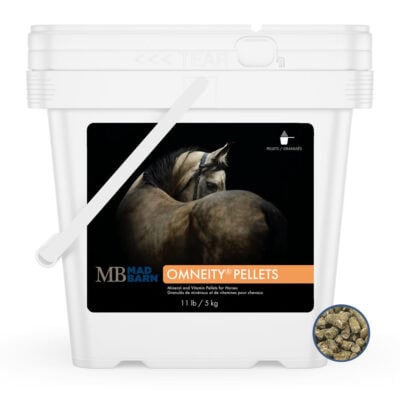
When a diet relies primarily on hay or pasture, adding a comprehensive vitamin and mineral supplement can help address common shortfalls. Omneity® Pellets are formulated to balance forage-based diets by supplying essential trace minerals, amino acids, and vitamins to support overall health and efficient digestion.
For the most accurate approach, balancing the ration against a hay analysis helps ensure nutrient requirements are consistently met. Working with a qualified equine nutritionist can provide personalized guidance and support adjustments based on the individual horse’s needs.
3) Increase Forage Availability
One of the most effective ways to reduce manure eating in horses is to minimize long periods without forage. In the wild, horses eat small amounts throughout the day. For domestic horses, extended gaps between hay feedings can increase oral behaviors and digestive issues. [12]
Providing steady access to forage through free-choice hay, additional feedings, or slow feeders helps replicate natural grazing patterns. Simply reducing overnight fasting periods can make a noticeable difference in many horses. [1][4][11]
4) Support Digestive Health
Consistency is key when supporting digestive function. Avoid abrupt feed changes, introduce new feeds gradually, and prioritize fiber as the foundation of the ration. Limiting excessive starch intake also helps maintain a stable hindgut environment and supports efficient fermentation. [11][18][23]
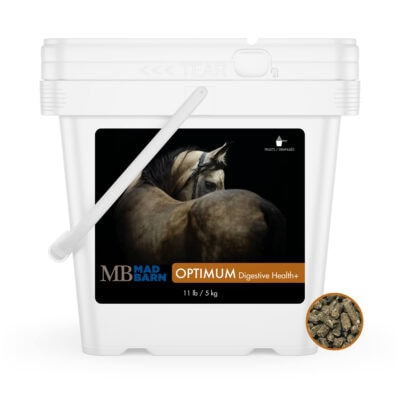
For horses that may benefit from additional digestive support, Optimum Digestive Health is formulated to promote hindgut balance and nutrient absorption. By helping maintain a stable microbial population, targeted digestive support can help ensure healthy fiber utilization and overall gut function.
5) Parasite Control
Because manure consumption increases exposure to parasite larvae, maintaining a parasite control program with veterinary guidance is especially important in horses that exhibit coprophagia. [1][21][24]
Most equine parasites develop within manure before larvae migrate onto surrounding pasture. When manure accumulates in paddocks or stalls, the concentration of infective larvae increases. Horses that consume manure directly bypass the normal grazing exposure route, increasing the likelihood and potential severity of reinfection.
Effective parasite management includes: [25]
- Regular fecal egg count testing to guide targeted deworming
- Avoiding overuse of dewormers to reduce the risk of resistance
- Routine manure removal from stalls and small paddocks
- Avoiding overstocking in turnout areas
In environments with high stocking density, such as boarding barns, reinfection pressure can be significant. Strategic parasite control, combined with consistent manure management, helps reduce both individual risk and herd-level parasite load.
6) Provide Opportunities for Natural Grazing Behavior
Finally, consider how the horse’s daily routine supports natural behaviors. Increasing turnout time, supporting movement, and maintaining consistent forage access can reduce oral behaviors associated with restriction or routine changes. [10][16][17][18]
Even incremental adjustments — such as extending turnout by a few hours or adjusting feeding schedules — can have a meaningful impact.
Here are some frequently asked questions about coprophagia in horses:
Manure eating (coprophagia) is common and considered normal in foals, particularly during the first weeks of life as their digestive system and gut microbiome develop. In adult horses, however, persistent manure consumption is less typical and may indicate issues with diet, forage intake, or management.
Adult horses may eat manure due to factors such as inadequate forage intake, imbalanced diets, digestive disturbances, boredom, or environmental conditions. In many cases, coprophagia reflects unmet nutritional or management needs rather than a single specific cause.
Not always, but persistent coprophagia in adult horses can suggest the diet is not fully meeting nutritional requirements. Evaluating forage quality and balancing the ration can help identify and address potential nutrient gaps.
Occasional manure ingestion is unlikely to directly cause colic in a healthy horse. However, coprophagia may increase exposure to parasites or reflect underlying digestive issues, which can contribute to gastrointestinal risk over time.
Yes. Consuming manure can increase a horse's exposure to parasite eggs and larvae, particularly in environments with high parasite loads. Effective parasite management and manure removal can help reduce this risk.
Addressing the underlying cause is key to stopping coprophagia in adult horses. Providing consistent access to forage, balancing the diet, supporting digestive health, and ensuring adequate turnout and enrichment can reduce manure-eating behavior. Directly trying to prevent the behavior is usually less effective than correcting contributing factors.
In foals, coprophagia is a normal and beneficial behavior. In adult horses, occasional manure consumption is usually not harmful, but frequent or persistent behavior may indicate underlying dietary, digestive, or management concerns that should be addressed.
You should be concerned if coprophagia is frequent, persistent, or accompanied by weight loss, poor body condition, changes in manure, or other signs of digestive upset. These cases warrant a closer evaluation of diet, management, and overall health.
Yes, boredom or lack of environmental stimulation can contribute to coprophagia, especially in horses with limited turnout or social interaction. Providing enrichment and increasing turnout time may help reduce this behavior.
Management focuses on optimizing forage intake, ensuring a balanced diet, maintaining good pasture hygiene, and supporting overall digestive health. A comprehensive approach is more effective than targeting the behavior alone.
Summary
Coprophagia is the act of eating manure and is relatively common in foals but less typical in adult horses.
- In foals, manure eating often supports early digestive development and usually resolves naturally as the gut matures
- In adult horses, persistent manure consumption often signals gaps in nutrition, limited forage access, digestive imbalance, parasite exposure, or management factors
- Occasional ingestion may not cause harm, but frequent manure eating can increase parasite risk and warrants evaluation if accompanied by weight loss, poor condition, or digestive changes
- Working with a veterinarian or qualified equine nutritionist can help identify underlying causes and tailor an effective feeding and management plan
References
- Hahn. C. Behavior: Coprophagia in Horses (Equis). Vetlexicon
- Houpt. K. A. Ingestive Behavior. Veterinary Clinics of North America: Equine Practice. 1990.
- Francis-Smith. K. and Wood-Gush. D. G. M. Coprophagia as Seen in Thoroughbred Foals. Equine Veterinary Journal. 1977. View Summary
- Houpt. K. Behavior Problems of Horses - Behavior. Merck Veterinary Manual. 2025.
- Crowell-Davis. S. L. and Houpt. K. A. Coprophagy by Foals: Effect of Age and Possible Functions. Equine Veterinary Journal. 1985. View Summary
- Šišková. P. et al. An Ethological Study of Young Horses. Acta Universitatis Agriculturae et Silviculturae Mendelianae Brunensis. 2014.
- Marinier. S. L. and Alexander. A. J. Coprophagy as an Avenue for Foals of the Domestic Horse to Learn Food Preferences from Their Dams. Journal of Theoretical Biology. 1995.
- Pyles. M. B. et al. 102 Detecting Coprophagy in Foals and Its Relationship with Foal Gut Health. Journal of Animal Science. 2020.
- Pyles. M. et al. The Establishment of Fibrolytic Bacteria in the Foal Gastrointestinal Tract Is Related to the Occurrence of Coprophagy by Foals. Animals. 2023.
- Bergero. D. et al. Feeding Strategy for Coprophagy Events in a Sport Horses Stable. O&DV Obiettivi e Documenti Veterinari (Italy). 2000.
- Ermers. C. et al. The Fibre Requirements of Horses and the Consequences and Causes of Failure to Meet Them. Animals. 2023. View Summary
- Correa. M. G. et al. Welfare Benefits after the Implementation of Slow-Feeder Hay Bags for Stabled Horses. Journal of Veterinary Behavior. 2020.
- Julliand. V. and Grimm. P. HORSE SPECIES SYMPOSIUM: The Microbiome of the Horse Hindgut: History and Current Knowledge1. Journal of Animal Science. 2016. View Summary
- Fleurance. G. et al. Diurnal Observations of Feeding Choices in Grazing Horses Correctly Predict Their Daily Diet Composition. Applied Animal Behaviour Science. 2022.
- Holmes. P. H. Interactions between Parasites and Animal Nutrition: The Veterinary Consequences. Proceedings of the Nutrition Society. 1993.
- Ninomiya. S. et al. Weaving in Stabled Horses and Its Relationship to Other Behavioural Traits. Applied Animal Behaviour Science. 2007.
- Yang. J. J. et al. Prevalence of Stable Vices by Type in Riding Horses and Companion Horses. Journal of Practical Agriculture & Fisheries Research. Korea National University of Agriculture and Fisheries. 2025.
- Hanis. F. et al. Do Nutrient Composition of Feedstuffs Affect the Proportion of Oral Stereotypies and Redirected Behaviors among Horse Working Groups?. Journal of Veterinary Behavior. 2021.
- Kopper. J. J. et al. Detection of Pathogens in Blood or Feces of Adult Horses with Enteric Disease and Association with Outcome of Colitis. Journal of Veterinary Internal Medicine. 2021. View Summary
- Stout. A. E. et al. Infectious Disease Surveillance of Apparently Healthy Horses at a Multi-Day Show Using a Novel Nanoscale Real-Time PCR Panel. Journal of Veterinary Diagnostic Investigation. 2021. View Summary
- French. D. et al. AAEP External Parasite and Vector Control Guidelines. AAEP. 2024.
- Nielsen. M. K. Apparent Treatment Failure of Praziquantel and Pyrantel Pamoate against Anoplocephalid Tapeworms. International Journal for Parasitology: Drugs and Drug Resistance. 2023. View Summary
- Colombino. E. et al. Gut Health of Horses: Effects of High Fibre vs High Starch Diet on Histological and Morphometrical Parameters. BMC Veterinary Research. 2022. View Summary
- Stewart. A. J. Parasite Control in Horses - Management and Nutrition. Merck Veterinary Manual. 2024.
- Nielsen. M. K. et al. Global Equine Parasite Control Guidelines: Consensus or Confusion?. International Journal for Parasitology: Drugs and Drug Resistance. 2025. View Summary