Analyze Diet
FeedBank
Feed Type

Fiber Sources for Horses

View nutrition analyses for fiber sources used in horse feed ingredients in the Mad Barn Equine Feed Database. This category includes dietary fiber ingredients that contribute fermentable energy to the equine diet, such as beet pulp, soy hulls, alfalfa meal, hay, grass, oat hulls, wheat middlings, and other forage- or plant-based fiber sources.

Compare nutrient profiles for different fiber sources to understand their calorie contribution, digestibility, neutral detergent fiber, acid detergent fiber, starch and sugar levels, and role in supporting gut health, hindgut fermentation, body condition, and steady energy intake.
Filters
Fiber 86 entries
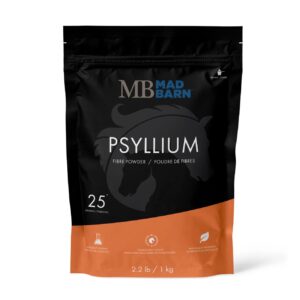
Psyllium (Mad Barn)
FiberFiber
Gut HealthGut Health
HindgutHindgut
StressStress
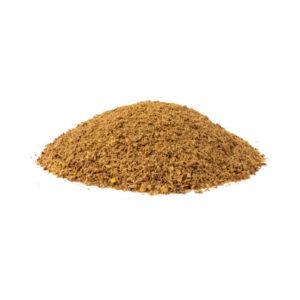
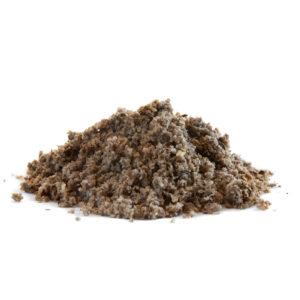
Psyllium by Mad Barn is a powdered psyllium supplement that supports digestion and gut health in horses. It absorbs water in the digestive tract, helping support normal gut motility and manure consistency, and is beneficial for horses exposed to sandy conditions, environmental stress, or dietary changes.
Alfalfa Meal – 17% CP 44% NDF
FiberFiber
Gut HealthGut Health
NutritionNutrition
ProteinProtein
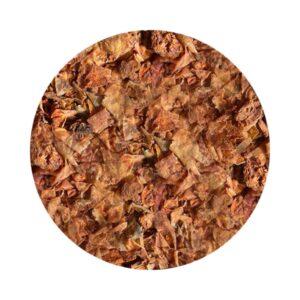
Alfalfa meal is made by finely grinding dried alfalfa hay. Alfalfa meal is commonly added to equine feeds as a palatable, high-protein, high-calcium grain-free ingredient.
Alfalfa Meal – 20% CP 40% NDF
FiberFiber
Gut HealthGut Health
NutrientsNutrients
ProteinProtein
Alfalfa meal refers to dried and ground alfalfa. Depending on the growth stage at which the plant was harvested, alfalfa meal will have varying protein and fibre content. The meal is a highly palatable ingredient commonly added to equine feeds.
Almond Hulls – 28% NDF
Caloric EnergyCaloric Energy
DigestionDigestion
FiberFiber
Low NSC FeedsLow NSC Feeds
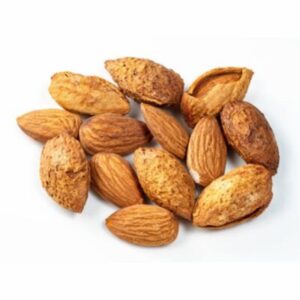
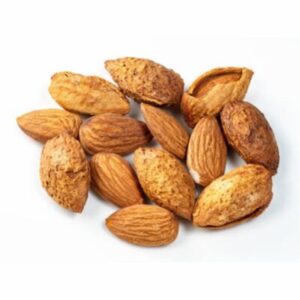
Almond hulls are a source of fiber and digestible carbohydrates with a nutritional profile similar to moderate-quality alfalfa hay. Research shows almond hulls are a safe and palatable feed for horses.
Almond Hulls – 33% NDF
Caloric EnergyCaloric Energy
DigestionDigestion
FiberFiber
Low NSC FeedsLow NSC Feeds
The fibrous outer shell of the almond fruit, almond hulls are removed during processing. Almond hulls are a source of fiber and digestible carbohydrates with a nutritional composition similar to moderate-quality alfalfa hay.
Almond Hulls – 36% NDF
Caloric EnergyCaloric Energy
DigestionDigestion
FiberFiber
NutritionNutrition
Almond hulls consist of the almond kernel's fibrous outer covering that is removed during dehulling and shelling. Almond hulls are a good source of digestible carbohydrates.
Almond Hulls – 42% NDF
Caloric EnergyCaloric Energy
FatFat
FiberFiber
HindgutHindgut
Almond hulls are a palatable, high-fibre feed for horses. They are a good source of digestible carbohydrates with a nutritional profile similar to moderate-quality alfalfa hay.
Apple Pomace
Caloric EnergyCaloric Energy
FiberFiber
FlavorFlavor
NutrientsNutrients
Apple Pomace is a solid residue that is the byproduct of apple juice and cider production, consisting of peel, pulp, and seeds. It is a good source of digestible energy for horses.
Apple Pomace – Dry
Apple Pomace is fed as a forage extender or a concentrate. It is a source of caloric energy and highly digestible fibre with lower amounts of protein and fat.
Apple Pomace – Wet
Caloric EnergyCaloric Energy
FiberFiber
FlavorFlavor
Gut HealthGut Health
Apple Pomace is an alternative feed that provides a good source of digestible fibre and caloric energy. It may be used as a forage extender.
Beet Pulp
Caloric EnergyCaloric Energy
DigestionDigestion
HindgutHindgut
Weight IssuesWeight Issues
Beet Pulp is a highly digestible fibre that can be used to replace hay in your horse's diet. It provides 8 - 12% protein, is calorie-dense, and has low sugar content.
Beet Pulp – Dry 35% NFC
Caloric EnergyCaloric Energy
FatFat
FiberFiber
Gut HealthGut Health
Beet Pulp is a highly digestible fibre source that consists of the remains of sugar beets after removing the sugar. It is useful in equine diets as a forage alternative.
Beet Pulp – Dry 40% NFC
FatFat
FiberFiber
Gut HealthGut Health
NutrientsNutrients
Dried Beet Pulp is a highly digestible source of fibre that adds caloric energy and bulk to your horse's diet. Beet pulp is what remains after the sugar is removed from sugar beets during manufacturing.
Beet Pulp – Shreds
Caloric EnergyCaloric Energy
DigestionDigestion
Hay StretcherHay Stretcher
Weight IssuesWeight Issues
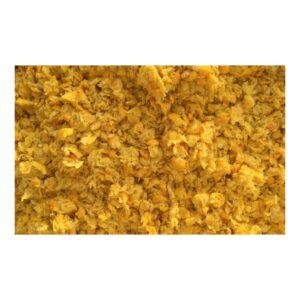
Dried beet pulp shreds are fibrous flakes that can be used as a hay alternative in your horse's feeding plan. Shredded beet pulp is a highly digestible, calorie-rich feed that provides 8 - 12% protein and has low NSC content.
Beet Pulp – Wet 27% NFC
Caloric EnergyCaloric Energy
FiberFiber
Gut HealthGut Health
NutrientsNutrients
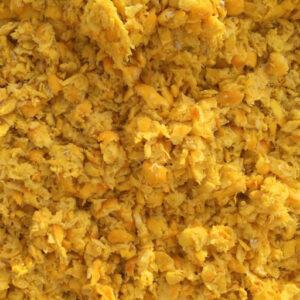
Wet Beet Pulp is the fibrous residue that remains after juice is extracted from sugar beets. It is a good source of digestive fibre and energy for the equine diet.
Beet Pulp – Wet 34% NFC
Caloric EnergyCaloric Energy
FiberFiber
Gut HealthGut Health
NutrientsNutrients
Wet Beet Pulp refers to the high-fibre feed that remains after the juice has been extracted from sugar beets. This is a good source of highly digestible fibre and added calories in the equine diet.
Beet Pulp Pellets
Caloric EnergyCaloric Energy
FiberFiber
NutritionNutrition
ProteinProtein
Pelleted beet pulp is a popular feed additive for horses, used to increase fibre and caloric energy in the diet without significantly increasing NSC content. Beet pulp is what remains from the vegetable after the sugar is extracted.
Beet Pulp with Molasses
Caloric EnergyCaloric Energy
FiberFiber
FlavorFlavor
ProteinProtein
Beet pulp is the highly digestible fibre that remains after sugar is extracted from the sugar beet. Molasses is added during the drying process, resulting in a more palatable feed with low NSC.
Beets Fodder Whole
Caloric EnergyCaloric Energy
FiberFiber
NutritionNutrition
ProteinProtein
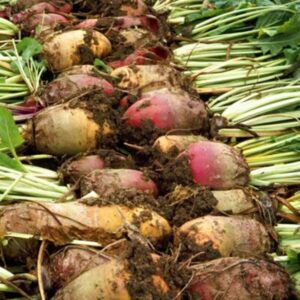
Whole fodder beets refer to unprocessed sugarbeets that are grown for animal feed. Fodder beets contain high energy and sugar content and are used to support lactation in dairy cows.
Brewers Grain – Dry 24% CP
Caloric EnergyCaloric Energy
NutrientsNutrients
ProteinProtein
VitaminsVitamins
Brewers grain is the spent grain that remains after beer production. It is commonly used as a cost-effective high-protein feed for cattle, but can also be formulated into equine diets.
Brewers Grain – Dry 29% CP
Caloric EnergyCaloric Energy
Mineral BalanceMineral Balance
ProteinProtein
VitaminsVitamins
Brewers grain is a by-product of beer production that is commonly used as a livestock feed. Brewers grain is a high protein, low starch feed that may be suitable for growing horses.
Brewers Grain – Wet
Caloric EnergyCaloric Energy
NutrientsNutrients
ProteinProtein
VitaminsVitamins
Wet brewers grain refers to undried spent grain that remains following beer production. It is mostly fed to cattle and not commonly used in equine diets.
Cassava Residue Brazil Coarse
EnergyEnergy
FiberFiber
NutritionNutrition
ProteinProtein
Cassava residue is a by-product of tapioca production and is commonly used for dairy cattle rations. The residue is what remains after starch is extracted from the cassava root.
Cassava Residue Brazil Fine
EnergyEnergy
FiberFiber
NutritionNutrition
ProteinProtein
Cassava is a starchy root cultivated as a staple food source in many parts of the world. Starch is extracted from cassava to make tapioca. The process of starch extraction produces residues that are appropriate for lactating dairy cows.
Citrus Pulp – Dry
Caloric EnergyCaloric Energy
DigestionDigestion
FiberFiber
FlavorFlavor
Dry citrus pulp is derived from the fibrous residue that remains after juice is extracted from oranges. Research shows that adding citrus pulp up to 28% of concentrate in the equine diet is well-tolerated by horses.
Citrus Pulp – Wet
Caloric EnergyCaloric Energy
DigestionDigestion
FiberFiber
FlavorFlavor
Wet citrus pulp is the high-fibre material that remains after orange juice has been pressed out of the orange fruit. It can be used as a fibre source for horses and cattle.
Citrus Pulp Brazil Loose
Caloric EnergyCaloric Energy
FiberFiber
NutritionNutrition
ProteinProtein
Loose citrus pulp meal is the ground peel and residue of citrus fruits that remains after juice is extracted. The pulp is a palatable and nutritious feed for livestock, providing high energy from carbohydrates, high calcium and low phosphorus.
Citrus Pulp Brazil Pellets
Caloric EnergyCaloric Energy
FiberFiber
NutritionNutrition
ProteinProtein
Dried citrus pulp pellets are a fibrous by-product of juice production. The pellets are fed to dairy and beef cattle as a source of energy, protein and nutrients. In citrus-producing regions, the pulp may be used for 30-50% of dairy rations.
Copra Meal
Coat QualityCoat Quality
FatFat
Low NSC FeedsLow NSC Feeds
Weight IssuesWeight Issues
Copra meal is a by-product of coconut oil production. This high-fat, high-protein feed is used to increase the energy density of the equine diet in horses that need to gain weight.
Corn Cob
Caloric EnergyCaloric Energy
GrainsGrains
NutrientsNutrients
Weight IssuesWeight Issues
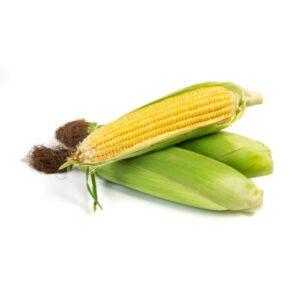
Chopped corn cob refers to the cob that remains after removing the corn grains. It is a high-fiber, high-energy feed for cattle and pigs. It is not typically used in equine diets.
Corn Gluten Feed – Dry
Caloric EnergyCaloric Energy
EnergyEnergy
ProteinProtein
Weight IssuesWeight Issues
Corn gluten feed is derived from corn wet-milling corn, which is the process used to extract starch from corn. Corn gluten is a high-protein feed that can be fed to horses. It is high in phosphorus and low in calcium, which must be balanced if added to equine diets.
Cottonseed – Fuzzy
Caloric EnergyCaloric Energy
FiberFiber
MuscleMuscle
ProteinProtein
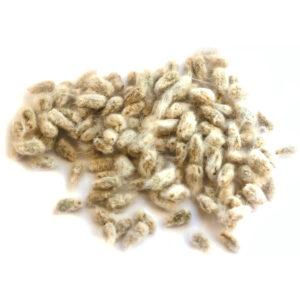
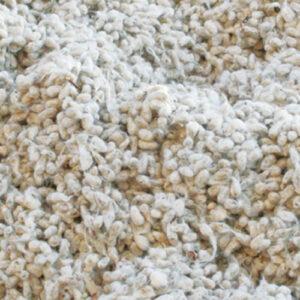
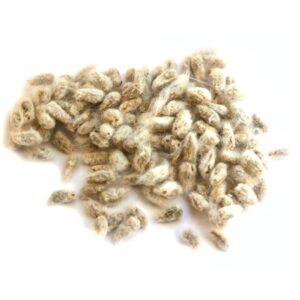
Fuzzy cottonseed is a highly digestible fibre and protein source commonly fed to cattle. The fuzzy seeds have strands of cellulose bound to the cottonseed.
Cottonseed Hulls
FiberFiber
HealthHealth
Low NSC FeedsLow NSC Feeds
NutrientsNutrients
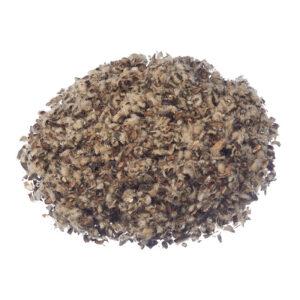
Cottonseed hulls are a fiber-rich feed additive used to add bulk to the equine diet. The hulls consist of the fibrous outer covering of the seed which is removed during manufacturing of cottonseed oil.
Cottonseed Meal Brazil Coarse Grind
EnergyEnergy
FiberFiber
NutritionNutrition
ProteinProtein
Cottonseed meal is a by-product of cottonseed oil production that provides a good source of fat and protein. It is commonly used in cattle rations.
Cottonseed Whole Brazil With Hay
FiberFiber
ForageForage
NutritionNutrition
ProteinProtein
Whole cottonseeds are a valuable fat, fibre, and protein source for dairy cattle. Cottonseeds are not commonly used in equine diets because of the low lysine content.
Cottonseed Whole Brazil Without Hay
EnergyEnergy
FiberFiber
NutritionNutrition
ProteinProtein
Whole cottonseeds are a rich source of fat, protein and fibre. This feed is a highly valued energy source for lactating dairy cows. Cottonseeds are not commonly fed to horses because of their amino acid profile.
Cottonseed Whole with Lint
FatFat
FiberFiber
ProteinProtein
ToplineTopline
Whole cottonseed with lint refers to cottonseeds with the "fuzzy" lint attached. The seeds are high in fat, protein and fibre but have low palatability for horses. They are more commonly used as feed for dairy cattle.
Crimped Oats
DigestionDigestion
FiberFiber
HindgutHindgut
SeniorSenior
Crimped oats are steamed and rolled through a mechanical roller to increase surface area and digestibility. Crimped oats are high in fibre and commonly used in horse feeds as an energy source.
Distilled Corn Dark Spirits
EnergyEnergy
FatFat
IngredientIngredient
ProteinProtein
Distilled corn dark spirits refer to corn or maize distillers grain, which is a byproduct of alcohol production. Distilled grains from darker spirits have lower NSC (sugar & starch) content.
Distilled Corn Ethanol
EnergyEnergy
FatFat
NutrientsNutrients
ProteinProtein
Distilled corn is an ethanol byproduct that remains after the starch is extracted from corn or maize grain. Corn distillers grain is high in protein and is a moderate source of fat and fibre.
Distilled Corn Light Spirits
EnergyEnergy
FatFat
IngredientIngredient
ProteinProtein
Distilled corn light spirits are distillers grains from light coloured spirits. Distillers grains are commonly used in food animal rations.
Distilled Corn Medium Spirits
EnergyEnergy
FatFat
IngredientIngredient
ProteinProtein
Distilled corn medium spirits are a by-product of the alcohol industry. These distillers grains are an energy source in food animal rations.
Distilled Corn Very Dark Spirits
EnergyEnergy
FatFat
ProteinProtein
Weight IssuesWeight Issues
Distilled corn from very dark spirits is a byproduct of alcohol production that remains following the extraction of starch. Corn distillers grain is a good source of protein, fibre, and fat with lower sugar content.
Distilled Corn with Solubles
EnergyEnergy
FatFat
NutrientsNutrients
ProteinProtein
Distilled corn with solubles is a byproduct of ethanol production. It is commonly fed to cattle but should not be fed to horses. This feed is prone to developing mould which is toxic to horses.
FiberSMART® Syrup – Anderson Advanced Ingredients
FiberFiber
IngredientIngredient
Low NSC FeedsLow NSC Feeds
NutritionNutrition
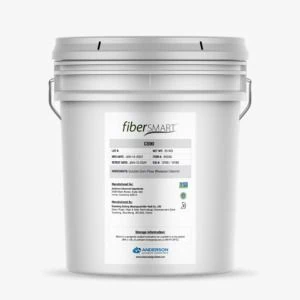
FiberSMART® Syrup by Anderson Advanced Ingredients is a clear, pourable syrup produced from tapioca starch. It contains approximately 75% soluble dietary fiber and 1% non‑structural carbohydrates (sugars and starch). The syrup supplies a concentrated source of fermentable carbohydrates for horses in a liquid form that can be mixed into complete feeds, used as a top‑dress, or incorporated during pelleting.
Flaked Lupins (Thompson & Redwood)
DigestionDigestion
FiberFiber
NutrientsNutrients
ProteinProtein
Flaked Lupins by Thompson & Redwood are steam-cooked and rolled lupin seeds. They are intended to be digestible and provide a high level of protein (33.3%) for animals.
Grape Pomace
DigestionDigestion
EnergyEnergy
FiberFiber
NutritionNutrition
Grape Pomace is the solid remains of grape juice and wine production, consisting of the peel, pulp, and seeds. This residue is a good source of digestible energy for horses.
Hempseed Meal
Easy KeeperEasy Keeper
FiberFiber
Omega 3-6-9Omega 3-6-9
ProteinProtein
Hempseed (cannabis sativa) meal is a byproduct of the hemp industry that remains after the oil is extracted from the seeds. Hempseed meal is a good fibre source for animals.
Linseed Meal – Expelled
Coat QualityCoat Quality
FatFat
FiberFiber
Omega 3-6-9Omega 3-6-9
Expelled linseed (flaxseed) meal is a byproduct of linseed oil production. After the fat has been expelled, the remaining dry matter is rich in fiber and protein.
Lupin Hulls
FatFat
FiberFiber
Gut HealthGut Health
ProteinProtein
Lupin Hulls are the fibrous coating of lupin seeds removed during processing. They provide a highly digestible source of fiber with moderate levels of protein and are low in sugar and starch.
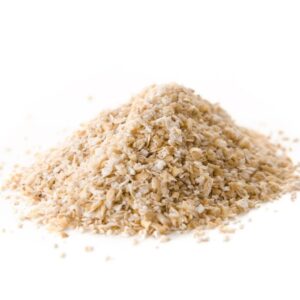
Oat Bran
EnergyEnergy
FiberFiber
IngredientIngredient
NutritionNutrition
Oat bran is the outer layer of the oat grain. It is a good source of fiber but contains more phosphorus than calcium and may contribute to calcium imbalances if fed in excess.
Is Your Horse's Diet Missing Anything?

Identify gaps in your horse's nutrition program to optimize their well-being.