Analyze Diet
FeedBank
Feed Type

Grains for Horses

View nutrition analyses for grain ingredients used in horse feeds in the Mad Barn Equine Feed Database. This category includes cereal grains and grain-based ingredients that contribute starch, calories, protein, and other nutrients to the equine diet, such as oats, barley, corn, wheat, sorghum, and grain by-products.

Compare nutrient profiles for different grains to understand their calorie contribution, starch and sugar levels, fiber content, protein quality, mineral content, and digestibility. Use this database to evaluate grain ingredients used in horse feeds and supplements.
Grains 82 entries
Avoine Ronde (Nature Belisle)
Caloric EnergyCaloric Energy
FiberFiber
IngredientIngredient
Weight IssuesWeight Issues
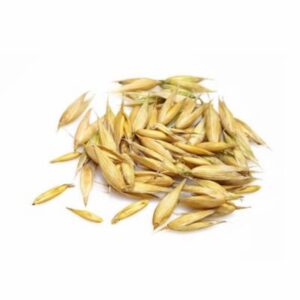
Avoine Rounde by Nature Belisle is intended for horses and ponies of all ages and work levels that require additional energy.
Barley Grain – 55% PI
Caloric EnergyCaloric Energy
FiberFiber
GrainsGrains
Weight IssuesWeight Issues
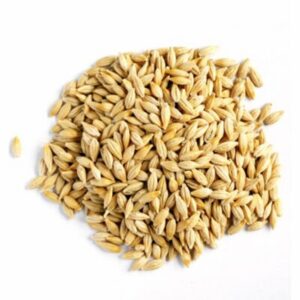
Barley Grain is a source of starch and digestible carbohydrates commonly fed to livestock. A low processing index (PI) indicates grain that has been extensively processed and more digestible.
Barley Grain – 65% PI
Caloric EnergyCaloric Energy
FiberFiber
GrainsGrains
Weight IssuesWeight Issues
Barley Grain is typically dry-rolled to varying degrees to make it more digestible. A processing index (PI) of 65% classifies it as moderately processed for improved digestion and availability of carbohydrates.
Barley Grain – 75% PI
Caloric EnergyCaloric Energy
GrainsGrains
NutrientsNutrients
Weight IssuesWeight Issues
Barley Grain is a high-energy source of carbohydrates, commonly fed to cattle. Coarse barley grain with a higher processing index (PI) is less digestible.
Barley Grain – Flaked
Caloric EnergyCaloric Energy
GrainsGrains
NutrientsNutrients
Weight IssuesWeight Issues
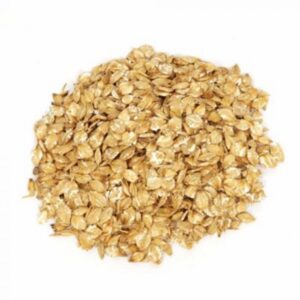
Flaked Barley is composed of steamed, whole barley grain that is rolled and dried. The final product resembles rolled oats and is a highly digestible source of energy from fiber and starch.
Barley Grain – Roasted
Caloric EnergyCaloric Energy
GrainsGrains
NutrientsNutrients
ProteinProtein
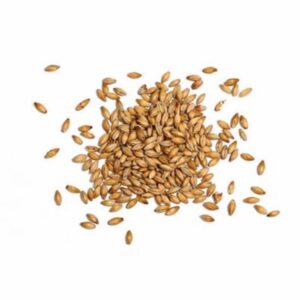
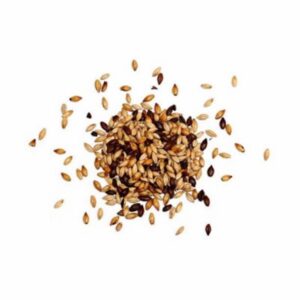
Roasted Barley is composed of whole, roasted barley grains. The resulting grain is more digestible, more palatable, and easier to grind into a meal.
Barley Grain – Whole Ground
Caloric EnergyCaloric Energy
FiberFiber
GrainsGrains
Weight IssuesWeight Issues
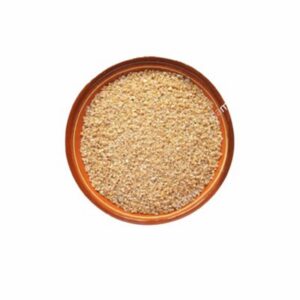
Whole Ground Barley is created by grinding entire barley grains into a powdered meal. It is a highly digestible source of energy and protein in animal diets.
Barley Malt Sprouts
FiberFiber
GrainsGrains
NutrientsNutrients
ProteinProtein
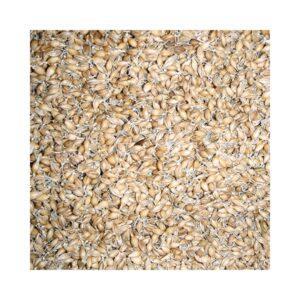
Barley Malt Sprouts are made from spent barley grain that is leftover from processing for beer production. The spent grains are then sprouted, resulting in a nutritious feedstuff that is very high in protein and energy.
Barley, Whole (Modesto Milling)
Caloric EnergyCaloric Energy
GrainsGrains
NutritionNutrition
Weight IssuesWeight Issues
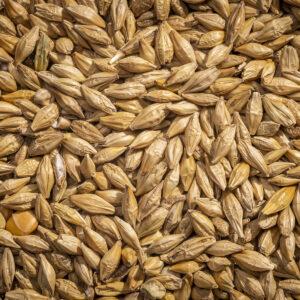
Modesto Milling supplies organic whole barley as feed for livestock and horses. Barley should be processed by crushing, rolling, or steam flaking prior to being fed to horses to optimize absorption.
Cereal Blend
Caloric EnergyCaloric Energy
GrainsGrains
IngredientIngredient
Weight IssuesWeight Issues
Cereal blend refers to a combination of cereal grains such as barley, wheat and oats. These are high-starch feeds designed to provide energy in equine and livestock diets.
Cereal Tailings
Caloric EnergyCaloric Energy
FiberFiber
GrainsGrains
Weight IssuesWeight Issues
Cereal tailings refer to by-products of cereal processing coming from the tail of the mill. Cereal tailings are high in starch and used as cattle feed.
Corn – Dry Ear Corn Ground
GrainsGrains
IngredientIngredient
NutritionNutrition
Weight IssuesWeight Issues
Dry ground ear corn refers to the entire ear of corn, including grain and cob, that has been processed through a hammer mil or burr mill to grind into smaller particles.
Corn – High Moisture (Cobmeal)
Caloric EnergyCaloric Energy
GrainsGrains
NutrientsNutrients
Weight IssuesWeight Issues
Cob meal refers to high moisture corn grain harvested with the inclusion of ground cob. This feed is only appropriate for ruminants and should not be fed to horses.
Corn – Hominy
Caloric EnergyCaloric Energy
GrainsGrains
NutrientsNutrients
Weight IssuesWeight Issues
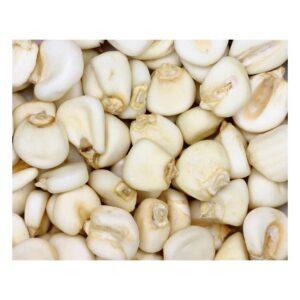
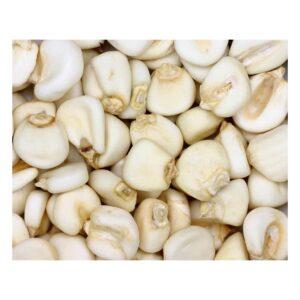
Corn (maize) hominy feed is a byproduct of dry corn milling. Hominy is produced from dried corn kernels that are soaked in an alkali solution to dissolve hemicellulose. This improves digestibility of the corn.
Corn – Hominy High Fat
Caloric EnergyCaloric Energy
FatFat
GrainsGrains
Weight IssuesWeight Issues
Corn hominy is a byproduct of dry corn (maize) milling. It can vary in fat content depending on the processing method. Hominy feed is commonly fed to livestock.
Corn – Screenings
Caloric EnergyCaloric Energy
GrainsGrains
NutrientsNutrients
Weight IssuesWeight Issues
Corn screenings refer to the grain dust, hulls, cracked kernels and debris that accumulate during drying when processing corn. It is fed to beef cattle as an energy source. Quality varies and corn screenings might be high in mycotoxins.
Corn – Steam Flaked
Caloric EnergyCaloric Energy
GrainsGrains
NutrientsNutrients
Weight IssuesWeight Issues
Steam flaked corn grain is processed to improve digestibility and is commonly fed to livestock. It is sometimes included as an energy source in equine feeds.
Corn – Steam Rolled
Caloric EnergyCaloric Energy
GrainsGrains
NutrientsNutrients
Weight IssuesWeight Issues
Steam-rolled corn has higher starch digestibility compared to non-processed corn grains. It is typically fed to livestock but is not commonly fed to horses due to its high starch content.
Corn (Zea Mays) Cracked Brazil Coarse
Caloric EnergyCaloric Energy
GrainsGrains
NutritionNutrition
Weight IssuesWeight Issues
Course cracked corn (zea mays) refers to corn/maize grain that is processed to improve its digestibility for livestock. This high starch feed is a cheap energy source but can cause hindgut issues in horses.
Corn (Zea Mays) Cracked Brazil Fine
Caloric EnergyCaloric Energy
GrainsGrains
NutritionNutrition
Weight IssuesWeight Issues
Fine cracked corn (zea mays) is corn grain that has been processed to improve its digestibility for livestock. A high intake of corn may cause hindgut problems in horses.
Corn (Zea Mays) Grain Brazil Coarse Grind
Caloric EnergyCaloric Energy
GrainsGrains
NutritionNutrition
Weight IssuesWeight Issues
Course ground corn (zea mays) is a processed grain that is used in livestock diets as a high-energy feed. The high start content of corn makes it unsuitable for horses in large quantities.
Corn Germ Meal
Caloric EnergyCaloric Energy
EnergyEnergy
ProteinProtein
Weight IssuesWeight Issues
Corn (maize) germ meal is a byproduct of oil extraction from corn germ. It is a high-protein, high-starch product sometimes added to equine feeds.
Corn Gluten Feed – Wet
Caloric EnergyCaloric Energy
EnergyEnergy
ProteinProtein
Weight IssuesWeight Issues
Corn gluten feed is a byproduct of wet-milling corn to extract starch. It is a high-protein feed used in equine diets. Wet corn gluten feed may be prone to mold contamination.
Corn Grain – Cracked
Caloric EnergyCaloric Energy
GrainsGrains
NutrientsNutrients
Weight IssuesWeight Issues
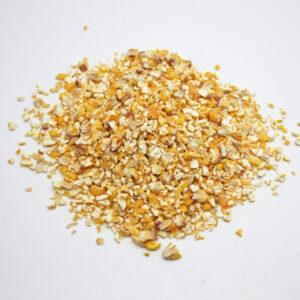
Cracked corn grain is minimally processed to improve digestibility. It is a high-starch feed commonly fed to livestock. Excess starch in the diet can cause hindgut issues in horses.
Corn Grain – Ground Coarse
Caloric EnergyCaloric Energy
GrainsGrains
NutrientsNutrients
Weight IssuesWeight Issues
Ground corn is a high-starch feed commonly added to livestock diets. A high intake of ground corn may induce hindgut acidosis in horses.
Corn Grain – Ground Fine
Caloric EnergyCaloric Energy
GrainsGrains
NutrientsNutrients
Weight IssuesWeight Issues
Fine ground corn is a processed grain product commonly used in livestock diets. It may be included at low levels in equine feeds as an energy source.
Corn Grain – Ground Medium
Caloric EnergyCaloric Energy
GrainsGrains
NutrientsNutrients
Weight IssuesWeight Issues
Ground corn is commonly included as an energy source in equine feeds. Due to its high starch content, inclusion in equine diets should be limited, especially for horses with metabolic concerns.
Corn Grain – High Oil Ground
Caloric EnergyCaloric Energy
GrainsGrains
NutrientsNutrients
Weight IssuesWeight Issues
Ground corn grain with a high level of oil is an energy-dense grain product suitable for livestock. This high-starch, high-energy feed is not commonly used in equine diets.
Corn Grain – Whole
Caloric EnergyCaloric Energy
GrainsGrains
NutrientsNutrients
Weight IssuesWeight Issues
Whole corn grain refers to unprocessed corn grains. It is high in starch and may have limited digestibility in horses, potentially causing hindgut issues.
Crimped Oats
DigestionDigestion
FiberFiber
HindgutHindgut
SeniorSenior
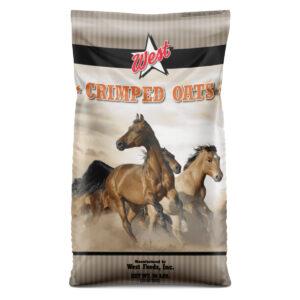
Crimped oats are steamed and rolled through a mechanical roller to increase surface area and digestibility. Crimped oats are high in fibre and commonly used in horse feeds as an energy source.
Crimped Oats (West Feeds)
Caloric EnergyCaloric Energy
DigestionDigestion
FiberFiber
GrainsGrains
Crimped Oats by West Feeds are processed whole oats meant to be fed as a supplement as needed. The oats are crimped for optimal digestibility and provide 11% protein, 2.5% fat content, and 13% fibre content.
Dakota Gold Cold Processed Distillers Grains (POET)
Caloric EnergyCaloric Energy
GrainsGrains
ProteinProtein
Weight IssuesWeight Issues
Dakota Gold DDGS is a cold-processed distillers grain feed additive that provides digestible fiber, amino acids, vitamins and minerals. It is commonly used in swine, poultry, and dairy feed.
Distilled Corn Dark Spirits
EnergyEnergy
FatFat
IngredientIngredient
ProteinProtein
Distilled corn dark spirits refer to corn or maize distillers grain, which is a byproduct of alcohol production. Distilled grains from darker spirits have lower NSC (sugar & starch) content.
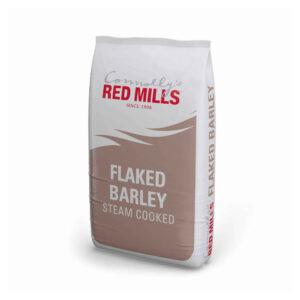
Flaked Barley (Red Mills)
EnergyEnergy
GrainsGrains
IngredientIngredient
NutritionNutrition
Flaked Barley from Red Mills is intended for all horses and ponies at any work level. The barley is steam cooked which allows it to be highly digestible and it improves nutrient absorption.
Flaked Oats (Red Mills)
EnergyEnergy
GrainsGrains
IngredientIngredient
NutrientsNutrients
Flaked Oats from Red Mills is intended for all horses and ponies at any work level. This feed contains steam-cooked oats which are meant to support digestibility and absorption.
Mais Flocon (Nature Belisle)
Caloric EnergyCaloric Energy
EnergyEnergy
GrainsGrains
NutritionNutrition
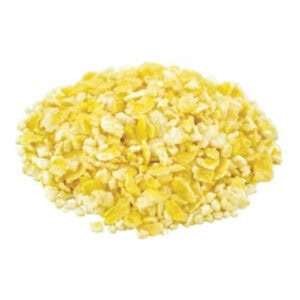
Mais Flocon by Nature Belisle is a corn feed intended for horses and ponies of all ages and work levels. It contains 7.5% protein and 2.15% fibre.
Oat – Groat Hulls
Caloric EnergyCaloric Energy
GrainsGrains
NutritionNutrition
ProteinProtein
Oat groat hulls refer to oat products that contain both the groat (kernel) and hulls. This product has higher starch than whole oats.
Oat Ground Steam Rolled
EnergyEnergy
FiberFiber
GrainsGrains
NutritionNutrition
Ground steam-rolled oats are a high-fibre, high-energy feed that have greater digestibility compared to whole oats.
Oat Tailings
Caloric EnergyCaloric Energy
FiberFiber
GrainsGrains
NutrientsNutrients
Oat tailings refer to the small, broken pieces that remain after oat harvest or processing. Depending on the composition, it can have variable starch, fibre and protein content.
Oats – Dehulled
Caloric EnergyCaloric Energy
GrainsGrains
IngredientIngredient
NutritionNutrition
Oats are low in fat and high in starch. Dehulled oats are also higher in fiber, provides protein, minerals and vitamins.
Oats – Steam Rolled
Caloric EnergyCaloric Energy
FiberFiber
GrainsGrains
NutritionNutrition
Oats processed by steamrolling may have slightly improved digestibility. This can be a suitable feed to meet additional calorie requirements for growing or performance horses.
Oats – Whole
Caloric EnergyCaloric Energy
GrainsGrains
NutrientsNutrients
ProteinProtein
Whole oats are a high-fibre feed that contains highly digestible starch and carbohydrates. It can be a good energy source for growing or performance horses.
Oats, Whole (Modesto Milling)
Caloric EnergyCaloric Energy
FiberFiber
GrainsGrains
GrowthGrowth
Modesto’s whole organic oats provide a high level of energy and 11.5% protein. Oats are beneficial for horses needing a dense source of calories. Oats are palatable making them ideal for any horse or pony.
Peanuts
EnergyEnergy
FatFat
FiberFiber
IngredientIngredient
Peanuts are the edible seeds of the peanut plant. They are high in fat and protein, but are not commonly used in horse feeds.
Pearl Millet Grain Brazil Medium Grind
FiberFiber
GrainsGrains
NutritionNutrition
ProteinProtein
Pearl millet (Pennisetum glaucum) is an annual cereal grass found in tropical and subtropical regions. It can be used for pasture, hay or silage for ruminants and horses. It contains anti-nutritive factors such as nitrate and alkaloids which should be monitored.
Pearlmillet Grain Brazil Finely Ground
Caloric EnergyCaloric Energy
FiberFiber
GrainsGrains
NutritionNutrition
Pearlmillet (Pennisetum glaucum) is an annual cereal grass that can be used for pasture, hay or silage for ruminants and horses. It contains anti-nutritive factors such as nitrate and alkaloids which should be monitored.
Pearlmillet Grain Brazil Whole
FiberFiber
GrainsGrains
NutritionNutrition
ProteinProtein
Pearl millet (Pennisetum glaucum) is an annual cereal grass native to Africa and also found in South America and Australia. It can be used for pasture, hay or silage. It should be monitored for anti-nutritive factors such as nitrate and alkaloids.
Rye Grain
Caloric EnergyCaloric Energy
FiberFiber
GrainsGrains
ProteinProtein
Rye is a cereal grain commonly used for pasture or hay. It is high in starch and susceptible to ergot (fungus) contamination.
Sorghum Grain Brazil Finely Ground
Caloric EnergyCaloric Energy
GrainsGrains
NutritionNutrition
ProteinProtein
Sorghum is a popular grain and forage for livestock. Sorghum grain must be processed by grinding, cracking, or flaking before being fed to animals.
Sorghum Grain Brazil Flaked
Caloric EnergyCaloric Energy
GrainsGrains
NutritionNutrition
ProteinProtein
Sorghum is grown worldwide as a grain or forage source. Flaking is a processing method used to improve nutrient digestibility.
Is Your Horse's Diet Missing Anything?

Identify gaps in your horse's nutrition program to optimize their well-being.