Analyze Diet
FeedBank
Feed Type

Types of Hay for Horses

View nutrition analyses for different hay types for horses in the Mad Barn Equine Feed Database. This category includes grass hay, legume hay, mixed hay, chopped hay, hay cubes, hay pellets, and other dried forage sources used in equine diets.

Compare nutrient profiles for hay types such as alfalfa, timothy, bermudagrass, orchardgrass, teff, brome, and mixed grass. Review calories, protein, fiber, starch, sugar, minerals, and digestibility to choose hay options that match your horse’s workload, body condition, metabolic needs, and overall feeding program.
Filters
Hay
Legume Hay (Alfalfa – Central US)
FiberFiber
ForageForage
Gut HealthGut Health
ProteinProtein
Alfalfa hay from the Central United States is a nutrient-dense legume forage that has a high protein content. It is a good forage choice for horses with higher protein requirements including breeding mares and growing horses.
Legume Hay (Alfalfa – Eastern US)
FiberFiber
ForageForage
Gut HealthGut Health
ProteinProtein
Alfalfa hay from the Eastern United States is a nutrient-dense legume forage that has a high protein content. It is a good forage choice for horses with higher protein requirements including breeding mares and growing horses.
Legume Hay (Alfalfa – MB Avg)
FiberFiber
ForageForage
Gut HealthGut Health
ProteinProtein
Alfalfa hay from Manitoba is a nutrient-dense legume forage that has a high protein content. It is a good forage choice for horses with higher protein requirements including breeding mares and growing horses.
Legume Hay (Alfalfa – NB Avg)
FiberFiber
ForageForage
Gut HealthGut Health
ProteinProtein
Alfalfa hay from New Brunswick is a nutrient-dense legume forage that has a high protein content. It is a good forage choice for horses with higher protein requirements including breeding mares and growing horses.
Legume Hay (Alfalfa – NL Avg)
FiberFiber
ForageForage
Gut HealthGut Health
ProteinProtein
Alfalfa hay from Newfoundland and Labrador is a nutrient-dense legume forage that has a high protein content. It is a good forage choice for horses with higher protein requirements including breeding mares and growing horses.
Legume Hay (Alfalfa – NS Avg)
FiberFiber
ForageForage
Gut HealthGut Health
ProteinProtein
Alfalfa hay from Nova Scotia is a nutrient-dense legume forage that has a high protein content. It is a good forage choice for horses with higher protein requirements including breeding mares and growing horses.
Legume Hay (Alfalfa – ON Avg)
FiberFiber
ForageForage
Gut HealthGut Health
ProteinProtein
Alfalfa hay from Ontario is a nutrient-dense legume forage that has a high protein content. It is a good forage choice for horses with higher protein requirements including breeding mares and growing horses.
Legume Hay (Alfalfa – PEI Avg)
FiberFiber
ForageForage
Gut HealthGut Health
ProteinProtein
Alfalfa hay from Prince Edward Island is a nutrient-dense legume forage that has a high protein content. It is a good forage choice for horses with higher protein requirements including breeding mares and growing horses.
Legume Hay (Alfalfa – QC Avg)
FiberFiber
ForageForage
Gut HealthGut Health
ProteinProtein
Alfalfa hay from Quebec is a nutrient-dense legume forage that has a high protein content. It is a good forage choice for horses with higher protein requirements including breeding mares and growing horses.
Legume Hay (Alfalfa – SK Avg)
FiberFiber
ForageForage
Gut HealthGut Health
ProteinProtein
Alfalfa hay from Saskatchewan is a nutrient-dense legume forage that has a high protein content. It is a good forage choice for horses with higher protein requirements including breeding mares and growing horses.
Legume Hay (Alfalfa – Western US)
FiberFiber
ForageForage
Gut HealthGut Health
ProteinProtein
Alfalfa hay from the Western United States is a nutrient-dense legume forage that has a high protein content. It is a good forage choice for horses with higher protein requirements including breeding mares and growing horses.
Leucaena Hay Brazil Fine Chop
Caloric EnergyCaloric Energy
FiberFiber
ForageForage
NutritionNutrition
Leucaena (Leucaena leucocephala) is a thornless, perennial shrub that is used for pasture or hay for ruminants. It may contain high levels of mimosine, an amino acid that is toxic to non-ruminants.
Leucaena Hay Brazil Long
FiberFiber
ForageForage
NutritionNutrition
ProteinProtein
Leucaena (Leucaena leucocephala) is a fast-growing perennial shrub that is used for pasture or hay for ruminants. It should not be fed to non-ruminants as it may contain high levels of mimosine, a toxic amino acid.
Leucaena Hay Brazil Medium Chop
FiberFiber
ForageForage
NutritionNutrition
ProteinProtein
Leucaena (Leucaena leucocephala) is a thornless, perennial shrub that is used for pasture or hay. It may contain high levels of mimosine, an amino acid that is toxic to non-ruminants.
Mid Maturity Hawaii Guinea Grass
ForageForage
NutrientsNutrients
NutritionNutrition
ProteinProtein
Mid Maturity Hawaii Guinea Grass is a type of forage containing 4.9% protein, starch, sugar, fat and minerals.
Molasses Grass Fresh Brazil Medium Chop
Caloric EnergyCaloric Energy
FiberFiber
ForageForage
NutritionNutrition
Molasses grass (Melinis minutiflora P. Beauv.) is a fast growing perennial grass found in tropical regions that has a molasses-like smell. It can be fed fresh or used for hay or silage.
Molasses Grass Hay Brazil Fine Chop
Caloric EnergyCaloric Energy
FiberFiber
ForageForage
NutritionNutrition
Molasses grass (Melinis minutiflora P. Beauv.) is a fast growing perennial grass. It can be used for pasture, hay, or silage.
Molasses Grass Hay Brazil Long
Caloric EnergyCaloric Energy
FiberFiber
ForageForage
NutritionNutrition
Molasses grass (Melinis minutiflora P. Beauv.) is a perennial grass used for pasture, hay, or silage. It is native to Africa and common in other tropical areas.
Molasses Grass Hay Brazil Medium Chop
Caloric EnergyCaloric Energy
FiberFiber
ForageForage
NutritionNutrition
Molasses grass (Melinis minutiflora P. Beauv.) is a tropical, perennial grass common to South America and Africa. It can be grazed or cut for hay.
Napier Grass Hay Brazil Fine Chop
FiberFiber
ForageForage
HindgutHindgut
NutritionNutrition
Napier grass (Pennisetum purpureum Schumach.) is a perennial grass commonly grown in Africa and other tropical regions. It is a high-fibre forage commonly fed to ruminants.
Napier Grass Hay Brazil Long
FiberFiber
ForageForage
HindgutHindgut
NutritionNutrition
Napier grass (Pennisetum purpureum Schumach.) is a perennial grass commonly grown in Africa and other tropical regions. It is a high-fibre forage with variable protein content (3 - 23%).
Napier Grass Hay Brazil Medium Chop
FiberFiber
ForageForage
HindgutHindgut
NutritionNutrition
Napier grass (Elephant grass, Pennisetum purpureum Schumach.) is a tall-growing perennial forest crop. It is used as forage for cattle in Africa and other tropical regions.
Palisade Grass Hay Brazil Fine Chop
FiberFiber
ForageForage
Gut HealthGut Health
NutritionNutrition
Palisade (Brachiaria brizantha), also known as bread grass, is a perennial grass. It is well-adapted to hot, dry conditions. It is commonly used for grazing and to make hay.
Palisade Grass Hay Brazil Long
FiberFiber
ForageForage
HindgutHindgut
NutritionNutrition
Palisade (Brachiaria brizantha), also known as bread grass, is a perennial grass that grows well in hot, arid climates. It can be used for grazing and hay production.
Palisade Grass Hay Brazil Medium Chop
FiberFiber
ForageForage
HindgutHindgut
NutritionNutrition
Palisade (Brachiaria brizantha), also known as bread grass, is a perennial grass native to sub-Saharan Africa. Protein content ranges between 5 to 16% of dry matter.
Pangola Grass Hay Brazil Fine Chop
FiberFiber
ForageForage
HindgutHindgut
NutritionNutrition
Pangola grass is a perennial grass found in subtropical and tropical regions. It is a high-quality forage source for ruminants.
Pangola Grass Hay Brazil Long
FiberFiber
ForageForage
HindgutHindgut
NutritionNutrition
Pangola grass is native to South Africa and found throughout tropical and subtropical regions. It is suitable as hay, pasture, or silage for ruminants.
Pangola Grass Hay Brazil Medium Chop
FiberFiber
ForageForage
HindgutHindgut
NutritionNutrition
Pangola grass is native to South Africa. It is now grown in many tropical and subtropical regions. It is used as pasture, hay, or silage for ruminants.
Pangola Grass Hay Florida Fine Chop
FiberFiber
ForageForage
HindgutHindgut
NutritionNutrition
Pangola grass is found in humid tropical and subtropical regions. It is used for pasture, hay, and silage for ruminants.
Pangola Grass Hay Florida Long
FiberFiber
ForageForage
HindgutHindgut
NutritionNutrition
Pangola grass grows in humid tropical and subtropical regions. Pangola hay harvested at early growth stages is a high-quality forage for ruminants.
Pangola Grass Hay Honduras Fine Chop
FiberFiber
ForageForage
Gut HealthGut Health
NutritionNutrition
Pangola grass is widespread in humid tropical and subtropical regions. It is a perennial grass that is a high-quality forage source for ruminants.
Pangola Grass Hay Honduras Medium Chop
FiberFiber
ForageForage
NutritionNutrition
ProteinProtein
Pangola hay is a tropical and subtropical perennial grass that requires humid growing conditions. It is a high quality forage source for ruminants.
Pangola Hay – 9% CP 70% NDF 11% LNDF
EnergyEnergy
FiberFiber
ForageForage
NutritionNutrition
Pangola is a tropical grass used to make hay and silage for ruminants. Pangola hay contains soluble calcium oxalates and should not be fed to horses.
Paspalum Hay Florida Fine Chop
FiberFiber
ForageForage
NutritionNutrition
ProteinProtein
Paspalum (dallis, bahia grass) is a perennial grass commonly grown in the Southern US. It is a low NSC and protein forage. It is susceptible to ergot contamination which can cause neurological symptoms in horses.
Paspalum Hay Florida Long
FiberFiber
ForageForage
NutritionNutrition
ProteinProtein
Paspalum, also known as dallis or bahia grass, is a perennial grass with varying protein and fibre content. It is susceptible to ergot contamination, which can cause neurological symptoms in cattle, horses and sheep.
Paspalum Hay Florida Medium Chop
FiberFiber
ForageForage
NutritionNutrition
ProteinProtein
Paspalum, also known as dallis grass, is a perennial grass native to South America. It is can be used for pasture, hay and silage. It is susceptible to ergot contamination which can cause neurological symptoms in cattle, horses and sheep.
Pasture Alfalfa – 17% CP 43% NDF
FiberFiber
ForageForage
Gut HealthGut Health
ProteinProtein
Alfalfa is a legume pasture that is generally higher in protein and energy than grass pasture. Alfalfa pasture may be a suitable option for performance and growing horses with higher protein and calorie requirements.
Pasture Alfalfa – 17% CP 46% NDF
FiberFiber
ForageForage
Gut HealthGut Health
ProteinProtein
Alfalfa, also known as lucerne, is generally higher in protein than grass pasture. Full bloom alfalfa pasture has relatively lower protein and higher fibre content than at other growth stages of this legume pasture.
Pasture Alfalfa – 20% CP 37% NDF
FiberFiber
ForageForage
Gut HealthGut Health
ProteinProtein
Single-species alfalfa pasture of alfalfa is generally higher in protein than grass pasture. Alfalfa, also known as lucerne, is a suitable forage source for gestating, lactating and growing horses to meet their calcium, protein and energy requirements.
Pasture Alfalfa – 20% CP 40% NDF
FiberFiber
ForageForage
Gut HealthGut Health
ProteinProtein
Mid-quality alfalfa pasture that is partly in bloom contains approximately 20% crude protein and 40% NDF. Horses with high protein and calcium requirements benefit from grazing on alfalfa pasture.
Pasture Alfalfa – 25% CP 32% NDF
FiberFiber
Gut HealthGut Health
NutrientsNutrients
ProteinProtein
High-quality, pre-bud alfalfa pasture is relatively high in protein and low in fibre. Grazing on single-species alfalfa pasture with 25% crude protein is appropriate for gestating, lactating or growing horses.
Pasture Alfalfa – 25% CP 35% NDF
FiberFiber
Gut HealthGut Health
NutrientsNutrients
ProteinProtein
Nutrient-dense alfalfa pasture is a rich source of calcium and protein. Gestating or lactating mares and growing horses benefit from the higher nutrient content of this legume pasture.
Peanut Hay
Caloric EnergyCaloric Energy
FiberFiber
ForageForage
ProteinProtein
Peanut hay is cut from the perennial peanut plant, which grows in sub-tropical regions. It is similar to alfalfa hay with high protein and energy content.
Perennial Soy Hay Brazil Fine Chop
FiberFiber
ForageForage
NutritionNutrition
ProteinProtein
Perennial soy (Neonotonia wightii) is a legume native to Africa. It is also grown in other tropical and subtropical regions as a high-protein forage for ruminants.
Perennial Soy Hay Brazil Long
FiberFiber
ForageForage
NutritionNutrition
ProteinProtein
Perennial soy (Neonotonia wightii) is a legume native to Africa and also grown in other tropical and subtropical regions. It is a high-protein, high-energy forage that is commonly fed to ruminants.
Perennial Soy Hay Brazil Medium Chop
FiberFiber
ForageForage
NutritionNutrition
ProteinProtein
Perennial soy (Neonotonia wightii) is a legume native to Africa. It is cut for hay at the flowering stage to produce a high protein, high-energy forage for ruminants.
Pure Grass (Dengie)
DentalDental
DigestionDigestion
HealthHealth
NutritionNutrition
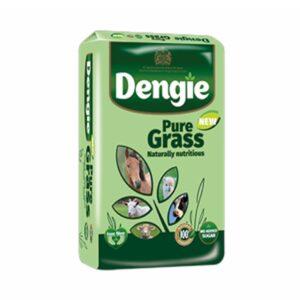
Pure Grass by Dengie is a grass grown in the Eastern counties of England. It is suitable for horses and ponies of all ages and work levels. It is ideal for horses with poor teeth as the short chop length makes it easier to chew.
Rhodes Grass Hay
FiberFiber
ForageForage
Gut HealthGut Health
NutritionNutrition
Rhodes Grass hay (Chloris gayana) is a perennial grass native to Africa that is cultivated as forage in subtropical regions, especially Australia.
Ryegrass (HorseHage)
ForageForage
IngredientIngredient
NutritionNutrition
Weight IssuesWeight Issues
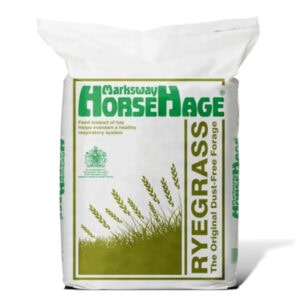
Ryegrass from HorseHage is ideal for hunters, heavy horses, young stock, and breeding stock. This feed contains 32% fiber, 6% NSC, and 9% protein, improving weight and condition.
Signalgrass Hay Brazil Fine Chop
FiberFiber
ForageForage
Gut HealthGut Health
NutritionNutrition
Signalgrass is a subtropical grass common to South America, Southeast Asia and the Pacific. It is a low-protein, high-fibre hay that can be fed to ruminants and horses.
Is Your Horse's Diet Missing Anything?

Identify gaps in your horse's nutrition program to optimize their well-being.