English



High performance horses are no different than the world’s top human athletes. Like professional soccer players or Olympic swimmers, elite equine athletes need to be extremely fit to consistently perform strenuous physical activity and compete at the top of their discipline internationally.
Wondering how to feed a high performance horse to keep them in peak condition? While the demands of exercise differ according to discipline, all competition horses have elevated nutrition requirements due to their increased exertion and training intensity.
But formulating a diet for a world-class sport horse is more complex than just fulfilling basic nutrient requirements. Your feeding program should also incorporate strategies to improve muscle health, promote exercise recovery, and decrease time to fatigue by supporting the physiological pathways involved in exercise.
Proper nutrition not only supports athletic performance but also promotes overall health, wellbeing, and readiness for competition. Follow this guide to optimize the diet of your high performance horse and help them live up to their fullest athletic potential.
Nutrition for Performance Horses
A high performance horse is an equine athlete that competes at or near the top level in equestrian sports such as show jumping, eventing, racing, endurance riding, and other disciplines requiring peak physical condition.
These horses undergo rigorous training regimens and participate in demanding competitions that require exceptional fitness, power, stamina and agility. To maintain peak performance, high performance horses need specialized care, including customized nutrition plans designed to meet their unique needs.
Competition horses face more than just the rigors of intense training and showing schedules. Stressors such as frequent long-distance travel, unfamiliar housing during competitions, and changing environments, social groups and feeding routines all contribute to increased demands on these horses. [1]
These factors explain why performance horses have an increased risk of gastric ulcers, and a greater prevalence of respiratory problems and joint issues. [2]
Managing these risks involves attentive care and precise nutrition. Implementing the right feeding program can safeguard the health and optimize the performance of these elite equine athletes.
Nutrient Requirements
The National Research Council’s (NRC) Nutrient Requirements for Horses (2007) outlines basic equine nutrition guidelines based on age, sex, physiologic status, and exercise level of the horse. [3]
While exercise load varies by discipline, high performance horses generally fall into the “heavy” and “very heavy” categories for exercise. Horses in these exercise levels require 60 – 90% more energy than a horse at maintenance, as well as higher amounts of protein and electrolytes. [3]
Table 1. Nutrient requirements for a 500 kg (1,100 lb) mature performance horse [3]
| Nutrient | Heavy Work | Very Heavy Work |
|---|---|---|
| Digestible energy | 26.6 mcal / day | 34.5 mcal / day |
| Protein | 862 grams / day | 1004 grams / day |
| Lysine | 37 grams / day | 43 grams / day |
| Calcium (Ca) | 40 grams / day | 40 grams / day |
| Phosphorus (P) | 29 grams / day | 29 grams / day |
| Sodium (Na) | 26 grams / day | 41 grams / day |
| Potassium (K) | 39 grams / day | 53 grams / day |
| Magnesium (Mg) | 15 grams / day | 15 grams / day |
These amounts represent the minimum intake necessary to prevent deficiencies during heavy and very heavy exercise. However, they may not reflect the optimal levels required to fully support your horse’s high-performance needs.
How to Formulate a Diet for High Performance Horses
Formulating an optimal diet for your elite horse is as important as planning their training regimen. Balancing the needs of competition horses means providing the fuel for peak performance, supporting post-workout recovery, ensuring competition-readiness, and supporting long-term health.
Horses competing in different equestrian disciplines may require different feeding strategies to meet requirements and optimize performance. The steps below encompass general strategies that apply to any performance horse. To customize your horse’s diet to their specific discipline, you can contact a nutritionist for additional fine-tuning.
1) Select High Quality Forage as the Foundation
Forage provides the foundation of the equine diet, supplying essential nutrients, supporting gut health, and promoting natural feeding behavior. Feeding a forage-based diet aligns with the horse’s digestive anatomy, helping to maintain a healthy gut microbiome while reducing the risk of digestive issues.
Fiber from fresh pasture or hay is fermented in the hindgut to provide a steady release of energy. Forage consumption also stimulates saliva production which helps buffer stomach acid, reducing the risk of gastric ulcers.
Additionally, a forage-based diet supports a horse’s evolutionary need for continuous grazing, promoting both physical health and mental well-being. Offering free-choice, high-quality forage can meet the majority of energy and protein needs for performance horses, while also preventing boredom and minimizing the risk of stereotypic behaviors.
Horse owners can select forage based on its quality, maturity, or species to maintain their horses in optimal condition while offering free-choice access. Horses in heavy or very heavy workloads often benefit from a combination of high-quality grass hay and legume hay, such as alfalfa, to meet their elevated energy and protein demands.
For horses in heavy work, opt for hay that is harvested early, also known as less mature hay. This type of hay is typically softer, leafier, and more palatable and nutrient-dense compared to coarse, stemmy hay. This helps encourage your performance horse to eat enough forage to meet their energy and protein demands.
The best way to determine the quality of hay is by submitting a sample for analysis. If a forage analysis is unavailable, knowing the plant’s maturity at harvest can help estimate the protein and energy content. [1]
How Much Hay to Feed?
As a horse’s exercise level increases, their appetite naturally increases, allowing them to consume more forage to meet their higher energy and protein demands. Providing free-choice access to forage ensures they can adjust their intake to match their appetite, reducing reliance on grain to support their workload.
Horses in heavy exercise typically consume approximately 2.5% of their body weight in forage dry matter daily, compared to 2% for horses at maintenance. For an average 500 kg (1,100 lb) horse, this equates to an additional 3 kg (6 lb) of hay per day to meet their increased energy and nutritional demands. [3]
Current research supports providing free-choice forage to performance horses. Standardbred racehorses in very heavy exercise can maintain their body condition and exercise performance on a diet consisting of high-energy, high-quality forage alone. [4]
Additionally, performance remained consistent in Standardbred trotters fed either a high-starch or a high-fiber diet. [5] This indicates that a forage-based diet with higher fiber content can provide similar performance results as a grain-based diet with higher starch levels.
If hay is being rationed due to management restrictions, it is important to ensure horses go no more than 3 – 4 hours without access to hay. This helps minimize the chance of developing gastric ulcers by keeping digesta in the stomach, protecting the stomach lining from contact with stomach acid and other gastric juices.
2) Provide Highly Digestible Energy Sources for Additional Fuel
Many performance horses need additional digestible energy sources in their diet to support performance and maintain a good body condition.
Horses in heavy work often require more calories than forage alone can supply. Selecting the right energy source to provide additional fuel is critical to meet increased energy demands and optimize performance.
Horses primarily derive energy from three macronutrients: carbohydrates, proteins, and fats. Each of these energy sources is digested, absorbed and metabolized differently, providing varying degrees of calories to the horse.
- Carbohydrates: Starches and sugars are quickly digested to provide immediate fuel, with any unused energy stored as glycogen or fat. Fiber, another carbohydrate source, is fermented in the hindgut to produce volatile fatty acids, which supply sustained energy.
- Protein: While protein contains a similar energy content to carbohydrates, it is not an efficient energy source. Instead, protein is primarily used to provide amino acids for building and repairing tissues, rather than fueling performance.
- Fats: Fats are the most energy-dense nutrient, providing twice as much energy as carbohydrates or protein, making them a highly efficient source of calories for horses.
Exercise Intensity and Accessible Energy
The body produces energy most efficiently from carbohydrates and fats. The type and duration of exercise determine whether a horse primarily burns carbohydrates or fats for energy.
On a forage-based diet, most energy is supplied by volatile fatty acids (VFAs) produced during the fermentation of fiber in the hindgut. VFAs provide a steady, long-lasting energy source for muscles.
Fats are often referred to as “slow-burning” because they take longer to convert into usable energy. This makes them an ideal energy source for horses engaged in prolonged, low to moderate-intensity exercise.
However, as exercise intensity increases, the demand for quickly accessible energy sources rises. Horses engaged in high-intensity work rely on “fast-burning” carbohydrates, such as glucose from the bloodstream and glycogen stored in muscles. These energy sources provide the immediate fuel needed to support intense bursts of power and speed. [1]
During intense exercise, the energy derived from fats and carbohydrates cannot be replenished as quickly as it is expended. Fatigue occurs as horses deplete these energy stores, particularly if a horse does not have adequate glucose or glycogen reserves. A depletion of about 30% in glycogen stores can significantly reduce a horse’s performance capacity. [5]
To prevent this, horses need a diet that promotes optimal energy reserves before exercise. This includes feeding energy-dense nutrients, such as high-quality forage, concentrated sources of carbohydrates, and fat supplements, tailored to the horse’s workload and intensity of exercise.
What's your top priority with your horse's health?

What's your top priority with your horse's health?
The Trouble with Excess Grain
Historically, the energy demands of working horses were met with cereal grains like oats, corn, or barley. These feeds are rich in starch and quickly digested in the horse’s foregut.
While starch is a valuable energy source, excessive amounts can disrupt digestive health, potentially causing hindgut dysbiosis and increasing the risk of colic and gastric ulcers. For this reason, large starch-based meals should be avoided in the equine diet.
Instead, supplemental energy can be provided by digestible fiber and fat. Highly fermentable fiber such as beet pulp, soybean hulls, or wheat middlings can be used to increase the energy density of the diet.
These fiber sources are readily fermented in the hindgut to provide slow-release energy. Substituting a portion of grains with these fibers supports digestive health and promotes a healthy microbiome.
High-Fat Diets
Another option is to feed a high-fat diet to increase reliance on slow-burning fats. Horses adapted to a high-fat diet can preferentially utilize fat for energy during exercise. [6] This helps preserve glycogen stores and limit fatigue during high-intensity exercise.
Fats are very calorie-dense, providing 2.25 times more calories per gram than carbohydrates or protein. Oils, which supply 100% of their calories from fat, are the most energy-dense ingredients available for equine diets. This means they can substantially increase the calorie content of the diet without adding bulk to your horse’s meals.
Fat supplements also provide metabolic advantages over other calorie sources. For example, the digestion and metabolism of fat generate less body heat compared to carbohydrates and proteins. This means horses deriving more energy from fat use less energy to regulate their body temperature. [7]
Oil sources for high performance horses include canola oil, vegetable oil or Mad Barn’s w-3 Oil. Other high-fat feeds include rice bran and flaxseed.
When selecting an oil, prioritize sources rich in omega-3 fatty acids, specifically DHA and EPA. These essential fatty acids are found in marine sources such as fish oil and microalgae.
Unlike plant-based oils such as flaxseed or camelina oil, which contain ALA, oils with DHA and EPA are recognized for their ability to support the healthy regulation of inflammation in the body.
These omega-3 fatty acids play a critical role in maintaining joint health, respiratory function and cardiovascular health, making them particularly beneficial for performance horses. [8][9][10][11]
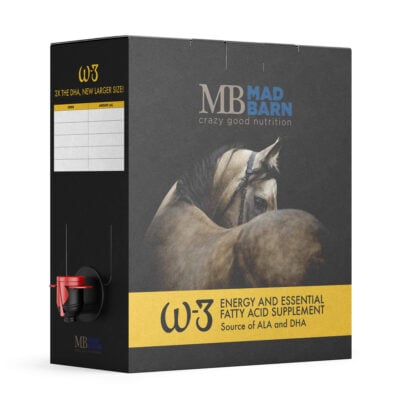
Mad Barn’s w-3 Oil provides 1,500 mg of DHA per 100 mL serving from palatable microalgae. W-3 Oil also contains high levels of natural Vitamin E to support exercising horses.
3) Add Starch & Sugar Carefully
Starch and sugar serve as readily available energy sources that can support performance and replenish glycogen stores. Common dietary sources of these nutrients for horses include cereal grains such as oats, corn, and barley, as well as molasses and many commercial feeds.
Moderate amounts of starch and sugar can be beneficial for horses engaged in high-intensity activities, such as racing Quarter Horses and Thoroughbreds.
However, horses evolved to graze continuously, and do not have the capacity to digest large amounts of starch in a single meal. Feeding excess starch can overload the digestive system, leading to issues such as hindgut acidosis, ulcers, colic, and reactive behavior. [1]
If your horse’s diet is already well-balanced, adding a moderate amount of a single-ingredient feed like oats can be an easy and cost-effective way to increase energy intake for performance. But, it’s important to avoid overfeeding starch in the total diet, as well as in individual meals.
To minimize the risk of digestive problems, horses should be fed no more than two grams of starch per kilogram of body weight per meal. For a feed like oats, which contains 40 – 50% starch, this translates to around 2 kg (4.5 lb) per meal for a 500 kg (1,100 lb) horse. [12]
It’s important to note that this guideline reflects the maximum starch intake for horses. Many horses do not require such high levels to support performance. By providing energy from a blend of starch, fiber, and fat, you can fuel performance needs while minimizing the risk of digestive and behavioral issues.
Timing of grains pre-exercise
When grains are fed relative to exercise is important, especially for horses engaged in short, high-intensity exercise such as Thoroughbred racehorses. These athletes should have optimal glycogen and fat stores before the race to fuel their performance. A horse that does not have sufficient glycogen might fatigue faster in the race and have less capacity for high-intensity exercise. [13]
After a high starch or sugar meal, the hormone insulin drives glucose into muscle cells and activates glycogen synthesis to store glucose. However, this blocks glycogen breakdown. If the horse is exercised while insulin levels are elevated after a meal, muscle might not be able to make the best use of its glycogen stores and fat mobilization will also be decreased. [14]
For racehorses, it is recommended to feed grain meals no less than 4 hours before exercise. This will optimize fuel availability to support short, high-intensity exercise. To avoid exercising on an empty stomach, a small hay meal or beet pulp can be fed 1 – 1.5 hours prior to exercise to help reduce the risk of gastric ulcers.
For endurance horses, re-fueling during the extended ride will be necessary, particularly for upper level competitions. These horses should also begin the event with fully replenished glycogen stores to fuel their work. Because muscle will be primed for high glucose uptake, these horses are less likely to experience prolonged glucose and insulin spikes after feeding a high starch/sugar meal.
For endurance horses, feeding grains 1.5 hours before the next work may help maintain stable sugar levels. Alternatively, if timing is difficult, hay along with beet pulp and wheat bran should be sufficient to meet their energy and protein needs.
4) Optimize Protein Intake
All horses need adequate protein to support their muscles and overall health. Protein is required to build and repair tissues, produce enzymes and hormones, and maintain a healthy immune system.
For performance horses, protein requirements are significantly higher due to the demands of intense training. Feeding adequate protein supports muscle strength, endurance, and recovery, ensuring equine athletes are competition-ready.
Protein needs can often be met by feeding a combination of high-quality grass and alfalfa hay. To confirm your forage meets these requirements, conduct a hay analysis.
While it’s essential to provide enough dietary protein, excess protein offers no benefit and may negatively affect water balance and disrupt hindgut function. It can also displace fats and carbohydrates in the diet, which are more accessible sources of energy for working horses.
If forage alone doesn’t supply enough protein, highly digestible options like alfalfa, soybean meal, or canola meal can effectively fill the gap.
5) Ensure a Balanced Amino Acid Profile
There are 21 different amino acids that serve as the building blocks of proteins, but only ten are considered essential for horses. These amino acids cannot be synthesized by the horse and must be supplied in the diet.
Lysine, threonine, and methionine are “limiting” amino acids, which means they are the essential amino acids that are most likely to be deficient in a horse’s diet. Adequate levels of these amino acids are critical for building muscle, especially in elite equine athletes to support conditioning and recovery.
Diets that do not meet amino acid requirements are likely to result in: [1]
- Loss of lean muscle mass
- Poor growth
- Slow recovery from illness
- Poor performance
- Rough coat
- Weak hooves
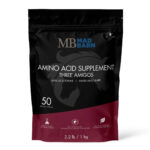
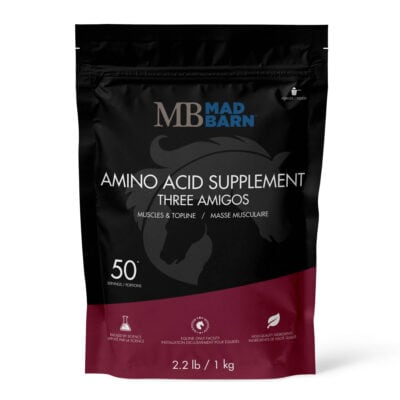
Mad Barn’s Three Amigos is an essential amino acid supplement that provides a balanced blend of lysine, threonine, and methionine. Feeding Three Amigos improves protein quality in the diet, supporting muscle health and overall performance.
Branched-chain amino acids (BCAAs)
Branched chain amino acids (BCAA), including leucine, isoleucine, and valine, also play a crucial role in protein synthesis, muscle growth, and energy production. Supplementing with higher quantities of BCAAs has been proposed to support muscle recovery after exercise, reduce fatigue, and improve body composition in horses.
However, studies show mixed results with some finding no significant benefits of BCAA supplementation on exercise-related metabolites, muscle enzymes, gene expression linked to muscle function, or markers of muscle damage and metabolism. [15][16][17]
Interestingly, changes in circulating BCAA concentrations following exercise differ greatly between disciplines, suggesting that BCAA metabolism is highly complex. [18] More research is needed to determine whether BCAAs may provide support for exercise performance in horses of differing disciplines.
6) Prevent Vitamin & Mineral Deficiencies
Meeting vitamin and mineral requirements is essential for ensuring optimal health, performance, and longevity in all horses. Performance horses in particular have heightened demands for key vitamins and minerals, also known as micronutrients.
Deficiencies in vitamins or minerals can result in diminished performance, slow hoof growth, poor coat quality, slow workout recovery, changes in behavior and impaired immune response.
Mad Barn’s analysis of over 6,500 equine diets revealed that zinc, copper, selenium, and vitamin E are commonly underfed to horses. This is especially relevant for high performance horses, whose increased nutrient demands during heavy or very heavy exercise heighten the risk of deficiencies.
The most effective way to prevent micronutrient deficiencies is by providing a complete vitamin and mineral supplement. Bagged feeds typically require high feeding rates to meet these requirements, making them less practical than concentrated supplements or ration balancers.
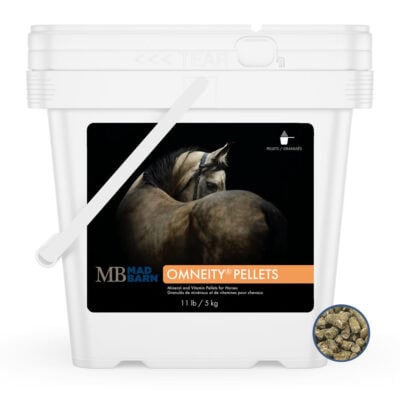
Mad Barn’s Omneity® is a comprehensive vitamin and mineral supplement designed to meet the nutrient requirements of performance horses. Omneity® is formulated with high-quality ingredients, including 100% organic trace minerals, high-quality protein, yeast, and full B-vitamin fortification, including a nutritionally effective level of biotin per serving to support hoof and coat health. [3]
7) Ensure Adequate Antioxidant Intake
Horses generate energy through oxidative processes, which result in the formation of reactive oxygen species (ROS). During exercise, horses work harder and require more energy, leading to increased ROS production.
ROS interact with DNA, lipids, and proteins, causing changes in their structure and function, as well as the accumulation of electrons (free radicals) in the tissue. Some oxidation of these molecules is important for normal function, and can stimulate healthy adaptation of muscles and other tissues to exercise. However, excessive accumulation of free radicals can result in oxidative damage.
Antioxidants are molecules in the horse’s body that work to neutralize free radicals and prevent damage to cells and tissues. Important antioxidants in the horse’s body include: [19]
- Vitamins: e.g., Vitamin E, vitamin C, Vitamin A
- Minerals: e.g., selenium, zinc, copper, manganese
- Enzymes: e.g., glutathione peroxidase, superoxide dismutases
- Proteins
Vitamin E is one of the most important antioxidants for exercising horses, playing a key role in protecting muscle cells from oxidative damage. Vitamin E incorporates into cell membranes and protects lipids and other molecules from free radicals. Supplementing with 4,000 IU per day of natural vitamin E has been shown to improve the oxidative and inflammatory response to exercise in horses. [20]
There is also evidence of a synergistic relationship between vitamin E and vitamin C. Research suggests that vitamin C may help recycle or spare vitamin E to maintain antioxidant status in the body. [3] While horses generally produce sufficient vitamin C to meet their physiological requirements, supplementation may be beneficial for horses in heavy exercise.
Selenium, zinc, copper, and manganese are trace minerals that are critical for the function of antioxidant enzymes, such as glutathione peroxidase, Cu-Zn superoxide dismutase, and Mn-superoxide dismutase.
These enzymes work together to neutralize reactive oxygen species (ROS), such as superoxide, by converting them into less harmful molecules like water, thereby protecting cells from oxidative damage.
Table 2. Minimum antioxidant requirements for a 500 kg (1,100 lb) mature horse [3]
| Nutrient | Heavy Work | Very Heavy Work |
|---|---|---|
| Vitamin E | 1000 IU / day | 1000 IU / day |
| Copper | 125 mg / day | 125 mg / day |
| Selenium | 1.25 mg / day | 1.25 mg / day |
| Zinc | 500 mg / day | 500 mg / day |
8) Meet B-Vitamin Requirements to Support Energy Metabolism
B vitamins are essential for various physiological processes, including energy and amino acid metabolism, electrolyte balance, antioxidant and anti-inflammatory functions, circulation, neural activity, and immune health.
The B-vitamin group includes:
- Thiamine (B1)
- Riboflavin (B2)
- Niacin (B3)
- Pantothenic acid (B5)
- Pyridoxine (B6)
- Biotin (B7)
- Folate (B9)
- Cobalamin (B12)
For performance horses, B vitamins are particularly important as they support the generation of energy from fats and carbohydrates. Important functions include:
- Supporting enzymes involved in carbohydrate metabolism and glucose production
- Facilitating lipid synthesis, oxidation, and storage
- Maintaining oxidative energy metabolism
Currently, only the requirements for thiamine and riboflavin have been established in horses. Clinical deficiencies of other B-complex vitamins are rare, as horses generally produce sufficient amounts through microbial fermentation in the hindgut to meet their needs. [3]
However, heavily exercising horses may have an elevated demand for these nutrients because of their increased energy metabolism. In addition, digestive issues commonly reported in heavily exercising horses may negatively affect microbial function and synthesis of these vitamins in the hindgut.
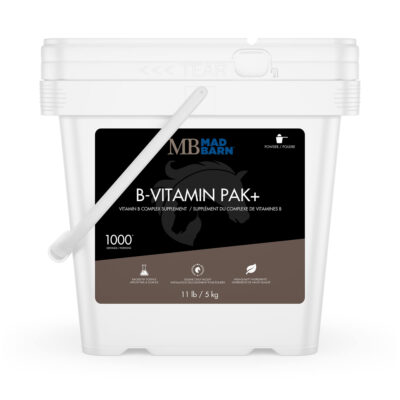
Horses receiving a complete vitamin and mineral supplement generally have their needs for B vitamins adequately met. However, some less comprehensive supplements may lack full B-vitamin fortification. In these cases, it might be necessary to add a targeted supplement, such as Mad Barn’s B Vitamin Pak , to ensure optimal nutritional support.
9) Ensure Adequate Hydration
Horses require water for many different bodily processes including maintaining fluid balance, digestive function, and body temperature (thermoregulation). All horses require 24/7 access to fresh, clean water. This is especially important for heavily exercising horses, who may lose around 20 L (5 gal) of water in sweat during prolonged, intense exercise. [3]
The total daily water intake for an average-sized exercising horse can range from 36 – 92 L (9.5 – 24 gal) per day. Environmental and situational factors, such as air temperature, humidity, exercise duration and intensity, and transportation to and from events, can further influence water requirements. [3]
Horses can meet their water requirement through drinking as well as by consuming feeds and forages, but water content in these sources varies significantly. For example, while pasture may contain around 80% water, hay typically contains only 10 – 15% water. [3] Additionally, factors like the fiber, protein, and mineral content of the diet can influence water intake. [3]
Dehydration occurs when a horse loses 5% of its total body water — equivalent to about 15 L (4 gal) for an average-sized horse. Dehydration can impair critical bodily functions and lead to deficits in cognitive function and performance. [21] If untreated, dehydration can escalate to heat stress, a potentially life-threatening condition.
To ensure your performance horse stays adequately hydrated, follow these management practices: [3]
- Providing constant access to fresh, high-quality water, ensuring it is free from contaminants, odors or foul tastes that might discourage drinking
- Feeding a minimum of 2 ounces (4 tablespoons) of plain loose salt with your horse’s feed every day to meet sodium requirements and promote thirst
- Supplementing with electrolytes to stimulate water intake and replace minerals lost through sweat, particularly during periods of heavy exercise or heat stress
- Offering water in familiar containers or buckets, especially when traveling to reduce reluctance caused by unfamiliar tastes or smells
- Offer both plain water and electrolyte-supplemented water using a familiar-tasting product
- Stopping frequently during long-distance trailer travel to offer water breaks and prevent dehydration
- Soaking hay or feed to increase water intake through forage and meals, especially during travel or intense training periods
- Monitoring daily water intake to identify any changes that may indicate potential health concerns or environmental stress
Stay vigilant about dehydration in hot or humid conditions to reduce the risk of heat stress or heat stroke. Use Mad Barn’s Equine Air Quality Index Calculator to assess if conditions in your location are safe for exercise and adjust your training regimen as needed.
10) Support Mitochondrial Function to Enhance Energy Production
Mitochondria, known as the “powerhouse of the cell,” are responsible for aerobic metabolism, which uses oxygen to convert fats and sugars into energy. This process produces adenosine triphosphate (ATP), the primary energy currency for cellular functions like muscle contraction and ion transport.
Aerobic metabolism is much more efficient than anaerobic metabolism, producing more ATP and fewer byproducts like lactic acid. For high-performance athletes, building aerobic capacity is beneficial because it enables muscles to rely on this more efficient energy system, supporting sustained performance during prolonged exercise.
 Illustration: Dr. Ana Mesa, PhD
 Mitochondrial energy production can be improved by supporting their function or by increasing the number of mitochondria in muscle cells. Research shows that providing antioxidant support with supplements like CoQ10 and acetyl-L-carnitine helps improve mitochondrial density and function.
Coenzyme Q10
Coenzyme Q10 (CoQ10) is a powerful antioxidant that is synthesized in every cell of the horse’s body. It plays a pivotal role in the production of ATP. Besides directly protecting cells from free radical damage, CoQ10 also supports the antioxidant capacity of other antioxidants, such as vitamins C and E. [22]
In a study of Thoroughbred racehorses, researchers observed a significant decrease in plasma CoQ10 levels following high-intensity exercise. Lower CoQ10 levels could negatively impact exercise performance, suggesting heavily exercising horses may benefit from supplementation. [23]
Supplementing Thoroughbreds in heavy exercise with CoQ10 led to adaptations in ATP production, which may help minimize accumulation of free radicals. [24] However, further research is needed to fully understand how this finding translates to improvements in performance.

Acetyl-L-Carnitine
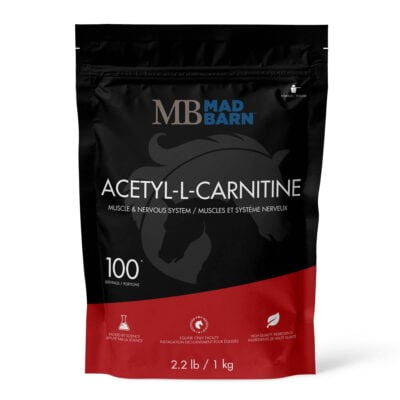
Acetyl-L-Carnitine (ALCAR) is a naturally occurring metabolite of the amino acid L-carnitine that plays a critical role in energy metabolism. [25]
It supports mitochondrial function and offers several benefits, including: [26][27][28]
- Supports energy production: Helps regulate energy balance at the cellular level
- Optimizes use of fuels: Maintains the balance of aerobic and anaerobic energy metabolism during exercise
- Supports post-exercise care: Reduces stiffness from training in active horses
Feeding ALCAR is particularly beneficial for horses with high energy demands, such as those involved in racing, jumping, dressage, or other forms of intense training.
11) Improve Stamina and Delay the Onset of Fatigue
In an athletic setting, “fatigue” describes when the body is no longer able to perform exercise at the expected level of intensity, accuracy, or speed. Fatigue results from physical, biochemical, and mental changes that occur during exercise.
Key factors contributing to the onset of fatigue in performance horses include: [29][30]
- Energy Store Depletion: Glycogen, a stored form of glucose in the muscles and liver, serves as a quick source of energy during intense or prolonged exercise. When glycogen stores are depleted, the body shifts to aerobic fat metabolism, which produces energy more slowly. This delay in energy availability contributes to fatigue by limiting the amount of energy immediately available to muscle.
- Buildup of Metabolites: Exercise results in the accumulation of metabolites like inorganic phosphate and hydrogen ions, which are cellular waste products that can impair performance in muscle cells. Hydrogen ions directly cause a reduction in the force and velocity of muscle contractions, while inorganic phosphates decrease contraction force and reduce turnover of the enzyme that hydrolyzes ATP during muscle contraction.
- Dehydration and Electrolyte Imbalances: High rates of water and electrolyte loss through sweating can contribute to rapid build-up of waste products in the muscle during exercise.
Delaying the onset of fatigue improves performance by allowing the horse to sustain a higher level of intensity, speed, and agility for a longer duration.
The following factors can help reduce the risk of exhaustion and improve stamina in heavily exercised horses: [29]
- Addressing Health Conditions: Horses with medical issues like lameness, respiratory issues, or cardiovascular disease fatigue faster. Diagnosing and managing health concerns can help to limit their impact on performance.
- Boosting Conditioning: Horses that are not properly conditioned to perform in their discipline fatigue faster. Sound training and conditioning can help your horse adapt to their exercise demands and prevent early fatigue.
- Monitoring Hydration Status: Adequate hydration helps horses regulate their body temperature and supports muscle function. Ensuring proper fluid and electrolyte intake can prevent fatigue related to heat stress and dehydration.
- Improving Diet and Recovery: Glycogen depletion deprives horses of quick sources of fuel, which can lead to faster fatigue. Ensure your horse is fed an adequate amount of carbohydrates and fat, and provide plenty of time between competitions and exercise to allow your horse to replenish their glycogen stores.
12) Optimize Feeding Schedules on Competition Day
Properly timing your horse’s feeding schedule on competition day can significantly impact their glycogen stores, energy levels, and overall performance. An ideal diet provides the optimal balance of fuel to support competition demands and delay fatigue.
When feeding horses on competition day, consider the following: [29]
- Ensure adequate electrolyte intake and encourage hydration
- Provide easily digestible carbohydrates to support glycogen maintenance
- Provide fat to encourage glycogen sparing and fuel aerobic metabolism
It is important to time meals correctly relative to exercise to avoid suppressing fat metabolism and accelerating carbohydrate use during exercise. To achieve this, it is recommended to provide a carbohydrate and fat supplemented meal at least three hours before competition. [29]
High-quality hay should also be available to horses before competition. Forage buffers stomach acid to reduce the risk of digestive issues, including gastric ulcers.
However, during some high-intensity events, having a large volume of forage in the digestive tract introduces excess weight for horses to carry, and may negatively impact performance. As an alternative, feed several small meals of high-quality hay prior to competition to prioritize both digestive health and performance. [31]
For horses in longer-lasting, lower-intensity competitions, feeding a high fiber meal with a high water holding capacity before exercise may be beneficial. Fibers such as beet pulp may help to create a fluid reservoir in the gut to prevent dehydration during endurance events. [32]
13) Replenish Electrolytes Lost in Sweat
Horses are among the sweatiest mammals, losing significant amounts of fluid and electrolytes through sweat during exercise. Horses rely heavily on sweating as their primary mechanism for dissipating heat generated by muscle activity.
Equine sweat contains electrolytes like sodium, potassium, chloride, calcium, and magnesium that must be replenished by the horse’s diet. These minerals serve important functions in muscle and other tissues, especially for exercising horses.
Sodium also acts on thirst centres in the brain where high blood sodium and low blood volume will stimulate water intake. [33] However, although horses lose large volumes of sweat, their blood sodium levels remain mostly stable due to sodium from extracellular fluid entering plasma. [21] Therefore, despite losing large volumes of sweat, a horse might not be internally triggered to drink sufficient water.
To replenish electrolytes lost through sweat, ensure your horse receives enough salt in their diet and provide electrolyte supplementation before and after exercise. This will help encourage water intake to support rehydration along with sodium replenishment.
Regardless of exercise level, all horses require additional salt in their diet because commercial grains, hay, and grass do not provide enough sodium to meet their daily requirements. Horses should receive a minimum of 2 ounces (4 tablespoons) of salt per day and have free-choice access to plain, loose salt in their environment.
Additionally, feeding an equine-specific electrolyte supplement helps replenish sweat losses due to exercise or hot and humid conditions. Choose a supplement that provides the correct balance of sodium, potassium, calcium, and magnesium to effectively restore electrolyte levels.
Electrolyte supplements that provide a sugar source, such as dextrose, help increase the absorption of electrolytes from the gut. Sugar also provides a substrate for replenishing glycogen stores in muscle. [34]
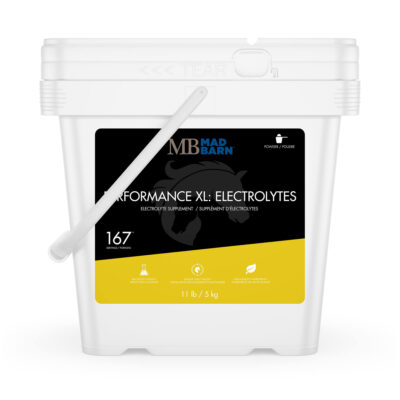
Mad Barn’s Performance XL is an electrolyte designed to meet the needs of high-performance horses. Performance XL is scientifically formulated to replace the electrolytes lost in sweat and contains added Vitamin E and Vitamin C to support post-workout care.
Timing of electrolyte supplementation
For short-duration competitions, like flat racing or barrel racing, horses should be encouraged to drink an electrolyte solution one hour before exercise. This is especially important for horses that are transported prior to exercise, since horses can experience significant sweat losses during transportation. [35]
For longer-duration events like endurance races or cross country competitions, horses should be offered an electrolyte solution both before the competition and during rest periods. For any exercise lasting longer than one hour, electrolyte solutions should be provided regularly to prevent dehydration. [35]
After exercise, water and electrolytes should be provided before dry feeds to encourage rehydration and stimulate meal consumption. Horses can continue sweating for up to an hour after exercise, so post-exercise rehydration is critical. [35]
14) Enhance Post-Workout Recovery
The post-workout recovery period is critical for maximizing the benefits of exercise and preparing horses for their next training session or competition.
During exercise, muscle cells get damaged, resulting in soreness and fatigue. This damage activates the body’s immune response and stimulates muscle cells to repair and rebuild the tissue, strengthening it to withstand future workouts at the same or higher intensity.
Without adequate recovery, horses are at greater risk of overtraining, which can result in injury and decreased performance.
To support recovery, ensure your horse’s overall diet is balanced with adequate energy, amino acids, electrolytes, and antioxidants. These nutrients promote rehydration, replenish glycogen stores, repair muscle tissue, and combat oxidative damage.
Feeds like oats and oils provide energy, while supplements such as Performance XL and Three Amigos provide electrolytes and amino acids to support post-workout care.
15) Support Gastric and Hindgut Health
High performance horses are prone to gastric ulcers due to their exercise demands, high-stress lifestyle, travel schedule and grain-based diets.
Research shows that exercise reduces the pH of the stomach, resulting in a more acidic environment. Exercise can also cause stomach acid to splash onto the squamous mucosa — the sensitive lining of the upper stomach — leading to potential irritation or damage. [36]
Feeding meals, especially hay, before exercise can help reduce the risk of gastric ulceration. [36] Hay acts as a natural buffer for gastric juices and forms a fibrous mat in the stomach, minimizing acid splashing. [37]
However, even with an optimal diet, performance horses remain at risk for gastric issues due to unavoidable stressors such as trailering, frequent changes of environment and unpredictable schedules. While robust management can reduce the risk, it cannot entirely prevent ulcers in these horses.
For this reason, most elite equine athletes have gut supplements incorporated into their feeding programs to support gastric and hindgut health.
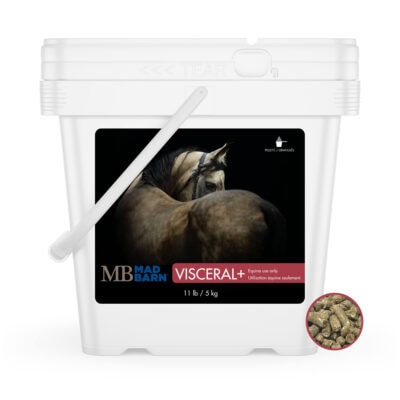
Mad Barn’s Visceral+ is an effective gut supplement developed in collaboration with veterinarians and clinically tested to support stomach health. Trusted by top athletes in every discipline, Visceral+ is formulated with high-quality natural ingredients to maintain gastric and hindgut health, and support the immune system.
16) Support Joint Health
The joints of performance horses endure significant stress compared to those in lighter workloads or leisure horses.
Repetitive, high-impact movements such as jumping, galloping, and executing precise maneuvers place strain on joint structures, including cartilage and synovial fluid.
- Cartilage at the ends of bones serves as a shock absorber, cushioning joints against the concussive forces generated during these activities
- Synovial fluid acts as a natural lubricant, reducing friction within the joint and enabling smooth movement
Exercise-associated strain can lead to joint inflammation and oxidative stress, which accelerates cartilage breakdown, reduces production of new cartilage, and impairs synovial fluid lubrication. [31]
High-performance horses with joint issues, such as osteoarthritis, face an increased risk of lameness and may be forced into early retirement. Prioritizing joint care is key to preserving their mobility, comfort, and long-term performance potential.
Maintaining a healthy body condition is paramount for joint health. Overweight horses put additional strain on their joints, increasing the risk of wear-and-tear injuries. On the other hand, under-muscled horses may struggle to perform movements correctly, which can lead to improper mechanics and a higher likelihood of injury. [31]
Other strategies to support joint health in elite performance horses include feeding a balanced diet and providing anti-inflammatory and antioxidant support to maintain healthy connective tissue.
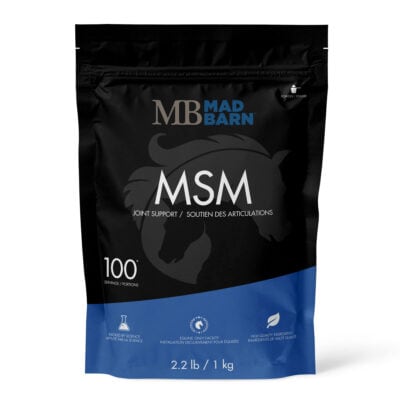
Methylsulfonylmethane (MSM) is a natural joint supplement that helps maintain collagen production, joint function and the normal regulation of inflammation.
Research also shows that MSM has antioxidant properties and can support recovery from heavy work. In one study of performance horses, it was shown to reduce biomarkers of oxidative stress following intense exercise. [38]
Docosahexaenoic acid (DHA) is an omega-3 fatty acid that supports normal homeostatic regulation of inflammation, helping to maintain joint health in horses. It has been shown to support mobility in healthy horses and those with osteoarthritis. [8][39]
In a systematic review on the efficacy of joint supplements, omega-3 fatty acids were found to have some of the best research evidence for supporting joint health. [40]
Mad Barn’s w-3 Oil is enriched with microalgae DHA to support joint function, connective tissue, skin and coat quality and more.
17) Support your Horse’s Respiratory Health
Exercise places greater demands on the respiratory system, making respiratory health essential for performance. The primary role of the respiratory system is to deliver oxygen to the bloodstream and remove carbon dioxide from the tissues, supporting energy production in muscles during exercise.
Respiratory health directly impacts a horse’s ability to sustain exercise, recover efficiently, and perform at peak levels. Compromised respiratory function can limit oxygen delivery, reduce stamina, and impair recovery.
Performance horses are at higher risk of respiratory issues due to factors such as: [31][41]
- Stabling: Performance horses often spend more time stabled than other horses. There is typically less ventilation and air flow in stalls compared to fields and paddocks, leading to increased exposure to dust
- Transportation: Limited ventilation, prolonged upright head posture, and the presence of airborne contaminants in trailers contribute to respiratory issues like shipping fever during and after travel
- Disease Exposure: When horses travel to competitions, they are more likely to come in contact with other horses that carry infectious respiratory diseases
- Stress: The stress of travel and competing may also compromise the immune system, increasing vulnerability to respiratory issues
Preventive management strategies are integral to maintaining respiratory health and optimizing athletic performance. Key practices include:
- Improve ventilation: Maximize turnout time, ensure barns are well-ventilated, and keep stalls clean to minimize the effect of poor air quality on respiratory health in performance horses.
- Check air quality: Consult Mad Barn’s Equine Air Quality Index prior to working your horse to ensure conditions are safe for training. If poor air quality is detected in your region, modify or avoid exercise.
- Optimize transportation: Allow horses to lower their heads during transport to promote drainage of the respiratory tract. Improve airflow in the trailer, keep it clean, and minimize dust to limit negative impacts on the respiratory system.
- Limit exposure to disease: Vaccinating your horse against common respiratory diseases and minimizing exposure to unfamiliar horses at competitions reduces the risk of contracting respiratory diseases. Complying with all biosecurity and quarantine protocols before, during, and after travel helps protect all horses from disease transmission.
To reduce the number of microscopic particles your horse inhales, implement feeding practices like providing low-dust hay and soaking or steaming hay. These practices help limit airborne dust.
Certain nutritional supplements have been shown to support overall respiratory function. Key options include: [9][42][43]
- DHA (Docosahexaenoic Acid):
- Supports a normal inflammatory response, helping to maintain respiratory health in horses with exercise-induced respiratory challenges.
- Mad Barn’s w-3 Oil is enriched with DHA to support respiratory function and homeostatic regulation of inflammation.
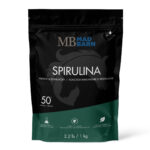
- Spirulina:
- Provides antioxidant and antihistamine support to help maintain a healthy respiratory system and reduce oxidative stress in horses with seasonal allergies.
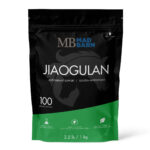
- Jiaogulan:
- Supports healthy circulation and promotes normal bronchodilation and airway function to maintain respiratory efficiency.
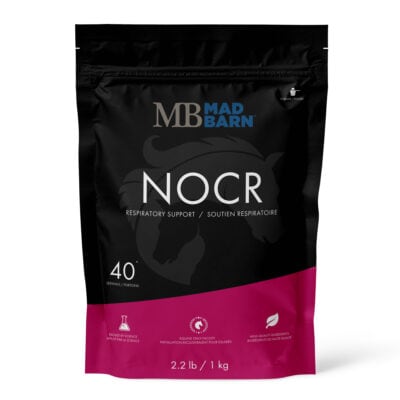
A field study demonstrated that feeding 2 grams of jiaogulan and 20 grams of spirulina twice daily significantly reduced coughing, snorting, and headshaking in horses with respiratory health concerns. [43]
18) Work with a Nutritionist
While you focus on everything required to train your horse to excel in their discipline and prepare for competition, staying up-to-date with the latest research-backed feeding practices can be challenging. Working with a professional equine nutritionist ensures you have access to cutting-edge strategies that drive results and keep your horse performing at their best.
A qualified equine nutritionist will evaluate your horse’s feeding plan to ensure it meets optimal requirements for energy, protein, vitamins, and minerals based on their training program and competition schedule. They will also recommend targeted nutraceuticals to support your horse’s individual needs and performance goals in their specific discipline.
Ongoing nutrition support also ensures your horse’s diet adapts as training intensity, competition schedules, and health needs evolve.
Working with an equine nutritionist ensures you receive expert guidance to optimize every aspect of your horse’s diet, including:
- Interpreting hay analyses to ensure your horse’s forage is appropriate for your horse and adequately balanced
- Selecting feeds and supplements to meet precise nutritional requirements
- Addressing special care needs unique to heavily exercising horses, such as gut, respiratory and joint support
- Designing competition-day feeding plans to maximize performance and post-exercise recovery
- Adjusting the diet during the off-season to maintain condition and prevent oversupply of nutrients
- Creating transition plans for safe and gradual dietary changes to avoid digestive issues
Mad Barn’s equine nutritionists have supported elite athletes at every level of competition, including Olympic athletes and Grand Prix riders.
With this level of personalized nutrition expertise, you can help unlock your horse’s full potential so they are ready to compete for a place at the top of the podium.
Sample Diet
The example diet below provides a general template for feeding a mature 500 kg (1,100 lb) horse in heavy work. The primary goal of this diet is to meet nutrient needs while avoiding over- or under-supplying energy. The diet is fully balanced with essential vitamins, minerals, and salt, with added digestive support for gastric and hindgut health.
While this sample plan offers a general framework for feeding high-performance horses, all diets should be customized to your horse’s specific discipline. For example, endurance horses and racehorses may have similar nutritional requirements but require different diet formulations to meet the unique demands of their activities.
Table 3. Sample diet for a mature 500 kg (1,100 lb) horse in heavy work
| Feed | Heavy Work Diet |
|---|---|
| (Amount per Day) | |
| Grass hay (10% crude protein) | 10 kg (22 lb) |
| Alfalfa hay (20% crude protein) | 1.5 kg (3.3 lb) |
| Steam Rolled Oats | 1 kg (2.2 lb) |
| Beet Pulp Shreds | 1.5 kg (3.3 lb) |
| w-3 Oil | 120 ml (4 oz) |
| Salt | 45 g (3 tbsp) |
| Omneity® Pellets | 120 g (4 scoops) |
| Visceral+ | 80 g (1 scoop) |
| Diet Analysis | |
| Digestible Energy (% of Req) | 111% |
| Protein (% of Req) | 165% |
| NSC (% Diet) | 13% |
| Fat (% Diet) | 3.9% |
Frequently Asked Questions
Here are answers to common questions horse owners ask about feeding high performance horses:
The best diet for a performance horse starts with high-quality forage, with additional concentrates and supplements added to match the horse’s workload. Forage supports gut health, provides steady energy through hindgut fermentation, and helps buffer stomach acid. When forage alone cannot meet calorie demands, additional energy can come from appropriately fed grain (for high-intensity work) and/or digestible fiber and fat sources to increase energy without excessive starch. Performance horses also require added salt and a balanced vitamin and mineral supplement to meet higher demands for electrolytes, trace minerals, and antioxidants such as vitamin E. [1][3][4]
Performance horses require substantially more energy than horses at maintenance. NRC guidelines estimate that a 500 kg (1,100 lb) horse in heavy work needs about 26.6 Mcal/day, and a horse in very heavy work needs about 34.5 Mcal/day. Individual needs vary based on discipline, temperament, and workload. [3]
Performance horses should be fed high-quality, early-cut forage that is more digestible and nutrient-dense than mature hay. Early-harvest grass hay provides higher energy and protein to support training demands, while adding some alfalfa can help meet increased needs for protein, calcium, and calories. Hay should be clean, palatable, and consistent, and offered free choice when possible to support gut health, steady energy supply, and buffering of stomach acid during exercise. [1][4]
Some performance horses benefit from starch-based feeds because starch provides fast energy and helps maintain glycogen for high-intensity work. However, large grain meals increase the risk of digestive upset and ulcers. Many programs use a blend of forage, digestible fiber, and fat, adding starch carefully only when needed for the discipline. [1]
Performance horses commonly need more in vitamin E and key trace minerals such as zinc, copper, and selenium, particularly when forage quality is inconsistent or fortified feeds are fed below recommended rates. Electrolytes, especially sodium and chloride, are also frequently underprovided despite substantial losses in sweat during training and competition. Because these nutrients support muscle function, antioxidant defense, hydration, and post-exercise recovery, most performance horses benefit from added salt, targeted electrolyte replacement, and a comprehensive vitamin and mineral supplement to meet increased demands and support recovery. [3]
Competition horses lose large amounts of water and electrolytes in sweat. Sodium, chloride, potassium, calcium, and magnesium must be replaced to support hydration, muscle function, and thermoregulation. Daily salt intake supports thirst, and electrolyte supplementation is often needed around heavy work, travel, and hot weather. [3]
Competition-day feeding should be adjusted to the demands of the specific discipline while prioritizing hydration, electrolyte replacement, and optimal energy availability. Horses in short, high-intensity events often benefit from having grain or concentrated feeds several hours before competition to support glycogen stores, while horses in longer-duration or lower-intensity disciplines rely more on forage, digestible fiber, and fat for sustained energy. Forage is commonly offered before work to support gastric comfort and reduce ulcer risk, and large meals should not be fed immediately before exercise. Because timing, starch tolerance, and fueling strategies vary widely between disciplines and individual horses, working with an equine nutritionist can help fine-tune competition-day feeding to optimize performance and recovery. [29]
Summary
The diet of a high-performance horse must go beyond ensuring basic nutrient requirements are met. The goal is to optimize the diet to support their performance and recovery from exercise. Take the following into consideration when planning your high performance horse's training and nutrition program:
- Tailor your horse's diet to support all aspects of training: exercise, recovery, and conditioning
- Switch to a free-choice, forage-based feeding regimen to maximize energy input and support optimal gut health
- Provide supplemental energy from readily available energy sources of fats and carbohydrates
- Provide high-quality forage to support high protein demands and digestive health
- Assess supplementation needs after the core diet is balanced
- Provide targeted support for muscle, joint, and respiratory health
The best way to fine-tune your performance horse’s diet is to work with a qualified equine nutritionist. Submit your horse’s diet online for a free analysis by our expert nutritionist to get individualized recommendations on the feeding and management of your high-performance horse.
References
- Pratt-Phillips, SE. et al. Chapter 4 - Nutrition of the Performance Horse. The Athletic Horse (Second Edition). 2014.
- Fazio, E. et al. Circulating beta-endorphin, adrenocorticotrophic hormone and cortisol levels of stallions before and after short road transport: stress effect of different distances. Acta Vet Scand. 2008. View Summary
- National Research Council. Nutrient Requirements of Horses. 2007.
- Ringmark S. et al. Effects of training distance on feed intake, growth, body condition and muscle glycogen content in young Standardbred horses fed a forage-only diet. Animal. 2017. View Summary
- Martin, A. et al. Effect of high-starch or high-fibre diets on the energy metabolism and physical performance of horses during an 8-week training period. Front Physiol. 2023. View Summary
- Pagan, JD. et al. Effects of fat adaptation on glucose kinetics and substrate oxidation during low-intensity exercise. Equine Vet J Suppl. 2002. View Summary
- Lacombe, V.A., et al. Interactions of substrate availability, exercise performance, and nutrition with muscle glycogen metabolism in horses. JAVMA. 2004.
- Woodward, A.D. et al. Supplementation of dietary long-chain polyunsaturated omega-3 fatty acids high in docosahexaenoic acid (DHA) increases plasma DHA concentration and may increase trot stride lengths in horses. Equine Comp Ex Physiol. 2007.
- Nogradi, N. et al. Omega-3 fatty acid supplementation provides an additional benefit to a low-dust diet in the management of horses with chronic lower airway inflammatory disease. J Vet Intern Med. 2015. View Summary
- Khol-Parisini, A. et al. Effects of feeding sunflower oil or seal blubber oil to horses with recurrent airway obstruction. Can J Vet Res. 2007. View Summary
- Erickson, H. et al. Review of Alternative Therapies for EIPH. Journal of Applied Phys. 2001.
- Geor, R.J. and P.A. Harris. How to minimize gastrointestinal disease associated with carbohydrate nutrition in horses. In-Depth: Practical Nutrition. 2007.
- Lacombe, V.A. et al. Muscle glycogen depletion and subsequent replenishment affect anaerobic capacity of horses. J Appl Physiol. 1985.
- Lawrence, L.M. et al. Effect of time of feeding on metabolic response to exercise. Equine Vet J. 1995.
- Stefanon, B., et. al. Administration of branched-chain amino acids to standardbred horses in training. JEVS. 2000.
- Kent, E., et. al. Comparison of an Antioxidant Source and Antioxidant Plus BCAA on Athletic Performance and Post Exercise Recovery of Horses. JEVS. 2023.
- Casini, L., et. al. Effect of prolonged branched-chain amino acid supplementation on metabolic response to anaerobic exercise in standardbreds. JEVS. 2000.
- Francesca, A., et. al. Dynamic Change of Serum Levels of Some Branched-Chain Amino Acids and Tryptophan in Athletic Horses After Different Physical Exercises. JEVS. 2019.
- Williams, C.A. HORSE SPECIES SYMPOSIUM: The effect of oxidative stress during exercise in the horse. JAS. 2016.
- Fagan, M.M., et. al. Form of Vitamin E Supplementation Affects Oxidative and Inflammatory Response in Exercising Horses. JEVS. 2020.
- Lindinger, M.I. Sweating, dehydration and electrolyte supplementation: Challenges for the performance horse. European Equine Health & Nutrition Congress. 2008.
- Rodick, T.C., et. al. Potential role of coenzyme Q10 in health and disease conditions. Nutrition and Dietary Supplements. 2018.
- Sinatra, ST. et al. Coenzyme Q10 in Equine Serum: Response to Supplementation. J Equine Vet Sci. 2013.
- Henry, ML. et al. Impact of Coenzyme Q10 Supplementation on Skeletal Muscle Respiration, Antioxidants, and the Muscle Proteome in Thoroughbred Horses. Antioxidants. 2023. View Summary
- Karlic, H. and A. Lohninger. Supplementation of l-carnitine in athletes: does it make sense?. Nutrition. 2004.
- Wall, B.T., et. al. Chronic oral ingestion of l-carnitine and carbohydrate increases muscle carnitine content and alters muscle fuel metabolism during exercise in humans. The Journal of Physiology. 2011.
- Fielding, R., et. al. l-Carnitine Supplementation in Recovery after Exercise. Nutrients. 2018.
- Johnson, S.E., et. al. A Carnitine-Containing Product Improves Aspects of Post-Exercise Recovery in Adult Horses. Animals. 2023.
- Munoz, A., et. al. Current Knowledge of Pathologic Mechanisms and Derived Practical Applications to Prevent Metabolic Disturbances and Exhaustion in the Endurance Horse. JEVS. 2017.
- Ament, W. and G.J. Verkerke. Exercise and Fatigue. Sports Medicine. 2012.
- Remillard, R.L., et. al. Equine Clinical Nutrition. Wiley. 2023.
- Jensen, R.B., et. al. The effect of dietary carbohydrate composition on apparent total tract digestibility, feed mean retention time, nitrogen and water balance in horses. Animal. 2014.
- Nyman, S. et al. Water intake and fluid shifts in horses: effects of hydration status during two exercise tests. Equine Vet J. 2010.
- Waller, A. et al. Electrolyte supplementation after prolonged moderate-intensity exercise results in decreased plasma [TCO2] in Standardbreds. Comp Exer Physiol. 2007.
- Lindinger, M.I. Oral Electrolyte and Water Supplementation in Horses. Vet Sci. 2022.
- Geor, R.J., et. al. Equine Applied and Clinical Nutrition. Elsevier. 2013.
- Hepburn, R. Gastric ulceration in horses. In Practice. 2011.
- Maranon, G. et al. The effect of methyl sulphonyl methane supplementation on biomarkers of oxidative stress in sport horses following jumping exercise. Acta Vet Scand. 2008. View Summary
- Manhart, D.R., et. al. Markers of Inflammation in Arthritic Horses Fed Omega-3 Fatty Acids. The Professional Animal Scientist. 2009.
- Vanderweerd, J-M., et. al. Systematic review of efficacy of nutraceuticals to alleviate clinical signs of osteoarthritis. Journal of Veterinary Internal Medicine. 2012. View Summary
- Padalino, B. Effects of the different transport phases on equine health status, behavior, and welfare: A review. Journal of Veterinary Behavior. 2015.
- Roughan, P.G. Spirulina: A source of dietary gamma-linolenic acid?. Journal of the Science of Food and Agriculture. 1989.
- Hinckley, K.A., et. al. Nitric oxide donors as treatment for grass induced acute laminitis in ponies. EVJ. 1996.