English
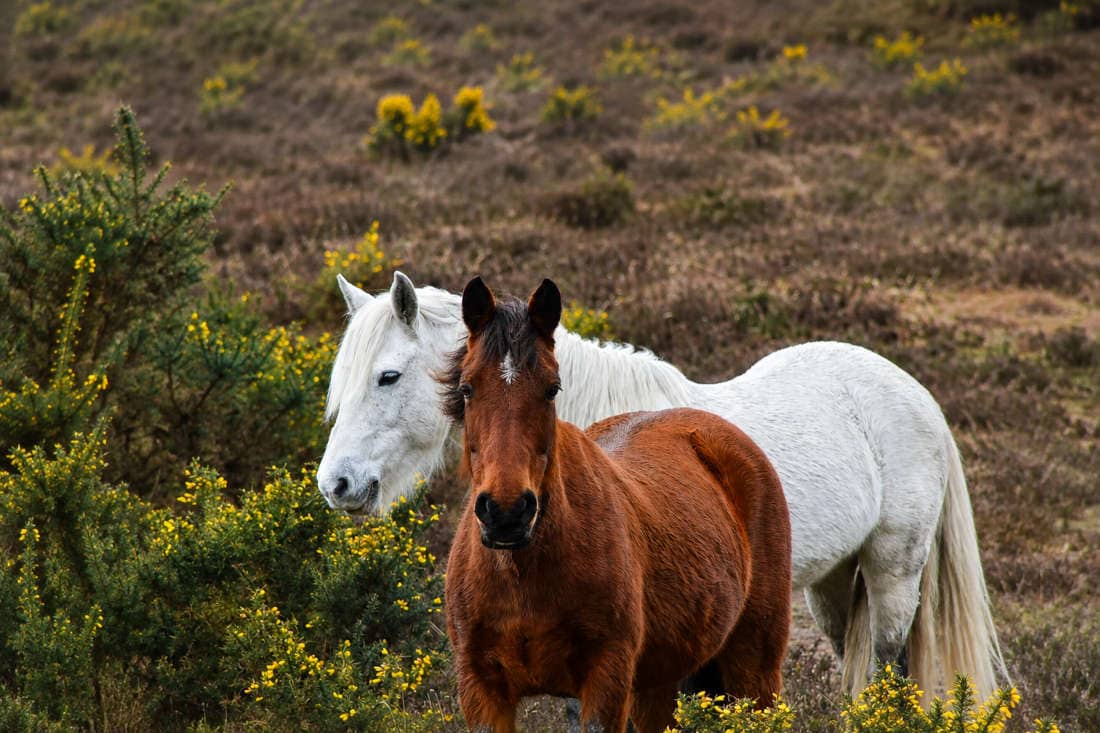
Fetterbush toxicosis in horses is an uncommon but potentially serious form of plant poisoning caused by ingesting shrubs from the Leucothoe genus and related species. These plants may be found in wooded environments or used in landscaping around farms and residential properties.
Although horses do not typically seek out fetterbush, exposure can occur when other forage is limited or toxic plant material is placed within reach. Because poisoning can affect several body systems, suspected ingestion warrants prompt veterinary attention.
Awareness of fetterbush and its potential hazards can help owners make informed decisions about pasture access, property maintenance, and emergency care. Early recognition and appropriate supportive treatment can improve the outlook for affected horses.
Keep reading to learn how to identify fetterbush, assess exposure risks, recognize possible poisoning, and understand the approaches to diagnosis, treatment, and prevention.
Fetterbush Poisoning in Horses
Fetterbush refers to several species of shrubs in the genus Leucothoe, which belongs to the heath, or Ericaceae, family. These ornamental and native woodland plants are valued for their glossy evergreen foliage and graceful clusters of white flowers.
Several species occur naturally in eastern North America, while others are cultivated in gardens and landscaped properties throughout temperate regions. [1][2]
Although less well-known than rhododendrons or mountain laurels, fetterbush plants contain the same group of toxins, known as grayanotoxins. These compounds interfere with the normal electrical activity of nerves, skeletal muscles, and the heart, producing gastrointestinal, neurologic, and cardiovascular dysfunction following ingestion. [1][2]
While these species present a toxic risk to horses, poisoning is typically uncommon. Most horses avoid browsing fetterbush when adequate forage is available, and the plants are typically found in wooded habitats rather than open pasture. However, exposure may occur when horses have access to forested paddocks, hedgerows, ornamental plantings, or freshly cut garden trimmings.
All parts of the plant are toxic to horses. Ingestion can result in lethargy, hypersalivation, colic, diarrhea, and weakness. More serious cases can involve paralysis or cardiac abnormalities.
Prompt veterinary assessment is recommended whenever exposure is suspected.
Toxic Species
Relevant toxic Leucothoe and Eubotrys species have several common names, including:
- Leucothoe axillaris: Coastal doghobble, coastal leucothoe, doghobble, fetterbush
- Leucothoe fontanesiana: Drooping leucothoe, mountain doghobble, doghobble, fetterbush
- Leucothoe davisiae: Sierra laurel
- Eubotrys racemosa: Coastal fetterbush, swamp doghobble, swamp sweetbells, sweetbells leucothoe
- Eubotrys recurvus: Mountain fetterbush, redtwig doghobble
Common names vary by region, particularly “doghobble” and “fetterbush,” which may refer to multiple related species.
Table 1. Fetterbush poisoning in horses-at-a-glance
| Category | Key Information |
|---|---|
| Definition |
|
| Primary cause |
|
| Common exposure routes |
|
| Onset |
|
| Symptoms |
|
| Severity |
|
| Treatment |
|
| Recovery time |
|
| Prognosis |
|
| Prevention |
|
Identification
Leucothoe species are evergreen or deciduous shrubs that typically grow 1 to 4 m (3 to 13 ft) tall. They have an upright, densely branched growth pattern and frequently form thickets in moist, shaded habitats.
Depending on the species, they may grow naturally in woodlands or be planted as ornamental shrubs in gardens and landscaped areas.
 Flowers
 Leaves and fruit
Several North American species are of toxicologic importance, including: [1][2][3]
- Coastal doghobble (Leucothoe axillaris)
- Drooping leucothoe (L. fontanesiana)
- Sierra laurel (L. davisiae)
The thick, leathery leaves are dark green, often glossy on the upper surface, and arranged alternately along the stems. Individual leaves are elliptic to oblong-lanceolate and typically measure 2 to 15 cm (1 to 6 in) long. Depending on the species, the leaf margins may be smooth, finely toothed, or slightly serrated. [1][2][3]
The flowers are among the plant’s most recognizable features. They develop in graceful, drooping clusters known as racemes, usually near the ends of branches. Individual flowers are small, waxy, creamy white, and shaped like urns or tubes with five short lobes. Many species produce lightly fragrant blooms during spring. [2]
After flowering, the plants produce small, rounded capsules divided into five compartments. These fruits are generally inconspicuous compared with the showy flowers and are less useful for field identification. [2]
Fetterbush species typically grow in moist, acidic soils along woodland edges, stream banks, bogs, and shaded forests. Some species naturally occur in coastal wetlands, while others are found in mountainous regions or moist upland forests. Because they prefer shaded habitats, horses are most likely to encounter them while grazing wooded paddocks or browsing along forest margins rather than in open pasture. [2]
Several members of the heath family have similar flowers and foliage, so positive identification may require expert assessment of the leaves, flowers, and habitat. Any unidentified ornamental or native shrub in a horse’s environment should be considered potentially toxic until correctly identified.
Table 2. Fetterbush identification guide for horse owners
| Plant feature | What to look for | Where or when it is most noticeable |
|---|---|---|
| Growth habit |
|
|
| Height |
|
|
| Leaves |
|
|
| Leaf shape and size |
|
|
| Leaf margins |
|
|
| Flowers |
|
|
| Fruit |
|
|
| Preferred habitat |
|
|
Toxicology of Fetterbush
All toxic species of Leucothoe and the closely related genus Eubotrys contain grayanotoxins, a group of naturally occurring compounds responsible for poisoning by many members of the heath family (Ericaceae). The toxins are present throughout the plant, including the leaves, flowers, stems, and nectar, and foliage is the most likely source of exposure for horses. [1][4][5]
Grayanotoxins bind to voltage-gated sodium channels, specialized proteins in the membranes of nerve, skeletal muscle, and cardiac muscle cells. Normally, these channels open briefly to allow sodium ions into the cell and then rapidly close, enabling the cell to return to its resting state and prepare for the next electrical impulse. [1][4][5]
Grayanotoxins prevent the channels from closing normally, leaving nerves and muscles in a persistent state of depolarization, or electrical activation. This prolonged activation disrupts normal nerve transmission, skeletal muscle contraction, and cardiac conduction, producing the characteristic neurologic, muscular, and cardiovascular effects of poisoning. [1][4][5]
Horses appear to absorb the toxins relatively quickly from the gastrointestinal tract, as clinical signs generally develop within several hours of ingestion. Evidence also suggests that the toxins are metabolized and eliminated relatively rapidly, with most affected animals recovering within a few days when appropriate supportive care is provided. [1][4][5]
Although members of the Ericaceae family share a similar mechanism of toxicity, grayanotoxin concentrations vary considerably among species, cultivars, and individual plants. Environmental factors and hybridization may also influence toxin concentrations, making it difficult to predict the toxicity of a particular shrub based on appearance alone. [4]
What's your top priority with your horse's health?

What's your top priority with your horse's health?
Symptoms of Fetterbush Poisoning in Horses
Clinical signs usually develop within several hours of ingestion and reflect the effects of grayanotoxins on the gastrointestinal, nervous, and cardiovascular systems. The severity of poisoning depends largely on the quantity of plant material consumed. However, published descriptions of clinical signs in horses remain limited, as horses do not tend to browse fetterbush if forage is available. [4]
Clinical signs of fetterbush poisoning in horses may include: [4][5][6]
- Lethargy
- Hypersalivation
- Colic
- Diarrhea
- Weakness
- Paralysis
Cardiovascular abnormalities may also occur because grayanotoxins interfere with the heart’s electrical conduction system. Owners should consider horses showing weakness or depression after known exposure at risk of more significant systemic effects until evaluated by a veterinarian. [5][6]
When to Call the Veterinarian
Contact a veterinarian immediately if a horse is known or suspected to have eaten fetterbush or another member of the heath family. Do not wait for clinical signs to appear before seeking guidance.
Signs that require prompt veterinary attention include:
- Lethargy or marked reluctance to move
- Excessive salivation, diarrhea, or signs of colic
- Weakness, difficulty standing, or paralysis
- Abnormal heart rate or rhythm
- Seizures or collapse
These signs can have multiple causes, so veterinary evaluation is necessary to assess the horse, support vital functions, and determine appropriate treatment. Early care may also help limit further toxin absorption and improve the likelihood of a full recovery.
Exposure Risk Factors
Fetterbush poisoning is primarily associated with wooded environments and ornamental landscapes rather than open pasture.
Most Leucothoe species grow naturally in moist, acidic soils along forest margins, stream banks, bogs, and shaded woodlands. [2] Horses may encounter them while browsing at pasture edges or in wooded paddocks. Several species are also widely cultivated as ornamental shrubs in residential gardens, parks, and landscaped equestrian facilities.
Horses generally avoid fetterbush when adequate forage is available. Most poisonings occur when horses have limited grazing options, accidentally gain access to ornamental plantings, or consume freshly cut branches placed within reach. Never offer garden trimmings to horses, as all parts of the plant remain toxic after cutting.
The leaves contain grayanotoxins throughout the year, so toxicity is not limited to a particular season. Flowers and nectar also contain grayanotoxins, although horses are more likely to consume leaves and young shoots. [1][4][7]
Several other members of the Ericaceae family contain the same class of toxins, including: [1][4][7]
- Rhododendrons
- Azaleas
- Mountain laurels
- Japanese pieris
- Lyonia species
Although poisoning is uncommon, horses grazing wooded properties should have access to sufficient forage year-round.

Diagnosis
Diagnosis of fetterbush poisoning is based on exposure history, compatible clinical signs, and exclusion of other conditions that cause similar neurologic or gastrointestinal disease. No clinical sign is unique to grayanotoxin poisoning, so identifying the plant in the horse’s environment is an important part of the diagnostic process. [4][5][7]
Owners should tell their veterinarian if the horse recently had access to wooded paddocks, ornamental gardens, hedge plantings, or freshly cut branches from members of the heath family. Finding partially chewed leaves or stems may further support the diagnosis.
Diagnostic evaluation may include: [4][5][7]
- Physical examination: The veterinarian assesses the horse’s cardiovascular, neurologic, and gastrointestinal systems. Because grayanotoxins can interfere with cardiac conduction, the examination also includes careful evaluation of heart rate and rhythm.
- Routine bloodwork: Blood tests are generally used to assess hydration, electrolyte balance, and organ function rather than confirm poisoning. Laboratory abnormalities are often nonspecific and primarily reflect dehydration or other secondary effects of toxicosis.
- Specialized laboratory testing: Chromatographic techniques can detect grayanotoxins in gastrointestinal contents, serum, urine, plant material, or other biological samples. Although these tests are not routinely available in clinical practice, identifying grayanotoxins alongside compatible clinical signs confirms exposure.
Depending on the horse’s signs, the veterinarian may also perform a more detailed neurologic examination or cardiac assessment.
Differential diagnoses include poisoning by other grayanotoxin-containing plants, such as rhododendrons, azaleas, mountain laurels, and Japanese pieris. Veterinarians must also consider other toxic plants and disorders that can cause acute weakness, colic, diarrhea, or cardiovascular abnormalities. [1][7]
Treatment & Management
There is no specific antidote for fetterbush poisoning. Treatment is supportive and aims to limit further toxin absorption, correct dehydration, support cardiovascular function, and manage neurologic or gastrointestinal abnormalities until the toxin is eliminated.
The owner’s first priority is to remove the horse from the exposure source immediately and prevent further ingestion. Collect any remaining plant material for identification and ensure other horses cannot access the source.
If ingestion is recognized early and the horse remains neurologically stable, a veterinarian may administer activated charcoal by nasogastric tube to reduce further toxin absorption. [5]
Intravenous fluid therapy may be indicated for horses with dehydration, diarrhea, or cardiovascular compromise. Fluids help maintain circulation, correct electrolyte abnormalities, and support tissue perfusion while the toxins are metabolized. [5]
Horses with moderate to severe poisoning may require continuous monitoring of heart rate and rhythm because grayanotoxins can interfere with normal cardiac conduction. Significant bradycardia or cardiac arrhythmias may require additional treatment at the veterinarian’s discretion. In severe cases, atropine or antiarrhythmic medication may be considered when clinically indicated. [5]
Supportive nursing care includes providing a quiet environment, minimizing stress, maintaining hydration, and monitoring neurologic status until clinical signs resolve. Horses that become weak or recumbent require careful management to reduce secondary complications, including injury and pressure sores.
Prognosis
The prognosis is generally good for horses with fetterbush poisoning when prompt supportive treatment is provided.
When given prompt treatment, the horse’s body appears to clear grayanotoxins relatively quickly, and most affected animals recover as toxin levels decline. Clinical signs typically improve within 1 to 3 days, although complete recovery may take longer in horses with more significant neurologic or cardiovascular involvement. [5]
The prognosis becomes more guarded if severe cardiac arrhythmias, prolonged recumbency, uncontrolled seizures, or secondary complications develop. Although fatalities have been reported in other animal species, deaths appear to be uncommon when affected animals receive appropriate veterinary care. [5]
Prevention
Preventing fetterbush poisoning begins with recognizing poisonous shrubs growing within or near equine environments.
Horses should not have access to wooded areas, hedgerows, or ornamental gardens containing fetterbush or other members of the heath family. Owners should periodically inspect properties bordering forests or natural wetlands to identify potentially toxic shrubs before horses are introduced to new grazing areas.
Never discard garden trimmings in paddocks or other areas accessible to horses. Freshly cut branches retain their toxicity and may be more attractive to curious horses than growing shrubs.
Providing adequate forage throughout the year is one of the most effective preventive measures. Horses with access to sufficient pasture or hay are less likely to browse potentially poisonous shrubs because of hunger.
Owners and property managers should also recognize that fetterbush shares its toxicity with common ornamental plants, including rhododendrons, azaleas, mountain laurels, Japanese pieris, and Lyonia species. Identifying and managing these plants together can reduce the risk of grayanotoxin poisoning.
Regular pasture inspections, careful landscaping choices, and prompt removal of toxic shrubs from horse-accessible areas remain the most effective prevention strategies.
Frequently Asked Questions
Here are some frequently asked questions about fetterbush poisoning in horses:
Fetterbush poisoning in horses occurs when a horse ingests a toxic shrub from the Leucothoe genus or a closely related plant. These shrubs contain grayanotoxins, which interfere with electrical activity in the nerves, skeletal muscles, and heart. Poisoning can cause gastrointestinal, neurologic, muscular, and cardiovascular signs that require prompt veterinary attention.
Fetterbush can be identified as a densely branched shrub with thick, leathery leaves and drooping clusters of small, waxy white flowers. The leaves are usually dark green with a glossy upper surface and may have smooth, finely toothed, or slightly serrated edges. Fetterbush commonly grows in moist, acidic soil along woodland edges, stream banks, bogs, and shaded forests, but it is also planted in gardens and landscaped areas. Because several toxic members of the heath family look similar, uncertain plants should be professionally identified.
All parts of the fetterbush plant are poisonous to horses, including the leaves, flowers, stems, and nectar. The foliage is the most likely source of exposure because horses are more likely to consume leaves and young shoots while browsing. Freshly cut branches remain toxic, so garden trimmings should never be discarded where horses can reach them. The leaves contain grayanotoxins throughout the year, meaning the risk is not limited to a particular season.
Fetterbush affects horses by exposing their cells to grayanotoxins that prevent certain sodium channels from closing normally. This leaves nerve, skeletal muscle, and cardiac muscle cells in a persistently activated state. The resulting disruption can affect digestion, movement, nerve function, and the heart's electrical conduction system. The severity of these effects depends largely on how much plant material the horse consumes.
Symptoms of fetterbush poisoning in horses can include depression, excessive salivation, colic, diarrhea, weakness, and reluctance to move. More serious poisoning may cause paralysis, difficulty standing, or abnormal heart function. Signs usually develop within several hours of ingestion because grayanotoxins are absorbed relatively quickly from the gastrointestinal tract. A horse showing these signs after possible exposure should be evaluated by a veterinarian immediately.
If your horse eats fetterbush, remove the horse from the source and contact a veterinarian immediately. Prevent other horses from accessing the plant, and safely collect a sample of the leaves or stems to assist with identification. Do not wait for clinical signs to appear, as poisoning can affect the nervous system and heart within several hours. Early veterinary treatment can limit further toxin absorption and support the horse while the toxin is eliminated.
Fetterbush poisoning is considered uncommon in horses because most horses avoid the shrub when adequate forage is available. Exposure is more likely in wooded paddocks, along forest margins, near ornamental plantings, or when garden trimmings are left within reach. Horses with limited grazing options may also be more likely to browse unfamiliar shrubs. Despite its rarity, suspected exposure should be treated seriously because significant neurologic and cardiovascular complications can occur.
Fetterbush poisoning is diagnosed using the horse's exposure history, clinical signs, physical examination, and exclusion of other possible causes. Finding the plant, partially chewed leaves, or stems in the horse's environment can provide important evidence. Bloodwork may help assess hydration, electrolyte balance, and organ function, but the results are usually not specific to fetterbush poisoning. Specialized laboratory testing can detect grayanotoxins in biological samples or plant material, although this testing is not routinely available.
There is no specific antidote for fetterbush poisoning in horses. Veterinary treatment focuses on limiting further toxin absorption, correcting dehydration, supporting cardiovascular function, and managing gastrointestinal or neurologic complications. When exposure is identified early and the horse is neurologically stable, a veterinarian may administer activated charcoal through a nasogastric tube. Horses with moderate or severe poisoning may also need intravenous fluids, heart rhythm monitoring, medications, and supportive nursing care.
A horse can usually recover from fetterbush poisoning when exposure is recognized early and appropriate supportive treatment is provided. Clinical signs commonly improve within 1 to 3 days as grayanotoxins are metabolized and eliminated, although complete recovery may take longer in severe cases. The prognosis becomes more guarded if the horse develops serious heart rhythm abnormalities, prolonged recumbency, uncontrolled seizures, or secondary complications. Prompt removal from the toxic plant and timely veterinary care improve the likelihood of a full recovery.
Fetterbush poisoning can be prevented by identifying and removing toxic shrubs from areas accessible to horses. Wooded paddocks, hedgerows, ornamental gardens, and properties bordering forests or wetlands should be inspected regularly. Garden trimmings must never be discarded in paddocks because cut branches remain toxic and may attract curious horses. Providing adequate pasture or hay throughout the year can also discourage horses from browsing potentially poisonous vegetation.
Plants related to fetterbush that are poisonous to horses include rhododendrons, azaleas, mountain laurels, Japanese pieris, and Lyonia species. These plants belong to the heath family and contain the same class of toxins as fetterbush. Because many are used as ornamental shrubs, horse owners should inspect gardens, landscaped equestrian facilities, and nearby residential properties for potential exposure. Any unidentified shrub from this plant family should be treated as potentially toxic until it has been correctly identified.
Summary
Fetterbush poisoning is an uncommon but potentially serious toxicosis caused by grayanotoxins that disrupt nerve, muscle, and cardiac function in horses.
- All parts of fetterbush and closely related heath-family shrubs should be considered toxic to horses
- Clinical signs may include depression, excessive salivation, colic, diarrhea, weakness, paralysis, and abnormal heart rate or rhythm
- Diagnosis is based on exposure history, compatible clinical signs, plant identification, and exclusion of other causes
- Treatment is supportive and may include activated charcoal, intravenous fluids, cardiac monitoring, and nursing care
- Prompt veterinary treatment generally results in a good prognosis, with clinical signs often improving within 1 to 3 days
- Restricting access to toxic shrubs, removing garden trimmings, and maintaining adequate forage can reduce exposure risk
References
- Burrows. G. E., Toxic Plants of North America. 2nd ed. John Wiley & Sons. 2013.
- Lyonia Lucida (Fetterbush, Fetterbush Lyonia, Pink Fetterbush, Shining Fetterbush, Shinyleaf). North Carolina Extension Gardener Plant Toolbox.
- Leucothoe Axillaris (Coastal Doghobble) . Lady Bird Johnson Wildflower Center.
- Plumlee. K. H., Ed., Clinical Veterinary Toxicology. Mosby. 2004.
- Wilson. D. A., Ed., Clinical Veterinary Advisor: The Horse. Elsevier Saunders. 2012.
- Thal. D. Fetterbush Poisoning in Horses. HorseDVM. 2018.
- Hovda. L. R., Blackwell’s Five-Minute Veterinary Consult Clinical Companion Equine Toxicology. Wiley Blackwell. 2022.