English
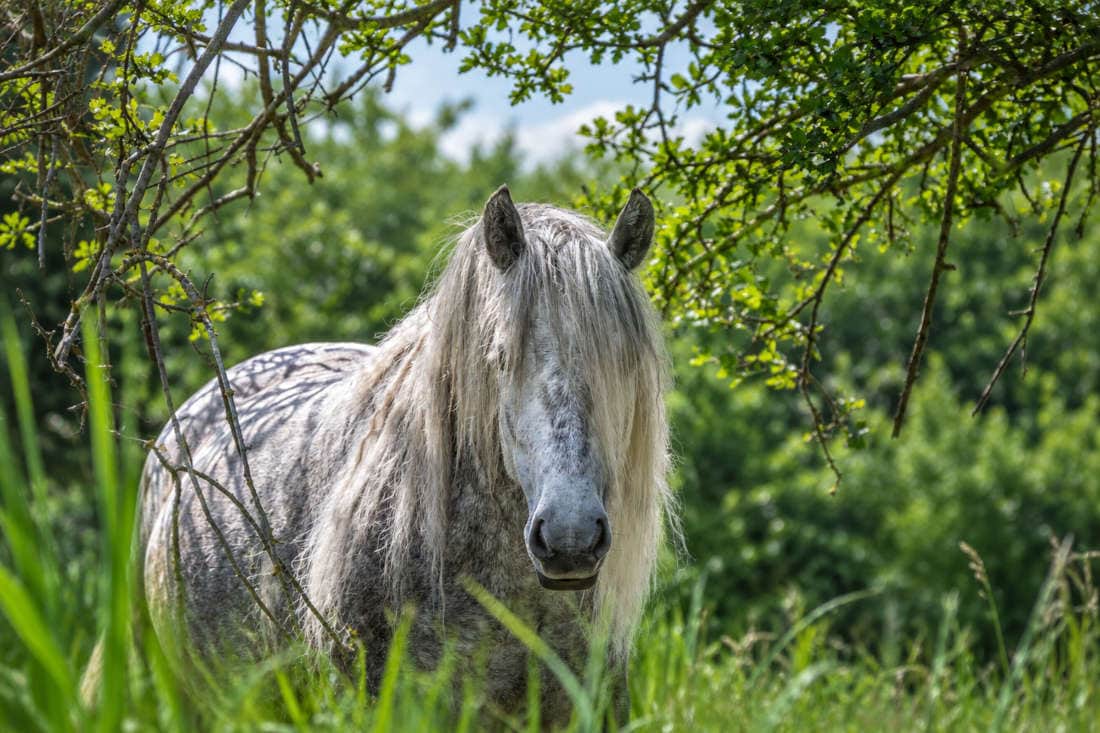
Fiddleneck toxicosis in horses is a form of poisoning caused by ingestion of plants from the Amsinckia genus. Horses may ingest the plant while grazing or consume its dried material and seeds in contaminated hay or grain.
Pyrrolizidine alkaloids in fiddleneck species damage the liver gradually, and affected horses may not show signs of poisoning for weeks or months after exposure. Because liver injury can progress after the original exposure, early recognition of contaminated feed or pasture is important even when the horse still appears healthy.
Clinical signs are often vague and may include reduced appetite, weight loss, or changes in behavior before more obvious evidence of liver dysfunction develops. Recognizing potential sources of fiddleneck and preventing further ingestion are critical to protecting exposed horses.
Keep reading to learn how to identify fiddleneck, recognize signs of poisoning, and reduce the risk of equine exposure.
Fiddleneck Poisoning in Horses
Fiddleneck, or Amsinckia spp., is a hairy, yellow-flowered weed associated with liver disease in horses. It belongs to the Boraginaceae family and grows in dry, open areas. [1][2][3]
Horses may consume the plant while grazing or can ingest it in contaminated hay and grain. The plant contains pyrrolizidine alkaloids (PAs), which are compounds that can cause cumulative liver damage. [1][2][3]
Repeated exposure leads to progressive liver fibrosis (scarring) and impaired function. Severe exposures can lead to liver failure.
Since the effects of PAs are cumulative, clinical signs often appear long after ingestion, making it difficult to connect a horse’s illness with a particular pasture or feed supply. [1][2][3]
Traditional names for fiddleneck poisoning include: [1]
- Walking disease
- Walla Walla hard liver disease
- Winter-wheat poisoning
Historical reports of these outbreaks helped connect fiddleneck seed contamination in feed with progressive liver disease in horses. [1]
Common Names for Fiddleneck
- Rancher’s fireweed
- Fingerweed
- Yellow burweed
- Yellow tarweed
- Coast fiddleneck
- Yellow forget-me-not
Table 1. Fiddleneck poisoning in horses at-a-glance
| Category | Key Information |
|---|---|
| Definition |
|
| Common Causes |
|
| Onset |
|
| Symptoms |
|
| Severity |
|
| Treatment |
|
| Recovery Time |
|
| Prognosis |
|
| Prevention |
|
What's your top priority with your horse's health?

What's your top priority with your horse's health?
Identification
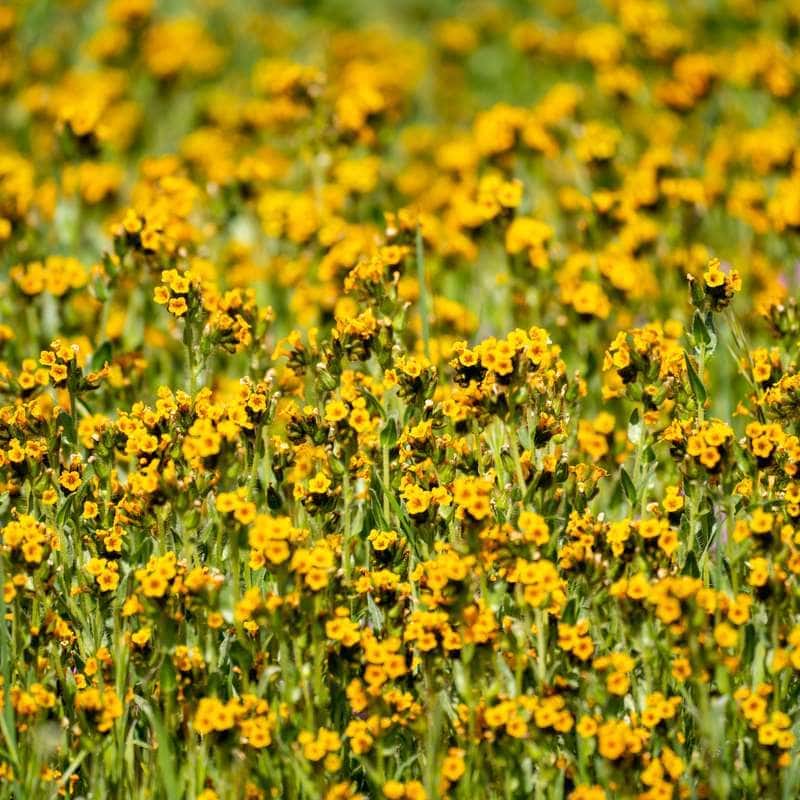
Fiddleneck plants develop from early rosettes into upright or semi-upright stems as they mature, typically reaching between 6 in and 4 ft (15 cm to 1.2 m) in height.
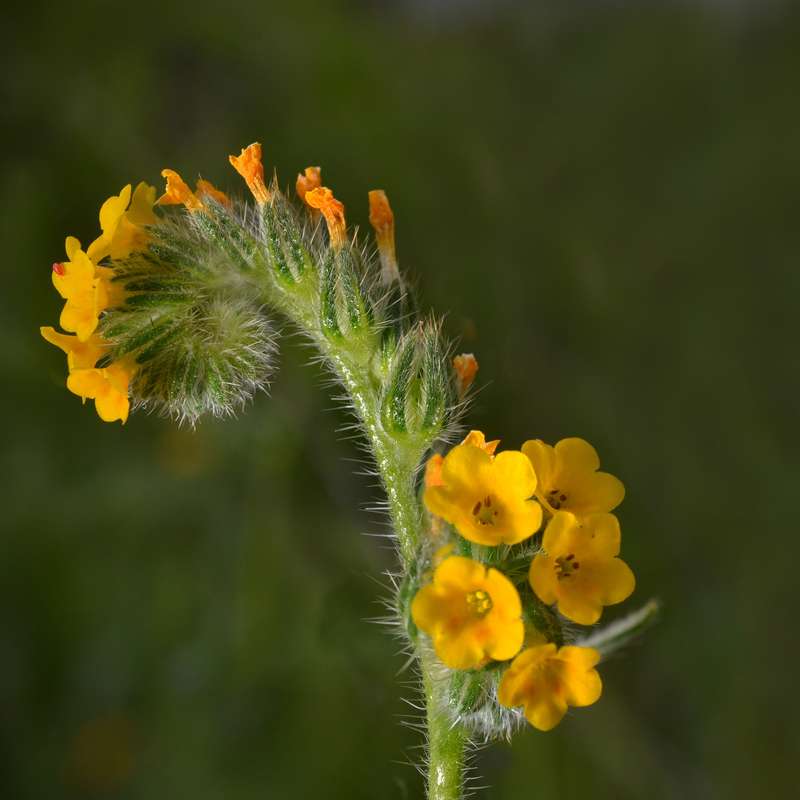
The stems may be branched or unbranched and are covered in soft to stiff hairs, giving the plant a coarse texture. [1][4]
 Flowers in field
 Fiddleneck bloom
Leaves are arranged alternately along the stem and are typically lance-shaped, with pointed tips and hairy surfaces. Both basal leaves and leaves growing along the stem may be present. [1][4]
The most distinctive feature is the curved flower cluster, which resembles the neck of a fiddle. Small yellow to orange tubular flowers develop as a cluster along one side of this coiled structure. The cluster gradually straightens as it matures. [4][5][6]
Flowering time varies with location and species, with descriptions extending from late winter and spring into summer. [4][5][6]
In coast fiddleneck, mature fruits separate into two to four small, dark, ridged nutlets containing the seeds. These seeds are often found in dry, sandy soils, particularly in disturbed habitats such as pastures, roadsides, and cultivated areas. Seed contamination is a common source of equine poisoning. [1][2]
Several Amsinckia species share the common name fiddleneck. The genus is native to western North America and parts of South America. Species identification can be difficult because related fiddlenecks resemble one another and may hybridize. Common characteristics include: [1][7]
- Annual growth habit
- Upright, sparsely branching stems
- Hairy or bristly stems and leaves
- Alternate, lance-shaped leaves
- Small yellow to orange flowers
- Curved flower clusters that resemble the neck of a fiddle
- Small nutlets that contain the seeds
When identification is uncertain, retaining a plant sample for assessment by a knowledgeable adviser or botanist is best. While the coiled flowers can help identify fiddlenecks as a group, they cannot establish the alkaloid content of the plant. [1][5][8]
Toxicology of Fiddleneck
All parts of fiddleneck are toxic to horses, and drying does not make contaminated plant material safe. The main risk for horses comes from pyrrolizidine alkaloids (PAs), although fiddlenecks can also accumulate nitrates. [1][2]
Fiddleneck contains several PAs, including: [1][2][7]
- Echiumine
- Intermedine
- Lycopsamine
- Sincamidine
Although seeds are a common source of fiddleneck poisoning in horses, they do not always contain the highest toxin concentration in every plant or sample. [1][2][7]
After ingestion, PAs are absorbed from the digestive tract and processed by the liver. Liver enzymes convert the toxic forms into reactive metabolites called pyrroles. These metabolites bind to cellular proteins and DNA, damaging liver cells and interfering with normal cell division. [3][5][9]
The liver is particularly vulnerable because it is the main site where these reactive compounds form. With repeated exposure, some damaged liver cells enlarge without dividing normally. This change is called megalocytosis.
Other cells die, and fibrous tissue progressively replaces damaged areas. Together, these changes disrupt the liver’s structure and reduce the amount of functioning tissue. [3][5][9]
A specific toxic dose has not been established for horses. Poisoning severity depends on: [3][5][9]
- The particular alkaloids present
- Alkaloid concentrations
- The quantity eaten
- The duration of exposure
- The horse’s age and condition
Fiddlenecks are less potent than some other PA-containing plants, but Amsinckia spp. can still cause serious disease when a horse consumes enough of the plant. [1][3][5]
Symptoms of Fiddleneck Poisoning in Horses
Acute PA poisoning can follow a large exposure over a short period, causing extensive liver cell death. More commonly, horses develop chronic disease after repeated long-term ingestion. Signs may take months to appear, sometimes up to a year or longer, during which time an affected horse may appear healthy. [3][9]
Early signs are subtle and can resemble other causes of poor condition. Affected horses may show signs of: [4][10]
- Reduced interest in feed
- Weight loss
- Unusually quiet or sluggish behaviour
- Oral ulcers
These findings are not specific enough to confirm poisoning on their own. [10]
As liver dysfunction advances, affected horses may show signs of: [1][3][7][9]
- Jaundice, or yellow discoloration of the gums and other mucous membranes
- Swelling of the legs or underside of the body
- Abdominal distension from fluid accumulation
- Abdominal discomfort
- Diarrhea
- Red urine
In cases of advanced liver disease, affected horses may develop neurologic signs as ammonia and other compounds accumulate in the brain. This condition is called hepatic encephalopathy and can cause major changes in a horse’s movement and behavior. [4][9][10]
Neurological signs associated with fiddleneck poisoning and equine PA toxicosis include: [1][2][3][9]
- Frequent yawning
- Excessive drowsiness
- Head pressing against solid objects
- Aimless wandering
- Incoordination and an abnormal gait
- Persistent licking of objects
- Restlessness, agitation or episodes of delirium
- Reduced awareness of fences and other obstacles
Some horses also develop secondary photosensitization, which makes the skin unusually sensitive to sunlight. [7] In healthy horses, the liver processes byproducts of digestion. When the liver is damaged, one of these substances, phylloerythrin, can build up in the body and react with sunlight. This can damage sensitive skin, especially pale or non-pigmented areas. [7]
Affected skin may become red and swollen before crusts form. This reaction resembles severe sunburn, but the underlying cause is liver dysfunction. [7]
When to Call the Veterinarian
Contact a veterinarian promptly if your horse has had access to fiddlenecks and develops: [4][10]
- Jaundice
- Unexplained weight loss
- Photosensitization
- Head pressing
- Severe incoordination
- Persistent aimless walking
- Inability to rise
These signs can indicate advanced disease and should not be attributed to training problems or temperament. [4][10]
Owners should also seek veterinary assessment when fiddlenecks are found in feed a horse has been eating, even if the horse shows no signs of illness.
Stop using the feed and retain a sample for examination. Record when the feed was first given, its source, and any batch details. The absence of immediate signs does not exclude exposure-related liver injury. [4][10]
Exposure Risk Factors
Fiddleneck grows naturally in dry, open environments and disturbed soils. The genus is common in the southwestern United States and Mexico, and some species extend into the Great Plains. [1][2][3][7]
The greatest exposure risk for horses comes from contaminated feed. Horses often avoid these plants while grazing but may consume dried fragments or seeds mixed with otherwise acceptable feed. Equine fiddleneck toxicosis outbreaks are associated with seeds mixed into grain. [1][2][3][7]
Limited forage availability increases the risk of poisoning in horses. Overgrazed paddocks and competition between horses can lead animals to eat plants they would otherwise reject. [3][8]
Some horses may be more vulnerable to the effects of pyrrolizidine alkaloids after exposure. Young horses, underweight horses, and those with underlying health conditions have a higher risk of developing serious disease. [2][3][5]
Physiologic demands can also influence how existing liver damage becomes clinically apparent. Pregnancy and lactation increase metabolic demands, which may make previously unrecognized liver dysfunction more apparent in an exposed mare. Pyrrolizidine alkaloids can also cross the placenta, creating additional concern for the developing foal. [2][3][5]
Diagnosis
Diagnosis combines the horse’s exposure history with clinical examination. Because signs can develop months after ingestion, owners should investigate all pastures and feed supplies the horse had access to, even when those paddocks or batches of hay are no longer in use. [2]
Plant identification does not establish how much toxin a horse has consumed, but records of feed purchases and changes in management can help connect the onset of illness with possible exposure.
Veterinarians investigating suspected cases of poisoning may recommend a combination of tests, such as: [2][3][9]
- Blood tests: Used to look for evidence of liver injury, impaired liver function, and other changes associated with chronic disease
- Ultrasonography: Allows the veterinarian to evaluate the size, appearance, and structure of the liver and look for changes consistent with chronic damage
- Liver biopsy: Provides a tissue sample that can be examined for characteristic changes such as fibrosis, liver cell damage, and megalocytosis
- Specialized toxicology testing: May help identify evidence of pyrrolizidine alkaloid exposure when testing is available, although results must be interpreted alongside the horse’s history and clinical findings
Diagnosis is not confirmed by a particular test. The treating veterinarian makes their diagnosis based on the horse’s history, clinical signs, laboratory findings, and evidence of liver damage.

Treatment & Management
There is no specific antidote for fiddleneck poisoning. The first priority is to prevent further exposure by replacing contaminated feed and removing access to affected grazing areas. [1][3]
Treatment is primarily supportive and focuses on maintaining the horse while the liver recovers. The liver has some capacity to regenerate after injury, but advanced fibrosis is permanent and can substantially limit recovery once enough functional tissue has been lost. [1][3]
Supportive care may include: [1][3]
- Intravenous fluids to correct dehydration
- Electrolyte and glucose support
- Nutritional support to provide energy while minimizing additional metabolic stress
Horses with photosensitization may need to be protected from sunlight while they are recovering. Topical antibiotics and gentle wound care may be required if secondary skin infections are present. [3][7]
Activated charcoal and other gastrointestinal decontamination measures are unlikely to help once clinical disease appears, as this occurs long after fiddleneck has passed through the horse’s digestive system. [3][10]
Prognosis
Prognosis depends on the extent of liver damage, the horse’s clinical condition, and their response to supportive care. Exposure does not always lead to fatal disease, and some animals with limited injury may stabilize and recover.
However, the outlook is generally guarded to poor once substantial fibrosis or signs of liver failure have developed. [3][9]
Signs that indicate a particularly serious prognosis include: [3][9]
- Persistent neurologic abnormalities
- Severe debilitation
- Extensive fibrosis
Some severely affected horses improve only after months of care and do not return to their former level of fitness. When disease progresses despite treatment or if neurologic signs cannot be controlled, humane euthanasia may be necessary. [3][9]
Continued monitoring is required even after the exposure source has been removed. Appetite or behavior may improve without demonstrating that liver damage has fully resolved. Follow-up clinical examinations and laboratory findings help the veterinarian assess whether the horse is stabilizing or developing progressive disease. [3][9]
Prevention
Prevention involves avoiding contaminated feed and managing fiddleneck growth where horses graze or forage is harvested. [5][10]
Inspecting hay fields before cutting provides an opportunity to identify PA-containing plants while their leaves and flowers remain recognizable. Owners can control small fiddleneck populations by hand pulling adult plants, and mowing before seed production limits seed dispersal in pastures. [5][10]
Maintain adequate forage supply and avoid overgrazing. Pasture rotation and an appropriate stock of feed help reduce reliance on weedy areas. Regularly inspect fence lines, disturbed ground, and places where horses can reach plants outside their enclosure. [5][6]
Owners should also check hay and grain for unfamiliar weeds, fragments or seeds before feeding. [10] If contamination is discovered in purchased feed, stop feeding the suspect supply, retain samples and review which horses received it. Identifying exposure early allows veterinary assessment before obvious signs of liver failure develop. [3][4][8]
Frequently Asked Questions
Here are some frequently asked questions about fiddleneck poisoning in horses:
Fiddleneck poisoning in horses is a form of plant toxicosis caused by pyrrolizidine alkaloids in Amsinckia species. After ingestion, these compounds are converted into reactive substances that damage liver cells and interfere with normal cell division. Repeated exposure can lead to enlarged liver cells, progressive scarring, impaired liver function, and eventually liver failure. [1][3][6]
Horses become exposed to fiddleneck by eating the plant while grazing or consuming its dried fragments and seeds in contaminated hay or grain. Although horses may avoid living fiddleneck when adequate forage is available, they can have difficulty detecting it once it is mixed into feed. Overgrazing, limited forage, high stocking density, and competition between horses can increase the risk of ingestion. [1][2][3][8]
Fiddleneck can be identified by its hairy, lance-shaped leaves and distinctive curved cluster of small yellow to orange flowers, which resembles the neck of a fiddle. Young plants may first appear as a low rosette before producing upright stems, while the flower cluster gradually straightens as it matures. Mature coast fiddleneck produces small, dark, ridged nutlets that may be found in contaminated grain or grain screenings. Because related species can look similar, uncertain plants should be assessed by a knowledgeable agricultural adviser or botanist. [1][5][6]
Dried fiddleneck in hay is still potentially toxic to horses because drying does not reliably destroy its pyrrolizidine alkaloids. Leaves, stems, flowers, and seeds should all be considered hazardous. Mowing or cutting the plant therefore does not make contaminated forage safe to feed. [1][3]
Signs of fiddleneck poisoning in horses can include reduced appetite, progressive weight loss, sluggishness, oral ulcers, jaundice, diarrhea, and abdominal discomfort. Fluid accumulation may cause swelling of the legs or underside of the body, while some severely affected horses may pass red urine. Advanced liver dysfunction can cause head pressing, excessive drowsiness, aimless walking, incoordination, persistent licking, agitation, or reduced awareness of obstacles. Not every horse develops every sign, and sudden deterioration may follow a long period of unnoticed liver damage. [1][3][4][9]
Signs of fiddleneck poisoning can take months to appear because liver damage may accumulate gradually while the horse still has enough functioning liver tissue to appear healthy. Chronic disease commonly follows repeated, long-term ingestion rather than one obvious exposure. Clinical illness may not become apparent until months or, in some cases, a year or longer after the contaminated feed or pasture was encountered. [3][9]
Fiddleneck poisoning can cause secondary photosensitization when liver dysfunction allows a light-reactive chlorophyll breakdown product to accumulate in the body. Sunlight may then damage susceptible skin, especially non-pigmented areas, causing redness, swelling, pain, and crusting. This reaction can resemble severe sunburn but indicates an underlying problem with liver function rather than simple skin contact with the plant. [4]
A veterinarian should be contacted promptly when a horse develops jaundice, unexplained weight loss, photosensitization, or behavioral and coordination changes after possible fiddleneck exposure. Head pressing, severe incoordination, persistent aimless walking, collapse, or an inability to rise requires urgent assessment. Veterinary advice is also appropriate when fiddleneck is discovered in feed the horse has eaten, even if the horse currently appears normal.
Fiddleneck poisoning is diagnosed using the horse's exposure history, clinical examination, and evidence of liver injury. The veterinarian may perform blood tests, liver imaging, a liver biopsy, or specialized toxicology testing, depending on the case. Because signs can be delayed, the investigation should include previous pastures and earlier hay or grain supplies rather than only the horse's current environment. Plant or feed identification can support the diagnosis, but it cannot determine exactly how much toxin the horse consumed. [2][3][9]
There is no specific antidote for fiddleneck poisoning in horses. Treatment begins by stopping further exposure and providing supportive care based on the horse's condition, which may include fluids, electrolyte and glucose support, and nutritional assistance. Horses with photosensitization should be protected from sunlight, and damaged skin may need gentle cleansing and treatment for secondary infection. Gastrointestinal decontamination is unlikely to help once clinical disease appears because the original exposure usually occurred much earlier. [1][3][4]
A horse can recover from fiddleneck poisoning when liver injury is limited, but prognosis is poor once advanced liver failure develops. The prognosis is generally guarded to poor once extensive scarring, liver failure, severe debilitation, or persistent neurologic signs have developed. Some horses require months of care and may not return to their previous level of fitness. Continued veterinary examinations and laboratory monitoring are important because an improvement in appetite or behavior does not prove that the liver has fully recovered. [3][9]
If fiddleneck is found in a horse's feed, stop using the suspect supply immediately and prevent all horses from accessing it. Retain a representative sample for examination and record the feed source, batch details, purchase information, and the dates it was fed. Contact a veterinarian to discuss the exposure, even if no horses are showing signs, because liver injury may remain unnoticed for months. All horses that received the feed should be reviewed because individuals sharing the same supply may respond differently.
Fiddleneck poisoning can be prevented by inspecting pastures, hay fields, hay, and grain for unfamiliar weeds, plant fragments, and seeds. Maintain adequate forage, avoid overgrazing, use suitable stocking rates, and regularly inspect disturbed ground, fence lines, and plants growing within reach of horses. Small infestations may be hand-pulled, while mowing before seed production can reduce seed spread, but all removed or cut material must remain inaccessible because dried fiddleneck is still hazardous. Local agricultural or weed-control advisers can recommend appropriate control measures for larger infestations. [3][5][8]
Summary
Fiddleneck poisoning occurs when horses ingest pyrrolizidine alkaloids in fiddleneck plants, contaminated forage, grain, or seeds. These toxins cause progressive liver damage that may remain unnoticed for months.
- All parts of fiddleneck are toxic, and drying does not make contaminated forage safe
- Repeated exposure can cause liver cell damage, fibrosis, impaired function, and eventual liver failure
- Affected horses may develop weight loss, jaundice, swelling, photosensitization, and neurologic abnormalities
- Diagnosis combines exposure history with blood tests, ultrasonography, liver biopsy, or toxicology testing
- Treatment focuses on removing the exposure source and providing supportive care for liver dysfunction
- Prognosis is guarded to poor once significant fibrosis, liver failure, or neurologic signs develop
References
- Burrows. G. E. and Tyrl. R. J. Toxic Plants of North America. 2nd ed. Wiley-Blackwell. 2013.
- Waldridge. B. M. Ed. Nutritional Management of Equine Diseases and Special Cases. 1st ed. Wiley-Blackwell. 2017.
- Hovda. L. R. et al. Eds. Blackwell's Five-Minute Veterinary Consult Clinical Companion Equine Toxicology. Wiley-Blackwell. 2021.
- Fiddleneck Poisoning in Horses. HorseDVM.
- Stegelmeier. B. L. Pyrrolizidine Alkaloid-Containing Toxic Plants (Senecio, Crotalaria, Cynoglossum, Amsinckia, Heliotropium, and Echium Spp.). Veterinary Clinics of North America: Food Animal Practice. 2011.
- Amsinckia (Fiddlenecks, Tarweed Fiddleneck). NC State Extension Gardener Plant Toolbox.
- Guide to Poisonous Plants. Colorado State University.
- Wright. R. G. et al. Common Plant Poisonings of Horses and Their Investigation. Ontario Ministry of Agriculture, Food and Rural Affairs. 2004.
- Wilson. D. A. Ed. Clinical Veterinary Advisor: The Horse. Saunders. 2011.
- Bildfell. R. Pyrrolizidine Alkaloidosis in Animals. Merck Veterinary Manual. 2024.