English

Shoulder lameness in horses is an uncommon but important cause of forelimb pain, altered movement, and reduced performance. The shoulder joint plays a major role in weight-bearing, balance, and forward motion, so injuries or disorders in this region can significantly affect how a horse moves.
Because shoulder pain can look similar to other sources of forelimb lameness, it is not always easy for owners to identify. Signs may include a shortened stride, muscle loss over the shoulder, swelling, pain with movement or palpation, or reluctance to bear weight.
Shoulder disorders can involve the joint, bone, muscles, tendons, nerves, or surrounding soft tissues. Conditions such as osteoarthritis, osteochondrosis, fractures, and luxation require veterinary assessment to confirm the source of pain and guide appropriate treatment.
Keep reading to explore horse shoulder anatomy, common causes of shoulder lameness, signs owners may notice, and how veterinarians diagnose, treat, and manage shoulder injuries in horses.
Shoulder Lameness in Horses
Shoulder lameness in horses is an important but relatively uncommon cause of forelimb dysfunction that can affect comfort, stride length, performance, and long-term soundness.
The horse’s shoulder joint connects the shoulder blade to the front limb and plays a key role in weight bearing, balance, and forward movement. Unlike the human shoulder, which is built for a wide range of motion, the horse shoulder is used for strength, stability, and efficient locomotion.
Because the shoulder region is supported by large muscles, tendons, ligaments, and surrounding soft tissues, shoulder disorders can involve the joint itself or the structures that stabilize and move the limb. Although shoulder injuries are less common than lower limb problems, they can cause pain, reduced stride length, muscle loss, reluctance to advance the limb, and changes in performance. [1]
Conditions affecting the horse’s shoulder include: [1]
- Traumatic injuries: Fractures, luxation (displacement), and direct trauma can occur after falls, collisions, kicks, or other high-impact events that damage the shoulder joint, scapula, humerus, or surrounding structures.
- Developmental disorders: Osteochondrosis and related joint surface abnormalities may affect cartilage and bone development, contributing to pain, stiffness, and altered movement.
- Degenerative disease: Osteoarthritis can develop when cartilage, bone, and joint tissues are damaged over time, leading to chronic inflammation, reduced mobility, and loss of joint function.
- Soft tissue injuries: Muscle strain, tendon injury, bursitis, and ligament damage can contribute to swelling, pain, weakness, and altered gait.
- Neurologic or referred pain: Some horses with suspected shoulder lameness may actually have pain or dysfunction originating from the neck, upper limb, or nerves that influence forelimb movement.
In many cases of shoulder issues, horses present with non-specific forelimb lameness, making localization to the shoulder challenging without a thorough veterinary examination and diagnostic imaging.
A strong understanding of shoulder anatomy, biomechanics, and common pathological conditions is important for accurate diagnosis and effective treatment.
Modern diagnostic tools such as radiography, ultrasound, nuclear scintigraphy, and gait analysis can help identify shoulder lesions and distinguish true shoulder lameness from other causes of forelimb dysfunction.
The Horse’s Shoulder Joint
The horse’s shoulder is a large and complex region that connects the front limb to the body and is used primarily for stability and weight bearing during locomotion. [1]
Although structurally a ball-and-socket joint, its movement is largely limited to forward and backward motion, with minimal side-to-side movement or rotation. This structure helps maintain stability and efficient locomotion. [1][2]
 Illustration: Dr. Ana Mesa, PhD
Unlike many other joints, the equine shoulder relies more on surrounding soft tissues than ligaments for support. Coordinated muscles that maintain alignment and control movement are particularly important. [1][2][3]
These muscles act as dynamic stabilizers during movement, keeping the limb correctly positioned under load. [1][3]
The soft tissue system also contributes to the stay apparatus, allowing the shoulder to remain stabilized in an extended position with minimal effort. This helps the horse stand for long periods, such as during light sleep phases. [1][2]
The horse’s fore limbs are not attached to the trunk by rigid bony connections. Instead, they are suspended by muscles and fascia (the membrane that covers muscle), forming a functional sling that supports body weight and helps absorb and distribute forces during movement. [1][2][3]
The shoulder region also contains important nerves and blood vessels that supply the limb and run close to the joint and surrounding tissues. As a result, injuries may involve not only the joint but also nearby muscles, tendons, nerves, or vessels, making them more complex and harder to localize. [1][2]
Horse Shoulder vs. Human Shoulder
While the horse’s shoulder shares the same basic ball-and-socket anatomical structure as the human shoulder, its function is adapted very differently. In both species, the joint connects the shoulder blade to the upper limb, but the way it is used highlights an important distinction between mobility and stability.
In humans, the shoulder joint has a wide range of motion, allowing lifting, rotation, and precise positioning of the arm for complex tasks. This high degree of flexibility comes with reduced inherent stability and greater reliance on ligaments and soft tissues to prevent injury. [4]
In contrast, the equine shoulder is specialized for stability and efficient forward motion. Movement is largely restricted to a forward and backward plane, which supports weight bearing and reduces energy loss during locomotion. [1]
This functional structure helps the horse maintain balance and efficiency during standing and high-speed movement. However, when injury does occur, it can significantly affect stride length, performance, and overall limb loading. [1]
For this reason, shoulder disorders in horses, although less common than distal limb injuries, can be particularly impactful and sometimes more challenging to diagnose. [5]
What's your top priority with your horse's health?

What's your top priority with your horse's health?
Types of Equine Shoulder Disorders
Shoulder disorders in horses are relatively uncommon compared to injuries in the lower limb, but when they occur, they can result in significant lameness and reduced performance. Understanding the different types of shoulder disorders helps guide accurate diagnosis and appropriate management.
Table 1. Common shoulder disorders in horses
| Shoulder disorder | Common causes or risk factors | Typical signs | Treatment considerations |
|---|---|---|---|
| Osteoarthritis |
|
|
|
| Osteochondrosis or OCD |
|
|
|
| Fractures |
|
|
|
| Luxation |
|
|
|
Osteoarthritis
Scapulohumeral osteoarthritis is a degenerative joint disease that affects the shoulder and results in cartilage loss and bone changes.
It is usually caused by trauma, dysplasia (conformational misalignment), limb instability, or osteochondritis dissecans (OCD). It is an uncommon cause of chronic, often severe forelimb lameness. [6]
Osteoarthritis in the shoulder has been reported in miniature horse breeds and ponies and is thought to be associated with abnormal development of the shoulder joint. [6]
Signs of osteoarthritis in the shoulder may include: [6]
- Sudden or progressive onset of pain
- Difficulty moving the limb through its range of motion
- Marked changes in posture
Some cases display an unusual stance, with the forelimbs placed abnormally close together and the hindlimbs positioned further forward than normal, reflecting long-term discomfort in the shoulder region. Muscle wasting over the shoulder is also a common finding in more advanced cases. [6]
Osteochondrosis
Osteochondritis dissecans (OCD) of the shoulder is a developmental joint disorder in young horses caused by abnormal cartilage and bone development within the joint. [1] It is usually evident in the horse’s first few years of life. [2]
OCD leads to irregular joint surfaces, areas of flattening or defects, and sometimes more advanced structural changes affecting a large portion of the articular surface. [1]
Affected horses usually show forelimb lameness of varying severity and reduced athletic performance. In chronic cases, they may develop visible muscle atrophy over the shoulder region.
Deep pressure over the joint area often causes the horse pain, and altered limb loading can lead to other changes, including abnormal hoof shape on the affected side.
[1]Fractures
Bone fractures involving the shoulder joint can occur after a fall, collision, kick, or other high-impact injury. These injuries may affect the upper humerus, the lower part of the scapula, or the joint surface where these bones meet. [2]
These injuries usually cause sudden, severe lameness, and the horse may be reluctant to put weight on the leg. [2]
Moving the shoulder can be painful, and in some cases a rough or grating feeling may be noticed. Swelling around the shoulder often appears soon after the injury, although it may decrease fairly quickly, which can make the problem look less severe than it is. [2]
Luxation
Luxation, commonly known as dislocation, of the shoulder joint is uncommon and typically affects ponies. [2] Shoulder luxation most often occurs after acute trauma, such as a fall, collision, or forceful impact that pushes the joint out of normal alignment.
Affected horses experience sudden and severe lameness and are often unwilling to put weight on the leg. The shoulder region usually appears swollen, and normal bony landmarks may be harder to feel. [2]
Signs & Symptoms of Shoulder Lameness
Signs and symptoms of shoulder lameness range from subtle gait changes to severe pain and inability to bear weight on the affected limb, depending on the underlying cause. [7]
More chronic or mild cases often present as muscle atrophy around the shoulder, a shortened forward phase of the stride on the affected limb, and a general reduction in performance. Pain-related behavioral changes may also be seen during movement, particularly when the limb is extended or loaded. [7]
In some cases, hoof changes such as a narrow hoof with a long heel on the affected side may develop over time as a secondary consequence of altered limb loading. [7]
Common signs of shoulder lameness may include: [1][7]
- Forelimb lameness
- Reduced stride length or shortened forward movement of the affected limb
- Reluctance to bear weight
- Swelling around the shoulder
- Pain when the shoulder is moved or deeply palpated
- Muscle atrophy over the shoulder region
- Reduced athletic performance
Because shoulder pain can resemble other sources of forelimb lameness, a veterinary examination is needed to confirm the affected structures.
When to Call the Veterinarian
Shoulder lameness should be assessed by a veterinarian, especially when the horse shows sudden or severe forelimb lameness, has swelling around the shoulder, or becomes reluctant to bear weight after a fall or other trauma.
Call a veterinarian promptly if a horse shows:
- Sudden, severe forelimb lameness
- Unwillingness or inability to bear weight
- Visible swelling or asymmetry around the shoulder
- Pain when the shoulder is moved or touched
- A grating sensation or abnormal movement associated with the shoulder
- Progressive muscle wasting or reduced performance that does not improve with rest
Veterinary evaluation helps determine whether the source of pain is the shoulder joint, surrounding soft tissues, bone, or another part of the limb.
Early diagnosis is especially important when fracture, luxation, or developmental joint disease is suspected, because treatment options and prognosis depend on the underlying cause. Do not attempt to move a seriously injured or severely lame horse without veterinary guidance.
Risk Factors for Shoulder Injuries
Shoulder disorders are uncommon in horses, but certain factors may increase the likelihood of specific conditions or help explain why shoulder involvement is suspected during a lameness evaluation.
Risk factors vary depending on whether the problem involves developmental disease, trauma, joint instability, or degenerative change. [5]
Common patterns associated with shoulder problems include: [1][5]
- Young age: Growing horses, from yearling age to young adulthood, may be more likely to develop some developmental shoulder conditions. In addition, active bone and cartilage growth may contribute to conditions such as cyst formation or other developmental abnormalities.
- Breed type: Thoroughbreds and ponies are overrepresented in some reports of developmental joint lesions affecting the shoulder.
- Trauma or falls: High-impact injuries can contribute to more severe shoulder problems, including fractures and luxation.
These factors do not confirm that a shoulder disorder is present, but they can help guide veterinary evaluation when a horse develops forelimb lameness, shortened stride, reluctance to advance the limb, or reduced performance.

Diagnosing Shoulder Lameness
Diagnosis of shoulder lameness focuses on identifying and confirming the source of pain through a systematic examination. [2][7] Because shoulder problems can resemble other causes of forelimb lameness, the veterinarian must first determine whether the pain is truly coming from the shoulder.
The examination typically begins with observing the horse at rest and in motion. The veterinarian may assess posture, muscle symmetry, stride length, limb placement, range of motion, and the horse’s willingness to bear weight on the affected limb. [1]
Horses with shoulder pain may show a shortened cranial phase of the stride, reluctance to advance the limb, muscle atrophy, or difficulty turning, but these signs are not always specific to the shoulder. [1]
Joint and nerve blocks are commonly used to help confirm whether the shoulder is the source of lameness. Lameness that improves when anesthetic injected into the shoulder supports shoulder involvement. [7]
Other diagnostic tools include: [2][3][5][7][8][9]
- X-rays: Help identify fractures, osteochondrosis lesions, degenerative joint changes, or other bony abnormalities affecting the shoulder.
- Ultrasound: May be used to assess surrounding soft tissues, including muscles, tendons, ligaments, and joint-associated structures.
- Nuclear scintigraphy (“bone scan”): Can be useful when the source of pain is difficult to localize or when subtle bone changes are suspected but not clearly visible on standard imaging.
- Gait analysis: Helps evaluate movement patterns, stride length, limb loading, and asymmetry that may support localization of lameness.
These tools help the veterinarian distinguish shoulder disorders from other causes of lameness and identify the structures involved. An accurate diagnosis allows treatment to be matched to the underlying cause, whether the problem involves bone, cartilage, joint structures, or surrounding soft tissues.
In acute injuries, stabilization and careful handling may be necessary before a full diagnostic workup can be completed.
Treatment
Treatment of shoulder lameness depends on the underlying condition, severity of injury, and structures involved. Management typically combines medical treatment, controlled rehabilitation, and in some cases surgical intervention. [7][10]
Possible treatments include: [1][7]
- Rest and controlled exercise during recovery
- Anti-inflammatory medication or other pain management strategies
- Surgery in cases of osteochondritis and certain fractures
- Internal or external fixation for fractures
- Closed reduction (replacing the dislocated joint manually)
- Open reduction (replacing the dislocated joint surgically) if closed reduction is not successful
- Arthroscopy in cases of osteochondrosis
For horses with fractures, treatment depends on the location, configuration, displacement, and stability of the fracture. Some fractures may be managed with rest and stabilization, while others require internal fixation or other surgical techniques. Severe shoulder injuries can carry a guarded prognosis, especially if the horse cannot bear weight comfortably or if the joint surface is badly damaged.
Some horses may also require a structured rehabilitation program after treatment to support healing and gradually restore function. Rehabilitation may include a period of stall rest, followed by hand-walking, controlled turnout, progressive exercise, and reassessment to monitor healing.
The most appropriate plan depends on the diagnosis, the horse’s comfort level, the stability of the injury, and the intended use of the horse. In cases involving severe trauma, joint collapse, or a poor likelihood of returning to comfortable weight-bearing, prognosis and quality of life must be discussed carefully with the veterinarian.
How to Help Prevent Shoulder Problems
Not all causes of shoulder lameness can be prevented, especially traumatic injuries such as falls, collisions, kicks, fractures, or luxations. However, good management can help reduce unnecessary strain on the forelimbs, support healthy movement patterns, and lower the risk of some soft tissue, joint, and overuse-related problems.
A balanced conditioning program is important for maintaining strength, coordination, and stability through the shoulder region. Training should be introduced gradually, especially when increasing workload, adding jumping, working on hills, or returning a horse to exercise after time off.
Sudden increases in intensity or duration can contribute to fatigue, poor coordination, and compensatory movement patterns that increase injury risk. [11]
Footing also plays an important role in forelimb health. Very hard surfaces increase concussion through the limbs, while deep, slippery, or uneven footing can alter stride mechanics and increase the risk of strain. [12] Whenever possible, work horses on safe, consistent surfaces that provide traction without excessive impact.
Maintaining an appropriate body condition can also help reduce unnecessary stress on the musculoskeletal system. Excess body weight increases the load carried by the forelimbs, including the shoulder region, and may contribute to joint and soft tissue strain over time. Regular body condition scoring, appropriate calorie intake, and consistent exercise can help support healthy weight management.
Routine farrier care supports proper hoof balance and helps reduce abnormal forces traveling up the limb. Because hoof imbalance can affect how the limb lands, loads, and moves through the stride, regular trimming helps support more even loading through the limb. [13][14]
Supporting Joint Health Through Diet
A well-balanced feeding program supports the tissues involved in joint health, including bone, cartilage, ligaments, tendons, muscle, and connective tissue. While nutrition cannot prevent shoulder injuries, it can help provide the building blocks needed for tissue maintenance, repair, and normal musculoskeletal function.
Start with a balanced, forage-based diet that provides adequate energy, protein, vitamins, minerals, water, and salt. Horses also require sufficient high-quality protein and amino acids to support muscle development, connective tissue integrity, and recovery from exercise. [15]
Minerals such as copper and zinc are involved in collagen formation and antioxidant defense, while calcium and phosphorus are major structural minerals in bone. These nutrients must be supplied in appropriate amounts and ratios to support skeletal strength, normal growth, and long-term joint health. [15]
Energy intake should also be managed carefully. Overfeeding calories can lead to excess body weight, increasing the load on the forelimbs and placing more strain on joints and soft tissues. In growing horses, excessive energy intake may also contribute to abnormal cartilage development and developmental orthopedic disease. [15]
Nutritional supplements such as methylsulfonylmethane (MSM), hyaluronic acid, and omega-3 fatty acids may also be used to support joint comfort, normal inflammatory responses, and connective tissue health as part of a broader management plan.
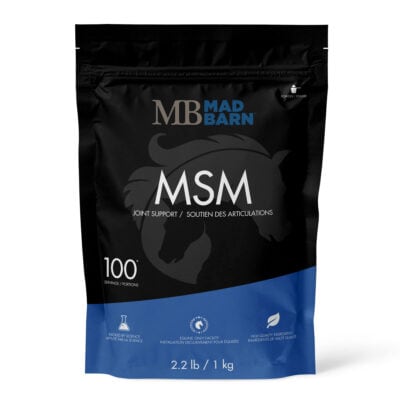
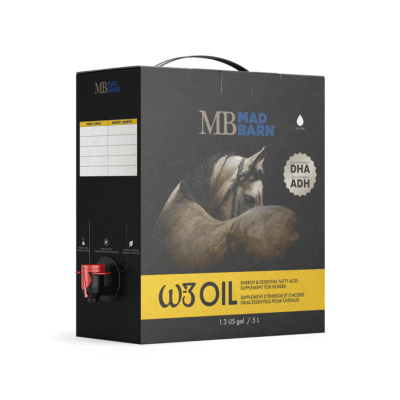
Work with a qualified equine nutritionist to design a balanced feeding program that provides adequate protein, vitamins, and minerals without oversupplying calories. You can submit your horse’s information online for a free diet evaluation.
Frequently Asked Questions
Here are some frequently asked questions about the horse shoulder:
The horse's shoulder is the region where the shoulder blade connects to the front limb. This joint, also called the scapulohumeral joint, helps support the horse's weight and allows the forelimb to move forward and backward during locomotion. The shoulder is built more for stability and efficient movement than for wide-ranging motion. It also works with surrounding muscles, tendons, ligaments, nerves, blood vessels, and soft tissues that support the limb.
The horse's shoulder is important for movement because it helps connect the front limb to the body while supporting weight, balance, and forward motion. Unlike limbs with a rigid bony attachment to the trunk, the horse's forelimbs are suspended by muscles and fascia in a functional sling. This structure helps absorb and distribute forces as the horse stands, walks, trots, canters, or gallops. When the shoulder is painful or unstable, stride length, limb loading, and performance can all be affected.
A horse's shoulder is different from a human shoulder because it is designed mainly for stability and forward movement rather than a wide range of motion. Human shoulders allow lifting, rotation, and precise arm placement, but that mobility comes with less inherent stability. In horses, the shoulder moves mostly forward and backward to support efficient locomotion and weight bearing. This makes shoulder injuries less common than lower limb injuries, but potentially very impactful when they occur.
Shoulder injuries are not common in horses compared to injuries in the lower limb. When shoulder disorders do occur, they can cause significant pain, forelimb lameness, reduced stride length, muscle loss, and reduced performance. They can also be difficult to identify because shoulder pain may look similar to other sources of forelimb lameness. A veterinary examination is needed to confirm whether the shoulder is truly the source of pain.
Shoulder disorders that can affect horses include osteoarthritis, osteochondrosis or OCD, fractures, luxation, soft tissue injuries, and neurologic or referred pain. Osteoarthritis involves degenerative changes in cartilage, bone, and joint tissues, while osteochondrosis is a developmental disorder that affects cartilage and bone formation in young horses. Fractures and luxation are usually more sudden and severe, often following falls, collisions, kicks, or other trauma. Soft tissue strain, tendon injury, bursitis, or ligament damage can also contribute to swelling, pain, and altered gait.
Signs of shoulder lameness in horses can range from subtle gait changes to severe pain and reluctance to bear weight. Common signs include forelimb lameness, shortened stride, reluctance to advance the limb, swelling around the shoulder, and pain when the shoulder is moved or deeply palpated. Chronic cases may also show muscle wasting over the shoulder and reduced athletic performance. Because these signs are not specific to the shoulder, veterinary assessment is needed to localize the source of pain.
Shoulder lameness can change a horse's hoof shape over time if the horse consistently alters how it loads the affected limb. A narrow hoof with a longer heel may develop on the affected side as a secondary effect of uneven weight-bearing. Hoof changes alone do not prove that the shoulder is the problem. However, they can provide useful clues when considered alongside lameness, muscle loss, stride changes, and a veterinary examination.
Risk factors for shoulder injuries in horses depend on the type of disorder involved. Young, growing horses may be more likely to develop some developmental shoulder conditions, including osteochondrosis or other cartilage and bone abnormalities. Thoroughbreds are overrepresented in some reports of developmental shoulder lesions. Falls, collisions, kicks, and other high-impact trauma are more often associated with fractures, luxation, and severe acute shoulder injuries.
A veterinarian should examine a horse with suspected shoulder pain if lameness is sudden, severe, persistent, or associated with reluctance to bear weight. Prompt veterinary attention is also important if the horse has swelling or asymmetry around the shoulder, pain when the area is touched or moved, a grating sensation, or progressive muscle wasting. These signs can indicate serious injury, including fracture, luxation, or developmental joint disease. Do not attempt to move a seriously injured or severely lame horse without veterinary guidance.
Shoulder lameness is diagnosed through a systematic veterinary examination that aims to identify and confirm the source of pain. The veterinarian may assess the horse at rest and in motion, looking at posture, muscle symmetry, stride length, limb placement, range of motion, and willingness to bear weight. Joint or nerve blocks may be used to determine whether lameness improves when the shoulder region is anesthetized. Imaging tools such as x-rays, ultrasound, nuclear scintigraphy, and gait analysis can help distinguish shoulder disorders from other causes of forelimb lameness.
Shoulder lameness is treated based on the underlying condition, severity of injury, and structures involved. Management may include rest, controlled exercise, anti-inflammatory medication, pain management, rehabilitation, or surgery. Fractures may require stabilization or fixation, luxation may require closed or open reduction, and osteochondrosis may be treated with arthroscopy in some cases. A veterinarian should determine the treatment plan because the appropriate approach depends on the diagnosis, the horse's comfort, injury stability, and intended use.
Shoulder problems in horses cannot always be prevented, especially traumatic injuries such as falls, collisions, kicks, fractures, or luxations. Good management can still help reduce unnecessary strain on the forelimbs and support healthy movement patterns. Gradual conditioning, safe and consistent footing, appropriate body condition, and regular farrier care all help reduce abnormal stress through the limb. These steps are especially important when increasing workload, adding jumping or hill work, or returning a horse to exercise after time off.
Nutrition supports shoulder and joint health in horses by providing the nutrients needed for bone, cartilage, muscle, tendon, ligament, and connective tissue maintenance. A balanced forage-based diet should supply adequate energy, protein, amino acids, vitamins, minerals, water, and salt without oversupplying calories. Maintaining appropriate body condition is also important because excess weight increases load on the forelimbs and may place more strain on joints and soft tissues. Work with a qualified equine nutritionist to ensure the diet supports overall musculoskeletal health.
Summary
Shoulder lameness in horses refers to pain, injury, or dysfunction in the shoulder joint or surrounding soft tissues that affects how the horse moves, bears weight, or uses the front limb.
- The horse's shoulder connects the shoulder blade to the front leg and helps support weight, movement, and balance
- Unlike the human shoulder, the horse’s shoulder is built more for strength and stability than for a wide range of motion
- Shoulder injuries are less common than lower-limb injuries, but they can still cause pain, lameness, reduced stride length, and poor performance
- Common shoulder disorders include osteoarthritis, osteochondrosis, fractures, and luxation or dislocation
- Signs of shoulder lameness may include forelimb lameness, swelling, pain when the shoulder is touched or moved, muscle wasting, and reluctance to bear weight
- Diagnosis and treatment depend on the underlying cause and may involve veterinary examination, imaging, local anesthesia, rehabilitation, medication, or surgery
References
- Stashak. T. S. and Baxter. G. M. Adams and Stashak’s Lameness in Horses. 7th edition. Wiley Blackwell. 2020.
- Ross. M. W. and Dyson. S. J. Eds. Diagnosis and Management of Lameness in the Horse. 2nd ed. Elsevier/Saunders. 2011.
- Redding. W. R. and Pease. A. P. Imaging of the Shoulder. Equine Veterinary Education. 2010.
- Mytilinaios. D. Arm and Shoulder Anatomy. Kenhub. 2023.
- Dyson. S. Shoulder Lameness in Horses: An Analysis of 58 Suspected Cases. Equine Veterinary Journal. 1986. View Summary
- Parth. R. et al. Suspected Primary Scapulohumeral Osteoarthritis in Two Miniature Ponies. Australian Veterinary Journal. 2008. View Summary
- Auer. J. et al. Equine Surgery. Fifth edition. Elsevier. 2019.
- Kay. A. T. An Acute Subchondral Cystic Lesion of the Equine Shoulder Causing Lameness. Equine Veterinary Education. 2006.
- Dyson. S. Diagnostic Techniques in the Investigation of Shoulder Lameness. Equine Veterinary Journal. 1986. View Summary
- Doyle. P. S. and White Ii. N. A. Diagnostic Findings and Prognosis Following Arthroscopic Treatment of Subtle Osteochondral Lesions in the Shoulder Joint of Horses: 15 Cases (1996–1999). Journal of the American Veterinary Medical Association. 2000. View Summary
- Verheyen. K. et al. Exercise Distance and Speed Affect the Risk of Fracture in Racehorses. Equine Veterinary Journal. 2006.
- Rohlf. C. M. et al. Arena Surface Vertical Impact Forces Vary with Surface Compaction. The Veterinary Journal. 2023. View Summary
- Hagen. J. et al. Changes in Hoof Kinetics and Kinematics at Walk in Response to Hoof Trimming and Shoeing From the Physiological Trim to Laterally Advanced Shoes in Horses. Frontiers in Veterinary Science. 2018.
- De Souza. A. et al. Investigating Associations between Horse Hoof Conformation and Presence of Lameness. Animals. 2024.
- Nutrient Requirements of Horses: Sixth Revised Edition. National Academies Press, Washington, D.C. 2007.