English


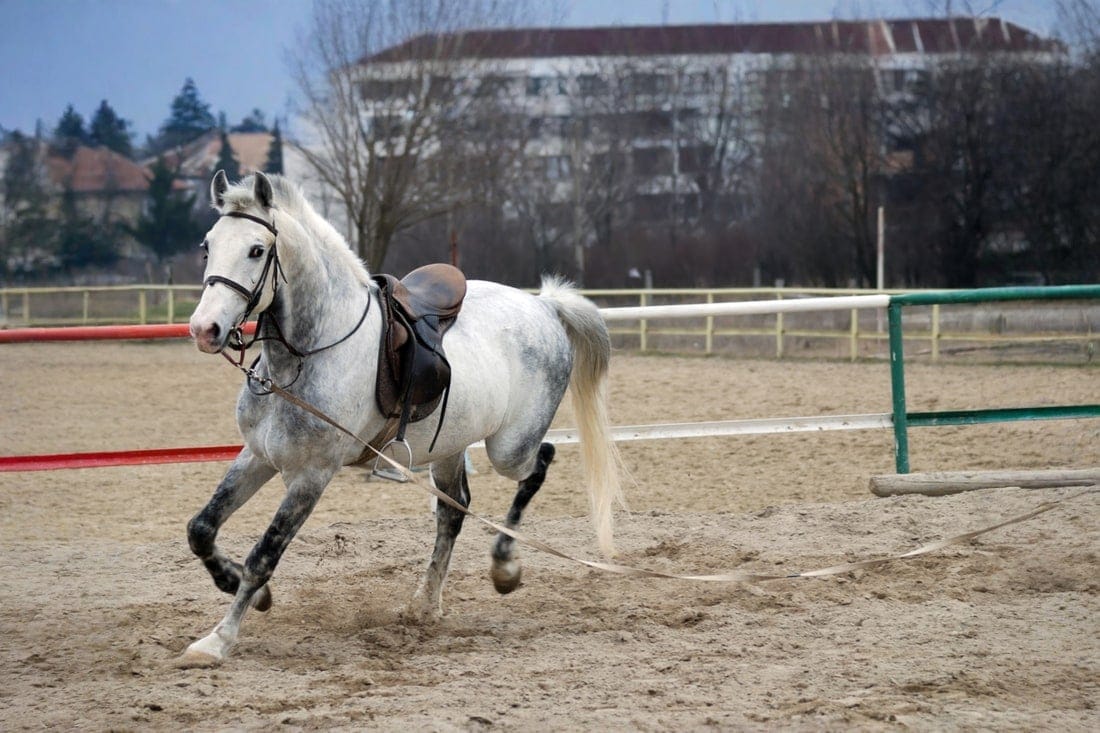
Cooling down a horse after exercise is an important part of any training regimen. Cool down helps the horse’s body move smoothly from exertion back into a relaxed, resting state.
This transition allows body temperature and heart and breathing rates to settle at a safe pace, supporting healthy recovery and reducing the risk of post-exercise stiffness or strain.
Following a structured cool down practice helps prevent these issues by gradually lowering body temperature and restoring baseline circulation.
Low-intensity movement promotes blood flow, delivering oxygen and nutrients to muscles while clearing metabolites that cause fatigue and soreness. Meanwhile, hosing with cool water and ensuring the horse is housed in a space with effective airflow also assist in dissipating heat.
With these benefits in mind, it’s helpful to understand how to effectively cool down your horse after exercise. Read on to learn more about the science behind cooling down and why post-exercise recovery is essential for maintaining equine welfare and long-term performance.
Exercise Cool Down for Horses
Cooling down describes the period immediately after exercise when a horse’s body shifts from a heightened metabolic state back to rest.
After intense exercise, the muscles build up metabolic byproducts. This can lead to muscle fatigue, stiffness, and slow recovery if metabolites are not cleared from the tissues effectively.
Cool down is the first step of an effective exercise recovery routine, and serves to:
- Lower overall exertion
- Restore hydration
- Stabilize the horse’s body temperature
These measures are essential after moderate to intense exercise, as they directly influence comfort, recovery, and long-term performance.
What's your top priority with your horse's health?
Planning Your Horse’s Cool Down Routine
Planning an effective cool down routine is just as important as the workout itself. A well-structured cool down helps your horse transition safely from exertion to rest, supporting healthy circulation, reducing excess heat, and minimizing the buildup of metabolic byproducts that contribute to stiffness and fatigue.
Every horse cools down differently, and the right approach depends on how hard they worked, the weather conditions, and their individual fitness level.
By understanding these factors and adjusting your routine accordingly, you can promote faster recovery, support long-term soundness, and help your horse feel their best after every ride.
1) Establish Level of Work
To get the most out of cool down for your horse, your routine should take the intensity and duration of each workout into consideration.
Table 1. National Research Council equine exercise categories [1][2]
| Exercise Level | Description | Heart Rate During Work | Examples |
|---|---|---|---|
| Light Exercise |
|
~80 bpm |
|
| Moderate Exercise |
|
~90 bpm |
|
| Heavy Exercise |
|
~110 bpm |
|
| Very Heavy Exercise |
OR
|
~110–150 bpm |
|
Recognizing these distinctions allows owners to tailor their cool down routines for optimal recovery, reduced injury risk, and sustained performance.
2) Gradually Decrease Exertion
Walking is a key part of the cool-down process. Gentle movement promotes circulation, supports metabolite clearance, and delivers oxygen to working muscles, helping reduce the risk of soreness, tying-up, or stiffness. A relaxed walk keeps the heart rate within a moderate range and allows the body to settle gradually back to baseline levels. [3][4]
For horses finishing moderate or intense workouts, incorporating a steady, relaxed trot provides a gradual decrease in exertion. This slightly elevated level of activity provides the same benefits as walking without shifting abruptly from high to low levels of exercise. [3][4]
The ideal duration for cool down varies with exercise intensity. Most horses recover well with 10–30 minutes of walking or light movement, but those coming off galloping, jumping, or endurance work may require more time. Cool downs should continue until the horse’s breathing normalizes and sweating subsides to ensure optimal recovery and reduce the risk of overheating. [3][4]
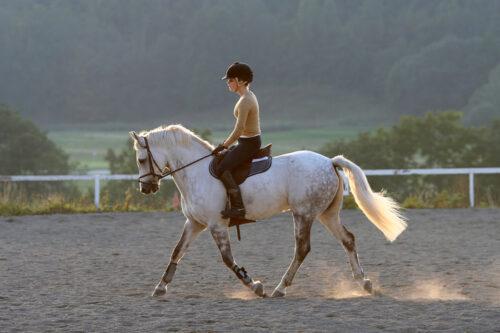
Riding at a walk is often convenient and allows the rider to assess how the horse feels after exercise. With that being said, horses who are fatigued, unbalanced, or overstimulated may cool down more effectively through in-hand walking.
3) Rehydrate
Horses sweat profusely during exercise, especially in warm conditions, resulting in significant fluid and electrolyte loss. Sodium, chloride, and potassium losses through sweating make horses prone to dehydration and electrolyte imbalances. These can reduce performance, delay recovery, and in severe cases, compromise overall health. [2][5][6]
Without adequate rehydration, horses may experience tying-up (exertional rhabdomyolysis), colic, and heat exhaustion. Providing electrolytes after exercise is essential for restoring balance and preventing these issues, as they help the body retain fluids, reduce fatigue, and support efficient muscle recovery. [5][6][7]
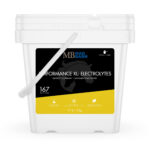
Mad Barn’s Performance XL Electrolytes is an electrolyte designed to meet the needs of horses in work. Performance XL is scientifically formulated to replace the electrolytes lost in sweat and contains added Vitamin E and Vitamin C to support post-workout care.
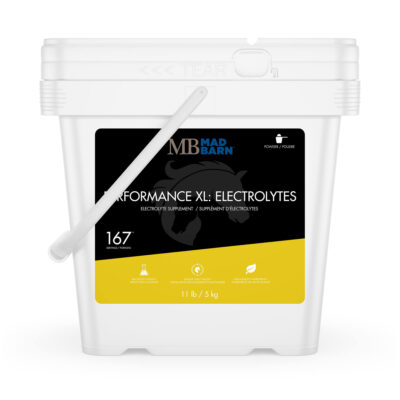
To optimize your horse’s rehydration, provide electrolytes within 15–30 minutes of exercise. Timely supplementation helps replenish glycogen stores and promotes faster recovery. [5][6][7]
4) Restore Normal Body Temperature
During intense exercise, a horse’s core temperature can climb above 105°F (41°C), exceeding the normal range of 99–101°F (37.2–38.3°C). [7]
If excess heat isn’t dissipated effectively, horses may develop exertional heat illness (EHI), which can result in serious symptoms, including: [8]
- Weakness
- Distress
- Elevated heart rate
- Elevated respiratory rate
- Profuse sweating
- Restlessness
- Incoordination
- Head shaking
- Lameness
- Collapse
Effective cooling techniques are crucial for preventing overheating and promoting safe recovery after strenuous exercise.
Placing a horse in a shaded, well-ventilated area helps speed cooling and maintain comfort. Misting fans and cold hosing can accelerate heat dissipation by increasing airflow across the skin and boosting evaporative cooling. [6][9]
Cooling strategies should be adjusted based on seasonal conditions and the individual requirements of each horse.
One of the most effective methods is hosing the horse with cool water, focusing on areas such as the neck, chest, and hindquarters. Continue applying water until the horse’s temperature returns to normal. [9]

Monitoring Recovery Progress
A well-managed recovery phase helps owners and trainers confirm their horse has returned to baseline physiological levels and identify whether additional care is needed.
Effective recovery monitoring should be systematic, focusing on measurable indicators as well as behavioral cues like alertness and movement.
This combined approach helps detect health risks early and ensures each horse is prepared for its next training session or competition.
Vital Signs & Exercise
One of the most reliable ways to assess post-exercise recovery is by monitoring temperature, pulse, and respiration (TPR). These vital signs offer valuable information about a horse’s physiological state and whether systems are returning to normal.
TPR should be recorded immediately after exercise and checked at regular intervals until all values return to the horse’s typical resting range. [10]
By consistently tracking these parameters and understanding their importance, horse owners and trainers can promote safe, efficient recovery. A structured recovery monitoring routine supports long-term health, enhances performance, and minimizes the risk of post-exercise complications.
Temperature
The temperature of a healthy adult horse at rest typically ranges between 99 and 101°F (37.2–38.3°C). During intense exercise, however, their core temperature can rise significantly, often exceeding 105°F (40.5°C). [7][10]
Like other animals, the horse’s body temperature is usually measured rectally. To take this measurement, a thermometer and lubricant are required. Most owners and veterinarians prefer using a digital thermometer over mercury.
Stand beside the horse’s hind leg with your body angled away from the head. This position reduces the risk of injury if the horse reacts. Gently lift the tail to the side with one hand; some horses may tense or resist, so keep steady, calm pressure until the tail moves.
With your other hand, insert the thermometer into the rectum. Aim the tip slightly toward the side wall rather than straight into the center. This helps ensure you measure body temperature instead of accidentally reading the temperature of manure.
 Rectal Temperature Check
For standard mercury thermometers, keep the device in place for about one minute. [11] These thermometers are generally discouraged because of the potential for breakage during use. If you must rely on one, secure it with a string or line so it can be retrieved safely should it slip deeper into the rectum.
Digital thermometers typically beep once the reading is complete. Below is a summary of expected temperature ranges for healthy horses.
Table 2. Equine body temperature ranges
| Urgency | Observation |
|---|---|
| Safe Healthy Horse |
|
| Caution Seek Veterinary Care ASAP |
|
| Urgent Seek Emergency Veterinary Care |
|
Pulse
Pulses (heart rates) are another key indicator of recovery. A horse’s resting heart rate normally falls between 28 and 44 beats per minute (BPM). [7][10]
After exercise, the heart rate is elevated initially, but should gradually decrease. Within 10 to 15 minutes, the pulse should drop below 60 BPM. If it remains elevated for over 30 minutes after exercise, this could indicate issues such as dehydration, overheating, or an inadequate level of fitness. [7][10]
Monitoring heart rate recovery over time can help assess whether a horse is conditioning effectively or if adjustments are needed in its training regimen.
The most effective way to check a horse’s heart rate is with a stethoscope. To perform this check, position the stethoscope on the left side of the chest, just behind the elbow. [13] You may need to angle the head of the stethoscope back slightly so the diaphragm has enough clearance to pick up the heartbeat clearly.
Horses with a deep chest or excess body condition can be more challenging to assess in a neutral stance. If you cannot reach the area easily, have the horse step forward a bit or gently bring the front leg ahead to open up better access.
 Heart Rate Check with Stethoscope
Note that 3 or 4 beats may be heard when listening with a stethoscope. When counting heartbeats, only count the loudest one.
Table 3. Equine heart rate ranges
| Urgency | Observation |
|---|---|
| Safe Healthy Horse |
|
| Caution Seek Veterinary Care ASAP |
|
| Urgent Seek Emergency Veterinary Care |
|
Respiration
A horse’s breathing rate provides further insight into the state of their exercise recovery. At rest, a horse typically breathes at a rate of 8 to 16 breaths per minute. Immediately after intense activity, this rate may rise to 60 breaths per minute or higher. [7][10]
You can assess a horse’s respiratory rate in two primary ways with a stethoscope: by listening over the lungs or by placing the stethoscope on the trachea. Another option is to count breaths visually by watching the rise and fall of the flanks.
To check airflow through the trachea, set the stethoscope on the windpipe about midway up the neck. [12] Sounds in this area are usually more pronounced and easier to detect than those coming from the lungs.
 Breathing Check over Trachea
To listen over the lungs, place your stethoscope between two ribs of the horse, approximately halfway down their ribcage and halfway up their body. [12] Listen carefully, as lung sounds are typically very quiet.
 Breathing Check over Lung
If a horse continues to exhibit rapid, shallow breathing beyond 20 to 30 minutes, it may indicate stress, respiratory distress, or difficulty dissipating heat. [7][10] Paying attention to respiration patterns can also reveal underlying health concerns, such as respiratory infections or airway inflammation.
Table 4. Equine respiratory rate ranges
| Urgency | Observation |
|---|---|
| Safe Healthy Horse |
|
| Caution Seek Veterinary Care ASAP |
|
| Urgent Seek Emergency Veterinary Care |
|
Cool Down for Optimal Performance
A thoughtful cooldown routine is one of the simplest ways to support your horse’s comfort, performance, and long-term well-being.
By gradually lowering exertion, encouraging hydration, promoting effective heat dissipation, and monitoring recovery markers like temperature, pulse, and respiration, you help your horse transition safely back to rest after every ride.
Whether you’re conditioning a sport horse or hacking out for pleasure, consistent cool-down habits build resilience, reduce recovery time, and contribute to overall soundness. With the right approach, post-exercise care becomes an essential part of keeping your horse healthy, comfortable, and ready for the next training session.
Frequently Asked Questions
Here are some frequently asked questions about cooling down horses after exercise:
Cooling down helps a horse gradually return to normal physiological conditions. It prevents overheating, supports muscle recovery, and reduces the risk of metabolic conditions such as exertional heat illness.
A horse is properly cooled down when its temperature, pulse, and respiration return to resting levels. Body temperature should drop below 101°F within 10–15 minutes, heart rate below 60 beats per minute within 15–30 minutes, and respiration should ease to normal. The horse should appear relaxed, stop sweating excessively, and breathe comfortably.
Most horses benefit from 10–30 minutes of walking, depending on exercise intensity, weather, and fitness level. Continue walking until the horse's breathing slows, sweating subsides, and temperature begins returning toward the normal range of 99–101°F. Horses completing intense work such as galloping, jumping, or conditioning sets may need a longer cool-down period to safely stabilize.
Blanketing is usually not necessary unless weather conditions are cold, windy, or wet. A horse that has been properly cooled down should not remain sweaty or overheated, and placing a blanket too soon can trap residual heat against the body. In cooler climates, use a breathable cooler or fleece sheet only after the horse has stopped sweating and its vital signs have returned to normal.
Summary
Cooling down horses after exercise is vital for maintaining long-term performance, preventing overheating, and supporting muscle recovery. A proper cool-down routine stabilizes horses' body temperature, heart rate, and respiration, helping them safely recover from exertion.
- Cooling down horses helps prevent dehydration, overheating, and muscle fatigue after exercise
- Gradually reducing activity through walking or light trotting aids blood circulation and lactate removal
- Cooling methods like hosing, misting, and fans help dissipate body heat and prevent exertional heat illness (EHI)
- Providing fresh water and electrolytes supports rehydration and replenishes minerals lost through sweat
- Monitoring temperature, pulse, and respiration ensures the horse returns to normal levels within 10–30 minutes post-exercise
- A consistent cool-down routine reduces injury risk and promotes long-term equine health and performance
References
- Ivey. J. L. and Johnston. L. H. Managing the Equine Athlete. University of Tennessee Institute of Agriculture.
- Nutrient Requirements of Horses: Sixth Revised Edition. National Academies Press, Washington, D.C. 2007.
- Kang. O.-D. et al. Effects of Cooldown Methods and Durations on Equine Physiological Traits Following High-Intensity Exercise. Livestock Science. 2012.
- Cooling Down Correctly after a Ride. FEI.org. 2023.
- Lindinger. M. I. Oral Electrolyte and Water Supplementation in Horses. Veterinary Sciences. Multidisciplinary Digital Publishing Institute. 2022.
- Optimal Recovery after Exercise? Here's What Cavalor Says. FEI. 2024.
- Hinchcliff. K. W. et al. Eds. Equine Exercise Physiology: The Science of Exercise in the Athletic Horse. Saunders/Elsevier, Edinburgh New York. 2008.
- Brownlow. M. and Mizzi. J. X. An Overview of Exertional Heat Illness in Thoroughbred Racehorses: Pathophysiology, Diagnosis, and Treatment Rationale. Animals. 2023. doi: 10.3390/ani13040610.
- Takahashi. Y. et al. A Comparison of Five Cooling Methods in Hot and Humid Environments in Thoroughbred Horses. Journal of Equine Veterinary Science. 2020.
- Liburt. N. R. et al. Measuring Temperature, Pulse, & Respiration (TPR): What's Normal for My Horse?. The State University of New Jersey. 2017.
- King. A. and Ecker. G., The Horse Health Check: A Systematic Method of Examination. Equine Guelph.
- Accidental Hypothermia in the Horse: A Review for Emergency Responders. Technical Large Animal Emergency Rescue. 2011.
- Costa. L. R. R. and Paradis. M. R. Manual of Clinical Procedures in the Horse. Wiley Blackwell, Hoboken. 2018.