English

Hydroxyzine, sold under the brand name Vistaril®, is a first-generation antihistamine used in horses to reduce itching and inflammation caused by environmental and insect allergens. [1][2] Unlike newer antihistamines, it crosses the blood–brain barrier, which means it can also cause drowsiness and sedation. [1][3]
Although hydroxyzine is not FDA approved for use in horses, it is commonly prescribed off-label in equine practice. [2] It works by blocking histamine, a chemical involved in allergic reactions. [4]
Because hydroxyzine affects histamine receptors, it can interfere with diagnostic procedures such as intradermal allergy testing. [4] For this reason, proper timing of administration is important when evaluating horses for allergic disease.
Keep reading to learn more about the use of hydroxyzine in equine medicine, including its effects, safety precautions, and status in competition.
Hydroxyzine for Horses
Hydroxyzine is a histamine-1 (H1) receptor blocker that reduces the effects of histamine during allergic reactions. [3] As a first-generation antihistamine, it crosses the blood–brain barrier and produces central nervous system effects such as drowsiness and sedation. [1][3]
Although approved for use in humans, use of hydroxyzine in horses is extra-label (also referred to as off-label). [2] This approach is common in equine medicine due to the limited number of drugs specifically labeled for horses. [2] Veterinarians are permitted to make extra-label prescriptions for medications based on their professional discretion and supporting research.
Hydroxyzine is primarily used to manage allergic conditions and is often incorporated into broader treatment plans that may include environmental and dietary management. The product is most useful in conditions where histamine release contributes meaningfully to clinical signs, even when other inflammatory pathways are also involved. [2]
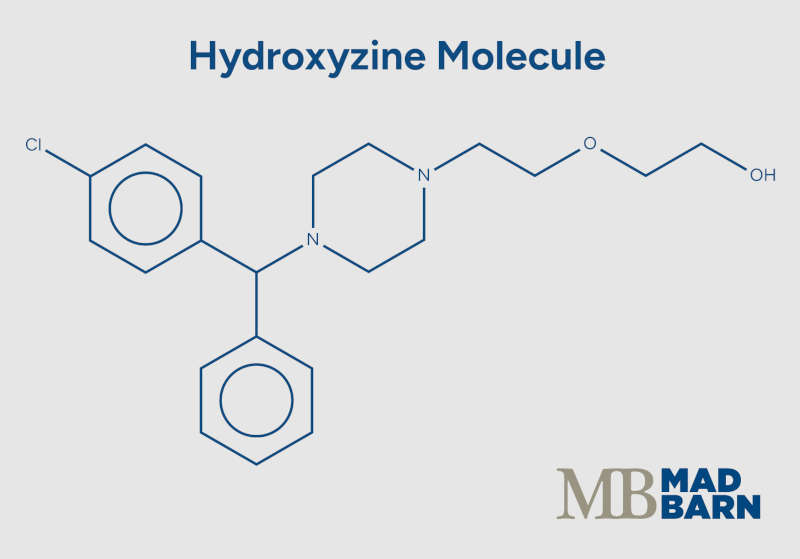
After administration, hydroxyzine is rapidly absorbed and converted in the liver to cetirizine, which can remain in the body for several days. Much of the longer-lasting antihistamine effect is due to this metabolite rather than the original drug. [1][3]
Both hydroxyzine and cetirizine can be detected in blood and urine beyond the period when clinical effects are obvious, which is important for performance horses and drug testing. [1][3]
Available Forms
Hydroxyzine is available by prescription as a generic and under the brand name Vistaril®. These products are labeled for human use and are available as oral tablets, capsules, oral syrups, and intramuscular injections. [2]
Use in horses is extra-label, and veterinarians determine dosing and administration based on the individual patient and clinical condition. [2] Selection of formulation may be influenced by ease of administration, dosing accuracy, and owner compliance.
What's your top priority with your horse's health?

What's your top priority with your horse's health?
Drug Class: First Generation Antihistamines
Hydroxyzine belongs to the class of first-generation antihistamines. [1][3]
First-generation antihistamines readily cross the blood–brain barrier and bind to H1 receptors both peripherally and within the central nervous system. This produces antihistamine effects along with sedation, which can limit use in some patients. [1][3]
These drugs are widely used in horses to manage allergic conditions, although their use often relies on data from other species and clinical responses in horses can vary. [5]
In contrast, second-generation antihistamines such as cetirizine have limited central nervous system penetration. This results in less sedation while maintaining peripheral antihistamine effects. [1][3] This distinction is clinically important when selecting therapies for horses where sedation may interfere with performance or safety.
Other antihistamines used in horses include: [2]
- Diphenhydramine (first-generation)
- Clemastine (first-generation)
- Cetirizine (second-generation; active metabolite of hydroxyzine)
- Fexofenadine (second-generation; poor oral bioavailability in horses)
Mechanism of Action
Hydroxyzine blocks histamine at H1 receptors, reducing the effects of histamine released during allergic reactions. [3]
During an allergic response, exposure to allergens such as insect saliva or environmental triggers stimulates immune cells to release histamine. Histamine binds to H1 receptors on blood vessels and sensory nerves, causing swelling, increased vascular permeability, and itching (pruritus). [2] These effects contribute directly to many of the clinical signs observed in equine allergic disease.
Because histamine plays a central role in the early phase of allergic reactions, blocking its effects can help reduce the intensity of clinical signs soon after exposure to allergens. This is particularly relevant in conditions characterized by severe itching or visible skin reactions, where histamine-mediated effects are prominent.
By preventing histamine from binding to H1 receptors, hydroxyzine reduces inflammation, irritation, and pruritus associated with hypersensitivity conditions. This leads to improved comfort and reduced clinical signs. [3] However, allergic disease in horses often involves multiple inflammatory pathways, so blocking histamine alone may not fully resolve clinical signs in all cases.
Because hydroxyzine crosses the blood–brain barrier, it also binds to central H1 receptors, which may lead to sedation or drowsiness. [1][3] This central effect distinguishes it from newer antihistamines and contributes to both its therapeutic profile and its limitations.
Hydroxyzine also has anticholinergic activity, which contributes to additional systemic effects. [1] In practice, this means it can reduce secretions and slow certain bodily functions, sometimes leading to effects such as dry mucous membranes or mild changes in gut motility. Although these effects are not the primary therapeutic target, they can influence tolerability and may affect individual response to treatment.
After administration, hydroxyzine is rapidly converted to cetirizine, which continues to provide peripheral antihistamine effects with less sedation. [1][3] This metabolite helps extend the overall duration of action and contributes to the sustained antihistamine effect observed after dosing.
Uses in Horses
All uses of hydroxyzine in horses are extra-label. Veterinarians rely on pharmacokinetic data, clinical studies, and professional experience to guide treatment decisions.
Extra-label (off-label) use refers to administration of a drug in a manner not described on the approved label, including use in a different species. This is permitted under veterinary oversight within a valid veterinarian-client-patient relationship.
Hydroxyzine is used to manage hypersensitivity conditions and related clinical signs in horses. It is most effective when histamine contributes significantly to the disease process and is often used alongside other therapies as part of a multimodal approach.
Response to antihistamine therapy can vary between individual horses, which may reflect differences in underlying disease mechanisms as well as variability in drug absorption and metabolism. For this reason, hydroxyzine is often evaluated as part of an overall treatment plan rather than relied upon as a sole intervention.
Clinical applications of hydroxyzine in horses include:
Allergic Skin Disease (Atopic Dermatitis)
Hydroxyzine is commonly used to reduce itching associated with hypersensitivity reactions, including atopic dermatitis. [1][4] These conditions can significantly affect comfort and performance.
By reducing itching, hydroxyzine helps limit self-trauma, which can otherwise worsen skin damage and prolong healing. It also contributes to improved skin integrity when used consistently as part of a broader treatment plan. [1][4]
Insect Bite Hypersensitivity (IBH)
IBH, or sweet itch, is a seasonal allergic dermatitis caused by hypersensitivity to the saliva of biting midges (Culicoides spp.). It often results in severe itching and self-trauma. [6]
Antihistamines such as hydroxyzine are sometimes included in treatment, but their effectiveness is often limited because IBH involves complex immune mechanisms beyond histamine alone.
While hydroxyzine may reduce some clinical signs, it is rarely sufficient as a sole therapy. Management of IBH typically relies on environmental control and physical barriers such as protective fly sheets, as well as minimizing exposure to biting insects. [2]
Recurrent Urticaria (Hives)
Recurrent urticaria is associated with allergic hypersensitivity and is managed by controlling clinical signs. Hydroxyzine can reduce histamine-mediated responses and help decrease the severity and frequency of hives. [4]
Corticosteroids such as dexamethasone are often used concurrently to control inflammation. [4] This reflects the multifactorial nature of allergic disease in horses and the need for combination therapy in many cases.
Recurrent Airway Obstruction (RAO)
Also known as equine asthma or heaves, RAO involves chronic airway inflammation triggered by environmental factors such as dust and mold. [2]
Hydroxyzine is not a primary treatment for RAO but is sometimes used as an adjunct when hypersensitivity contributes to clinical signs. [2] Its role is limited compared to therapies that more directly target airway inflammation, such as corticosteroids.
Administration Routes
Hydroxyzine is administered orally in horses. [2] Because its use in horses is extra-label, standardized dosing recommendations are not available. [2] Drug manufacturers do not guarantee safety for products used off-label.
General administration considerations include the following: [2]
- May be given with or without food.
- Often works best when administered consistently over time.
- Liquid formulations should be measured with appropriate dosing devices.
Oral drug administration in horses can be influenced by factors such as feed intake, formulation, and individual variation in gastrointestinal function, which may affect absorption and clinical response. [5] Consistent administration practices are therefore important for achieving predictable outcomes.
Storage
Store hydroxyzine according to the label on the package. [2] Most formulations are kept at room temperature between 20 to 25°C (68 to 77°F), protected from light, and stored in the original container. [2]
It should also be kept out of reach of domestic animals and children. [2]
Safety Warnings & Precautions
Hydroxyzine has several important safety considerations related to its pharmacologic effects in horses.
Diagnostic Considerations
Hydroxyzine can interfere with intradermal allergy testing by reducing the apparent size of reactions. Its effects can persist for several days, so a withdrawal period of approximately 7 days is recommended before testing to allow accurate interpretation. [4]
If testing is performed too soon after administration, allergic responses may appear less severe than they actually are, which can complicate interpretation of results and subsequent treatment decisions. Coordinating medication use with diagnostic procedures is essential in horses undergoing evaluation for allergic disease.
Sedation and Central Effects
Because hydroxyzine crosses the blood–brain barrier, it can cause sedation that may impair performance or alter behavior. [1][3] The degree of sedation varies between individuals and should be considered when selecting therapy for athletic or working horses.
In some cases, this sedative effect may be mild, but in others it may be more pronounced, which can influence suitability for horses involved in training or competition.
Monitoring
Monitor horses receiving hydroxyzine for response to therapy and side effects. Reduction in itching or allergic signs should be assessed, along with any signs of sedation or behavioral change. [1][2] Coordination and activity level should also be observed. [2]
In horses with underlying disease or those receiving long-term therapy, additional monitoring may include:
- Cardiovascular status
- Urinary function
- Neurologic signs
Close observation helps ensure the drug is providing benefit while minimizing the risk of adverse reactions.
Contraindications
Contraindications refer to circumstances where a drug should be avoided or used with caution.
Hydroxyzine should not be used in horses with known hypersensitivity to the drug or related antihistamines. [2]
Use with caution in horses with the following conditions: [2]
- Cardiovascular disease
- Respiratory disease
- Seizure disorders
- Glaucoma
- Urinary obstruction or retention
Side Effects
Hydroxyzine is generally well-tolerated but side effects can occur. [2]
The most common effects are drowsiness and sedation. Less commonly, horses may show: [2]
- Excitability or agitation
- Uncoordinated movement (ataxia)
- Difficulty urinating
- Difficulty defecating
Individual responses may vary depending on dose, duration, and patient sensitivity. [1][2] Monitoring for these effects is important, particularly during the early stages of treatment.
Acute Toxicity (Overdose)
Signs of overdose may include the following: [2]
- Severe sedation
- Weakness
- Loss of coordination
- Respiratory difficulty
Drug Interactions
Hydroxyzine may interact with other medications that affect the central nervous system or histamine pathways. Concurrent use with sedating medications, such as other first-generation antihistamines (e.g., diphenhydramine) or commonly used equine sedatives (e.g., acepromazine), may increase the risk of sedation due to additive effects. [1]
Use with corticosteroids is common in clinical practice but may complicate interpretation of intradermal allergy testing results due to combined effects on skin reactivity. [4]

Regulatory Status & Legal Considerations
There are currently no equine-approved formulations of hydroxyzine available. Veterinarians may prescribe human or compounded formulations for use in horses under extra-label guidelines.
Extra-label drug use is common in veterinary medicine because many medications are not specifically approved for all animal species. While this practice is legally permitted, it means manufacturers do not guarantee the safety or efficacy of the product in horses and are not responsible for outcomes associated with its use.
Status in Competition
Antihistamines can affect immune responses and behavior, so their use is regulated in competition settings to ensure fairness and protect equine welfare.
Hydroxyzine is classified as a Controlled Medication under FEI regulations. It may be used therapeutically but must not be present above permitted levels or within the detection period at the time of competition. [7]
Work with your veterinarian and always check the current regulations for your sport before starting your horse on a new medication.
Frequently Asked Questions
Here are some frequently asked questions about hydroxyzine use in horses:
Hydroxyzine is used in horses to manage allergic conditions, including itching, hives, and hypersensitivity reactions. It is most commonly used for skin-related conditions such as atopic dermatitis and insect bite hypersensitivity. By blocking histamine, it helps reduce inflammation and discomfort. It is typically part of a broader allergy management plan.
Hydroxyzine is generally considered safe for horses when prescribed and monitored by a veterinarian. However, it can cause sedation and other systemic effects due to its activity in the central nervous system. The risk of side effects depends on dose and individual sensitivity. Veterinary oversight helps ensure appropriate use.
Hydroxyzine can cause sedation in horses because it crosses the blood–brain barrier and affects the central nervous system. The degree of sedation varies between individuals and may depend on the dose used. Some horses may show mild drowsiness, while others may appear more noticeably subdued. Monitoring response is important during treatment.
Hydroxyzine may be used as part of a treatment plan for insect bite hypersensitivity, commonly known as sweet itch. However, its effectiveness as a standalone therapy is often limited. Most cases require environmental management and additional treatments to control allergic responses. Veterinary guidance is important for developing a comprehensive plan.
Hydroxyzine is typically administered orally in horses, often in tablet or compounded formulations. The dose and frequency depend on the condition being treated and the horse’s response. Consistent administration is important to maintain its antihistamine effect. Treatment protocols should be determined by a veterinarian.
Hydroxyzine generally begins working within a few hours of administration in horses. However, the full clinical effect may take longer, especially in chronic allergic conditions. Response can vary depending on the severity of the condition and individual sensitivity. Ongoing assessment helps determine effectiveness.
Hydroxyzine is rapidly converted to cetirizine, which can remain detectable in the horse’s system for several days. While the clinical effects may wear off sooner, the metabolite persists longer in blood and urine. This has important implications for drug testing in performance horses. Withdrawal timing should be discussed with a veterinarian.
Hydroxyzine can interfere with allergy testing in horses by reducing visible reactions during intradermal testing. Because it blocks histamine responses, test results may appear falsely reduced. It is typically discontinued several days before testing to allow accurate results. Timing should be coordinated with a veterinarian.
Hydroxyzine can be used with other medications in horses, but caution is required due to potential additive effects. Combining it with other sedatives or central nervous system depressants may increase drowsiness. Drug interactions may also affect overall treatment response. Veterinary guidance is important when using combination therapies.
Hydroxyzine is classified as a controlled or prohibited substance in many equestrian competitions. Because it can affect the central nervous system and is metabolized to cetirizine, detection times may extend beyond clinical effects. It must not be present in a horse’s system during competition. Always consult current regulations and a veterinarian for withdrawal guidance.
Hydroxyzine works in horses by blocking H1 histamine receptors, which reduces the effects of histamine during allergic reactions. Histamine is responsible for signs such as itching, swelling, and inflammation. By preventing histamine from binding to its receptors, hydroxyzine helps control these symptoms. Its effects may be enhanced by its conversion to cetirizine in the body.
Hydroxyzine is not approved for use in horses by regulatory agencies such as the FDA. Its use in equine medicine is considered extra-label and must be prescribed by a veterinarian. Despite this, it is commonly used in practice for managing allergic conditions. Veterinary oversight is required to ensure safe and appropriate use.
Hydroxyzine and cetirizine are related antihistamines, but they differ in how they act in the body. Hydroxyzine is a first-generation antihistamine that can cause sedation, while cetirizine is a second-generation antihistamine with less central nervous system effect. Hydroxyzine is converted into cetirizine after administration, so both may contribute to the overall effect. Cetirizine is often better tolerated when sedation is a concern.
Hydroxyzine may cause side effects in horses, most commonly sedation or reduced alertness. Some horses may also show decreased energy or mild gastrointestinal upset. The degree of these effects can vary depending on the dose and individual sensitivity. Monitoring during treatment helps identify and manage side effects.
Hydroxyzine can be used long-term in horses when clinically indicated, but this should be done under veterinary supervision. Long-term use is often part of managing chronic allergic conditions. Ongoing monitoring helps assess effectiveness and detect any side effects. Treatment plans may be adjusted over time based on response.
Summary
Hydroxyzine is a first-generation antihistamine used off-label in horses to manage allergic conditions by blocking histamine and reducing itching, inflammation, and hypersensitivity reactions. Its ability to cross the blood-brain barrier distinguishes it from newer antihistamines, contributing to both therapeutic effects and sedation.
- Acts as an H1 receptor blocker, reducing histamine-driven signs such as itching, swelling, and skin irritation
- Rapidly metabolized to cetirizine, extending antihistamine effects beyond the initial dosing period
- Commonly used for conditions like hives, atopic dermatitis, and insect bite hypersensitivity as part of a multimodal treatment plan
- Clinical response varies between horses due to differences in disease mechanisms and drug metabolism
- May cause sedation or behavioral changes due to central nervous system penetration
- Can interfere with intradermal allergy testing and is regulated in competition due to detection and performance effects
References
- Paine. S. W. et al. Plasma and Urine Pharmacokinetics of Hydroxyzine and Cetirizine Following Repeated Oral Administrations to Exercised Horses. Journal of Veterinary Pharmacology and Therapeutics. 2022.
- Plumb's Veterinary Drugs. John Wiley & Sons. 2018.
- Knych. H. K. et al. Pharmacokinetics of Hydroxyzine and Cetirizine Following Oral Administration of Hydroxyzine to Exercised Thoroughbred Horses. Journal of Veterinary Pharmacology and Therapeutics. 2019.
- Petersen. A. and Schott. H. C. Effects of Dexamethasone and Hydroxyzine Treatment on Intradermal Testing and Allergen‐specific IgE Serum Testing Results in Horses. Veterinary Dermatology. 2009.
- Cole. C. et al. Eds. Equine Pharmacology. Wiley Blackwell. 2015.
- Cox. A. and Stewart. A. J. Insect Bite Hypersensitivity in Horses: Causes, Diagnosis, Scoring and New Therapies. Animals. 2023.
- FEI 2026 Prohibited Substances List. FEI. 2025.