






 English
Research-Backed Ingredients
Every Mad Barn product is formulated with evidence-backed ingredients, combining peer-reviewed science and real-world equine nutrition expertise.
All products are developed by equine nutritionists using ingredients with demonstrated efficacy in horses, supported by independent studies. Each ingredient is provided in a bioavailable form and at physiologically relevant dosages supported by experimental data.
All Veterinary Health Products are registered with Health Canada and comply with U.S. FDA requirements, ensuring that every formulation meets recognized standards for safety, efficacy, and substantiated label claims. Our ingredients also undergo third-party testing to verify identity, purity, and potency.
This page compiles the scientific literature supporting the inclusion of these active ingredients in Mad Barn formulations.
Acetyl-L-Carnitine (ALCAR) is a naturally occurring amino acid derivative that supports energy production and muscle function, particularly during periods of increased physical demand. It plays a key role in transporting fatty acids into the mitochondria, where they are used for energy—making it especially beneficial for performance horses. In addition to its metabolic role, ALCAR offers antioxidant support, helping to protect muscle cells from oxidative stress and reducing soreness and stiffness.
References
- Zeyner, A., & Harmeyer, J. Metabolic functions of L-carnitine and its effects as feed additive in horses. Arch Tierernähr. 1999; 52(2):115–138.
- Rivero, J.L.L., et al. Oral L-carnitine combined with training promotes changes in skeletal muscle. Equine Vet J Suppl. 2002;(34):269–274.
- Johnson, S.E., et al. A carnitine-containing product improves aspects of post-exercise recovery in adult horses. Animals (Basel). 2023; 13(4):657.
- Sato, F., et al. Effects of daily astaxanthin and L-carnitine supplementation for exercise-induced muscle damage in training Thoroughbred horses. J Equine Vet Sci. 2015; 35(10):836–842.
 Acetyl-L-Carnitine
Alpha-lipoic acid (ALA) is a naturally occurring antioxidant and coenzyme involved in mitochondrial energy metabolism. It functions as both a water- and fat-soluble antioxidant, allowing it to act throughout the cell to neutralize free radicals and regenerate other antioxidants such as Vitamins C and E and Coenzyme Q10.
ALA supports glucose metabolism and helps maintain normal insulin function by influencing cellular glucose uptake and mitochondrial energy efficiency. These properties make it useful in supporting healthy metabolic function in horses, particularly those requiring nutritional support for maintaining normal blood sugar regulation or recovering from exercise-induced oxidative stress.
In equine studies, alpha-lipoic acid supplementation has been shown to support antioxidant capacity, enhance insulin sensitivity, and promote balanced inflammatory responses during training. Its unique dual solubility and redox activity make it an important nutrient for maintaining cellular health and metabolic balance.
References
- Berg, E.L. et al. The effects of lipoic acid supplementation on blood glucose and insulin concentrations in pony mares. Prof. Anim. Sci. 2012.
- Mahdi, V. et al. An updated systematic review and dose-response meta-analysis of the effects of α-lipoic acid supplementation on glycemic markers in adults. Nutrition. 2021.
- Kinnunen, S., et al. α-Lipoic acid supplementation enhances heat shock protein production and decreases post-exercise lactic acid concentrations in exercised Standardbred trotters. Res. Vet. Sci. 2009.
- Williams, C.A., et al. Lipoic Acid as an Antioxidant in Mature Thoroughbred Geldings: A Preliminary Study. J. Nutr. 2002.
 MagneChrome
Ascorbic acid, or Vitamin C, is a water-soluble antioxidant that plays an essential role in protecting cells from oxidative stress and supporting connective tissue health. It acts as a cofactor for enzymes involved in the synthesis of collagen, carnitine, and certain neurotransmitters, and it helps regenerate other antioxidants such as Vitamin E.
Horses are able to synthesize Vitamin C endogenously in the liver from glucose through the L-gulonolactone oxidase pathway. Under most conditions, this production is sufficient to maintain normal physiological levels. However, supplementation may be beneficial during periods of intense exercise, heat stress, illness, transportation, or aging, when hepatic synthesis or antioxidant demand may be compromised.
Fresh pasture is a natural source of ascorbic acid, while hay and stored feeds contain negligible amounts due to oxidation losses. Supplemental Vitamin C may help maintain immune competence and antioxidant balance in horses with limited pasture access or increased metabolic stress.
References
- Garcia, E.I.C., et al. Dietary supplements of vitamins E, C, and β-carotene to reduce oxidative stress in horses: An overview. J Equine Vet Sci. 2022.
- Dedar, R.K., et al. Effect of oral supplementation of Vitamin C and exercise on plasma Vitamin C status in Marwari horses. J Veterinar Sci Technol. 2014.
- Kirschvink, N., et al. The oxidant/antioxidant equilibrium in horses. Vet J. 2008.
 Omneity® Pellets
  Omneity® Premix
  Performance XL: Electrolytes
Aspergillus niger fermentation product provides a natural source of digestive enzymes that support efficient nutrient breakdown and absorption. The fermentation process yields enzymes such as amylases, proteases, cellulases, hemicellulases, and glucosidases that act on complex carbohydrates, fibers, and proteins within the gastrointestinal tract.
By enhancing the enzymatic digestion of feed components, these bioactive compounds promote improved nutrient release and support a balanced hindgut microbiome. This contributes to optimal fermentation, energy availability, and digestive comfort in horses consuming high-fiber or performance diets.
Aspergillus niger–derived enzyme products are commonly used in equine nutrition to support feed efficiency and maintain normal gastrointestinal function. Their use in Optimum Digestive Health helps promote consistent nutrient utilization and overall gut resilience.
References
- Synergen®. Alltech.
- Schuster, E., et al. On the safety of Aspergillus niger – a review. Appl Microbiol Biotechnol. 2002.
 Optimum Digestive Health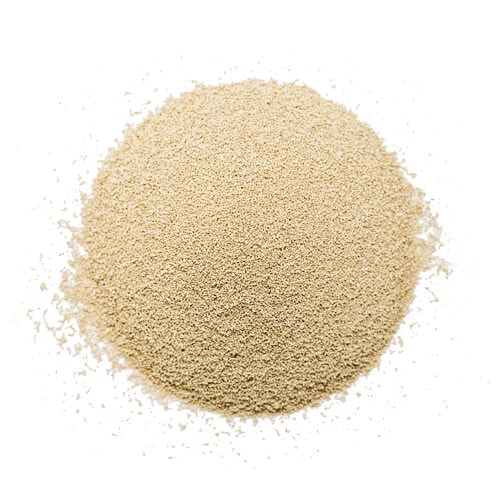
Beta-glucans are complex polysaccharides naturally present in the cell walls of fungi, yeast, bacteria, and certain plants. They are recognized for their ability to support immune function, gastrointestinal integrity, and overall digestive health.
By interacting with intestinal immune cells and promoting the activity of macrophages and neutrophils, beta-glucans help maintain normal immune surveillance and support the body’s natural defense mechanisms. They also contribute to gut barrier stability by reinforcing tight junction function and supporting a balanced microbial environment.
In equine nutrition, beta-glucans are used to help maintain gastrointestinal comfort and immune readiness, particularly in horses exposed to environmental stressors, training, or dietary changes. Their prebiotic and toxin-binding properties make them valuable ingredients in formulations such as Optimum Digestive Health to support a resilient digestive and immune system.
References
- Ciecierska, A., et al. Nutraceutical functions of beta-glucans. National Institute of Public Health. 2019.
- El-Naggar, M.A., and Thabit, T.M. Evaluation of β-D-glucan biopolymer as a novel mycotoxin binder for fumonisin and deoxynivalenol in soybean feed. Foodborne Pathog Dis. 2014.
- Lacerenza, M.D., et al. Effects of β-glucan supplementation on LPS-induced endotoxemia in horses. Animals. 2024.
- Leleu, C., et al. Immunostimulation par supplémentation orale en beta-1,3/1,6 glucanes chez le cheval à l’entraînement : essai randomisé en double aveugle contre placebo. Institut français du cheval et de l’équitation. 2015.
- Picetti, T.S., et al. Orally administered β-glucan improves the hemolytic activity of the complement system in horses. Vet World. 2021.
- Slovis, N. Polysaccharide treatment reduces gastric ulceration in active horses. J Equine Vet Sci. 2017.

Biotin (vitamin B7) is a water-soluble vitamin that functions as a coenzyme for carboxylase enzymes involved in carbohydrate, lipid, and amino acid metabolism. It also plays a structural role in keratin synthesis, contributing to the integrity of hooves, skin, and coat.
Biotin is not synthesized by the horse in sufficient quantities and must be obtained from dietary sources such as fresh pasture, alfalfa, oats, barley, and soybean meal. Supplementation with biotin has been shown to support normal hoof growth rate, hardness, and horn quality, especially in horses with brittle or weak hoof walls.
Clinical studies in horses demonstrate that daily biotin intake of approximately 20 mg supports the development of strong, resilient hoof horn when provided consistently over several months. Biotin also contributes to normal cellular metabolism and energy production through its role in enzymatic reactions within mitochondria.
References
- Buffa, E.A. et al. Effect of dietary biotin supplement on equine hoof horn growth rate and hardness. Equine Vet J. 1992.
- Comben, N. et al. Clinical observations on the response of equine hoof defects to dietary supplementation with biotin. Vet Rec. 1984.
- Geyer, H. & Schulze, J. The long-term influence of biotin supplementation on hoof horn quality in horses. Schweiz Arch Tierheilkd. 1994.
- Josseck, H., Zenker, W., & Geyer, H. Hoof horn abnormalities in Lipizzaner horses and the effect of dietary biotin on macroscopic aspects of hoof horn quality. Equine Vet J. 1995.
- Zenker, W. et al. Histological and physical assessment of poor hoof horn quality in Lipizzaner horses and a therapeutic trial with biotin and a placebo. Equine Vet J. 1995.
- NRC 2007. Chapter 6: Vitamins. Nutrient Requirements of Horses 6th Edition. 2007.
 AminoTrace+
  B-Vitamin Pak
  Biotin
Calcium carbonate is a natural mineral salt and a primary supplemental source of calcium in equine nutrition. Calcium plays essential roles in bone and teeth formation, muscle contraction, blood coagulation, nerve transmission, and intracellular signaling. It also contributes to maintaining the calcium-to-phosphorus balance necessary for skeletal integrity and metabolic function.
As a feed ingredient, calcium carbonate — often referred to as limestone flour — provides a highly bioavailable form of calcium. It is commonly included in diets for growing, lactating, or heavily exercised horses with elevated calcium demands, or when forage calcium levels are low.
In addition to its nutritional function, calcium carbonate serves as an excipient and carrier in supplement formulations, improving product stability and flowability in powdered or pelleted mixes.
References
- Frey, L.P., et al. Technical note: Using calcium carbonate as an osmolar control treatment for acid-base studies in horses. J Anim Sci. 2001.
- Schryver, H.F., et al. Calcium metabolism in ponies fed varying levels of calcium. J Nutr. 1970.
Calcium is a macromineral that plays essential roles in skeletal integrity, muscle contraction, nerve transmission, and blood clotting. Approximately 99% of the body’s calcium is stored in bones and teeth, where it works alongside phosphorus to maintain structural strength and mineral balance.
Within cells, calcium functions as a key signaling molecule, regulating enzyme activation, heart rhythm, and smooth and skeletal muscle contraction and relaxation. Maintaining optimal calcium status is particularly important for performance horses, lactating mares, and growing foals, whose physiological demands are increased.
Calcium citrate is an organic, highly bioavailable form of calcium produced by combining calcium carbonate with citric acid. It is more soluble than inorganic sources such as calcium carbonate or dicalcium phosphate, which can enhance absorption in the digestive tract, particularly when stomach acid levels are low. This form is gentle on the gastrointestinal system and well-suited for horses requiring supplemental calcium from easily absorbed, natural mineral and organic acid sources.
References
- Soliman, M.K., and Nadim, M.A. Calcium, sodium and potassium level in the serum and sweat of healthy horses after strenuous exercise. Zentralbl Veterinarmed A. 1967.
- Wang, Y.X., and Kotlikoff, M.I. Muscarinic signaling pathway for calcium release and calcium-activated chloride current in smooth muscle. Am J Physiol. 1997.
- Valberg, S.J., et al. Enriched pathways of calcium regulation, oxidative stress, inflammation, and cell proliferation characterize gluteal muscle of Standardbred horses between episodes of recurrent exertional rhabdomyolysis. Genes (Basel). 2022.
- Busse, N.I., et al. Supplementation with calcium butyrate causes an increase in oxidative fiber percentage in equine gluteus medius muscle. J Anim Sci. 2022.

Calcium iodate is a stable, bioavailable source of iodine used in equine diets to support normal thyroid hormone synthesis. Iodine is required for the production of thyroxine (T4) and triiodothyronine (T3), hormones that regulate metabolic rate, growth, thermoregulation, and energy utilization.
By contributing to normal thyroid function, calcium iodate helps maintain energy balance, muscle performance, and overall metabolic efficiency. Compared to other iodine sources such as potassium iodide, calcium iodate provides superior oxidative stability and shelf life in mineral premixes and pelleted feeds.
Iodine requirements in horses depend on workload, diet composition, and life stage. Supplementation ensures adequate intake where soil or forage iodine levels are low or variable, supporting consistent thyroid hormone activity and metabolic health.
References
- Aquilina, G., et al. Scientific Opinion on the safety and efficacy of iodine compounds (E2) as feed additives for all species: calcium iodate anhydrous and potassium iodide. EFSA Journal. 2013.
- Brehaus, B.A. Disorders of the Equine Thyroid Gland. Vet Clin Equine Pract. 2011.
- Bertin, F., et al. Diagnosis and management of thyroid disorders and thyroid hormone supplementation in adult horses and foals. Equine Vet J. 2023.
- Thompson, L.J. Veterinary Toxicology (Fourth Edition): Chapter 24 - Chromium, iodine, and phosphorus. Academic Press. 2025.
 Trace Mineral Pak
Calcium-D-pantothenate is the stable, supplemental form of pantothenic acid (vitamin B5), a water-soluble vitamin essential for cellular energy metabolism. It is a structural component of coenzyme A (CoA) and acyl-carrier proteins, which are required for carbohydrate oxidation, fatty acid synthesis, and amino acid metabolism.
Pantothenic acid supports the synthesis of steroid hormones, neurotransmitters, and acetylcholine, and contributes to maintaining healthy skin, coat, and hoof tissue. In horses, adequate B5 levels help sustain normal metabolic activity and recovery during periods of stress or high workload.
Deficiency is uncommon, as pantothenic acid is supplied by forages, grains, and microbial synthesis in the hindgut. However, horses with digestive disturbances, high-grain diets, or antibiotic use may benefit from additional supplementation to maintain optimal nutrient utilization.
References
- Nutrient Requirements of Horses. The National Academies Press. 2007.
- Pearson, P.B. and Schmidt, H. Pantothenic acid studies with the horse. J Anim Sci. 1948.
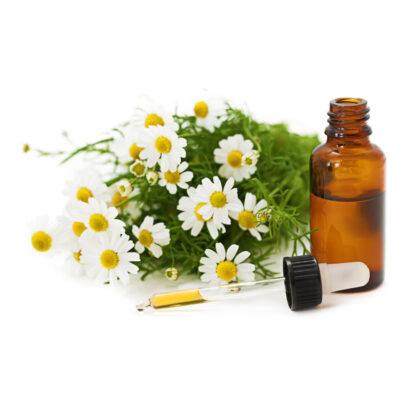
Chamomile (Matricaria chamomilla) is a flowering herb from the Asteraceae family known for its content of polyphenols and essential oils such as apigenin, bisabolol, and chamazulene. These compounds exhibit antioxidant and soothing properties that help support normal inflammatory balance and oxidative status.
In equine nutrition, chamomile is used to help maintain calm behavior, digestive comfort, and metabolic stability. Evidence from animal and cell studies indicates that chamomile extracts may support healthy glucose metabolism and modulate pathways involved in oxidative stress, making it a beneficial botanical for horses with metabolic or inflammatory challenges.
By promoting antioxidant defenses and helping maintain normal stress and inflammatory responses, chamomile contributes to overall metabolic health and well-being. It is included in MagneChrome to support endocrine balance and oxidative resilience in horses with metabolic sensitivities.
References
- Zemestani, M., et al. Effects of chamomile tea on inflammatory markers and insulin resistance in patients with type 2 diabetes mellitus. Trends Gen Pract. 2018.
- Akhgarjand, C., et al. The effect of chamomile consumption on glycemic markers in humans and animals: a systematic review and meta-analysis. J Diabetes Metab Disord. 2024.
- Bayliak, M.M., et al. Chamomile as a potential remedy for obesity and metabolic syndrome. EXCLI J. 2021.

Chasteberry (Vitex agnus-castus) is a botanical ingredient used to support normal endocrine and reproductive function. It contains iridoid glycosides and flavonoids that interact with dopaminergic pathways involved in pituitary regulation, helping to maintain normal hormone secretion patterns.
By supporting pituitary and hypothalamic function, chasteberry contributes to balanced hormone activity, metabolic stability, and reproductive health. It is commonly used in programs designed to maintain normal mood, coat condition, and energy levels in mares, stallions, and senior horses.
Chasteberry is included in formulations such as Mad Barn’s Chasteberry Powder to help support normal hormonal balance, metabolic efficiency, and overall vitality in horses under variable environmental or physiological stress.
References
- Seidlova-Wuttke, D., et al. The premenstrual syndrome, premenstrual mastodynia, fibrocystic mastopathy and infertility have often common roots: effects of extracts of chasteberry (Vitex agnus-castus) as a solution. Clin Phytosci. 2017.
- Eustace, R. Equine metabolic syndrome and Cushing’s disease clinical trial. Vet Rec. 2008.
- Bradaric, Z., et al. Use of the chasteberry preparation Corticosal for the treatment of pituitary pars intermedia dysfunction in horses. Pferdeheilkunde. 2013.
- Sessions-Bresnahan, D.R., et al. The effect of equine metabolic syndrome on the ovarian follicular environment. J Anim Sci. 2014.
- Sessions, D.R., et al. Development of a model for inducing transient insulin resistance in the mare: preliminary implications regarding the estrous cycle. J Anim Sci. 2004.
- Zohreh, A., et al. Vitagnus an estrogen-riched herbal remedy used in sexual dysfunction: A randomized clinical trial. J Educ Health Promot. 2023.
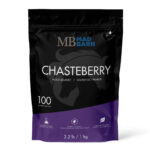 Chasteberry
Choline is an essential nutrient that functions as a structural component of cell membranes, a methyl group donor in metabolic reactions, and a precursor for the neurotransmitter acetylcholine. It plays critical roles in liver function, lipid transport, and nervous system communication.
In equine nutrition, choline is considered a vitamin-like compound closely associated with the B-vitamin group. It contributes to normal fat metabolism and supports hepatic and muscular energy balance. Although horses can synthesize some choline endogenously, requirements may increase under metabolic stress, high performance demands, or when diets are low in methyl donors such as methionine or folate.
Choline also influences intestinal and hepatic lipid metabolism and may contribute to maintaining normal gut function through its effects on phospholipid synthesis and membrane integrity. Supplementation with bioavailable forms such as choline chloride or phosphatidylcholine supports these physiological roles in horses.
References
- Baker, H., et al. Blood vitamin and choline concentrations in healthy domestic cats, dogs, and horses. Am J Vet Res. 1986.
- Moretti, A., et al. Choline: An essential nutrient for skeletal muscle. Nutrients. 2020.
- Zhan, X., et al. Choline supplementation regulates gut microbiome diversity, gut epithelial activity, and cytokine gene expression in gilts. Front Nutr. 2023.
- Farina, G., et al. Performance of broilers fed different dietary choline sources and levels. Ciência Animal Brasileira. 2017.
- Ju, T., et al. Insufficient dietary choline aggravates disease severity in a mouse model of Citrobacter rodentium-induced colitis. Br J Nutr. 2021.
- Chartampila, E., et al. Choline supplementation in early life improves outcomes and low levels of choline can impair cognitive performance in a mouse model. Elife. 2024.
- Williams, C.L., et. al. Hypertrophy of basal forebrain neurons and enhanced visuospatial memory in perinatally choline-supplemented rats. Brain research. 1998.
 Visceral+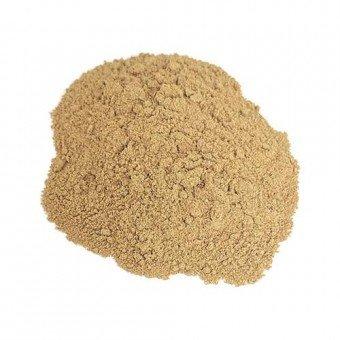
Chromium is an essential trace mineral that supports normal carbohydrate, lipid, and protein metabolism. It contributes to healthy glucose utilization and insulin function, which are critical for maintaining metabolic balance and energy regulation in horses.
Chromium yeast is an organic, highly bioavailable form of chromium in which the mineral is incorporated into yeast biomass (Saccharomyces cerevisiae). This form enhances intestinal absorption and cellular uptake compared to inorganic sources. By supporting efficient glucose transport into cells, chromium yeast helps maintain normal insulin sensitivity and energy metabolism in both performance and metabolically challenged horses.
In horses under heavy training or metabolic stress, chromium supplementation has been shown to help sustain normal post-exercise glucose and insulin responses, supporting recovery and endurance. Chromium yeast provides a safe, physiologically relevant source of this micronutrient, ensuring consistent delivery and utilization.
References
- Cuddeford, D., et al. Effects of chromium yeast supplementation on postprandial glycaemic and insulinaemic responses in insulin-resistant ponies and horses. Pferdeheilkunde Equine Medicine. 2010.
- Vervuert, I., et al. Effects of chromium yeast supplementation on postprandial glycaemic and insulinaemic responses in insulin-resistant ponies and horses. Pferdeheilkunde. 2010.
- Pagan, J., et al. The effect of chromium supplementation on metabolic response to exercise in Thoroughbred horses. Kentucky Equine Research. 1995.
- Spears, J., et al. Chromium propionate increases insulin sensitivity in horses following oral and intravenous carbohydrate administration. J Anim Sci. 2020.
- Spears, J.W. Review: History of chromium in animal nutrition in the United States. Applied Animal Science. 2025.
- Spears, J.W., et. al. Chromium propionate increases insulin sensitivity in horses following oral and intravenous carbohydrate administration. Journal of Animal Science. 2020.
- Ott, E.A., et. al. Influence of chromium tripicolinate on growth and glucose metabolism in yearling horses. Journal of Animal Science. 1999.
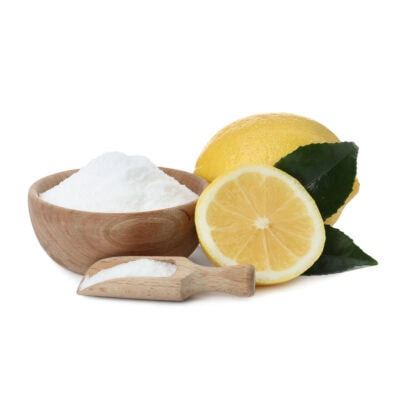
Citric acid is a naturally occurring compound found in citrus fruits such as lemons and oranges. In equine supplements, it is commonly used as a preservative and natural flavouring agent.
Citric acid helps protect sensitive ingredients—including vitamins, minerals, and probiotics—by improving their stability during storage. This preservation function supports consistent nutrient quality throughout the product’s shelf life.
In the digestive tract, citric acid can enhance the solubility of certain minerals, supporting efficient absorption of nutrients such as calcium and potassium. It may also contribute antioxidant support; research in animals and humans indicates that citric acid can help limit oxidative reactions in cells and support normal redox balance.
References
- Harvey, J.A., et al. Enhanced Calcium Bioavailability from a Solubilized Form of Calcium Citrate. The Journal of Clinical Endocrinology & Metabolism. 1987.

Cobalt carbonate is an inorganic source of cobalt, an essential trace mineral required for the microbial synthesis of vitamin B12 (cobalamin) in the equine hindgut. Vitamin B12 is necessary for red blood cell production, energy metabolism, and the conversion of propionate to glucose during exercise, contributing to normal stamina and metabolic function.
In horses, cobalt status influences hindgut fermentation and nutrient utilization. The microbes in the large intestine incorporate cobalt into cobalamin, which supports methylation reactions and normal protein, carbohydrate, and fat metabolism. Stable cobalt supply is therefore vital for maintaining vitamin B12-dependent pathways.
Among cobalt sources, cobalt carbonate offers good stability in premixes and comparable bioavailability to organic forms. It is commonly included in trace mineral blends to support overall vitality, especially in horses on hay-based diets or in regions with cobalt-deficient soils.
References
- Robinson, C., et al. Influence of dietary cobalt on fiber digestibility and serum cobalt and cobalamin concentrations in horses. Animals (Basel). 2024.
- Raths, R., et al. Comparison of growth performance and tissue cobalt concentrations in beef cattle fed inorganic and organic cobalt sources. Transl Anim Sci. 2023.
- Stillions, S.M., et al. Utilization of dietary vitamin B12 and cobalt by mature horses. J Anim Sci. 1971.
Coenzyme Q10 (CoQ10) is a naturally occurring antioxidant found in the cell mitochondria, where it plays an essential role in cellular energy metabolism. It supports adenosine triphosphate (ATP) synthesis and helps maintain normal oxidative balance by scavenging free radicals and regenerating other antioxidants such as Vitamin E.
In horses, CoQ10 supplementation helps support efficient energy utilization, aerobic performance, and recovery from exercise by promoting mitochondrial function. Its antioxidant activity contributes to muscle health and helps protect cells from oxidative stress associated with physical exertion and metabolic activity. Research in horses demonstrates that CoQ10 supplementation can increase plasma and muscle CoQ10 concentrations, supporting normal energy metabolism and redox balance.
References
- Chopra, R.K. et al. Plasma Coenzyme Q10 and Tocopherols in Thoroughbred Race Horses: Effect of Coenzyme Q10 Supplementation and Exercise. J. Equine Vet. Sci. 2014.
- Chopra, R.K. et al. Coenzyme Q10 in Equine Serum: Response to Supplementation. J. Equine Vet. Sci. 2013.
- Henry, M.L., et al. Impact of Coenzyme Q10 Supplementation on Skeletal Muscle Respiration, Antioxidants, and the Muscle Proteome in Thoroughbred Horses. Antioxidants. 2023.
- Vovk, T., et al. Effects of Vitamin E and Coenzyme Q10 Supplementation on Oxidative Stress Parameters in Untrained Leisure Horses Subjected to Acute Moderate Exercise. Antioxidants. 2021.

Copper is an essential trace mineral involved in multiple enzymatic processes that support connective tissue formation, antioxidant defense, and energy metabolism. It is a cofactor for lysyl oxidase, an enzyme required for cross-linking collagen and elastin, helping maintain strong tendons, ligaments, and bone matrix integrity. Copper also contributes to melanin synthesis for normal coat pigmentation and supports red blood cell formation through iron metabolism.
In horses, adequate copper status is associated with joint soundness, tissue repair, and optimal hoof and coat condition. Copper also plays a role in antioxidant defense as part of superoxide dismutase, an enzyme that helps neutralize free radicals generated during exercise or stress.
Organic forms such as copper proteinate are more bioavailable than inorganic sources like copper sulfate or oxide, allowing for more efficient absorption and utilization. Supplementing with organic copper helps maintain normal copper levels in horses consuming forages grown in low-copper soils or diets high in competing minerals such as zinc, iron, or manganese.
References
- Knight, D.A., et al. The effects of copper supplementation on the prevalence of cartilage lesions in foals. Equine Vet J. 1990.
- Ott, E.A., et al. Effect of trace mineral proteinates on growth and skeletal and hoof development in yearling horses. J Equine Vet Sci. 2001.
- McKnight, J., et al. Effect of copper(II) on the aerobic oxidative uptake of iron(II) by horse spleen apoferritin. J Chem Soc, Dalton Trans. 1997.
- Britton, S., et al. The effect of diet on melanin pigmentation in animals. Funct Ecol. 2022.
- Jančíková, P., et al. The Effect of Various Copper Sources on the Trace Elements Profile in the Hair, Plasma and Faeces and Copper Activity in the Organism of Horses. Acta Universitatis Agriculturae et Silviculturae Mendelianae Brunensis. 2012.
- Bryne, L. And Murphy, R.A. Relative Bioavailability of Trace Minerals in Production Animal Nutrition: A Review. Animals. 2022.
 3:1 Zinc Copper
  Copper
Docosahexaenoic acid (DHA) is a long-chain omega-3 fatty acid that supports inflammatory balance, joint mobility, cardiovascular health, and immune resilience. It is a structural component of cell membranes and contributes to normal signaling in tissues such as the brain, retina, and muscle.
In the horse, DHA and eicosapentaenoic acid (EPA) are the primary omega-3 fatty acids that generate bioactive compounds—resolvins and protectins—which help regulate inflammation and oxidative stress. Because the conversion of alpha-linolenic acid (ALA) from plant sources to DHA and EPA is inefficient, direct supplementation with marine-derived DHA (such as from microalgae or fish oil) provides a more effective source of these functional lipids.
DHA supplementation has been shown in equine research to support metabolic health, respiratory function, and post-exercise recovery, particularly in horses with higher oxidative or inflammatory demands. In horses, dietary supplementation with DHA has been shown to improve insulin sensitivity and support healthier insulin levels. This fatty acid also benefits digestive health by modulating inflammation in the gut and supporting a healthy gastrointestinal lining. It can also help promote a balanced microbiome. Microalgal DHA offers a sustainable, contaminant-free source suitable for performance and metabolic support.
References
- Elzinga, S.E., et al. Effects of docosahexaenoic acid–rich microalgae supplementation on metabolic and inflammatory parameters in horses with equine metabolic syndrome. J Equine Vet Sci. 2019.
- Manhart, D.R., et al. Markers of inflammation in arthritic horses fed omega-3 fatty acids. Prof Anim Sci. 2009.
- Nogradi, N., et al. Omega-3 fatty acid supplementation provides an additional benefit to a low-dust diet in the management of horses with chronic lower airway inflammatory disease. J Vet Intern Med. 2015.
- Woodward, A.D., et al. Supplementation of dietary long-chain polyunsaturated omega-3 fatty acids high in DHA increases plasma DHA concentration and may increase trot stride lengths in horses. Equine Comp Ex Physiol. 2007.
- Brennan, K.M., et al. The effect of dietary microalgae on lameness scores and cytokine gene expression in horses. J Anim Sci. 2017.
- Trounce, E., et al. A 2022 Systematic Review and Meta-Analysis of Enriched Therapeutic Diets and Nutraceuticals in Canine and Feline Osteoarthritis. Int. J. Mol. Sci. 2022.
- Epp, T., et al. Review of alternative therapies for EIPH. AAEP Proceedings. 2007.
- Ariturk, L.A., et al. Docosahexaenoic acid (DHA) alleviates inflammation and damage induced by experimental colitis. European Journal of Nutrition. 2024.
- K. M. Brennan, et al. 336 The effect of dietary microalgae on American Association of Equine Practitioners lameness scores and whole blood cytokine gene expression following a lipopolysaccharide challenge in mature horses. Journal of Animal Science. 2017.
- Caron, J.P., et al. Omega-3 fatty acids and docosahexaenoic acid oxymetabolites modulate the inflammatory response of equine recombinant interleukin1β-stimulated equine synoviocytes. Prostaglandins & Other Lipid Mediators. 2019.
- Brennan, K.M., et al. Effects of a docosahexaenoic acid–rich microalgae nutritional product on insulin sensitivity after prolonged dexamethasone treatment in healthy mature horses. American Journal of Veterinary Research. 2015.
- King, S.S., et al. Circulating fatty acid profiles in response to three levels of dietary omega-3 fatty acid supplementation in horses. Journal of Animal Science. 2008.
- Hess, T.M., et al. Effects of Ω-3 (n-3) Fatty Acid Supplementation on Insulin Sensitivity in Horses. Journal of Equine Veterinary Science. 2013.
- Costantini, L., et al. Impact of Omega-3 Fatty Acids on the Gut Microbiota. Int. J. Mol. Sci. 2017.
- Pagan, J.D., et al. Long-chain polyunsaturated fatty acid supplementation increases levels in red blood cells and reduces the prevalence and severity of squamous gastric ulcers in exercised Thoroughbreds. JAVMA. 2022.
- Stucchi, L., et al. Antioxidant capacity and athletic condition of endurance horses undergoing nutraceutical supplementation. Journal of Equine Veterinary Science. 2025.
- Elzinga, S.E., et al. Effects of Docosahexaenoic Acid–Rich Microalgae Supplementation on Metabolic and Inflammatory Parameters in Horses With Equine Metabolic Syndrome. J Equine Vet Sci. 2019
 w-3 Oil
Dried yeast extract is produced from the soluble components of yeast (Saccharomyces cerevisiae) and provides a concentrated source of mannan-oligosaccharides (MOS), beta-glucans, nucleotides, and peptides. These bioactive fractions support a balanced hindgut microbiota, efficient nutrient absorption, and optimal digestive and immune function.
Beta-glucans and MOS from yeast help maintain microbial stability and gut barrier integrity by promoting beneficial bacteria and reducing pathogen attachment to the intestinal wall. The naturally occurring nucleotides in yeast extract play a key role in supporting rapid epithelial turnover and cellular regeneration in the intestinal lining, especially during periods of stress or high metabolic demand.
Through its combined prebiotic, immune-supportive, and trophic effects, dried yeast extract contributes to digestive resilience and gastrointestinal health in performance and metabolically sensitive horses.
References
- Tiwari, U.P., et al. Role of xylan and mannan polysaccharides in gut health. J. Nutr. Sci. 2020.
- Cooke, C.G., et al. Prebiotics and synbiotics in equine health. Int. J. Equine Sci. 2023.
- Valini, G.A.C., et al. Dietary nucleotides improve growth and gut morphology in weaned piglets. Animal. 2021.
- Gil, A. Modulation of immune response by dietary nucleotides. Eur. J. Clin. Nutr. 2002.
- Carver, J.D. Dietary nucleotides and their intestinal and hepatic effects. J. Nutr. 1994.
- Penazzi, L., et al. Dietary supplementation of new-born foals with free nucleotides positively affects neonatal diarrhoea management. Irish Veterinary Journal. 2025.

Fenugreek (Trigonella foenum-graecum) is an herbal ingredient commonly used in equine supplements to enhance palatability and support normal appetite. Its naturally sweet, maple-like aroma makes feeds more appealing to picky eaters and horses reluctant to consume powdered supplements. By improving feed acceptance, fenugreek helps support consistent intake of fortified rations and targeted nutritional products.
In palatability trials comparing different flavor options, fenugreek has been identified as a preferred flavor in concentrate diets for horses. Research has shown that feeds flavored with fenugreek can increase eating time and improve acceptance compared to other flavor options.
In addition to its flavor-enhancing properties, fenugreek contains bioactive compounds including saponins and soluble fibers such as galactomannans that have been studied for their role in supporting normal metabolic and digestive function. Fenugreek also provides antioxidant compounds that may help support muscle health in horses undergoing training or other forms of physical stress.
References
- Miller, R. et al. Comparison of physiological responses to exercise in horses on a conditioning regimen versus inactive horses receiving a yucca and fenugreek dietary supplement. Journal of Animal Science. 2019.
- Goodwin, D. et al. Selection and acceptance of flavours in concentrate diets for stabled horses. Applied Animal Behaviour Science. 2005.

Flax oil, also known as linseed oil, is a plant-derived oil extracted from flaxseed and is notable for providing one of the richest natural sources of the omega-3 fatty acid alpha-linolenic acid (ALA). It also contains smaller amounts of omega-6 fatty acids, both of which are essential nutrients that horses must obtain through their diet to maintain normal cellular and metabolic function.
Because of its palatable taste, high omega-3 content, and ease of mixing, flax oil is widely used in equine nutrition to help support normal inflammatory balance, skin health, and coat quality. Omega-3 fatty acids contribute to maintaining a healthy skin barrier and are involved in supporting normal immune and metabolic responses. Flax oil also serves as an effective carrier for long-chain omega-3s such as DHA from algal sources, helping to evenly distribute these beneficial fats in the diet.
As a “cool” calorie source, flax oil provides energy from fat rather than sugar or starch, helping maintain body condition and performance without contributing to excess excitability. Supplemental fats can also increase the overall calorie density of the ration, supporting horses with higher energy demands or those needing assistance with weight maintenance.
As with all dietary adjustments, flax oil should be introduced gradually to allow the digestive system to adapt and to ensure optimal tolerance and nutrient utilization.
References
- Hartwig, S., et al. The effect of dietary camelina, flaxseed, and canola oil supplementation on skin fatty acid profile and immune and inflammatory responses in healthy adult horses. Journal of Animal Science. 2025.
- Richards, T., et al. Effects of dietary camelina, flaxseed, and canola oil supplementation on transepidermal water loss, skin and coat health parameters, and plasma prostaglandin E2, glycosaminoglycan, and nitric oxide concentrations in healthy adult horses. Journal of Animal Science. 2023.
- Eaton, M.D., et al. Effect of a diet containing supplementary fat on the capacity for high intensity exercise. Equine Veterinary Journal. 1995.
- Orme, C.E., et al. Metabolic adaptation to a fat-supplemented diet by the thoroughbred horse. British Journal of Nutrition. 2007.
- Crandell, K.G., et al. A comparison of grain, oil and beet pulp as energy sources for the exercised horse. Equine Veterinary Journal. 2010.
- Kronfeld, D.S. Dietary fat affects heat production and other variables of equine performance, under hot and humid conditions. Equine Veterinary Journal. 1996.
- Mowry, K.C., et al. Effects of Crude Rice Bran Oil and a Flaxseed Oil Blend in Young Horses Engaged in a Training Program. Animals. 2022.

Flaxseed, also known as linseed, is a nutrient-dense seed valued in equine nutrition for providing one of the richest natural sources of the omega-3 fatty acid alpha-linolenic acid (ALA). In addition to omega-3s, flaxseed supplies smaller amounts of omega-6 fatty acids, along with fiber and plant-based antioxidants that contribute to overall nutritional support. These essential fatty acids must be obtained through the diet to help maintain normal cellular structure and metabolic function.
Because of its palatable, nutty taste and versatility, flaxseed is widely used in horse feeds and supplements to support normal inflammatory balance, skin health, and coat quality. Omega-3 fatty acids play a role in maintaining a healthy skin barrier and supporting normal immune and metabolic responses.
References
- Hartwig, S., et al. The effect of dietary camelina, flaxseed, and canola oil supplementation on skin fatty acid profile and immune and inflammatory responses in healthy adult horses. Journal of Animal Science. 2025.
- Richards, T., et al. Effects of dietary camelina, flaxseed, and canola oil supplementation on transepidermal water loss, skin and coat health parameters, and plasma prostaglandin E2, glycosaminoglycan, and nitric oxide concentrations in healthy adult horses. Journal of Animal Science. 2023.
Folic acid (folate, Vitamin B9) is a water-soluble B-vitamin that functions as a one-carbon donor in DNA synthesis, methionine regeneration, and amino acid metabolism. It supports normal cell proliferation, tissue repair, and red blood cell maturation, processes that are particularly important during periods of growth, training, or recovery.
In horses, folate status reflects both dietary intake and microbial synthesis in the hindgut. Levels may be lower in animals maintained primarily on hay compared with those on fresh forage. Medications that interfere with folate metabolism, such as sulfadiazine or pyrimethamine used in EPM treatment, can also reduce availability, making supplementation beneficial in some cases.
Folic acid helps maintain normal hematologic and mucosal function, contributing to overall metabolic efficiency and recovery from exercise or illness.
References
- Roberts, M.C. Serum and red cell folate and serum vitamin B12 levels in horses. Australian Veterinary Journal. 1983.
- Seckington, I.M., et al. The serum folic acid levels of grass-fed and stabled horses. Veterinary Record. 1967.
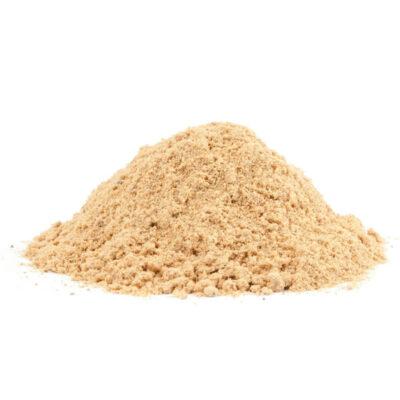
Heterotrophic microalgae is a plant-based source of the omega-3 fatty acid DHA, derived from marine algae. It delivers high levels of DHA comparable to fish oil, but without the fishy smell or taste—making it highly palatable for horses.
Algae-derived DHA production is a more sustainable and efficient process than fish-derived sources. Algal oil is produced in an industrial fermentation process that removes contaminants and heavy metals, making this oil a healthy source of DHA.
The omega-3 fatty acid DHA derived from heterotrophic algae supports many processes in the horse's body including a normal inflammatory response, skin health, joint function, metabolic health and nervous tissue health.
References
- Elzinga, S.E., et al. Effects of docosahexaenoic acid–rich microalgae supplementation on metabolic and inflammatory parameters in horses with equine metabolic syndrome. J Equine Vet Sci. 2019.
- Manhart, D.R., et al. Markers of inflammation in arthritic horses fed omega-3 fatty acids. Prof Anim Sci. 2009.
- Nogradi, N., et al. Omega-3 fatty acid supplementation provides an additional benefit to a low-dust diet in the management of horses with chronic lower airway inflammatory disease. J Vet Intern Med. 2015.
- Woodward, A.D., et al. Supplementation of dietary long-chain polyunsaturated omega-3 fatty acids high in DHA increases plasma DHA concentration and may increase trot stride lengths in horses. Equine Comp Ex Physiol. 2007.
- Brennan, K.M., et al. The effect of dietary microalgae on lameness scores and cytokine gene expression in horses. J Anim Sci. 2017.
- Kunj, P., et al. A review on algal oils as a sustainable source of essential omega-3 fatty acids. Bioresource Technology Reports. 2025.
- Harwood, J.L. Algae: Critical Sources of Very Long-Chain Polyunsaturated Fatty Acids. Biomolecules. 2019.
- Oliver, L., et al. Producing Omega-3 Polyunsaturated Fatty Acids: A Review of Sustainable Sources and Future Trends for the EPA and DHA Market. Resources. 2020.
- Brennan, K., et al. Effects of a docosahexaenoic acid–rich microalgae nutritional product on insulin sensitivity after prolonged dexamethasone treatment in healthy mature horses. American Journal of Veterinary Research. 2015.

Jiaogulan (Gynostemma pentaphyllum) is an herbal ingredient used to support circulatory, respiratory, and metabolic function. It provides saponins (gypenosides) with antioxidant and adaptogenic properties that help maintain endothelial function and normal redox balance. By supporting healthy blood flow, it helps with nutrient delivery and oxygen exchange and contributes to normal hoof, joint, and cardiovascular function.
Jiaogulan is used to help maintain normal insulin function and glycemic control, and to support healthy vascular tone. Evidence from experimental models indicates that gypenosides can support nitric-oxide–mediated pathways and help modulate inflammatory signaling, aligning with goals to maintain metabolic efficiency and tissue comfort.
Because it supports vascular tone, oxidative balance, and cellular energy regulation, Jiaogulan is included in programs aimed at maintaining overall metabolic health and post-exercise recovery. Equine-specific data remain limited; use as directed within a balanced diet and consult a veterinarian or nutritionist when formulating rations.
References
- Blythe, E. et al. Characterization of volatile and polar compounds of Jiaogulan Tea. Asian J Chem. 2017.
- Tanner, M.A. et al. The direct release of nitric oxide by gypenosides derived from the herb Gynostemma pentaphyllum. Nitric Oxide. 1999.
- Aktan, F. et al. Gypenosides derived from Gynostemma pentaphyllum suppress NO synthesis in murine macrophages by inhibiting iNOS enzymatic activity and attenuating NF-κB-mediated iNOS protein expression. Nitric Oxide. 2003.
- Shen, C.-Y. et al. Comparison of the Effects and Inhibitory Pathways of the Constituents from Gynostemma pentaphyllum against LPS-Induced Inflammatory Response. J Agric Food Chem. 2018.
- Huyen, V.T.T. et al. Gynostemma pentaphyllum Tea Improves Insulin Sensitivity in Type 2 Diabetic Patients. J Nutr Metab. 2013.
 Jiaogulan
  NOCR
NOCR 
Kelp meal is derived from brown seaweeds and provides a natural source of iodine, minerals, amino acids, and trace nutrients. Iodine supports normal thyroid hormone production, which is critical for maintaining healthy metabolism, growth, and energy regulation in horses.
In addition to its mineral content, kelp contains polysaccharides such as alginates, fucoidans, and laminarins that have been shown in other species to support antioxidant capacity, immune modulation, and healthy glucose metabolism. These bioactive compounds may help maintain normal oxidative balance and metabolic function in horses exposed to dietary or environmental stress.
Kelp meal is included in MagneChrome to provide a natural source of iodine and to support normal endocrine and metabolic health, particularly in horses requiring balanced thyroid and glucose regulation.
References
- Kim, Y.R., et al. Brown seaweed consumption as a promising strategy for blood glucose management: a comprehensive meta-analysis. Nutrients. 2023.
- Tullin, M., et al. Effects of brown seaweeds on postprandial glucose, insulin and appetite in humans – a randomized, 3-way, blinded, cross-over meal study. Clin Nutr. 2021.
- Lee, I.S., et al. The effect of Laminaria japonica on metabolic syndrome: a systematic review of its efficacy and mechanism of action. Nutrients. 2022.
- Michalak, I., et al. Algae as a promising feed additive for horses. CRC Press. 2019.

L-Glutamine is the most abundant amino acid in the horse’s body and serves as a primary fuel source for rapidly dividing cells, particularly enterocytes that line the gastrointestinal tract. It plays a central role in maintaining gut integrity, supporting nutrient absorption, and promoting tissue repair following stress, illness, or intensive training.
Glutamine also contributes to protein synthesis, acid-base regulation, and immune cell function. During periods of high metabolic demand or inflammation, endogenous glutamine production may not meet physiological needs, making supplementation beneficial for maintaining digestive and muscular health.
In equine nutrition, glutamine is often included to help maintain mucosal integrity, reduce oxidative stress, and support normal inflammatory balance within the digestive tract—key factors for horses recovering from stress, transportation, or gastrointestinal upset.
References
- Martinez, R.E., et al. Equine enterocytes actively oxidize L-glutamine but do not synthesize L-citrulline or L-arginine from L-glutamine or L-proline in vitro. J Anim Sci. 2022.
- Stewart, A.S., et al. Alterations in intestinal permeability: the role of the "leaky gut" in health and disease. J Equine Vet Sci. 2017.
- Kim, M.H., and Kim, H. The roles of glutamine in the intestine and its implication in intestinal diseases. Int J Mol Sci. 2017.
- Lozada-Urbano, M., et al. Preventive and regenerative effect of glutamine and probiotics on gastric mucosa in an experimental model of alcohol-induced injury in male Holtzman rats. Processes. 2022.
- Duckworth, D.H., et al. Arteriovenous differences for glutamine in the equine gastrointestinal tract. Am J Vet Res. 1992.
- Souba, W.W., et al. Glutamine Metabolism by the Intestinal Tract. Journal of Parenteral and Enteral Nutrition. 1985.

Lactobacillus acidophilus is one of the best-studied lactic acid bacteria used in equine probiotics. It naturally occurs in the horse’s gut and helps maintain a balanced, diverse microbial community by producing lactic acid and other metabolites that support a stable hindgut environment.
This species ferments carbohydrates to produce lactic acid in controlled amounts, contributing to a healthy gut pH that discourages the growth of undesirable microbes. L. acidophilus also adheres to the gut lining, competing with harmful bacteria for space and nutrients, and helping support the integrity of the mucosal barrier. These actions contribute to normal digestive processes and healthy immune function.
Research shows that L. acidophilus can promote the production of beneficial short-chain fatty acids such as butyrate, which supports gut lining health and efficient nutrient absorption. In horses, supplementation with L. acidophilus often alongside L. casei has been associated with improved protein and fibre digestibility, more efficient fermentation, and overall support for healthy hindgut function.
References
- Takana, A., et al. Oral Administration of Fermented Probiotics Improves the Condition of Feces in Adult Horses. J Equine Sci. 2014.
- Nogacka, A.M., et al. In vitro assessment of horse-isolated strains of Lactobacillus acidophilus and Ligilactobacillus equi species for fecal microbiota modulation in horses. Journal of Equine Veterinary Science. 2025.
- Heaton, C. Effect of pro- and prebiotics on the apparent digestibility of nutrients and identification of fecal bacterial isolatew in the sedentary and exercising horse. Mississippi State University. 2019.
 Optimum Probiotic
Lactobacillus casei is a lactic acid–producing bacterium known for its ability to tolerate a wide range of acidity and temperature conditions. It naturally occurs in the equine digestive tract and is commonly paired with L. acidophilus because the two species complement each other’s growth and activity.
As a direct-fed microbial, L. casei helps support a balanced hindgut microbiome by competing with undesirable microbes for space and nutrients, a process known as competitive exclusion. This strain can adhere to the gut lining and produce bacteriocins—natural antimicrobial peptides—that help maintain a healthy microbial environment. These actions support normal digestive function, nutrient utilization, and gut barrier integrity.
Research in horses indicates that supplementation with L. casei, particularly when combined with other probiotic species such as L. acidophilus, can enhance fibre and protein fermentation, contributing to improved nutrient absorption. Studies in other species also demonstrate that L. casei can help maintain microbial balance during periods of stress and provide antioxidant activity that supports normal immune responses.
References
- Heaton, C. Effect of pro- and prebiotics on the apparent digestibility of nutrients and identification of fecal bacterial isolatew in the sedentary and exercising horse. Mississippi State University. 2019.
- Dietrich, C.G., et al. Commercially available probiotic drinks containing Lactobacillus casei DN-114001 reduce antibiotic-associated diarrhea. World J Gastroenterol. 2014.
- Asahara, T., et al. Protective effect of Lactobacillus casei strain Shirota against lethal infection with multi‐drug resistant Salmonella enterica serovar Typhimurium DT104 in mice. Journal of Applied Microbiology. 2011.

Lactobacillus farciminis is a lactic-acid–producing bacterium that supports healthy fermentation in the equine hindgut. This species helps break down structural fibres such as cellulose and hemicellulose, releasing short-chain fatty acids that the horse can use as an energy source.
By producing lactic acid in controlled amounts, L. farciminis contributes to a stable hindgut pH and helps maintain an environment that limits the proliferation of undesirable microbes. In vitro work also shows that this strain can inhibit certain harmful bacteria, including some E. coli species, while providing antioxidant activity that supports normal immune function.
Research using hindgut samples from horses supplemented with L. farciminis demonstrates improved fibre fermentation and enhanced gas production patterns associated with active, healthy microbial activity. Additional studies suggest this strain can adhere to the gut lining, helping to support a resilient mucosal barrier and overall digestive tract integrity.
References
- Khusro, A., et al. Horse Fecal Methane and Carbon Dioxide Production and Fermentation Kinetics Influenced by Lactobacillus farciminis–Supplemented Diet. Journal of Equine Veterinary Science. 2018.
- Cong, T.L., et al. Assessment of Antioxidant and Antibacterial Activities of Lactobacillus farciminis HN11 as a Probiotic Candidate. Applied Food Biotechnology. 2022.

Lactobacillus fermentum is a Gram-positive lactic acid bacterium that naturally forms part of the horse’s gut microbiota. Like other lactic acid bacteria (LAB), it is valued as a probiotic because it can survive exposure to gastric acid and bile, allowing it to reach the hindgut where it contributes to a balanced microbial community.
L. fermentum produces natural antimicrobial compounds such as lactic acid and hydrogen peroxide that help limit the growth of undesirable microbes through competitive exclusion. Research in other species shows that this strain can block pathogen attachment to gut tissues and promote a more favourable composition of gut bacteria, supporting normal digestive function and microbial stability.
This species has also demonstrated antioxidant activity in experimental models, helping support normal inflammatory pathways and gut tissue health. By contributing to efficient fermentation, supporting the mucosal barrier, and enhancing nutrient availability, L. fermentum plays a meaningful role in maintaining overall digestive and immune function in horses.
References
- Lemaire, M., et al. Addition of dairy lipids and probiotic Lactobacillus fermentum in infant formula programs gut microbiota and entero-insular axis in adult minipigs. Scientific Reports. 2018.
- Lehri, B. & Seddon, A.M. Lactobacillus fermentum 3872 as a potential tool for combatting Campylobacter jejuni infections. 2017.
- Merino, A., et al. Lactobacillus fermentum UCO-979C strongly inhibited Helicobacter pylori SS1 in Meriones unguiculatus. Beneficial Microbes. 2018.
- Wang, A.N. et al. Free radical scavenging activity of Lactobacillus fermentum in vitro and its antioxidative effect on growing–finishing pigs. Journal of Applied Microbiology. 2009.

Lactobacillus plantarum is a beneficial lactic acid bacterium (LAB) that naturally inhabits the equine digestive tract. It is commonly used in equine probiotic formulations because it can withstand the acidic conditions of the stomach and help maintain a balanced hindgut microbiome.
Research shows that L. plantarum supports normal digestive function by enhancing fibre and protein fermentation and by helping the gut microbiota break down nutrients more efficiently. Certain strains, including the LF4 strain, have demonstrated the ability to inhibit harmful bacteria through competitive exclusion and to provide antioxidant activity that supports normal immune responses.
Direct-fed microbials like L. plantarum also contribute to maintaining a stable hindgut environment by helping regulate microbial populations and supporting the production of beneficial fermentation by-products. Preliminary studies in animals suggest that long-term supplementation with L. plantarum may help support healthy energy metabolism and overall physiological resilience during exercise.
References
- Zavistanaviciute, P., et al. The influence of the newly isolated Lactobacillus plantarum LUHS135 and Lactobacillus paracasei LUHS244 strains on blood and faeces parametersin endurance horses. Pol J Vet Sci. 2019.
- Such, N., et al. Effect of a probiotic supplement on the apparent digestibility of nutrients in horse. 2017.
- Khusro, A., et al. Assessment on In Vitro Probiotic Attributes of Lactobacillus plantarum Isolated From Horse Feces. J Equine Vet Sci. 2021.

Lecithin is a naturally occurring mixture of phospholipids that supports the structure and function of cell membranes throughout the body, including those that line the gastrointestinal tract. Phosphatidylcholine, a major component of lecithin, plays an essential role in maintaining the protective mucus layer that shields the stomach lining from acid and mechanical stress.
By supporting the integrity of the gastric mucosa and normal lipid emulsification, lecithin contributes to a healthy gut barrier and balanced digestive environment. Its surface-active properties help stabilize mucus secretions, promoting mucosal hydration and normal barrier function.
Lecithin also provides a source of choline, an essential nutrient that supports lipid metabolism, liver function, and cellular membrane synthesis. In Visceral+, lecithin helps maintain gastric comfort and supports digestive resilience under dietary or performance stress.
References
- Gauss, A., et al. Lecithin as a therapeutic agent in ulcerative colitis. Dig Dis. 2013.
- Tovey, F., et al. Dietary phospholipids and sterols protective against peptic ulceration. Phytother Res. 2012.
- Ferrucci, F., et al. Treatment of gastric ulceration in 10 Standardbred racehorses with a pectin-lecithin complex. Vet Rec. 2003.
- Venner, M., et al. Treatment of gastric lesions in horses with pectin-lecithin complex. Equine Vet J. 2010.
- Adachi, M., et al. Intragastrically Administered Lysophosphatidic Acids Protect Against Gastric Ulcer in Rats Under Water-Immersion Restraint Stress. Digestive Diseases & Sciences. 2011.

Licorice root (Glycyrrhiza glabra) is a botanical extract used to support gastrointestinal and metabolic health. The deglycyrrhizinated (DGL) form removes glycyrrhizin to minimize effects on electrolyte balance while retaining beneficial flavonoids and chalcones such as glabridin and amorfrutin.
These compounds help support normal glucose metabolism by influencing insulin sensitivity and carbohydrate utilization. Experimental studies in animals and humans indicate that licorice flavonoids can modulate metabolic pathways associated with glucose uptake and oxidative stress, helping to maintain metabolic stability.
Licorice root also supports mucosal integrity and digestive comfort by promoting healthy epithelial function and antioxidant defenses. In equine nutrition, DGL licorice is included in MagneChrome to help maintain balanced glucose metabolism and gastrointestinal resilience in horses with metabolic or digestive sensitivities.
References
- Yang, L., et al. The anti-diabetic activity of licorice, a widely used Chinese herb. J Ethnopharmacol. 2020.
- Sanlier, N., et al. A review: pharmacological effects of licorice (Glycyrrhiza glabra) on human health. Int J Basic Clin Sci. 2017.
- Hooshmandi, H., et al. Effects of licorice extract in combination with a low-calorie diet on obesity indices, glycemic indices, and lipid profiles in overweight/obese women with polycystic ovary syndrome (PCOS): a randomized, double-blind, placebo-controlled trial. J Ovarian Res. 2024.
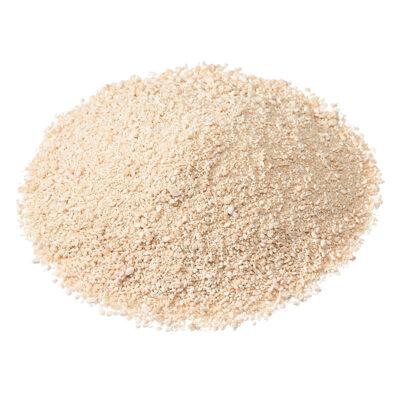
Lysine is an essential amino acid and one of the most common limiting nutrients in equine diets. Because it cannot be synthesized by the body, it must be obtained from feed or supplementation. Lysine is required for protein synthesis, muscle development, tissue repair, and growth.
This amino acid is a structural component of collagen and elastin, supporting the strength and resilience of tendons, ligaments, skin, and bone. It also contributes to calcium absorption and immune function by aiding in the production of antibodies, enzymes, and hormones. Inadequate lysine intake can reduce protein utilization, impair growth and muscle maintenance, and limit performance capacity.
Grasses and cereal grains are naturally low in lysine, making supplementation particularly beneficial for horses in training, growing horses, and those on hay-based diets. Providing adequate lysine helps ensure optimal protein metabolism, topline development, and overall performance.
References
- Graham-Thiers, P.M., and Kronfeld, D.S. Amino acid supplementation improves muscle mass in aged and young horses. J Anim Sci. 2005.
- Mok, C.L., and Urschel, K.L. Amino acid requirements in horses. Asian-Australas J Anim Sci. 2020.
- El-Mallah, C., et al. Low-quality protein modulates inflammatory markers and the response to lipopolysaccharide insult: the case of lysine. Br J Nutr. 2023.
 L-Lysine
  Three Amigos
Magnesium is an essential macro-mineral involved in hundreds of enzymatic reactions that regulate energy metabolism, nerve transmission, and muscle contraction. It supports bone integrity, cardiovascular function, and normal insulin sensitivity in horses.
In muscle tissue, magnesium contributes to relaxation following contraction, helping to maintain normal muscle tone and reducing the risk of cramping or tightness. It also plays a role in maintaining a calm temperament by supporting balanced nervous system activity, particularly in horses prone to stress or excitability.
Magnesium citrate is an organic, highly bioavailable form of magnesium that is well absorbed in the digestive tract. It provides an effective means of supporting optimal magnesium status, especially in horses with increased demands or suboptimal intake from forage. Compared to inorganic sources, magnesium citrate is more soluble and may be gentler on the digestive system, making it a preferred option for horses with sensitive digestion or higher performance requirements.
References
- Maier, I., and Kienzle, E. A meta-analysis on quantitative calcium, phosphorus and magnesium metabolism in horses and ponies. Animals (Basel). 2024.
- Weiss, D., et al. Effects of sweat loss induced by treadmill exercise on magnesium and calcium homeostasis in Franches Montagnes horses. Pferdeheilkunde. 2022.
- Stephens, T.L., et al. Mineral balance in juvenile horses in race training. J Equine Vet Sci. 2004.

Magnesium is an essential macro-mineral involved in hundreds of enzymatic reactions that regulate energy metabolism, nerve transmission, and muscle contraction. It supports bone integrity, cardiovascular function, and normal insulin sensitivity in horses.
In muscle tissue, magnesium contributes to relaxation following contraction, helping to maintain normal muscle tone and reducing the risk of cramping or tightness. It also plays a role in maintaining a calm temperament by supporting balanced nervous system activity, particularly in horses prone to stress or excitability.
Magnesium oxide is a highly concentrated inorganic source of magnesium commonly used in equine diets. It provides a bioavailable and cost-effective way to maintain optimal magnesium levels, especially for horses with limited access to fresh forage or those losing electrolytes through heavy sweating or training.
References
- Maier, I., and Kienzle, E. A meta-analysis on quantitative calcium, phosphorus and magnesium metabolism in horses and ponies. Animals (Basel). 2024.
- Weiss, D., et al. Effects of sweat loss induced by treadmill exercise on magnesium and calcium homeostasis in Franches Montagnes horses. Pferdeheilkunde. 2022.
- Stephens, T.L., et al. Mineral balance in juvenile horses in race training. J Equine Vet Sci. 2004.
- Wu, W., et al. Hypomagnesemia: exploring its multifaceted health impacts and associations with blood pressure regulation and metabolic syndrome. Diabetol Metab Syndr. 2025.
- Ross, D.J. & Roberts, J.L. Equine Calming Products: A Short Survey Into Their Use, Effect, and Knowledge Using a Small Sample of Horse Owners in the North of Scotland, UK. J Equine Vet Sci. 2018.
- Leleu, C. & Couroucé, A. Effect of a blend of magnesium oxide on Equine Squamous Gastric Disease in young trotter horses under training. J Vet Sci. 2023.
- Winter, J.C., et al. Oral supplementation of magnesium aspartate hydrochloride in horses with Equine Metabolic Syndrome. Pferdeheilkunde Equine Medicine. 2016.
- Stewart, A.J. Magnesium disorders in horses. Vet Clin North Am Equine Part. 2011.
- de Sousa Melo, S.R., et al. Participation of Magnesium in the Secretion and Signaling Pathways of Insulin: an Updated Review. Biological Trace Element Research. 2022.
 Magnesium Oxide
Maize distillers' are commonly used as a growth medium for the live probiotic yeast cultures included in Mad Barn supplements. A growth medium is the nutrient-rich material that yeast uses as its food source while it grows and multiplies.
Maize distillers' are particularly well suited for this purpose because they are highly nutrient-dense and rich in protein. The protein provides nitrogen, an essential nutrient that yeast require for growth and reproduction. This nitrogen supports the formation of new yeast cells and helps maintain active cultures during fermentation.
Maize distillers' are produced as a by-product of fermentation processes in which the starch portion of maize is fermented. During this process, much of the original starch and sugar is consumed, resulting in an ingredient that generally contains lower levels of non-structural carbohydrates (NSC) than whole maize grain. While the fermentable carbohydrates are reduced, the remaining material becomes concentrated in nutrients such as protein, amino acids, fats, minerals, and other fermentation substrates that support efficient yeast growth.
When yeast is grown on this medium and the entire culture is included in the final ingredient, both the yeast cells and the surrounding growth medium are delivered together. This is beneficial because the culture contains not only the yeast itself but also a range of naturally produced fermentation metabolites. These may include B-vitamins, organic acids, peptides, nucleotides, and other bioactive compounds that arise during microbial growth.
Providing the medium on which the yeast is grown allows horses to receive both the direct benefits of the probiotic yeast and the supportive metabolites produced during fermentation. Together, these compounds can help support hindgut microbial activity and contribute to overall digestive health, making maize distillers' a practical and functional carrier medium for yeast-based ingredients in equine feeds.
References
- Walker, G. M. Media for Industrial Fermentations. Encyclopedia of Food Microbiology. Academic Press/Elsevier. 1999.

Manganese is an essential trace mineral required for the development of bone, cartilage, and connective tissue in horses. It functions as a cofactor for several key enzymes involved in carbohydrate and lipid metabolism, reproductive health, and antioxidant defense. One of its most important roles is activating the enzyme manganese superoxide dismutase (MnSOD), which helps protect cells from oxidative damage.
This mineral also contributes to the synthesis of chondroitin sulfate, a critical component of joint cartilage, supporting soundness and long-term joint integrity. Adequate manganese intake is therefore particularly important for growing horses, broodmares, and equine athletes with high structural and metabolic demands.
Organic sources such as manganese proteinate offer improved bioavailability compared to inorganic forms like manganese oxide, enhancing absorption and utilization. This allows for more effective support of skeletal strength, enzyme activity, and metabolic efficiency.
References
- Chidambaram, S.B., et al. Superoxide dismutase and neurological disorders. IBRO Neuroscience Reports. 2024.
- Taskozhina, G., et al. The manganese–bone connection: Investigating the role of manganese in bone health. J Clin Med. 2024.
- Wu, Q., et al. Manganese homeostasis at the host-pathogen interface and in the host immune system. Semin Cell Dev Biol. 2021.
- Byrne, L., et al. Relative bioavailability of trace minerals in production animal nutrition: A review. Animals. 2022.
 Manganese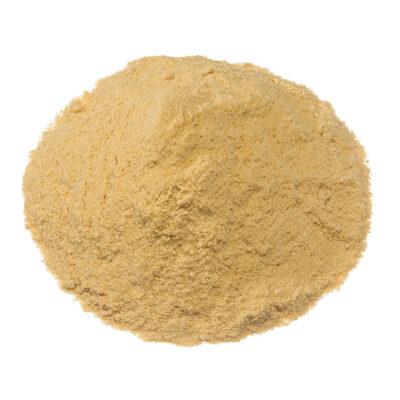
Mannan-oligosaccharides (MOS) are complex carbohydrates derived from the outer cell wall of yeast (Saccharomyces cerevisiae). They function as prebiotics that help maintain a balanced hindgut microbiota, support mucosal integrity, and promote optimal digestive function in horses.
MOS can bind to certain pathogenic bacteria, reducing their attachment to the intestinal lining and supporting a healthy microbial environment. These actions contribute to improved nutrient absorption and overall digestive resilience. In addition, MOS contains beta-glucans that support normal immune modulation and gut barrier function.
Mad Barn uses Bio-Mos® from Alltech® as the source of MOS in our formulations. Bio-Mos® is derived from a proprietary yeast strain and has been evaluated in over 700 research trials, including peer-reviewed studies in horses and other species.
References
- Cooke, C.G. et al. Prebiotics and synbiotics in equine health. Int. J. Equine Sci. 2023.
- Tiwari, U.P., et al. The role of oligosaccharides and polysaccharides of xylan and mannan in gut health of monogastric animals. J Nutri Sci. 2020.
- Spring, P. et al. The effect of mannanoligosaccharides on performance and intestinal morphology of broilers. Anim. Feed Sci. Technol. 2000.
- Alltech®. Bio-Mos® Product Overview and Research Summary. 2024.
- Czech, A. & Grela, E.R. Influence of Bio-Mos mannan oligosaccharides in mare diets on colostrum and milk composition and blood parameters. Proceedings of Alltech's 22st Annual Symposium. 2006.
- Cehak, A., et al. Does prebiotic feeding affect equine gastric health? A study on the effects of prebiotic-induced gastric butyric acid production on mucosal integrity of the equine stomach. Res Vet Sci. 2019.

Marshmallow root (Althaea officinalis) is a botanical ingredient rich in mucilage, a complex mixture of polysaccharides that forms a soothing gel when hydrated. This mucilage supports digestive health by coating and hydrating the gastrointestinal lining, helping to maintain mucosal integrity and normal tissue resilience under acidic or stressful conditions.
The demulcent properties of marshmallow root help maintain gastric comfort and support the natural defense mechanisms of the stomach and intestines. Its bioactive compounds also contribute to antioxidant protection, which supports normal cellular function within the gastrointestinal tract.
Marshmallow root is included in Visceral+ to help support normal mucosal hydration, barrier integrity, and overall digestive comfort in horses exposed to dietary, environmental, or training-related stressors.
References
- Zaghlool, S.S., et al. Protective effects of ginger and marshmallow extracts on indomethacin-induced peptic ulcer in rats. J Nat Sci Biol Med. 2015.
- Zaghlool, S.S., et al. Gastro-protective and antioxidant potential of Althaea officinalis and Solanum nigrum on pyloric ligation/indomethacin-induced ulceration in rats. Antioxidants. 2019.
- Qaraaty, M. Althaea officinalis in traditional medicine and modern phytotherapy. 2019.

Meadowsweet (Filipendula ulmaria) is an herb that supports normal inflammatory balance and helps maintain the integrity of the gastrointestinal mucosa. It contains phenolic compounds such as salicylates, flavonoids, and tannins that contribute to its soothing and gastroprotective properties.
These constituents help support normal prostaglandin activity and mucosal defense, maintaining comfort and resilience in the gastric lining under conditions of acid exposure or dietary stress. Meadowsweet also provides antioxidant activity that supports cellular health and overall digestive function.
By promoting normal inflammatory responses and supporting gastric tissue integrity, Meadowsweet contributes to overall digestive comfort and well-being. It is included in Visceral+ to help maintain a healthy gastric environment in horses under stress or in training.
References
- Borja, T., et al. In vitro and in vivo assessment of meadowsweet (Filipendula ulmaria) as anti-inflammatory agent. J Ethnopharmacol. 2016.
- Maksimović, Z., et al. Antioxidant, anti-inflammatory and gastroprotective activity of Filipendula ulmaria (L.) Maxim. and Filipendula vulgaris Moench. J Ethnopharmacol. 2018.

DL-Methionine is an essential sulfur-containing amino acid that serves as a building block for proteins involved in metabolism, growth, and tissue repair. Because horses cannot synthesize methionine internally, it must be obtained from feed or supplementation. It is often identified as the second-most limiting amino acid in equine diets, meaning insufficient methionine can restrict overall protein synthesis even when other amino acids are present in adequate amounts.
Methionine supports the formation of structural proteins such as keratin and collagen, contributing to strong hooves, healthy skin, and a glossy coat. It also plays a critical role in maintaining connective tissue integrity, supporting joints, ligaments, and tendons. In the nervous system, methionine assists in the production of neurotransmitters such as serotonin and helps support normal mood and focus.
Biochemically, methionine acts as a precursor for several important compounds, including taurine, L-carnitine, and cysteine. It is also required for the synthesis of S-adenosylmethionine (SAMe), a key methyl donor involved in cellular metabolism, detoxification, and liver health. Through its conversion to cysteine and subsequently glutathione, methionine supports antioxidant defense and helps protect tissues from oxidative stress.
According to the NRC’s Nutrient Requirements of Horses, a 500 kg (1,100 lb) horse at maintenance requires approximately 7,500 mg of methionine per day. Supplementation may be beneficial for horses on high-fiber or low-protein diets, those in heavy training, or horses needing nutritional support for hoof growth and coat quality.
References
- Winsco, K.N., et al. Influence of methionine on growth and nitrogen balance in weanling Quarter Horses. J Anim Sci. 2011.
- Brosnan, J.T. and Brosnan, M.E. The sulfur-containing amino acids: An overview. J Nutr. 2006.
- Lauinger, L. & Kaiser, P. Sensing and Signaling of Methionine Metabolism. Metabolites. 2021.
- Li, X., et al. The role of methionine on metabolism, oxidative stress, and diseases. Amino Acids. 2017.
- Obel, J.N., et al. Distribution of Labelled Cysteine and Methionine in the Matrix of the Stratum Medium of the Wall and in the Laminar Layer of the Equine Hoof. Journal of Veterinary Medicine Series A. 1990.
- Mok, C. & Urschel, K.L. Amino acid requirements in horses. Asian-Australas J Anim Sci. 2020.
 DL-Methionine
Methylsulfonylmethane (MSM) is an organic sulfur compound that provides a bioavailable source of dietary sulfur for horses. Sulfur is a structural component of amino acids, collagen, and connective tissue proteins that form cartilage, tendons, ligaments, and skin.
MSM supports normal joint metabolism and connective tissue integrity by contributing to collagen cross-linking and sulfur-based enzymatic reactions. It also helps maintain the body’s natural antioxidant capacity by supporting glutathione synthesis and other redox pathways that protect cells during exercise and recovery.
Supplementation with MSM may help maintain normal muscle and joint function in performance horses or those undergoing intensive training. It is well tolerated, widely studied, and easily incorporated into equine diets as a source of organic sulfur.
References
- Barshick, M.R., et al. Methylsulfonylmethane (MSM) supplementation in adult horses supports improved skeletal muscle inflammatory gene expression following exercise. Animals. 2025.
- Marañón, G., et al. The effect of methyl sulphonyl methane supplementation on biomarkers of oxidative stress in sport horses following jumping exercise. Acta Vet Scand. 2008.
- Nipin, S.P., et al. Methylsulfonylmethane inhibits cortisol-induced stress through p53-mediated SDHA/HPRT1 expression in racehorse skeletal muscle cells: A primary step against exercise stress. Exp Ther Med. 2020.
- Hasegawa, T., et al. Suppressive effect of methylsulfonylmethane (MSM) on type II collagen-induced arthritis in DBA/1J mice. Japanese Pharmacology and Therapeutics. 2004.
- Brien, S., et al. Meta-Analysis of the Related Nutritional Supplements Dimethyl Sulfoxide and Methylsulfonylmethane in the Treatment of Osteoarthritis of the Knee. Evidence-Based Complementary and Alternative Medicine. 2011.
- Brien, S., et al. Systematic review of the nutritional supplements dimethyl sulfoxide (DMSO) and methylsulfonylmethane (MSM) in the treatment of osteoarthritis. Osteoarthritis and Cartilage. 2008.
- Ezaki, J., et al. Assessment of safety and efficacy of methylsulfonylmethane on bone and knee joints in osteoarthritis animal model. Journal of Bone and Mineral Metabolism. 2013.
- Withee, E.D., et al. Effects of MSM on exercise-induced muscle and joint pain: a pilot study. J Int Soc Sports Nutr. 2015.
 MSM
MSM 
Milk Thistle (Silybum marianum) is a botanical source of silymarin, a complex of flavonolignans including silybin, silychristin, and silydianin. These compounds are known for their antioxidant activity and their ability to help maintain normal liver function and metabolic balance. Milk thistle has been extensively studied in both human and veterinary contexts for its role in supporting hepatic health, antioxidant defense, and normal inflammatory processes.
In horses, silymarin helps protect hepatic tissue from oxidative challenges associated with exercise, diet, and environmental factors. It supports normal detoxification pathways by stabilizing cell membranes and promoting the regeneration of hepatocytes. Research in horses indicates that silibinin, the primary active component, is bioavailable and well-tolerated, supporting its use in equine nutrition. Its actions may also assist in maintaining healthy immune and inflammatory balance, contributing to overall well-being in horses exposed to training or metabolic stress.
References
- Hackett, E.S. et al. Evaluation of antioxidant capacity and inflammatory cytokine gene expression in horses fed silibinin complexed with phospholipid. Am. J. Vet. Res. 2013.
- Gugliandolo, E. et al. Protective effect of silibinin on lipopolysaccharide-induced inflammatory responses in equine peripheral blood mononuclear cells. Animals (Basel). 2020.
- Mirhashemi, S.H. et al. Effect of milk thistle powder (silymarin extract) supplementation on fatty liver disease in patients candidates for bariatric surgery. Metabol Open. 2022.
- Angelico, F. Chronic liver disease and management with silymarin: an introductory review of a clinical case collection. Drugs Context. 2024.
- Hackett, E.S. et al. Pharmacokinetics and safety of silibinin in horses. Am. J. Vet. Res. 2013.
- Bergero, D. et al. Hepatic diseases in horses. J. Anim. Physiol. Anim. Nutr. 2008.
- Reisinger, N., et al. Milk Thistle Extract and Silymarin Inhibit Lipopolysaccharide Induced Lamellar Separation of Hoof Explants in Vitro. Toxins. 2014.
- Guerrini, A. & Tedesco, D.E. Use of Milk Thistle in Farm and Companion Animals: A Review. Planta Medica. 2022.
- Zeman, L., et al. Dose Effect of Milk Thistle (Silybum marianum) Seed Cakes on the Digestibility of Nutrients, Flavonolignans and the Individual Components of the Silymarin Complex in Horses. Animals. 2021.
- Dockalova, H., et al. Effect of Milk Thistle (Silybum marianum) Seed Cakes by Horses Subjected to Physical Exertion. Journal of Equine Veterinary Science. 2022.
 Milk Thistle
Monocalcium phosphate (MCP) is a highly digestible, inorganic source of both calcium and phosphorus—two macrominerals essential for bone formation, energy metabolism, and overall cellular function in horses. Calcium and phosphorus together make up the majority of the mineral content of bone and play key roles in muscle contraction, nerve transmission, and energy transfer reactions within the body.
Phosphorus supplied through MCP supports normal skeletal growth, cartilage development, and cellular energy production as part of adenosine triphosphate (ATP). The calcium component contributes to bone density, muscle tone, and enzymatic regulation throughout the body. The combination of these two minerals in a single compound helps simplify balancing equine rations while maintaining an appropriate calcium-to-phosphorus ratio.
In equine diets, monocalcium phosphate is used to correct mineral imbalances when forages or grains provide inadequate phosphorus or excessive calcium. This is particularly relevant for horses fed legume-rich diets, such as alfalfa, which are naturally high in calcium but low in phosphorus. By providing a concentrated, bioavailable form of both nutrients, MCP supports optimal bone mineralization in growing horses, lactating mares, and performance animals with elevated mineral demands.
Compared to other phosphate sources, MCP offers excellent palatability, high solubility, and consistent nutrient content. It is considered one of the most efficient and widely used mineral supplements in equine and livestock nutrition for achieving balanced macro-mineral status and supporting long-term skeletal and metabolic health.
References
- Schryver, H.F., et al. Phosphorus metabolism in ponies fed varying levels of phosphorus. J Nutr. 1971.
- Schryver, H.F., et al. Calcium and phosphorus in the nutrition of the horse. Cornell Vet. 1974.
- Toribio, R.E. Disorders of calcium and phosphate metabolism in horses. Vet Clin Equine. 2011.
- Coenen, M. Macro and trace elements in equine nutrition. Equine Applied and Clinical Nutrition. 2013.
Phosphorus is an essential macromineral that supports bone development, energy metabolism, and overall cellular function in horses. It forms a key part of adenosine triphosphate (ATP), the body’s main energy molecule, and contributes to the structure of DNA, cell membranes (phospholipids), and connective tissue. Phosphorus also helps regulate pH balance and fluid homeostasis in the body.
In equine diets, phosphorus is supplied naturally by forages, grains, and protein meals such as oats and soybean meal. Feeds like wheat bran and rice bran contain higher concentrations of phosphorus, although much of it exists in a bound form known as phytate, which reduces bioavailability. To ensure adequate intake and proper mineral ratios, supplemental inorganic phosphorus sources such as monosodium phosphate may be used.
Monosodium phosphate is a highly bioavailable source of phosphorus that supports bone density, cartilage health, and energy metabolism. It is particularly beneficial for growing horses, lactating mares, and performance horses with higher mineral demands. This form of phosphorus is also used to balance high-calcium diets, such as those containing alfalfa, to maintain the ideal calcium-to-phosphorus ratio for skeletal and metabolic health.
Compared to other phosphate sources, such as monocalcium phosphate, monosodium phosphate contains very low levels of trace iron. This makes it an excellent option for horses that require careful management of the zinc:copper:iron ratio in their diet—an important factor for maintaining metabolic balance, coat quality, and hoof integrity.
Because phosphorus is a non-renewable resource mined from natural deposits, appropriate supplementation helps meet equine requirements without contributing to environmental excess. Balancing phosphorus intake ensures optimal bone and tissue health while minimizing nutrient waste.
References
- Schryver, H.F., et al. Phosphorus metabolism in ponies fed varying levels of phosphorus. J Nutr. 1971.
- Schryver, H.F., et al. Calcium and phosphorus in the nutrition of the horse. Cornell Vet. 1974.
- Toribio, R.E. Disorders of calcium and phosphate metabolism in horses. Vet Clin Equine. 2011.
- Coenen, M. Macro and trace elements in equine nutrition. Equine Applied and Clinical Nutrition. 2013.
 Monosodium Phosphate
Natural Vitamin E (d-α-tocopherol) is a fat-soluble antioxidant that protects cells and tissues from oxidative damage. It supports immune health, muscle recovery, cardiovascular function, and neural integrity in horses. Compared to synthetic dl-α-tocopherol, the natural form is significantly more bioavailable and efficiently incorporated into cell membranes, making it the preferred source for supplementation.
Vitamin E is a key component of the body’s antioxidant defense system, neutralizing free radicals produced during metabolism and exercise. It helps maintain the integrity of muscle and nerve tissues, supports red blood cell stability, and reduces oxidative stress associated with intense training or illness. Chronic deficiency can lead to neuromuscular disorders such as equine motor neuron disease or vitamin E–deficient myopathy.
Fresh green pasture is the richest natural source of vitamin E, but levels decline rapidly during hay storage and are negligible in most grains. Horses without regular access to pasture, those in heavy work, or individuals with metabolic conditions benefit from daily supplementation of natural vitamin E to maintain optimal antioxidant status and support recovery.
Supplementing bioavailable natural forms of vitamin E has been shown to enhance immune response, improve muscle enzyme stability, and reduce inflammation following exercise, contributing to overall vitality and performance in horses.
References
- Petersson, K.H., et al. The influence of vitamin E on immune function and response to vaccination in older horses. J Anim Sci. 2010.
- Finno, C.J., and Valberg, S.J. A comparative review of vitamin E and associated equine disorders. J Vet Intern Med. 2012.
- Fagan, M.M., et al. Form of vitamin E supplementation affects oxidative and inflammatory response in exercising horses. J Equine Vet Sci. 2020.
- Williams, C.A., and S.A. Carlucci. Oral vitamin E supplementation on oxidative stress, vitamin and antioxidant status in intensely exercised horses. Equine Vet J. 2010.
- Bookbinder, L., et al. Impact of alpha-tocopherol deficiency and supplementation on sacrocaudalis and gluteal muscle fiber histopathology and morphology in horses. J Vet Intern Med. 2019.
- Almeida, J. & Ball, B.A. Effect of alpha-tocopherol and tocopherol succinate on lipid peroxidation in equine spermatozoa. Anim Reprod Sci. 2005.
- Brown, J.C., et al. Effects of feeding two RRR-α-tocopherol formulations on serum, cerebrospinal fluid and muscle α-tocopherol concentrations in horses with subclinical vitamin E deficiency. Equine Vet J. 2017.
- Finno, C. McKenzie, E.C. Vitamin E and Selenium-Related Manifestations of Muscle Disease. Vet Clin North Am Equine Pract. 2025.
- Loos, C., et al. Nutraceutical Supplement Mitigates Insulin Resistance in Horses with a History of Insulin Dysregulation During a Challenge with a High-Starch Diet. Animals (Basel). 2024.
 Natural E/Organic Se
  Vitamin E
Niacin (Vitamin B3) is a water-soluble vitamin essential for maintaining normal energy metabolism, circulatory function, and cellular health. It serves as a precursor for the coenzymes NAD⁺ and NADP⁺, which are critical to oxidation–reduction reactions involved in carbohydrate, fat, and protein metabolism.
In horses, niacin supports efficient energy release from feed, healthy skin and nerve function, and normal vascular tone. It also contributes to gastrointestinal function by promoting tissue metabolism and maintaining mucosal integrity. Horses can synthesize niacin from the amino acid tryptophan and via microbial production in the hindgut, though dietary sources such as alfalfa and soybean meal can also contribute to intake.
Niacin requirements increase with exercise and higher protein intake. Supplemental niacin is included in performance and comprehensive vitamin–mineral formulations to help support energy utilization, metabolic resilience, and circulatory health in working horses.
References
- Saastamoinen, M.T., et al. Vitamin requirements and supplementation in athletic horses. Nutrition of the Exercising Horse – Wageningen Academic. 2008.
- Manthe, B.N. and Youngs, C.R. An overview of vitamin requirements of the domestic horse. Nat Sci Educ. 2013.
- Parker, A.L., et al. The effects of niacin supplementation on niacin status and exercise metabolism in horses. Proc. 15th Equine Nutr. Physiol. Soc. 1997.
- Pollard, C.L., et al. Niacin as a dietary supplement for improving mare fertility: a preliminary pharmacokinetic study. J Equine Vet Sci. 2020.
Oat hulls are the fibrous outer casing of the oat grain and are removed during the milling of oat products. The hull is not considered grain; it is an inedible protective layer composed primarily of structural fiber. In equine feeds, oat hulls are valued for their functional roles as a source of dietary fiber and as a natural binder that helps form durable, well-structured pellets.
Rich in insoluble fibers such as cellulose and hemicellulose, oat hulls add bulk to the ration and help support normal digestive function and gut motility. Their very low non-structural carbohydrate (NSC) content makes them appropriate for horses that require controlled starch and sugar intake, including easy keepers and those maintained on low-NSC feeding programs.
The coarse, fibrous nature of oat hulls also slows the rate of carbohydrate digestion when included in a feed, supporting a more gradual energy release and helping maintain normal glucose and insulin responses. This makes them a practical ingredient in formulations designed to provide steady, controlled energy.
In pelleted feeds, oat hulls act as a neutral structural carrier, helping bind nutrients such as vitamins, minerals, and amino acids into a consistent, easy-to-feed pellet without adding extra starch or sugar.
References
- 12 - Value of Feeds for Horses. Animal Feeding and Nutrition. 1991.
- Lindberg, J.E. 17 - Feedstuffs for horses. Equine Applied and Clinical Nutrition. 2013.
- Oat hulls. Feedipedia. 2012.
- Bodner, J. & Cho, S. Oat Fiber from Oat Hull. Fiber Ingredients. 2009.
- Särkijärvi, S. & Saastamoinen, M. Effect of oat hulls on the digestibility of equine diet. 7th International Oat Conference. 2004.

Peppermint (Mentha × piperita) is an aromatic herb from the mint family Lamiaceae that supports normal digestive function. It provides bioactive compounds such as menthol and menthone, which exhibit antispasmodic activity and help maintain smooth muscle tone within the gastrointestinal tract.
By supporting normal gut motility and easing transient digestive discomfort, peppermint contributes to overall gastrointestinal comfort. Its carminative and soothing properties help maintain healthy intestinal function in horses receiving high-fiber or high-concentrate diets.
In addition to its functional benefits, peppermint provides a natural, palatable flavor that enhances feed acceptance, making it a useful ingredient in formulations designed to support gastric and hindgut health.
References
- Scarpellini, E., et al. The Use of Peppermint Oil in Gastroenterology. Curr Pharm Des. 2023.
- Chumpitazi, B.P., et al. Review article: The physiologic effects and safety of Peppermint Oil and its efficacy in irritable bowel syndrome and other functional disorders. Aliment Pharmacol Ther. 2018.
- Ingrosso, M.R., et al. Systematic review and meta-analysis: efficacy of peppermint oil in irritable bowel syndrome. Aliment Pharmacol Ther. 2022.
Potassium is an essential macro-mineral and the primary intracellular electrolyte in the horse’s body. It plays a key role in maintaining normal muscle contraction, nerve transmission, and fluid balance. Potassium also contributes to regulating acid–base equilibrium and supports normal cardiac rhythm during rest and exercise.
Forage is naturally rich in potassium, so horses consuming adequate amounts of hay or pasture generally meet their requirements. However, horses in heavy training, experiencing profuse sweating, or receiving diuretics such as furosemide (Lasix) may lose significant potassium through sweat and urine, increasing their dietary needs.
Low potassium intake can impair muscle and nerve function, leading to weakness, fatigue, poor appetite, and in severe cases, cardiac irregularities. Supplementation with potassium chloride can help restore balance and support optimal performance and recovery.
References
- Jansson, A., et al. Effects of potassium intake on potassium, sodium and fluid balance in exercising horses. Equine Vet J Suppl. 1999.
- Soliman, M.K., and Nadim, M.A. Calcium, sodium and potassium level in the serum and sweat of healthy horses after strenuous exercise. Zentralbl Veterinarmed A. 1967.
- Maier, I., and Kienzle, E. A meta-analysis on quantitative sodium, potassium and chloride metabolism in horses and ponies. Animals (Basel). 2025.

Psyllium is derived from the husk of Plantago ovata seeds, a plant traditionally cultivated in parts of Asia and the Mediterranean. The husk is rich in soluble fiber and mucilage, a gel-forming polysaccharide that expands when hydrated. These properties make psyllium a functional dietary fiber used to support normal digestive function in horses.
When consumed, psyllium absorbs and retains water within the gastrointestinal tract, forming a hydrated gel that contributes to normal intestinal transit and manure consistency. This water-holding capacity helps maintain hydration of intestinal contents, which may be particularly relevant during periods of travel, environmental stress, or dietary change.
Psyllium also provides fermentable fiber fractions that can serve as a substrate for beneficial microbes in the hindgut. Microbial fermentation of psyllium fiber contributes to the production of short-chain fatty acids, including butyrate and propionate, which are involved in supporting normal intestinal epithelial function and overall hindgut integrity.
Research in horses and other species further suggests that psyllium's viscous gel structure may slow the rate of carbohydrate digestion and absorption, contributing to more moderated post-meal glucose responses when used as part of a balanced diet.
References
- Cinotti, S., Guglielmini, C., & Boari, A. The effect of psyllium on selected hematological and biochemical variables in endurance horses. Pferdeheilkunde. 1997.
- Moreaux, S.J.J., et al. Psyllium lowers blood glucose and insulin concentrations in horses. Journal of Equine Veterinary Science. 2011.
- Wolever, T.M., et al. Effect of method of administration of psyllium on glycemic response and carbohydrate digestibility. Journal of the American College of Nutrition. 1991.
- Jalanka, J., et al. The Effect of Psyllium Husk on Intestinal Microbiota in Constipated Patients and Healthy Controls. International Journal of Molecular Sciences 2019.
- Garg, P., et al. Psyllium Husk Positively Alters Gut Microbiota, Decreases Inflammation, and Has Bowel-Regulatory Action, Paving the Way for Physiologic Management of Irritable Bowel Syndrome. Gastroenterology. 2024.
 Psyllium
Pyridoxine (Vitamin B6) is a water-soluble vitamin that serves as a coenzyme in more than 150 enzymatic reactions involved in amino acid metabolism, gluconeogenesis, glycogen utilization, and neurotransmitter synthesis. It supports normal energy metabolism, immune competence, and red blood cell formation.
In horses, Vitamin B6 is synthesized to some extent by hindgut microbes but may require dietary support under conditions of high metabolic demand, such as intense training, growth, or recovery. It also plays roles in maintaining normal homocysteine metabolism and supporting muscle and nervous system function.
Supplementation may be beneficial for horses on high-grain or hay-only diets, under prolonged stress, or with impaired hindgut function that could limit microbial synthesis or nutrient absorption.
References
- Nutrient Requirements of Horses. The National Academies Press. 2007.
Riboflavin (Vitamin B2) is a water-soluble vitamin that serves as a precursor for the coenzymes flavin adenine dinucleotide (FAD) and flavin mononucleotide (FMN), which are essential for oxidative metabolism and ATP generation. These coenzymes participate in numerous redox reactions, supporting carbohydrate, protein, and lipid catabolism.
Riboflavin also contributes to antioxidant defense by maintaining glutathione in its reduced, active form through FAD-dependent glutathione reductase activity. Adequate riboflavin status supports energy metabolism, muscle performance, and recovery in exercising horses.
Horses obtain riboflavin primarily from forage, particularly legumes such as alfalfa and clover, and from microbial synthesis in the hindgut. Deficiency and toxicity have not been documented in horses, though supplementation may support animals on low-quality forage, under high workload, or during periods of digestive disturbance.
References
- Nutrient Requirements of Horses. The National Academies Press. 2007.
- Saastamoinen, M.T., and Harris, P.A. Vitamin requirements and supplementation in athletic horses. Nutrition of the Exercising Horse. 2008.
- Manthe, B.N. and Youngs, C.R. An Overview of Vitamin Requirements of the Domestic Horse. Natural Sciences Education. 2013.

Saccharomyces cerevisiae 1026 is a live yeast strain used as a probiotic to support hindgut health and digestive efficiency in horses. It promotes a stable hindgut environment by helping maintain optimal pH and fostering the growth of beneficial cellulolytic bacteria that aid in fiber fermentation.
This yeast strain has been shown to enhance nutrient digestibility, particularly for fiber and phosphorus, and to support normal microbial balance under dietary or environmental stress. It may also improve feed efficiency and promote consistent appetite and digestive comfort in performance horses.
Mad Barn utilizes Yea-Sacc® 1026 from Alltech® as its source of Saccharomyces cerevisiae. This strain has been extensively researched for its effects on digestion, microbial ecology, and nutrient utilization in horses and other livestock species.
References
- Perricone, V., et al. The role of yeast Saccharomyces cerevisiae in supporting gut health in horses: An updated review on its effects on digestibility and intestinal and fecal microbiota. Animals. 2022.
- Yea-Sacc® Technical Overview. Alltech.
Selenium is an essential trace mineral and a critical component of the horse’s antioxidant defense system. It is incorporated into selenoproteins that protect cells from oxidative damage, support normal muscle and heart function, and maintain healthy immune and thyroid activity. Adequate selenium intake helps horses recover from exercise and supports overall metabolic health.
Organic forms such as selenium yeast provide selenium bound to amino acids (mainly selenomethionine), making them more bioavailable and efficiently utilized compared to inorganic forms like sodium selenite or sodium selenate. This enhanced absorption allows for safer, more consistent selenium delivery, particularly in performance horses or those in low-selenium regions.
Selenium requirements vary depending on diet, workload, and regional soil content. Horses consuming hay or feed grown in selenium-deficient soils often benefit from supplementation to help maintain optimal antioxidant balance and muscle function.
References
- Calamari, L., et al. Effect of selenium source and dose on selenium status of mature horses. J Anim Sci. 2009.
- Montgomery, J., et al. Effects of selenium source on measures of selenium status and immune function in horses. Can J Vet Res. 2012.
- Culhuac, E.B., et al. Influence of dietary selenium on oxidative stress in horses. Biol Trace Elem Res. 2022.
- Richardson, S.M., et al. Effect of selenium supplementation and source on the selenium status of horses. J Anim Sci. 2006.
- Brummer, M., et al. Measures of antioxidant status of the horse in response to selenium depletion and repletion. J Anim Sci. 2013.

Slippery elm (Ulmus rubra) is derived from the inner bark of the red elm tree and is rich in mucilage — a complex polysaccharide that forms a viscous gel when hydrated. This mucilage helps maintain a healthy gastrointestinal lining by providing a physical barrier that supports mucosal hydration and comfort.
By forming a protective layer over the gastric and intestinal mucosa, slippery elm supports normal tissue integrity and helps buffer the effects of acid and dietary stress. Its demulcent properties contribute to digestive comfort and may assist in maintaining regular motility and stool consistency.
Slippery elm is included in Visceral+ to help support gastric and hindgut health in horses by promoting normal mucosal defense and a balanced digestive environment.
References
- Alsabah, A.S., et al. The gastro-protective effect of Ulmus rubra, Piper nigrum, and Brassica oleracea in an ethanol-induced model of gastric ulcer. Int J Med Sci Clin Res Stud. 2023.
- McCullough, R.W., et al. Expedited management of ulcer, colic and diarrhea in 209 horses: an open-labeled observational study of a potency-enhanced sucralfate-like elm phyto-saccharide. J Vet Med Anim Health. 2013.

Sodium chloride (salt) provides two essential electrolytes — sodium and chloride — that are critical for maintaining fluid balance, nerve transmission, and muscle contraction in horses. These minerals help regulate hydration, acid–base balance, and blood volume, particularly during periods of sweating, heat exposure, or strenuous exercise.
Sodium plays a primary role in maintaining normal nerve and muscle function, while chloride is involved in gastric acid production and overall electrolyte homeostasis. Together, they support proper digestion, cardiovascular stability, and the thirst response — all key to optimal performance and recovery.
Forage alone often provides insufficient sodium, so supplemental salt should always be available free-choice. Horses in moderate to heavy work or hot environments may require several ounces of added salt per day to replace sweat losses. Loose salt or electrolyte blends offer a reliable way to maintain hydration and prevent imbalances.
References
- McConaghy, F.F., et al. Equine sweat composition: effects of adrenaline infusion, exercise and training. Equine Vet J Suppl. 1995.
- McCutcheon, L.J., et al. Equine sweating responses to submaximal exercise during 21 days of heat acclimation. J Appl Physiol. 1999.
- Jansson, A., and Dahlborn, K. Effects of feeding frequency and voluntary salt intake on fluid and electrolyte regulation in athletic horses. J Appl Physiol. 1999.
- Lindinger, M.I. Sweating, dehydration and electrolyte supplementation: Challenges for the performance horse. Proceedings of the 4th European Equine Nutrition & Health Congress. 2008.

Soybean oil is a plant-derived oil extracted from soybean seeds and is widely used in equine nutrition as a safe, highly refined source of dietary fat. During processing, soybean oil undergoes extensive refining steps that remove protein fractions and other components, leaving a purified lipid source suitable for all horses, including those with dietary sensitivities.
Soybean oil is naturally rich in linoleic acid (LA), an essential omega-6 fatty acid that must be supplied in the diet. Its typical omega-6:omega-3 ratio of around 7:1 reflects a higher proportion of omega-6 relative to many other plant oils. Omega-6 and omega-3 fatty acids support normal immune and inflammatory functions, and balanced intake of both helps maintain healthy physiological responses. For this reason, soybean oil is often complemented with omega-3 sources such as DHA-rich algal oil to support an appropriate overall fatty acid profile.
As a “cool” energy source, soybean oil provides calories from fat rather than sugar or starch, helping maintain body condition and support performance without increasing excitability. Increasing dietary fat allows the horse’s metabolism to adapt to using fat more efficiently as fuel, supporting steady energy release and reducing heat production during exercise.
Soybean oil also supports skin and coat health by supplying essential fatty acids that contribute to a smooth, glossy hair coat and a resilient skin barrier. As with any dietary adjustment, soybean oil should be introduced gradually to allow the gastrointestinal tract to adapt and ensure optimal digestion and tolerance.
References
- Burton, S., et al. The balance of n-6 and n-3 fatty acids in canine, feline, and equine nutrition: exploring sources and the significance of alpha-linolenic acid. Journal of Animal Science. 2024.
- Crandell, K.G., et al. A comparison of grain, oil and beet pulp as energy sources for the exercised horse. Equine Veterinary Journal. 2010.
- Kim, S., et al. Soybean oil supplement induces increased approaching behavior to humans and alters serotonin concentrations in horses. Journal of Equine Veterinary Science. 2025.
- Queiroz de Almeida, F. And Nascimento de Godoi, F. Soybean Oil in Horses’ Diets. Soybean and Nutrition. 2011.
- Kronfeld, D.S. Dietary fat affects heat production and other variables of equine performance, under hot and humid conditions. Equine Veterinary Journal. 1996.
- Orme, C.E., et al. Metabolic adaptation to a fat-supplemented diet by the thoroughbred horse. Cambridge University Press. 2007.
- Eaton, M.D., et al. Effect of a diet containing supplementary fat on the capacity for high intensity exercise. Equine Veterinary Journal. 1995.
Spirulina is a dried preparation of Arthrospira platensis, a nutrient-dense cyanobacteria rich in high-quality protein (up to 70%), vitamins A and E, macro- and trace minerals, phytonutrients, and the antioxidant pigment phycocyanin. It also provides gamma-linolenic acid (GLA), an omega-6 fatty acid involved in inflammatory regulation and immune modulation.
In horses, spirulina is used to support normal immune and respiratory function, protect against oxidative stress, and maintain overall metabolic health. Field observations suggest reduced coughing and improved airway comfort, particularly when combined with adaptogenic herbs such as jiaogulan. Its antioxidant and GLA content may help support homeostatic regulation of inflammatory processes associated with exercise, environmental irritants, or metabolic stress.
Spirulina’s concentrated nutrient profile makes it a useful addition to diets for growing, exercised, or metabolically challenged horses. It may also help maintain normal regulation of histamine release, supporting horses with seasonal allergies or skin sensitivities. Many of its proposed benefits are supported by research in other species, but equine-specific data is currently limited to a small number of studies, warranting further controlled studies.
References
- Nawrocka, Daria et al. Spirulina platensis Improves Mitochondrial Function Impaired by Elevated Oxidative Stress in Adipose-Derived Mesenchymal Stromal Cells (ASCs) and Intestinal Epithelial Cells (IECs), and Enhances Insulin Sensitivity in Equine Metabolic Syndrome (EMS) Horses. Marine Drugs. 2017.
- Kellon, E. Use of the Herb Gynostemma Pentaphyllum and the Blue-green Algae Spirulina Platensis in Horses. Equine Congress. 2006.
- Madhava Reddy, C. et al. Selective Inhibition of Cyclooxygenase-2 by C-Phycocyanin, a Biliprotein from Spirulina platensis. Biochem Biophys Res Comm. 2000.
- Chen, L.L. et al. Experimental study of spirulina platensis in treating allergic rhinitis in rats. J Cent South Univ Med Sci. 2005.
- Mao, T.K, et al. Effects of a Spirulina-based dietary supplement on cytokine production from allergic rhinitis patients. J Med Food. 2005.
- Cingi, C et al. The effects of spirulina on allergic rhinitis. Eur. Arch. Oto-Rhino-Laryngol. 2008.
- Liu, Q., et al. Medical Application of Spirulina platensis Derived C-Phycocyanin. Evid Based Complement Alternat Med. 2016.
- McCarty, M.F., et al. Nutraceutical Aid for Allergies - Strategies for Down-Regulating Mast Cell Degranulation. J Asthma Allergy. 2021.
- Golestani, N. & Pearson, W. 31 New insights into inflammatory and cartilage turnover biomarkers of Spirulina in response to inflammation in cartilage explants in vitro in normoxia and hypoxia. J Equine Vet Sci. 2023.
- Tomal, A., et al. Arthrospira platensis enriched with Cr(III), Mg(II), and Mn(II) ions improves insulin sensitivity and reduces systemic inflammation in equine metabolic affected horses. Front Endocrine. 2024.
 Spirulina
Thiamine (vitamin B1) functions as a coenzyme for key enzymes in carbohydrate metabolism, including pyruvate dehydrogenase, α-ketoglutarate dehydrogenase, and transketolase. Through these reactions, it facilitates ATP generation and supports normal neuromuscular function.
Most horses obtain sufficient thiamine from forage and microbial synthesis in the hindgut, but additional supplementation may be useful in animals under heavy training, stress, or antibiotic therapy that may impair gut microbial activity. Thiamine status influences energy utilization, coordination, and glucose metabolism, making it relevant for performance and recovery in athletic horses.
Rich dietary sources include brewer’s yeast, rice bran, and whole grains, while content in hay declines with age and storage. Thiamine hydrochloride is the most common supplemental form, with documented safety and bioavailability in horses.
References
- Hess, E.K., et al. Pharmacokinetics of thiamine (vitamin B1) in adult horses after administration of three single intravenous doses. J Vet Pharmacol Ther. 2021.
- Irvine, C.H.G., and Prentice, N.G. The effect of large doses of thiamine on the horse. N Z Vet J. 1962.

Threonine is an essential amino acid and one of the primary limiting amino acids in equine diets, meaning it often limits the rate of protein synthesis when insufficiently supplied. It plays a key role in maintaining normal muscle development, immune function, and digestive health.
Within the gastrointestinal tract, threonine is a critical component of mucin glycoproteins that protect and maintain the gut lining. Adequate threonine intake supports gut integrity, particularly in horses consuming high-grain or low-quality forage diets, or those experiencing digestive stress.
Beyond its role in gut barrier function, threonine contributes to the synthesis of structural proteins, enzymes, and neurotransmitters. It works synergistically with lysine and methionine to optimize amino acid balance, supporting lean tissue development and recovery in growing, performance, or metabolically challenged horses.
References
- Mok, C.L., and Urschel, K.L. Amino acid requirements in horses. Asian-Australas J Anim Sci. 2020.
- Myrie, S.B., et al. Effect of common antinutritive factors and fibrous feedstuffs in pig diets on amino acid digestibilities with special emphasis on threonine. J Anim Sci. 2000.
- Gonzalez, L.M., et al. Alterations in Intestinal Permeability: The Role of the “Leaky Gut” in Health and Disease. J Equine Vet Sci. 2017.
 Threonine
Tienchi (Panax notoginseng), also known as San Qi, is a finely ground preparation of the notoginseng root traditionally cultivated in China’s Yunnan province. The light-brown powder contains naturally occurring saponins (ginsenosides), flavonoids, and other plant metabolites that contribute to its antioxidant and circulatory-supportive properties.
The ginsenosides found in Panax notoginseng have been studied in animal models for their ability to help maintain normal inflammatory pathways and support healthy tissue function. These compounds exhibit natural antioxidant activity, helping neutralize free radicals generated during exercise and contributing to the maintenance of vascular integrity and oxygen delivery.
Certain ginsenosides have also been shown to support respiratory health. In preclinical models, these compounds helped maintain normal airway structure and function by moderating mucus production and supporting healthy inflammatory responses in lung tissues. While these findings come primarily from rodent studies, they help explain the plant’s traditional use for maintaining normal respiratory performance.
In horses, Tienchi is commonly used to help support normal circulatory and respiratory function during training and recovery. Its antioxidant constituents may aid normal post-exercise recovery by supporting microcirculation, maintaining vascular tone, and promoting healthy tissue perfusion under physical stress. Traditional Chinese practice characterizes Tienchi as a “blood-moving” herb, reflecting its historic use in supporting tissue resilience after exertion.
Equine-specific research on Panax notoginseng remains limited; however, available studies indicate good tolerability. In one investigation, horses supplemented with an extract of Panax notoginseng in combination with other herbal ingredients showed no adverse effects, suggesting this ingredient is safe for use at appropriate levels. More research is needed to fully define its benefits in equine athletes, but current evidence supports its role in maintaining normal vascular, respiratory, and recovery-related physiology.
References
- Li, H., et al. Panax notoginseng saponin alleviates pulmonary fibrosis in rats by modulating the renin-angiotensin system. Journal of Ethnopharmacology. 2024.
- Xue, K., et al. Panax notoginseng saponin R1 modulates TNF-α/NF-κB signaling and attenuates allergic airway inflammation in asthma. International Immunopharmacology. 2020.
- Zhou, R., et al. Clinical efficacy and safety of Panax notoginseng saponins in treating chronic obstructive pulmonary disease with blood hypercoagulability: A meta-analysis of randomized controlled trials. Phytomedicine. 2024.
- Zhang, J., et al. Effects of panax notoginseng saponin on the pathological ultrastructure and serum IL-6 and IL-8 in pulmonary fibrosis in rabbits. Journal of Cellular Biochemistry. 2018.
- Wang, J., et al. The main bioactive compound of Panax notoginseng, notoginsenoside R1, alleviates pulmonary fibrosis via MBD2/SHIP and STAT3 pathway. Journal of Functional Foods. 2023.
- Shergis, J.L., et al. Therapeutic potential of Panax ginseng and ginsenosides in the treatment of chronic obstructive pulmonary disease. Complementary Therapies in Medicine. 2014.
- Chen, Y., et al. Anti‑inflammatory effects of Panax notoginseng saponins ameliorate acute lung injury induced by oleic acid and lipopolysaccharide in rats. Molecular Medicine Reports. 2014.
- Lot, Y., et al. Mechanisms of action of Panax notoginseng ethanolic extract for its vasodilatory effects and partial characterization of vasoactive compounds. Hypertension Research. 2019.
- Park, S., et al. Effect of Mixed Extract of Panax Notoginseng, Rehmanniae Radix and Acanthopanacis Cortex (AIF) on Experimentally Induced Osteoarthritis. Biomolecules & Therapeutics. 2010.

Turmeric (Curcuma longa) is a rhizomatous plant in the ginger family that naturally contains curcuminoids such as curcumin. These compounds help maintain normal oxidative balance and support the body’s natural inflammatory response. Turmeric has a long history of use in traditional systems of medicine and is now widely incorporated into equine nutrition for its functional properties.
In horses, turmeric contributes to joint health, mobility, and overall metabolic balance. Curcumin supports antioxidant defenses that help protect cells from free radical damage and may assist in maintaining healthy glucose metabolism and insulin function. Research in multiple species demonstrates mechanisms consistent with these benefits, while equine-specific in-vitro studies indicate similar potential biological activity. Further studies are needed to establish effective levels and physiological responses in horses.
References
- Tinworth, K.D., et al. Potential treatments for insulin resistance in the horse: a comparative multi-species review. Vet J. 2010.
- Shishodia, S., et al. The Molecular Targets and Therapeutic Uses of Curcumin in Health and Disease. Advances in Experimental Medicine and Biology. 2007.
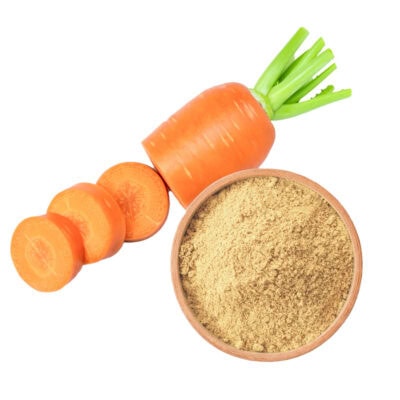
Vitamin A (retinol and its precursors such as beta-carotene) is an essential fat-soluble nutrient required for epithelial integrity, vision, immune competence, and reproductive function. It acts through retinoic acid–mediated regulation of gene expression, influencing cell differentiation and tissue repair.
In horses, vitamin A is obtained primarily from beta-carotene in fresh forage, which is converted to retinol in the intestinal mucosa. Because beta-carotene degrades rapidly in stored hay, horses maintained on hay-based diets are at greater risk of low vitamin A status, especially during winter months or periods without pasture access.
Deficiency can result in impaired night vision, reduced immune function, and compromised epithelial health. Supplementation helps maintain adequate plasma retinol concentrations in horses with limited forage diversity or increased physiological demand.
References
- Pitel, M.O. et al. Influence of specific management practices on blood selenium, vitamin E, and beta-carotene concentrations in horses and risk of nutritional deficiency. J Vet Intern Med. 2020.
- Greiwe-Crandell, K.M. et al. Seasonal vitamin A depletion in grazing horses is assessed better by the relative dose response test than by serum retinol concentration. J Nutr. 1995.
- Nutrient Requirements of Horses. The National Academies Press. 2007.
- Donoghue, S. et al. Vitamin A nutrition of the equine: growth, serum biochemistry and hematology. J Nutr. 1981.
- Mäenpää, P.H. et al. Vitamin A, E and D nutrition in mares and foals during the winter season: effect of feeding two different vitamin-mineral concentrates. J Anim Sci. 1988.
Vitamin B12 (cobalamin) is a water-soluble cofactor for methionine synthase and methylmalonyl-CoA mutase. Through these pathways it supports one-carbon metabolism, red blood cell maturation, myelin maintenance, and mitochondrial energy production from propionate.
In horses, most B12 is synthesized by hindgut microbes from dietary cobalt. Status may be influenced by cobalt intake, forage-only rations with low fresh pasture, or disruptions to hindgut function. Supplementation is used to help maintain normal energy metabolism, appetite, and hematologic parameters when intake or endogenous synthesis may be insufficient.
References
- Nutrient Requirements of Horses. The National Academies Press. 2007.
- Hunter, J.O. and Alamy, L.C. How the digestion of nutrients may improve horses' overall condition. Trainer Magazine. 2019.
- Stillions, M.C. Utilization of Dietary Vitamin B12 and Cobalt by Mature Horses. Journal of Animal Science. 1971.

Vitamin D3 (cholecalciferol) is a fat-soluble nutrient essential for maintaining calcium and phosphorus homeostasis in horses. It supports proper bone mineralization, neuromuscular function, and overall mineral balance by regulating intestinal absorption and renal conservation of calcium and phosphorus.
Horses have limited ability to synthesize Vitamin D3 through ultraviolet exposure compared to other species, and forage content is typically low. Supplementation helps maintain optimal Vitamin D status, particularly in horses with restricted sunlight exposure, those on hay-based diets, or animals with higher metabolic or skeletal demands.
While deficiency may impair skeletal development and mineral metabolism, excessive intake can result in toxicity. Therefore, providing physiologically appropriate levels through balanced formulations is essential to maintain normal calcium-phosphorus balance and long-term musculoskeletal health.
References
- Harrington, D.D., & E.H. Acute vitamin D3 toxicosis in horses: case reports and experimental studies of the comparative toxicity of vitamins D2 and D3. J. Am. Vet. Med. Assoc. 1983.
- Azarpeykan, S. et al. Undetectable vitamin D3 in equine skin irradiated with ultraviolet light. J. Equine Sci. 2022.
- Hymøller, L., & Jensen, S.K. We Know Next to Nothing About Vitamin D in Horses!. J. Equine Vet. Sci. 2015.
- Dosi, M.C.M.C., et al. The effect of season, management and endocrinopathies on vitamin D status in horses. Equine Vet. J. 2022.
- Dosi, M.C.M.C., et al. Thoroughbred racehorses in Hong Kong require vitamin D supplementation to mitigate the risk of low vitamin D status. Animals. 2023.
Vitamin E refers to a group of fat-soluble compounds with antioxidant properties, including α-, β-, γ-, and δ-tocopherols and tocotrienols. The most biologically active form in horses is α-tocopherol, particularly the natural d-α-tocopherol isomer.
This vitamin functions as a key component of the body’s antioxidant defense system, protecting cell membranes and muscle tissue from oxidative damage caused by free radicals generated during exercise or metabolic stress. Vitamin E also supports normal immune response, red blood cell stability, vascular integrity, and neuromuscular function.
Fresh pasture is the richest natural source of vitamin E, while levels decline rapidly in stored hay and grains. Horses without regular access to pasture, or those in intense training, may benefit from supplemental bioavailable forms to help maintain optimal antioxidant status and recovery capacity.
References
- Svete, A.N., et al. Effects of Vitamin E and Coenzyme Q10 supplementation on oxidative stress parameters in untrained leisure horses subjected to acute moderate exercise. Antioxidants. 2021.
- Williams, C.A., and S.A. Carlucci. Oral vitamin E supplementation on oxidative stress, vitamin and antioxidant status in intensely exercised horses. Equine Vet J. 2010.
- Williams, C.A., et al. Vitamin E intake and systemic antioxidant status in competitive endurance horses. Equine Comp Exerc Physiol. 2005.
- Duberstein, K.J., et al. Effects of vitamin E supplementation and training on oxidative stress parameters measured in exercising horses. Comp Exerc Physiol. 2009.
- Siciliano, P.D., et al. Effect of dietary vitamin E supplementation on the integrity of skeletal muscle in exercised horses. J Anim Sci. 1997.
- Bookbinder, L., et al. Impact of alpha-tocopherol deficiency and supplementation on sacrocaudalis and gluteal muscle fiber histopathology and morphology in horses. J Vet Intern Med. 2019.
- Almeida, J. & Ball, B.A. Effect of alpha-tocopherol and tocopherol succinate on lipid peroxidation in equine spermatozoa. Anim Reprod Sci. 2005.
- Brown, J.C., et al. Effects of feeding two RRR-α-tocopherol formulations on serum, cerebrospinal fluid and muscle α-tocopherol concentrations in horses with subclinical vitamin E deficiency. Equine Vet J. 2017.
- Finno, C. McKenzie, E.C. Vitamin E and Selenium-Related Manifestations of Muscle Disease. Vet Clin North Am Equine Pract. 2025.
- Loos, C., et al. Nutraceutical Supplement Mitigates Insulin Resistance in Horses with a History of Insulin Dysregulation During a Challenge with a High-Starch Diet. Animals (Basel). 2024.

Whey protein is a highly digestible, complete protein derived from the liquid fraction of milk obtained during cheese production. It provides all essential amino acids required by horses, including lysine, methionine, threonine, and branched-chain amino acids such as leucine, isoleucine, and valine, which are commonly limiting in equine diets.
Compared with many plant-based protein sources, whey delivers a higher concentration and superior bioavailability of these amino acids, supporting efficient muscle protein synthesis, tissue repair, immune function, and normal metabolic processes.
Because of its high amino acid quality and rapid digestibility, whey protein is used to enhance dietary protein value in growing horses, broodmares, performance horses, and animals consuming lower-quality forage where essential amino acid intake may be inadequate.
References
- Hintz, H.F., et al. Comparison of a Blend of Milk Products and Linseed Meal as Protein Supplements for Young Growing Horses. Journal of Animal Science. 1971.
- Gorissen, S., et al. Protein content and amino acid composition of commercially available plant-based protein isolates. Amino Acids. 2018.
- Corgneau, M., et al. Nutritional quality evaluation of commercial protein supplements. International Journal of Food Science and Technology. 2019.
- Schingoethe, D.J. Whey Utilization in Animal Feeding: A Summary and Evaluation. Journal of Diary Science. 1976.
Yucca schidigera provides saponins and polyphenols that support gut and environmental management. In equine settings, yucca is used to bind ammonia in manure, helping to lower ambient ammonia and support air quality and respiratory comfort in stabled horses.
Yucca’s phytochemicals also help maintain a balanced hindgut microbial ecosystem and provide antioxidant support, contributing to normal inflammatory balance and efficient nutrient utilization.
References
- Warren, H.E. & Codner, L. Effect of yucca (Yucca schidigera) on ammonia levels from equine excreta in the stable. Wageningen Academic Publishers. 2012.
- Culhuac, E.B., et al. Antioxidant and Anti-Inflammatory Properties of Phytochemicals Found in the Yucca Genus. Antioxidants. 2023.
- A healthier environment for animals, farmers and communities. Alltech.

Zinc is an essential trace mineral required for numerous enzymatic processes involved in metabolism, tissue repair, immune defense, and antioxidant protection. It supports normal hoof growth and integrity, skin and coat condition, joint health, and reproductive function in horses.
In the body, zinc participates in more than 300 enzymatic reactions related to protein synthesis, collagen formation, and insulin regulation. Adequate zinc status contributes to normal glucose metabolism, muscle recovery, and wound healing, while deficiency can impair growth, immunity, and integumentary tissue quality.
Zinc proteinate is an organic, chelated form in which zinc is bound to amino acids or small peptides, improving intestinal absorption and bioavailability compared with inorganic forms such as zinc oxide or zinc sulfate. This form helps ensure more consistent mineral uptake under dietary or physiological stress and supports optimal trace mineral balance when fed alongside copper and manganese.
References
- de Moffarts, B., et al. Effect of oral antioxidant supplementation on blood antioxidant status in trained thoroughbred horses. Vet J. 2005.
- Chausmer, A.B. Zinc, Insulin and Diabetes. J Am Coll Nutr. 1998.
- Dickson, E.C. Effect of Complexed Trace Mineral Supplementation on Joint Health in Young, Exercising Horses. Texas A&M Univ. 2018.
- Baltaci, A.K., et al. Leptin and zinc relation: In regulation of food intake and immunity. Indian J Endocrinol Metab. 2012.
- Byrne, L., et al. Relative Bioavailability of Trace Minerals in Production Animal Nutrition: A Review. Animals. 2022.
 Zinc
Zinc 