English

Milkweed poisoning in horses is an uncommon but potentially fatal toxicosis that can develop after a horse consumes fresh or dried milkweed (Asclepias spp.). Exposure requires immediate veterinary attention because clinical signs can progress to severe cardiovascular or neurologic complications.
Horses may encounter milkweed while grazing on pasture or consuming contaminated hay. Although many milkweed species are relatively unpalatable, some are more readily consumed, and the plants remain toxic after drying.
The effects of poisoning vary with the plant species and amount consumed. Prompt recognition is especially important because there is no specific antidote for milkweed toxicity in horses and treatment is primarily supportive.
Milkweed Poisoning in Horses
Milkweed (Asclepias spp.) is a genus of perennial flowering plants native primarily to North America. These plants grow in a wide range of environments, including: [1][2]
- Pastures
- Rangelands
- Roadsides
- Woodlands
Many species of milkweed are valued for their ornamental flowers and their role in supporting pollinators, but several contain compounds that are highly toxic to horses and other livestock.
Once ingested, milkweed toxins can affect the cardiovascular and nervous systems, causing symptoms ranging from gastrointestinal discomfort and weakness to severe neurologic disturbances, cardiac complications, and death. [2][3]
Horses may encounter milkweed while grazing in pastures where the plant is present. Palatability varies among milkweed species, with some more readily consumed than others. Horses may also consume less palatable species when suitable forage is limited. [1][2][3]
Milkweed remains toxic after drying, making contaminated hay a potential source of exposure. [2][3]
Common Names for Milkweed
Milkweed is also known by several common names, which vary by species and region.
- Silkweed
- Butterfly flower
- Silky swallow-wort
- Wild cotton
- Silk grass
- Cottonweed
Table 1. Milkweed poisoning in horses at-a-glance
| Category | Key Information |
|---|---|
| Definition |
|
| Primary Cause |
|
| Onset |
|
| Symptoms |
|
| Severity |
|
| Treatment |
|
| Recovery Time |
|
| Prognosis |
|
| Prevention |
|
What's your top priority with your horse's health?

What's your top priority with your horse's health?
Identification
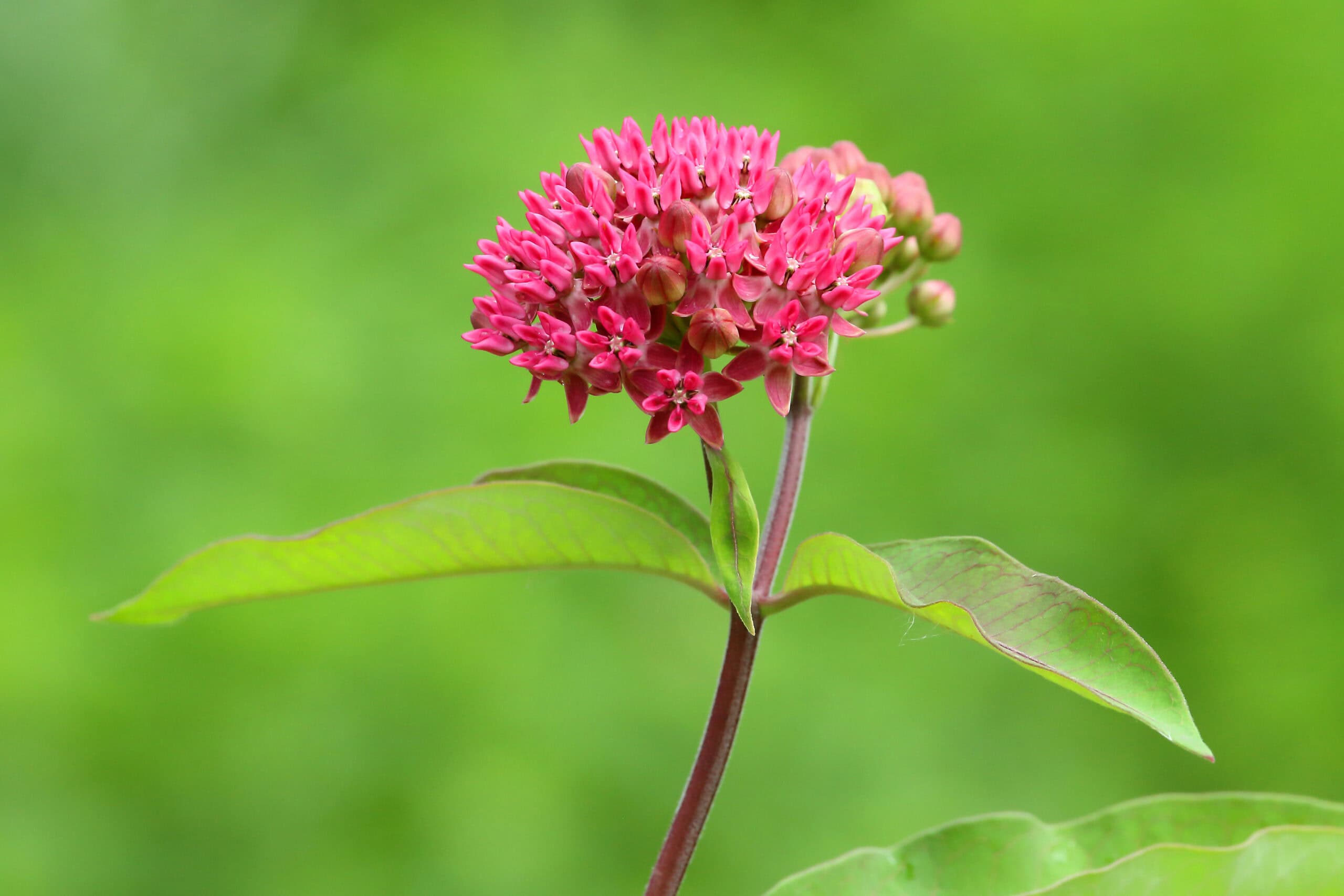
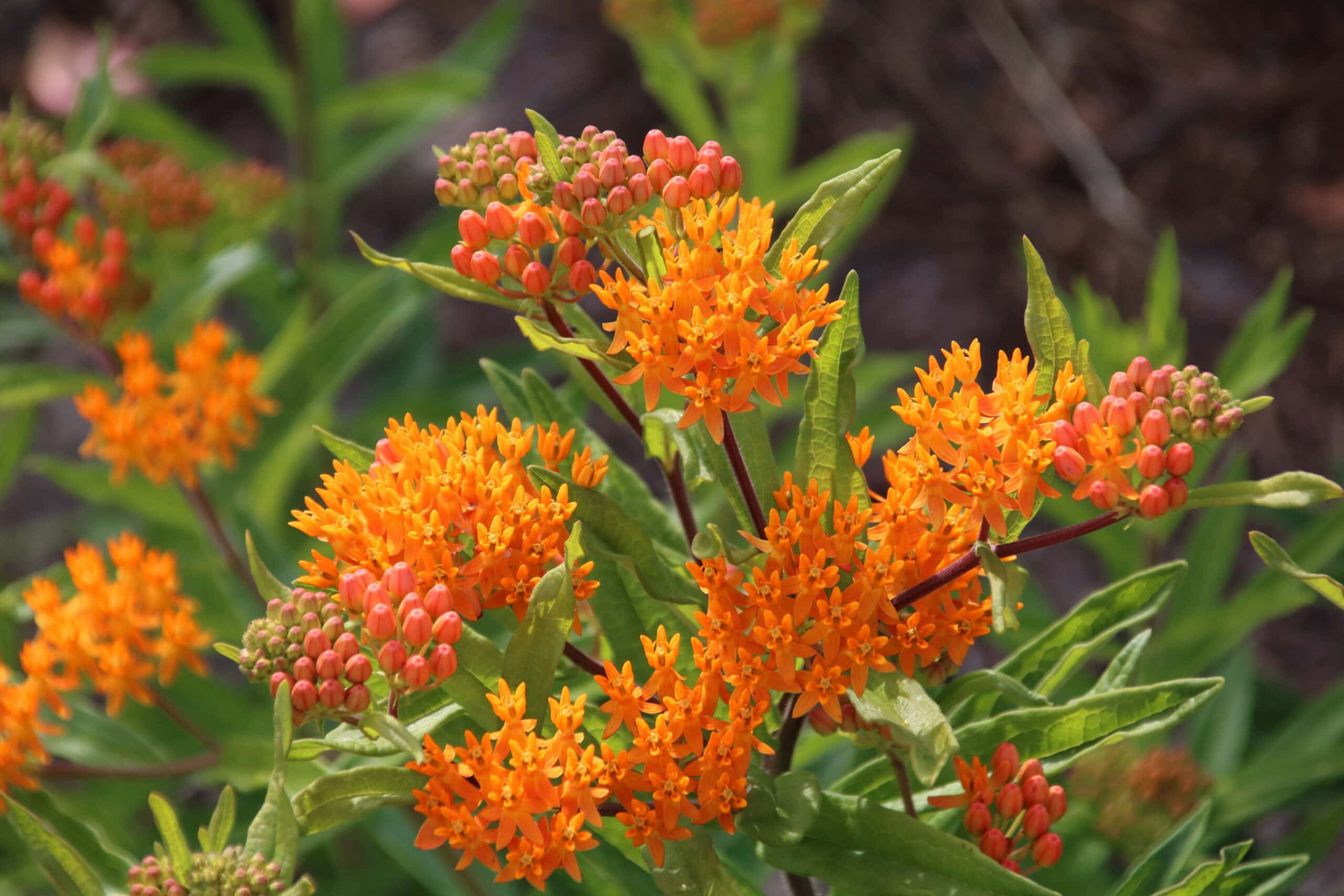
Milkweeds belong to the Apocynaceae family, which includes approximately 150 species of milkweeds. Their appearance varies considerably, although most share recognizable botanical features. Some species spread through underground rhizomes, allowing them to form dense colonies. [2][4]
 Flower
 Flower
 Seed pod
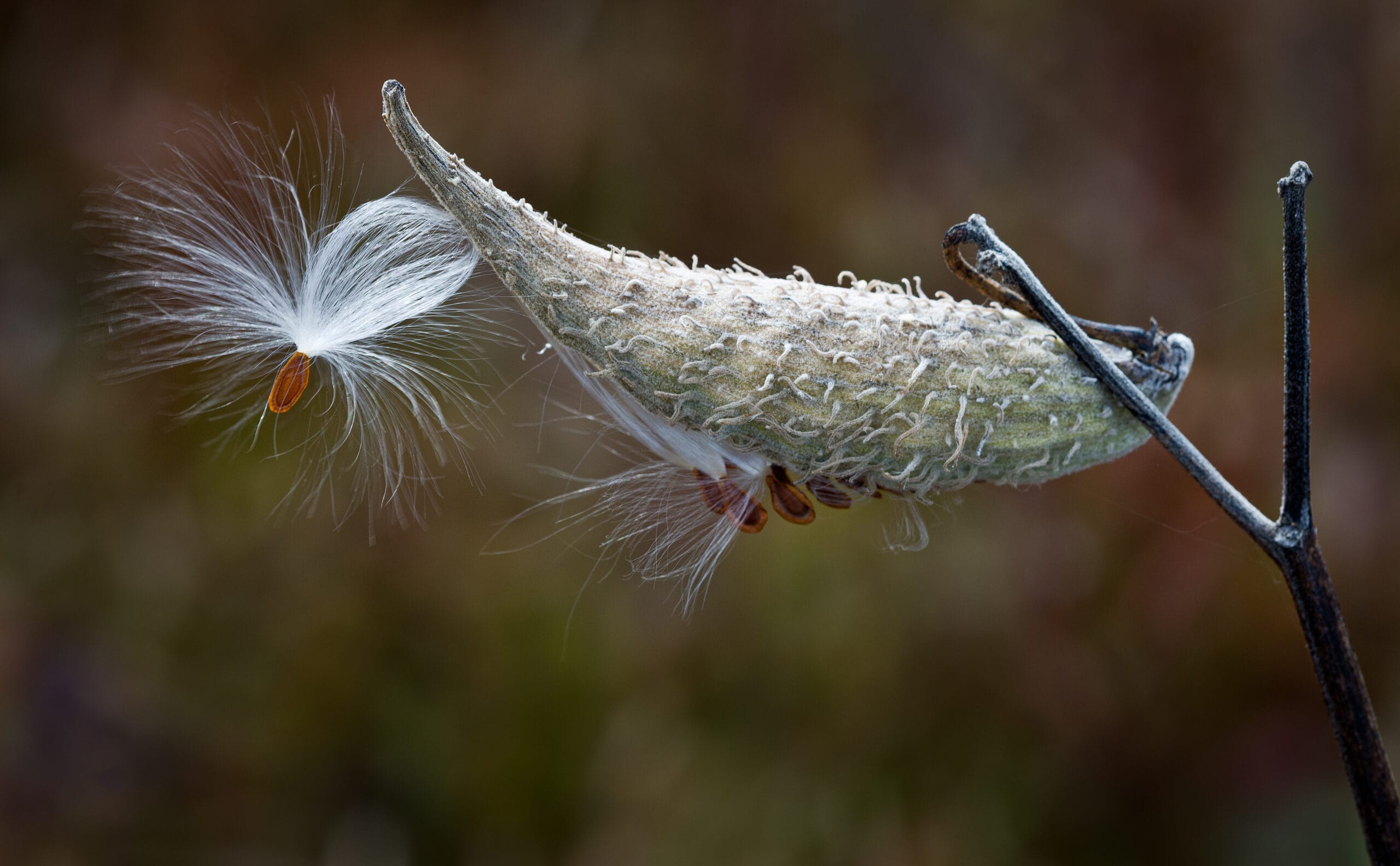
Characteristics used to identify milkweed include: [2][4][5]
- Growth habit: Milkweeds are herbaceous perennials with upright or occasionally spreading stems. Depending on the species, plants may reach approximately 5 feet (1.5 m) in height.
- Stems and sap: Stems may be upright or branching and generally contain a thick, white, milky sap released when the plant is damaged, although some species, including butterfly milkweed (A. tuberosa), lack the characteristic milky sap.
- Leaves: Leaves range from broad and oval or lance-shaped to narrow and grass-like. They are typically arranged in opposite pairs or whorls along the stem.
- Flowers: Flowers typically grow in rounded, umbrella-like clusters. Each flower has five petals surrounding a distinctive central crown, with colors ranging from white and pink to purple, orange, or greenish-white.
- Seed pods: Milkweeds produce elongated or swollen pods, known as follicles, which may be smooth, textured, or spiny. Mature pods split open to release numerous flattened seeds, each attached to a tuft of silky white hairs that aid in wind dispersal.
Milkweeds are commonly categorized according to their foliage into broad-leaved and narrow-leaved groups. Broad-leaved species, such as showy milkweed (Asclepias speciosa), have relatively large leaves and conspicuous flower clusters.
Narrow-leaved species, including narrowleaf milkweed (Asclepias fascicularis) and eastern whorled milkweed (Asclepias verticillata), have finer foliage that can resemble surrounding grasses or other pasture vegetation. [3][6]
These differences can make it more difficult to identify the plant in harvested forage. Narrow-leaved milkweeds can be particularly difficult to recognize in hay, where their stems and leaves may be indistinguishable from dried grasses. [3][6]
Toxicology of Milkweed
Milkweed contains several toxic compounds that affect the heart and nervous system of horses. The types and concentrations of these compounds vary between species, so signs of exposure vary. [3][4]
Most milkweed species contain cardiac glycosides called cardenolides. These compounds interfere with the sodium-potassium pump, a protein that helps regulate the movement of electrically charged minerals in and out of cells. [4][7]
This process is particularly important in heart muscle cells, where the movement of these minerals helps control the electrical signals responsible for coordinating each heartbeat. When cardiac glycosides interfere with this process, they disrupt normal heart function and cause irregular heart rhythms. Severe poisoning may lead to cardiac failure or sudden death. [3][4][7]
The concentration of cardenolides varies depending on the milkweed species and part of the plant under consideration. Seasonal changes also influence toxin concentrations, which are particularly high in the plant’s milky sap and during periods of rapid growth. [3][4][7]
Not all milkweed species cause poisoning primarily through cardiac glycosides. Some species, particularly those with narrow or whorled leaves, contain compounds that affect the nervous system. Milkweed species that contain these compounds include: [2][4][8]
- Western whorled milkweed (Asclepias subverticillata)
- Narrowleaf milkweed (Asclepias fascicularis)
- Eastern whorled milkweed (Asclepias verticillata)
Researchers have not fully identified the compounds responsible for the neurological effects of these plants. However, a group of substances called cinnamic ester pregnane glycosides may contribute to their toxicity. [4][8]
Unlike cardiac glycosides, which primarily disrupt heart function, these compounds interfere with normal muscle coordination and control. Severe poisoning may cause convulsions and respiratory failure. [8]
The distinction between cardiotoxic and neurotoxic milkweeds is not always clear. Although broad-leaved species generally cause heart-related poisoning and narrow-leaved species are more commonly associated with neurological problems, some narrow-leaved milkweeds also contain cardiac toxins. As a result, affected horses may develop both cardiovascular and neurological signs. [2][4][8]
How Much Milkweed is Poisonous for Horses?
The amount of milkweed required to cause poisoning varies considerably between species. Labriform milkweed (Asclepias labriformis) is one of the most toxic species, while several whorled-leaved milkweeds also pose a significant risk.
In comparison, horses generally need to consume much larger quantities of showy milkweed (Asclepias speciosa) to develop fatal poisoning.
The neurological effects of narrowleaf milkweed may also be cumulative, which means repeated consumption can contribute to poisoning even when the horse does not consume a large quantity at once. [5][8]
Milkweed remains toxic after drying, so both fresh plants and milkweed-contaminated hay can cause poisoning in horses. [1]
Symptoms of Milkweed Poisoning in Horses
Clinical signs of milkweed toxicosis in horses depend on several factors: [3][6][8]
- The species of milkweed consumed
- The amount of plant material ingested
- The relative severity of cardiovascular and neurologic effects
Symptoms generally develop rapidly, often within a few hours of ingestion. With narrowleaf milkweed (Asclepias fascicularis), signs may appear between 1 and 24 hours after consuming a toxic dose. [6][8]
Signs of milkweed poisoning in horses may include: [1][3][6][8]
- Lethargy
- Anxiety or restlessness
- Colic
- Diarrhea
- Dilated pupils
- Excessive sweating
- Elevated body temperature
- Muscle weakness
- Tremors or muscle twitching
- Ataxia (incoordination)
- Difficulty standing or walking
- Reluctance to stand
- Rapid or slow heart rate
- Irregular heartbeat
- Weak pulse
- Labored breathing
- Recumbency
- Convulsions or seizures
- Respiratory failure
- Sudden death
Horses affected by cardiotoxic milkweeds may initially show gastrointestinal discomfort, including: [2][3]
- Colic
- Teeth grinding
- Diarrhea
- Reluctance to stand
Cardiac glycosides can cause disturbances in heart rhythm, although detectable arrhythmias are not always present during clinical examination. Severe intoxication may progress rapidly, and affected horses can die suddenly without developing convulsions. [2][3]
Neurotoxic milkweed poisoning generally produces more pronounced disturbances in coordination and muscular control. Affected horses may initially appear uneasy or anxious, followed by: [6][8]
- Trembling
- Weakness
- Progressive incoordination
As poisoning becomes more severe, horses may struggle to maintain their balance or remain standing. Some may continue attempting to walk despite increasing weakness, placing them at risk of falling and injuring themselves. [6][8]
In severe cases, horses may develop tetanic seizures, which involve prolonged, involuntary muscle contractions. These seizures can cause serious injuries, particularly if the horse falls or strikes nearby objects. During these seizures, affected horses may show: [6][8]
- Severe muscle stiffness
- Abnormal positioning of the neck or forelimbs
- Repeated paddling movements of the legs
- Violent, uncontrolled muscle contractions
Respiratory failure during prolonged seizure activity is a major cause of death in horses affected by neurotoxic milkweed poisoning. [6][8]
Horses that survive the initial poisoning episode may continue experiencing weakness or neurological abnormalities for several days before recovering. [6][8]
When to Call the Veterinarian
Suspected milkweed ingestion requires immediate veterinary attention, even if the horse is not showing clinical signs. Some milkweed species can cause severe poisoning after relatively small amounts are consumed, and symptoms may progress rapidly once they develop. [6][8]
Veterinary assessment is required urgently if a horse shows any of the following signs after possible milkweed exposure: [3][6][8]
- Colic
- Weakness or incoordination
- Abnormal heart rhythms
- Difficulty breathing
- Seizures
Keep horses showing signs of weakness, incoordination, or seizures in a safe environment to minimize the risk of injury. Do not restrain or enter an enclosed space with a horse who is stumbling, seizing, or otherwise incoordinated.
Oral medications and decontamination treatments should not be administered without veterinary guidance.
Exposure Risk Factors
Horses may be exposed to milkweed while grazing contaminated pastures or consuming hay containing dried plant material. Although many milkweed species are relatively unpalatable and are generally avoided when suitable forage is available, horses may consume certain narrow-leaved species more readily. [1][3]
Risk factors for exposure to milkweed in horses include: [1][3][5][8]
- Limited forage availability: Horses feeding in overgrazed pastures or receiving insufficient suitable forage may be more likely to consume milkweed that they would otherwise avoid.
- Contaminated hay: Milkweed retains its toxicity after drying and can be difficult to recognize once incorporated into harvested forage. Narrow-leaved species are particularly difficult to distinguish from surrounding dried vegetation.
- Species of milkweed: Despite their high toxicity, some narrow-leaved and whorled species may be relatively palatable, increasing the likelihood of ingestion.
- Milkweed infestations: Large populations of milkweed in pastures increase the amount of toxic plant material available to grazing horses. Dense infestations may also reduce access to desirable forage.
- Repeated ingestion: The effects of some neurotoxic milkweeds may be cumulative, making repeated consumption a potential concern.
Milkweed poisoning occurs less frequently in horses than in some other livestock species, particularly sheep and cattle. Still, the potentially severe consequences of ingestion make the presence of toxic milkweed species in pasture and forage an important management concern. [9]

Diagnosis
Milkweed poisoning is difficult to diagnose in horses because its clinical signs overlap with those of several other toxicological and neurologic conditions. Diagnosis is primarily based on: [3]
- The horse’s clinical presentation
- Possible exposure to milkweed
- Identification of suspicious plant material in the pasture or feed
Identifying the plant species is particularly useful because the expected clinical presentation and severity of intoxication differ between types of milkweed. [3]
There is no specific laboratory tests that can definitively confirm milkweed poisoning in horses.
Routine bloodwork can help veterinarians assess the horse’s overall condition and identify complications. However, milkweed poisoning does not produce a distinctive pattern of blood abnormalities that veterinarians can use to confirm the diagnosis. [3][8]
Specialized laboratory testing may help identify certain milkweed toxins. For example, tests may detect cardenolides, the cardiac glycosides responsible for the heart-related effects of some milkweed species, in gastrointestinal contents.
Chemical analysis can also identify these compounds in the plant’s milky sap, but these tests can not identify the compounds responsible for neurological poisoning. [3][7][8]
As a result, a negative test result does not necessarily rule out milkweed poisoning, particularly when the horse may have consumed a neurotoxic species. [3][7]
Veterinarians must also rule out other conditions that can produce similar symptoms. Depending on the horse’s clinical signs, these differential diagnoses may include: [3][8]
- Poisoning from other plants containing cardiac glycosides
- Ionophore toxicity
- Infections affecting the nervous system
- Other conditions that cause sudden weakness, loss of coordination, or seizures
Treatment & Management
There is no specific antidote for milkweed poisoning in horses. Treatment is primarily supportive, with the objectives of limiting further toxin absorption, controlling clinical signs, and managing potentially life-threatening cardiovascular or neurologic complications. [3][8]
The first management step is to prevent further ingestion by removing the horse from contaminated grazing areas or withdrawing any suspected hay or feed. Veterinary treatment depends on: [3][8]
- The milkweed species involved
- The estimated quantity consumed
- The time since exposure
- The severity of the horse’s condition
Treatment of milkweed toxicosis in horses may include: [3][8]
- Gastrointestinal decontamination
- Intravenous fluid therapy
- Seizure control
- Cardiovascular support
- Protection from injury
Horses experiencing incoordination or seizures may require padded stalls, soft footing, or additional protective measures to reduce the risk of traumatic injuries.
Prognosis
The prognosis for horses with milkweed poisoning depends on: [6][8]
- The species involved
- The quantity consumed
- The severity of clinical signs
- The supportive treatment available
Severe milkweed poisoning can be fatal, particularly when affected horses develop prolonged seizures, respiratory failure, or serious heart problems. [6][8]
Horses that survive the initial stages of neurotoxic milkweed poisoning may continue to show neurological symptoms, such as: [6][8]
- Muscle weakness
- Loss of coordination
- Other abnormalities affecting movement or muscle control
These symptoms may persist for several days, and full recovery can take approximately one to two weeks. However, this recovery period applies specifically to neurotoxic milkweed poisoning. Horses that consume other milkweed species may experience different complications or recovery times, depending on how the toxins affect their bodies. [6][8]
Prevention
The most effective approach to preventing horses from consuming milkweed involves: [1][6]
- Identifying potentially hazardous plant species
- Reducing the presence of hazardous species in horse-accessible areas
- Preventing hazardous species from entering harvested forage
Recommended preventive measures for horse owners and barn managers include: [1][6]
- Regularly inspecting of pastures
- Managing milkweed infestations
- Providing constant and adequate forage
- Inspecting hay before feeding
- Monitoring hayfields before harvesting
- Preventing access to contaminated material
- Monitoring high-risk areas
Milkweed can be difficult to eliminate once established because some species are capable of spreading through extensive underground root systems. Owners may need to repeat control measures to prevent the plant from returning. [10]
Frequently Asked Questions
Here are some frequently asked questions about milkweed poisoning in horses:
Milkweed is poisonous to horses because many species contain compounds that affect the cardiovascular or nervous system. Poisoning can cause gastrointestinal discomfort, weakness, abnormal heart rhythms, loss of coordination, seizures, respiratory failure, and sudden death. The severity depends on the milkweed species, the amount consumed, and the type of toxins present. [1][2][3]
Milkweed in a horse pasture can often be identified by its upright stems, distinctive flower clusters, paired or whorled leaves, and seed pods filled with silky-haired seeds. Many species release thick, white sap when damaged, although butterfly milkweed does not have this characteristic sap. Because appearance varies considerably among the approximately 150 milkweed species, owners should seek expert help when identification is uncertain. [2][4][5]
Dried milkweed in hay remains toxic to horses and can cause serious poisoning. Narrow-leaved species are particularly difficult to detect in harvested forage because their dried stems and leaves may resemble surrounding grasses. Any hay suspected of containing milkweed should be withdrawn and assessed before it is fed. [1][3][6]
The amount of milkweed required to poison a horse varies widely according to the species, toxin concentration, plant part, season, and pattern of exposure. Some highly toxic species can cause illness after relatively small amounts are consumed, while others require substantially more plant material. Narrowleaf milkweed has produced clinical signs following ingestion of about 0.22% of body weight, but this figure should not be treated as a safe threshold because toxin levels vary and repeated exposure may have cumulative effects. [5][8]
Symptoms of milkweed poisoning in horses may include anxiety, colic, diarrhea, sweating, muscle weakness, tremors, incoordination, an abnormal heart rate, labored breathing, seizures, or collapse. Cardiotoxic species tend to produce more pronounced heart rhythm and circulatory problems, while neurotoxic species often cause progressive weakness and loss of muscular control. Severe poisoning can lead to respiratory failure or sudden death. [1][3][6][8]
Horses can show signs of milkweed poisoning within a few hours of ingestion. Following exposure to narrowleaf milkweed, symptoms may develop between 1 and 24 hours after a toxic amount is consumed. Because deterioration can be rapid and signs may not be immediately visible, suspected ingestion requires veterinary attention even when the horse initially appears normal. [3][8]
The difference between cardiotoxic and neurotoxic milkweed poisoning is the body system most affected by the plant's toxins. Cardiotoxic milkweeds contain cardiac glycosides that interfere with normal electrical activity in the heart, potentially causing irregular rhythms, weak circulation, and sudden death. Neurotoxic milkweeds disrupt coordination and muscular control, leading to trembling, weakness, incoordination, seizures, and respiratory failure. Some species contain more than one type of toxin, so a horse may develop both cardiovascular and neurologic signs. [2][3][4][8]
If a horse may have eaten milkweed, contact a veterinarian immediately and prevent any further access to the suspected pasture, hay, or feed. Keep a weak, uncoordinated, or seizing horse in a safe area where the risk of falling or striking nearby objects is reduced. Do not administer oral medications or attempt gastrointestinal decontamination without veterinary guidance, particularly if neurologic signs are present.
Milkweed poisoning in horses is diagnosed primarily from the clinical signs, the horse's exposure history, and the identification of suspicious plants in pasture or feed. There is no routinely available clinical laboratory test that definitively confirms every form of milkweed poisoning. Specialized testing may detect cardiac glycosides in gastrointestinal contents, but a negative result does not exclude exposure to neurotoxic milkweed species. Veterinarians must also consider other toxic plants, ionophore toxicity, neurologic infections, and other causes of acute weakness or seizures. [3][7][8]
There is no specific antidote for milkweed poisoning in horses. Veterinary treatment is supportive and may focus on limiting further toxin absorption, providing intravenous fluids, controlling seizures, supporting cardiovascular function, and preventing injuries. The treatment plan depends on the suspected species, estimated exposure, time since ingestion, and severity of the horse's signs. [3][8]
A horse can recover from milkweed poisoning, but the prognosis depends on the milkweed species, amount consumed, severity of signs, and availability of supportive treatment. Poisoning can be fatal when it causes serious heart complications, prolonged seizures, or respiratory failure. Horses that survive acute neurotoxic poisoning may remain weak or uncoordinated for several days, with recovery from residual signs sometimes taking one to two weeks. [6][8]
A horse may eat milkweed when suitable forage is limited or when the plant is mixed into hay and cannot be readily recognized. Overgrazed pastures, inadequate forage, heavy milkweed infestations, and contaminated harvested forage all increase exposure risk. Certain narrow-leaved and whorled species may also be more palatable than other milkweeds, despite being highly toxic. [1][3][5][8]
Repeated milkweed exposure can contribute to poisoning because the neurotoxic effects of some species may be cumulative. A horse that consumes smaller amounts on multiple occasions may therefore be at risk even when no single exposure appears substantial. Removing the source promptly is important whenever milkweed is found in pasture, hay, or other accessible plant material. [5][8]
Milkweed poisoning can be prevented by regularly inspecting pastures and hay, maintaining adequate suitable forage, controlling infestations, and keeping horses away from contaminated plant material. Hayfields should be checked before harvesting because milkweed remains toxic after drying and may become difficult to identify in baled forage. Established infestations may require repeated management, particularly when plants spread through underground root systems. Herbicides must be used according to current product labels and all applicable grazing and hay-harvesting restrictions. [1][6][10]
Summary
Milkweed poisoning can cause life-threatening cardiovascular and neurologic complications in horses that consume fresh plants or contaminated hay. Prompt veterinary care is essential because symptoms can progress rapidly and no specific antidote is available.
- Milkweed remains toxic after drying, making contaminated hay a significant exposure risk
- Milkweed toxins can disrupt heart rhythm, muscle coordination, and nervous system function
- Signs may include colic, weakness, ataxia, abnormal heart rhythms, seizures, respiratory failure, and sudden death
- Diagnosis relies on clinical signs, exposure history, and identification of suspicious plant material
- Supportive treatment may include decontamination, intravenous fluids, seizure control, cardiovascular support, and injury prevention
- Adequate forage, hay and pasture inspections, and milkweed control can reduce poisoning risk
References
- Turner. J. L. and Alpers. G. Milkweed Poisoning of Horses. New Mexico State University Cooperative Extension Service. 2023.
- Burrows. G. E. and Tyrl. R. J. Toxic Plants of North America. 2nd ed. Wiley-Blackwell. 2013.
- Wilson. D. A. Clinical Veterinary Advisor: The Horse. 1st ed. Saunders. 2011.
- Gupta. R. C. Ed. Veterinary Toxicology: Basic and Clinical Principles. 2nd ed. Academic Press. 2012.
- Waldridge. B. M. Ed. Nutritional Management of Equine Diseases and Special Cases. 1st ed. Wiley-Blackwell. 2017.
- Plumlee. K. H. Ed. Clinical Veterinary Toxicology. 1st ed. Mosby. 2004.
- Sady. M. B. and Seiber. J. N. Field Test for Screening Milkweed Latex for Cardenolides. Journal of Natural Products. 1991.
- Hovda. L. R. et al. Eds. Blackwell's Five-Minute Veterinary Consult Clinical Companion: Equine Toxicology. 1st ed. Wiley-Blackwell. 2021.
- Milkweed (Asclepias spp.). USDA Agricultural Research Service. 2018.
- Beckman. B. Watch Out for Whorled Milkweed: Identification, Toxicity, and Control in Pasture and Hay Ground. University of Nebraska-Lincoln Extension. 2025.