English

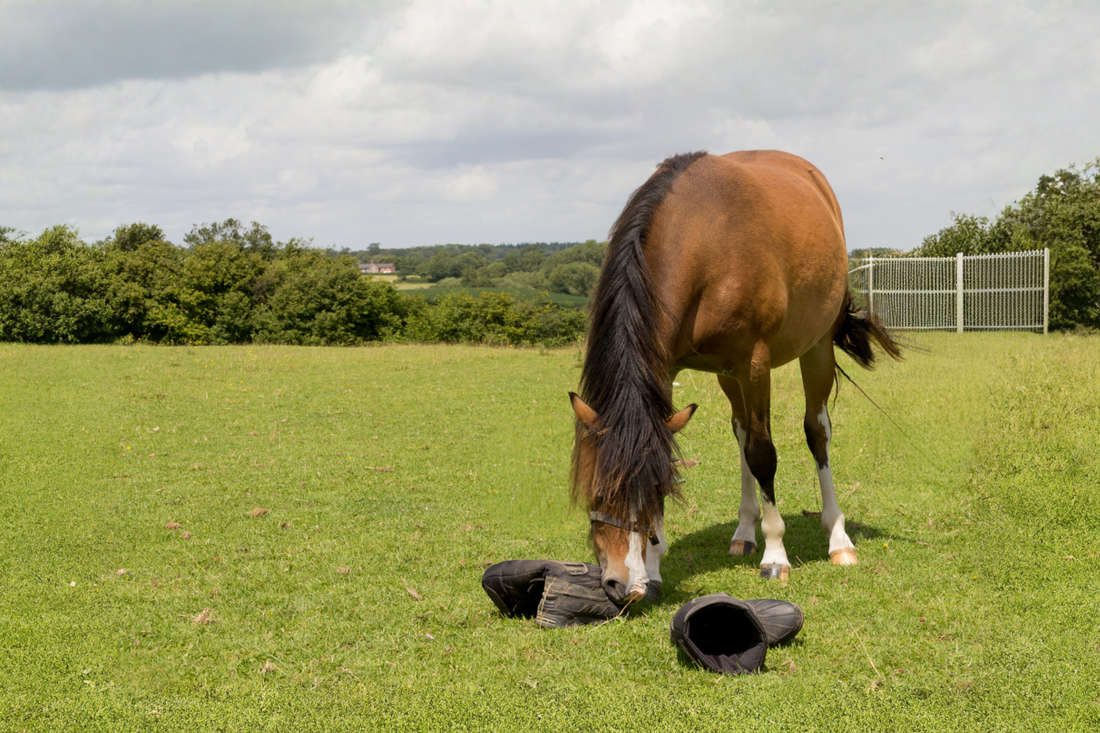
Pica in horses is a condition characterized by repeated ingestion of non-food items such as dirt, sand, wood, bedding, or manure. Unlike normal foraging behavior, pica involves actively seeking out and swallowing materials that do not provide nutritional value, which can signal underlying issues related to diet, management, or health.
This behavior may develop in response to nutritional imbalances, inadequate forage intake, digestive discomfort, boredom, or environmental stress. Because multiple factors can contribute to pica, identifying the root cause often requires a comprehensive evaluation of the horse’s feeding program, living conditions, and overall well being.
While occasional ingestion of non-food material may not cause immediate harm, persistent pica can increase the risk of digestive problems such as sand accumulation, impaction, parasite exposure, and colic.
Understanding why pica occurs, how it differs from other oral behaviors, and what steps can help manage or prevent it is essential for supporting equine health and welfare.
What is Pica in Horses?
Pica is the repeated ingestion of substances that are not part of a horse’s normal diet. In horses, this may include actively eating and swallowing: [1][2]
Although young horses and foals may explore their surroundings orally, persistent ingestion differs from normal curiosity. When the behavior occurs regularly or increases over time, it may indicate an underlying issue influencing feeding patterns. [4][5][6][7]
Pica in horses is a behavioral sign that something in the diet, digestive system, or environment may need attention, although the exact causes are not fully understood. Identifying and addressing the root cause is essential to resolving the behavior effectively.
Pica vs. Oral Sterotypies
The defining feature of pica is ingestion of non-food material. This distinguishes it from other oral behaviors such as cribbing, which involves repetitive windsucking without fully consuming foreign material, or occasional wood chewing that does not result in significant swallowing. [3]
What's your top priority with your horse's health?

Enter your email to receive your store credit
Signs of Pica in Horses
Pica in horses is usually recognized by the repeated consumption of materials that are not normal feed, such as dirt, sand, wood, bedding, or manure. In many cases, this abnormal eating behavior is the first and most obvious sign. [1][2][8]
While occasionally investigating non-food items is normal, repeated ingestion of these materials suggests an underlying problem. Horses that eat dirt may leave shallow holes in dry areas of the paddock.
Wood consumption may go beyond surface chewing, with visible damage to fences or stall boards. Bedding ingestion is often most noticeable shortly after fresh shavings or straw are added.
Over time, some horses may show additional changes such as: [9][10]
- Weight loss
- Appetite changes
- A dull coat
- Changes in behavior
If dirt or sand consumption occurs alongside signs of colic, prompt veterinary attention is advised.
Reviewing your horse’s diet, feeding and turnout schedule, and stress levels can help identify potential contributing factors.
When to Call a Veterinarian
Contact a veterinarian if your horse shows sudden or persistent pica, especially if accompanied by weight loss, poor body condition, changes in manure, or reduced appetite. Veterinary evaluation is also important if your horse consumes large amounts of sand, dirt, or other foreign material, as this can increase the risk of impaction or colic.
Causes of Pica in Horses
Research on the causes of pica in horses is limited. Based on available evidence, the behavior may be associated with nutritional imbalances, digestive problems, or environmental factors that affect normal feeding and behavior.
Nutritional Imbalances
Nutritional imbalances may contribute to pica in some horses. A horse can appear to be eating enough, but the diet may still be unbalanced if it does not provide the right amounts of essential nutrients.
For example, the horse may be getting too little of certain minerals, or the overall mineral balance of the diet may be off. These problems can affect normal appetite and may contribute to abnormal behaviors such as licking, chewing, or eating non-food materials. [11][12]
Sodium deficiency is one of the most common nutritional concerns in horses. Sodium is an essential mineral, and salt is the main source of sodium in the diet. However, not all horses consume enough salt to meet their daily needs.
Even when a salt block is available, intake may still be inadequate. Low sodium intake may contribute to abnormal licking or dirt eating, and improving salt intake often helps reduce these behaviors. [12][13]
Trace mineral deficiencies and imbalances may also play a role. In some regions, forage contains high levels of iron but lower levels of copper and zinc.
Over time, this can create a diet that looks adequate on paper but is still out of balance. These mineral imbalances may affect overall health and may contribute to abnormal eating behavior in some horses. [1][12][13][14]
Limited Forage Access
Forage intake also influences feeding behavior. Horses are adapted to consume fiber for much of the day, and extended periods without hay or pasture may increase stress and encourage wood chewing or bedding ingestion.
Feeding large, infrequent meals instead of providing continuous access to forage can further contribute to these behaviors, as this does not align with the horse’s natural grazing patterns. Horses managed on restricted diets for weight control may also be at increased risk if forage intake is limited for long periods.
In these cases, management strategies such as slow feeders, small-hole hay nets, or grazing muzzles can help extend forage consumption time while controlling calorie intake. These approaches support natural feeding behavior and may reduce the likelihood of pica-related behaviors without exceeding energy requirements.
Gastrointestinal Issues
Digestive health can impact many aspects of feeding behavior. Horses experiencing gastric ulcers, hindgut imbalance, or other forms of gastrointestinal irritation may show changes in appetite, including unusual eating patterns such as sand or dirt consumption. [14]
Gastric ulcers are relatively common, particularly in horses with stressful lifestyles, high-starch diets, or prolonged fasting periods. In some cases, pica may occur alongside other signs of gastric discomfort, including girth sensitivity, weight loss, reduced performance, or irritability.
The hindgut also plays a central role in digestive health. Horses rely on microbes in the cecum and colon to ferment fiber, and this process depends on a consistent supply of forage. Sudden dietary changes or diets high in concentrates can disrupt the hindgut microbial population and normal fermentation, which may contribute to gastrointestinal discomfort. [15]
When a horse eating dirt, sand, or bedding also shows signs of gastrointestinal distress, evaluating digestive health is an important next step. [16]
Boredom & Environmental Stress
Environmental conditions may contribute to pica in some horses. Horses are highly motivated to move, forage, and interact with their surroundings for much of the day. When turnout is limited, forage is restricted, or eating time is too short, some horses may begin chewing or eating non-food items such as wood, bedding, or dirt. [2][9][12]
Extended stall confinement, limited social contact, and long periods without forage can also increase stress and frustration. In these situations, pica may develop as an abnormal oral behavior that helps occupy time or redirects unmet behavioral needs.
These behaviors do not necessarily mean a horse is poorly cared for. Even in well-managed settings, domestic routines may not fully match the horse’s natural pattern of near-continuous grazing, movement, and social interaction. Increasing forage access, using slow feeders, extending turnout time, and supporting social contact may help reduce stress-related pica.
Learned or Habitual Behavior
In some horses, pica begins in response to a nutritional or digestive issue and continues even after the original trigger improves. Repetitive behaviors can become ingrained over time, particularly if they provide sensory stimulation or relief from stress. [17]
Young horses may initially explore their environment by sampling different materials. If this behavior is repeated frequently, it may persist as a habit.
Health Risks Associated with Pica
While mild cases of pica may not cause long-term adverse effects, persistent pica can lead to serious health problems, especially when horses regularly consume materials such as sand, dirt, wood, bedding, or manure. The specific risk depends on what is being eaten and how much is consumed over time. [1][2][12]
For example, eating sand or dirt can lead to accumulation in the colon and increase the risk of sand colic. Consuming wood or bedding may contribute to impaction or other digestive obstruction. Horses that chew treated wood, painted surfaces, or other inappropriate materials may also be exposed to harmful chemicals.
Pica can also increase the risk of dental damage, choke, and gastrointestinal irritation. When manure is consumed, there may also be greater exposure to parasites. Because these complications can develop gradually, pica should be addressed early rather than waiting for secondary problems to appear.
Management should focus on identifying and correcting the underlying cause while reducing access to materials the horse is eating. Improvement may take time, but consistent dietary and environmental changes often reduce the behavior.
How to Stop Horses from Eating Non-Food Items
Treating pica in horses involves identifying and correcting the underlying cause rather than simply trying to stop the behavior itself.
In many cases, thoughtful adjustments to diet, digestive health, and daily management lead to gradual and lasting improvement. Taking a structured approach helps ensure contributing factors are not overlooked.
1) Address Underlying Health Issues
Before making dietary changes, consult your veterinarian to help identify or rule out any underlying health issues that could be contributing to abnormal behavior.
Horses showing signs of discomfort such as girth sensitivity, changes in body condition, altered appetite, or behavioral changes should be evaluated by a veterinarian for gastric ulcers or other gastrointestinal disorders. In sandy regions, your veterinarian may also recommend testing for sand accumulation, especially if dirt consumption has been ongoing.
Once medical causes have been assessed, maintaining consistent fiber intake and avoiding abrupt dietary changes can help support gut health and reduce digestive stress. [15]
2) Evaluate the Diet
Once medical causes have been ruled out, working with a qualified equine nutritionist to review your horse’s feeding program may help identify dietary imbalances that could be contributing to pica. A professional diet evaluation can help guide appropriate nutritional changes.
Begin by analyzing your horse’s forage intake. Most horses require approximately 1.5–2% of their body weight in forage per day on a dry matter basis.
Providing consistent access to hay or pasture throughout the day supports digestive stability and better reflects natural grazing patterns. [15][18]
Free-choice loose salt should be available at all times, as many horses do not consume enough sodium from a salt block alone. Adding two tablespoons of plain loose salt to the daily ration is recommended to ensure adequate intake. [19][20]
In addition, feeding a balanced vitamin and mineral supplement that complements your forage helps address common trace mineral imbalances, particularly in regions where copper and zinc levels may be low relative to iron. [1][12][13][14]
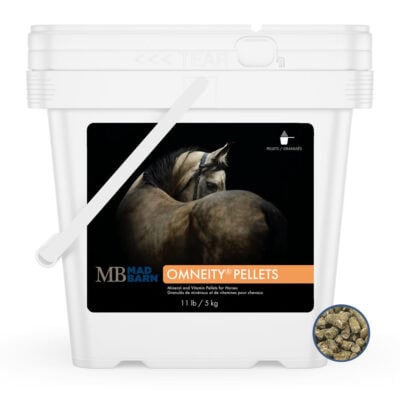
Mad Barn’s Omneity® Pellets is an all-in-one vitamin and mineral, formulated to fill the gaps in most hay-based diets. With 100% organic trace minerals, B-vitamins, and live yeast culture for probiotic support of the hindgut, Omneity® is a professionally balanced formula recommended by nutritionists and veterinarians alike.
Forage analysis is the most accurate way to check the nutrient profile of your hay, allowing for precise supplementation.
Because balancing a ration involves evaluating multiple nutrients — not just adding a supplement — working with a qualified equine nutritionist can be especially beneficial.
3) Adjust Management
Daily management also plays a role in reducing pica in horses, especially when boredom or stress contributes to the behavior.
Increasing turnout time when possible encourages movement and natural foraging behavior. Supporting safe social interaction and extending forage availability throughout the day can further align management with a horse’s biological needs.
Using slow feeders or dividing hay into multiple feedings helps minimize long fasting periods and may reduce wood chewing or bedding ingestion. Even modest changes to feeding routines or turnout schedules can have a noticeable impact over time. [21][22]
4) Limit Access to Harmful Materials
While underlying causes are being addressed, reducing exposure to potentially dangerous materials helps lower health risks.
Protecting wooden surfaces, removing treated lumber, and ensuring bedding is safe and appropriate can prevent complications such as impaction or toxicity. In sandy environments, feeding hay in tubs or on mats rather than directly on the ground may help limit additional sand ingestion.

Preventing Pica in Horses
While pica cannot always be prevented, the risk may be reduced by supporting the horse’s nutritional, digestive, and behavioral needs.
Prevention starts with a consistent feeding and management program. Providing regular access to appropriate forage supports digestive health and helps meet the horse’s natural behavior of chewing for much of the day.
Feeding a properly balanced ration is also important, as nutritional deficiencies or mineral imbalances may contribute to abnormal eating behaviors. A well-formulated vitamin and mineral supplement such as Omneity® Pellets can help balance forage-based diets.
Management practices also play an important role. Regular turnout, opportunities for movement, and safe social interaction help support normal behavior and reduce stress. Feeding strategies that increase time spent chewing, such as slow feeders or more consistent forage access, may also help reduce abnormal oral behaviors. [23][24]
Routine veterinary care, dental evaluations, and ongoing review of the horse’s diet can help identify potential problems early, before they contribute to pica.
Here are some frequently asked questions about pica in horses:
Pica in horses is the repeated ingestion of non-food items such as dirt, sand, wood, bedding, or manure. Unlike behaviors such as cribbing or wood chewing, pica involves actively swallowing these materials rather than just chewing or mouthing them.
A horse eating dirt (geophagia) may be responding to factors such as nutritional imbalances, low salt intake, digestive discomfort, boredom, or environmental stress. Persistent dirt consumption should prompt a review of the horse's health, diet, forage access, and management routine.
Mineral imbalances may contribute to pica in some horses. Inadequate sodium intake or imbalances in trace minerals such as copper and zinc can influence feeding behavior. Providing a balanced vitamin and mineral supplement that complements forage intake can help address potential deficiencies.
No. Cribbing is a stereotypic behavior involving grasping an object and windsucking, usually without ingesting material. Pica involves actively eating and swallowing non-food items such as dirt, sand, or wood.
Manure consumption (coprophagia) is normal in foals during early development but is less typical in adult horses. Persistent manure eating in adults may indicate dietary imbalances, boredom, or digestive issues and should be evaluated.
Pica can increase the risk of gastrointestinal problems such as sand accumulation, impaction, parasite exposure, and colic. Ingesting foreign materials may also interfere with nutrient absorption and overall digestive health.
Managing pica involves identifying and addressing the underlying cause. Ensuring consistent access to forage, balancing the diet, providing adequate salt, supporting digestive health, and improving environmental enrichment can help reduce the behavior.
Yes, boredom and lack of stimulation can contribute to pica, particularly in horses with limited turnout or social interaction. Increasing turnout time, social contact, and environmental enrichment may help reduce unwanted behaviors.
You should be concerned if your horse's pica is frequent, persistent, or accompanied by weight loss, poor body condition, abnormal manure, or signs of colic. These cases warrant further evaluation of diet, management, and overall health.
Pica is typically identified based on observed behavior and a review of diet and management. A veterinarian may recommend additional testing to rule out underlying health issues or nutritional imbalances contributing to the behavior.
Summary
Pica refers to the repeated ingestion of non-food items such as dirt, sand, wood, bedding, or manure. The key feature is consistent swallowing rather than occasional chewing.
- It is generally considered a possible sign of an underlying imbalance, which may relate to nutrition, digestive health, environmental stress, or a combination of factors
- Contributing factors can include low salt intake, trace mineral imbalances, insufficient forage, gastric irritation, hindgut disruption, boredom, or limited turnout
- Persistent ingestion of non-food materials may increase the risk of sand accumulation, impaction, dental wear, choke, or exposure to harmful substances
- Management typically involves evaluating the diet, supporting digestive health, adjusting turnout and feeding routines, and limiting access to high-risk materials
- Prevention strategies may include a forage-first feeding program, appropriate vitamin and mineral supplementation, consistent management, and regular veterinary care
References
- Li. Z. et al. A Study of Serum Mineral, Antioxidant Capacity, and Hematobiochemical Parameters in Horses with Pica in China. Journal of Veterinary Behavior. 2020.
- Oliveira. J. et al. A Predictive Formula for Determining the Clinical Significance of Colonic Sand Accumulation in Horses. Equine Veterinary Educatio. 2024.
- Wickens. C. L. and Heleski. C. R. Crib-Biting Behavior in Horses: A Review. Applied Animal Behaviour Science. 2010.
- Nikvand. A. A. et al. A Study of Pica in Cattle in Iran. Journal of Veterinary Behavior. 2018.
- Oliver-Espinosa. O. Foal Diarrhea: Established and Postulated Causes, Prevention, Diagnostics, and Treatments. Veterinary Clinics: Equine Practice. 2018. View Summary
- Francis-Smith. K. and Wood-Gush. D. G. M. Coprophagia as Seen in Thoroughbred Foals. Equine Veterinary Journal. 1977. View Summary
- Marinier. S. L. and Alexander. A. J. Coprophagy as an Avenue for Foals of the Domestic Horse to Learn Food Preferences from Their Dams. Journal of Theoretical Biology. 1995.
- Hassel. D. M. et al. Evaluation of Fecal Sand Clearance in Horses With Naturally Acquired Colonic Sand Accumulation With a Product Containing Probiotics, Prebiotics, and Psyllium. Journal of Equine Veterinary Science. 2020. View Summary
- Stewart. A. J. Sand Enteropathy in Horses. Merck Veterinary Manual. 2024.
- Stewart. A. J. Intestinal Disorders Other than Colic in Horses. Merck Veterinary Manual. 2024.
- Ralston. S. L. Feeding Behavior. The Veterinary Clinics of North America. Equine Practice. 1986. View Summary
- McGreevy. P. D. et al. Geophagia in Horses: A Short Note on 13 Cases. Applied Animal Behaviour Science. 2001. View Summary
- Kochan. A. et al. Serum Mineral Levels and Haematobiochemical Parameters in Buffalo Calves with Allotriophagy (Pica Syndrome). Medycyna Weterynaryjna. 2023.
- Niinistö. K. and Sykes. B. W. Diagnosis and Management of Sand Enteropathy in the Horse. Equine Veterinary Education. 2022.
- Ermers. C. et al. The Fibre Requirements of Horses and the Consequences and Causes of Failure to Meet Them. Animals. 2023. View Summary
- Seabra. J. C. et al. Factors Associated With the Development and Prevalence of Abnormal Behaviors in Horses: Systematic Review With Meta-Analysis. Journal of Equine Veterinary Science. 2021. View Summary
- Henshall. C. et al. Habit Formation and the Effect of Repeated Stress Exposures on Cognitive Flexibility Learning in Horses. Animals. 2022. View Summary
- Nutrient Requirements of Horses: Sixth Revised Edition. National Academies Press. 2007.
- Zeyner. A. et al. Effects of Different Oral Doses of Sodium Chloride on the Basal Acid-Base and Mineral Status of Exercising Horses Fed Low Amounts of Hay. PLoS ONE. 2017. View Summary
- Kunath. H. Pilot Study: Equine Use of and Preference for Salt Blocks in Pastures and Wildlife Interaction. Undergraduate Thesis, The Ohio State University. 2019
- Rochais. C. et al. “Hay-Bags” and “Slow Feeders”: Testing Their Impact on Horse Behaviour and Welfare - ScienceDirect.
- Hothersall. B. and Nicol. C. Role of Diet and Feeding in Normal and Stereotypic Behaviors in Horses. Veterinary Clinics of North America: Equine Practice. 2009. View Summary
- Waters. A. J. et al. Factors Influencing the Development of Stereotypic and Redirected Behaviours in Young Horses: Findings of a Four Year Prospective Epidemiological Study. Equine Veterinary Journal. 2002.
- Giles. S. L. et al. Foraging Efficiency, Social Status and Body Condition in Group-Living Horses and Ponies. PeerJ. 2020. View Summary