English








Time away from the barn, whether for vacation, work, or personal reasons, can interrupt your horse’s routine and training program. Horses thrive on consistency and even a short absence can affect your horse’s fitness, behavior, and connection to you.
For riders, resuming work after an absence benefits from thoughtful planning and observation, gradual conditioning, and clear communication with barn staff or training partners. This approach reduces the risk of injury and makes the transition back to full workload smoother.
For longer absences, stepping back into the barn environment often means adjusting to changes in schedules, staff, or herd dynamics, while also rebuilding confidence in the saddle.
Read on to discover how to prepare before you leave, what to expect on your first day back, and how to safely rebuild your partnership with your horse in the weeks that follow.
Taking Time Off from Horseback Riding
For many riders and horse owners, the barn is more than a place to train. It’s a second home that provides daily connection, routine, and comfort.
Stepping away from that environment, whether for a family obligation, vacation, or professional travel, can offer much-needed rest and perspective. But returning after a break, even a short one, can sometimes require more than simply picking up where you left off.
Horses thrive on routine and consistency, and so do the people who work with them. Time away often disrupts that rhythm, leaving both horse and rider slightly out of sync.
Muscle tone may be decreased, timing may feel off, and confidence on either side of the partnership can take a temporary dip. In some cases, barn routines or staff may have changed during the rider’s absence, adding another layer of adjustment.
Re-establishing a positive rhythm means evaluating where the horse is now and making any necessary adjustments to the workload. Whether the time away lasted a week or a month, a measured approach helps ensure a smooth and safe transition back to regular training.
Preparing Before You Leave
A smooth return to the barn begins with a well-planned departure. Reducing disruptions to your horse’s routine makes the transition back into work easier for both of you.
Whether you’re away for a short holiday, work travel, or an extended personal break, proper preparation keeps your horse safe, healthy, and well cared for during your absence.
Sometimes absences are unplanned — a health emergency or urgent obligation may require you to be away from the barn for an extended duration. In these cases, having a contingency plan shared with people at your barn helps ensure your horse’s needs are met even if you can’t be there.
Choosing Caretakers
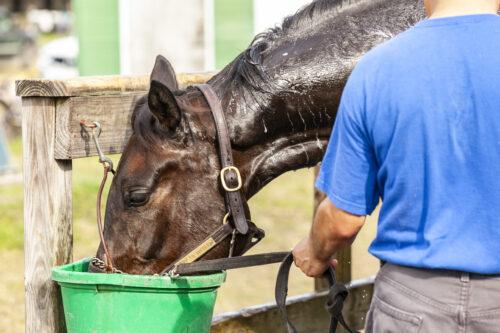
The first step to planning for time off involves deciding who will manage the horse’s daily care. In full-service boarding barns, staff typically handle feed, turnout, blanketing, and basic monitoring.
Owners should speak with barn management well in advance to confirm coverage and clarify any special instructions. For horses kept at home or in more hands-on facilities, alternative arrangements may be necessary. Trusted friends, part-boarders, or experienced barn mates can step in, provided they understand the horse’s needs and follow instructions carefully. [1]
You might also consider hiring a professional horse sitter, particularly for horses with medical concerns, complex feeding routines, or behavioral needs. [1]
Regardless of who oversees care in your absence, communication is key. Detailed written instructions should outline feeding schedules, turnout routines, blanketing guidelines, medication protocols, and emergency procedures. Make sure you have provided all of your horse’s current veterinary and farrier contact information, as well as any special notes on behavior or handling.
Ensuring vaccinations, deworming, and dental care are up to date provides additional peace of mind while you are away. [1]
Veterinary Emergency Planning
An important consideration when taking time off is having a clear plan in the event your horse has a medical emergency while you are away. Whoever is caring for your horse needs to know how much medical intervention you have pre-authorized, and how to contact you for medical consent.
It’s best to have any pre-authorizations established in writing so there is no delay getting life-saving treatment for your horse. You should also provide your care team with relevant insurance and identification documents to facilitate any medical interactions that could occur.
Adjusting the Workload
Another consideration is how your horse’s workload will change during their absence. If the horse will be resting, tapering down exercise in the days before departure can ease the transition.
If a trainer or exercise rider is going to continue the horse’s program, clear communication about expectations, goals, and boundaries will help avoid misunderstandings when you return.
What's your top priority with your horse's health?

Enter your email to receive your store credit
Returning to Riding
While the instinct to saddle up and ride may be strong, a thoughtful return begins with quiet observation rather than immediate action.
The first hours back at the barn are best spent assessing, reconnecting, and gathering information to ensure a smooth and safe transition. Skipping this step can lead to unnecessary setbacks or missed warning signs, especially if the horse has been out of work or under different supervision.
Start by checking in with the individuals who cared for your horse while you were away. Open, respectful communication allows caretakers to share important updates that might not be immediately visible.
Key questions may include:
- Have there been any changes in the horse’s appetite, behavior, or turnout routine?
- Did the horse experience any medical concerns or miss scheduled treatments?
- Have there been changes in herd dynamics, stall assignments, or barn management?
- Were there any farrier or veterinary visits, or are any upcoming?
Next, make your own assessment. A full-body visual check provides immediate insight into the horse’s health. Look for changes in weight or condition, cracks or chips in the hooves, the brightness of the coat and eyes, and any swelling or heat in the legs and joints.
The horse’s general demeanor, whether relaxed, anxious, or distant, can also reveal a great deal. Walking the horse in hand gives you a chance to observe movement and detect stiffness or imbalance. This initial reintroduction should include low-pressure activities such as grooming, hand grazing, or light groundwork.
Returning After a Longer Break
When a rider returns to the barn after a prolonged absence, whether due to travel, horse or rider injury, work demands, or personal circumstances, the process of re-engagement takes on added complexity.
Humans and horses alike lose fitness when out of work for extended periods. The longer the horse has been idle, the more carefully the rider must structure the return to work.
Rather than resuming regular work, treat your horse’s return as a reconditioning period. A gradual plan focused on low-impact movement and steady progression helps prevent injury and build confidence. Initial sessions should begin with groundwork, in-hand walking, or light lunging. [2][3]
Once the horse moves comfortably and shows signs of engagement, the rider can begin short under-saddle walk sessions, gradually increasing duration every few rides.
Key priorities during this phase include: [2][3]
- Rebuilding topline and core strength
- Re-establishing rhythm and relaxation
- Avoiding overexertion
Riders should reward attentiveness, softness, and effort, without demanding perfection. It’s also recommended to allow ample time for recovery between sessions.
For horses returning from injury, behavioral challenges, or major life changes, collaborating with a trainer, coach, or equine rehab specialist can be especially helpful. These professionals can design individualized conditioning programs that protect soundness and address specific weaknesses. [2][3]
What to Expect When You Return
When you come home after being away, it’s an exciting time to reconnect with your equine partner. After waiting patiently, your horse may show excitement, happiness, or even confusion. By having an idea of what to expect, you can prepare and plan accordingly.
Changes at the Barn
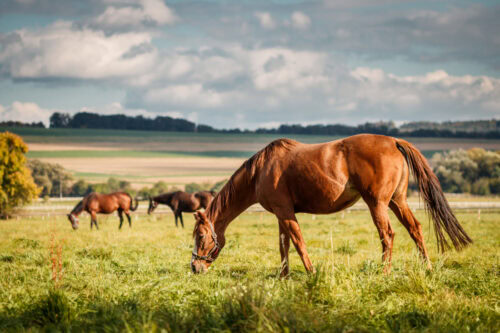
Returning to the barn after even a short absence can sometimes feel unexpectedly disorienting. Horses, staff, and routines continue to shift in your absence, and subtle changes can have a meaningful impact.
Recognizing and adjusting to these changes is a key part of getting re-habituated. Potential changes at the barn can include: [4][5]
- Turnout group or timing changes
- New horses added to the herd
- Former horses removed from the herd
- New staff and handlers
- Feeding schedules
- Weather conditions
- Facility protocols or rules
Once you understand what changes have occurred since you left, take note of your horse’s mood, body language and behavior. Even minor shifts, such as who brings horses in from the field, can alter a horse’s comfort level.
Rider Fitness & Mindset
The return to the barn after time away marks not only a transition for the horse, but also a significant re-entry point for the rider. Physical, mental, or emotional changes can occur during a break, even if the time away is relatively short.
Riders may find that their balance feels off, timing is less precise, or muscle memory is not as sharp as before leaving. These changes are normal and temporary, but they require patience and self-awareness to navigate.
Rebuilding physical feel in the saddle begins with basic preparation. Light stretching and mobility work before each ride can help loosen tight muscles and promote better posture.
Once you are back in saddle, pay close attention to your breathing, rein tension, and overall body alignment during the first few sessions. It is best to avoid diving straight into demanding exercises or goal-oriented rides. Instead focus on rhythm, softness, and re-establishing harmony with your horse. [6][7]
The mental and emotional aspects of returning to the barn are equally important. Riders often carry guilt for having stepped away, especially if they board at a tight-knit facility, and entrusting their horse’s care to someone else. Others may feel pressure to quickly regain progress or make up for lost time.
Keep in mind that horses and humans can benefit from breaks, and stepping back is a chance to clear your mind and let go of unhelpful pressure you may be putting on yourself.
Fear After Injury
When a rider’s time away stems from injury, whether their own or the horse’s, returning to the saddle can trigger fear, hesitation, or even flashbacks. These responses are valid and should be met with patience, not pressure.
Begin with calm, low-stakes sessions focused on re-establishing trust, rhythm, and body awareness. Groundwork, walking rides, or lessons with a supportive trainer can help ease the transition.
A slow, confidence-focused approach allows both rider and horse to rebuild security, ensuring progress is rooted in comfort rather than forced performance. [8]
Emotional Shifts
Returning to the barn after a vacation or extended break often brings more than just logistical or physical adjustments; it can stir a surprising range of emotions. Riders may expect to feel immediate joy or relief upon seeing their horse again, but instead encounter a mix of guilt, overwhelm, or even emotional distance.
These responses are entirely normal and deserve thoughtful attention. Common emotions include: [9]
- Relief at being reunited with your beloved horse
- Guilt for having left them in someone else’s care
- Stress about catching up on missed routines
- A sense of disconnect from the rhythm that once felt like second nature
Rather than suppressing or dismissing these feelings, riders benefit from acknowledging them as valid and temporary. [9]
If emotional flatness or disconnection arises, scheduling unmounted time with your horse, such as grooming, hand-grazing, or groundwork, can help re-establish the sense of closeness and mutual understanding. Similarly, if you feel anxious or unsure about returning to the saddle, starting with a light ride or a lesson can offer a structured and confidence-boosting reintroduction.
Changes in barn dynamics can also affect the rider’s emotional response. New staff, altered routines, or shifts in social dynamics may create discomfort or hesitation. Give yourself time to adjust without expecting immediate familiarity. If time away has provided clarity about the support you require, it may be time to reflect on whether the current barn remains a good fit.
Ultimately, emotional adjustment is as much a part of the return process as physical reconditioning. By approaching the transition with self-compassion, riders can navigate complex feelings while protecting their long-term well-being and strengthening their partnership with their horse.

Guide to Restarting Your Riding Routine
Resuming ridden work after any break, whether a few days or a few weeks, benefits from a gradual, thoughtful approach. Both horse and rider may experience a decline in fitness, coordination, and mutual responsiveness during time apart.
Attempting to pick up exactly where things left off can lead to physical strain, mental tension, or even injury. A measured progression allows both partners to regain rhythm, rebuild trust, and set the foundation for long-term success.
1) Check-in With Your Care Team
As part of a smooth return to training, riders should take time to review their horse’s routine health care schedule. Time away, especially if unexpected events arose during the rider’s absence, can result in delayed appointments or overlooked maintenance.
A few quick check-ins with professionals help ensure your horse is physically ready to resume work. If your horse seems to be taking longer than expected to return to their previous level of performance, it’s best to consult with your veterinarian before continuing with training.
It’s also important to make sure your horse’s hooves are in good shape before you start increasing the amount of work you are asking them to do. Check with your farrier to see how long it has been since they had a trim, and to find out if there were any issues with your horse’s feet while you were away.
Riders should also assess whether bodywork, physiotherapy, or chiropractic care may be beneficial, especially if the horse feels uneven, tense, or sluggish under saddle. Keep in mind that time off or different handlers can subtly change a horse’s posture or movement patterns. Reviewing the horse’s health records ensures all care is up to date, laying the groundwork for a safe and effective return to normal work. [10]
2) Begin With Groundwork & Fitness Assessment
The first few sessions back should take place on the ground. Working in-hand allows you to observe the horse’s physical condition without the added complexity of a rider’s weight. At this stage, the goal is not to intensify; it is to assess.
Revisiting basic voice cues, checking for stiffness or asymmetrical movement, and noting how the horse responds to familiar aids is central. These early sessions help re-establish communication and trust, by keeping the workload light and the expectations flexible.
3) Transition to Ridden Work Gradually
Once the horse appears sound, balanced, and mentally settled on the ground, light ridden work can resume. Early rides should focus on walk-trot transitions, and establishing rhythm. Riders should avoid introducing intense movements such as lateral work, jumping, or extended periods of canter until the horse has regained a basic level of strength and rhythm.
During this period, keeping a written log can be helpful. Recording what exercises were completed, how the horse recovered post-ride, and whether any areas of soreness or behavioral resistance emerged, allows riders to track trends, spot emerging issues early, and adjust workload accordingly.
4) Progress Slowly
As the partnership regains consistency, riders can begin to extend the duration and complexity of each session. Some horses recondition quickly, while others require more time to rebuild physically and mentally.
Even horses kept in work by a trainer during the rider’s absence may require an adjustment period as the horse may have adapted to new aids, routines, or rider habits, and returning to familiar communication may take several rides.
If anything feels persistently off, whether in movement, behavior, or willingness, it is appropriate to pause, reassess, and consult a veterinarian, equine physiotherapist, or trusted trainer before proceeding.
Frequently Asked Questions
Here are some frequently asked questions about returning to the barn after time away:
To assess your horse for stiffness, look for shortness of stride, reluctance to move forward, head tossing, or unevenness during groundwork or early rides. Run your hands over major muscle groups to check for tension or sensitivity. If your horse shows consistent signs of discomfort, consult with your veterinarian before increasing workload.
It is not uncommon for horses to display changes in behavior after a break. They may become more anxious, herd-bound, reactive, or inattentive, particularly if their daily routine, social group, or environment changed during the rider's absence. These shifts are often temporary and reflect uncertainty rather than disobedience. Rebuild structure through clear communication, and allow time for the horse to regain a sense of security and routine. Most horses settle once predictability is restored.
It is best to begin with observation and groundwork on the first day back. This allows you to assess your horse’s physical condition, movement, and demeanor before adding the weight and complexity of riding.
Summary
Returning to the barn after a vacation or long absence might require more than just tacking up and picking up where you left off. It often means reorienting with care, clarity, and realism. Horses don’t track days on a calendar, but they do respond to your energy, consistency, and communication.
- On your first day back to the barn, keep your expectations realistic so you aren't disappointed if your horse isn't ready for under saddle work
- Communicate proactively with your horse's care team so you are aware of any major changes at the facility in your absence
- Start your return to work with light groundwork and in-hand walking so you and your horse can reconnect and establish your rhythm
- Work with your veterinarian if your horse seems to be having difficulty returning to their previous level of performance
References
- Hallas-Kilcoyne. J. The Barn Owner's Vacation Checklist. Horse Journals. 2024.
- Atalaia. T. et al. Equine Rehabilitation: A Scoping Review of the Literature. Animals. 2021.
- Rogers. H. Bringing Horses Back into Work: How to Restart Youngsters, Progress a Horse's Rehab or Get an All-Rounder Fit. World Horse Welfare. 2020.
- Introducing a New Horse to a Herd. World Horse Welfare.
- Torres Borda. L. et al. Equine Social Behaviour: Love, War and Tolerance. Animals. 2023.
- Rider Fitness. The British Horse Society. 2022.
- An Investigation into the Association of the Physical Fitness of Equestrians and Their Riding Performance: A Cross-Sectional Study. Comparative Exercise Physiology. 2020.
- Hsu. C. et al. Fear of Reinjury in Athletes. Sports Health: A Multidisciplinary Approach. 2017.
- The Guilt of Leaving Your Pet for the Day. Clarity Clinic. 2020.
- Bringing a Horse Back into Work after Time off. The Everyday Equestrian.