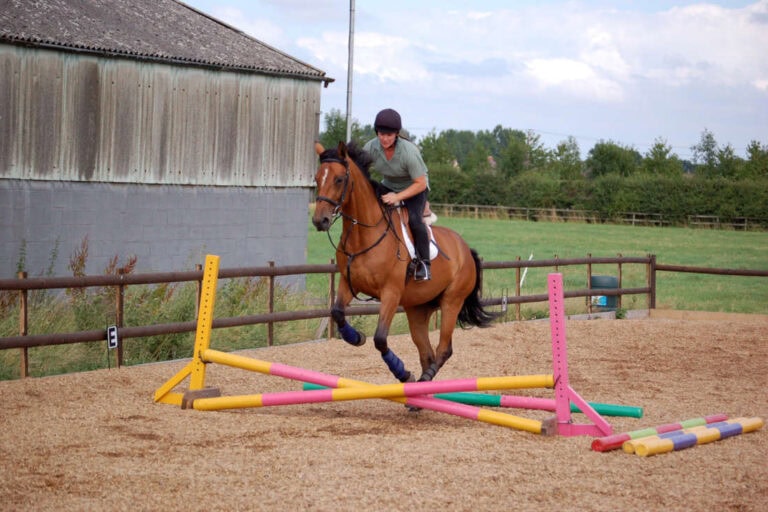
Setting up show jumps at home allows riders to practice jumping skills, build confidence, and improve communication with their horse outside of formal lessons or competitions. However, jump training carries inherent risks, making safety a critical consideration when building and...
Methocarbamol is a centrally acting muscle relaxant commonly used in horses to treat skeletal muscle spasms. These spasms can occur during conditions that cause muscle inflammation or injury and are often associated with disorders such as exertional rhabdomyolysis, commonly known...
Dantrolene is a skeletal muscle relaxant used in horses to manage conditions involving excessive skeletal muscle contraction or muscle damage, most notably exertional rhabdomyolysis (tying-up). Exertional rhabdomyolysis occurs when muscle cells become damaged during or after exercise, leading to pain,...
Clenbuterol is a bronchodilator used in horses for the management of lower airway disease, including equine asthma and other conditions associated with bronchoconstriction. These disorders occur when the small airways narrow due to inflammation, excess mucus, and smooth muscle contraction,...
Standing sedation and general anesthesia are two primary methods veterinarians use to immobilize horses for medical and surgical procedures. From routine dental care to complex colic surgery, selecting the appropriate anesthetic approach is a critical part of equine medicine due...
Choosing the right jumping saddle involves more than selecting a popular brand or matching your discipline's style. The ideal saddle must suit both horse and rider, supporting performance over fences while maintaining comfort and long-term soundness. Jumping saddles are designed...
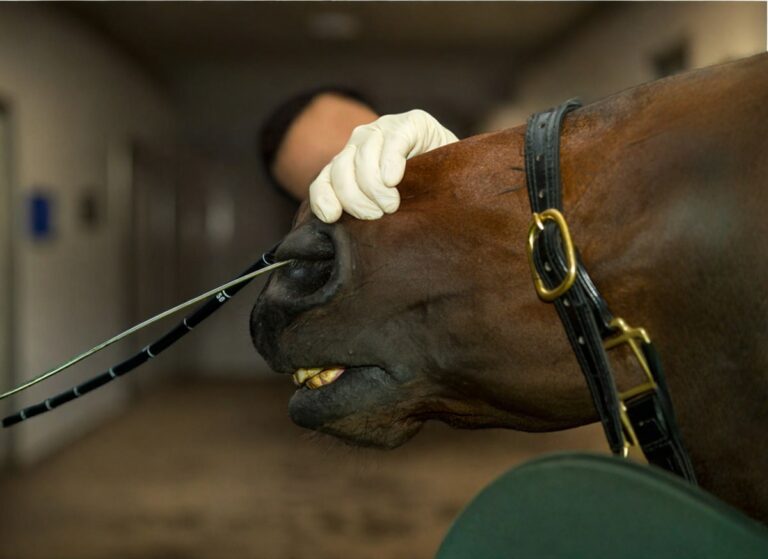
Nasopharyngeal sampling is a commonly performed diagnostic procedure in equine practice, used to identify infectious agents affecting the upper respiratory tract. It involves inserting a deep nasal swab into the nasopharynx to collect samples for testing for viral or bacterial...
Quinidine is an antiarrhythmic medication used in horses for the treatment of atrial fibrillation (AF), the most common type of cardiac arrhythmia that warrants medical intervention. Atrial fibrillation occurs when the upper chambers of the heart (the atria) beat in...

Bacterial infections are a common cause of illness in horses and can affect nearly every body system, from the skin and respiratory tract to the gastrointestinal tract, urinary system, and joints. These infections may develop after wounds or surgical procedures,...
Rhinopneumonitis in horses, commonly called "rhino," is a contagious respiratory disease caused by equine herpesviruses (EHV-1 and EHV-4). These viruses are widespread in horse populations worldwide, and most horses are exposed at some point in their lives. While many cases...
Twitching is an equine restraint technique that is sometimes used during veterinary and husbandry procedures. Most often applied to the upper lip, a twitch is designed to limit movement and improve safety when a horse reacts to brief discomfort or...
Horses are intelligent, curious animals that benefit from both mental stimulation and physical activity. In natural settings, daily routines revolve around grazing, movement, and social interaction, which help satisfy these needs. Domestic horses often experience limited turnout or confinement, which...
Routine care like veterinary exams, farrier work, dentistry, and grooming are essential parts of keeping a horse healthy, but they can quickly become stressful or even dangerous if a horse won't stand calmly. Fidgeting, pulling away, pawing, or outright resistance...
The equine respiratory system plays a critical role in athletic performance and overall health, and even subtle abnormalities can significantly impact a horse’s comfort, stamina, and ability to perform. Because many respiratory problems are located deep within the nasal passages,...
Effective parasite control is a cornerstone of equine health management. While routine deworming once served as the mainstay of parasite prevention, increasing evidence of anthelmintic resistance has shifted the focus toward diagnostic testing and targeted treatment. Diagnostic tests provide valuable...
Nasogastric intubation is one of the most fundamental and frequently performed procedures in equine practice. It serves both diagnostic and therapeutic purposes and is a critical component of evaluating horses with gastrointestinal disease, particularly those presenting with signs of colic....
Catastrophic limb injuries are among the most serious emergencies a horse can face. They involve severe damage to bones, joints, or supporting soft tissues, leaving the horse unable to bear weight safely. Unlike minor strains, sprains, or small fractures, these...
Whether you are enjoying a quiet trail ride or training for competition, your posture in the saddle plays a critical role in how you and your horse move together. Good posture enables riding cues to be delivered with clarity, subtlety,...
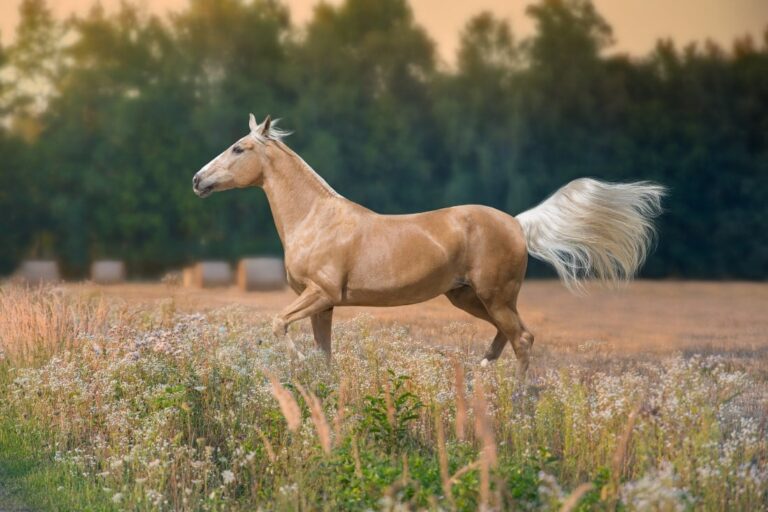
The Palomino horse is one of the most recognizable and widely admired coat colors in the equine world. With a striking golden body and light mane and tail, this equine color has long symbolized beauty, nobility, and prestige. However, unlike...
Upper airway obstruction can have an immediate impact on a horse's ability to breathe, perform, and stay comfortable, especially during exercise. Because horses rely entirely on their nasal passages for airflow, even small changes in the structures of the throat...
Abdominal ultrasound is a valuable, non-invasive diagnostic tool that allows veterinarians to visualize the organs and soft tissues within a horse’s abdomen. Using high-frequency sound waves, the technique produces real-time images that can reveal both normal anatomy and subtle abnormalities....
Allergies are a common yet often misunderstood source of skin and respiratory problems in horses. Many owners recognize issues such as colic or lameness, while allergic reactions receive less attention despite causing significant disruption when symptoms become chronic, recurring, or...
Adopting a wild horse requires forethought, long-term commitment, and respect for horses' nautral instincts. For experienced equestrians looking for a unique partnership, adopting a wild horse offers the chance to participate in the preservation of an iconic species and engage...
Rectal examination remains one of the most valuable and informative diagnostic tools available to equine practitioners when evaluating gastrointestinal conditions. In cases of colic, it is often the single most informative procedure for identifying the underlying cause, determining the severity...
Joint disease and injury are common causes of lameness and poor performance in horses, particularly in athletic or young growing animals. Conditions such as osteochondritis dissecans (OCD), synovitis, and traumatic fractures of joint surfaces can significantly affect a horse’s comfort,...
Turnout is one of the most important parts of your horse's daily routine. Despite this, many facilities struggle to provide horses with adequate turnout during the winter, when conditions may be icy, muddy, or frozen. This can lead to increased...
Threadworms (Strongyloides westeri) are an equine intestinal parasite that primarily affects newborn foals, making them one of the earliest parasitic concerns in young horses. Transmission often occurs through the mare's milk, allowing larvae to establish in the foal's intestines within...
Bucking is an equine behavior that can be both thrilling and frightening for riders. It can be a playful leap in the pasture or a dangerous kick under saddle. Some horses buck to release energy or excitement, while others do...
Boarded horses rely on barn staff, shared facilities, and set management routines to stay safe and healthy. Cold temperatures, icy footing, limited turnout, and changes in forage and water availability can all influence a horse's comfort, health, and behavior during...
Raised, red, or itchy swellings on a horse's skin are commonly described as hives, wheals, or urticaria. While the terminology may differ between veterinarians, owners, or practitioners, they all refer to the same physiological reaction. "Hives" is the common term...