English


![30 Most Interesting Equine Research Findings of 2023: [Study Roundup]](/wp-content/uploads/2024/11/2023-equine-research-study-review-1.jpg)
Each year, thousands of equine-related research studies are published across the globe, covering a wide array of topics such as nutrition, management, exercise science, and veterinary care. This innovative research continuously advances our understanding of equine health and well-being, offering new insights for horse owners, trainers, and veterinarians alike.
With the rapid pace of new research, it can be easy to miss important updates and developments in equine science.
In this article, we provide an overview of some of the most exciting and impactful equine research studies from 2023, highlighting key discoveries and offering our thoughts on how these studies can shape the future of equine management and care.
Whether you’re interested in the latest nutrition strategies or advancements in veterinary treatments, this 2023 equine research roundup will keep you informed on the innovations driving the industry forward.
Equine nutrition plays a vital role in the health, performance, and longevity of horses, making it a key area of focus for researchers worldwide. Each year, new studies shed light on how diet impacts everything from digestion and immune function to muscle development and disease prevention in horses.
Here are some of 2023’s most exciting developments in the field of equine nutrition.
Mad Barn’s Survey of North American Equine Diets [1]
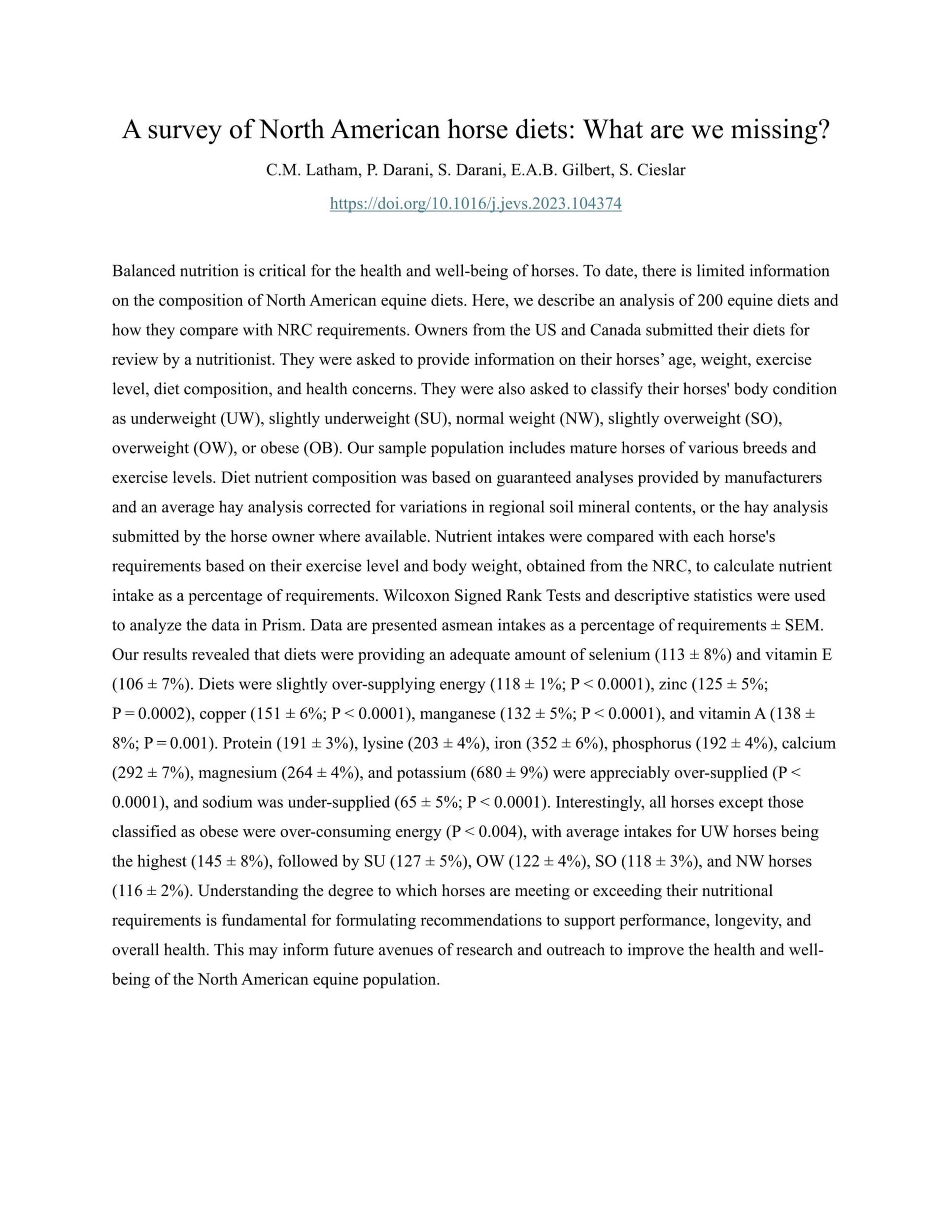
Our team of seven PhD and MSc nutritionists proudly presented Mad Barn’s latest research at the 2023 Equine Science Society conference, offering a snapshot of equine feeding practices across North America since 2021.
This research provides an overview of trends in equine diets, focusing on what nutrients are often lacking or oversupplied and the potential health implications for horses across the continent.
Over the past two years, we have analyzed more than 20,000 equine diets submitted by horse owners and caretakers throughout North America. From this vast dataset, we selected 200 representative diets to conduct a more focused evaluation.
Our main goal was to determine what nutrient(s) might be missing or imbalanced in the average horse’s diet, helping to inform better feeding practices and nutritional support.
Results
Through this examination of equine diets, our team uncovered several noteworthy trends:
- Energy and protein are typically over-supplied, which has been previously reported [2]
- Over-supply of energy is also supported by the fact that 33% of horses in the study were reported as overweight
- Some macrominerals such as potassium, calcium, and magnesium are largely over-supplied
- Sodium, zinc, copper, selenium, Vitamin E and Vitamin A are under-supplied in an appreciable number of diets
These discrepancies emphasize the importance of seeking professional equine nutrition support to properly balance the diet.
Nutritional Considerations for the Management of Equine Pituitary Pars Intermedia Dysfunction [3]
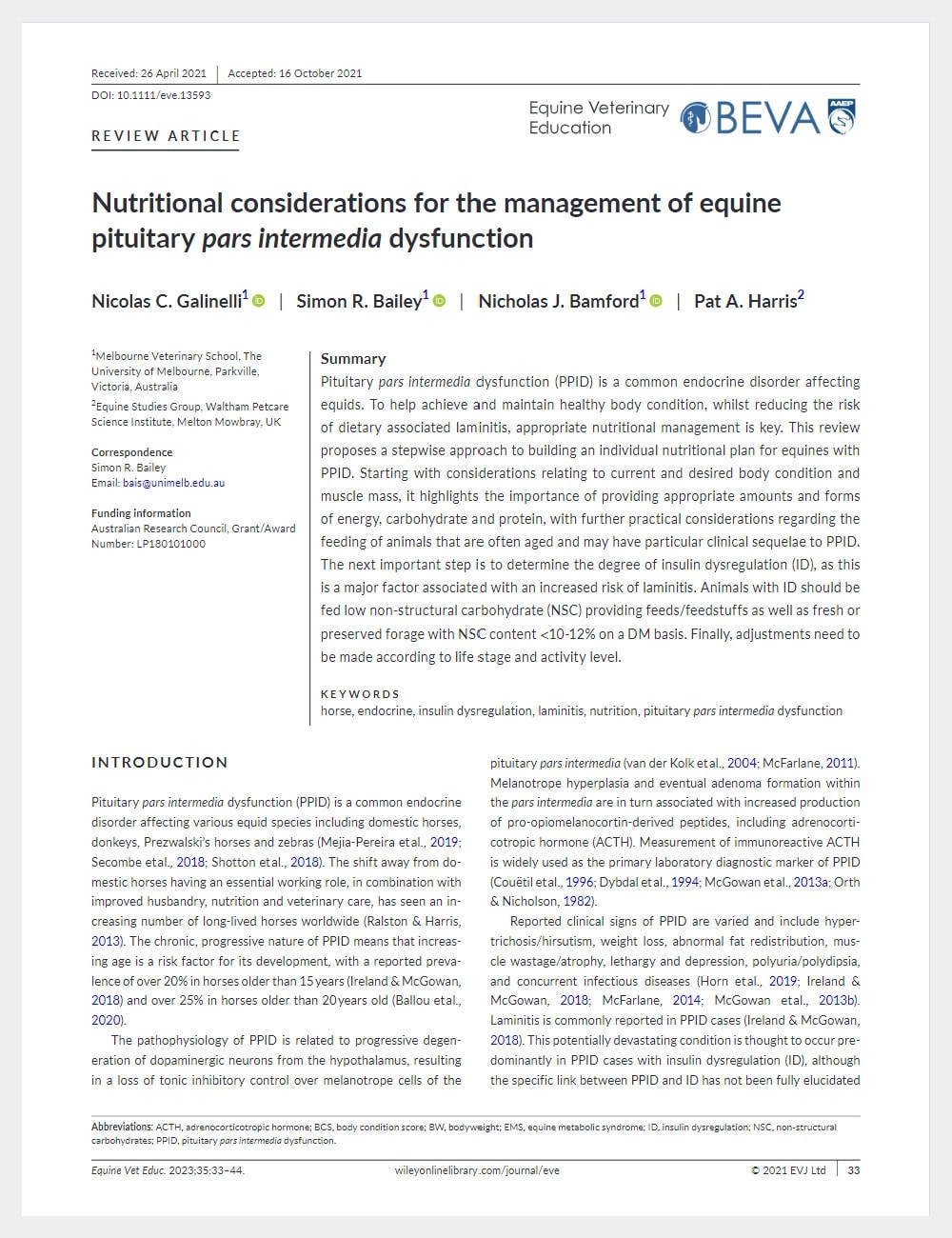
Pituitary pars intermedia dysfunction (PPID, previously referred to as Cushing’s disease) is a highly prevalent endocrine condition in horses, requiring careful nutritional management to reduce the risk of laminitis.
This review outlines an approach to developing a diet for horses with PPID, starting with assessing body condition and muscle mass, then providing appropriate energy, carbohydrate, and protein for the individual horse.
Current nutritional guidelines for affected horses are based on the general needs of senior horses, as opposed to specific guidelines for those with PPID. This is because the condition is most common in older horses, affecting 20% of those over 15 years of age and 25% of those over 20. [3]
However, a more individualized approach to developing specific nutritional plans that meet the needs of horses with PPID is warranted.
Objective & Methodology
The goal of this review was to provide step-by-step recommendations to create nutritional plans for horses and ponies with PPID. The authors highlight the importance of understanding current and desired body conditions prior to developing dietary recommendations.
Once the horse’s body condition is confirmed and goals have been set, the next step is determining the degree of insulin resistance to establish a nutritional plan that will not exacerbate metabolic symptoms. Specific nutritional considerations are also explored to provide advanced muscle, immune and anti-inflammation support for horses with PPID.
What's your top priority with your horse's health?

Enter your email to receive your store credit
Conclusions & Relevance
Body condition should be regularly assessed via the Henneke Body Condition Scoring (BCS) scale, which uses a rating system from 1-9 to reflect a horse’s overall body fat. On this scale, a 5 is considered ideal for the majority of horses.
For horses with PPID, scores above 5 usually require calorie restriction to promote weight loss. Individual feeding plans for these horses include avoiding feeds that are high in starch and sugar to avoid negative health outcomes associated with insulin resistance.
Loss of condition (BCS of 4 and below) is often multifaceted in horses with PPID and may require further investigation to determine the cause (i.e., poor dentition, parasite infestation, thermoregulatory issues, etc.) and appropriate feeding plan to achieve an ideal BCS.
Approximately one third of horses with PPID are also affected by insulin resistance, which is a major factor associated with an increased risk of laminitis. Current guidelines recommend restricting starch and sugar intake to 0.1 g/kg of body weight per meal to mitigate post-prandial hyperinsulinemia.
Other strategies suggested to manage insulin resistance include:
- Limiting pasture access
- Soaking forage
- Providing regular exercise
- Conducting routine metabolic testing
Additional nutritional considerations are highly dependent on individual needs and whether the horse has any other underlying health conditions or risk factors. However, previous research has demonstrated that PPID horses may benefit from protein, vitamin and mineral supplementation to support muscle development, immunity, and insulin sensitivity.
The review concluded that each PPID case should be approached on an individual basis to suit the specific needs of the horse while providing dietary recommendations that prioritize the maintenance of a healthy body condition and improvement in insulin sensitivity.
The Effects of Feeding Sodium Chloride Pellets on the Gastric Mucosa, Acid‐base, and Mineral Status in Exercising Horses [4]
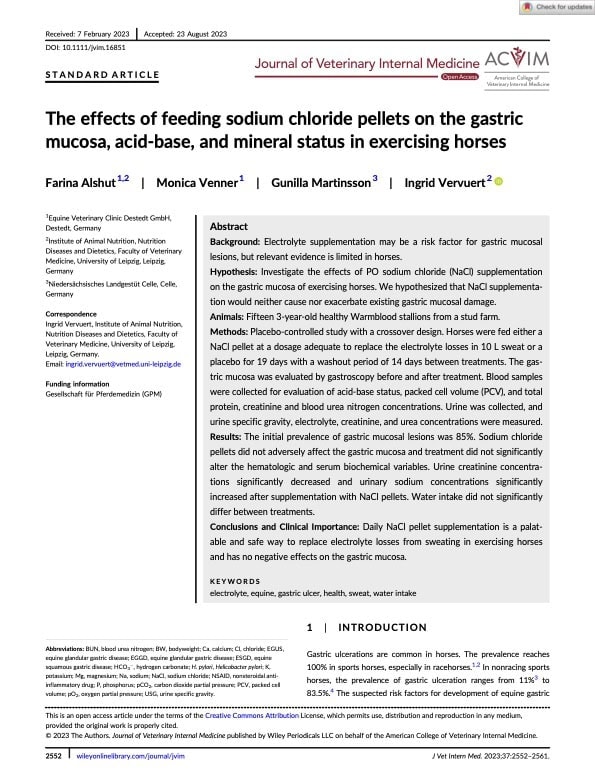
Electrolyte supplementation is essential for replacing sweat losses in exercising horses. However, performance horses are also prone to gastric ulcers and little is understood about the impact of electrolyte intake on the gastric mucosa.
Objective & Methodology
This study aimed to investigate the effects of salt (NaCl) supplementation in pellet form on the stomach lining, as well as on the acid-base balance and mineral status in exercising horses.
Fifteen horses were given either a salt (NaCl) pellet at a dosage sufficient to replace electrolyte losses from 10 liters (2.6 gallons) of sweat, or a placebo, along with their regular feed. Horses were fed one treatment diet over a 19-day period with a two-week washout before switching to the other treatment.
Horses were scoped before and after treatment to assess gastric mucosa. Blood and urine were also collected before and after each feeding period to determine acid-base and mineral status.
Results
Before the NaCl treatment, initial prevalence of gastric mucosal lesions was approximately 83%. The NaCl pellets did not negatively impact the gastric mucosa and lesion scores were not significantly changed by treatment.
Urinary sodium concentration significantly increased after supplementation of NaCl pellets.
Conclusions & Relevance
The current study concluded that daily NaCl pellet supplementation is both palatable and safe for replenishing electrolyte loss from sweating, and does not negatively affect the gastric mucosa, acid-base balance or mineral status in exercising horses.
Assessment of the Palatability and Acceptability of Hempseed Meal Pellets in Horses Compared to Mainstream Feedstuffs [5]
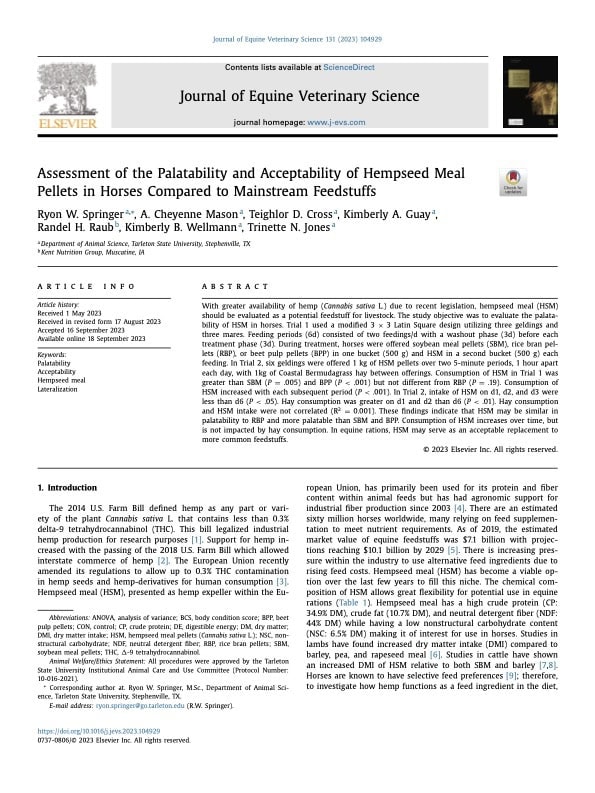
Rising demands for animal feed has pressured the agricultural industry to seek out additional feed ingredients to effectively meet the nutrient requirements of horses. Hempseed meal (HSM) is considered a feasible option due to its favourable nutrient profile and apparent palatability shown in other species.
Objective & Methodology
This study aimed to evaluate the palatability and acceptability of hempseed meal in horses compared to other mainstream feedstuffs.
Palatability and acceptability were tested in two separate trials, each using six mature horses.
Palatability feeding periods consisted of two feedings per day, with three days of washout before each three-day treatment phase. During the treatment phase, horses were offered 500 g (17 oz) of soybean meal pellets (SBM), rice bran pellets (RBP) or beet pulp pellets (BPP) in one bucket and 500 g (17 oz) of hempseed meal (HSM) in another bucket. Horses were allotted 10 minutes to consume feeds.
During the acceptability trial, horses received 1 kg (2.2 lb) of HSM pellets over two, five-minute periods, one hour apart each day for six days.
Feed refusals from both trials were weighed and behavior data was collected from the palatability trial using video recordings.
Results
- Palatability: Consumption of HSM pellets was greater than BPP and SBM but not different from RBP. Consumption rate of the HSM pellets also increased with each subsequent period.
- Acceptability: Total intake of HSM pellets tended to increase such that consumption was statistically greater on days 5 and 6 compared to days 1, 2 and 3.
Conclusions & Relevance
Hempseed meal appeared to be more palatable than soybean meal and beet pulp pellets, but of similar palatability to rice bran pellets. Acceptance of hempseed meal was also shown to increase after four days of recurrent exposure. HSM is safe to feed at a maximum rate of 1 kg (2.2 lb) per day for six consecutive days.
Thus, hempseed meal may be considered as an ingredient to increase feed consumption. Future research should examine how hempseed meal may impact feed consumption when included in an equine concentrate.
The Effect of Stabling Routines on Potential Behavioral Indicators of Affective State in Horses and Their Use in Assessing Quality of Life [6]
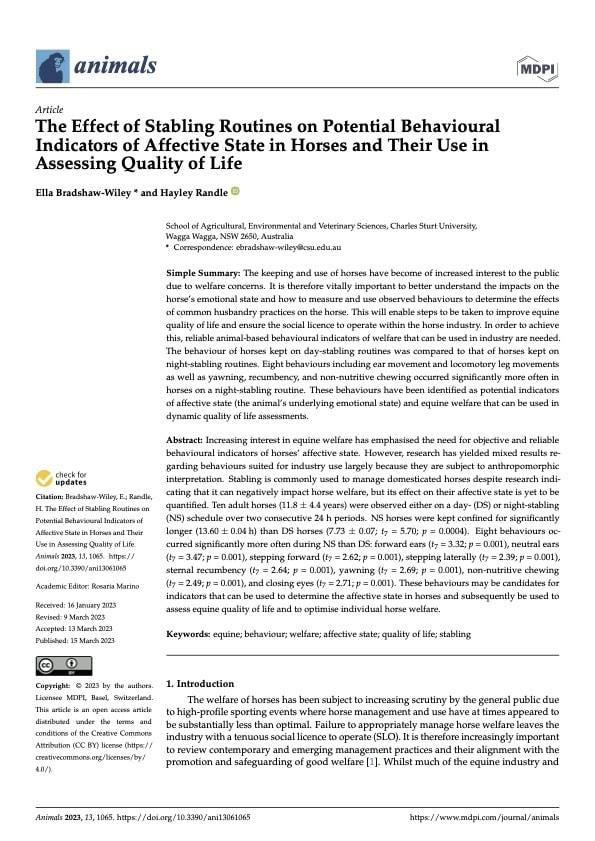
Although there is broad consensus that the equine industry needs a reliable way to assess welfare in the field, it is difficult to objectively measure horses’ emotional and mental state outside of overt indications of stress such as stereotypic behaviors.
An objective, holistic description of how observable behaviors relate to a horse’s mental state would allow owners and managers to optimize their management practices to suit each horse’s individual needs.
Objective & Methodology
The objective of this study was to assess differences in behavior between horses turned out overnight compared to those who receive turnout during the day.
Ten horses of varying breeds and at different exercise levels were observed over two successive stabling periods. Researchers recorded 52 different behaviors related to eating, standing, laying, moving, waste excretion, and more.
Results
The horses on daytime turnout were stalled for longer periods, meaning that results reflected differences in both time of day and duration of stabling.
The horses that were stalled overnight for a longer period kept their ears in a forward or neutral position, stepped forward and laterally, laid down resting on their sternum, yawned, chewed on things other than food, and closed their eyes more frequently than those stalled during the day.
More time spent laying down suggests that night stabling has a positive effect on a horse’s mental state. Conversely, behaviors like increased forward and lateral movement, increased ear movement, more time spent chewing on things other than food, and more time spent yawning may suggest a negative impact on the horse’s mental state.
However, it’s important to note that increased ear movements may be due to the fact that horses were observed overnight, when visibility is lower and they rely more on auditory than visual sensing.
Conclusions & Relevance
Due to the variation in stabling duration among these horses, it is difficult to determine whether an equal amount of day or night turnout would be better. In general, more turnout time, especially with other horses, improves horse welfare.
However, the demonstrated differences in behavior suggest there are measurable behavioral factors that owners can assess to estimate a horse’s mental state and wellbeing. Future research can build on these findings to pinpoint how subtle behaviors relate to a positive or negative mental state in horses, which may help optimize management practices.
Bit Use and its Relevance for Rider Safety, Rider Satisfaction, and Horse Welfare in Equestrian Sport [7]
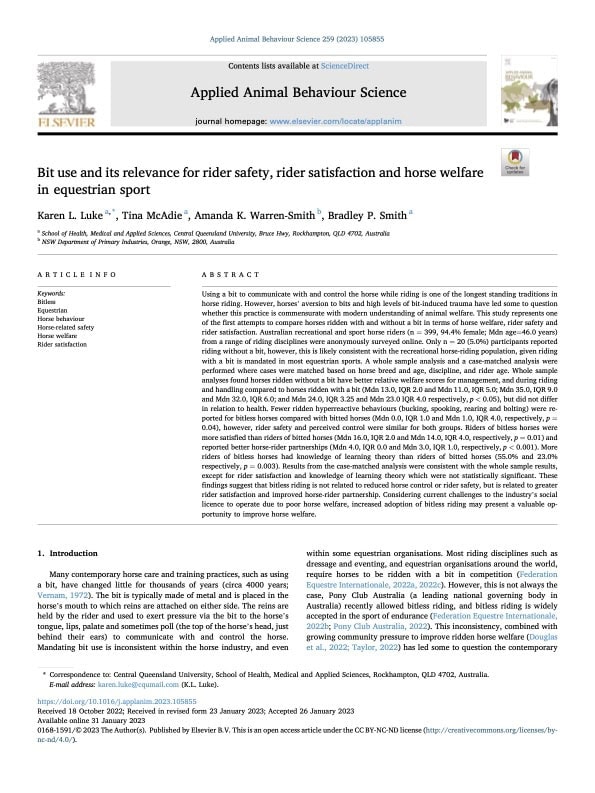
Bit use is common in the equine industry, and in many competitive situations it is required. However, research on the behavioral and physical impacts of bits has revealed that bit use can have negative implications for horses’ health and mental well being.
Objective & Methodology
The objective of this study was to determine how riding without a bit affects welfare, behavior, rider safety, and rider satisfaction.
399 recreational riders in Australia from a range of disciplines were surveyed on horse care practices, horse behavior, riding equipment, rider accidents and injuries, rider satisfaction, and rider knowledge of learning theory.
Results
Only five percent of riders reported using a bitless bridle. Horses ridden without a bit had better management, riding, and handling welfare scores, as well as fewer hyperreactive behaviors when ridden.
In addition, rider safety and perception of control was similar with or without a bit, and riders of bitless horses were more satisfied and reported better partnerships with their horses.
However, it’s important to note that due to the observational nature of this study, it isn’t possible to directly infer that use of the bitless bridle caused the improvements in factors like reactive behavior and improved welfare. More controlled research is needed to investigate this link.
Conclusions & Relevance
Given the known negative behavioral, respiratory, and musculoskeletal impacts of bits on horses, the adoption of bitless bridles has the potential to improve horse welfare without necessarily compromising safety and control for riders.
Selected Acoustic Frequencies Have a Positive Impact on Behavioural and Physiological Welfare Indicators in Thoroughbred Racehorses [8]
Certain types of sounds and frequencies can impact the emotional states and health of both humans and animals.
Human studies show that it is not necessarily melodies, but specific frequencies that play a role in mediating these effects. Frequencies of particular interest include very low and high frequencies, music tuning frequencies, and EEG slow waves used for ‘neurofeedback’.
Objective & Methodology
The study examined the effects of such frequencies on Thoroughbred racehorse behavior and physiology. The researchers used a commercial non-audible acoustic stimulus containing an assortment of these frequencies.
With a sample size of 12 horses, the acoustic stimulus was broadcasted twice daily for three weeks while the animals were in their home stall.
Results
After exposure to the acoustic frequencies, there were measurable behavioral changes in the horses. Specifically, they noted a reduction in stereotypic behaviors, such as yawning or vacuum chewing. These behaviors are often associated with stress, frustration, and anxiety in horses.
The research also found an increase in time spent in a recumbent resting position and foraging, which may indicate the horses were in a more calm state.
Moreover, there were measurable physiological improvements; better hematological parameters were recorded during and after the playback phase for 4 out of the 10 parameters measured.
Conclusions & Relevance
Playing certain sounds does seem to impact horse welfare. Unfortunately, the types of sounds broadcast were not disclosed in this paper. In the future, studies that examine the effects of different sounds may shed more light on sounds that we can play for stalled horses to promote welfare.
Heart and Brain: Change in Cardiac Entropy is Related to Lateralised Visual Inspection in Horses [9]
This study explores the connection between cerebral lateralisation – a tendency to use one side of the brain – and how it affects a horse’s physiology.
Lateralisation in animals is evident in the biased use of paired sensory organs, such as eyes or ears. The phenomenon is not exclusive to humans and is observed in animals as well.
In horses, this lateralisation is noticeable in how they use their eyes when exposed to a new stimulus. Variance in eye use may also relate to a horse’s emotional response.
Objective & Methodology
The objective of this study was to assess whether a horse’s emotional response to a novel object is related to the eye they used to view it.
Twenty horses were recorded as they watched an orange balloon inflate inside their stall. During this time, an electrocardiogram (ECG) of each horse was also recorded using an elastic belt around the girth.
Researchers recorded how long horses spent looking at the balloon with each eye, and how that related to changes in their cardiac entropy – a measure of irregularity of the ECG signal. Higher cardiac entropy values are associated with normal physical processes, whereas a lowering of entropy indicates a physical and emotional response.
Results
Of the twenty horses studied, seven seemed to prefer viewing the object with their right eye, five preferred to view it with their left eye, and eight showed no or little preference between eyes.
Horses that spent more time viewing the balloon with their left eye (engaging the right hemisphere of their brain) showed a greater drop in their cardiac entropy, suggesting a more negative emotional and physical response.
Conversely, there was no relationship between how long horses spent viewing the ball with their right eye and changes in cardiac entropy.
Conclusions & Relevance
It is unclear from this study whether eye use preference in individual horses drives their emotional response, or whether their emotional response drives the preference for which eye to use.
However, this research does suggest that lateralisation in horses is linked to changes in cardiac function and perhaps emotional state. More research on this topic may provide tools for owners and trainers to assess emotionality of horses, and use that information to inform training and handling practices.
Horse (Equus caballus) Facial Micro-Expressions: Insight into Discreet Social Information [10]

This research paper investigates the existence and implications of facial micro-expressions in horses. Unlike voluntary facial expressions, micro-expressions are involuntary, and may provide insight into a horse’s emotional state and feelings.
Previously documented only in humans, this study demonstrates that horses also express these brief and involuntary facial cues, especially in social contexts involving human presence.
Objective & Methodology
The study utilized the Equine Facial Action Coding System (EquiFACS), an analytical tool that assesses facial expressions based on muscle movements.
The micro-expressions of the horses were observed and evaluated with and without the presence of a human experimenter.
Results
Specific muscle movements known as AU17, AD38, and AD1 were identified as possible micro-expressions, but not standard facial expressions, in the presence of a human experimenter.
When presented as standard facial expressions, they have been associated with pain or stress. However, in the current study, their micro-expression was linked to ‘fixed attention’ on the observer.
The researchers suggest that these micro-expressions could be social cues that horses use in their interactions with humans.
Conclusions & Relevance
Micro-expressions could provide insight into transient internal emotional states of horses. They may serve as unobtrusive social signals, enhancing communication between humans and horses.
The findings of this study could pave the way for better understanding and communication between horses and humans. It could also help improve our comprehension of the overall emotional states and social behaviors of horses.
The Use of Cannabidiol as a Novel Treatment for Oral Stereotypic Behavior (Crib-Biting) in a Horse [11]
This study details the successful use of cannabidiol (CBD), a compound found in cannabis, to treat crib-biting and wind-sucking in a 22-year-old mare.
Stereotypies such as crib-biting are repetitive behaviors with no apparent function. Stressful conditions and confinement can increase the likelihood of stereotypic behaviors in horses, which indicate a decrease in their overall well-being.
Phytocannabinoids, such as CBD, have been investigated for their use in various medical conditions. These molecules can affect the central nervous system, and may have anticonvulsant, antidepressant, anxiolytic, antipsychotic, and anti-inflammatory effects.
Recent studies have pointed to the potential therapeutic use of phytocannabinoids in veterinary medicine.
Objective & Methodology
The objective of this report was to describe a successful case of CBD treatment in an aged mare with a fifteen-year history of crib-biting and wind-sucking.
The mare was administered 0.5 mg CBD per kg body weight daily, with doses administered every 12 hours for 45 days. Her feed and management routines remained the same during this time.
Results
Researchers observed significant declines in time spent performing wind-sucking behavior (from 15 hours per day to 1 hour per day). In addition, she showed an increased appetite and gained significant weight and body condition over the course of four weeks.
Conclusions & Relevance
This is described as the first report of successful treatment of a behavior disorder in horses using CBD. The results showcase the potential value of CBD in treating behavioral issues in horses, a promising development in veterinary medicine. However, more research is needed to validate preliminary findings.
Given that stereotypic behaviors are often indicative of poor animal welfare, novel treatments could improve the overall well-being of affected horses. Further research may illuminate additional potential uses of CBD and other phytocannabinoids in veterinary medicine.
Effects of High-Starch or High-Fibre Diets on the Energy Metabolism and Physical Performance of Horses During an 8-Week Training Period [12]
Horses undergoing high-intensity training are often fed high-starch diets to meet their energy demands and provide rapid fuel for exercise performance. However, high-starch diets are implicated in the development of digestive, muscular, and behavioral issues.
High-fiber, low-starch diets have been shown to support similar performance during single exercise tests, but have not been closely examined over longer training periods.
Objective & Methodology
This research examines the influence of high-starch or high-fiber diets on horses’ energy metabolism and physical performance over an eight-week training period. Specifically, it investigates whether horses can maintain performance levels over extended training cycles with less starch in their diet.
The French Trotters used in this study were untrained for a minimum of four months prior to the study and were previously fed only hay. During the experiment, horses were fed either a high-starch diet (consisting of hay and oats) or a high-fibre diet (where 75% of the oats are substituted by dehydrated alfalfa).
The training regimen included interval training sessions conducted over a period of eight weeks. Before and after training, a 2,400 meter (1.5 mile) performance test was administered.
During training and performance tests, cardiorespiratory parameters were measured including:
- Heart rate
- Pulmonary ventilation
- Oxygen consumption
- Carbon dioxide production
Oxygen consumption and carbon dioxide production were used to calculate rates of carbohydrate and lipid oxidation.
The researchers also collected data on physical performance during training sessions and exercise tests, including:
- Acceleration
- Average speed
- Speed during the fastest stage of the exercise test
Results
The study found that both groups demonstrated similar oxygen consumption and progress in their physical performance over the interval training sessions and the 2400-metre performance test.
By the end of the training period, carbon dioxide production increased only in the high-starch group, indicating higher carbohydrate oxidation occurred in these horses. This finding also indicates the opposite for the high-fiber group – that carbohydrate oxidation was lower during the same period.
Conclusions & Relevance
The study concludes that substituting high-starch diets with high-fiber diets enables horses to achieve similar physical performance levels while reducing reliance on rapidly digestible carbohydrate for fuel over an 8-week training period.
Reducing reliance on glucose and the glycolytic pathway may result in less demand for metabolic buffering, although additional experiments examining the diet’s effect on energy substrates and acid-base balance in the blood are warranted to confirm this.
In addition to possible benefits related to acid-base balance, this study shows that feeding a high-fiber diet can fuel similar performance in heavily exercised horses, which can benefit digestive and muscular health and prevent increased reactivity.
Physiological and skeletal muscle responses to high-intensity interval exercise in Thoroughbred horses [13]
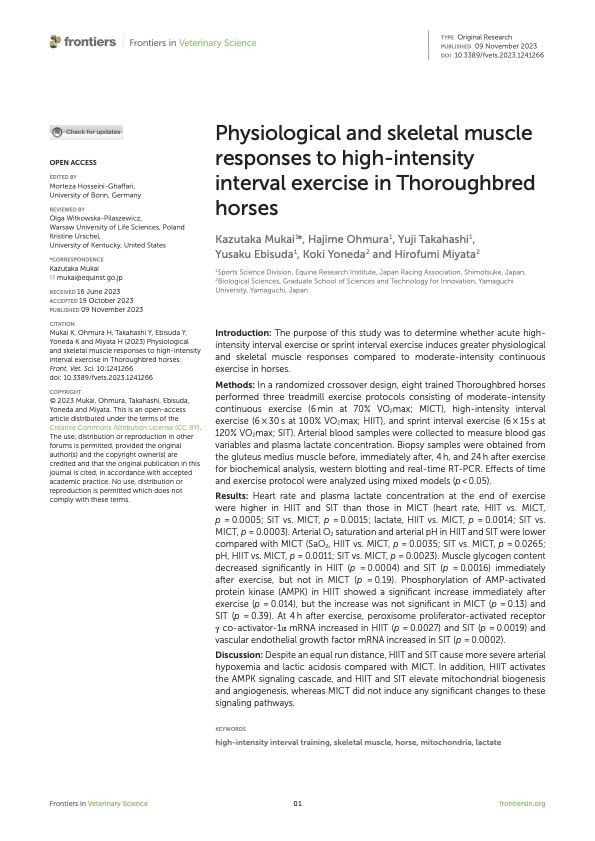
In humans, high-intensity interval and sprint interval training have been shown to result in greater or equal physiological adaptations to exercise when compared to moderate-intensity, continuous training.
These high-intensity training modes are similar to competition exertion for racehorses, which may result in musculoskeletal adaptations that support performance and soundness during racing.
Objective & Methodology
The objective of this study was to compare physiological and skeletal muscle responses between a single bout of moderate-intensity continuous exercise, a high-intensity interval exercise, and a sprint-interval exercise.
Eight Thoroughbred horses were trained to run on a treadmill for four weeks. They then performed each of the three exercise protocols to allow researchers to measure:
- Oxygen consumption
- Carbon dioxide production
- Blood oxygen saturation
- Plasma lactate concentration
- Heart rate
- Muscle glycogen
- mRNA expression of proteins related to protein synthesis signaling, mitochondrial biogenesis, and angiogenesis
- Protein activation related to protein synthesis signaling
Results
When Thoroughbred horses engaged in high-intensity interval training or sprint interval training, they exhibited:
- Higher heart rates and plasma lactate concentrations
- Lower arterial oxygen saturation and arterial pH
- Decreased muscle glycogen content
- Activation of AMP-activated protein kinase (high-intensity interval training only)
- Increased expression of mRNA related to mitochondrial biogenesis (peroxisome proliferator-activated receptor γ co-activator-1α)
- Increased mRNA expression related to angiogenesis (vascular endothelial growth factor; sprint-interval training only)
Conclusions & Relevance
The study concluded that while covering the same run distance, high-intensity interval exercise (HIIT) and sprint interval exercise (SIT) led to more pronounced effects, including severe arterial hypoxemia, lactic acidosis, and glycogen depletion, compared to moderate-intensity continuous exercise.
High-intensity interval exercise activated muscle protein synthesis signaling pathways, whereas sprint interval training increased mRNA expression related to angiogenesis. Both high-intensity interval exercise and sprint interval exercise resulted in greater mRNA expression related to mitochondrial biogenesis. Moderate-intensity continuous exercise did not induce any significant changes to these variables.
The greater responses to high intensity training modalities suggest that these types of exercises may be beneficial to horses in race training.
Detecting fatigue of sport horses with biomechanical gait features using inertial sensors [14]
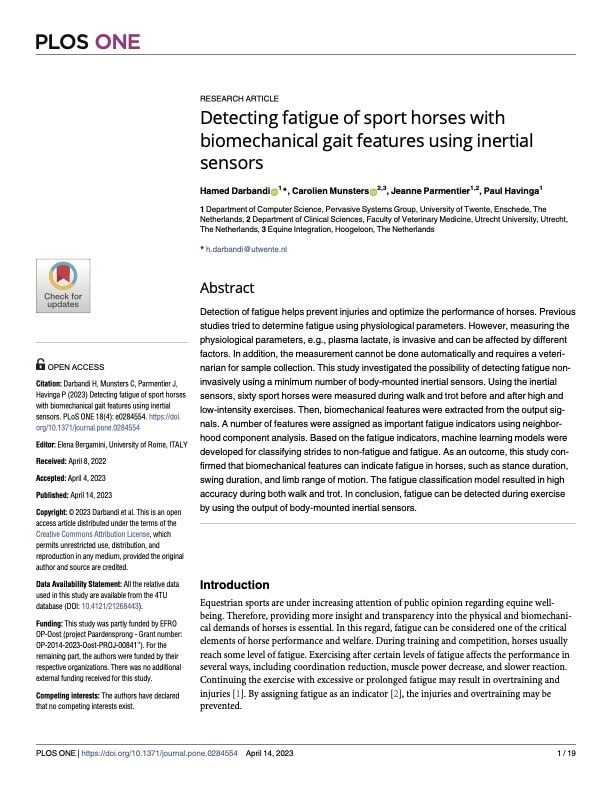
Detecting fatigue in exercising horses early can prevent overtraining and injury. Blood sampling is currently the most common means of assessing fatigue, but it is impractical to employ in day-to-day training.
Previous research in horses shows that biomechanical measurements, such as stride duration and speed, can be used to identify fatigued horses. These measurements can be collected using body-mounted inertial sensors, which are non-invasive and collect data without interrupting the horse’s exercise routine.
However, a limited number of biomechanical measurements have been investigated with regard to fatigue in horses, and there is currently no algorithm to detect fatigue with validated biomechanical measures.
Objective & Methodology
The objectives of this study were to:
- Identify biomechanical measures that reliably indicate fatigue in horses
- Automatically detect fatigue using the smallest number of sensors possible
- Compare fatigue measurements in horses after high-intensity or low-intensity exercise
To accomplish this, sixty sport horses were assessed in a controlled setting, with the horses performing both low- and high-intensity exercises.
Before and after these exercises, the inertial sensors were used to gather data on the horses’ biomechanics at the walk and trot. Seven small sensors were placed on the sacrum, withers, poll, and the outside of all four limbs of each horse.
Crucial biomechanical features such as stance duration, swing duration, and limb range of motion were mined from the output signals of these sensors. An algorithm was used to identify the most significant fatigue indicators from the biomechanical features collected.
A machine learning model was then built to classify recorded videos of strides into non-fatigue and fatigue groups, based on the indicators.
Results
The study affirmed the potential of biomechanical features to detect fatigue in sporting horses. Key fatigue indicating features identified included stance duration, swing duration, and limb range of motion.
The machine learning model developed in this study demonstrated high accuracy in classifying strides into non-fatigue and fatigue at the walk and trot. The researchers noted that only one sensor on the front limb is required to monitor biomechanical indicators of fatigue.
Conclusions & Relevance
Biomechanical sensors could be a valuable tool for riders, trainers, and competition officials alike. Early detection of fatigue in competition horses may help to optimize training, and prevent excessive fatigue and injury.
Identifying Possible Thresholds for Nonstructural Carbohydrates in the Insulin Dysregulated Horse [15]
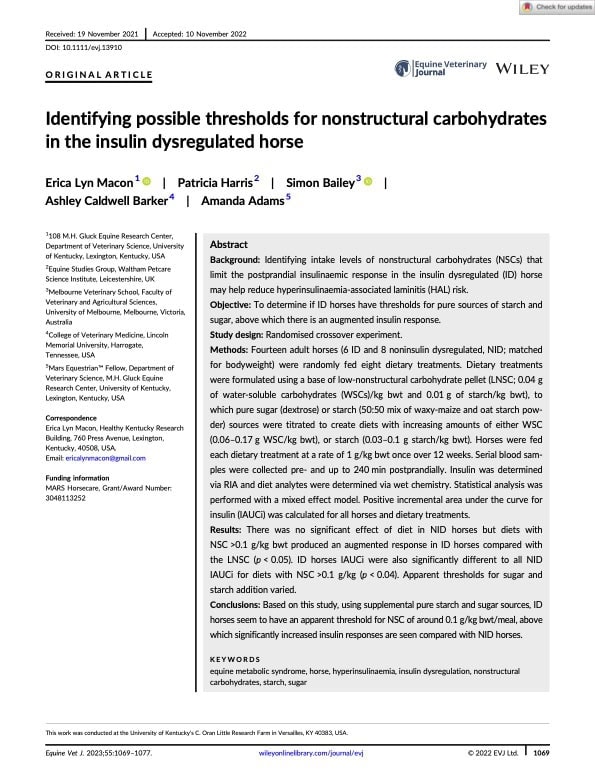
Horses exhibit a well-documented post-meal insulin response, which has been associated with increased risk of laminitis. To help mitigate this risk, it’s commonly recommended to reduce the total starch and sugar content in the diet.
However, the insulin response to meal starch and sugar levels remains unclear, highlighting the need to investigate dietary starch and sugar thresholds for optimal health management.
Objective & Methodology
This study aimed to determine if insulin dysregulated (ID) horses have specific dietary thresholds for pure sources of starch and sugar, above which their insulin response significantly increases.
This was accomplished by evaluating the insulin response of 14 mature horses (6 ID; 8 non-insulin dysregulated, NID) on eight different dietary treatments that varied in water-soluble carbohydrate (WSC) and starch content (WSC + Starch = NSC).
Horses were fed each dietary treatment once at a total amount of 1 g/kg of body weight composed of increasing amounts of WSC and starch. Blood was collected pre- and post-meal consumption for analysis of insulin concentrations.
Results
Insulinemic responses of NID horses were significantly lower than those of ID horses. Further, no significant differences were found between any diet within NID horses.
Treatment diets with NSC >0.1 g/kg of body weight resulted in an augmented insulinemic response in ID horses, compared to the control low-NSC diet.
Conclusions and Relevance
Previous findings indicate that minimizing starch and sugar intake may limit postprandial insulinemic responses and reduce the risk of laminitis in horses. Understanding the NSC threshold would be beneficial in the dietary management of ID horses. The current trial demonstrated that ID horses appear to have an apparent threshold 0.1 g/kg bodyweight/meal of NSC, above which significantly augmented insulin responses occur.
However, in this trial, pure sources of starch and sugar were added to the diets. Therefore these findings are not completely transferable to commercial equine feeds that utilize cereal grains with a differing rate of digestibility. Further research should evaluate the NSC threshold of various common feedstuffs to strengthen feeding recommendations for ID horses.
Carbohydrate Pellets to Assess Insulin Dysregulation in Horses [16]
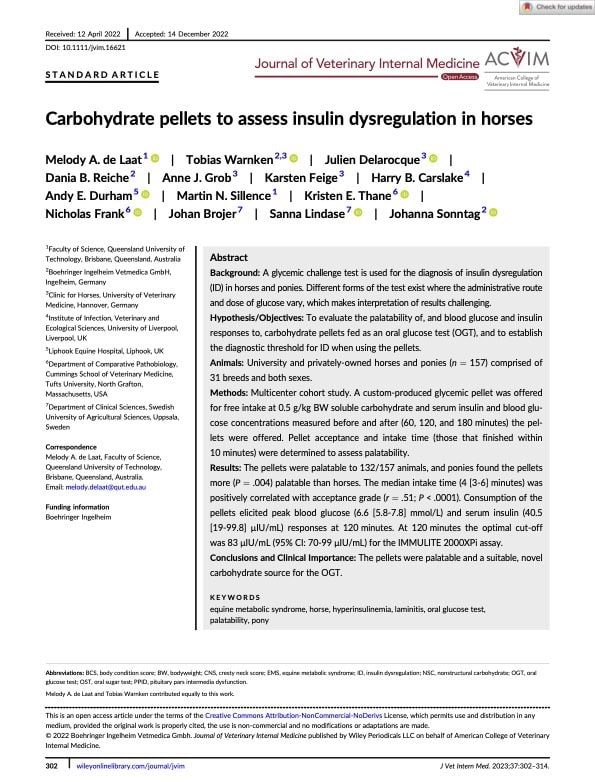
Insulin dysregulation is commonly diagnosed via insulin response to an oral glycemic challenge. However, the type and dose of glucose used in the test as well as ease of administration, palatability, and test repeatability vary globally.
Objective & Methodology
This study evaluated the palatability of and blood glucose and insulin responses to carbohydrate pellets fed as the oral glycemic challenge and to establish the diagnostic threshold for insulin dysregulation (ID) when using the pellets.
157 horses and ponies of varying age, sex, breed, and metabolic health were enrolled from cohorts across several study locations. All horses were offered a custom-produced glycemic pellet at 0.5 g of soluble carbohydrates per kg of body weight for free intake over a 10-minute period.
Palatability was determined by measuring the speed and amount of consumption and recording signs of aversion. Blood was collected pre- and post-consumption (60, 120, and 180 minutes) for insulin and glucose concentration analysis.
Results
The pellets were palatable to 84.1% of the animals tested, with an average consumption rate of four minutes, and were more readily accepted by ponies compared to horses. The remaining horses either showed moderate aversion to the pellets or did not consume an adequate amount within the allotted time.
In response to consuming the pellets, the median blood glucose concentration reached 6.6 mmol/L, while serum insulin levels measured at 40.5 mmol/L, with ponies exhibiting greater responses than horses. Peak blood glucose and serum insulin responses occurred at 120 minutes post-consumption of the pellets.
The optimal cut-off at 120 minutes was 83 uIU/mL for the assay used to measure insulin (IMMULITE 2000XPi).
Conclusions & Relevance
The glycemic pellet tested in the current study had acceptable palatability and enabled the detection of ID using a diagnostic threshold for insulin dysregulation. This indicates it could be a suitable carbohydrate source for the oral glycemic challenge, especially for field-based testing.
Oligosaccharide Feed Supplementation Reduces Plasma Insulin in Geldings with Equine Metabolic Syndrome [17]
Positive energy balance and obesity are common in horses with Equine Metabolic Syndrome (EMS) and have also been associated with an altered gut microbiota and increased intestinal permeability. These changes in the gut ultimately cause an increase in endotoxin concentration, which negatively impacts glucose uptake in cells.
Research indicates that an increase in short-chain fatty acids (SCFAs) can positively influence the gut microbiota, strengthen gut barrier function and result in stable glycemic and insulin responses. SCFAs are produced when beneficial gut bacteria ferment certain types of dietary fiber, such as oligosaccharides.
For this reason, supplementation of oligosaccharides — a type of prebiotic fiber — has gained interest as a dietary management tool for EMS horses.
Objective & Methodology
The purpose of this trial was to examine the effects of oligosaccharide feed supplementation (OS) on insulin dysregulation (ID) in horses diagnosed with EMS or having a phenotype suggestive of EMS.
Fifteen horses were randomly assigned to two groups for a crossover study. In the first trial period, horses were fed either an OS or calcium carbonate (placebo). After a two-week wash-out period, the horses were fed the other feed supplement during a second period.
The OS was a commercially available prebiotic feed supplement consisting of a proprietary blend of mannan-oligosaccharides and fructo-oligosaccharides.
The metabolic status of all horses was assessed using an oral sugar test (OST) four times throughout the trial. Fecal samples were also collected to analyze fecal microbiota composition and diversity.
Results
In this study of geldings only, OS significantly reduced insulin concentrations compared to the placebo supplementation. There was no influence of breed or age on the effect of OS.
Horses with insulin concentrations > 60mIU/L had a significantly higher bacterial diversity compared to those with < 60 mIU/L, yet no statistical changes in diversity were observed pre- and post-OS. Further, no significant difference in bacterial composition was observed pre- and post-OS and placebo supplementation.
Conclusions & Relevance
Previous research suggests that the microbiota plays an important role in gastrointestinal barrier function and metabolic diseases. Dietary supplementation of oligosaccharides has been shown to increase production of short-chain fatty acids and resulted in positive changes in the gut microbiota, with an increase in insulin sensitivity.
Similarly, the current trial demonstrated an improvement on insulin concentration in geldings when supplemented with oligosaccharides. However, more research is necessary to determine why some horses benefited from OS while others did not. In addition, the relationship between the gut microbiome, immune response and insulin metabolism in EMS requires further study.
Longitudinal Study of the Short- and Long-Term Effects of Hospitalization and Oral Trimethoprim-Sulfadiazine Administration on the Equine Fecal Microbiome [18]
Several environmental factors, including transportation, hospitalization and drug administration, are known to have a short-term impact on the equine intestinal microbiota. However, limited information is available on the long-term effect of these factors on animal and human health.
Objective & Methodology
This study aimed to characterize the effects of hospitalization and trimethoprim-sulfadiazine (TMS – a broad spectrum antibiotic) administration on the fecal microbiota and resistome of healthy ponies. The resistome refers to the collection of all antibiotic resistance genes in a particular microbiota.
Six clinically healthy Welsh ponies were transported to and housed at a University Teaching Hospital where they were initially hospitalized without treatment for 7 days.
All ponies then received oral treatment of TMS for five consecutive days prior to being transported back to their original farm for the rest of the study period (6 months). Fecal samples were taken before, during, and after hospitalization.
Results
No differences in microbial diversity were found during the initial 7 days of hospitalization. However, the oral TMS treatment administered for five days did result in a significant decrease in microbial diversity.
Fecal microbiota composition appeared to be most similar to pre-treatment composition two weeks after ceasing TMS treatment and leaving the hospital. There were significant differences observed in some forms of microbial diversity up to 6 months after the TMS treatment, indicating recovery of the fecal microbiota was only partial during this time.
Conclusions & Relevance
In this trial consecutive travel, hospitalization and oral TMS treatment presented rapid and long-lasting changes in the equine fecal microbiota. This supports current veterinary guidance emphasizing judicious use of anti-microbials to minimize the long-term risk to the horse and potential anti-microbial resistance.
Effect of Dietary Iron Supplementation on the Equine Fecal Microbiome [19]
Like all living organisms, bacteria rely on iron, as several virulence factors and replication components are influenced by iron availability for proper function. Iron supplementation has been shown to affect host microbiota in humans, yet no known prior research has investigated the potential impact on the gastrointestinal microbiota in horses.
Objective & Methodology
The objective of this trial was to determine the impact of supplemental dietary iron on the composition and diversity of the fecal microbiota of adult horses.
Over a 15 day treatment period, five horses were administered 720 ppm of iron (ferrous sulphate monohydrate) per day while another five were given 320 ppm daily. Fecal samples were collected before and 5, 10, 15 and 30 days after supplementation began.
Results
Dietary iron supplementation did not change the overall composition of the fecal microbiota, but minor differences were observed in low-abundant bacteria and diversity after 15 days of supplementation.
However, both groups had significant differences in community composition of fecal microbiota between days 5 and 10.
Conclusions & Relevance
This study concluded that iron supplementation in horses may affect some bacterial taxa and diversity in the equine fecal microbiota. Other species, including mice and pigs, displayed a larger response to iron supplementation than the horses in this trial, potentially due to iron being over-supplied in the equine diet before the start of supplementation.
Further research is warranted to determine the effect of iron supplementation at various doses and over a longer period of time.
The Influence of a Probiotic/Prebiotic Supplement on Microbial and Metabolic Parameters of Equine Cecal Fluid or Fecal Slurry In Vitro [20]
The combination of prebiotics and probiotics, otherwise known as synbiotics, continues to gain interest in the scientific community. There is increased inquiry into their potential influence on the microbial population in the equine hindgut to promote health and prevent disease.
Objective & Methodology
The objectives of this study were to investigate the effects of a commercial equine synbiotic dietary supplement on the microbial and metabolic profiles of cecal inoculum maintained in a chemostat batch fermenter or anaerobic chamber, as well as on fecal inoculum kept in an anaerobic chamber.
This was accomplished by collecting the cecal and fecal material of 17 horses during a preceding trial.
The commercially developed synbiotic supplement consisted of prebiotics and probiotics as well as amino acids, amylase, beneficial fiber, chicory, fenugreek, flaxseed, glucanase, inulin, nutritional yeast and protease.
Vessels (n=11) containing 500 mL of cecal fluid and maintained as the batch fermenters contained either 0 g (control) or 0.44 g of supplement added at 0, 12, 24 and 36 h.
The anaerobic chambers were scaled to 100 mL of cecal fluid (n=15) or 5% fecal slurry (n=6), where either 0 g (control) or 0.356 g of supplement was added upon establishment.
Samples from each vessel were collected at establishment (0), 24, or 48 h of incubation and aliquoted into subsamples. Vessel pH was also recorded at the time of sampling. Subsamples were prepared for microbiome and metabolite analyses.
Results
The supplement treatment had no effect in any fermentation method on measures at 24 or 48 h.
Acetate, propionate and butyrate (or volatile fatty acids; VFA) were the primary byproducts of microbial metabolism and major metabolites seen in all samples. These were higher in the treated versus untreated vessels across all methods.
Conclusions & Relevance
Although there were no differences observed in the microbial composition of equine cecal or fecal inoculum, the synbiotic supplement did appear to increase the microbial activity as seen by the elevated production of VFA. This indicates there was a possible prebiotic effect of the supplement, but further research is required to assess the benefits when fed directly to horses.
Shoe configuration effects on third phalanx and capsule motion of unaffected and laminitic equine hooves in-situ [21]
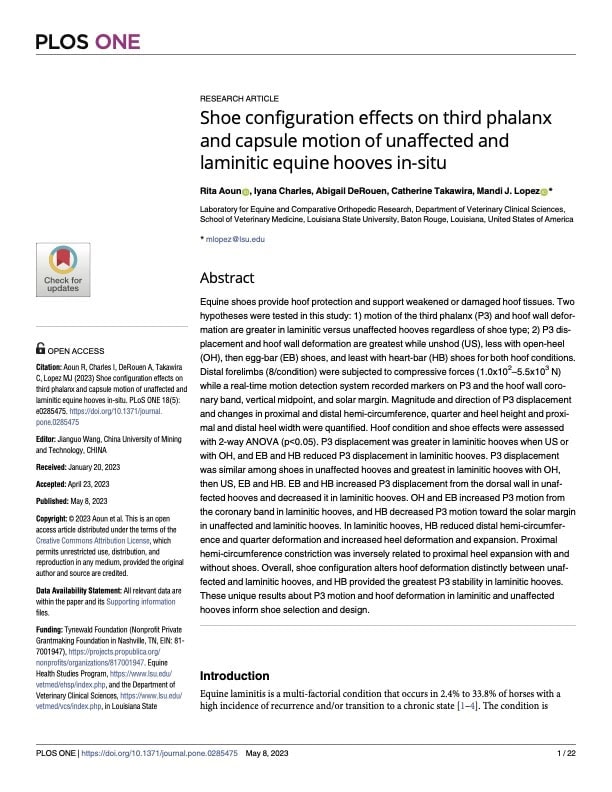
Laminitis is a common condition in horses that can have devastating effects on the horse’s long-term soundness and performance.
One of the mainstays of laminitis management is corrective shoeing to relieve pressure on the laminae, the sensitive tissues that hold the coffin bone in place within the hoof capsule. However, more research into the types of shoes most beneficial for laminitis cases is necessary.
Objective & Methodology
This study investigated the effects of different types of shoes on the coffin bone and its adjacent structures within the hoof. The researchers wanted to see which type of shoe would be most beneficial for horses with laminitis.
16 cadaver limbs, 8 with laminitis and 8 without, were collected for the study. A certified farrier trimmed and levelled each hoof and applied the different types of shoes investigated in the study.
After shoe application, each limb underwent mechanical testing that measured the circumference of the hoof at two locations, the length of the heels and the quarters, and the width of the heels at two locations.
Results
Mechanical testing showed that coffin bone displacement was greatest in laminitic hooves without shoes or in shoes with an open heel (traditional horseshoes). Both egg-bar and heart-bar shoes, which support the heel, reduced coffin bone motion in laminitic limbs to a level similar to unaffected limbs. Heart-bar shoes also decreased the sinking motion of the coffin bone towards the hoof sole in laminitic hooves.
Overall, heart-bar shoes provided the greatest stability for hooves with laminitic changes and prevented rotation of the coffin bone away from the hoof wall.
Conclusions & Relevance
Understanding how different types of shoes affect the coffin bone may have important implications in how veterinarians and farriers manage cases of laminitis. From this study, it appears that using heart-bar or egg-bar shoes may improve outcomes for horses with laminitis by reducing the rotation and “sinking” of the coffin bone.
Of the two types, heart-bar shoes were most successful in providing coffin bone stability and counteracting the movements associated with laminitis.
Chemical composition of horse hooves with functional qualities for competing barefoot [22]
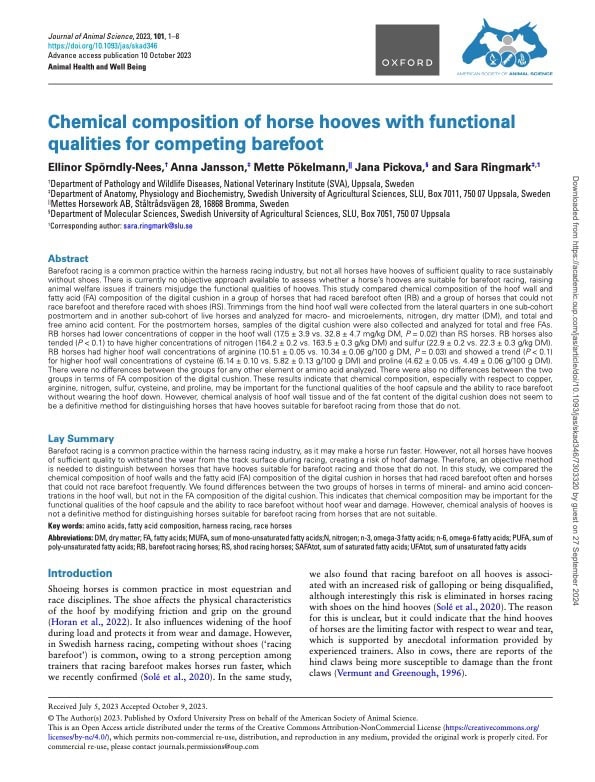
There is a growing movement towards barefoot management for performance horses, however very little is known about what allows some horses to perform barefoot while others require shoes.
Investigating factors that allow horses to perform barefoot can improve overall management strategies overall and support hoof health.
Objective & Methodology
This study investigated whether certain chemical components of the hoof horn and the digital cushion, the fat pad within the hoof, affected the ability of horses to perform barefoot.
The researchers examined the trimmings from the hooves of actively racing trotting horses, as well as cadaver limbs from trotters who were euthanized for purposes other than the study.
Hoof trimmings and digital cushions from the enrolled horses underwent chemical analysis to determine their composition. The researchers then compared the compositions between horses who raced successfully without shoes, and horses who needed shoes to perform adequately.
Results
Barefoot racing horses tended to have lower concentrations of copper in their hoof wall and higher concentrations of nitrogen, sulfur, and arginine. There was also a trend towards increased proline and cysteine in the hoof walls of barefoot horses. The composition of the digital cushion between barefoot horses and shod horses was similar.
Conclusions & Relevance
Based on this study, it appears that levels of copper, arginine, nitrogen, sulfur, cysteine and proline may affect the ability of horses to perform barefoot. These nutrients may have important roles in the functional quality of hoof capsule in horses.
Further research into the role of these nutrients in forming hoof capsule and whether they improve barefoot performance is necessary. Currently, the chemical evaluation method used in this study is not practical for widespread use, and may not accurately identify horses who can perform unshod.
The effect of acute equine temporomandibular joint inflammation on response to rein-tension and kinematics [23]
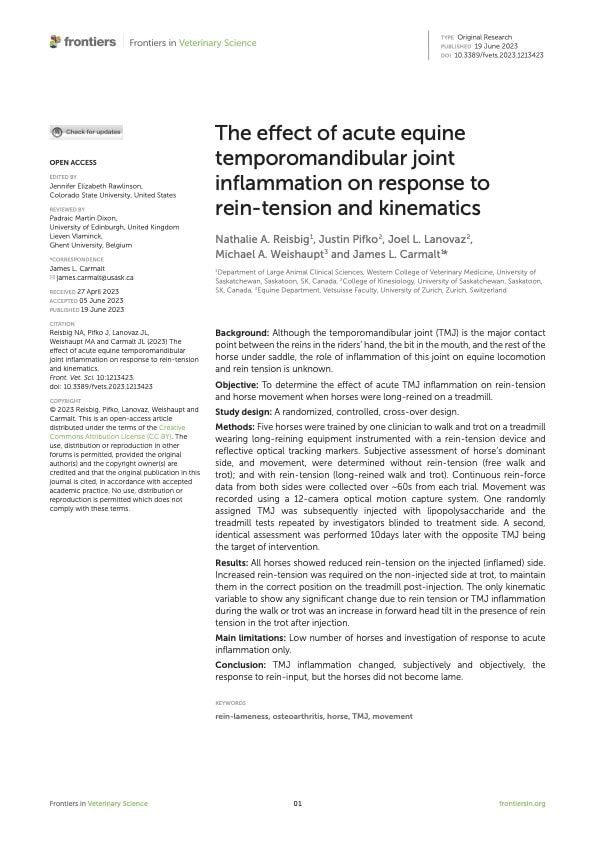
Rein lameness is a common cause of poor performance in ridden horses, which usually has no identifiable cause. Some cases of rein lameness are also associated with true lameness, though the link between these conditions is unknown.
Investigating the underlying cause of rein lameness can help horse owners improve their horse’s performance, and may impact the horse’s musculoskeletal health overall.
Objective & Methodology
This study investigated whether arthritis of the temporomandibular joint (TMJ), the joint between the jaw and the skull, was the cause of “rein lameness” in horses. Rein lameness describes cases where horses resist contact with the bit on one side of the mouth, or may feel lame or uncomfortable when riding in one direction over the other.
To investigate this, researchers trained 5 horses to run on a treadmill and accept contact with the bridle using long reins. Rein tension measurement systems evaluated the average pressure on each rein during movement. The clinician holding the long reins also gave a subjective opinion on the pressure and acceptance of the bit for each rein.
After determining baseline values, the horses received randomized injections into the temporomandibular joint to induce inflammation and simulate joint arthritis. The horses were exercised again on the treadmill, and the values from each session were compared.
Results
All of the horses showed decreased rein pressure on the side of the head with temporomandibular joint injection. Additionally, the opposing rein required increased pressure to keep the horse in a straight line, suggesting the horse was evading contact with the affected rein by bending their body away from the pressure.
None of the horses showed evidence of true lameness during their evaluations.
Conclusions & Relevance
Rein lameness is a significant cause of poor performance in high level athletic horses. Based on the results of this study, temporomandibular joint arthritis may be the underlying cause of this syndrome. Further investigation into how TMJ arthritis affects biomechanics of the horse is necessary.
Articular Cartilage Regeneration by Hyaline Chondrocytes: A Case Study in Equine Model and Outcomes [24]
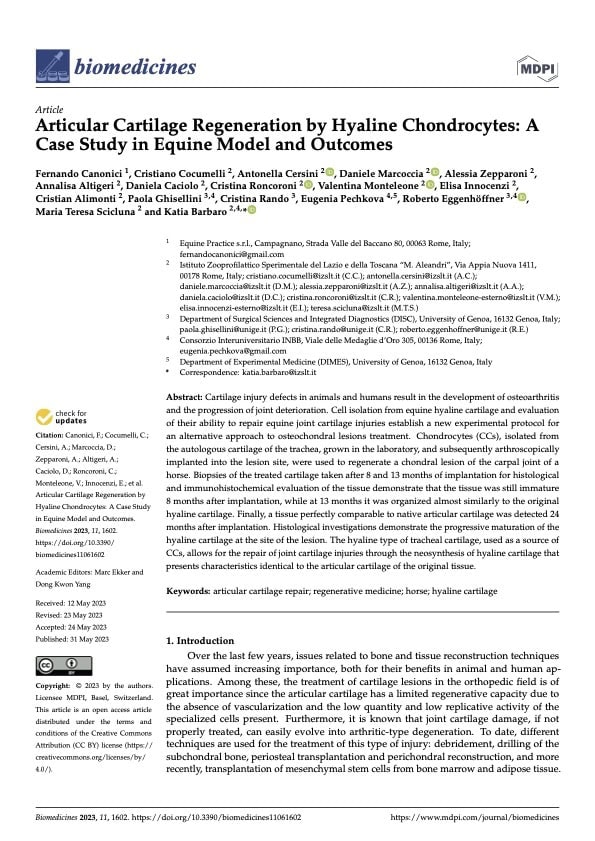
Arthritis is the most common musculoskeletal condition in horses, and is frequently a cause of poor performance, lameness, and retirement in ridden horses.
Most current therapies for arthritis aim to reduce inflammation and pain only, without treating the underlying bone damage caused by arthritis. Newer regenerative therapies are under investigation, and show promise in improving equine musculoskeletal health.
Objective & Methodology
Regenerative therapies aim to stimulate proliferation of cartilage cells to restore an arthritic joint’s normal function. This case report evaluated the long-term outcome of a new regenerative therapy for equine arthritis.
In this study, the researchers used a sample of a horse’s trachea to produce large amounts of stem cells in the lab. These stem cells were then injected into a site of cartilage damage in the horse.
Results
Biopsies of the damaged joint tissue at 8 months post-treatment showed healing of the cartilage, with immature cartilage tissue present in the original injury site.
By 13 months, the cartilage had a mature appearance with a similar structure to the normal cartilage surrounding the injured area. At 24 months, the cartilage at the injury site was indistinguishable from healthy cartilage. Additionally, the horse was sound by 24 months after treatment with no increased lameness after performing a flexion test.
Conclusions & Relevance
Tracheal cartilage may be an ideal site for harvesting cartilage stem cells, due to its relative ease of accessibility compared to other stem cell sites.
This case report demonstrates the success of tracheal sample collection, proliferating cartilage stem cells, injection into a site of injury, and subsequent healing in a horse. Further examination into the efficacy and viability of this treatment protocol is necessary, but it may be a promising new regenerative therapy option in the future.
Intra-articular bone marrow mononuclear cell therapy improves lameness from naturally occurring equine osteoarthritis [25]
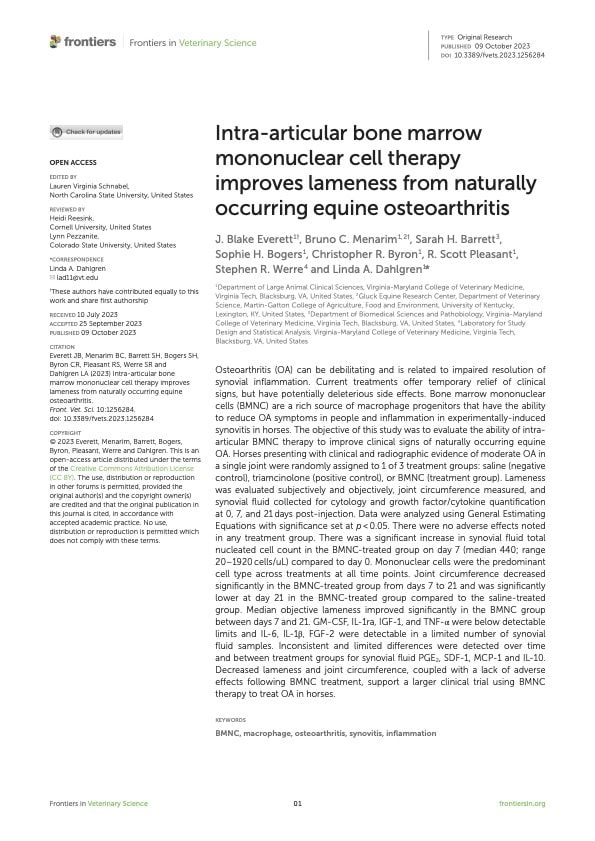
Most existing treatments for equine arthritis rely on reducing inflammation and pain through the use of corticosteroid medications. Long-term use of corticosteroids poses a risk of side effects, including reduced immune system function and potential laminitis.
Exploring new treatments that offer similar pain and inflammation control as corticosteroids, but without the associated side effects, could greatly benefit horses globally.
Objective & Methodology
This study examined the use of bone marrow mononuclear cells (BMNCs) as a potential treatment for arthritis in horses. Studies in human medicine show that BMNCs promote tissue repair and reduce inflammation in areas affected by arthritis, resulting in less pain and improved function of the joint.
To evaluate the efficacy of BMNCs as an arthritis treatment in horses, the researchers randomly divided 19 horses into 3 treatment groups: a saline group, a BMNC group, and a traditional arthritis therapy group.
The horses were evaluated for lameness at 7 and 21 days after joint injection with the different treatments. Samples of joint fluid were also collected for evaluation.
Results
Horses that received BMNC injections showed decreased joint circumference compared to saline-treated horses. They also had significantly improved lameness scores compared to saline-treated horses. Joint fluid also showed higher levels of anti-inflammatory proteins in the BMNC-treated horses.
No side effects were reported from BMNC injection into the joint.
Conclusions & Relevance
This study showed that BMNC injection may be a viable treatment for managing arthritis symptoms in horses. Horses showed reduced lameness and joint swelling after treatment, with no reported side effects.
Based on studies in human medicine, BMNC treatment may have longer-lasting effects compared to traditional arthritis therapies, which could benefit horses by reducing the frequency of joint injections.

Development of an Equine Muscle Condition Score [26]
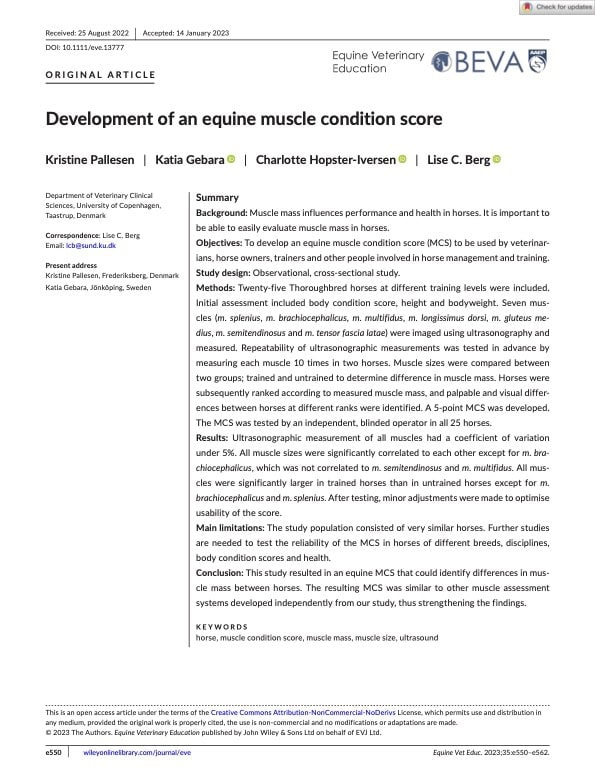
In humans and horses, muscle mass has been linked to factors such as performance, risk of injury, and disease recovery.
While validated and reliable systems have been developed for assessing body condition score, muscle condition scoring is not as well-researched or standardized.
Developing a standardized, validated, and easily applicable muscle condition scoring system has the potential to make it easier to determine whether horses are sufficiently muscled.
This could facilitate improved monitoring of muscle condition changes over time, as well as assessment of muscle atrophy in cases of aging or illness.
Objective & Methodology
The objective of this study was to develop a reliable, repeatable, and easily applicable muscle condition scoring system to be used by equine caretakers.
The study consisted of two separate parts:
- Ultrasound verification showing that various muscle groups differ in size between horses in a range of training levels
- Development and validation of a muscle condition scoring system that can be applied without the use of expensive equipment
Results
Ultrasound assessment of muscle size was conducted several times on two horses, and was found to be repeatable.
Muscle mass of m. multifidus (topline), m. longissimus dorsi (topline), m. gluteus medius (rump), m. semitendinosus (buttock), and m. tensor fascia latae (thigh) were correlated to horse height, age, the size of other muscles, and training status.
A five-point muscle condition score system was developed based on assessment of seven different body areas. The scoring system was correlated to muscle mass measurements obtained by ultrasound for scores 2 to 4. No horses were observed with a muscle condition score of one, and only one horse was observed with a muscle condition score of five.
Conclusions & Relevance
Despite the limitation of studying a population of very similar healthy horses of a single breed, the research produced a quick and reliable muscle condition scoring system, accompanied by detailed instructions and illustrations.
The resulting scoring system can be further validated in different classes of horses, and eventually used to optimize performance, assess welfare, and aid in early detection of muscle-related diseases.
Four Weeks of Incline Water Treadmill Exercise Can Contribute to Increased Epaxial Muscle Profile in Horses [27]
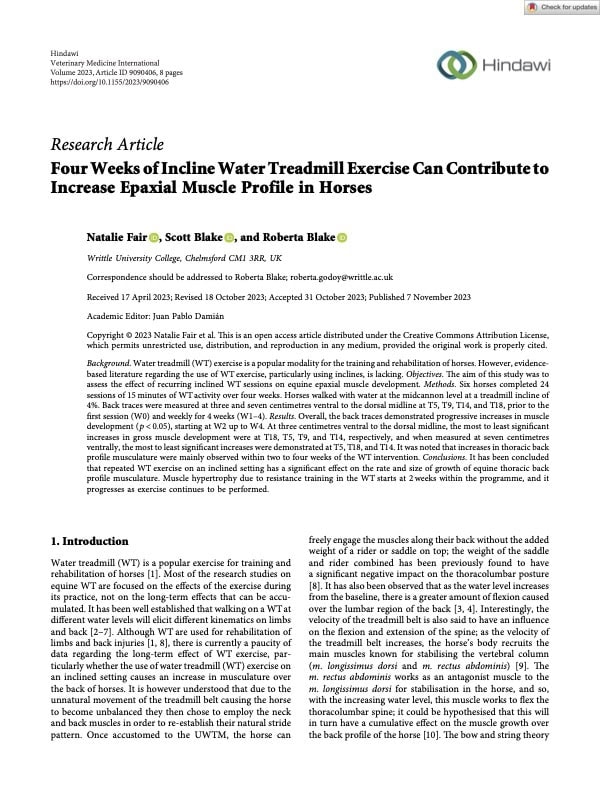
While water treadmill training has become more popular, there are few research studies that investigate the long-term effects of this form of exercise in horses, particularly as they relate to development of muscles over the topline.
Existing short-term studies suggest that water treadmill training results in engagement of the neck and back muscles, flexion over the lumbar region, and increases in muscular activity of the topline muscles.
Objective & Methodology
The objective of this study was to determine how four weeks of inclined water treadmill training influences the topline muscle development of horses.
Six healthy, sound performance horses accustomed to water treadmill training were studied for four weeks. Horses did not receive other training during the study, except for 5 – 20 minutes of hand-walking per day.
Horses completed a total of 24 water treadmill training sessions during the study period. Training sessions consisted of 15 minutes per session, conducted at the walk. Water level, incline, and treadmill speed were held constant throughout the study.
A saddle fitting kit with a flexible ruler was used to assess topline muscle size before beginning training, and at the end of each week.
Results
Increases in muscle profile along the back were observed at multiple measurement points by week three, with further increases noted at several points from week three to week four.
These results are similar to other recent research showing an increase in epaxial muscle profile after 20 weeks of water treadmill training, although improvements were seen earlier in this study. The authors speculate that exercising on an incline instead of a flat treadmill may have contributed to the increased rate of muscle development.
Conclusions & Relevance
This study demonstrated that repeated exercise on an inclined water treadmill positively influenced topline muscle development.
These results suggest that resistance training in the form of underwater treadmills is an effective and low-impact intervention that can be used to improve back musculature.
Future research will help determine whether incline training or water training has more of an effect, or if combining the two practices provides a synergistic effect.
A genome-wide landscape of mRNAs, miRNAs, lncRNAs, and circRNAs of skeletal muscles during dietary restriction in Mongolian horses [28]
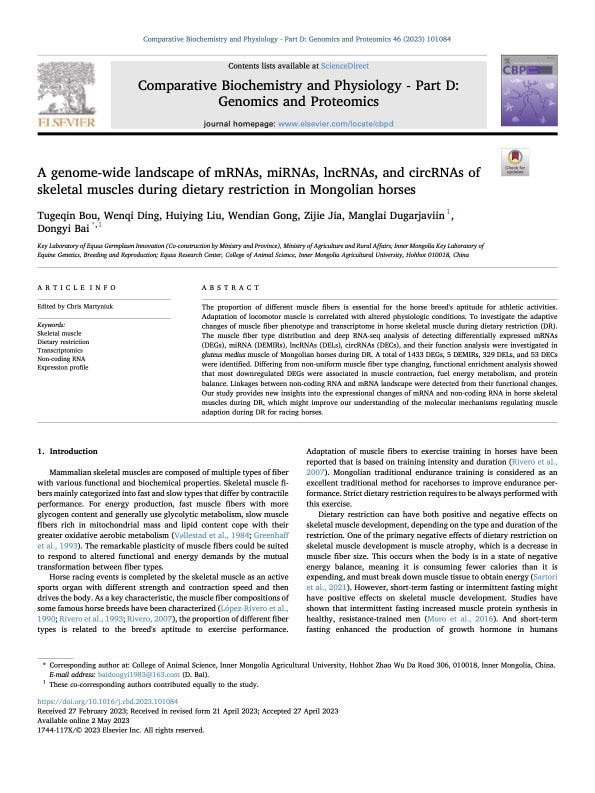
Mongolian endurance horses often receive a restricted diet during training. In humans, dietary restriction practices, such as short-term fasting, may enhance muscle protein synthesis in response to resistance training, boost growth hormone production, and improve endurance.
However, the impact of these practices on different muscle fiber types has not been examined. This is notable because humans and horses have three main types of muscle fibers, each with unique capacities for force production, energy metabolism, and endurance. Shifts in the proportions of these muscle fiber types may impact the way muscle performs during different activities.
In addition, the impact of dietary restriction on muscle health in horses has received very little attention.
Objective & Methodology
The objective of this study was to determine how dietary restriction impacts signals in the muscle that relate to muscle building, as well as changes in the types of muscle fibers in the rump muscle (gluteus medius).
Six Mongolian horses at maintenance were fed a hay-only diet. The amount of hay provided was reduced by 20% each week for four weeks.
Notably, the initial intake was set at 5% of body weight per day, which is at the upper limit of voluntary forage intake for horses and well above the typical range of 2–3% of body weight in dry matter per day.
By week four, horses were offered approximately 2% of their body weight per day in dry matter.
A muscle biopsy was collected before and after eight weeks of dietary restriction to measure the proportion of each muscle fiber type, as well as signals related to muscle building through a transcriptomic analysis of DNA and mRNA signaling pathways in muscle cells.
Results
The researchers noted changes in muscle fiber type following dietary restriction, but results differed widely between horses and were not significantly different between groups.
Dietary restriction did cause a large shift in the transcriptome of the horses observed, most notably a down-regulation of signals related to muscle contraction, energy metabolism, protein balance, and genes related to maintenance of fast-twitch muscle fibers used for explosive power.
Conclusions & Relevance
Overall, a four-week dietary restriction (from 5% of body weight to 2% of body weight) does seem to impact signals related to muscle maintenance and metabolism. However, the transcriptomic analysis suggests it may have a negative impact of protein balance, particularly in fast muscle fiber types.
Future research may focus on how these changes impact muscle health and performance over longer periods and in response to endurance training.
Feeding steamed or soaked hay affects water intake and preference compared to dry hay [29]
Respiratory issues are not uncommon in stalled horses, where airflow can be limited, and hay is the main source of forage.
Soaking or steaming hay can reduce the number of dust and other foreign particles in the air, providing some relief of respiratory symptoms.
However, as many owners of horses with respiratory issues have experienced, not all horses like steamed or soaked hay. In addition, little research has been conducted to determine if steaming or soaking influences the amount of water and forage horses consume.
Objective & Methodology
The objective of this study was to determine whether steaming or soaking hay influenced hay and water intake, and whether horses preferred dry, soaked, or steamed hay.
Six horses received each of three diets consisting of 1.3% of their body weight in dry, soaked, or steamed hay. Each diet was provided for five days, after which horses had a two-day ‘washout’ period and were rotated to the next diet. Water and hay intakes were measured daily.
In a preference study, horses were offered 1 kg of each type of hay simultaneously, and their intake of each type was recorded.
Results
Horses drank more water when they were fed dry hay compared to when they were fed soaked hay. Furthermore, the more hay they ate, the more water they drank.
While horses did not consume more of one type of hay than another, they did consume less hay on the first day they were introduced to a new type of hay.
When hay was steamed, horses ate less after an adaptation period than they did before being adapted to the diet. The converse was true for soaked hay: horses ate more soaked hay after they were adapted to a soaked hay diet.
Conclusions & Relevance
Soaking hay increases the water consumed during foraging, meaning that horses may drink less when they eat soaked hay.
Although there was not a clear preference for dry, steamed, or soaked hay in this study, the results did reveal that adapting horses to steaming or soaking hay is an important consideration to ensure they continue to consume adequate forage.
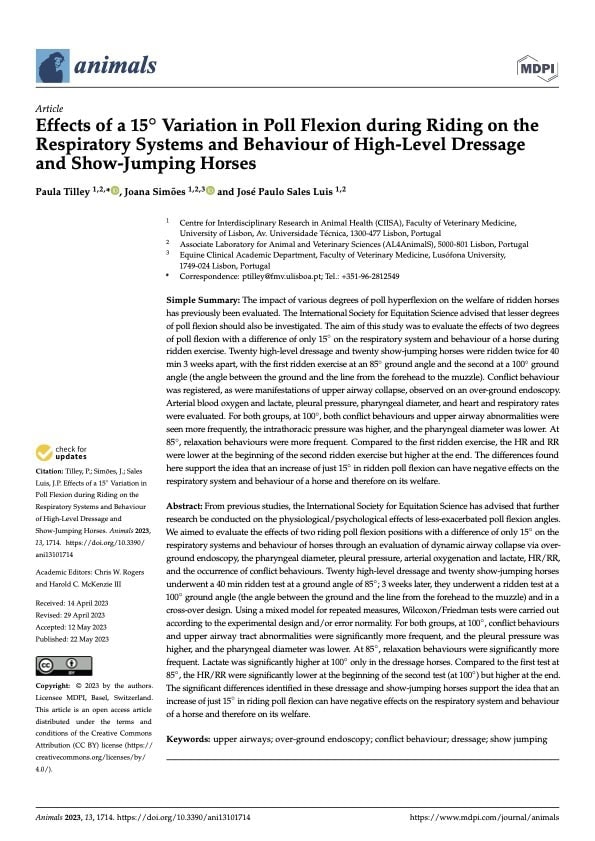
Effects of a 15° Variation in Poll Flexion during Riding on the Respiratory Systems and Behaviour of High-Level Dressage and Show-Jumping Horses [30]
In the wild, horses tend to extend their heads and necks as they increase their speed. This stiffens their trachea, and reduces the risk of upper airway collapse.
When ridden, especially in dressage and show jumping, we often ask horses to flex their neck, which bends and narrows the structures of the upper airway and increases the risk of upper airway collapse.
As a result of the physical and mental discomfort from difficulty breathing, horses may become resistant to cues, or training and handling in general.
Thus, excessive flexion during riding presents potential respiratory, behavioral, and welfare issues that have not been thoroughly explored.
Objective & Methodology
In this study, researchers aimed to determine if an increase in flexion at the poll resulted in changes in respiratory function and behavior.
Twenty high-level dressage horses and twenty average-level show jumping horses underwent two exercise tests – one with a poll flexion angle of 85 degrees (less flexion), and one with a poll flexion angle of 100 degrees (more flexion).
Conflict behavior was recorded by clinicians, an overground endoscopy was conducted during the last five minutes of cantering in each test, and heart and respiratory rates were recorded before and after each exercise test.
Finally, blood was collected to measure factors such as the amount of oxygen, carbon dioxide, and lactate in the blood.
The overground endoscopy allowed researchers to observe the frequency of abnormalities in the structure and appearance of the larynx and epiglottis in the throat.
Results
With greater flexion, horses exhibited more conflict behaviors like tail swishing, head shaking, as well as mouth and jaw movements. In comparison, horses that were less flexed showed more relaxed behaviors like ear movement and a forward ear position.
At greater flexions, horses also had more upper airway abnormalities, a higher pleural pressure (pressure in the space surrounding the lungs), and a lower pharyngeal diameter (size of the pharynx, which connects the nasal passage to the trachea).
Conclusions & Relevance
Increasing poll flexion by 15 degrees had a negative effect on behavior and respiratory function in dressage and show-jumping horses.
Riding with less poll flexion should be considered to support positive training outcomes, respiratory health, and horse welfare.
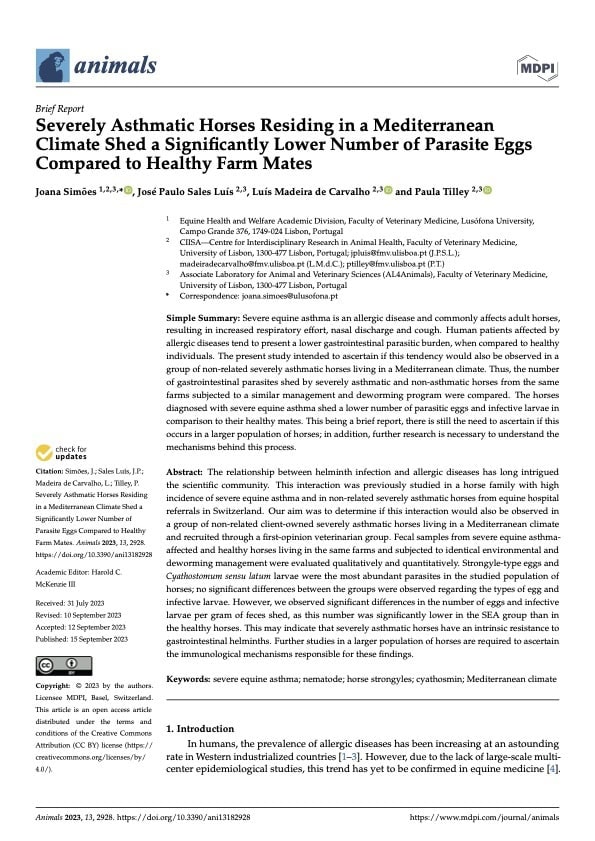
Severely Asthmatic Horses Residing in a Mediterranean Climate Shed a Significantly Lower Number of Parasite Eggs Compared to Healthy Farm Mates [31]
In studies of humans, individuals with allergies have been observed to have lower parasitic counts than healthy counterparts. In two specific families of horses with a high prevalence of equine asthma, a similar relationship to parasite load has been observed.
This relationship is puzzling, and two main theories to explain it have been presented:
- Evolutionary advantage: Intrinsic protection against intestinal parasites has evolved in some individuals, and the common genetic basis for this protection and allergic diseases resulted in a greater risk of allergies in individuals with this adaptation
- Hygiene hypothesis: Lower exposure to bacteria and parasites with modern hygiene standards led to a loss of immune regulation, and a more rapid and sensitive response to both airway inflammation and parasitic infection
However, recent research in mice demonstrated that when mothers were pregnant at the height of a parasitic infection, it prevented development of asthma in their pups. This suggests an intimate relationship between parasitic infection and protection against parasites that may not be strictly genetically driven.
Despite limited evidence to support the idea that asthma and allergies are associated with parasite resistance, no research has been conducted to determine whether this holds true in the broader equine population.
Objective & Methodology
The researchers aimed to determine whether there is an inverse relationship between severe asthma and parasitic burden.
Forty unrelated horses – twenty with severe asthma and twenty healthy controls – were evaluated for fecal egg count and parasite identification.
Results
60% of the horses studied had a positive fecal egg count. While there was no significant difference in the types of parasites found in each group, horses with severe asthma had a lower number of parasite eggs in their feces than their healthy counterparts.
Conclusions & Relevance
While this research confirms a relationship between severe asthma and parasitic resistance, it is still unclear why this relationship occurs.
Future research will help determine whether parasite infection does in fact provide protection against asthma, and offer insight into the mechanisms by which asthmatic individuals may have an intrinsic resistance to parasites.
2023 was a banner year for new research developments in Equine Science. Many of the discoveries made will impact the way we feed, manage, and care for our horses. Others will help to inform future avenues of research that will ultimately improve the health, welfare, and performance of our horses.
This small sample of peer-reviewed scientific papers is a great example of the evidence-based research we use to inform our recommendations here at Mad Barn. We continuously incorporate advancements from each of these areas to better support horses and their owners.
Is there an equine research topic published in 2023 that you believe deserves a spot on this list? Share your top studies in the comments below to help us highlight impactful research that every horse owner and equine practitioner should know about.
References
- Latham. C. M. et al., 72 A Survey of North American Horse Diets: What Are We Missing?. Journal of Equine Veterinary Science. 2023.
- Honoré. E. K. and Uhlinger. C. A., Equine Feeding Practices in Central North Carolina: A Preliminary Survey. Journal of Equine Veterinary Science. 1994.
- Galinelli. N. C. et al., Nutritional Considerations for the Management of Equine Pituitary Pars Intermedia Dysfunction. Equine Veterinary Education. 2023.
- Alshut. F. et al., The Effects of Feeding Sodium Chloride Pellets on the Gastric Mucosa, Acid‐base, and Mineral Status in Exercising Horses. Journal of Veterinary Internal Medicine. 2023. View Summary
- Springer. R. W. et al., Assessment of the Palatability and Acceptability of Hempseed Meal Pellets in Horses Compared to Mainstream Feedstuffs. Journal of Equine Veterinary Science. 2023. View Summary
- Bradshaw-Wiley. E. and Randle. H., The Effect of Stabling Routines on Potential Behavioural Indicators of Affective State in Horses and Their Use in Assessing Quality of Life. Animals. 2023. doi: 10.3390/ani13061065. View Summary
- Luke. K. L. et al., Bit Use and Its Relevance for Rider Safety, Rider Satisfaction and Horse Welfare in Equestrian Sport. Applied Animal Behaviour Science. 2023.
- Gueguen. L. et al., Selected Acoustic Frequencies Have a Positive Impact on Behavioural and Physiological Welfare Indicators in Thoroughbred Racehorses. Animals. 2023. View Summary
- Felici. M. et al., Heart and Brain: Change in Cardiac Entropy Is Related to Lateralised Visual Inspection in Horses. PLOS ONE. 2023. View Summary
- Tomberg. C. et al., Horses (Equus Caballus) Facial Micro-Expressions: Insight into Discreet Social Information. Scientific Reports. 2023. View Summary
- Cunha. R. Z. et al., The Use of Cannabidiol as a Novel Treatment for Oral Stereotypic Behaviour (Crib-Biting) in a Horse. Veterinary and Animal Science. 2023. View Summary
- Martin. A. et al., Effect of High-Starch or High-Fibre Diets on the Energy Metabolism and Physical Performance of Horses during an 8-Week Training Period. Frontiers in Physiology. 2023. View Summary
- Mukai. K. et al., Physiological and Skeletal Muscle Responses to High-Intensity Interval Exercise in Thoroughbred Horses. Frontiers in Veterinary Science. 2023. View Summary
- Darbandi. H. et al., Detecting Fatigue of Sport Horses with Biomechanical Gait Features Using Inertial Sensors. PLOS ONE. 2023. View Summary
- Macon. E. L. et al., Identifying Possible Thresholds for Nonstructural Carbohydrates in the Insulin Dysregulated Horse. Equine Veterinary Journal. 2023. View Summary
- De Laat. M. A. et al., Carbohydrate Pellets to Assess Insulin Dysregulation in Horses. Journal of Veterinary Internal Medicine. 2023. View Summary
- Von Münchow. A. et al., Oligosaccharide Feed Supplementation Reduces Plasma Insulin in Geldings with Equine Metabolic Syndrome. Frontiers in Microbiomes. 2023.
- Theelen. M. J. P. et al., Longitudinal Study of the Short- and Long-Term Effects of Hospitalisation and Oral Trimethoprim-Sulfadiazine Administration on the Equine Faecal Microbiome and Resistome. Microbiome. 2023. View Summary
- Arantes. J. A. et al., Effect of Dietary Iron Supplementation on the Equine Fecal Microbiome.. Can J Vet Res. 2023. View Summary
- MacNicol. J. L. et al., The Influence of a Probiotic/Prebiotic Supplement on Microbial and Metabolic Parameters of Equine Cecal Fluid or Fecal Slurry in Vitro. Journal of Animal Science. 2023. View Summary
- Aoun. R. et al., Shoe Configuration Effects on Third Phalanx and Capsule Motion of Unaffected and Laminitic Equine Hooves In-Situ. PLOS ONE. 2023. View Summary
- Spörndly-Nees. E. et al., Chemical Composition of Horse Hooves with Functional Qualities for Competing Barefoot. Journal of Animal Science. 2023. View Summary
- Reisbig. N. A. et al., The Effect of Acute Equine Temporomandibular Joint Inflammation on Response to Rein-Tension and Kinematics. Frontiers in Veterinary Science. 2023. View Summary
- Canonici. F. et al., Articular Cartilage Regeneration by Hyaline Chondrocytes: A Case Study in Equine Model and Outcomes. Biomedicines. 2023. View Summary
- Everett. J. B. et al., Intra-Articular Bone Marrow Mononuclear Cell Therapy Improves Lameness from Naturally Occurring Equine Osteoarthritis. Frontiers in Veterinary Science. 2023. View Summary
- Pallesen. K. et al., Development of an Equine Muscle Condition Score. Equine Veterinary Education. 2023.
- Fair. N. et al., Four Weeks of Incline Water Treadmill Exercise Can Contribute to Increase Epaxial Muscle Profile in Horses. Veterinary Medicine International. 2023. View Summary
- Bou. T. et al., A Genome-Wide Landscape of mRNAs, miRNAs, lncRNAs, and circRNAs of Skeletal Muscles during Dietary Restriction in Mongolian Horses. Comparative Biochemistry and Physiology Part D: Genomics and Proteomics. 2023. View Summary
- Oberlin. C. et al., 62 Feeding Steamed or Soaked Hay Affects Water Intake and Preference Compared to Dry Hay. Journal of Equine Veterinary Science. 2023.
- Tilley. P. et al., Effects of a 15° Variation in Poll Flexion during Riding on the Respiratory Systems and Behaviour of High-Level Dressage and Show-Jumping Horses. Animals. 2023. View Summary
- Simões. J. et al., Severely Asthmatic Horses Residing in a Mediterranean Climate Shed a Significantly Lower Number of Parasite Eggs Compared to Healthy Farm Mates. Animals. 2023. View Summary