English




In March 2024, a diet evaluation was conducted for Mouse, a 31-year-old Quarter Horse stallion weighing approximately 950 lb (430 kg) and residing in Missouri, USA. The primary concerns were topline health and gastric ulcers.
The owner’s main objectives were to support digestive health, encourage muscle development, and promote overall well-being and longevity.
Presentation Prior to Diet Intervention
In his diet evaluation, Mouse was noted to be at an ideal weight and not currently in work. Additionally, he had the following special care needs:
- Gastric ulcers
- Poor topline muscling
- Age-related joint concerns
Although Mouse had not undergone an endoscopic evaluation to confirm ulcers, his veterinarian recommended pursuing ulcer treatment based on clinical signs. The observed symptoms included:
- Lack of appetite
- Wood chewing
- Colic symptoms
- Bucket playing
- Slow eating
The following photos were provided of Mouse from March and April of 2024:
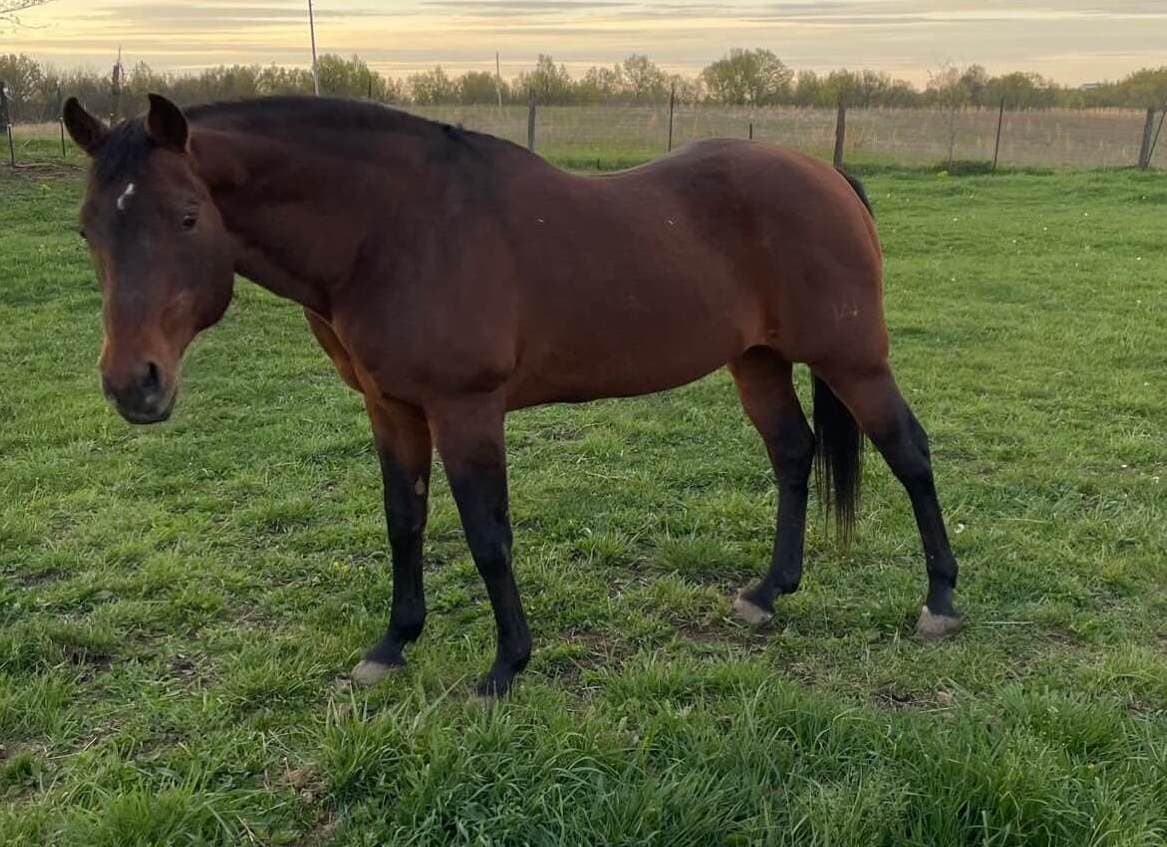 March 2024
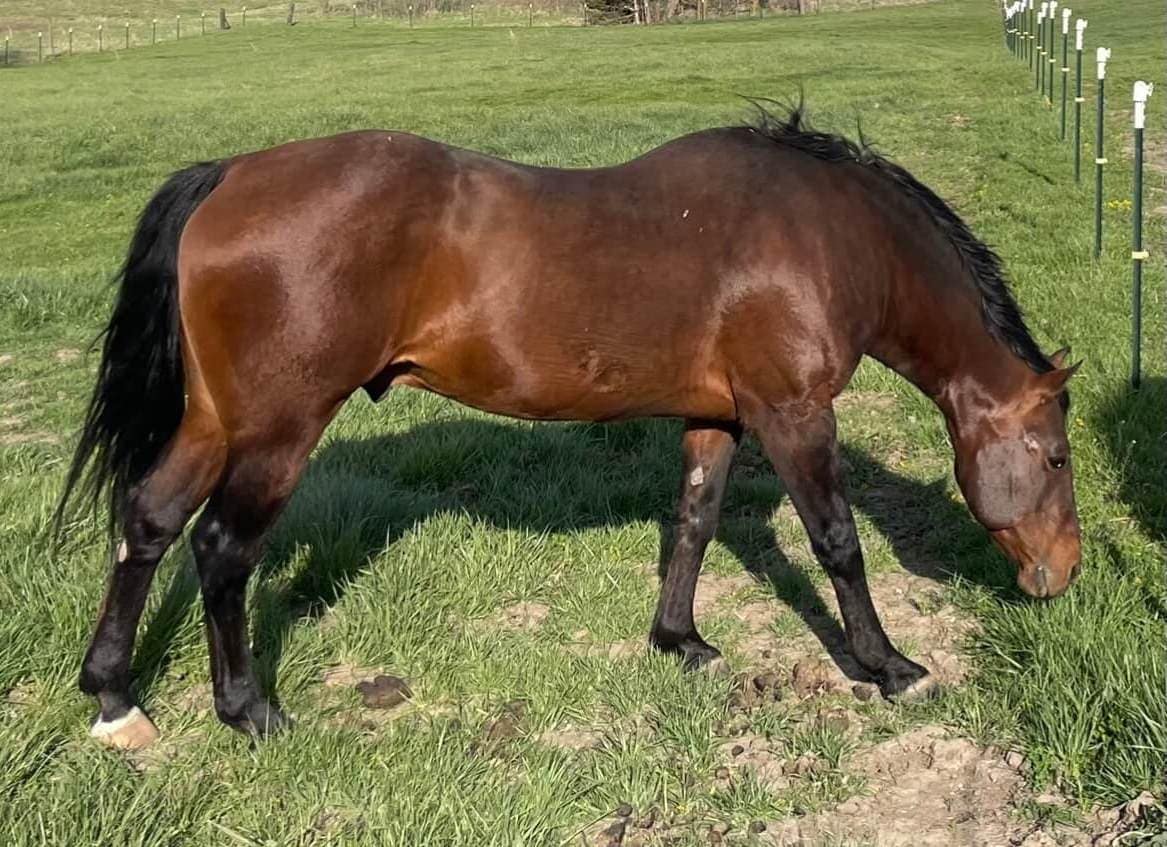 April 2024
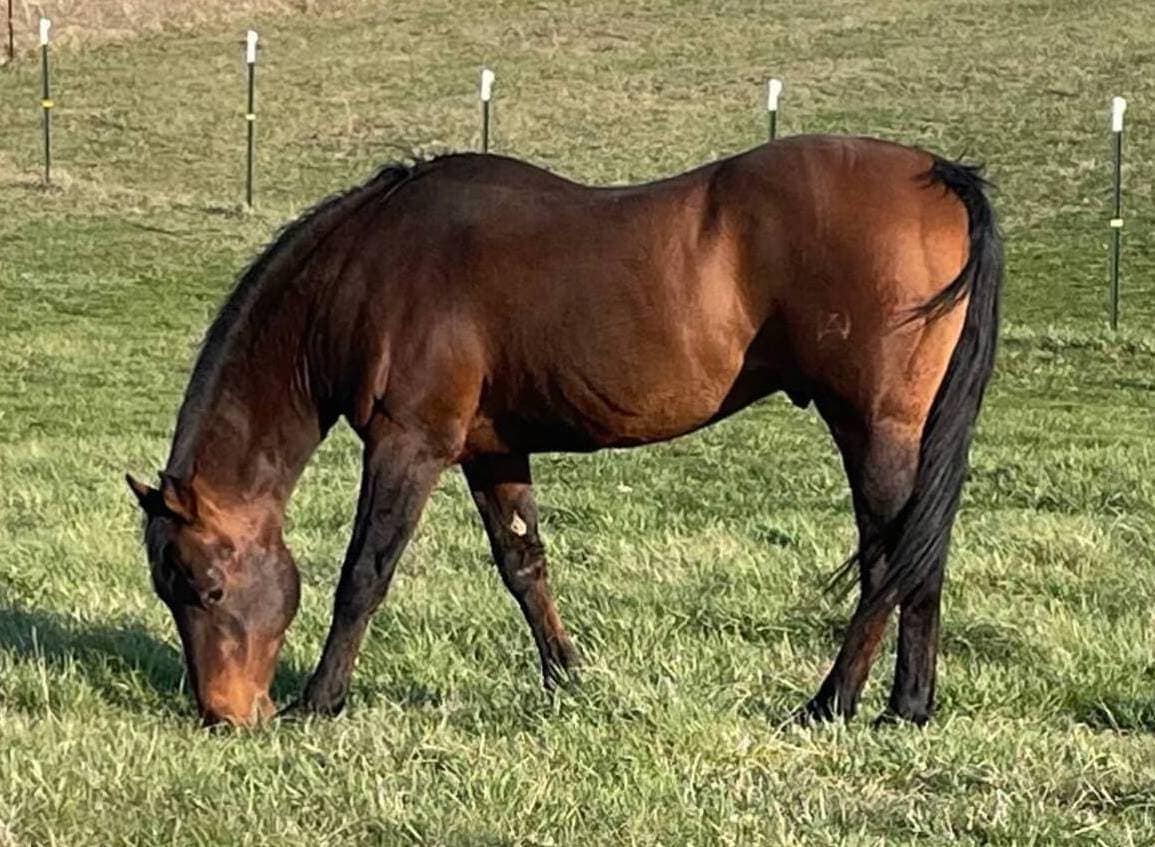 April 2024
Horse History
After struggling to find a professional equine nutritionist for quite some time, Mouse’s owner turned to Mad Barn’s nutritionists to evaluate his diet.
Although Mouse was maintaining weight satisfactorily, his owner remained concerned about his gastric health and the potential need for periodic ulcer medication.
To support Mouse’s gastric health, the owner employed several strategies:
- Providing constant turnout and grazing
- Offering three or more grain meals per day in the winter when forage consumption was lower
- Providing supplemental feeds intended to support gastric health
A pasture analysis was not available, so nutrient intake was estimated based on average quality pasture with adjustments for regional mineral values — specifically sodium and selenium.
In addition to pasture, Mouse was fed the following feeds and supplements daily, divided into two meals:
- ProForce® Senior (Nutrena)
- Alfalfa pellets
- LubriSyn HA
- Outlast® Gastric Support (Purina®)
Under veterinary guidance, he also received the following medications for joint and ulcer concerns:
- A 21-day protocol of omeprazole (UlcerGard)
- Firocoxib (Equioxx®)
Ulcers
Gastric ulcers are uncomfortable lesions in the stomach that can contribute to broader health concerns such as pain, colic, weight loss, and behavioral changes. [1]
Equine Gastric Ulcer Syndrome (EGUS) can develop due to several contributing factors, including: [2][3]
- Stress
- Limited forage intake
- High hydrolyzable carbohydrate (HC; sugar + starch) intake
- Intermittent grain meal feeding
In Mouse’s case, dental issues made it difficult for him to chew long-stem forages, contributing to reduced forage intake. As a result, he was fed grain and processed forage in two meals per day, leading to a diet with slightly elevated hydrolyzable carbohydrate content.
To support gastric health in horses with ulcers, nutritional interventions focus on addressing these risk factors. For Mouse, the key dietary objectives were to:
- Maximize processed forage intake
- Maintain a reasonable total dietary HC content
- Avoid long periods between meals without feed or forage
What's your top priority with your horse's health?

Enter your email to receive your store credit
Topline Health
Many senior horses lose muscle mass despite receiving adequate nutrition. [4] This suggests age-related muscle loss may be unavoidable to some extent.
However, ensuring the diet provides adequate nutrients to support muscle maintenance can help preserve muscle mass as horses age. Key nutrients for supporting muscle health include: [5][6][7][8]
- Amino Acids: Building blocks of proteins that enable muscle repair and maintenance; particularly important are the limiting amino acids lysine, methionine, and threonine
- Zinc, Copper, Manganese, and Selenium: These trace minerals aid the function of antioxidant enzymes and other proteins that maintain healthy muscle tissue
- Vitamin E: An antioxidant that protects muscles from damage due to free radicals
- Calcium and Magnesium: These minerals are involved in muscle contraction and overall muscle function
Even with optimal nutrition, some aged horses never fully regain their topline muscling. This can occur due to a number of factors, including: [9]
- Unavoidable age-related decline
- Health conditions, such as Pituitary Pars Intermedia Dysfunction (PPID, or Cushing’s disease), which is more common in older horses
- Lameness that prevents older horses from engaging in regular exercise
Before any dietary changes were made, Mouse’s owner noted topline muscle loss likely linked to both age and lack of regular exercise.
Joint Health
Joint concerns are common in horses, particularly in aged horses. Joint damage can occur due to: [10]
- Age-related wear and tear
- Changes in joint tissue metabolism with age
- Past performance-related strains or injuries
Because joint tissues have a limited blood supply, advanced joint damage is often irreversible. This underscores the importance of supporting joint health at every life stage, especially for senior horses.
Feeding a balanced diet, providing supportive supplements and medications when necessary, and engaging in regular, light exercise can help preserve joint health in aging horses.
Providing adequate essential nutrients is crucial for joint function and mobility. Key vitamins and trace minerals that support joint health include: [11][12]
These nutrients support collagen formation, synovial fluid lubrication, and connective tissue maintenance and repair, while also offering antioxidant protection against oxidative stress. [11][12]
Supportive supplements containing research-backed ingredients can help maintain joint tissues in both healthy horses and those with joint health concerns. Popular research-backed ingredients include: [13][14]
- Docosahexaenoic acid (DHA): Helps maintain a normal inflammatory response, supporting comfort and mobility
- Methylsulfonylmethane (MSM): Provides the trace mineral sulfur for the formation and maintenance of cartilage, supporting healthy joint structure
- Hyaluronic Acid (HA): A key component of synovial fluid, which supports joint lubrication, helps maintain cartilage health, and may aid in joint comfort
Initial Diet
At the time of the nutrition consultation, Mouse’s daily ration consisted of:
- Free choice pasture
- 6 lb (2.7 kg) – ProForce® Senior (Nutrena)
- 3 lb (1.4 kg) – Alfalfa pellets
- 1 oz (30 mL) – LubriSyn HA
- 30 oz (850 grams) – Outlast® Gastric Support (Purina®)
Overall, the diet met vitamin and mineral requirements, except for sodium.
Based on average pasture nutrient estimates, Mouse’s energy and protein needs were likely being met or exceeded. The estimated hydrolyzable carbohydrate (HC; sugar + starch) content of the total diet was 12.7%, which is considered slightly high.
Intervention
As part of the nutrition consultation, an updated diet plan was proposed to address Mouse’s specific concerns.
Table 2. Summary of Diet Intervention
| Horse Issue | Intervention |
|---|---|
| Gastric Ulcers |
|
| Topline Muscles |
|
| Joint Health |
|
Horses that eat large amounts of fortified grain usually meet their vitamin and mineral needs. However, some commercial grains contain high levels of HC, which can contribute to gastric ulcers and other health concerns.
To support digestive health without reducing Mouse’s overall caloric intake, a fat supplement was introduced as a concentrated energy source. This replaced part of his grain, reducing sugar and starch intake.
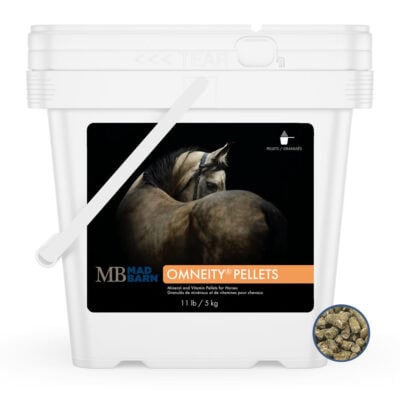
To ensure vitamin and mineral requirements were met, Mad Barn’s Omneity® Premix and salt were added to the diet.
Omneity® is formulated with 100% organic trace minerals, which are higher quality and easier for horses to absorb. Omneity® also provides complete B-vitamin fortification, a nutritionally effective level of biotin to support hoof health, and yeast and digestive enzymes to support the digestive system and nutrient absorption.
Meeting sodium requirements is particularly important for senior horses, who often eat and drink less than younger horses. Getting enough salt in the diet encourages hydration and supports gut health.

Updated Diet
After the consultation, Mouse’s owner made the following changes to his diet:
- Reduced total grain intake
- Added oil
- Added Omneity® Premix and salt
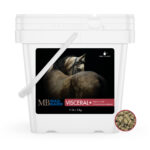
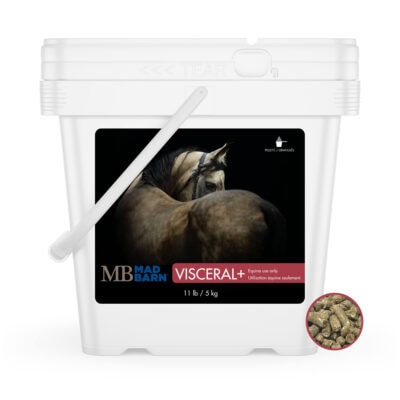
- Replaced Outlast with Visceral+
His new daily diet consisted of:
- Free choice pasture
- 3 lb (1.4 kg) – ProForce® Senior (Nutrena)
- 3 lb (1.4 kg) – Alfalfa pellets
- 45 g (1.5 scoops) – Omneity® Premix
- 15 g (1 tablespoon) – salt
- 8 oz (237 mL) – Vegetable Oil
- 1 oz (30 mL) – Lubrisyn
- 80 grams (1 scoop) – Visceral+
Overall, Mouse’s updated diet maintained his calorie intake while providing improved gastric support, reducing HC intake and meeting vitamin and mineral requirements.
Outcome
Mouse’s owner noted improvements in signs of gastric ulcers after a couple of weeks on Visceral+, coinciding with the end of his omeprazole and sucralfate treatment.
His owner was pleased with how smoothly Mouse transitioned to Omneity® Premix and salt, and reported that his water intake increased once salt was introduced.
“He’s looking and doing well! He’s been nickering for breakfast and dinner like his old self and has even come running all the way up my long hill from the pasture at dinner time several times lately.”
— Feedback from Horse OwnerHowever, Mouse disliked the taste of the oil in his feed and was not keen on the taste of Visceral+, so his owner ultimately decided to discontinue using it.
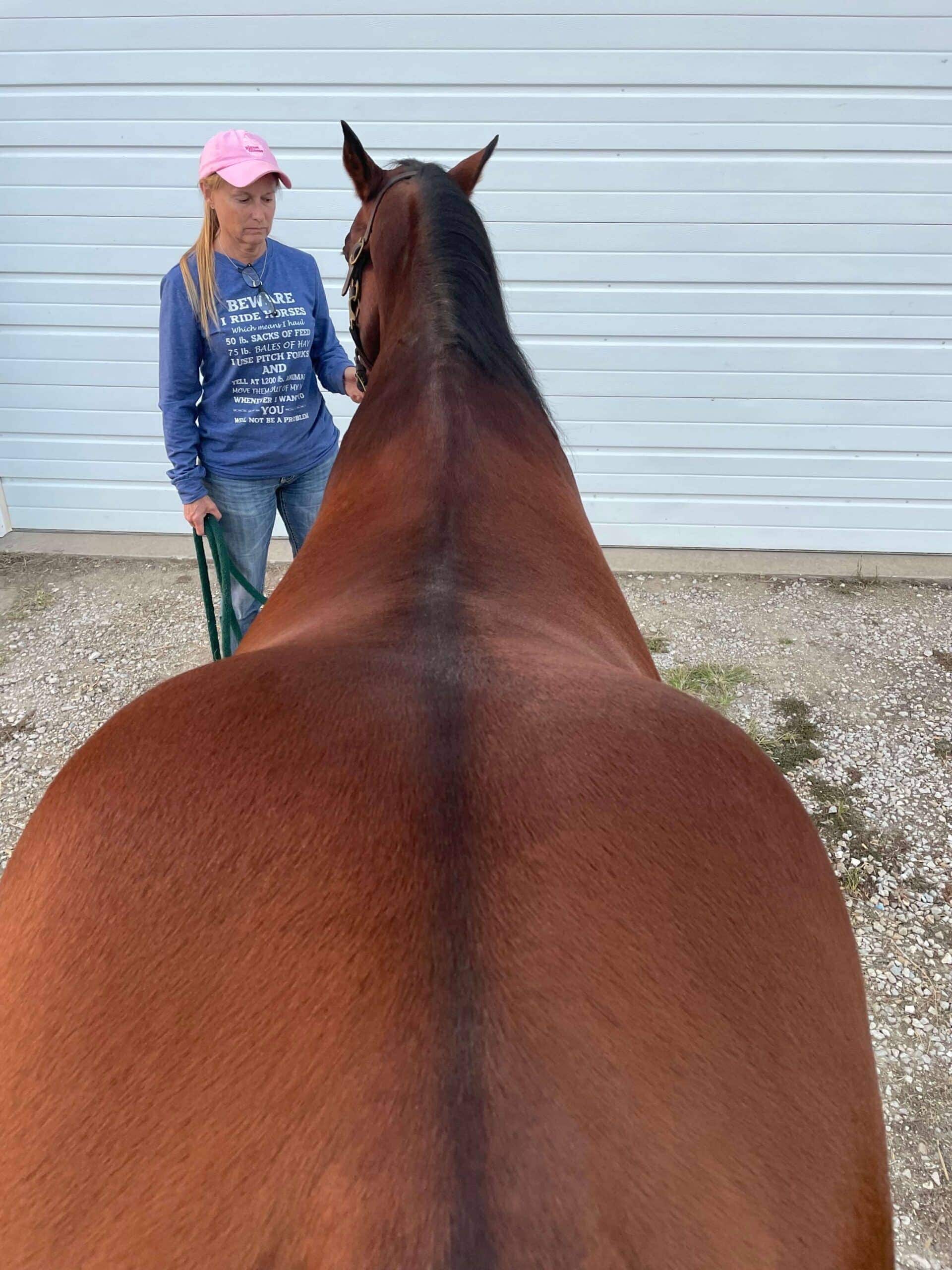
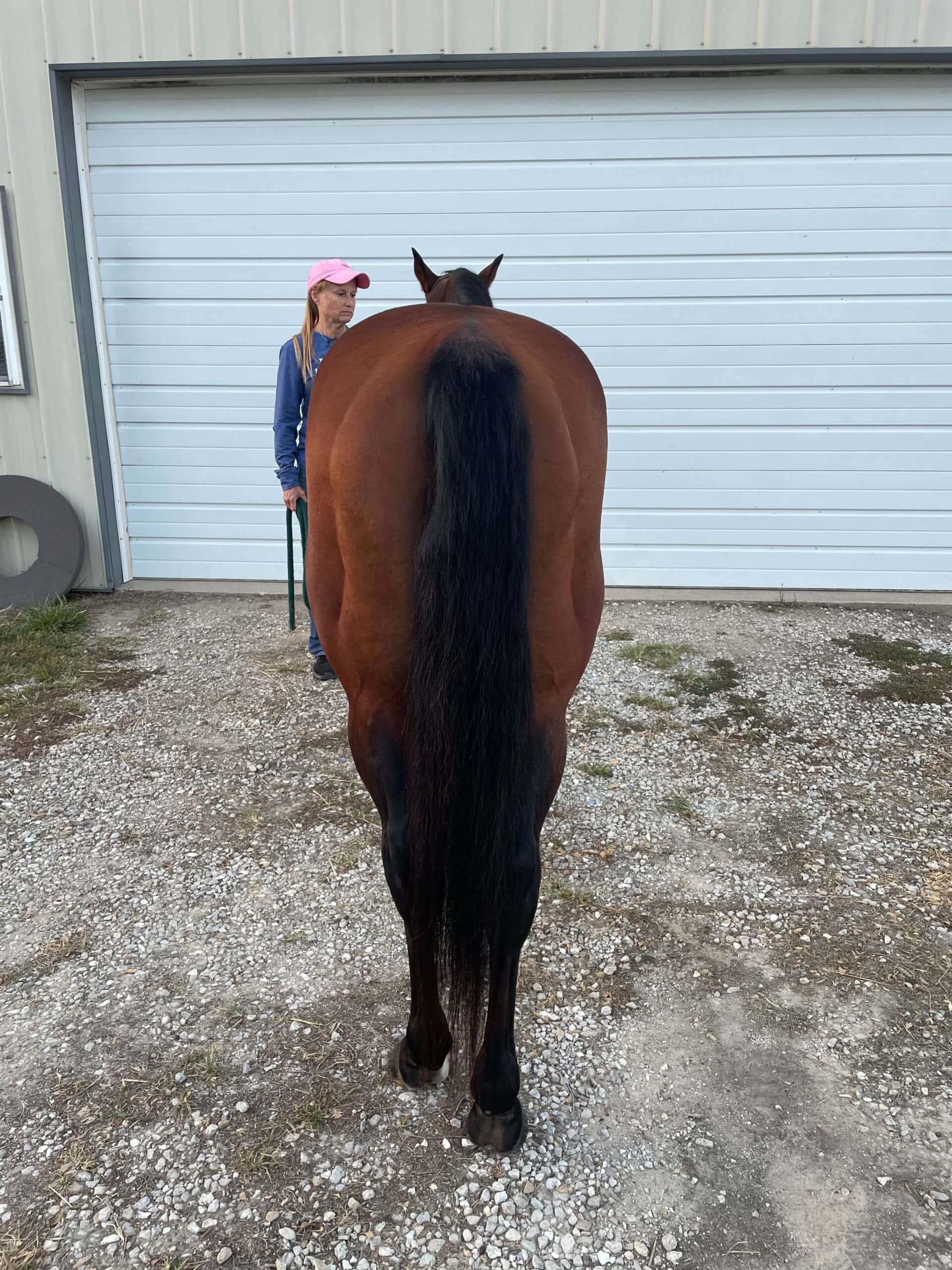
Although Visceral+ was discontinued, the overall dietary changes — including a reduced HC intake and more balanced nutrient profile — made a notable positive impact on Mouse’s health and demeanor. Three months after the diet changes, he was medication-free for gastric issues and had improved body condition.
The following photos show his condition five months following the diet changes:
 September 2024
 September 2024
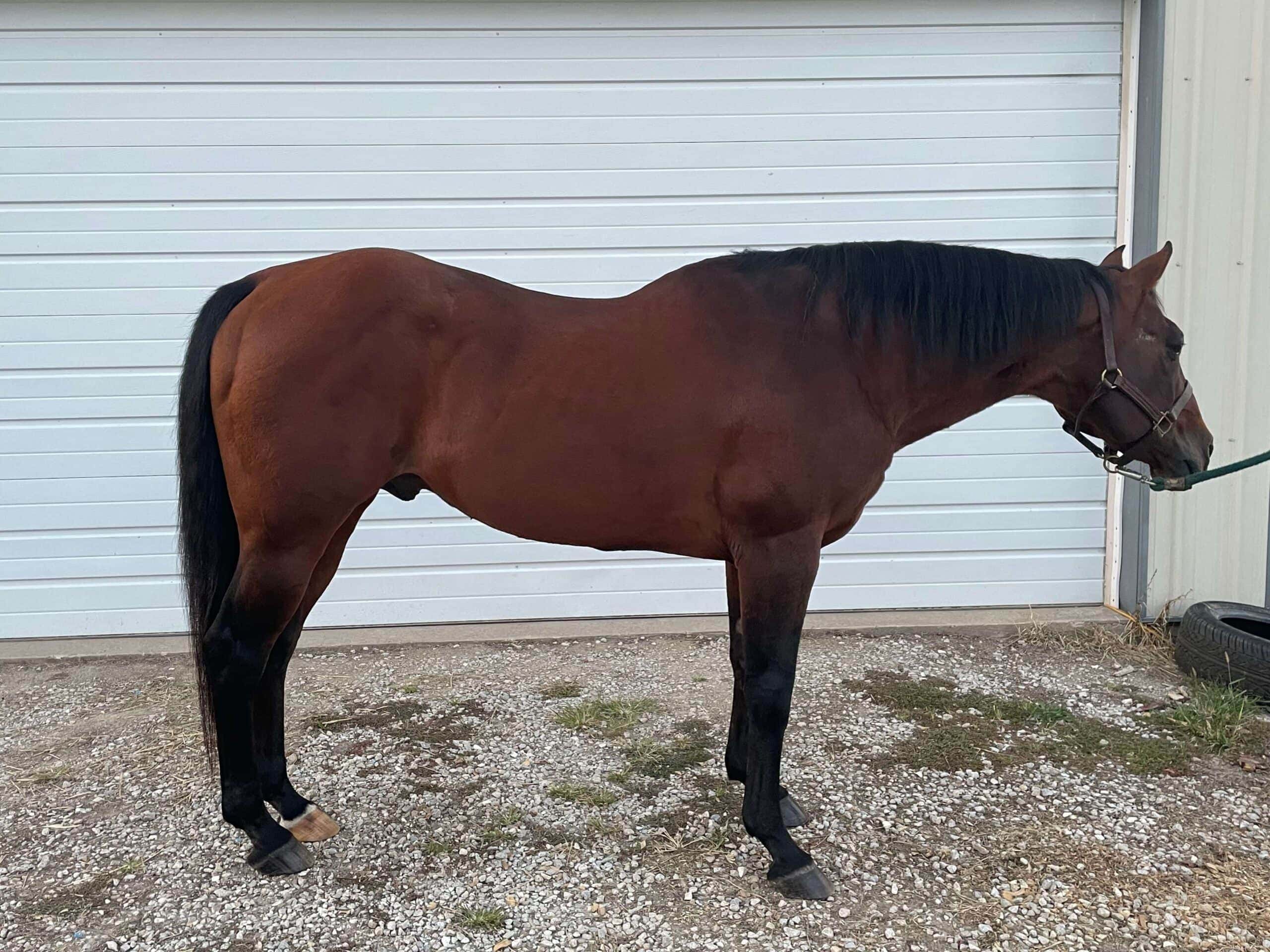 September 2024
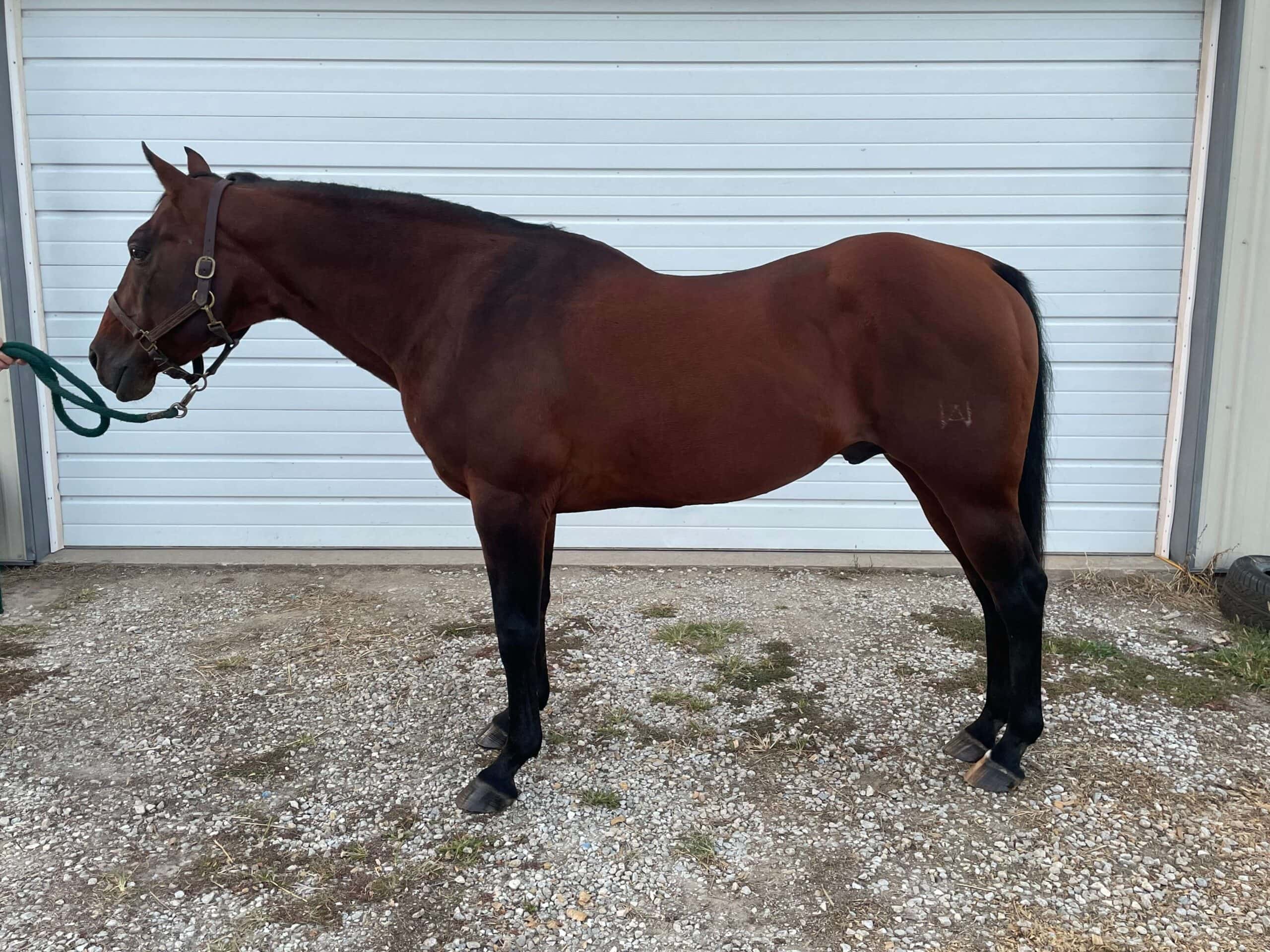 September 2024
Discussion
Gastric ulcers in horses can be difficult to manage because true remission typically requires significant changes to both diet and management, alongside medical treatment.
Further, common treatments for ulcers such as omeprazole can be accompanied by rebound acid hypersecretion once treatment is stopped, leading to ulcer recurrence. This can be mitigated by making appropriate dietary changes to support gastric health. [15]
Certain gut supplements may help support gastric health and reduce risk factors, although horses with ulcers may experience inappetence that makes them less willing to accept new dietary additions. In cases like these, it’s important to make changes slowly, focusing first on balancing the diet to prevent ulcers, then adding supplements as needed.
For Mouse, reducing grain intake enabled discontinuation of ulcer medication without relapse. Additionally, he required fewer total calories to maintain his weight, indicating improved digestive efficiency and a healthier gastric environment.
References
- Nieto. J. E. et al., Prevalence of Gastric Ulcers in Endurance Horses–a Preliminary Report. The Veterinary Journal. Elsevier. 2004.
- Murray. M. J., Equine Model of Inducing Ulceration in Alimentary Squamous Epithelial Mucosa. Digestive Diseases and Sciences. 1994. View Summary
- Galinelli. N. et al., High Intake of Sugars and Starch, Low Number of Meals and Low Roughage Intake Are Associated with Equine Gastric Ulcer Syndrome in a Belgian Cohort. Journal of Animal Physiology and Animal Nutrition. 2021. View Summary
- Hintz. H. F., Nutrition of the Geriatric Horse. Cornell Nutrition Conference for Feed Manufacturers (USA). 1995.
- Latham. C. M. et al., Complexed Trace Mineral Supplementation Alters Antioxidant Activities and Expression in Response to Trailer Stress in Yearling Horses in Training. Scientific reports. Nature Publishing Group UK London. 2021. View Summary
- Chung. E. et al., Potential Roles of Vitamin E in Age-Related Changes in Skeletal Muscle Health. Nutrition Research. Elsevier. 2018.
- Berchtold. M. W. et al., Calcium Ion in Skeletal Muscle: Its Crucial Role for Muscle Function, Plasticity, and Disease. Physiological Reviews. 2000.
- Carvil. P. and Cronin. J., Magnesium and Implications on Muscle Function. Strength & Conditioning Journal. LWW. 2010.
- Ireland. J. L. and McGowan. C. M., Epidemiology of Pituitary Pars Intermedia Dysfunction: A Systematic Literature Review of Clinical Presentation, Disease Prevalence and Risk Factors. The Veterinary Journal. Elsevier. 2018.
- Bertone. A. L., Joint Physiology: Responses to Exercise and Training. Equine Exercise Physiology the Science of Exercise in the Athletic Horse. 2008.
- Vidal. G. H. et al., Effects of Copper and Zinc on Cathepsin B Activity in Equine Articular Chondrocytes.. 2009.
- Malone. E. D., Managing Chronic Arthritis. Veterinary Clinics: Equine Practice. Elsevier. 2002. View Summary
- Manhart. D. R. et al., Markers of Inflammation in Arthritic Horses Fed Omega-3 Fatty Acids. The Professional Animal Scientist. Elsevier. 2009.
- Marañón. G. et al., The Effect of Methyl Sulphonyl Methane Supplementation on Biomarkers of Oxidative Stress in Sport Horses Following Jumping Exercise. Acta Veterinaria Scandinavica. 2008. View Summary
- Luthersson. N. et al., Effect of Changing Diet on Gastric Ulceration in Exercising Horses and Ponies after Cessation of Omeprazole Treatment. Journal of equine veterinary science. Elsevier. 2019. View Summary