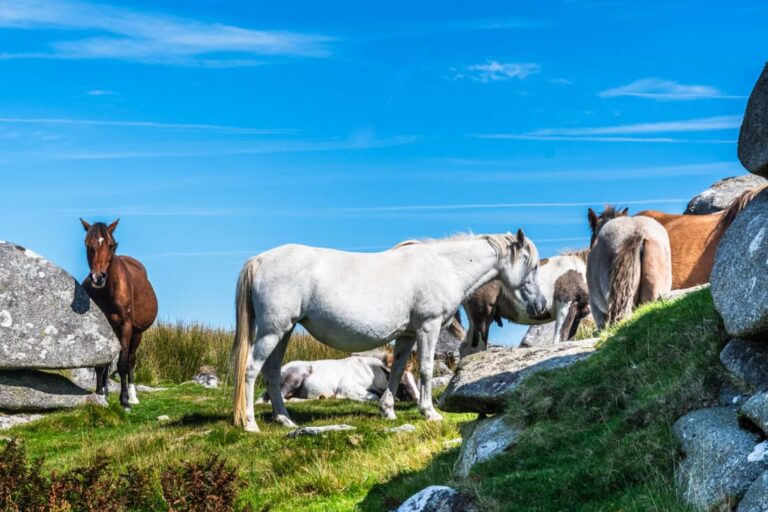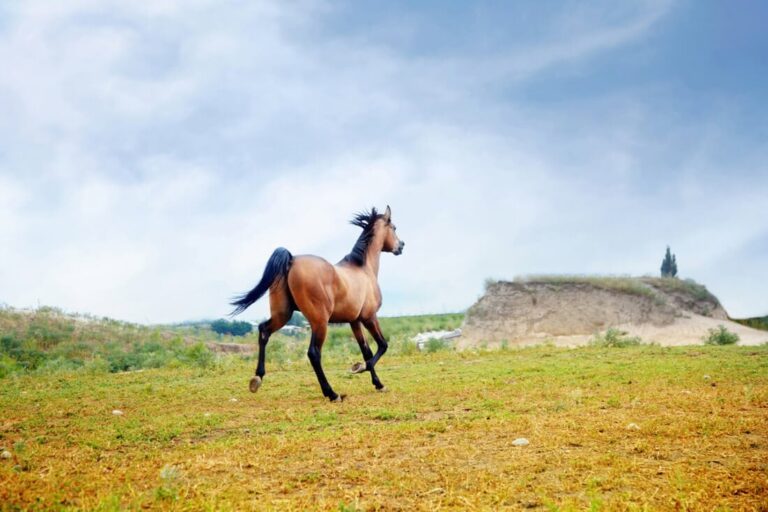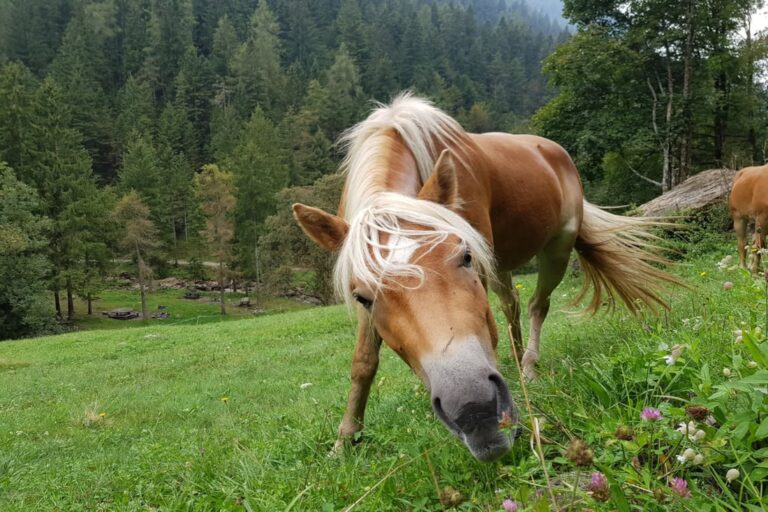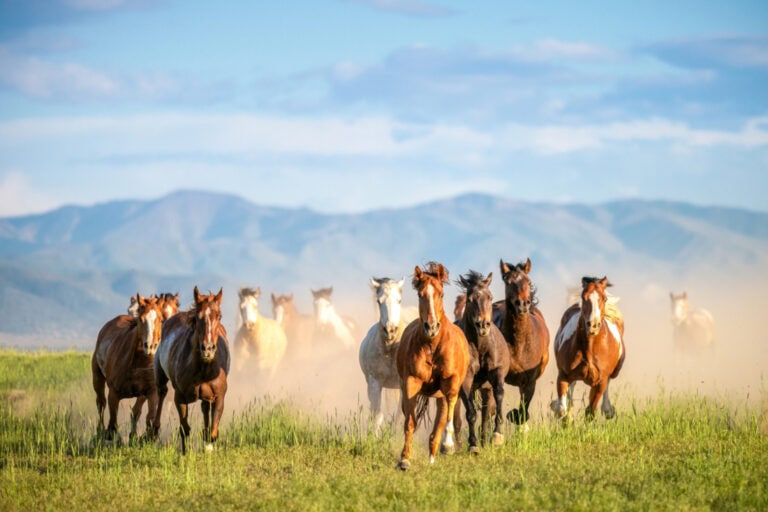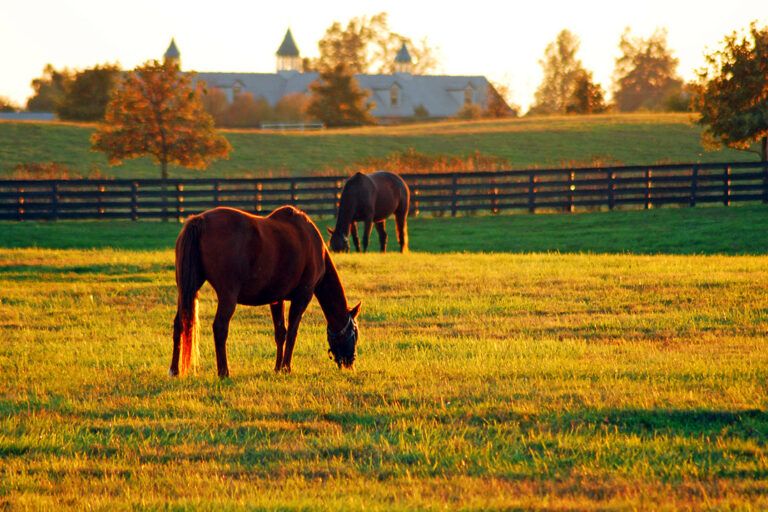
Wild or feral horses spend most of their day grazing on a variety of grasses, shrubs, and other natural forage, carefully selecting plants to meet their nutritional needs. In contrast, domestic horses are often provided with concentrated feeds, hay, and...
Behavior
Adopting a wild horse requires forethought, long-term commitment, and respect for horses' nautral instincts. For experienced equestrians looking for a unique partnership, adopting a wild horse offers the chance to participate in the preservation of an iconic species and engage...
As riders, we are constantly working to improve our skills for both ourselves and our horses. We know that our actions in the saddle can be the difference between a 12-fault round and a flawless double clear. We want to...
Cold-backed behavior in horses is a common yet often misunderstood issue that can significantly affect a horse’s comfort, performance, and overall well-being. Whether the horse reacts to being saddled, shows stiffness during warm-up, or seems resistant under saddle, identifying and...
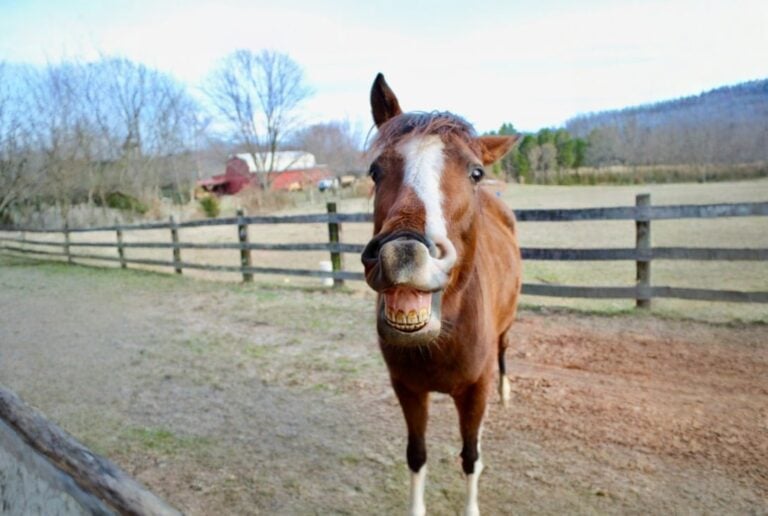
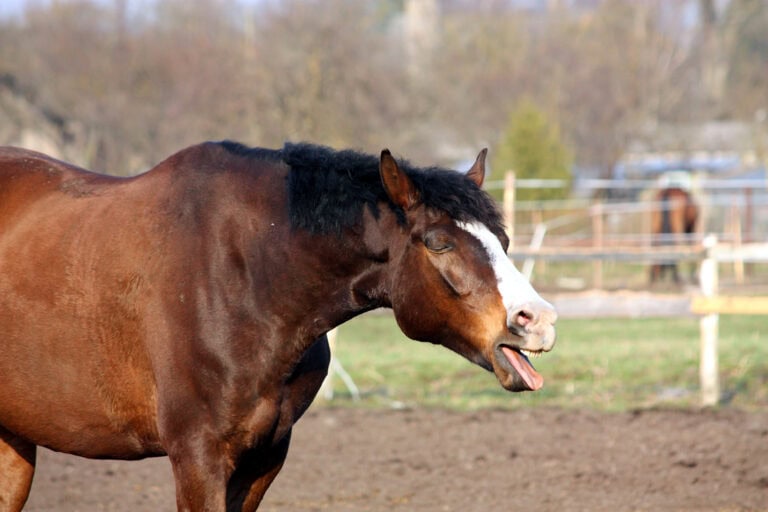
Horses are expressive animals, and one of their most distinctive facial behaviors is the dramatic lifting of the upper lip, often accompanied by a pause and a faraway look. This behavior, known as the flehmen response—sometimes called lip curling or...
Understanding how horses perceive their surroundings allows owners and riders to apply effective training methods, calm and consistent handling, and sound management strategies. This guide covers the main causes of spooking, techniques to build confidence, and practical steps for managing...
Food is one of the strongest motivators for horses, influencing their daily routines, interactions, and relationships with both humans and other horses. In some herds, mealtimes can lead to unwanted or even dangerous behavior that creates tension or conflict. Food...
Horse handling is one of the most routine and hazardous activities that takes place in any barn environment. Whether you're leading a quiet gelding to turnout or managing a fresh young horse on a cold morning, every interaction carries some...
Understanding equine personality is essential for building strong relationships with horses and ensuring effective training, care, and welfare. Horses possess unique temperaments and behaviors that influence their interactions with the world. Recognizing the genetic and environmental influences of these traits...
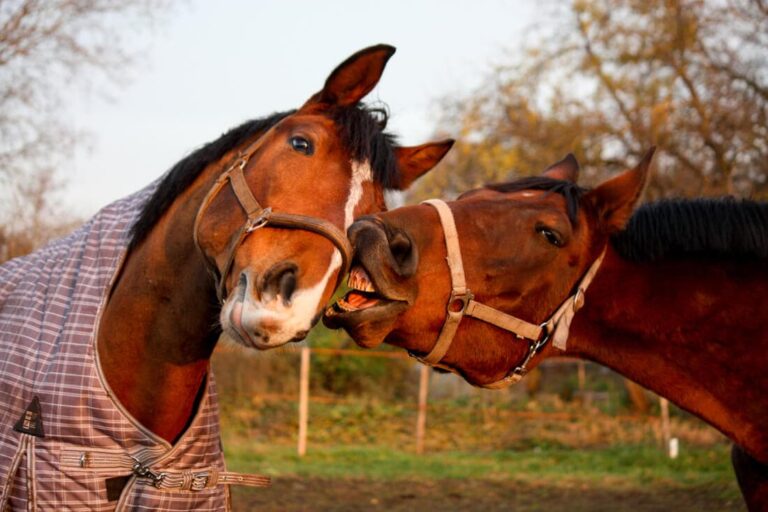
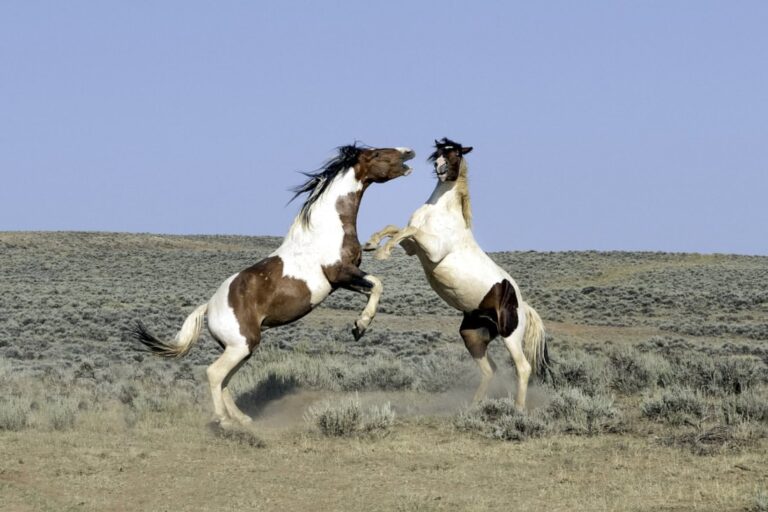
Recognizing the underlying causes of aggression is crucial to preventing dangerous situations and fostering positive human-horse interactions. Understanding the root causes of aggressive behavior and implementing effective management strategies are essential for ensuring the safety and well-being of both horses...
Horses are intelligent and perceptive animals. Through proper training, we can teach them to do all sorts of incredible things – from fun tricks to complex dressage movements, the possibilities are almost endless. The horse’s brain is very different from...
The equine brain is a complex organ responsible for processing sensory information, controlling movement, and managing emotions. Unlike humans, whose brains are heavily developed for logical reasoning and problem-solving, horses rely more on instinct and sensory perception. Their brains are...
Headshaking is a concerning behavior in horses. This condition can be triggered by disorders or injury of the head or neck, harsh riding techniques, and a number of other causes. Headshaking is considered a normal behavior if it only occurs...
Clicker training has revolutionized how we connect with animals, offering a communication tool that fosters trust, understanding, and cooperation. While widely recognized for its success with dogs, this positive reinforcement method is gaining traction in the equestrian world, proving to...
Ring sour refers to resistance or frustration behaviors in performance horses, often occurring during ring work in training or competition settings. Horses, like humans, can become frustrated by difficult, repetitive tasks, especially when the task lacks variety or causes confusion...
Every 2 years, equine professionals gather at the Equine Science Society (ESS), an international meeting, to share new research and exchange ideas. The first ESS meeting was held in 1960 and included a group of 27 equine nutritionists and physiologists...
It’s a situation that many equestrians know well – it’s a beautiful day and you’ve decided to take your horse on a hack, just the two of you. But the peace and serenity doesn’t last long as your horse begins...
Spookiness refers to a sudden and frequently exaggerated reaction to a perceived threat. Spooky behavior can manifest in several different ways, including bolting, spinning, jumping, or freezing in place. Spooking is a natural behavior that has its roots in the...
Around the world, there's a growing demand for a shift in the equine industry towards prioritising the health and well-being of domestic horses, a movement that has reached a pivotal moment. Stakeholders within the industry, including horse owners, professionals, regulators...
Keeping stallions happy, healthy, and appropriately managed requires an understanding of their unique behavior compared to mares and geldings. Stallions often exhibit instinctive behaviors shaped by evolutionary pressures and social dynamics in the wild. Contrary to their natural environment with...
Horses evolved as a social prey species who were able to survive in a variety of environments due to their adaptability and ability to roam long distances in search of food and water. [ref n="1"] The adaptable nature of horses...
The Ridden Horse Pain Ethogram (RHPE) is a list of 24 behaviours associated with musculoskeletal pain in the ridden horse. Dr. Sue Dyson et al. developed this ethogram as a means of identifying low-grade lameness and horses experiencing discomfort during...
Wood chewing is one of several types of stereotypic behaviors or habits that horses can develop. Stereotypic behaviors, often referred to as stereotypies, are repetitive behavior patterns with no apparent function. They may develop out of boredom or they may...
Modern domestic horses have very different lifestyles than their wild ancestors. While keeping horses in stalls is convenient for humans, confinement can be detrimental for animals who evolved to graze and walk throughout the day. Turning horses out to pasture...
Box walking, stall circling and weaving are examples of locomotor stereotypic behaviours in horses. They are believed to be caused by a lack of freedom to express natural equine behaviours. Over time, stall walking and weaving can have negative physical consequences such as...
Weaving is a locomotive stereotypic behaviour typically seen in stabled horses. It is estimated that between 3 to 10% of horses kept in stables weave. The expression of this behaviour involves repetitive shifting of body weight from one front leg...
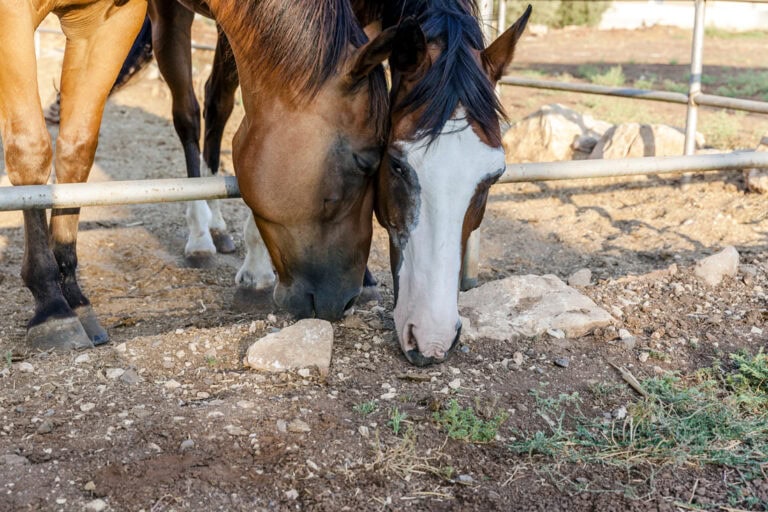
Has your horse started eating or licking the soil? The ingestion of soil in animals is referred to as geophagia. The reason some horses eat dirt is not fully understood. But the behavior is thought to serve a nutritional purpose...
Windsucking is an oral stereotypic behavior performed by horses. It is closely related to cribbing, but they are distinct behaviors. Horses windsuck by arching their necks and using their mouth to suck air into the cranial esophagus. The horse will...
Is your horse showing signs of girthiness? Also known as girth aversion or cinch sensitivity, horses that are girthy express signs of discomfort when they are being saddled. A girthy horse may respond to having a girth tightened by expressing...
The internet is full of criticism and judgment about what we do wrong with our horses. We’re often told that we aren’t good enough because we don’t jump high enough, don’t ride well enough, or can’t afford the most expensive...