English











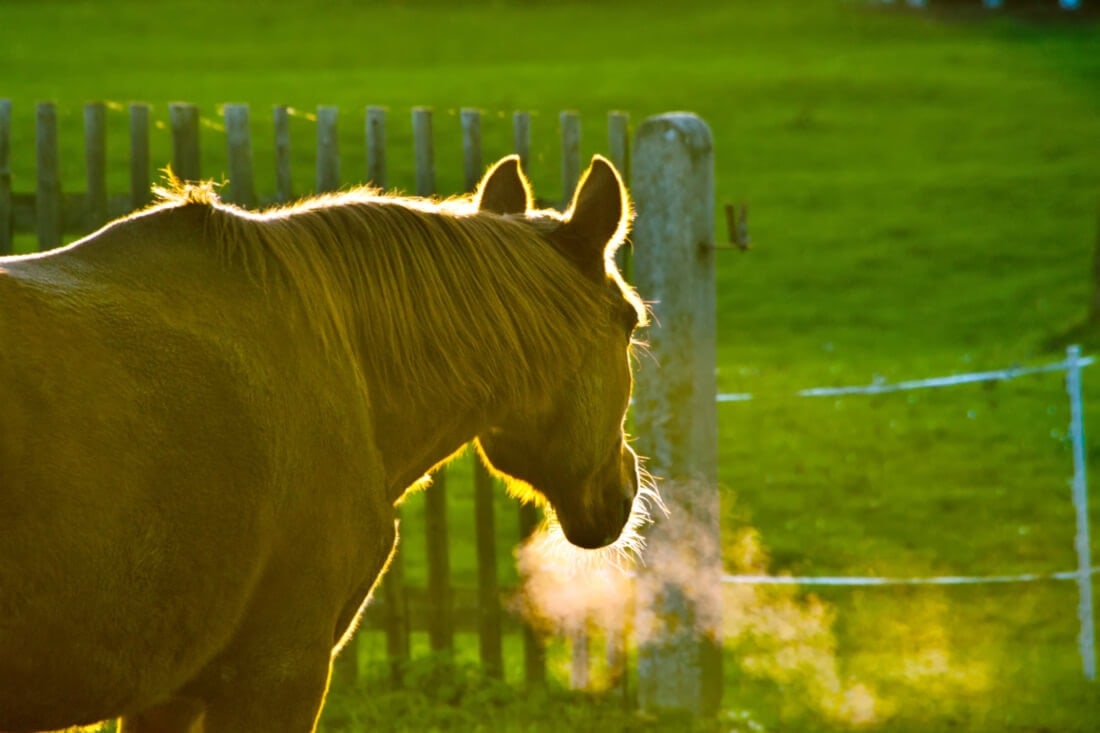
Breathing is an automatic process that is essential to a horse’s survival — but it’s often overlooked, until something goes wrong. Dyspnea, the clinical term for difficult or labored breathing, is a serious warning sign that demands immediate attention.
When a horse struggles to breathe, you may notice rapid flank movements, flared nostrils, or audible wheezing. The causes can range from mild irritation to life-threatening conditions. Early recognition and veterinary intervention are critical for a positive outcome.
From short-term airway issues to chronic lung disease, knowing how to spot and respond to breathing problems is a key skill for any horse owner or caretaker.
Keep reading to learn what causes dyspnea in horses, how to identify it, how it connects to other breathing issues, and what to do when a horse is in respiratory distress.
Dyspnea in Horses
Dyspnea, defined as difficult or labored breathing, is a serious clinical sign in horses. In veterinary medicine, this symptom is commonly referred to as respiratory distress, as it not only involves increased respiratory effort but also visible signs of discomfort and agitation. [1][2][3]
In many cases, dyspnea indicates a serious dysfunction of the respiratory system. Horses with difficulty breathing present with audible and visible signs of struggling to move air in and out of the lungs, even at rest.
However, it’s important to recognize that not all horses with signs of dyspnea have disease originating from the lungs or respiratory tract. Severe pain and other forms of physical stress can lead to rapid, shallow, or labored breathing as the body attempts to compensate for deficits in oxygen delivery.
It’s also important to distinguish respiratory distress from increased rate due to exercise or excitement. While a healthy horse may breathe faster after exertion, breathing in this case remains smooth and controlled.
In contrast, dyspnea occurs when there is disease or dysfunction. Breathing becomes a conscious, energy-demanding effort rather than an effortless, automatic function.
Examples of non-pulmonary conditions that can lead to respiratory distress in horses include: [1][2][3]
- Anemia or severe blood loss
- Metabolic acidosis
- Hyperthermia (Heat Stress)
- Laminitis
- Exertional rhabdomyolysis (Tying Up)
- Colic
- Strangles
Types of Dyspnea
Dyspnea in horses can be categorized based on the phase of the respiratory cycle during which the breathing difficulty occurs. The three main types include: [1][2][3]
- Expiratory dyspnea – difficulty during exhalation
- Inspiratory dyspnea – difficulty during inhalation
- Mixed dyspnea – difficulty during both inhalation and exhalation
Expiratory Dyspnea
Expiratory dyspnea is typically caused by obstruction of the small airways within the thoracic (chest) cavity, as seen in equine asthma.
In healthy lungs, these small airways contribute minimally to overall air resistance and are held open during inhalation by negative pressure. During exhalation, the pressure within the chest increases, reducing the diameter of the airways. [1][2][3]

“Dyspnea in horses looks like rapid, shallow breathing, flared nostrils, with obvious abdominal effort. Dyspnea is never normal and indicates something serious, potentially even life-threatening, is going on. A prompt veterinary exam provides the best chance of a positive outcome.”
— Dr. Fran Rowe DVM, PASMad Barn Veterinary Nutritionist
In horses with inflamed or narrowed airways, this pressure change results in collapse of the airways. The horse must use abdominal muscles to forcefully exhale, often increasing inhalation volume to compensate. [1][2][3]
Inspiratory Dyspnea
This form of dyspnea is usually associated with non-fixed obstructions of the upper airways outside the thorax, such as the larynx or trachea.
Conditions like bilateral laryngeal paralysis or dorsal displacement of the soft palate can lead to upper airway collapse during inhalation due to the negative pressure created by obstruction in the throat. This not only restricts airflow but often results in abnormal respiratory noise. [1][2][3]
Mixed Dyspnea
Mixed dyspnea describes difficulty breathing during both inhalation and exhalation. This form typically results from fixed obstructions within the upper airways.
These can include space-occupying lesions such as: [1][2][3]
- Nasal septum deviations
- Ethmoid hematomas
- Pharyngeal cysts
- Enlarged lymph nodes
- Guttural pouch disease
- Masses in the larynx and trachea
Since these obstructions do not change position throughout the respiratory cycle, the horse struggles with both phases of breathing, often emitting consistent upper respiratory noise. [1][2][3]
What's your top priority with your horse's health?

Enter your email to receive your store credit
Recognizing Breathing Problems in Horses
Since horses are obligate nasal breathers — meaning they can only breathe through their noses and not their mouths — any compromise in their respiratory system is rapidly apparent. The signs of dyspnea in horses are often striking and easy to recognize once you know what to look for.
Key signs of dyspnea in horses include: [3]
- Increased respiratory effort: Often the first noticeable sign; horses may visibly flare their nostrils and show exaggerated chest or abdominal movements with each breath.
- Movement of the flanks or abdomen: The horse’s abdomen may heave dramatically during exhalation, especially in cases of lower airway disease.
- Audible respiratory noises: Wheezing, rattling, gurgling, “roaring,” or snoring-like sounds often accompany dyspnea, particularly if airway obstruction is present.
- Cyanotic (bluish) mucous membranes: In severe cases, lack of oxygen results in bluish discoloration of the gums, tongue, or inside the nostrils; this is a critical emergency sign.
- Reluctance to move: Horses struggling to breathe may avoid moving and resist handling to conserve oxygen.
- Extended posture: Horses in respiratory distress often adopt an extended head and neck position to maximize airway opening.
- Anxiety and restlessness: Oxygen deprivation causes panic and agitation, which can further exacerbate breathing difficulties.
Equine Breathing Patterns
Breathing patterns in horses offer valuable insight into their overall health. By closely watching the rate, depth, and effort of each breath, you can tell normal respiration from warning signs.
Recognizing these abnormal patterns early allows owners and caregivers to seek veterinary care before subtle changes develop into serious problems.
Table 1. Guide to Equine Breathing Patterns [1]
| Breathing Pattern | Description | Associated Conditions |
|---|---|---|
| Eupnea | Normal, effortless breathing | Healthy horses |
| Tachypnea | Rapid, shallow breathing | Pain, fever, respiratory disease |
| Hyperpnea | Deep, rapid breathing (e.g., exercise) | Normal during work, abnormal at rest |
| Dyspnea | Labored, distressed breathing | Severe respiratory or cardiac disease |
| Apnea | Cessation of breathing | Extremely serious, emergency |
Note: Dyspnea is distinguished by increased effort, not just increased rate.
How to Check a Horse’s Respiratory Rate
It’s useful for owners to keep track of their horse’s normal breathing rate at rest to establish a baseline before changes occur. To accurately measure your horse’s respiratory rate, follow these steps: [4]
- Monitor flank or nostril movement: Stand beside your horse and watch the area just behind its ribs for the rise and fall of each breath. Alternatively, gently place your hand in front of one nostril to sense the airflow.
- Time the breathing cycle: Employ a stopwatch or any clock with a second hand to ensure an exact count.
- Count full cycles for 30 seconds: One cycle equals one inhalation plus one exhalation. While some prefer tallying inhalations only, counting complete cycles gives the most reliable result.
- Convert to breaths per minute: Double the 30-second total to calculate the standard breaths-per-minute rate.
Tip: For even greater precision, use a stethoscope to listen directly over the trachea—either just below the throat latch or along the chest wall where respiratory sounds are clearest.
 Breathing Check over Trachea
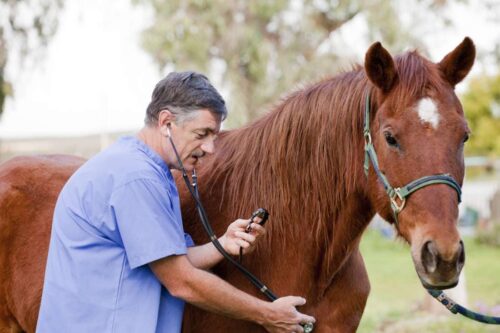
To listen over the lungs, place your stethoscope between two ribs of the horse, approximately halfway down their ribcage and halfway up their body. [1] Listen carefully, as lung sounds are typically very quiet.
 Breathing Check over Lung
Table 2. Equine breathing assessment guidelines
| Urgency | Observation |
|---|---|
| Safe Healthy Horse |
|
| Caution Seek Veterinary Care ASAP |
|
| Urgent Seek Emergency Veterinary Care |
|
It’s best to record your horse’s respiratory rate when they are completely relaxed and standing quietly. Any excitement, stress, or recent exertion increases respiration, which may distort your baseline measurement.
By routinely noting your horse’s resting respiratory rate, you create a clear “normal” reference. When you know what to expect at rest, any unexpected rise in breathing rate stands out immediately, allowing you to seek veterinary care at the earliest sign of trouble.
Table 3. Quick Reference: Equine Breathing Assessment [4]
| Feature | Normal at Rest | Concerning Signs |
|---|---|---|
| Respiratory rate | 8–15 breaths per minute | Over 20 breaths per minute at rest |
| Breathing effort | Smooth, with mild abdominal motion | Labored, with exaggerated movements |
| Nostril movement | Subtle or minimal | Pronounced, wide flaring continuously |
| Audible sounds | None or very soft | Wheezing, rattling, gurgling sounds |
| Posture | Relaxed | Extended neck, reluctance to move |
Emergency First Aid
If a horse is showing signs of dyspnea, handlers should stay calm and act quickly. Minimize stress by keeping the horse as quiet and still as possible. Speak softly and avoid crowding or unnecessary handling, which can worsen anxiety and breathing effort. [5]
If the horse can be moved safely without additional distress, relocate them to an open, well-ventilated area free of dust and contaminants. Fresh air can make a significant difference in early management.
Do not force the horse to walk or exert themself. Movement increases oxygen demand which can make breathing even more difficult. [5]
Causes
Dyspnea is not a diagnosis—it’s a warning sign that something is interfering with a horse’s ability to breathe normally.
The underlying causes generally fall into three main categories: pulmonary disorders, systemic imbalances, and toxin exposure. Each requires a different approach to diagnosis and treatment.
Pulmonary Conditions
Since horses are obligate nasal breathers, any disruption to their respiratory tract can quickly lead to breathing difficulty.
Respiratory causes of dyspnea are the most common in horses and can affect either the lower or upper airways. Equine respiratory conditions that can lead to dyspnea include: [1][6][7][8][9]
- Recurrent Airway Obstruction (RAO): Also known as “heaves,” RAO is a chronic respiratory condition most often seen in mature horses. RAO is a form of equine asthma and causes inflammation and narrowing of the small airways, combined with thick mucus production. This makes exhalation especially difficult, leading to a characteristic “heave line” along the horse’s abdomen and pronounced dyspnea at rest or after minimal exercise. Horses with RAO often present with coughing, nasal discharge, and exaggerated abdominal breathing.
- Inflammatory Airway Disease (IAD): Affecting younger performance horses, IAD causes subtle inflammation of the lower airways. While many horses with mild IAD may show only poor performance or occasional coughing, more severe cases can present with exercise-induced dyspnea.
- Strangles: Caused by infection by Streptococcus equi bacteria, strangles leads to abscess formation around the lymph nodes of the throat, potentially compressing the airway and obstructing breathing.
- Foreign Body Obstruction: Inhalation of foreign materials into the airway can cause immediate, severe inspiratory dyspnea.
- Pulmonary Edema: Refers to the accumulation of fluid within the lung tissue and airways. It severely compromises gas exchange, leading to dyspnea, coughing, frothy nasal discharge, and sometimes cyanosis. Causes of pulmonary edema include heart failure, severe respiratory infections, smoke inhalation, or strenuous exercise-induced pulmonary hemorrhage.
Systemic Conditions
Dyspnea in horses doesn’t always originate from the respiratory tract. In some cases, increased respiratory effort is a compensatory response to systemic imbalances or conditions affecting oxygen transport or metabolic function. [10]
These non-pulmonary causes of dyspnea must be considered when respiratory distress occurs in the absence of primary lung or airway disease.
Among the non-pulmonary causes of labored breathing is anemia, a condition in which the oxygen-carrying capacity of the blood is reduced due to a low red blood cell count or a hemoglobin deficit.
Even if the lungs are functioning normally, tissues may not receive adequate oxygen, prompting the horse to increase its breathing rate and effort to compensate. [10]
Other non-pulmonary conditions that can lead to dyspnea in horses include: [10]
- Metabolic acidosis: Occurs when the body accumulates excess acid or loses bicarbonate, disrupting the blood’s pH balance. Affected horses attempt to correct this through respiratory compensation in an effort to eliminate carbon dioxide and restore acid-base equilibrium.
- Hyperthermia: Whether due to fever, intense exercise, or hot environmental conditions, high body temperature increases metabolic demand and oxygen consumption, which increases respiration. If the horse is unable to cool down sufficiently, this can lead to panting or labored breathing.
- Severe Pain: Conditions associated with serious pain and inflammation, like laminitis and colic, can also lead to difficulty breathing in horses. In these cases, elevated stress hormone levels, systemic inflammation, and altered cardiovascular function contribute to increased respiratory effort. Pain may also inhibit effective diaphragm or thoracic movement, further complicating breathing.
Toxicosis (Poisoning)
Certain toxins and poisons can cause or contribute to dyspnea in horses by affecting the lungs, nervous system, or cardiovascular function. These exposures may be:
- Environmental: Ingestion or inhalation of toxic plants or chemicals
- Iatrogenic: Of medical origin. Iatrogenic toxicity is usually a result of medication overdose or misuse
- Accidental: Exposure through contaminated feed or water
Recognizing toxic causes is essential, particularly in acute or unexplained cases of respiratory distress.
Common toxic substances and sources that may cause dyspnea in horses include: [11]
- Black locust (Robinia pseudoacacia): Ingestion of bark, leaves, or seeds from this tree can lead to colic, weakness, and respiratory difficulty due to its cardiotoxic and neurotoxic effects.
- Boxelder (Acer negundo): Seeds of this tree can cause seasonal pasture myopathy, which impairs muscle function including the respiratory muscles, resulting in labored breathing and weakness.
- Cardiotoxic plants: Plants such as yew and oleander disrupt heart function, potentially leading to pulmonary edema and secondary dyspnea.
- Cyanide-containing plants: Sorghum and Sudan grasses can contain high levels of cyanide, which inhibits cellular respiration. This prevents oxygen use despite adequate ventilation, resulting in acute respiratory distress, bright red mucous membranes, and rapid death if not treated.
- Narrowleaf milkweed (Asclepias fascicularis): Contains toxins that interfere with cardiac and nervous system function, potentially causing collapse and respiratory compromise.
- Yew: Ingestion can cause sudden cardiac failure and dyspnea due to its potent cardiotoxic alkaloids.
- Pyrrolizidine alkaloids: Found in plants like ragwort, these compounds damage the liver over time. In advanced cases, ragwort poisoning can lead to hepatic encephalopathy with labored breathing secondary to metabolic compromise.
- Selenium: Acute or chronic selenium poisoning can cause respiratory signs, particularly in conjunction with neuromuscular or cardiovascular effects.
- Smoke inhalation: Exposure to wildfire or barn fire smoke leads to airway inflammation, pulmonary edema, and impaired gas exchange. Horses may exhibit coughing, nasal discharge, and severe dyspnea.
- Spiders: Bites from certain spider species can cause systemic reactions, including respiratory distress, especially if the toxin leads to anaphylaxis or paralysis.
Chemical toxins that horses are at risk of exposure to include: [11]
- Organophosphate and Carbamate Pesticides: These chemicals inhibit cholinesterase, leading to excessive stimulation of the parasympathetic nervous system. Signs include bronchoconstriction, excessive ocular and nasal secretions, and labored breathing.
- Paraquat and Diquat: These herbicides are particularly dangerous because they accumulate in the lungs and cause oxidative damage, leading to pulmonary fibrosis (scarring) and dyspnea.
- Phosphides: Often found in rodenticides or fumigants, phosphide ingestion produces toxic phosphine gas in the stomach, leading to respiratory failure and collapse.
- Fertilizers and Herbicides: Inhalation or ingestion of certain formulations may cause irritation or damage to lung tissue, particularly if combined with poor ventilation or high concentrations.
Timely recognition of unusual plant material, recent chemical applications, or unusual behavior such as sudden collapse, severe dyspnea, or uncoordinated movement can help veterinarians diagnose toxicosis more rapidly.
Early treatment may involve decontamination, supportive care, antidotes (when available), and respiratory support.

Diagnosis
Since dyspnea in horses can be caused a number of underlying conditions, veterinarians rely on a combination of diagnostic approaches to pinpoint the source of the breathing difficulty.
Diagnostic tools and techniques may include: [2]
- Medical history
- Physical exam
- Diagnostic imaging, such as ultrasound
- Endoscopy
- Bronchoalveolar lavage, where the airways are flushed with fluid and samples are sent for analysis
- Blood work, including arterial blood gas analysis to assess effectiveness of gas transportation in the body
In cases of severe dyspnea, stabilizing the horse takes precedence over completing the full diagnostic workup. Securing the airway, administering oxygen, and reducing respiratory effort are immediate goals before proceeding with detailed testing.
Quick, calm, and appropriate action — paired with prompt veterinary support — gives the horse the best chance of recovering from respiratory distress.
Managing & Preventing Respiratory Stress
Good management practices are essential for preventing respiratory conditions that can lead to dyspnea in horses. Many respiratory diseases, such as equine asthma, are strongly influenced by the horse’s living environment.
Even healthy horses may develop respiratory distress when repeatedly exposed to poor air quality, dust, mold, or infectious agents.
By improving daily management, horse owners can significantly lower the risk of respiratory stress while boosting their horse’s overall health and performance. Key strategies for maintaining a healthy environment include:
- Maintain ventilation: Constant airflow in barns and stables prevents buildup of dust, mold spores, ammonia fumes, and infectious particles
- Soak or steam hay: By wetting hay or using a commercial steamer, owners can substantially reduce airborne irritants in hay.
- Choose low-dust bedding: Wood shavings and pellets are less dusty than other types of bedding like straw or sawdust. For horses with respiratory sensitivities, switching to a low-dust option can make a big difference in their quality of life.
- Clean stalls frequently: Regular removal of urine and manure prevents ammonia accumulation, which can irritate the respiratory tract and predispose horses to airway inflammation.
- Maximize turnout time: Outdoor time provides horses with greater exposure to fresh air and natural ventilation, reducing time spent breathing indoor air pollutants.
- Store feed appropriately: Hay, supplements, treats, and grain are all at risk of contamination from rodents, mold, and moisture if not stored properly. Keeping animal feed stored in closed containers with adequate pest control helps safeguard overall health.
In addition to environmental management, nutritional strategies can help maintain normal lung function. Mad Barn’s NOCR is a respiratory health supplement formulated with herbs and antioxidants to support comfortable breathing and efficient oxygen delivery.

You should also work with your veterinarian to maintain your horse’s vaccination, deworming, and dental floatation schedule.
By keeping up to date with these mainstays of equine health care, you provide the best chance of catching medical concerns before they progress to more serious conditions.
Frequently Asked Questions
Here are some frequently asked questions about dyspnea in horses:
An increased respiratory rate, known as tachypnea, refers to faster breathing and can occur during high temperatures, excitement, or mild discomfort. It does not necessarily indicate a serious problem. Dyspnea, on the other hand, is defined by increased effort during breathing—such as consistent nostril flaring, abdominal heaving, and posture changes—and always signals a more significant underlying issue. Dyspnea can occur with or without an increased respiratory rate and typically reflects respiratory or cardiovascular compromise.
If your horse has difficulty breathing, keep them as calm and quiet as possible. Stress and movement can further increase respiratory effort, so avoid forcing the horse to walk or handling them unnecessarily. Do not administer medications or attempt emergency procedures unless specifically instructed by a veterinarian. Observing and clearly communicating the horse's symptoms can help guide the veterinarian's response and improve outcomes.
Ensure barns and stables have cross-ventilation and minimal dust buildup. Soak or steam hay before feeding to lower airborne particulates. Use low-dust bedding materials and remove manure and wet bedding daily to prevent ammonia accumulation. Maximize turnout time so horses spend more hours in fresh air. Maintain vaccination protocols against equine influenza and herpesvirus to reduce infectious triggers. For horses with known sensitivities (e.g., equine asthma), consider allergen-avoidance measures such as storing feed in sealed containers and using air filtration systems in stall areas.
Summary
Dyspnea, or difficulty breathing, is one of the clearest signs that something is seriously wrong with a horse's respiratory or cardiovascular system. By learning to recognize dyspnea and understanding the possible causes, horse owners can take swift action to protect their horse’s health.
- Horses with difficulty breathing, showing abdominal effort, require emergency veterinary attention
- Difficulty breathing is associated with many serious equine health conditions, including poisoning
- Horses with mild respiratory issues like heaves or inflammatory airway disease are at risk of breathing difficulties if not managed properly
- Management strategies to promote overall respiratory health include ensuring adequate barn ventilation, soaking or steaming hay, maintaining stall hygiene, and maximizing turnout
References
- Ainsworth. D. M. and Hackett. R. P., DISORDERS OF THE RESPIRATORY SYSTEM. Equine Internal Medicine. 3rd ed. Elsevier, Saunders.
- Rush. B. and Mair. T., Equine Respiratory Diseases. Blackwell Science. 2004.
- Munroe. G. and Menzies-Gow. N., Respiratory: Dyspnea in Horses (Equis). Vetlexicon.
- How to Take Your Horse’s Vital Signs. PennState Extension. 2023.
- Paul Pion. D. V. M. and Spadafori. G., First Aid for Dyspnea. VIN.com. 2017.
- Young. A., Strangles | School of Veterinary Medicine. 2020.
- Lascola. K. M. and Boone. L., Asthma in Horses - Respiratory System. Merck Veterinary Manual. 2024.
- Baxter. R. et al., Esophagus: Obstruction in Horses (Equis). Vetlexicon.
- Couetil. L. et al., Equine Asthma: Current Understanding and Future Directions. Frontiers in Veterinary Science. 2020. View Summary
- Reed. S. M. et al., Equine Internal Medicine. 3rd ed. Saunders Elsevier, St. Louis, Mo. 2010.
- Hovda. L. R., Blackwell's Five-Minute Veterinary Consult Clinical Companion. Equine Toxicology. Wiley Blackwell. 2022.