Analyze Diet
FeedBank
Feed Type

Forages for Horses

View nutrition analyses for different forage sources for horses in the Mad Barn Equine Feed Database. This category includes hay, pasture, haylage, grass forage, legume forage, forage pellets, forage cubes, chopped forage, and other fiber-rich ingredients used in the equine diet.

Compare nutrient profiles for forage sources such as grass hay, alfalfa, mixed hay, pasture, timothy, orchardgrass, bermudagrass, teff, hay cubes, and hay pellets. Review calories, protein, fiber, starch, sugar, minerals, and digestibility to choose forage options that match your horse’s workload, body condition, metabolic needs, and overall feeding program.
Filters
Forage
Clover Pasture
FiberFiber
ForageForage
ProteinProtein
ToplineTopline
Clover pasture is common in North America. This legume plant is high in protein and is a suitable forage source for growing, lactating, or performance horses to meet protein and energy requirements.
Clover Silage – 17% CP 53% NDF
FiberFiber
Hay StretcherHay Stretcher
NutritionNutrition
ProteinProtein
Clover-based silage is a common forage source for dairy cattle in North America but is not often fed to horses. This legume is high in protein and calcium, supporting the needs of lactating animals.
Clover Silage – 19% CP 47% NDF
FiberFiber
Hay StretcherHay Stretcher
NutritionNutrition
ProteinProtein
Clover silage is commonly fed to cattle in North America. It is not typically fed to horses. However, the nutritional profile is appropriate for growing, lactating or performance horses.
Clover Silage – 21% CP 40% NDF
FiberFiber
Hay StretcherHay Stretcher
NutritionNutrition
ProteinProtein
Clover silage is ensiled clover which results in fermentation of the forage. Silage is commonly fed to dairy cattle as a nutrient-dense feed to support lactation. It is not commonly fed to horses.
Congograss (B. ruziziensis) Hay Brazil Fine Chop
FiberFiber
ForageForage
Gut HealthGut Health
NutritionNutrition
Congo grass (B. ruziziensis) is a tropical forage that is fed to ruminants in Africa, Thailand and Brazil. The pasture grass can be chopped for silage or hay.
Congograss (B. ruziziensis) Hay Brazil Medium Chop
FiberFiber
ForageForage
Gut HealthGut Health
NutritionNutrition
Congo grass (Brachiaria ruziziensis) is a tropical forage crop that is native to Africa but can now be found in South America and parts of Asia. This palatable hay provides good nutritional value for ruminants.
Corn Cannery Waste Silage
Caloric EnergyCaloric Energy
ForageForage
GrainsGrains
NutritionNutrition
Corn cannery waste silage is a byproduct of sweet corn processing. Sweet corn waste can be ensiled and fed to cattle.
Corn Silage – 35% DM 41% NDF
FiberFiber
GrainsGrains
NutrientsNutrients
ProteinProtein
Corn silage is a common feed for cattle in North America but is not commonly fed to horses. This feed is high in energy and starch to support fat deposition and lactation in cattle.
Corn Silage – 35% DM 45% NDF
FiberFiber
GrainsGrains
NutrientsNutrients
ProteinProtein
Corn silage is not commonly fed to horses unless other forages are not available. It is a high-energy, high-starch feed appropriate for dairy and beef cattle.
Corn Silage – 35% DM 49% NDF
FiberFiber
GrainsGrains
NutrientsNutrients
ProteinProtein
Corn silage is a high-energy, high-starch feed commonly fed to cattle. Starch content decreases, and fibre content increases as the plant matures. Corn silage is not commonly fed to horses.
Enterolobium Hay Honduras Fine Chop
EnergyEnergy
FiberFiber
ForageForage
ProteinProtein
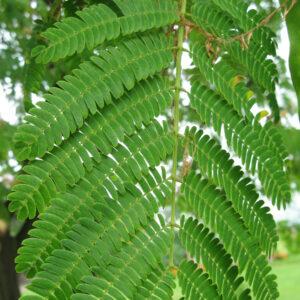
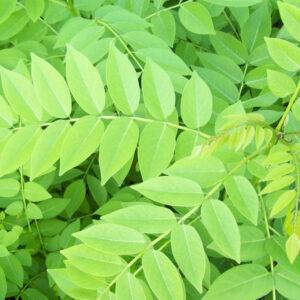
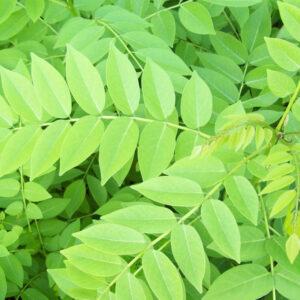
Foilage from the Enterolobium cyclocarpum tree is readily consumed by horses in tropical parts of America. The leaves can also be harvested for hay. This legume forage is a good source of protein and carbohydrates.
Enterolobium Hay Honduras Long
EnergyEnergy
FiberFiber
ForageForage
ProteinProtein
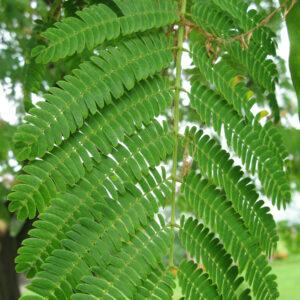
Enterolobium hay comes from the leaves of the Enterolobium cyclocarpum (Guanacaste) tree in tropical America. The hay is palatable to horses and has high protein and NSC content.
Enterolobium Hay Honduras Med
EnergyEnergy
FiberFiber
ForageForage
ProteinProtein
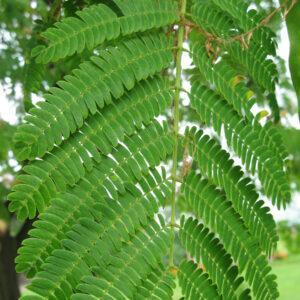
Enterolobium cyclocarpum is a forage tree that grows in tropical America. This legume hay is high in protein and sugar content and can be used to supplement other forage sources.
Erragrostis Hay
FiberFiber
ForageForage
Gut HealthGut Health
NutritionNutrition
Erragrostis Hay (Tef) is a warm-season annual grass native to Ethiopia and now grown in many regions of North America. This fast-growing forage is highly palatable, has variable sugar levels, and is high in nutrients.
Gamba Grass Fresh Mexico Fine
EnergyEnergy
FiberFiber
ForageForage
ProteinProtein
Gamba grass is a tall tropical species of grass. Gamba grass is considered an invasive species in some countries, but provides a valuable source of forage for cattle.
Gamba Grass Fresh Mexico Long
EnergyEnergy
FiberFiber
ForageForage
ProteinProtein
Gamba grass is a tall, dense and leafy grass native to Africa. It grows very rapidly and is drought and fire-resistant. Although it is a good source of pasture for livestock, it is considered an invasive species in some countries.
Gamba Grass Fresh Mexico Medium Chop
EnergyEnergy
FiberFiber
ForageForage
ProteinProtein
Gamba grass is a tall perennial grass and palatable source of forage for livestock species. Originally from Africa, it can now be found worldwide and is considered an invasive species due to its rapid growth and hardy nature.
Gamba Grass Hay Honduras Fine Chop
EnergyEnergy
FiberFiber
ForageForage
ProteinProtein
Gamba grass is a fast-growing perennial grass native to Africa. It is now found worldwide and is used for pasture, hay, or fresh chop.
Gamba Grass Hay Honduras Long
EnergyEnergy
FiberFiber
ForageForage
ProteinProtein
Gamba grass is a perennial grass native to Africa used as a palatable forage for livestock worldwide. Gamba grass is hardy and fast-growing. It can grow up to 4 meters in height.
Gamba Grass Hay Honduras Medium Chop
EnergyEnergy
FiberFiber
ForageForage
ProteinProtein
Gamba grass is a fast-growing leafy grass native to Africa. It is resistant to drought and fire. Although it is a good source of pasture and hay for livestock, it is considered an invasive species in some countries.
Gambagrass Fresh Fertilized Mexico Fine
EnergyEnergy
FiberFiber
ForageForage
ProteinProtein
Gamba grass is a tropical species of grass native to Africa. Gamba grass is a palatable and rapidly growing source of pasture for livestock species.
Gambagrass Fresh Fertilized Mexico Long
EnergyEnergy
FiberFiber
ForageForage
ProteinProtein
Gamba grass is a perennial species of grass, originally from Africa. It is now found worldwide as a source of pasture due to its superior growth rates.
Gambagrass Fresh Fertilized Mexico Med
EnergyEnergy
FiberFiber
ForageForage
ProteinProtein
Gamba grass is a perennial grass native to Africa that is used for forage for livestock worldwide. Gamba grass is palatable, hardy, and fast-growing. It can grow up to 4 meters in height.
Gliricidia Hay Hondorus Fine Chop
EnergyEnergy
FiberFiber
ForageForage
ProteinProtein
Gliricidia (Gliricidia sepium) is a perennial legume tree found in the tropics. It can be fed fresh or as hay to ruminants but is toxic to horses.
Gliricidia Hay Hondorus Long
EnergyEnergy
FiberFiber
ForageForage
ProteinProtein
Gliricidia (Gliricidia sepium) is a perennial legume tree found in the tropics. It can be fed fresh or as hay to ruminants but the leaves are toxic to horses.
Gliricidia Hay Hondorus Medium Chop
EnergyEnergy
FiberFiber
ForageForage
ProteinProtein
Gliricidia (Gliricidia sepium) is a perennial legume tree found in the tropics. The leaves are toxic to horses. It can be grazed or fed as hay to ruminants.
Golden Timothy Hay Brazil Fine Chop
DigestionDigestion
EnergyEnergy
FiberFiber
ForageForage
Golden Timothy Hay (Setaria anceps Stapf.) is a palatable forage for cattle. This tropical grass has good digestibility and is drought resistant.
Golden Timothy Hay Brazil Long
DigestionDigestion
EnergyEnergy
FiberFiber
ForageForage
Golden Timothy, also known as golden millet (Setaria sphacelata var. anceps), is a tropical and subtropical perennial grass used as livestock forage.
Golden Timothy Hay Brazil Medium Chop
DigestionDigestion
EnergyEnergy
FiberFiber
ForageForage
Golden Timothy Grass (Setaria anceps Stapf) is a tropical perennial grass native to West Africa. It is a palatable and digestible forage for cattle.
Grass Silage – 10% CP 67% NDF
FiberFiber
ForageForage
Hay StretcherHay Stretcher
ProteinProtein
Grass silage is used in equine diets as an alternative to hay. Grass harvested at a later maturity has lower crude protein and higher fibre content.
Grass Silage – 16% CP 55% NDF
FiberFiber
ForageForage
Hay StretcherHay Stretcher
ProteinProtein
Grass silage can be used in place of hay in the horse's diet. Grass harvested at an earlier growth stage has higher crude protein and lower fibre content. This silage is suitable for horses with higher protein and energy requirements.
Grass Silage – 20% CP 48% NDF
FiberFiber
ForageForage
NutritionNutrition
ProteinProtein
Grass silage can be used in place of hay in the horse's diet. Grass harvested at an earlier growth stage has higher crude protein and lower fibre content. This silage is suitable for horses with higher protein and energy requirements.
Grass Silage – 7% CP 72% NDF
FiberFiber
ForageForage
Hay StretcherHay Stretcher
NutritionNutrition
Grass silage can be used in equine diets as an alternative to hay. Silage is commonly used when weather conditions limit hay production.
Grass Silage 12% CP 55% NDF
DigestionDigestion
FiberFiber
ForageForage
RespiratoryRespiratory
Grass silage consisting of fermented grasses is a common forage source for ruminants. It can be fed to horses when hay supplies are low. The protein content is low when the plant is harvested at a mature stage of growth.
Grass Silage 12% CP 60% NDF
DigestionDigestion
FiberFiber
ForageForage
RespiratoryRespiratory
Grass silage is a common forage source for ruminants worldwide, but it can be used for horses when hay supplies are limited. The protein content is lowest at older stages of growth.
Grass Silage 14% CP 50% NDF
DigestionDigestion
FiberFiber
ForageForage
RespiratoryRespiratory
Grass silage is produced by fermenting grass and is a common forage source for ruminants. It can be fed to horses when hay supplies are low. Protein content decreases and fibre increases as the plant matures.
Grass Silage 14% CP 55% NDF
DigestionDigestion
FiberFiber
ForageForage
RespiratoryRespiratory
Grass silage harvested at a late or mature stage of growth has higher fibre and lower protein content. It is a common feed for ruminants worldwide. Horses can also be fed grass silage when hay supplies are low.
Grass Silage 16% CP 45% NDF
DigestionDigestion
FiberFiber
ForageForage
RespiratoryRespiratory
Grass silage is produced by harvesting grass and fermenting it in oxygen-deprived conditions. It is fed to ruminants worldwide and can also be given to horses when hay supplies are limited.
Grass Silage 16% CP 50% NDF
DigestionDigestion
FiberFiber
ForageForage
RespiratoryRespiratory
Grass silage is a common forage source for ruminants worldwide. When hay supply is low, it can also be fed to horses. Protein and fibre content varies depending on the stage of maturity at harvest.
Grass Silage 18% CP 40% NDF
DigestionDigestion
FiberFiber
ForageForage
ProteinProtein
Grass silage is used worldwide as a high-protein forage source for ruminants. It serves as an alternative forage source for horses when hay supplies are limited.
Grass Silage 18% CP 45% NDF
DigestionDigestion
FiberFiber
ForageForage
ProteinProtein
Grass silage is produced by fermenting grasses and is a common forage source for ruminants. It can be fed to horses when hay supplies are low. Protein content decreases and fibre increases as the plant matures.
Grass Silage 20% CP 35% NDF
DigestionDigestion
FiberFiber
ForageForage
ProteinProtein
Grass silage is used worldwide as a high-protein forage source for ruminants. It can also be fed to horses when hay supplies are limited.
Grass Silage 20% CP 40% NDF
DigestionDigestion
FiberFiber
ForageForage
ProteinProtein
Grass silage is a common forage source for ruminants worldwide. When hay supply is low, it can also be fed to horses. Depending on the stage of maturity at harvest, protein and fibre content will vary.
Grass Silage 22% CP 34% NDF
DigestionDigestion
FiberFiber
ForageForage
ProteinProtein
Grass silage consists of fermented grasses. It is a common forage source for ruminants but can be fed to horses when hay supplies are low. Protein content decreases and fibre increases as the plant matures.
Grass Silage 22% CP 38% NDF
DigestionDigestion
ForageForage
ProteinProtein
Grass silage is a common forage source for ruminants worldwide. It is used for horses when hay supplies are limited. Protein and fibre content varies by stage of maturity when harvested and is highest at younger stages of growth.
Guineagrass Fresh Fertilized Mexico Fine
DigestionDigestion
FiberFiber
ForageForage
NutritionNutrition
Guinea grass (Megathyrus maximus) is a fast-growing pantropical grass that is used for livestock hay and silage. It can also be used as a pasture if moisture and overgrazing is controlled.
Guineagrass Fresh Fertilized Mexico Long
DigestionDigestion
FiberFiber
ForageForage
NutritionNutrition
Guinea grass is a fast-growing pantropical grass, that is used for livestock hay and silage. It can also be used as a pasture grass if managed correctly.
Guineagrass Fresh Fertilized Mexico Med
DigestionDigestion
FiberFiber
ForageForage
NutritionNutrition
Guinea grass (Megathyrus maximus) is an aggressive perennial bunchgrass, that is usually used for hay and silage in tropical regions. It can also be grown as pasture grass as long as overgrazing is avoided.
Guineagrass Fresh Mexico Fine
DigestionDigestion
FiberFiber
ForageForage
NutritionNutrition
Guinea grass (Megathyrus maximus) is a fast-growing perennial bunchgrass, that is usually used for hay and silage in tropical regions. It can also be used as a pasture grass if the soil is not overly wet and care is taken to prevent overgrazing.
Guineagrass Fresh Mexico Long
DigestionDigestion
FiberFiber
ForageForage
NutritionNutrition
Guinea grass (Megathyrus maximus) is a fast-growing perennial bunchgrass, that is commonly used for hay and silage in tropical regions. It can also be used as a pasture grass if care is taken to reduce over-grazing.
Is Your Horse's Diet Missing Anything?

Identify gaps in your horse's nutrition program to optimize their well-being.