Analyze Diet
FeedBank
Feed Type

Forages for Horses

View nutrition analyses for different forage sources for horses in the Mad Barn Equine Feed Database. This category includes hay, pasture, haylage, grass forage, legume forage, forage pellets, forage cubes, chopped forage, and other fiber-rich ingredients used in the equine diet.

Compare nutrient profiles for forage sources such as grass hay, alfalfa, mixed hay, pasture, timothy, orchardgrass, bermudagrass, teff, hay cubes, and hay pellets. Review calories, protein, fiber, starch, sugar, minerals, and digestibility to choose forage options that match your horse’s workload, body condition, metabolic needs, and overall feeding program.
Filters
Forage
Guineagrass Fresh Mexico Med
DigestionDigestion
FiberFiber
ForageForage
NutritionNutrition
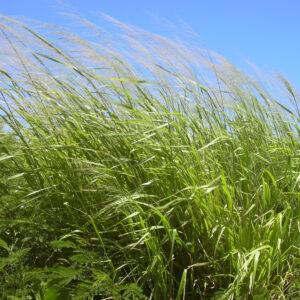
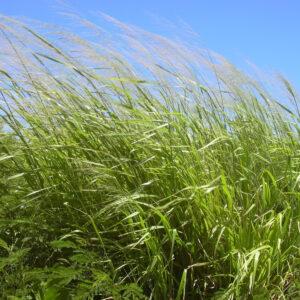
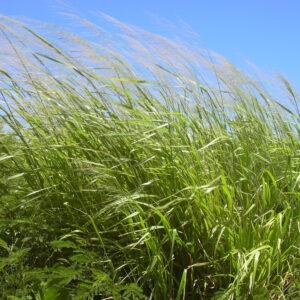
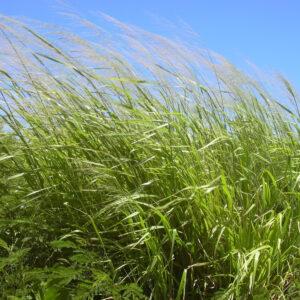
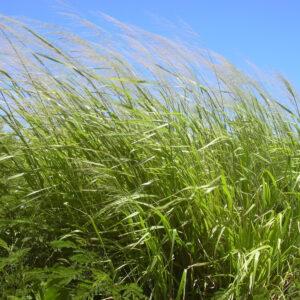
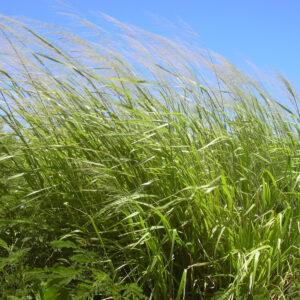
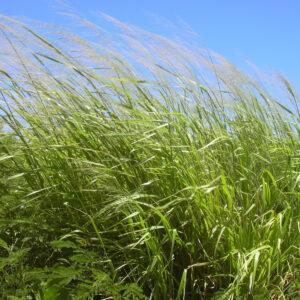
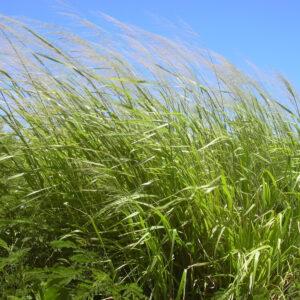
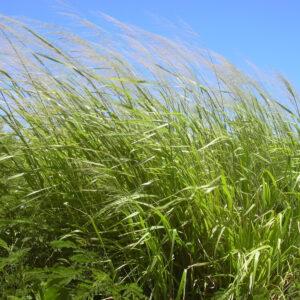
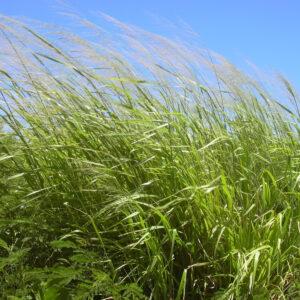
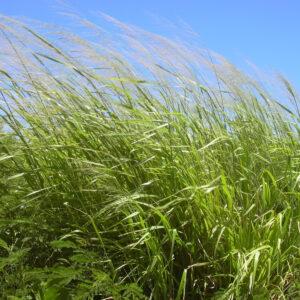
Guinea grass (Megathyrus maximus) is a perennial bunchgrass, that is commonly used for hay and silage in tropical regions. It can also be used as a pasture grass if managed correctly.
Guineagrass Hay Brazil Fine Chop
DigestionDigestion
FiberFiber
ForageForage
NutritionNutrition
Guinea grass (Megathyrus maximus) is a fast-growing growing tropical bunchgrass used for livestock silage and hay. It is less frequently used as pasture due to its growing requirements.
Guineagrass Hay Brazil Long
DigestionDigestion
FiberFiber
ForageForage
NutritionNutrition
Guinea grass (Megathyrus maximus) is a quick-growing tropical bunchgrass used for livestock pasture, silage, and hay.
Guineagrass Hay Brazil Medium Chop
DigestionDigestion
FiberFiber
ForageForage
NutritionNutrition
Guinea grass (Megathyrus maximus) is a fast-growing tropical bunchgrass commonly used for livestock pasture, silage, and hay.
Guineagrass Hay Honduras Fine Chop
DigestionDigestion
FiberFiber
ForageForage
ProteinProtein
Guinea grass (Megathyrus maximus) is a perennial bunch grass, that is commonly used for hay and silage in tropical regions.
Guineagrass Hay Honduras Long
DigestionDigestion
FiberFiber
ForageForage
NutritionNutrition
Guinea grass (Megathyrus maximus) is a fast-growing pantropical grass that can be used for livestock pasture, silage, and hay.
Guineagrass Hay Honduras Medium Chop
DigestionDigestion
EnergyEnergy
FiberFiber
ForageForage
Guinea grass (Megathyrus maximus) is a fast-growing tropical grass that can be used for livestock pasture, silage, and hay.
Guineagrass Pasture Honduras Over Grazed
DigestionDigestion
EnergyEnergy
FiberFiber
ForageForage
Guinea grass pasture should not be grazed below 35 cm, as overgrazed pasture will have limited nutritious leaves and consist mainly of fibrous stems.
Guineagrass Pasture Honduras Well Managed
DigestionDigestion
EnergyEnergy
FiberFiber
ForageForage
Guineagrass pasture that is well-managed with adequate rest periods for regrowth has superior nutritional quality with more abundant leaves compared to unmanaged guineagrass pasture.
Guineagrass Silage Honduras Med
EnergyEnergy
FiberFiber
ForageForage
NutritionNutrition
Guineagrass (Megathyrsus maximus) is a perennial grass native to Africa. It is now grown throughout the tropics as a fast-growing forage source for ruminants. Oxalate and hydrocyanic acid content should be monitored.
Guinegrass Silage Honduras Coarse
DigestionDigestion
EnergyEnergy
FiberFiber
ForageForage
Guinea grass (Megathyrus maximus) is a fast-growing tropical forage used for pasture, hay, or silage. It is commonly used as a forage source for ruminants.
Guinegrass Silage Honduras Fine
EnergyEnergy
FiberFiber
ForageForage
NutritionNutrition
Guineagrass (Megathyrsus maximus) is a perennial found throughout the tropics. It is a fast-growing, bulky forage that can be used as pasture, hay, or silage.
Hay – High Quality (Ontario Average)
DigestionDigestion
ExerciseExercise
FiberFiber
ForageForage
This represents the composition of a high-quality mixed legume/grass hay in Ontario, Canada. It contains 13% CP and 52% NDF. This is a suitable hay choice for breeding and performance horses.
Hay – Low Quality (Ontario Average)
Easy KeeperEasy Keeper
FiberFiber
ForageForage
Metabolic SyndromeMetabolic Syndrome
This represents the composition of a low-quality mixed grass hay in Ontario, Canada. It contains 7% CP and 65% NDF. This is a suitable hay type for easy keepers or horses with metabolic concerns.
Hay – Mid Quality (AB AVG)
DigestionDigestion
FiberFiber
ForageForage
HealthHealth
This represents the composition of a mid-quality mixed legume/grass hay in Alberta, Canada. It contains 10% CP and 57% NDF.
Hay – Mid Quality (BC AVG)
DigestionDigestion
FiberFiber
ForageForage
HealthHealth
This represents the composition of a mid-quality mixed legume/grass hay in British Columbia, Canada. It contains 10% CP and 57% NDF.
Hay – Mid Quality (Central US)
DigestionDigestion
FiberFiber
ForageForage
HealthHealth
This hay represents the composition of a mid-quality mixed legume/grass hay in Central US. It contains 10% CP and 57% NDF.
Hay – Mid Quality (MB AVG)
DigestionDigestion
FiberFiber
ForageForage
HealthHealth
This represents the composition of a mid-quality mixed legume/grass hay in Manitoba, Canada. It contains 10% CP and 57% NDF.
Hay – Mid Quality (NB AVG)
DigestionDigestion
FiberFiber
ForageForage
HealthHealth
This represents the composition of a mid-quality mixed legume/grass hay in New Brunswick, Canada. It contains 10% CP and 57% NDF.
Hay – Mid Quality (NE US)
DigestionDigestion
FiberFiber
ForageForage
HealthHealth
This represents the composition of a mid-quality mixed legume/grass hay in Northeastern US It contains 10% CP and 57% NDF.
Hay – Mid Quality (NL AVG)
DigestionDigestion
FiberFiber
ForageForage
HealthHealth
This represents the composition of a mid-quality mixed legume/grass hay in Newfoundland and Labrador, Canada. It contains 10% CP and 57% NDF.
Hay – Mid Quality (NS AVG)
DigestionDigestion
FiberFiber
ForageForage
HealthHealth
This represents the composition of a mid-quality mixed legume/grass hay in Nova Scotia, Canada. It contains 10% CP and 57% NDF.
Hay – Mid Quality (Ontario Average)
DigestionDigestion
FiberFiber
ForageForage
HealthHealth
This represents the composition of a mid-quality mixed legume/grass hay in Ontario, Canada. It contains 10% CP and 57% NDF.
Hay – Mid Quality (PEI AVG)
DigestionDigestion
FiberFiber
ForageForage
HealthHealth
This represents the composition of a mid-quality mixed legume/grass hay in Prince Edward Island, Canada. It contains 10% CP and 57% NDF.
Hay – Mid Quality (QC AVG)
DigestionDigestion
FiberFiber
ForageForage
HealthHealth
This represents the composition of a mid-quality mixed legume/grass hay in Quebec, Canada. It contains 10% CP and 57% NDF
Hay – Mid Quality (SE US)
DigestionDigestion
FiberFiber
ForageForage
HealthHealth
This represents the composition of a mid-quality mixed legume/grass hay in Southeastern US. It contains 10% CP and 57% NDF
Hay – Mid Quality (SK AVG)
DigestionDigestion
FiberFiber
ForageForage
HealthHealth
This represents the composition of a mid-quality mixed legume/grass hay in Saskatchewan, Canada. It contains 10% CP and 57% NDF.
Hay – Mid Quality (Western US)
DigestionDigestion
FiberFiber
ForageForage
HealthHealth
This represents the composition of a mid-quality mixed legume/grass hay in Western US. It contains 10% CP and 57% NDF
Hay Alfalfa – 17% CP 43% NDF
FiberFiber
Gut HealthGut Health
NutrientsNutrients
ProteinProtein
Alfalfa hay, also called lucerne, is a legume hay that is good source of protein and calcium. Alfalfa can help meet high energy and protein requirements for growing, lactating or performance horses. It usually should not exceed 20% of the total forage content of the diet.
Hay Alfalfa – 17% CP 46% NDF
FiberFiber
Gut HealthGut Health
NutrientsNutrients
ProteinProtein
Alfalfa is a perennial legume that is a good source of protein and calcium. Alfalfa hay can help meet the needs of horses with high energy and protein requirements such as during growth, lactation, or competition. Feeding alfalfa can easily exceed the calorie and protein requirements for horses with lower energy demands.
Hay Alfalfa – 20% CP 37% NDF
FiberFiber
Gut HealthGut Health
NutrientsNutrients
ProteinProtein
Alfalfa hay contains high levels of protein and calcium, which makes it beneficial for horses with high energy and protein needs. Alfalfa can easily exceed the nutrient requirements for horses at maintenance or easy keepers. It typically does not need to exceed 20% of the total forage content of the diet.
Hay Alfalfa – 20% CP 40% NDF
FiberFiber
ForageForage
Gut HealthGut Health
ProteinProtein
Alfalfa hay is a nutrient-dense legume forage that has a high protein content. It is a good forage choice for horses with higher protein requirements including breeding mares and growing horses.
Hay Alfalfa – 25% CP 32% NDF
FiberFiber
ForageForage
Gut HealthGut Health
ProteinProtein
Alfalfa is a perennial legume that provides higher levels of digestible energy, protein and calcium compared to grass hays. It is appropriate for underweight and growing horses.
Hay Alfalfa – 25% CP 35% NDF
FiberFiber
ForageForage
Gut HealthGut Health
ProteinProtein
Alfalfa is a legume forage with higher digestible energy compared to grass hays. It is appropriate for horses with higher protein and nutrient requirements, but may be too calorie-dense for horses at maintenance.
Hay Barley – 9% CP 57% NDF
FiberFiber
ForageForage
Gut HealthGut Health
NutrientsNutrients
Barley hay is made when barley is cut at an early growth stage rather than being harvested for grain. Barley hay is a low-protein, low-starch, high-fibre forage that is intended for easy keepers.
Hay Bermuda – 10% CP 70% NDF
FiberFiber
ForageForage
NutritionNutrition
ProteinProtein
Bermuda hay is commonly grown in the Southern US. Bermuda is a high-fibre, low-starch forage that is suitable for most horses. Protein content will be higher when cut at lower maturity.
Hay Bermuda – 15% CP 55% NDF
FiberFiber
ForageForage
NutritionNutrition
ProteinProtein
Bermuda hay is a high-fibre, low-sugar forage commonly grown in the Southern US. When cut at an earlier growth stage, the protein content is approximately 15% making this forage suitable for growing or performance horses.
Hay Bermuda – 5% CP 80% NDF
FiberFiber
ForageForage
NutritionNutrition
ProteinProtein
Bermuda hay is a warm-season grass forage commonly grown in the Southern US. Bermuda hay harvested at a mature growth stage is typically low in protein and high in fibre. This may be a suitable forage for easy keepers.
Hay Grass – 10% CP 67% NDF
FiberFiber
ForageForage
Gut HealthGut Health
NutritionNutrition
Grass hay from various grass species is a common forage source in equine diets. Grass hay with 10% crude protein would be appropriate for horses in moderate work.
Hay Grass – 16% CP 55% NDF
FiberFiber
ForageForage
Gut HealthGut Health
ProteinProtein
Grass hay harvested at an early stage of growth typically has higher protein content. This hay profile is an appropriate forage for hard keepers, growing, gestating and lactating horses.
Hay Grass – 7% CP 72% NDF
FiberFiber
ForageForage
HindgutHindgut
NutritionNutrition
Hay from grass species is commonly fed to horses. When harvested at a mature stage of growth it will have relatively low protein and high fibre content. This hay is a suitable choice for easy keepers or horses at maintenance.
Hay Mixed – 13% CP 56% NDF
FiberFiber
ForageForage
Gut HealthGut Health
ProteinProtein
Mixed legume and grass species hay is a common forage source for horses. Moderate-quality mixed hay with 13% crude protein and 56% NDF is a suitable choice for hard keepers, performance horses, as well as gestating, lactating and growing horses.
Hay Mixed – 18% CP 48% NDF
FiberFiber
ForageForage
Gut HealthGut Health
ProteinProtein
High-quality mixed hay with 18% crude protein is suitable for gestating, lactating, and growing horses. Mixed hay provides higher calcium content than pure grass hay.
Hay Mixed – 9% CP 64% NDF
FiberFiber
ForageForage
Gut HealthGut Health
ProteinProtein
Mixed hay containing legume and grass species is commonly fed to horses. Mature mixed hay that contains 9% crude protein and 64% NDF is a suitable choice for easy keepers.
Hay Oat – 9% CP 60% NDF
FiberFiber
ForageForage
NutritionNutrition
ProteinProtein
Oat hay is a high-fibre forage suitable for mature horses at maintenance. Oat hay should be harvested before the seedhead develops to ensure lower starch content and improved palatability.
Hay Orchard – 13% CP 59% NDF
FiberFiber
ForageForage
Gut HealthGut Health
ProteinProtein
Orchard hay is a cool-season grass commonly grown in North America. Soft and palatable, orchard hay harvested at an earlier growth stage has higher protein content and lower NDF. It is suitable for hard keepers and performance horses.
Hay Orchard – 8% CP 65% NDF
FiberFiber
ForageForage
HindgutHindgut
NutritionNutrition
Orchard hay is a common forage source for horses. It has a soft texture and is typically highly palatable. Orchard hay with 8% crude protein and 65% NDF is suitable for easy keepers and horses with metabolic concerns.
Hay Pangola – 9% CP 70% NDF
EnergyEnergy
FiberFiber
ForageForage
NutritionNutrition
Pangola is a tropical grass used to make hay and silage for ruminants. Pangola hay contains soluble calcium oxalates and should not be fed to horses.
Hay Reed Canary – 10% CP 65% NDF
FiberFiber
ForageForage
Gut HealthGut Health
ProteinProtein
Reed Canary hay is a cool-season hay used in equine diets. Native species contain high levels of alkaloids which may reduce palatability for horses. It can be fed in place of timothy hay but may result in lower intake.
Hay Rye Grass – 12% CP 60% NDF
FiberFiber
ForageForage
Gut HealthGut Health
ProteinProtein
Rye grass is typically used as pasture or silage for cattle. When cut for hay, protein and fibre content varies depending on the stage of harvest. Rye grass hay can have high fructan content and should not be fed to horses prone to laminitis. The seedheads can contain endophyte fungus that can cause equine neurological symptoms known as rye grass staggers.
Is Your Horse's Diet Missing Anything?

Identify gaps in your horse's nutrition program to optimize their well-being.